
Heavy Industrial Equipment Buying Guide: Specs, Lead Time, and Maintenance Factors




Why does buying heavy industrial equipment require more than a price comparison?
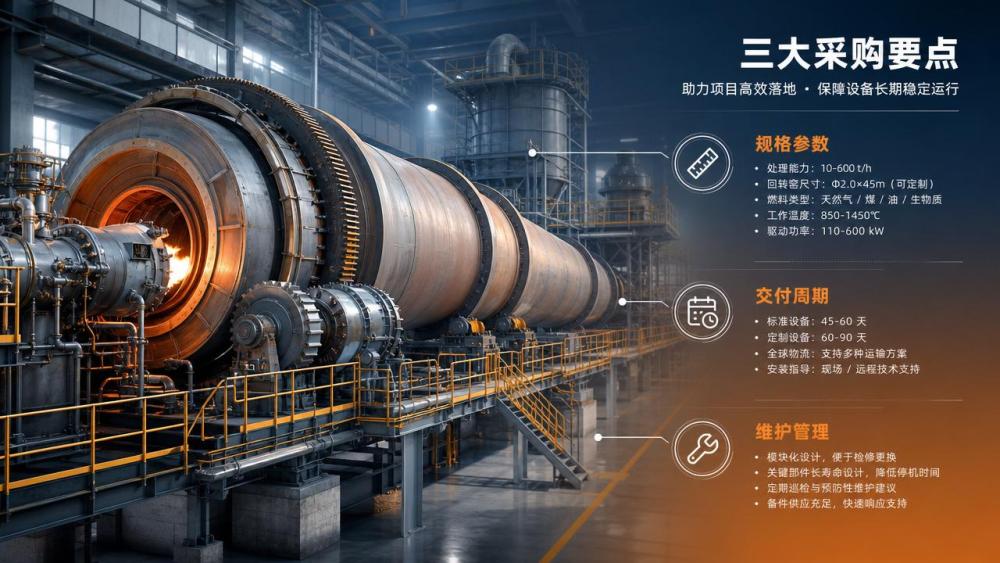
Buying heavy industrial equipment is usually a long-cycle decision with technical, operational, and regulatory consequences.
That is especially true in cement plants, glass lines, industrial kilns, incineration systems, refractory production, and material extrusion.
In these sectors, one weak specification can affect fuel use, emissions stability, refractory life, and shutdown frequency.
So the real question is not simply, “Which machine costs less?”
A better question is whether the equipment can hold performance under real thermal loads, variable feedstocks, and changing environmental rules.
This is where market intelligence becomes useful.
CF-Elite follows heavy industrial equipment across silicate production, thermal processing, and energy-intensive conversion systems.
Its research focus connects high-temperature physics, process chemistry, and carbon reduction goals, which matters when investment decisions must survive for years.
In practical terms, a sound purchase review should balance three things together: specifications, lead time, and maintenance reality.
Which technical specifications matter most before selecting heavy industrial equipment?
Specifications should be read as operating boundaries, not marketing highlights.
For heavy industrial equipment, the most important values depend on process intensity and failure sensitivity.
In high-temperature systems, a few parameters deserve extra attention:
- Throughput range under stable and peak load conditions
- Maximum operating temperature and thermal cycling tolerance
- Fuel or power consumption per ton of output
- Feedstock adaptability, including moisture, particle size, and chemistry
- Dust, NOx, SOx, and heat recovery compatibility
- Automation depth, sensor availability, and remote diagnostics support
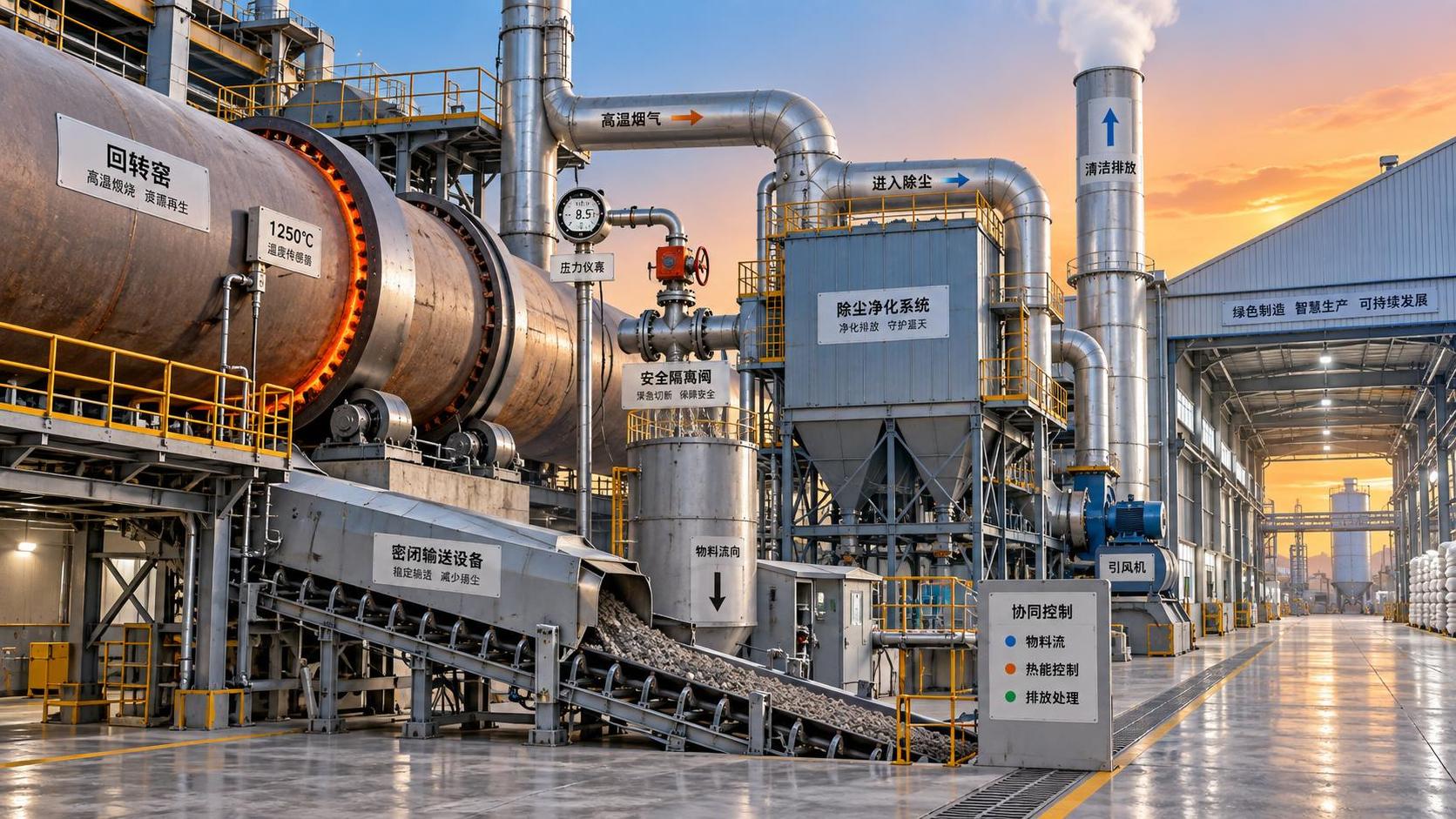
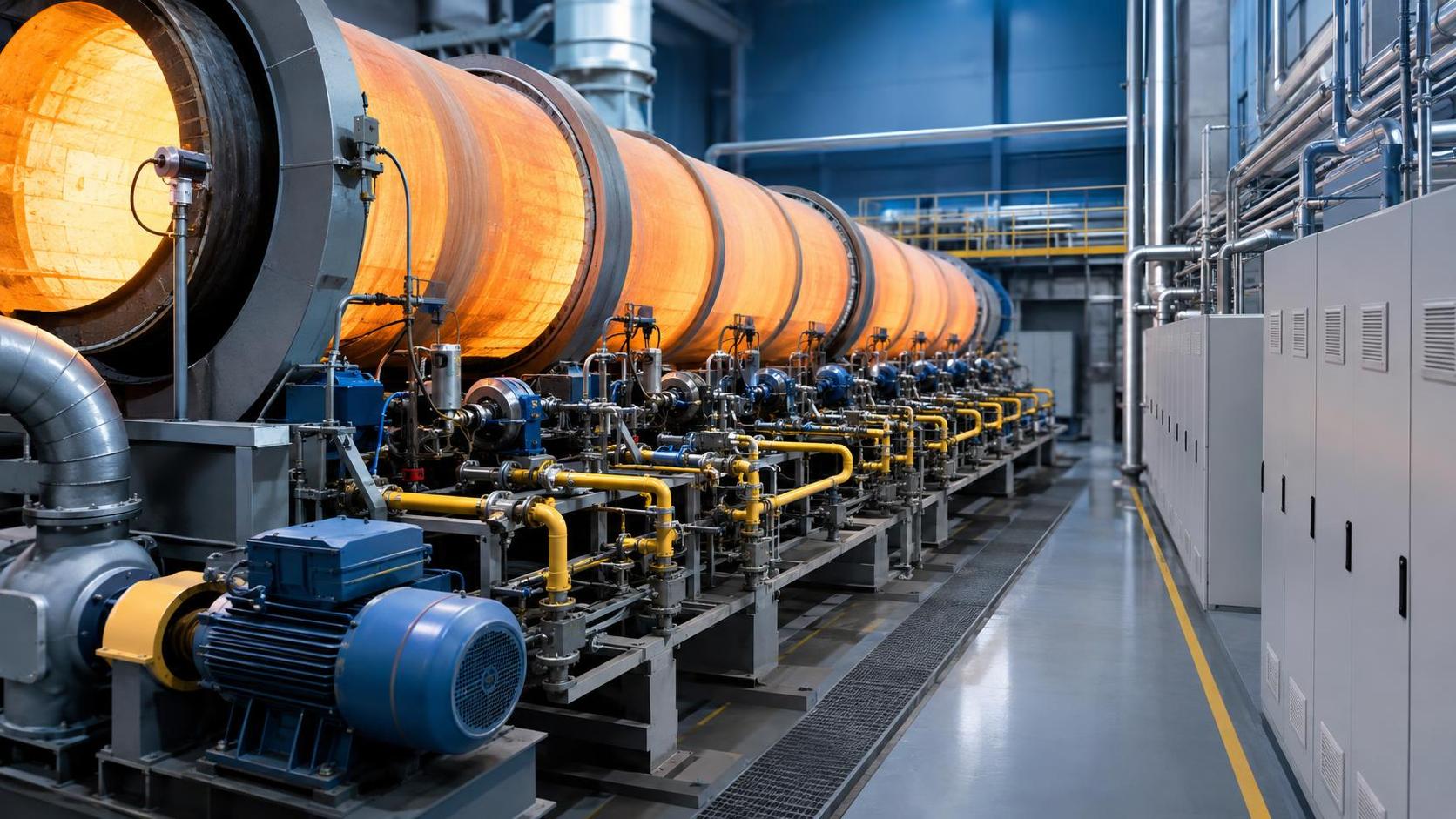
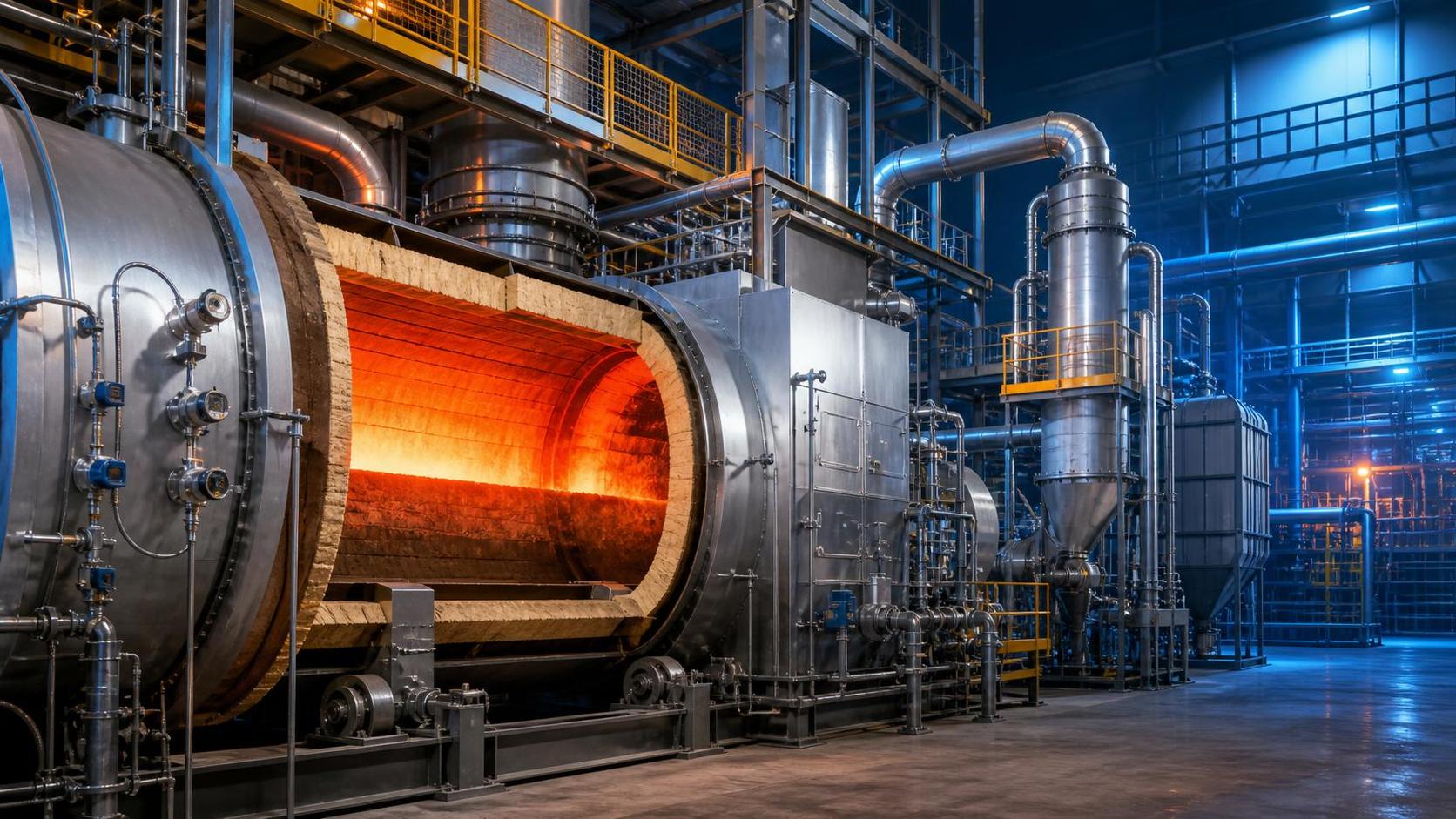
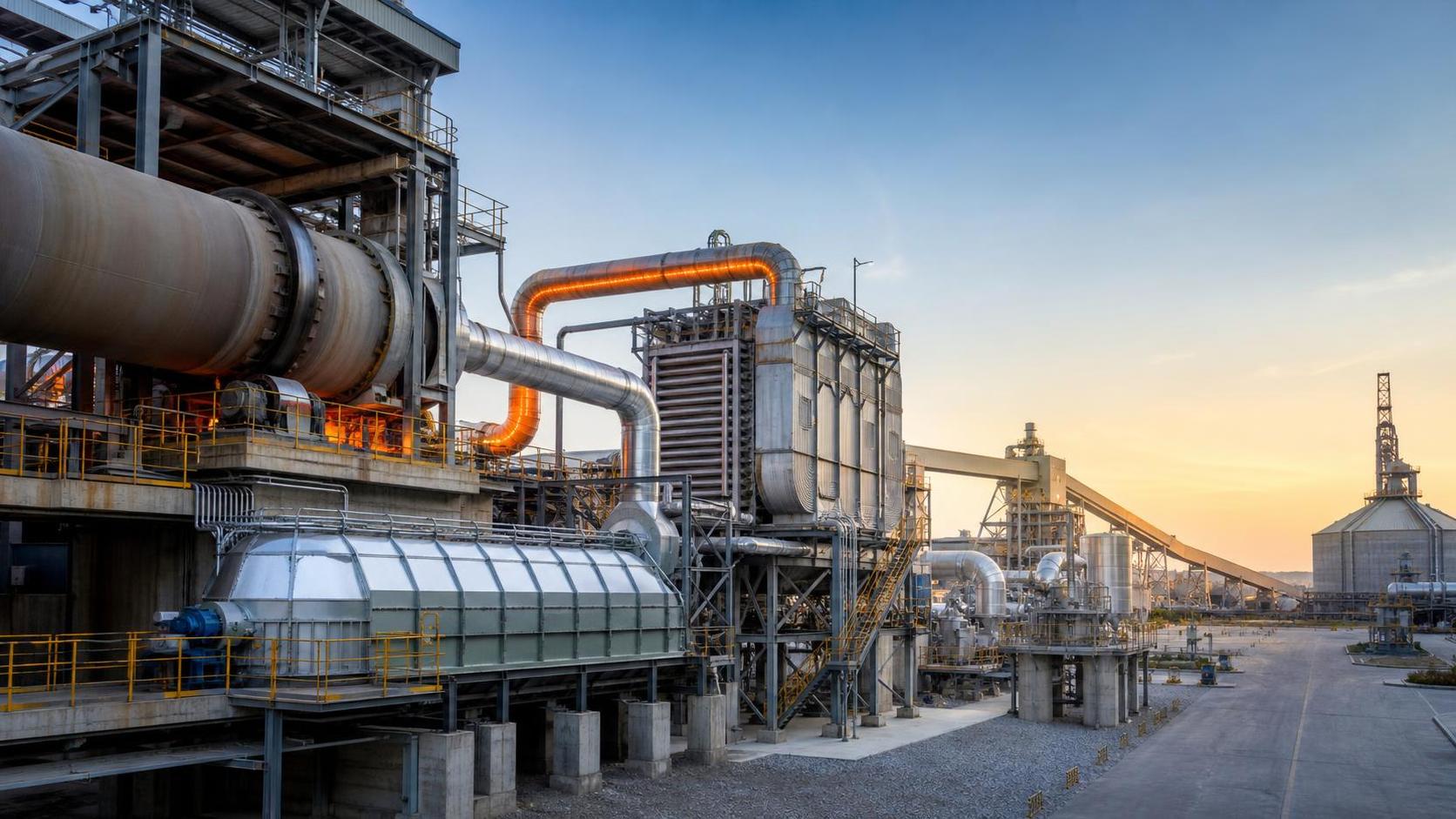
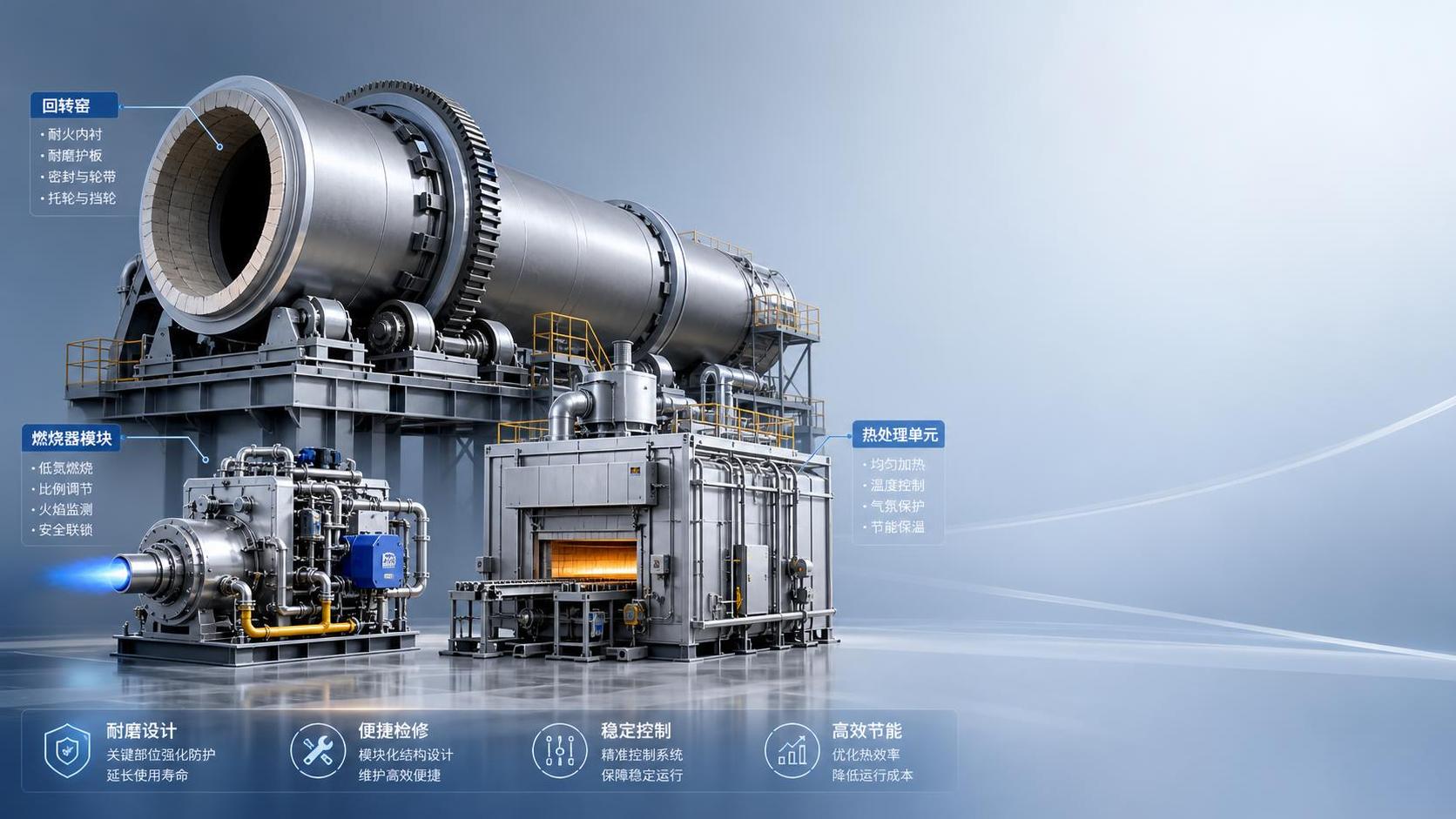
For example, rotary kilns and incineration lines often look comparable on nominal capacity.
Yet the lining design, burner flexibility, and control system logic can create very different lifecycle performance.
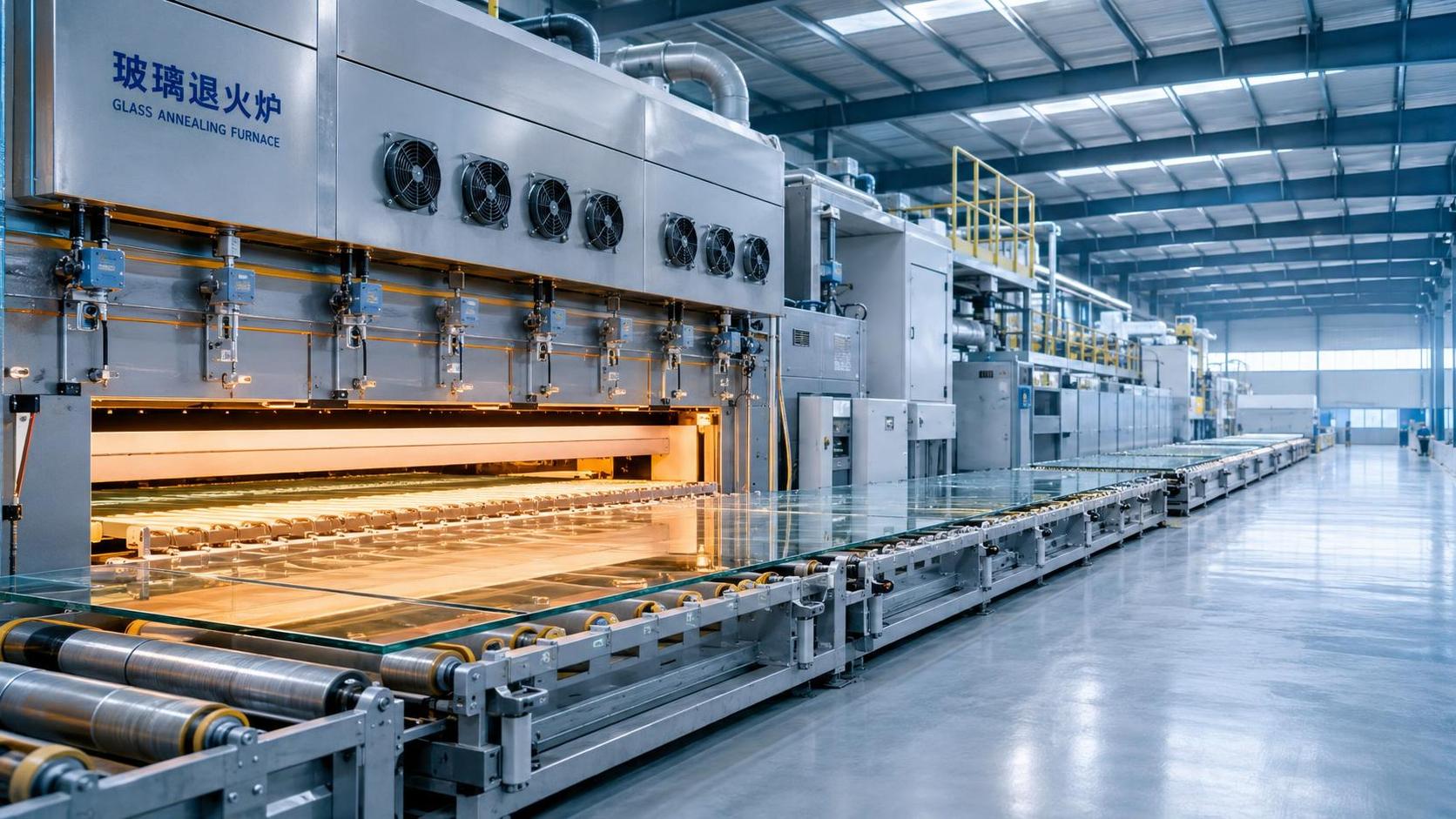
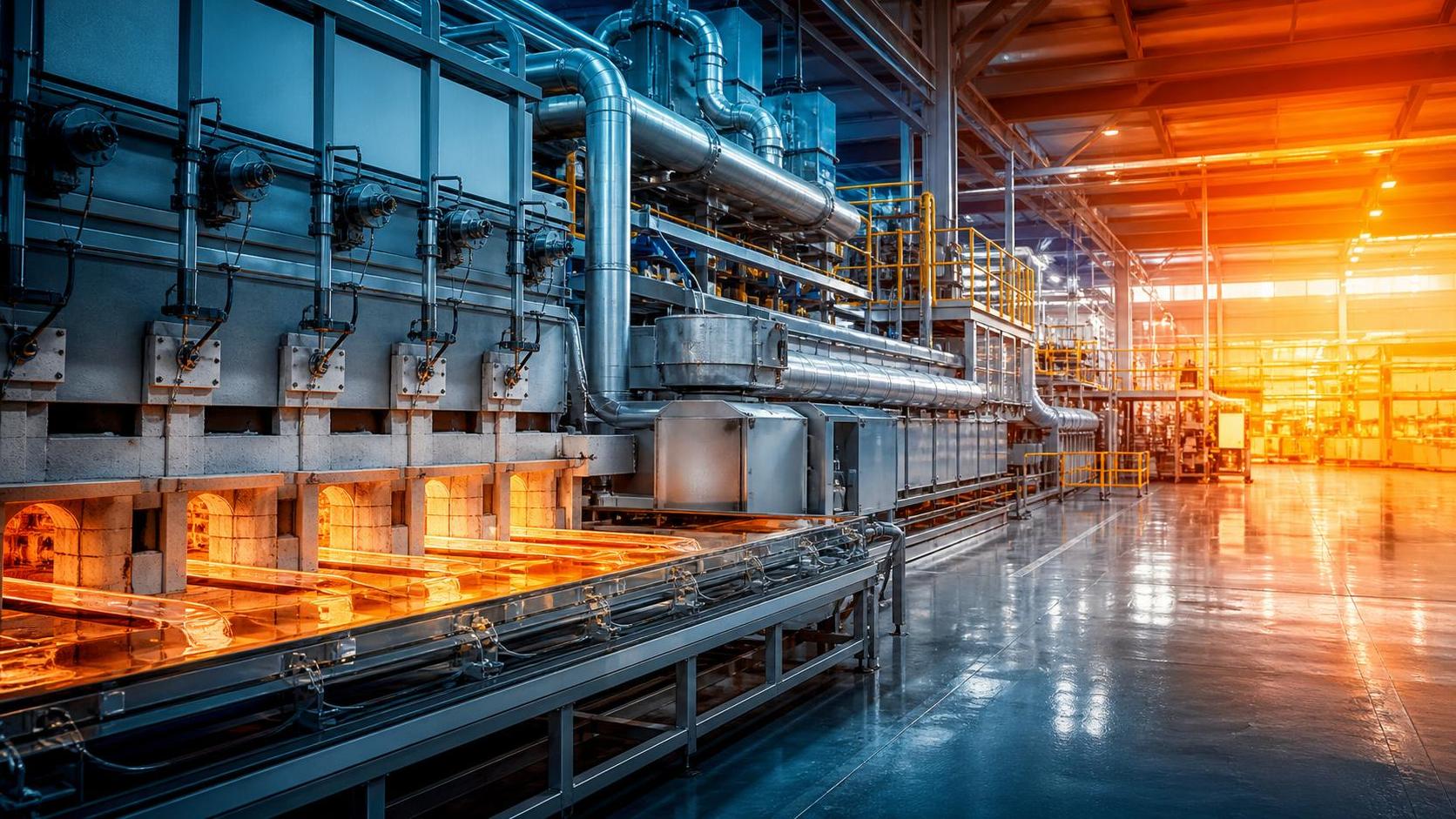
Glass manufacturing gear raises another issue.
Melting uniformity, annealing precision, and digital twin compatibility may matter more than headline output.
A useful screening method is to ask whether each specification is guaranteed under your actual process window.
If the answer only applies to ideal raw materials or standard ambient conditions, risk is already present.
A quick judging table for early comparison
The table below helps separate headline claims from decision-grade data.
How should lead time be evaluated when the project schedule looks urgent?
Quoted lead time often means factory completion, not full readiness for operation.
That gap causes many heavy industrial equipment delays.
A realistic timeline should include engineering review, fabrication, inspection, shipping, customs, civil readiness, installation, hot commissioning, and performance validation.
For large process equipment, bottlenecks usually appear in three places.
- Long-lead subcomponents such as gearboxes, burners, drives, castings, and control hardware
- Port, transport, and lifting constraints for oversized modules
- Commissioning delays caused by utilities, feedstock tests, or local approvals
More careful evaluations ask for a milestone schedule rather than one delivery date.
That schedule should separate shop release, shipment, on-site arrival, mechanical completion, and process acceptance.
CF-Elite often tracks how regional policy shifts, freight pressure, and energy-transition investments reshape project timing.
This matters because demand surges in green materials, waste-to-energy systems, and efficient glass lines can suddenly stretch supply chains.
If timing is critical, ask one more question.
Which parts of the project can run in parallel without creating rework later?
That answer often saves more time than pushing for an unrealistic delivery promise.
What maintenance factors are easy to underestimate during heavy industrial equipment selection?
Maintenance is where many purchasing assumptions are tested.
A lower upfront price can become expensive if the equipment requires frequent refractory work, difficult bearing access, or imported wear parts with long replenishment cycles.
In actual operation, maintenance should be reviewed from four angles.
1. Wear pattern, not just part count
Wear parts are expected.
What matters is how quickly they degrade under variable chemistry, abrasive feed, or thermal shock.
2. Access time during shutdown
A component may be replaceable in theory.
If insulation removal, crane positioning, or confined-space work takes too long, downtime cost rises sharply.
3. Monitoring capability
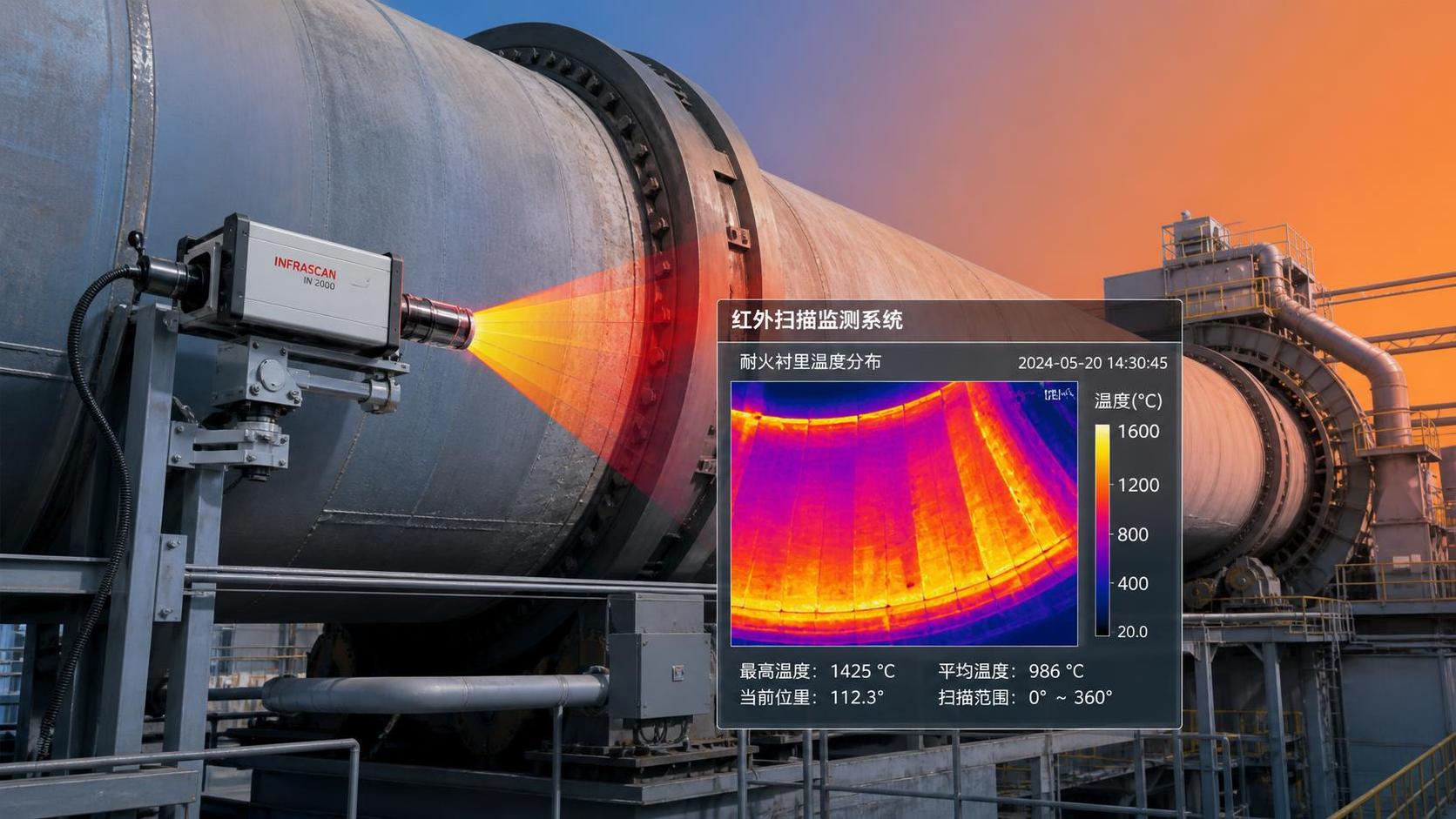
Online temperature readings, shell scanning, vibration data, and lining condition alerts can shift maintenance from reactive to planned.
This is increasingly relevant for kilns, furnaces, and extrusion lines.
4. Spare parts strategy
The key issue is not only availability.
It is whether critical spares are standardized, localizable, or locked into a narrow supply chain.
For heavy industrial equipment in thermal sectors, maintenance planning also links to energy efficiency.
A worn burner system, leaking seal, or damaged lining often shows up first as fuel waste or unstable product quality.
That is why technical intelligence around refractory monitoring and heat management is becoming part of equipment evaluation, not an afterthought.
When do lifecycle cost and sustainability outweigh the initial equipment quote?
Almost always, but the difference becomes dramatic in energy-intensive operations.
Heavy industrial equipment can operate for decades.
Small efficiency gaps compound into major cost differences across fuel, electricity, parts, labor, and lost output.
A practical lifecycle review should include:
- Energy cost per ton over expected utilization levels
- Expected maintenance spend by year and major overhaul points
- Downtime exposure during unplanned failures
- Emissions compliance cost and retrofit risk
- Digital upgrade potential for monitoring and optimization
This perspective is increasingly important as decarbonization targets move from policy language into operating constraints.
In sectors covered by CF-Elite, that means better heat recovery, cleaner combustion, smarter controls, and resource circularity are no longer optional talking points.
They influence permit confidence, export competitiveness, and long-term plant flexibility.
So if two heavy industrial equipment options appear close in price, compare their future compliance burden and energy profile.
That usually reveals the stronger investment case.
What are the most common mistakes before placing an order?
Most errors happen before fabrication begins.
They start with incomplete assumptions, then become expensive during installation or ramp-up.
The most common issues include:
- Choosing heavy industrial equipment based on nominal capacity only
- Ignoring raw material variability and future product changes
- Treating lead time as shipping time instead of project readiness time
- Underestimating refractory, seal, or wear-part replacement intervals
- Missing local environmental or grid integration requirements
- Overlooking data integration with plant monitoring systems
A simple prevention step is to build a written evaluation sheet before final comparison.
Include operating limits, maintenance assumptions, emissions fit, spare strategy, and commissioning conditions.
That structure makes competing proposals easier to test on equal terms.
It also reduces the risk of buying heavy industrial equipment that looks efficient on paper but struggles under plant reality.
So how should the final decision be organized?
A strong decision usually comes from narrowing uncertainty, not chasing the lowest quote.
Start by defining the real operating envelope, including temperature, throughput swings, fuel options, and feedstock variability.
Then compare heavy industrial equipment against the same checklist, using verified milestones rather than general claims.
It helps to separate short-term and long-term value.
Short-term value is delivery confidence, installation fit, and startup readiness.
Long-term value is efficiency, maintainability, compliance resilience, and data visibility.
For sectors shaped by thermal management and carbon pressure, outside intelligence can sharpen those comparisons.
CF-Elite’s coverage of kilns, float lines, refractory systems, and extrusion technologies reflects that broader view.
It connects market movement with technical risk, which is useful when equipment choices must support energy efficiency for years.
The next step is practical: list must-have specifications, map the full lead-time path, and test maintenance assumptions before commitment.
That process leads to better heavy industrial equipment decisions, fewer surprises, and stronger lifecycle performance.
Related News
 Thermal Energy ArchitectRotary Kiln Efficiency: How Feed Rate, Fuel Use, and Heat Loss Affect OutputRotary kiln efficiency explained: discover how feed rate, fuel use, heat loss, combustion, and cooling performance shape output, quality, and energy costs.Sep 14, 2026
 Thermal Energy ArchitectHow to Select Heat-Resistant Materials That Maintain Abrasion Resistance in KilnsHeat-resistant materials abrasion resistance: learn how to select kiln linings that withstand heat, wear, thermal cycling, and chemical attack for longer service life.Sep 13, 2026
 Thermal Energy ArchitectHow Rotary Kiln Automation Improves Temperature Control and Fuel EfficiencyRotary kiln technology automation enhances temperature control, stabilizes combustion, and improves fuel efficiency with smarter data, predictive control, and safer operations.Sep 12, 2026
 Silicate Process EngineerCement Plant Emission Control: Selecting Systems for Dust, NOx, and SO2 LimitsCement plant emission control guide: compare dust collectors, NOx reduction, and SO2 systems for reliable compliance across kiln modes, fuel changes, and operating upsets.Sep 11, 2026
 Thermal Energy ArchitectSelecting Abrasion-Resistant High-Temperature Materials for Kiln and Conveyor Wear ZonesHigh-temp material engineering guide to abrasion-resistant kiln and conveyor solutions—match wear, heat, chemistry, and installation design for longer service life.Sep 10, 2026
 Dr. Alistair VaughnIndustrial Process Engineering: How to Map Processes for Safer, More Efficient PlantsIndustrial process engineering reveals bottlenecks, safety risks, and energy losses through practical process mapping for safer, more efficient plants.Sep 09, 2026
 Optical Glass Tech FellowHow to Evaluate a Glass Annealing Equipment Manufacturer for Production StabilityChoose a glass annealing equipment manufacturer with proven thermal uniformity, reliable controls, lifecycle value, and responsive service for stable production.Sep 08, 2026
 Prof. Marcus ChenThermal Energy Architecture in North America: Strategies for Lower Building Energy UseThermal energy architecture North America helps project leaders cut building energy use through stronger envelopes, right-sized HVAC, storage, and smart commissioning.Sep 07, 2026
 Ms. Elena RodriguezHow Should Buyers Evaluate Building Material Industry Intelligence Pricing?Building material industry intelligence pricing: learn how to compare coverage, technical depth, and ROI to choose intelligence that reduces procurement risk.Sep 07, 2026
 Ms. Elena RodriguezHow to Use Building Material Intelligence Data for Market and Investment DecisionsBuilding material industry intelligence data helps leaders evaluate demand, costs, regulation, capacity, and technology to make smarter market and investment decisions.Sep 05, 2026
 Thermal Energy ArchitectHow PLC Control Improves Energy Efficiency and Temperature Stability in KilnsEnergy efficient kilns PLC control improves temperature stability, cuts fuel waste, and optimizes combustion, draft, and material flow. Explore proven strategies for smarter kiln modernization.Sep 04, 2026
 Optical Glass Tech FellowEuropean Glass Melting Processes: Furnace Choices, Energy Use, and Quality ControlGlass melting process Europe: explore furnace choices, energy efficiency, cullet strategy, and quality control to improve output, compliance, and long-term glass performance.Sep 03, 2026
 Thermal Energy ArchitectWhat Determines Refractory Lining Monitoring Price for Industrial Kilns?Refractory lining monitoring price depends on kiln size, sensor technology, installation, software, and support. Compare total lifecycle costs and choose the right solution.Sep 02, 2026
 Silicate Process EngineerCement Production System Costs: A Plant Buyer’s Guide to Budgeting and ROICement production systems cost planning made clear: compare CAPEX, operating costs, compliance, and ROI to build a resilient, profitable cement plant investment.Sep 01, 2026
 Dr. Alistair VaughnWhat Should a Process Technology Database Track for High-Temperature Plants?Process technology database essentials for high-temperature plants: track thermal profiles, feed chemistry, refractory wear, emissions, energy, and maintenance for safer, data-driven decisions.Aug 31, 2026
 Ms. Elena RodriguezHow to Evaluate a Silicate Processing Equipment Manufacturer for Plant ProjectsSilicate processing equipment manufacturer selection: assess process fit, guarantees, energy, compliance, delivery risk, and lifecycle support for dependable plant performance.Aug 30, 2026
 Dr. Alistair VaughnHow to Specify Custom Agricultural Processing Equipment for Throughput and HygieneEquipment customization services for agricultural processing: learn to specify hygienic, high-throughput lines that improve yield, reliability, and long-term efficiency.Aug 29, 2026
 Dr. Alistair VaughnHow to Select Process Plant Equipment for High-Temperature, Abrasive Production LinesProcess plant equipment selection for high-temperature, abrasive lines: reduce downtime, improve durability, and optimize lifecycle performance.Aug 28, 2026
 Silicate Process EngineerHow Kiln Heat Recovery Systems Cut Fuel Use in Cement and Lime ProductionKiln heat recovery helps cement and lime plants cut fuel use, improve thermal stability, and build practical, reliable decarbonization strategies.Aug 27, 2026
 Ms. Elena RodriguezProcess Equipment Comparison: Which Metrics Matter Most for Reliable Selection?Process equipment comparison made practical: discover which metrics truly drive reliable selection, from energy efficiency and control stability to wear life, maintainability, and uptime.Aug 26, 2026



Related News
- 00
0000-00
Industrial Process Engineering: How to Map Processes for Safer, More Efficient Plants - 00
0000-00
What Should a Process Technology Database Track for High-Temperature Plants? - 00
0000-00
How to Specify Custom Agricultural Processing Equipment for Throughput and Hygiene - 00
0000-00
How to Select Process Plant Equipment for High-Temperature, Abrasive Production Lines - 00
0000-00
What Causes Thermal Shock Failure in Heat-Resistant Materials During Development?
Weekly Insights
Stay ahead with our curated technology reports delivered every Monday.