
What global material trends are reshaping industrial investment?




From decarbonization and circular resource use to heat-resilient manufacturing and digitalized process control, global material trends are redefining where industrial capital flows next. For enterprise decision-makers, understanding how these shifts influence cement, glass, kilns, refractories, and extrusion systems is essential to building competitive, future-ready investment strategies in an increasingly regulated and efficiency-driven global market.
For business leaders, the core question is not whether materials are changing, but which global material trends will reshape margins, compliance costs, technology choices, and long-term asset value.
The strongest investment opportunities now sit where energy efficiency, process stability, emissions performance, and material durability improve together. That is especially true in heavy thermal industries with long equipment lifecycles.
Decision-makers are also searching for practical guidance. They want to know which trends are structural, which are temporary, and how to prioritize capital under uncertain policy, commodity, and demand conditions.
What enterprise decision-makers really need to understand first
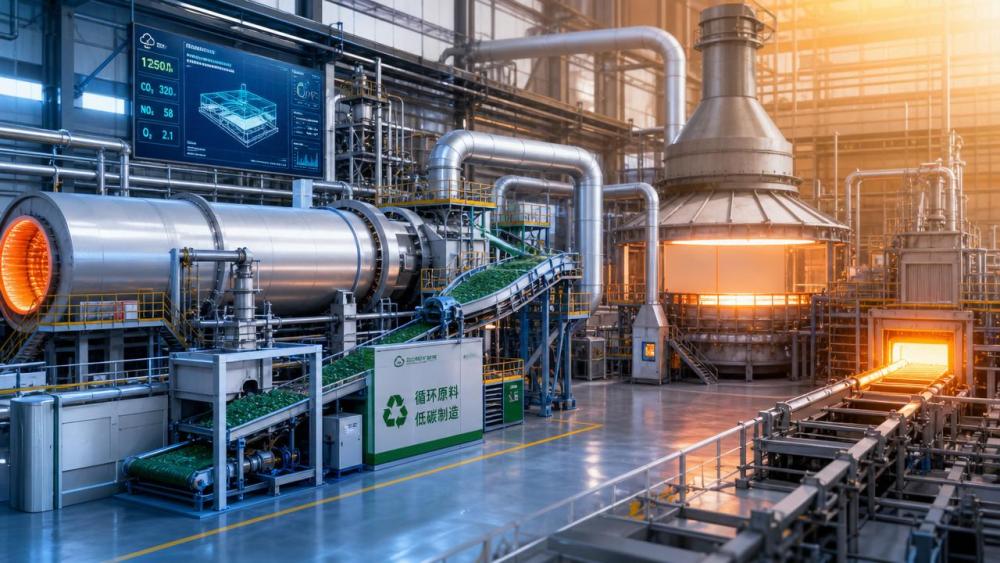
The most important shift is that materials are no longer judged only by cost and output. They are increasingly evaluated by carbon intensity, recyclability, thermal resilience, digital traceability, and regulatory fit.
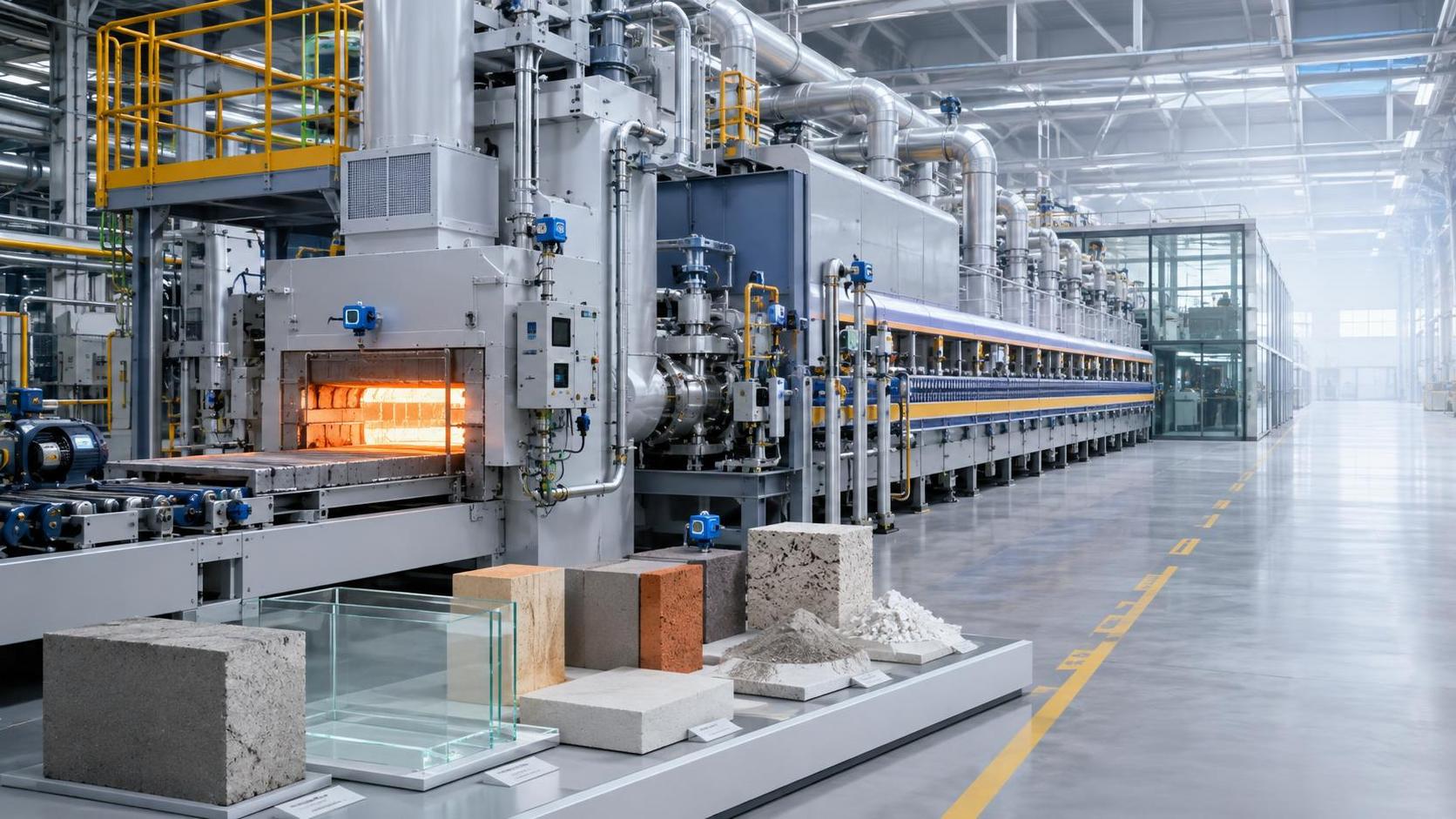
That changes investment logic across cement plants, glass manufacturing, industrial kilns, refractory lines, and new building material extrusion. Capital is moving toward systems that can stay efficient under tighter environmental and energy constraints.
In other words, global material trends are reshaping industrial investment by changing the definition of a productive asset. A good asset now needs to be efficient, compliant, adaptable, and data-visible.
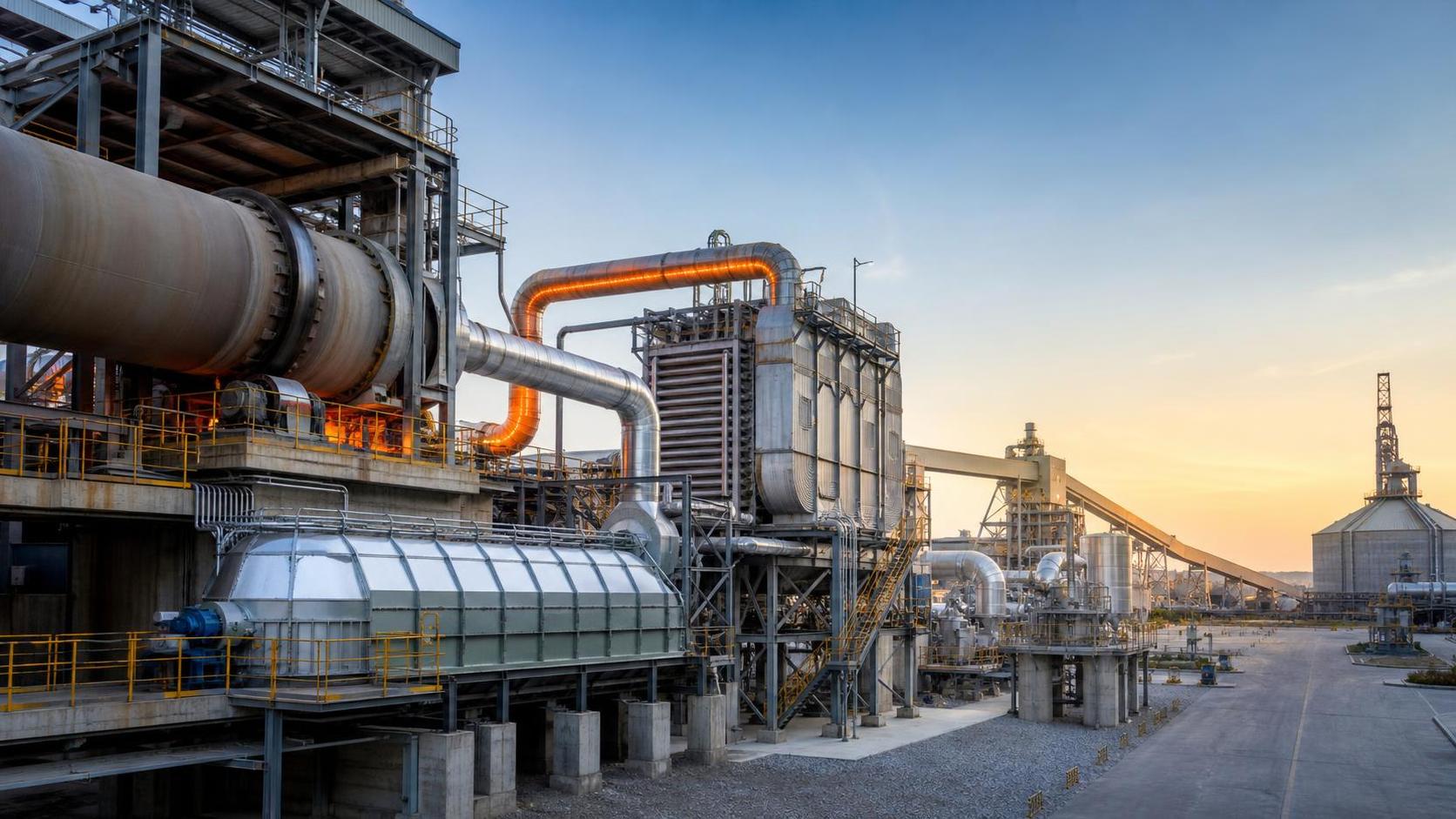
This matters because many industrial sectors still rely on high-temperature processes. In such environments, small improvements in heat management, process control, or material durability can create large financial effects over time.
Boards and plant owners therefore care less about abstract sustainability language and more about measurable outcomes: lower fuel use, fewer shutdowns, stronger output consistency, and lower exposure to future regulation.
Decarbonization is redirecting capital toward lower-emission material systems
Among all global material trends, decarbonization has the broadest influence on industrial investment. It affects technology selection, financing access, export competitiveness, and even customer qualification in many markets.
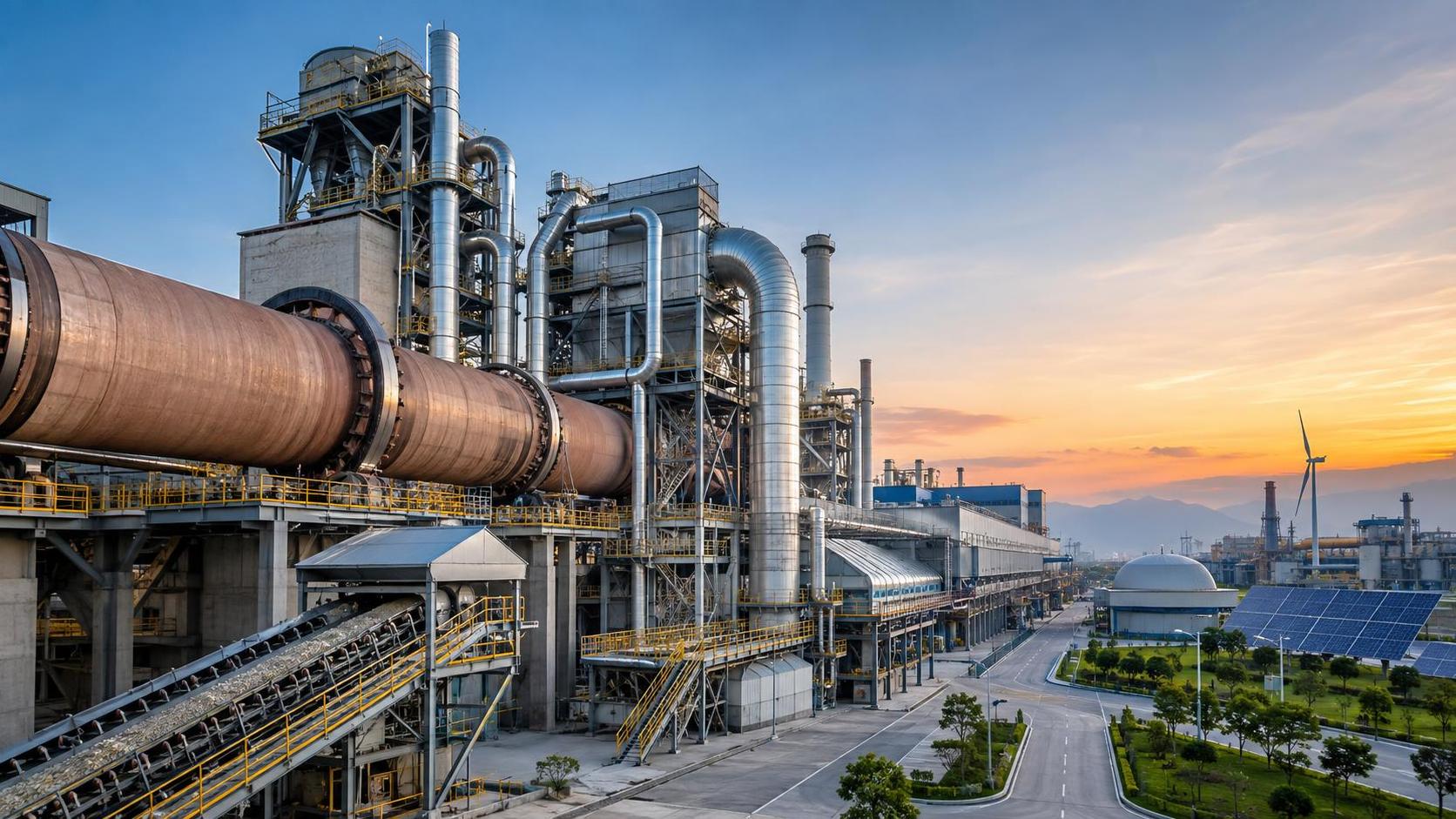
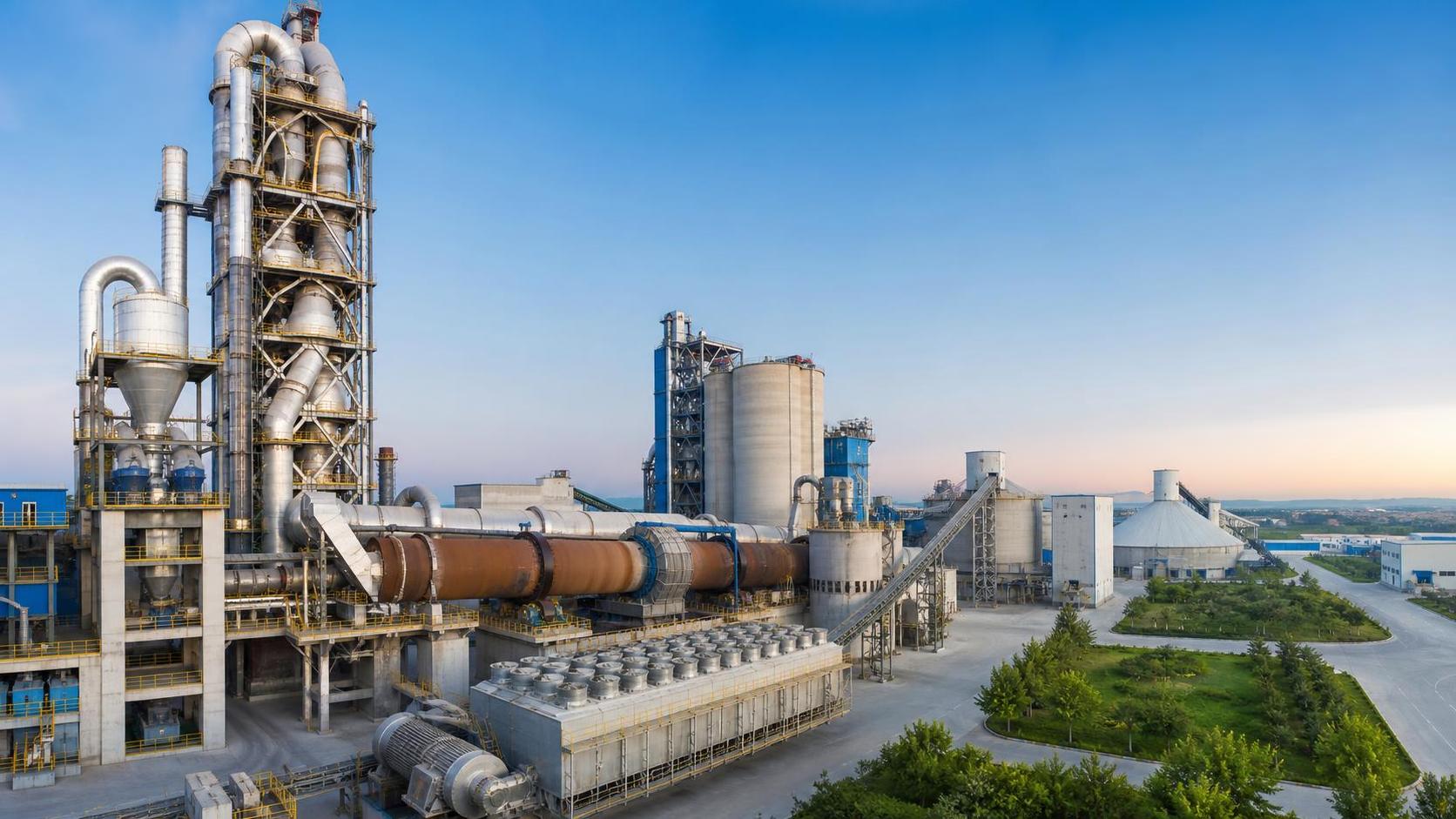
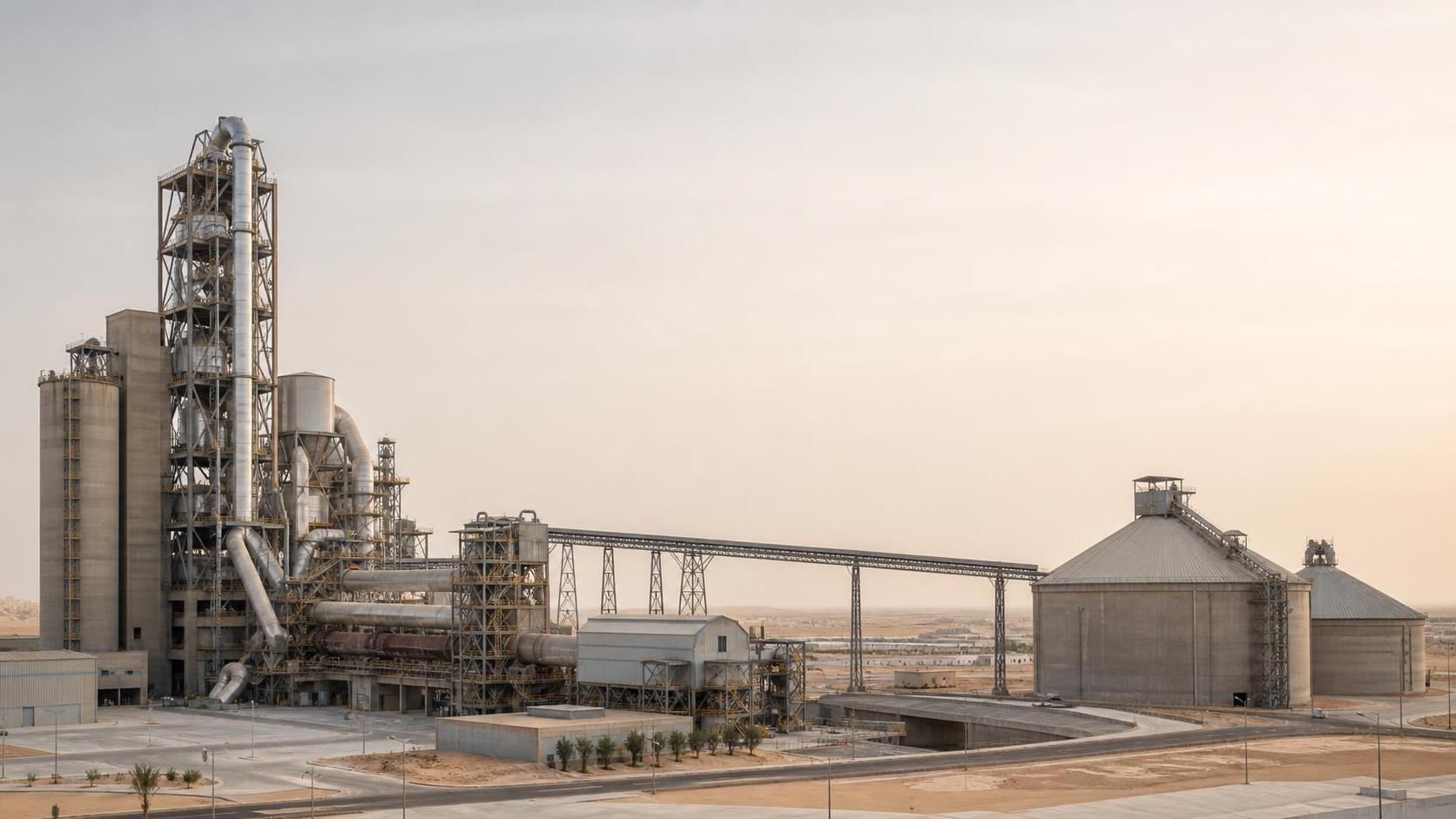
For cement, this means stronger interest in alternative fuels, clinker factor reduction, waste heat recovery, and co-processing technologies. Each directly affects both emissions intensity and operating cost structures.
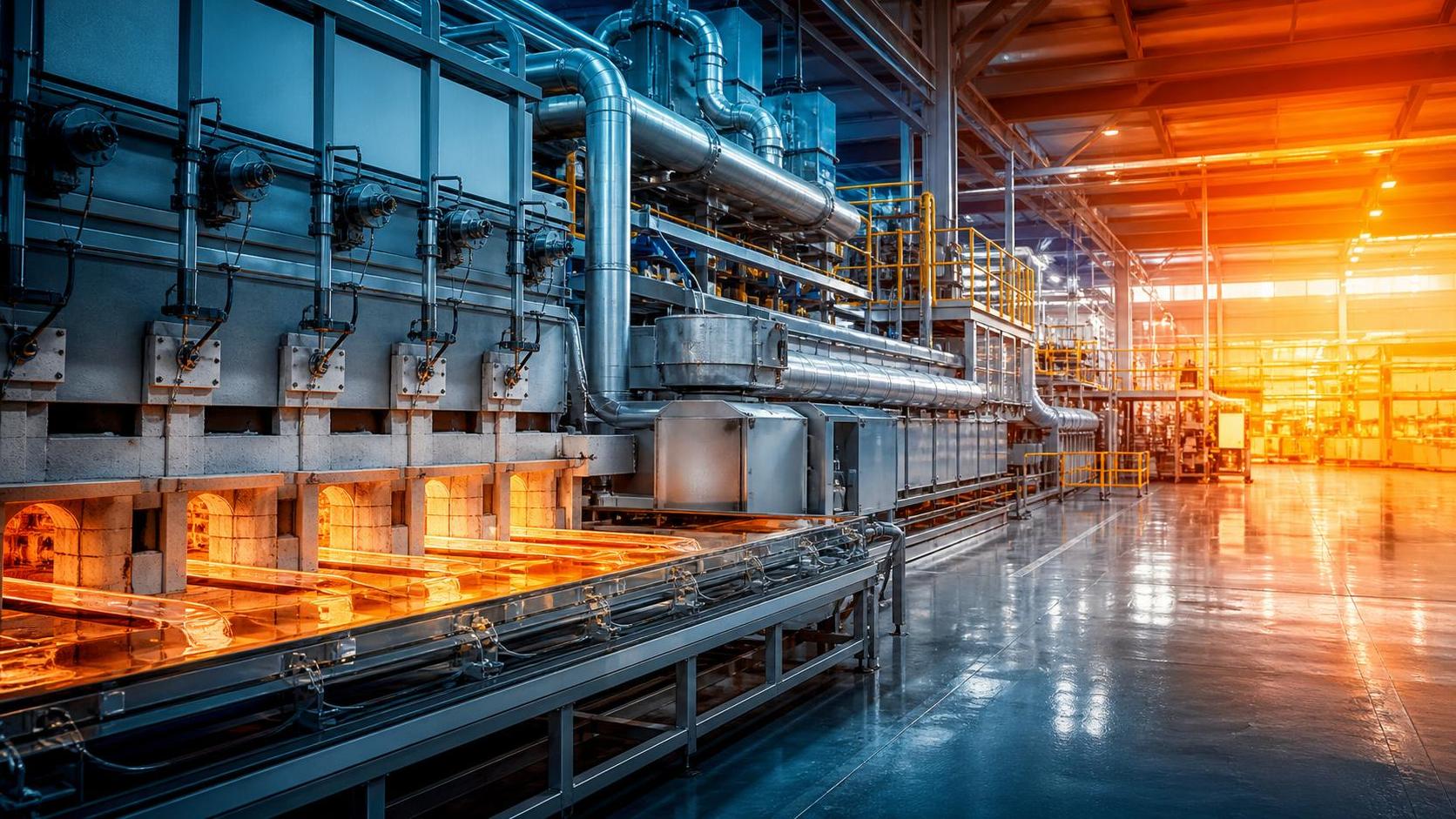
For glass production, decarbonization is accelerating investment in advanced furnace design, improved insulation, electric boosting, and tighter combustion control. These reduce energy loss while supporting product quality.
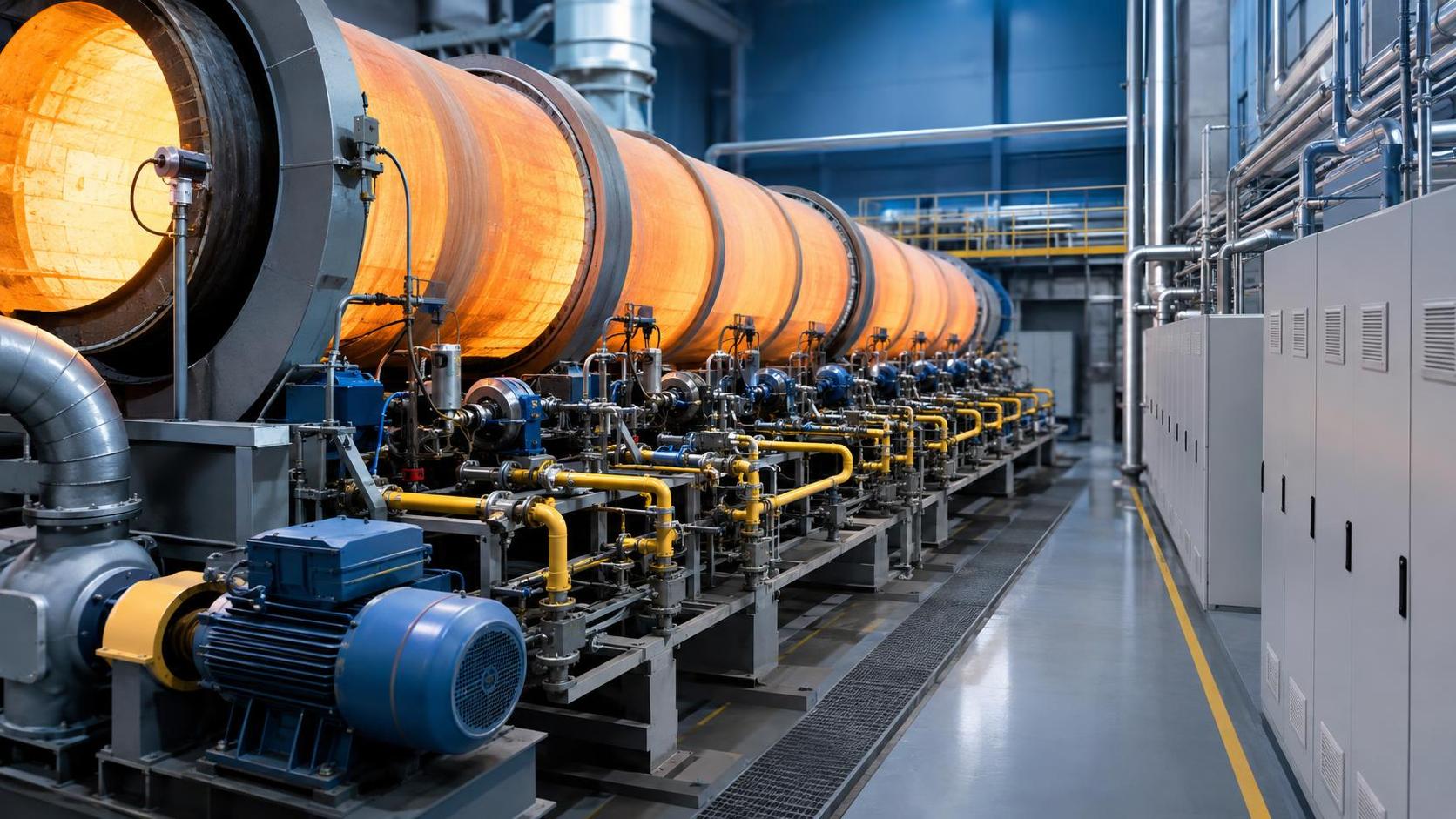
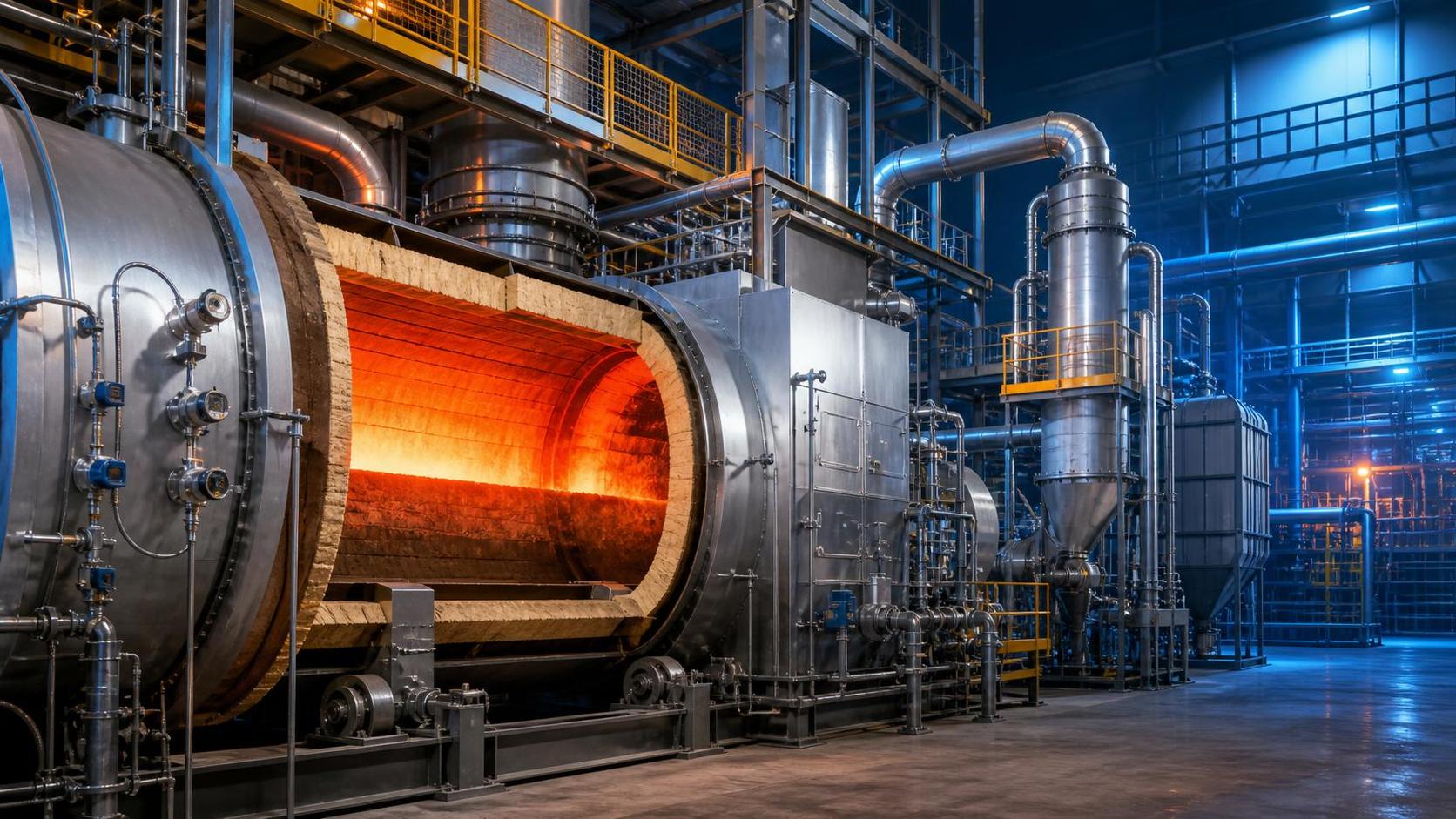
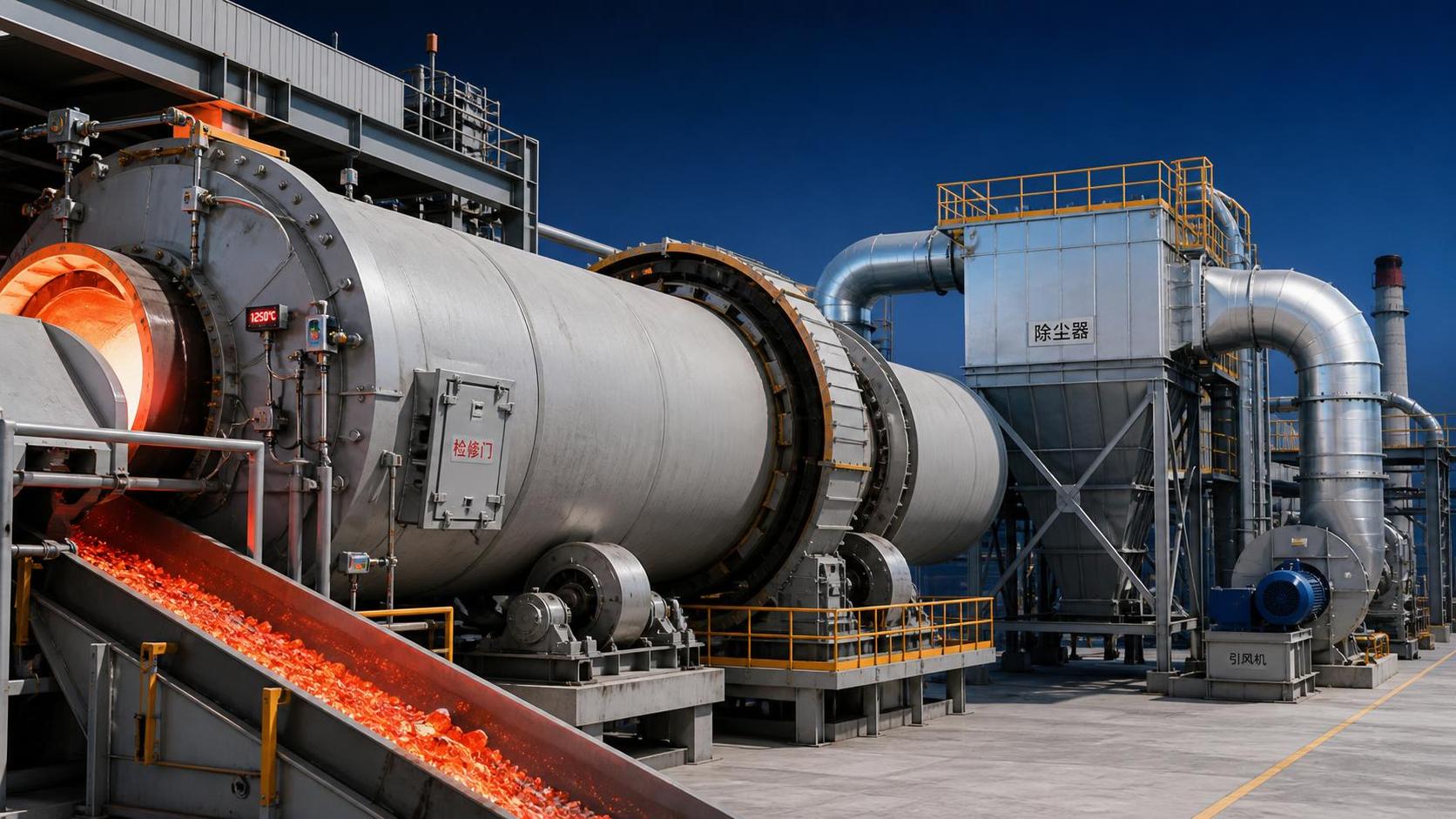
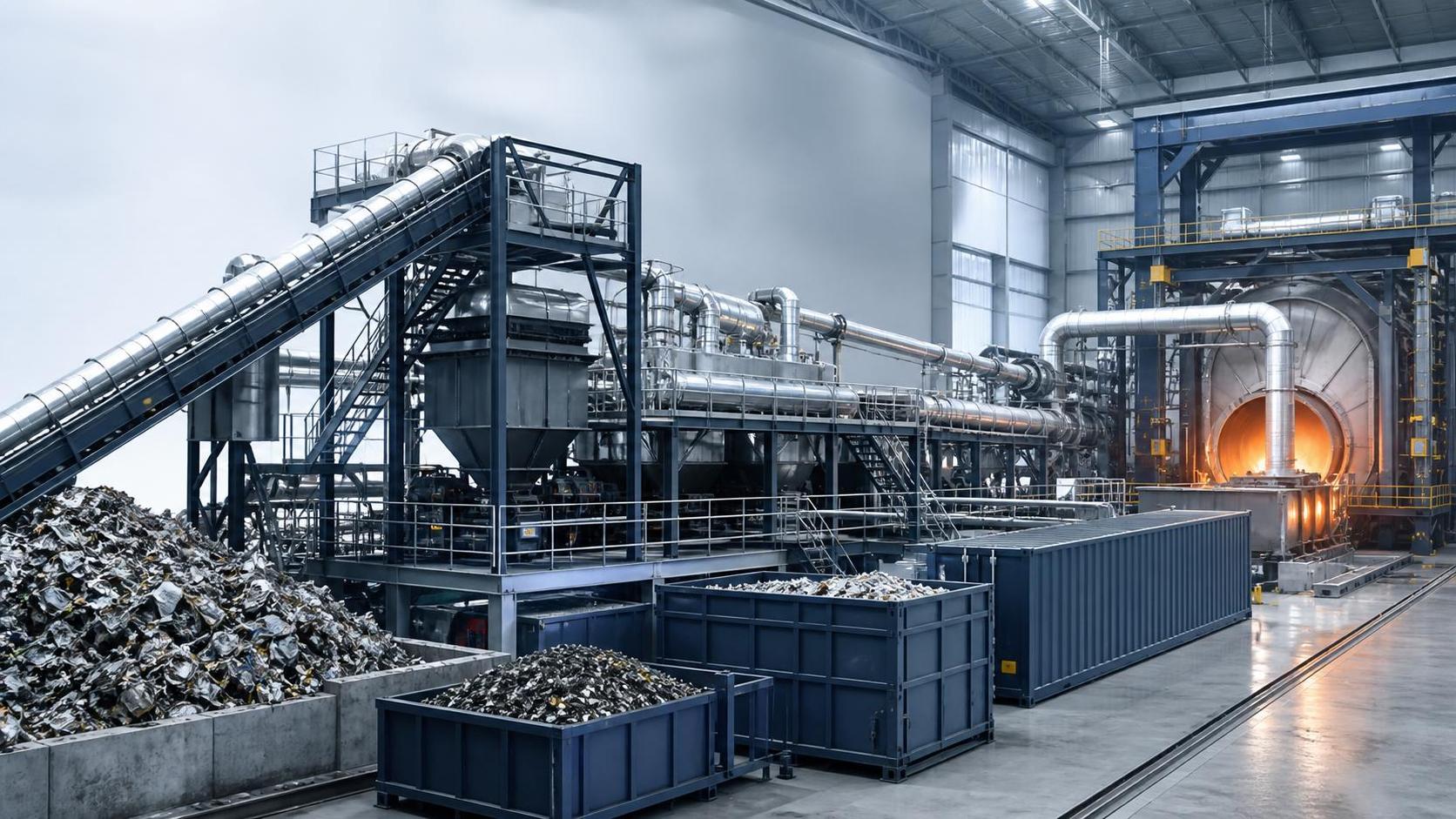
In industrial kilns and incineration, investors increasingly favor systems that can convert waste streams into thermal value while remaining compliant with emissions rules. The commercial case is both environmental and operational.
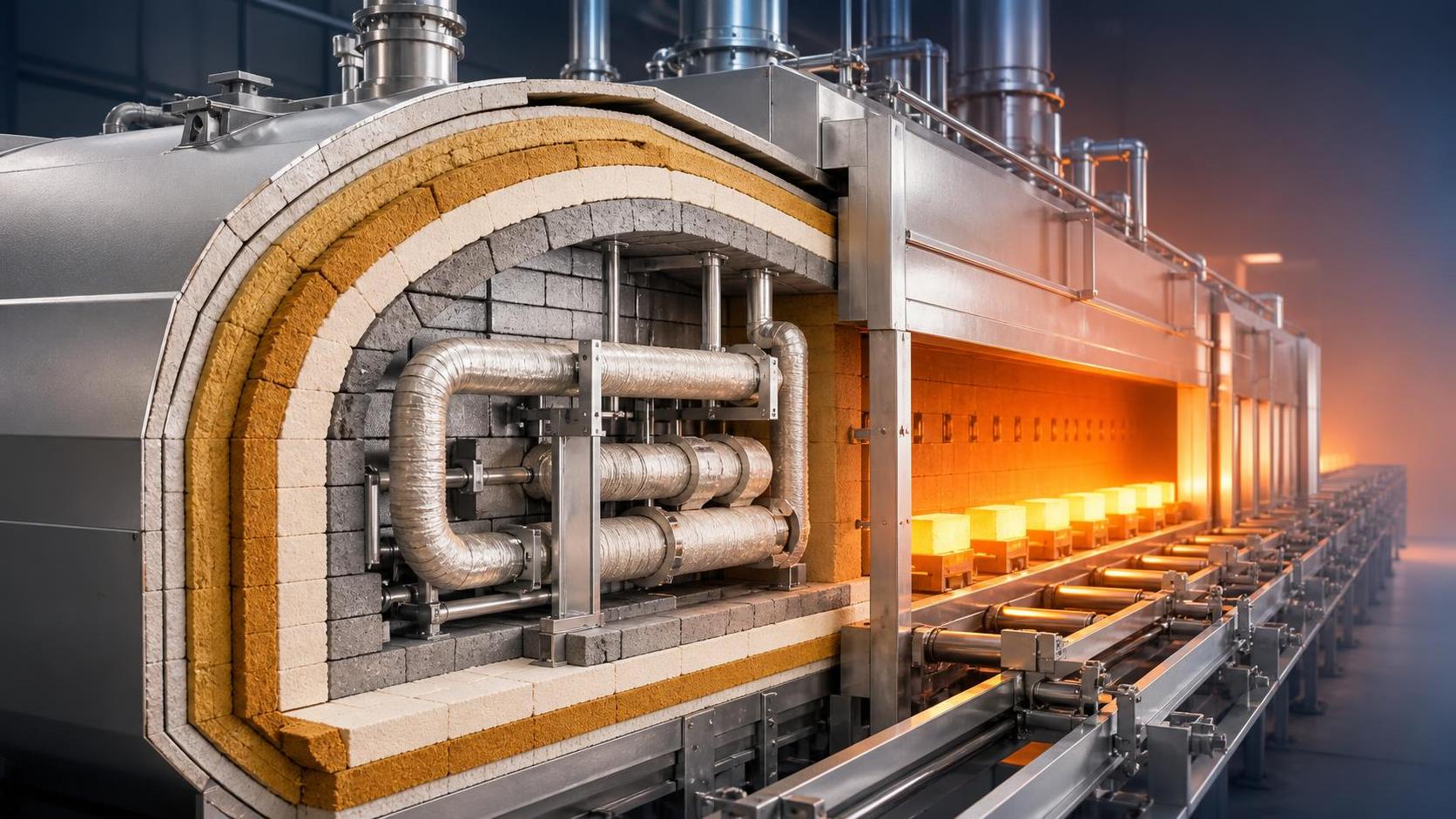
Refractory production also sits inside this transition. Better thermal barriers reduce heat loss, extend campaign life, and improve furnace efficiency, making refractories a strategic lever rather than a hidden maintenance expense.
For decision-makers, the practical lesson is clear: the next generation of industrial assets must be designed for carbon pressure, not retrofitted only after regulation becomes unavoidable or financing becomes more expensive.
Circular resource use is turning waste streams into investable industrial inputs
Circularity is no longer a branding concept. It is becoming an operating model that affects raw material sourcing, feedstock flexibility, waste treatment economics, and plant design across multiple heavy industries.
In cement and kiln operations, the ability to co-process industrial residues, municipal waste fractions, or alternative mineral inputs can reduce virgin resource dependence while opening new revenue or cost-saving pathways.
Glass manufacturers are also responding to circular pressure through cullet optimization, batch reformulation, and improved sorting logic. Higher recycled content can reduce melting energy, but only if contamination risk is controlled.
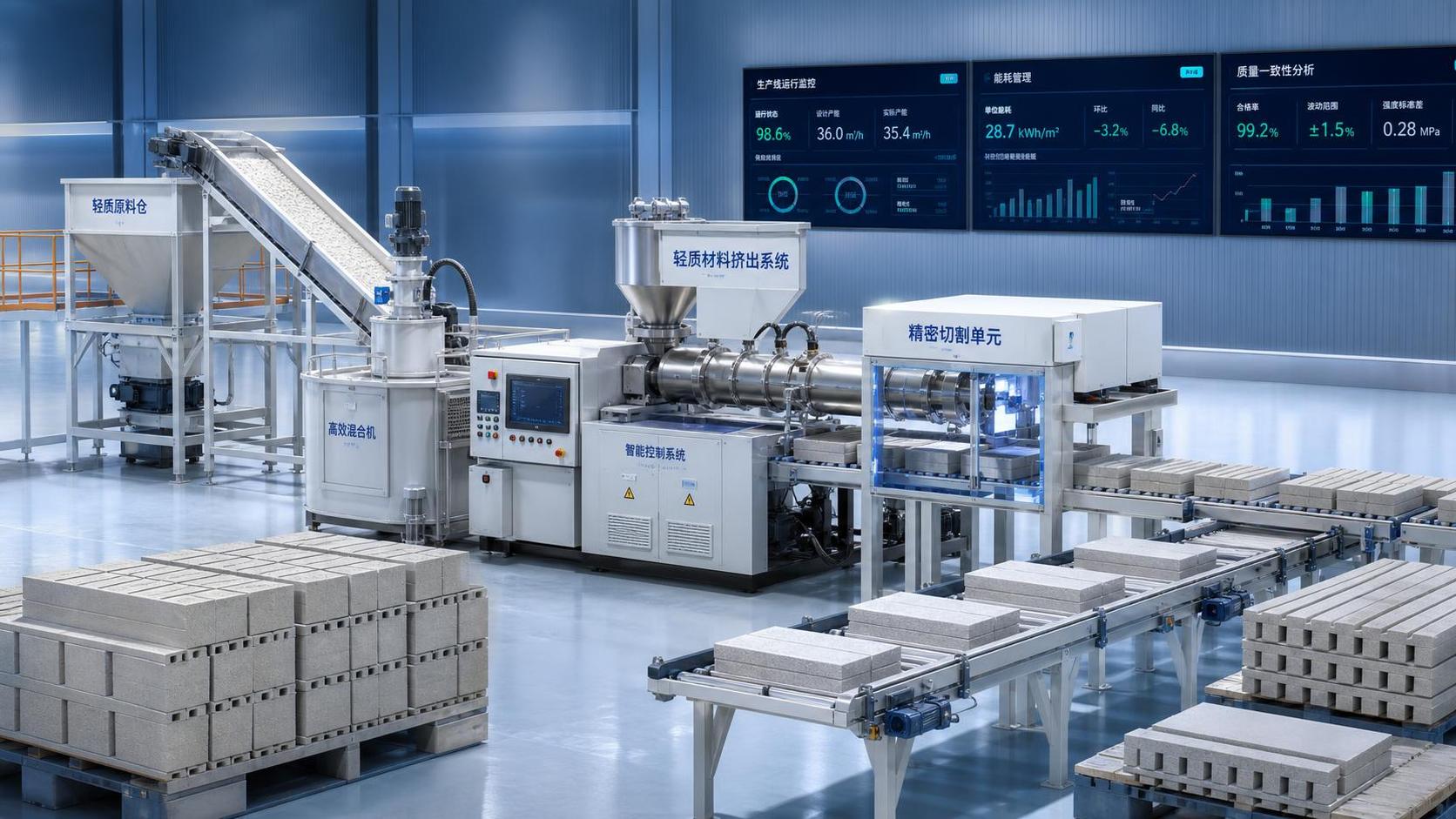
For extrusion-based building materials, circular trends support demand for lightweight, recycled, or lower-impact formulations. These products align with green construction standards and rising pressure for embodied carbon disclosure.
However, circular investment succeeds only when material variability is manageable. Plants need process engineering, thermal balancing, and quality control systems that can absorb changing inputs without compromising product performance.
That is why circularity increasingly overlaps with digitalization and materials science. The value lies not simply in using recycled inputs, but in doing so at industrial scale with predictable output and acceptable economics.
Heat-resilient manufacturing is becoming a strategic competitive advantage
Many executives underestimate how central thermal resilience is to future competitiveness. Yet in high-temperature sectors, production reliability depends heavily on how materials behave under prolonged stress, corrosion, and cycling.
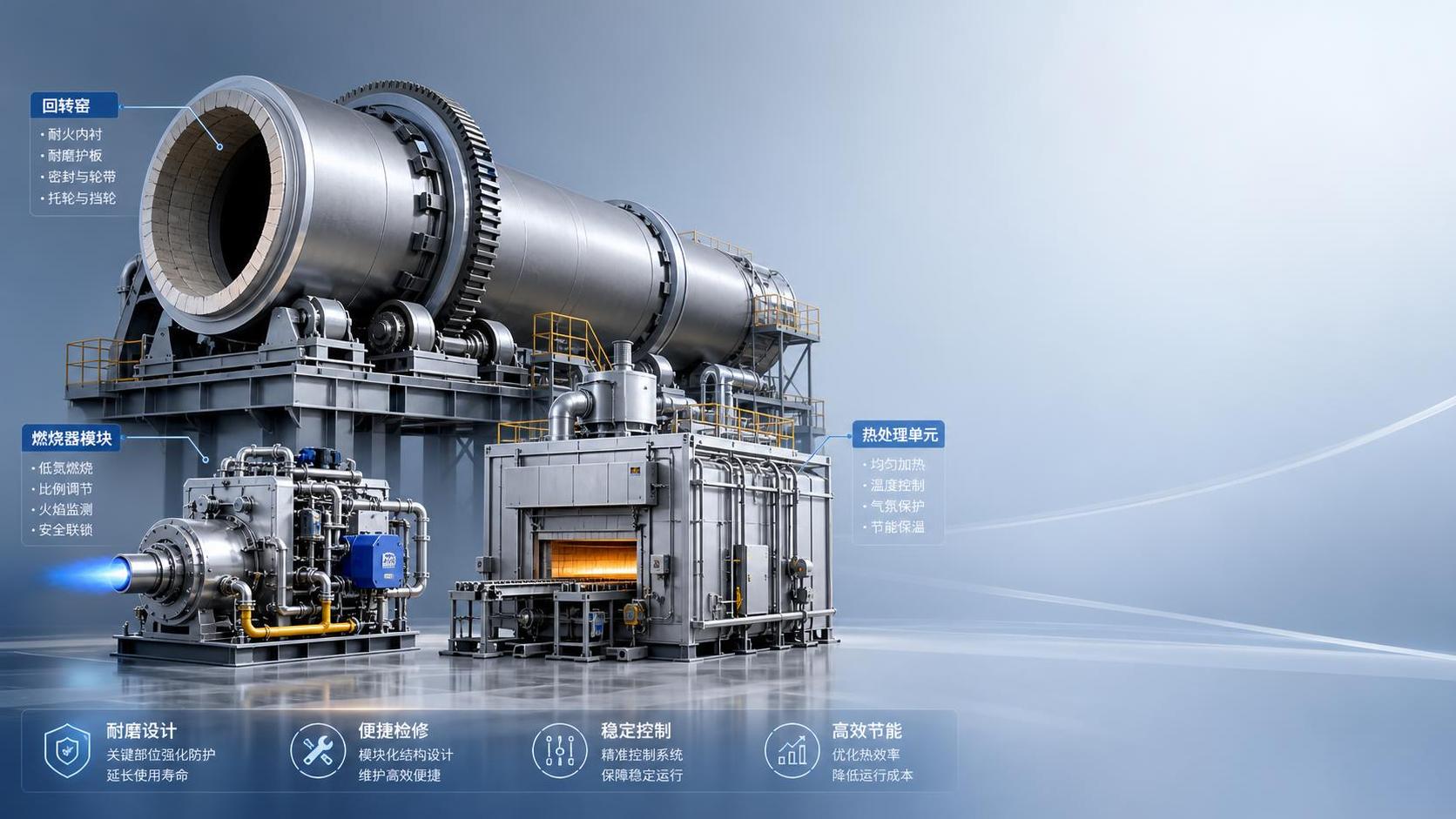
Global material trends are pushing manufacturers to rethink furnace linings, insulation systems, burner zones, and heat transfer interfaces. The goal is not only durability, but stable performance under volatile operating conditions.
Advanced refractories, smarter lining monitoring, and improved thermal architecture can lower maintenance frequency, reduce unplanned downtime, and extend campaign life. That directly improves asset utilization and return on capital.
For investors evaluating heavy equipment or plant modernization, heat resilience should be treated as a business variable. It influences energy use, repair costs, process consistency, and even worker safety.
This is particularly relevant in sectors facing mixed fuel use, rising waste-derived inputs, or more aggressive throughput targets. Such conditions often increase thermal and chemical stress on core equipment.
As a result, companies that invest early in better thermal barriers and materials engineering are often better positioned to absorb future market shifts without repeated emergency capital spending.
Digital process control is changing how material investments are evaluated
Another major force behind global material trends is digitalization. Industrial assets are increasingly judged by how well they generate usable process data, support predictive control, and enable continuous optimization.
This is not just an automation story. In materials-intensive operations, digital twins, online monitoring, and sensor-based control can reveal where heat is lost, where reactions drift, and where quality variance begins.
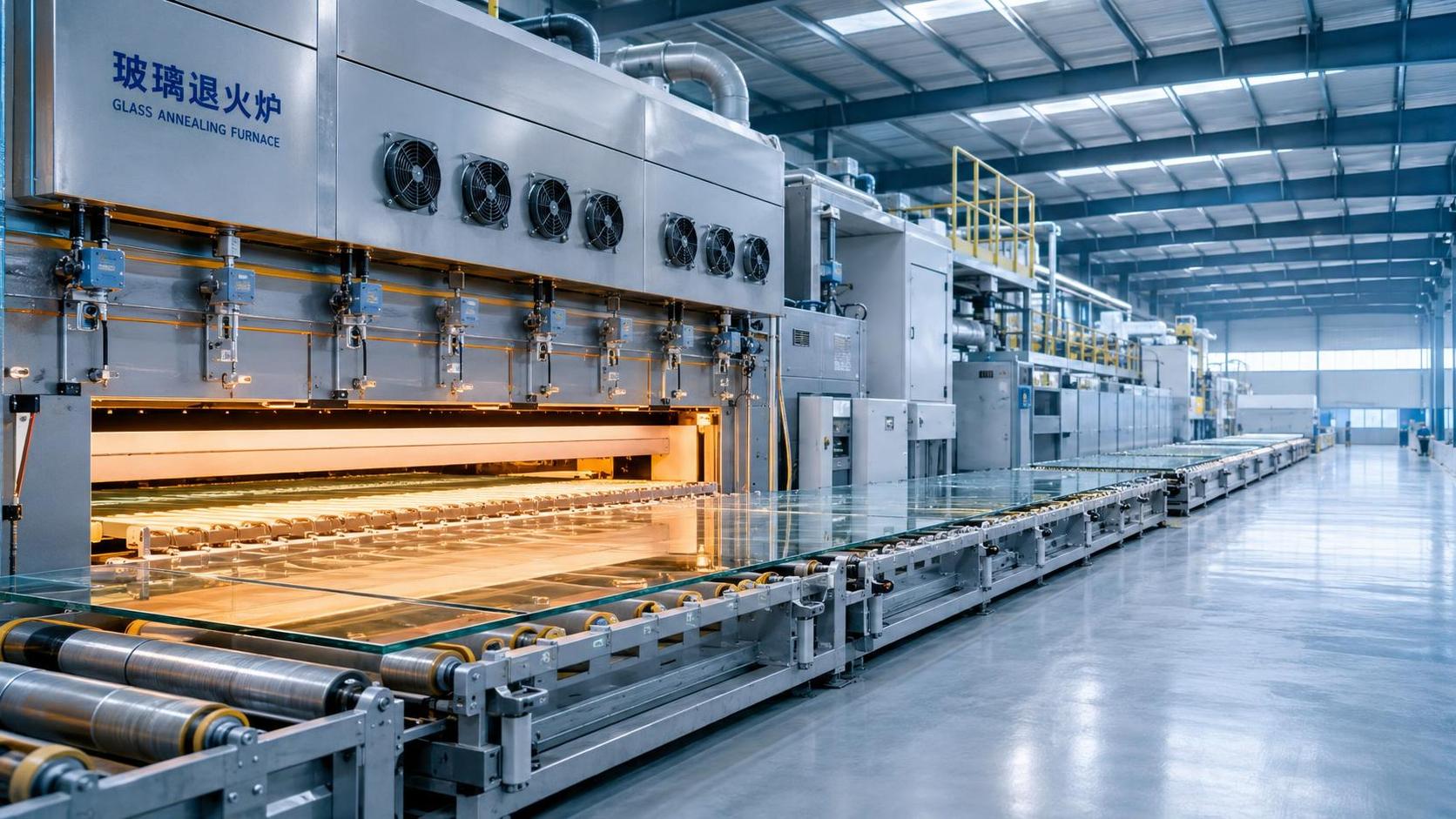
For glass lines, digital simulation can improve melting balance, annealing consistency, and defect reduction. For kilns, real-time analytics can support fuel optimization, refractory protection, and emissions stability.
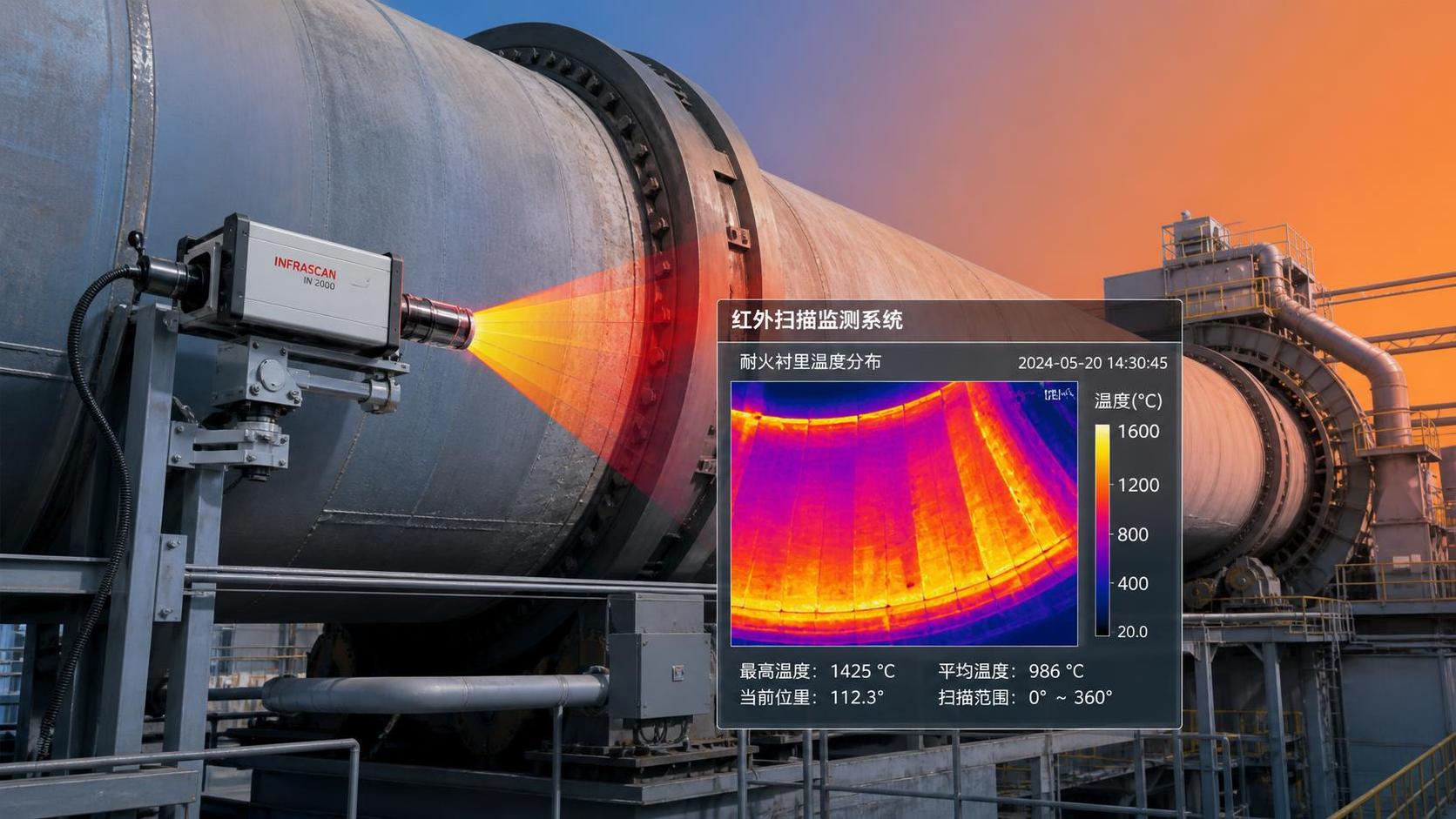
In refractory applications, online lining monitoring can turn maintenance from reactive to predictive. That helps management schedule shutdowns more intelligently and avoid catastrophic failures with large financial consequences.
For enterprise leaders, digital capability should be part of every equipment decision. A cheaper system with low visibility may create higher lifetime risk than a more advanced platform with stronger control architecture.
The strategic advantage comes from combining material know-how with operational intelligence. Plants that understand both chemistry and data are better able to improve yield, energy performance, and compliance at the same time.
Regional policy divergence is changing where and how companies invest
Not all global material trends move at the same speed across regions. Carbon pricing, waste regulation, industrial subsidies, and energy market structures differ significantly, and these differences shape capital allocation.
In some markets, emissions compliance is the primary driver. In others, energy security, import substitution, or urban infrastructure demand may be the stronger force behind plant upgrades and capacity expansion.
This means decision-makers should avoid one-size-fits-all investment assumptions. A technology that delivers fast returns in Europe may require a different business case in Southeast Asia, the Middle East, or Africa.
For exporters and multinational suppliers, regulatory divergence also affects product standards and tender requirements. Equipment and material systems increasingly need to satisfy both technical performance and jurisdiction-specific policy demands.
Strategic intelligence therefore becomes essential. Companies need visibility into raw material risk, local decarbonization pathways, industrial policy incentives, and end-market demand before committing to large thermal assets.
The winners will be organizations that pair global technology awareness with regional execution discipline. Understanding trend direction is useful, but investment success depends on context-sensitive deployment.
How to evaluate which trends deserve capital now
Enterprise decision-makers do not need to invest in every trend at once. They need a framework that helps separate mission-critical upgrades from attractive but lower-priority options.
A practical first question is whether the trend improves a plant’s structural economics. If it lowers lifetime energy use, extends asset life, protects compliance, or stabilizes quality, it deserves serious attention.
The second question is whether the benefit is measurable. Management should ask for clear indicators such as fuel intensity reduction, refractory life extension, throughput gains, defect reduction, or avoided emissions cost.
Third, leaders should assess implementation risk. Some technologies are mature and bankable, while others depend on uncertain feedstocks, untested operating models, or local regulatory conditions that may shift quickly.
Fourth, consider strategic flexibility. Assets that can process varied raw materials, adapt to future fuel changes, or integrate with digital monitoring often offer better protection against long-cycle industrial uncertainty.
Finally, evaluate ecosystem fit. The best investment is rarely an isolated machine. It is usually a coordinated system of process design, thermal engineering, control logic, maintenance capability, and commercial positioning.
What this means for cement, glass, kilns, refractories, and extrusion
For cement, the priority is integrated decarbonization with resilient economics. Plants that combine alternative fuel capability, thermal efficiency, and material substitution are likely to outperform in carbon-constrained markets.
For glass, investment is moving toward precise melting control, energy-efficient furnace systems, and quality-preserving digital tools. Product complexity and energy cost pressure make operational accuracy increasingly valuable.
For kilns and incineration, the opportunity lies in resource circularity plus emissions discipline. Systems that safely convert waste into thermal value can create differentiated returns when policy and feedstock conditions align.
For refractories, the message is strategic importance. Better heat-resistant materials are not secondary consumables; they are core enablers of uptime, fuel efficiency, and process reliability across high-temperature industries.
For extrusion-based building materials, lightweight and lower-impact production will continue gaining relevance. Demand is rising for systems that support green construction goals without sacrificing output or structural consistency.
Across all five areas, the strongest investments are those that connect material performance with energy efficiency, digital visibility, and long-term regulatory readiness.
Conclusion: industrial investment is moving toward smarter, cleaner, and more resilient material systems
The biggest global material trends are not isolated themes. Decarbonization, circularity, thermal resilience, and digital process control are converging to redefine industrial competitiveness and capital discipline.
For enterprise decision-makers, the key takeaway is that future-ready investment is no longer about adding capacity alone. It is about building assets that perform under carbon pressure, resource volatility, and rising technical expectations.
In practical terms, that means prioritizing projects with clear operational value: lower energy intensity, stronger materials performance, better process visibility, and greater adaptability to changing market conditions.
Companies that act early can create durable advantages in cost control, compliance readiness, and customer trust. Those that delay may find themselves operating assets that are efficient on paper but vulnerable in reality.
As global material trends continue reshaping industrial investment, the most successful organizations will be the ones that link material science, thermal engineering, and strategic intelligence into one coherent decision framework.
Related News
 Optical Glass Tech FellowHow to Evaluate a Glass Annealing Equipment Manufacturer for Production StabilityChoose a glass annealing equipment manufacturer with proven thermal uniformity, reliable controls, lifecycle value, and responsive service for stable production.Sep 08, 2026
 Prof. Marcus ChenThermal Energy Architecture in North America: Strategies for Lower Building Energy UseThermal energy architecture North America helps project leaders cut building energy use through stronger envelopes, right-sized HVAC, storage, and smart commissioning.Sep 07, 2026
 Ms. Elena RodriguezHow Should Buyers Evaluate Building Material Industry Intelligence Pricing?Building material industry intelligence pricing: learn how to compare coverage, technical depth, and ROI to choose intelligence that reduces procurement risk.Sep 07, 2026
 Ms. Elena RodriguezHow to Use Building Material Intelligence Data for Market and Investment DecisionsBuilding material industry intelligence data helps leaders evaluate demand, costs, regulation, capacity, and technology to make smarter market and investment decisions.Sep 05, 2026
 Thermal Energy ArchitectHow PLC Control Improves Energy Efficiency and Temperature Stability in KilnsEnergy efficient kilns PLC control improves temperature stability, cuts fuel waste, and optimizes combustion, draft, and material flow. Explore proven strategies for smarter kiln modernization.Sep 04, 2026
 Optical Glass Tech FellowEuropean Glass Melting Processes: Furnace Choices, Energy Use, and Quality ControlGlass melting process Europe: explore furnace choices, energy efficiency, cullet strategy, and quality control to improve output, compliance, and long-term glass performance.Sep 03, 2026
 Thermal Energy ArchitectWhat Determines Refractory Lining Monitoring Price for Industrial Kilns?Refractory lining monitoring price depends on kiln size, sensor technology, installation, software, and support. Compare total lifecycle costs and choose the right solution.Sep 02, 2026
 Silicate Process EngineerCement Production System Costs: A Plant Buyer’s Guide to Budgeting and ROICement production systems cost planning made clear: compare CAPEX, operating costs, compliance, and ROI to build a resilient, profitable cement plant investment.Sep 01, 2026
 Dr. Alistair VaughnWhat Should a Process Technology Database Track for High-Temperature Plants?Process technology database essentials for high-temperature plants: track thermal profiles, feed chemistry, refractory wear, emissions, energy, and maintenance for safer, data-driven decisions.Aug 31, 2026
 Ms. Elena RodriguezHow to Evaluate a Silicate Processing Equipment Manufacturer for Plant ProjectsSilicate processing equipment manufacturer selection: assess process fit, guarantees, energy, compliance, delivery risk, and lifecycle support for dependable plant performance.Aug 30, 2026
 Dr. Alistair VaughnHow to Specify Custom Agricultural Processing Equipment for Throughput and HygieneEquipment customization services for agricultural processing: learn to specify hygienic, high-throughput lines that improve yield, reliability, and long-term efficiency.Aug 29, 2026
 Dr. Alistair VaughnHow to Select Process Plant Equipment for High-Temperature, Abrasive Production LinesProcess plant equipment selection for high-temperature, abrasive lines: reduce downtime, improve durability, and optimize lifecycle performance.Aug 28, 2026
 Silicate Process EngineerHow Kiln Heat Recovery Systems Cut Fuel Use in Cement and Lime ProductionKiln heat recovery helps cement and lime plants cut fuel use, improve thermal stability, and build practical, reliable decarbonization strategies.Aug 27, 2026
 Ms. Elena RodriguezProcess Equipment Comparison: Which Metrics Matter Most for Reliable Selection?Process equipment comparison made practical: discover which metrics truly drive reliable selection, from energy efficiency and control stability to wear life, maintainability, and uptime.Aug 26, 2026
 Ms. Elena RodriguezWhat Buyers Should Check Before Sourcing Precision Alloy Bars for Critical PartsPrecision Alloy Bars buyers should verify grade, chemistry, tolerances, surface quality, traceability, and lead time before sourcing for critical parts. Learn what prevents costly machining and reliability risks.Aug 27, 2026
 Ms. Elena RodriguezHow to Evaluate Thermal Management Solutions Insulation for High-Heat Industrial SystemsThermal management solutions insulation: learn how to assess high-heat industrial systems by thermal performance, durability, lifecycle cost, and supplier data for smarter decisions.Aug 25, 2026
 Ms. Elena RodriguezWhat Drives Waste Recycling Cost in Industrial Projects and How to Estimate It?Waste recycling cost in industrial projects depends on composition, moisture, transport, pre-treatment, and compliance. Learn how to estimate it accurately and compare suppliers with confidence.Aug 24, 2026
 Silicate Process EngineerHow to Evaluate Cement Production Plants in the Middle East for Capacity, Fuel Flexibility, and ROIcement production plants Middle East: Learn how to assess true capacity, fuel flexibility, and ROI risks to identify resilient assets and smarter investment opportunities.Aug 23, 2026
 Structural Material AnalystHow to Evaluate Lightweight Material Machinery for Output, Energy Use, and Product QualityLightweight material machinery evaluation guide: compare stable output, energy use, and product quality to choose equipment that cuts waste, lowers costs, and improves production confidence.Aug 22, 2026
 Material Heat-Resist ExpertWhat Determines Refractory Production Line Price in a Turnkey Plant Project?Refractory production line price depends on raw materials, forming method, kiln and drying design, automation, utilities, and scope. Learn what really drives turnkey plant cost before you invest.Aug 21, 2026
Related News
- 00
0000-00
Thermal Energy Architecture in North America: Strategies for Lower Building Energy Use - 00
0000-00
How to Evaluate a Green Material Production Line for Energy Use, Output, and Product Quality - 00
0000-00
Silicate Technology Trends: What New Process Upgrades Matter for Refractory and Cement Plants? - 00
0000-00
Thermal Engineering Optimization: Which Process Parameters Most Affect Energy Use? - 00
0000-00
Material Extrusion Technology in Europe: Which Materials and Production Goals Fit Best?
Weekly Insights
Stay ahead with our curated technology reports delivered every Monday.