
Thermal Energy Optimization Benchmarks That Actually Matter




For technical evaluators, not all performance metrics deserve equal weight. In high-temperature sectors such as cement, glass, incineration, refractory production, and extrusion, thermal energy optimization should be judged by benchmarks that connect fuel use, process stability, heat recovery, emissions, and lifecycle efficiency. This article highlights the indicators that actually matter, helping decision-makers separate cosmetic gains from measurable operational value.
What does thermal energy optimization really mean in industrial evaluation?
In technical reviews, thermal energy optimization is often reduced to one headline number: lower fuel consumption. That is useful, but incomplete. In continuous thermal processes, the real question is whether energy is being converted into stable, controllable, and repeatable production outcomes. A kiln, furnace, melter, or extrusion dryer can show short-term savings while quietly increasing temperature swings, refractory wear, off-spec output, or maintenance frequency.
For evaluators in integrated heavy industry, the most credible benchmark framework links five dimensions: specific energy consumption, thermal uniformity, waste heat recovery effectiveness, emissions intensity, and lifecycle operating resilience. These dimensions matter because they reflect how heat behaves across the full process chain rather than at one measurement point. In sectors covered by CF-Elite, this distinction is critical. A cement line depends on stable clinker formation, a glass line depends on controlled melting and annealing, an incineration unit depends on burnout and energy recovery, and refractory production depends on precise high-temperature treatment without unnecessary thermal stress.
So when discussing thermal energy optimization, evaluators should think beyond “less fuel” and ask: does the system convert thermal input into higher-quality output with lower variability and lower environmental burden over time?
Which benchmarks actually matter more than headline efficiency claims?
The best benchmarks are the ones that survive cross-checking between production, maintenance, and environmental performance. Marketing claims often highlight burner efficiency, insulation upgrades, or combustion control software. Those can be important, but a technical evaluator needs proof that the gains hold under real throughput, raw material variability, and seasonal operating conditions.
The following benchmarks usually carry the most decision weight in thermal energy optimization reviews:
- Specific thermal energy consumption per ton of qualified output, not just gross production.
- Temperature stability across critical zones, including peak deviation and recovery time after disturbances.
- Waste heat recovery rate and usable recovery quality, since low-grade heat is not equal to process-useful heat.
- Emission intensity per unit of output, especially CO2, NOx, and particulate-linked combustion effects.
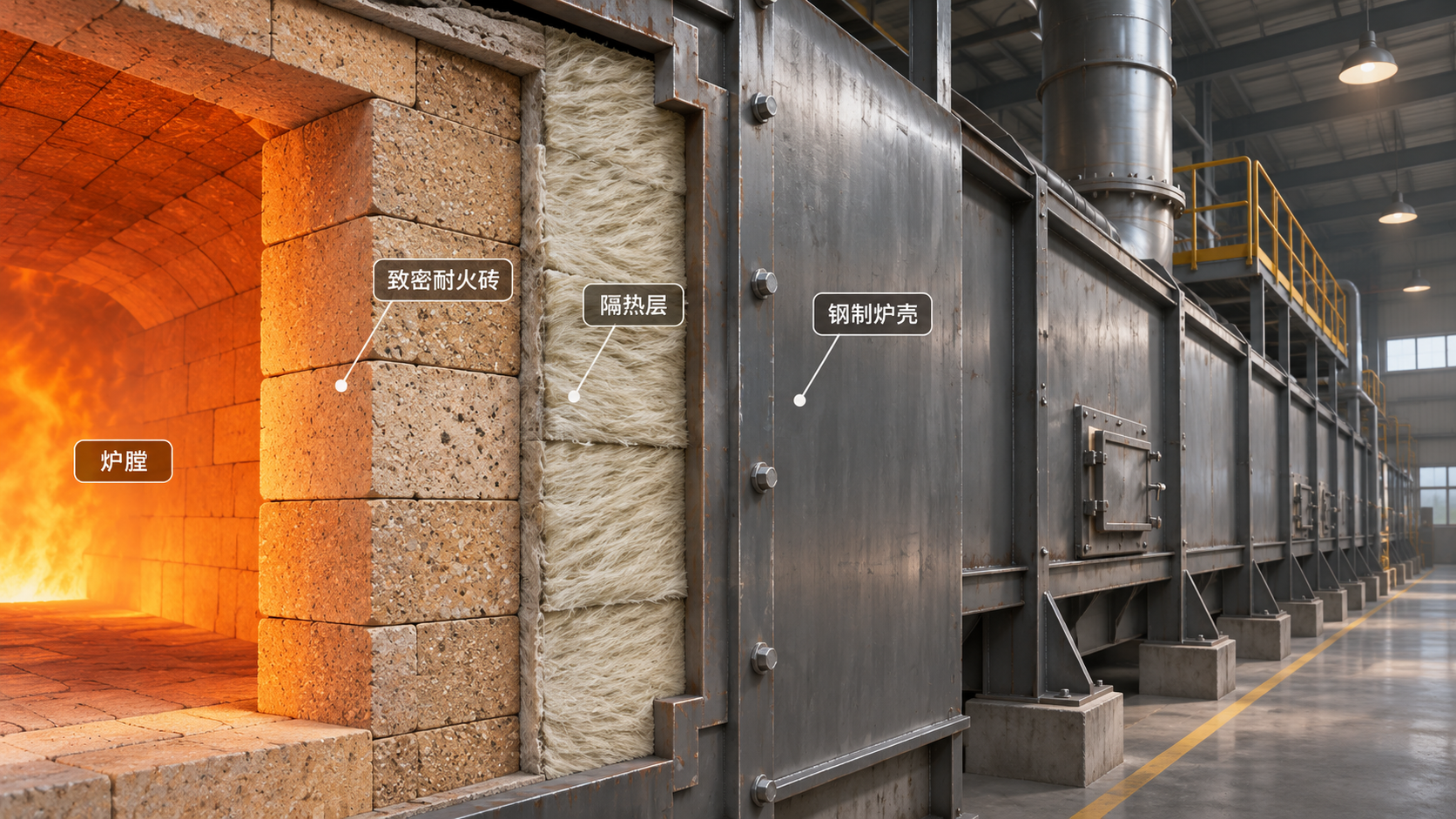
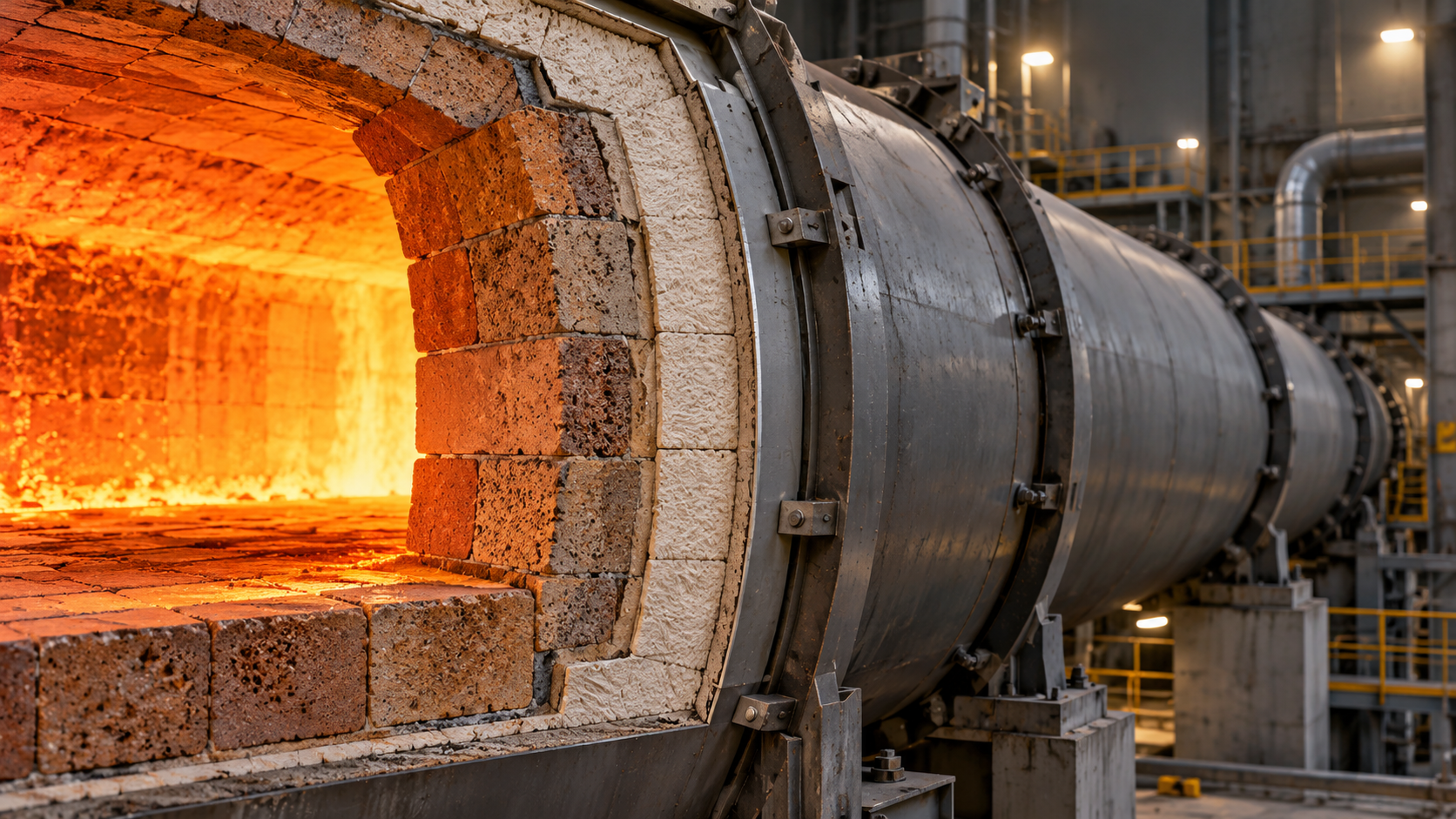
- Refractory life, thermal barrier integrity, and shutdown frequency caused by thermal cycling.
- Energy performance at partial load, because many lines do not run at design capacity year-round.
These indicators matter because they reveal whether optimization is structural or superficial. A system with slightly higher nominal fuel use may still outperform a “leaner” system if it delivers better stability, fewer disruptions, and more recoverable waste heat for downstream use.
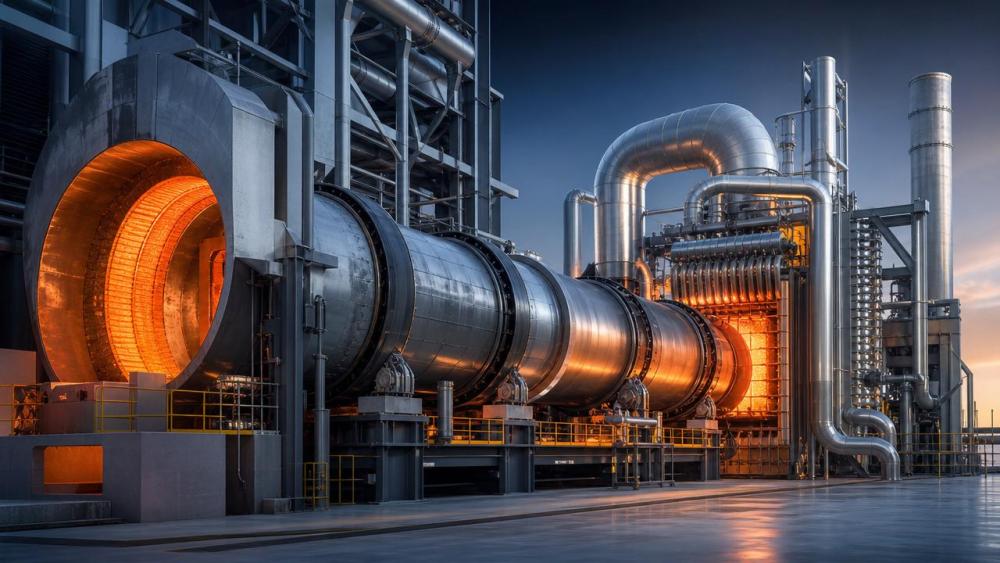
How should technical evaluators compare thermal benchmarks across cement, glass, incineration, refractory, and extrusion lines?
Cross-sector comparison only works when the evaluator respects process purpose. Thermal energy optimization in a cement kiln is not judged the same way as in a glass furnace or a waste-to-energy unit. The benchmark logic must align with reaction kinetics, residence time, product sensitivity, and the role of thermal mass in each line.
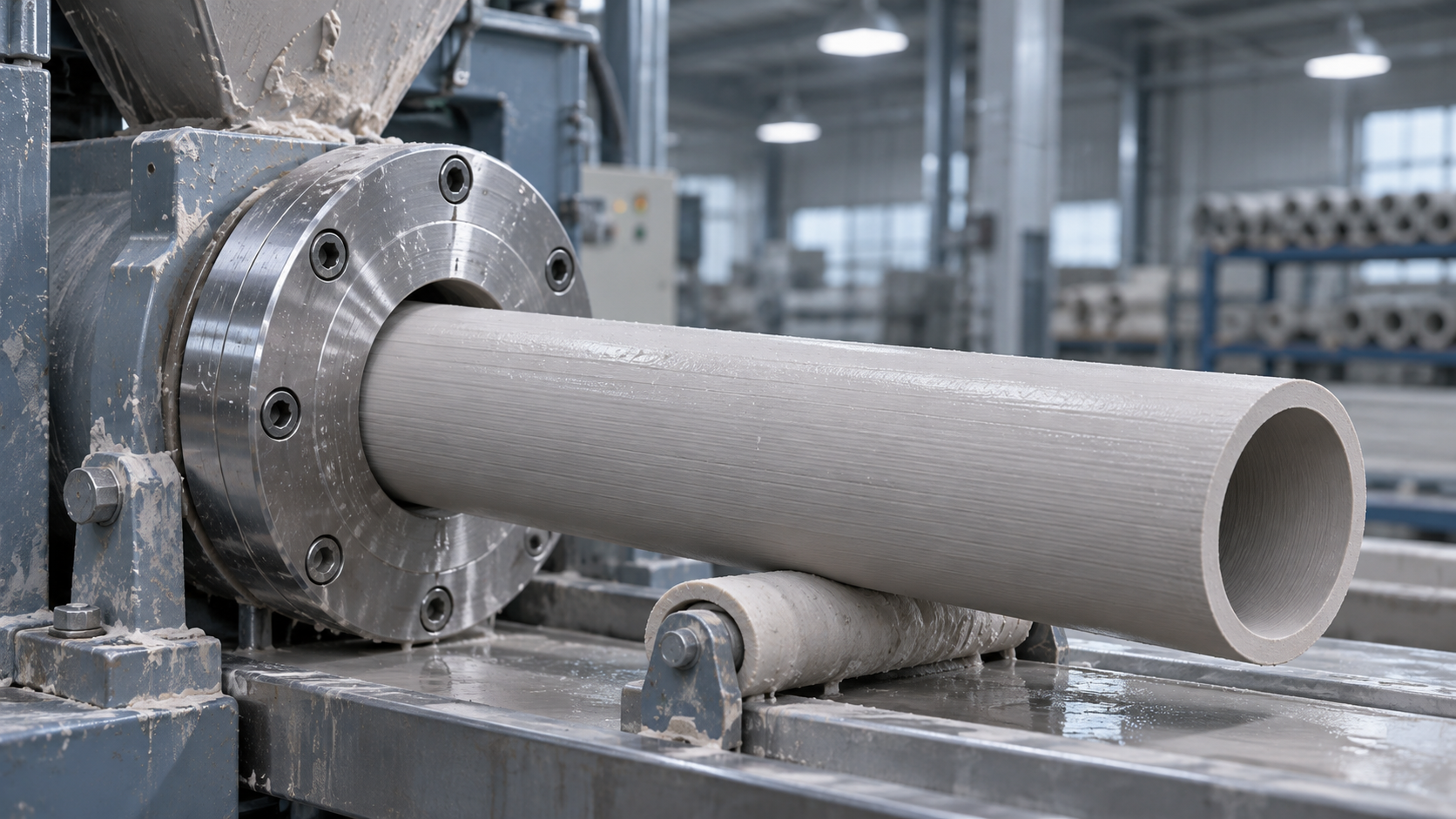
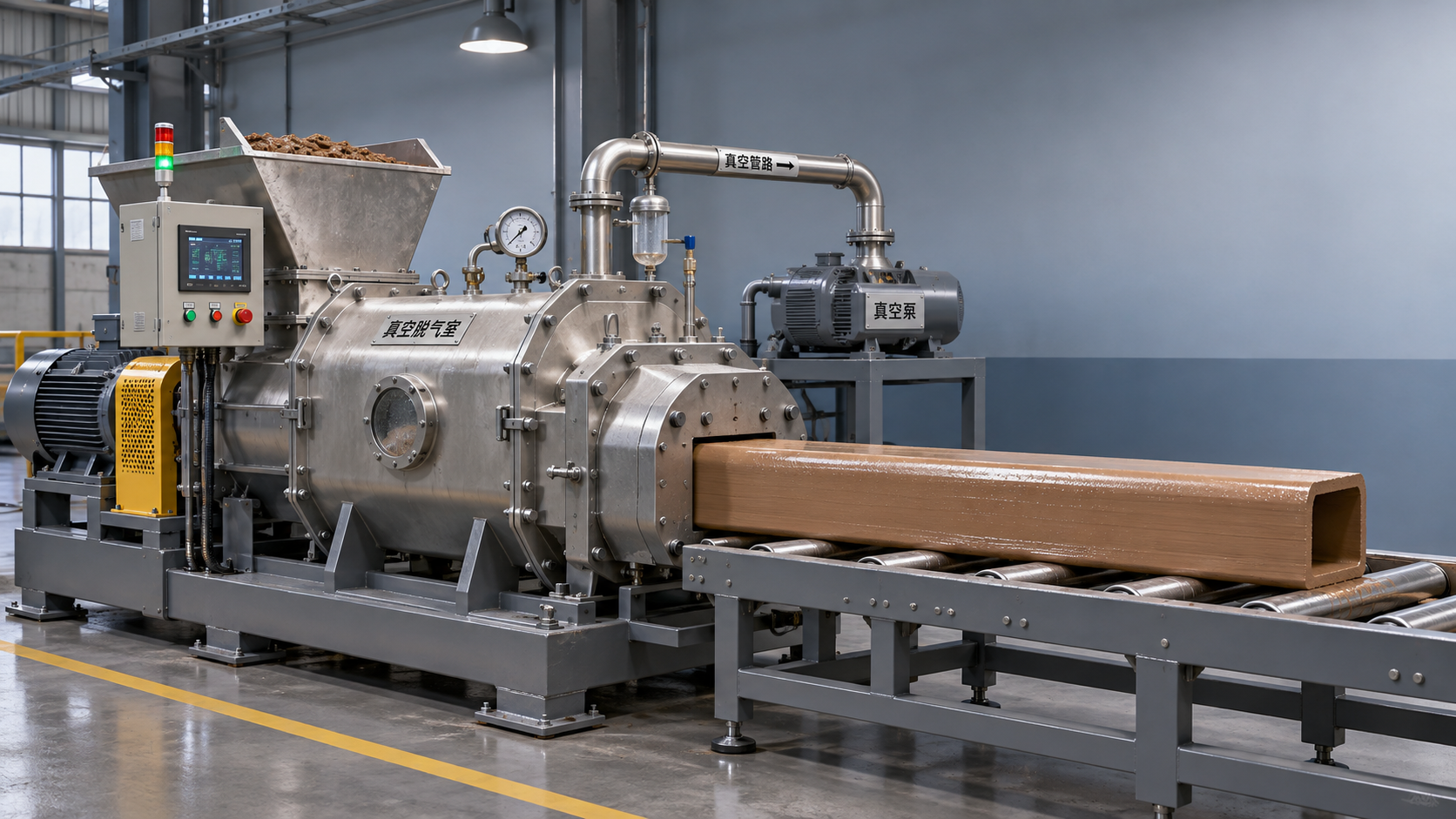
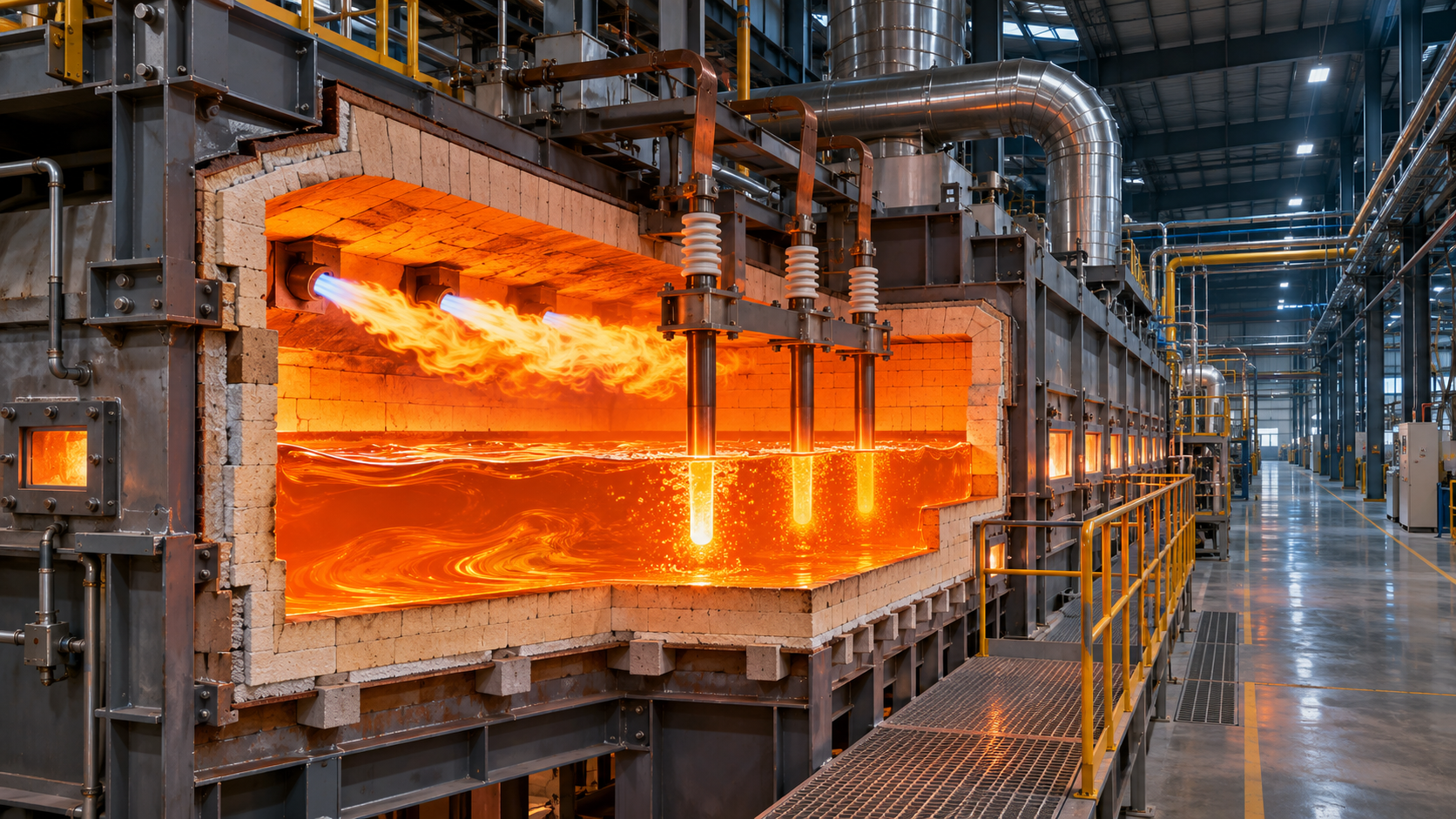
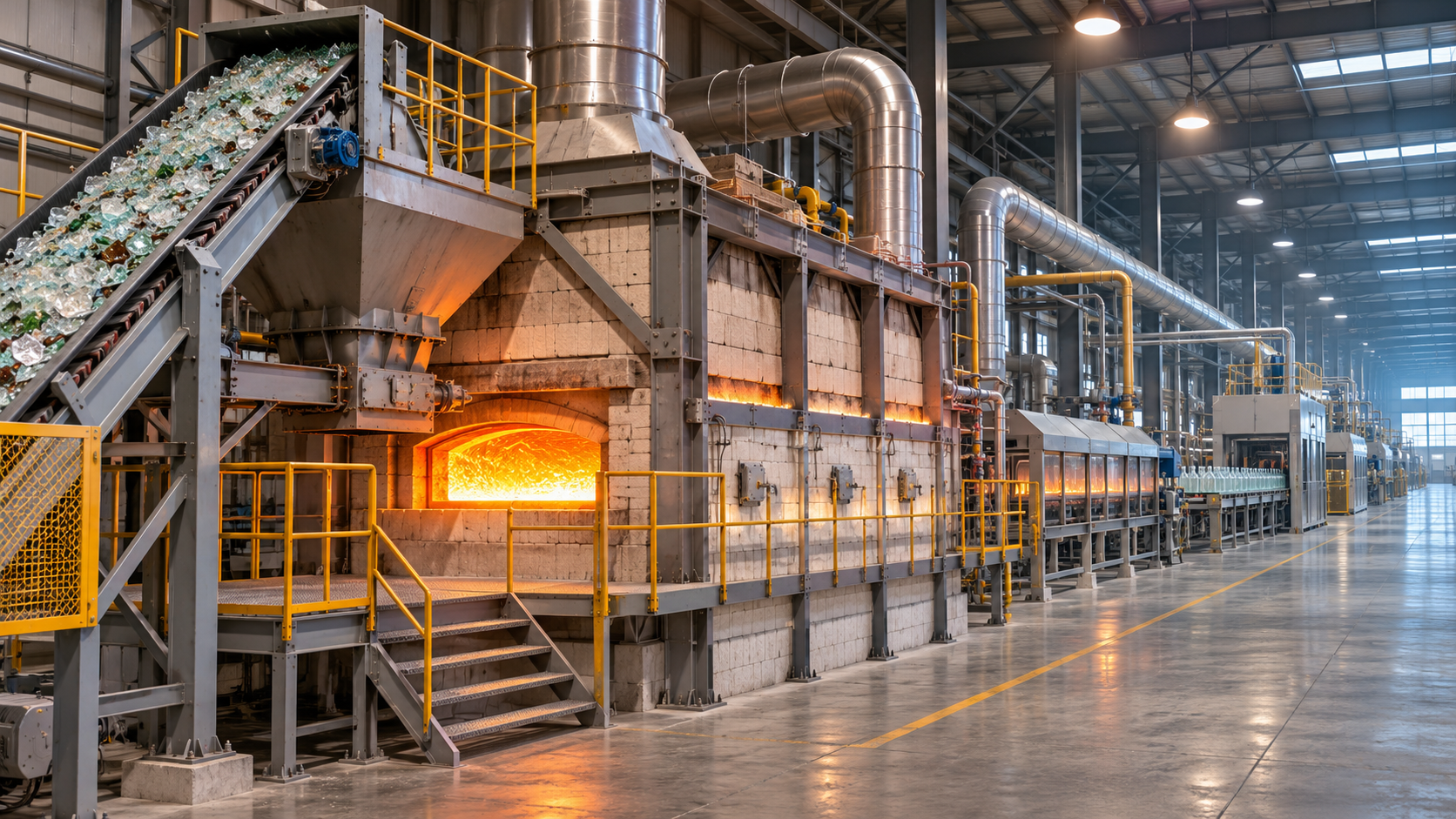
In cement production, key benchmarks include kiln heat consumption, calcination consistency, tertiary air efficiency, and clinker quality stability. For glass manufacturing, evaluators should prioritize furnace pull rate per unit energy, temperature homogeneity, redox control, and annealing efficiency because thermal defects directly affect yield. In industrial incineration, the real test is whether combustion supports complete burnout, steam or power recovery, and emissions compliance under variable waste composition. In refractory lines, thermal energy optimization should be linked to firing curve accuracy, microstructure development, and reduced overfiring risk. In new building material extrusion, the focus often shifts toward drying efficiency, heat transfer uniformity, moisture control, and final dimensional stability.
This is why a universal benchmark list is not enough. Evaluators should create a common framework but score each process according to its thermochemical reality and output quality requirements.
Quick benchmark comparison table
A practical way to screen projects is to compare which thermal energy optimization indicators are primary, secondary, or supporting in each application.
Why can a low energy number still be a bad benchmark?
Because not every reduction in heat input creates net value. One of the most common mistakes in thermal energy optimization is rewarding a lower short-term energy figure without checking what was sacrificed to get it. For example, aggressive firing reduction can lower fuel use while raising unburned residues, lengthening process cycles, or increasing downstream scrap. In glass or refractory applications, tighter energy use that causes uneven heating may create hidden quality losses that outweigh apparent savings.
Technical evaluators should be especially careful when data is presented without a quality-adjusted denominator. “Energy per ton produced” sounds objective, but “energy per ton of qualified, compliant, saleable output” is the better metric. This matters in global heavy industry where uptime, reject ratio, and environmental compliance directly affect profitability and brand credibility.
Another warning sign is when thermal energy optimization data is taken only at nameplate conditions. Real plants experience feed variability, ambient shifts, maintenance constraints, and capacity changes. A valid benchmark must remain defensible under those realities.
What are the most common evaluation mistakes and how can they be avoided?
Several errors appear repeatedly in thermal assessments across high-temperature sectors. The first is isolating burner or furnace efficiency from the broader system. Combustion improvements can be erased by poor sealing, air leakage, weak insulation, or bad heat distribution. The second is ignoring transient behavior. If a process takes too long to recover after a stop, feed change, or temperature upset, its annual efficiency may be worse than daily averages suggest.
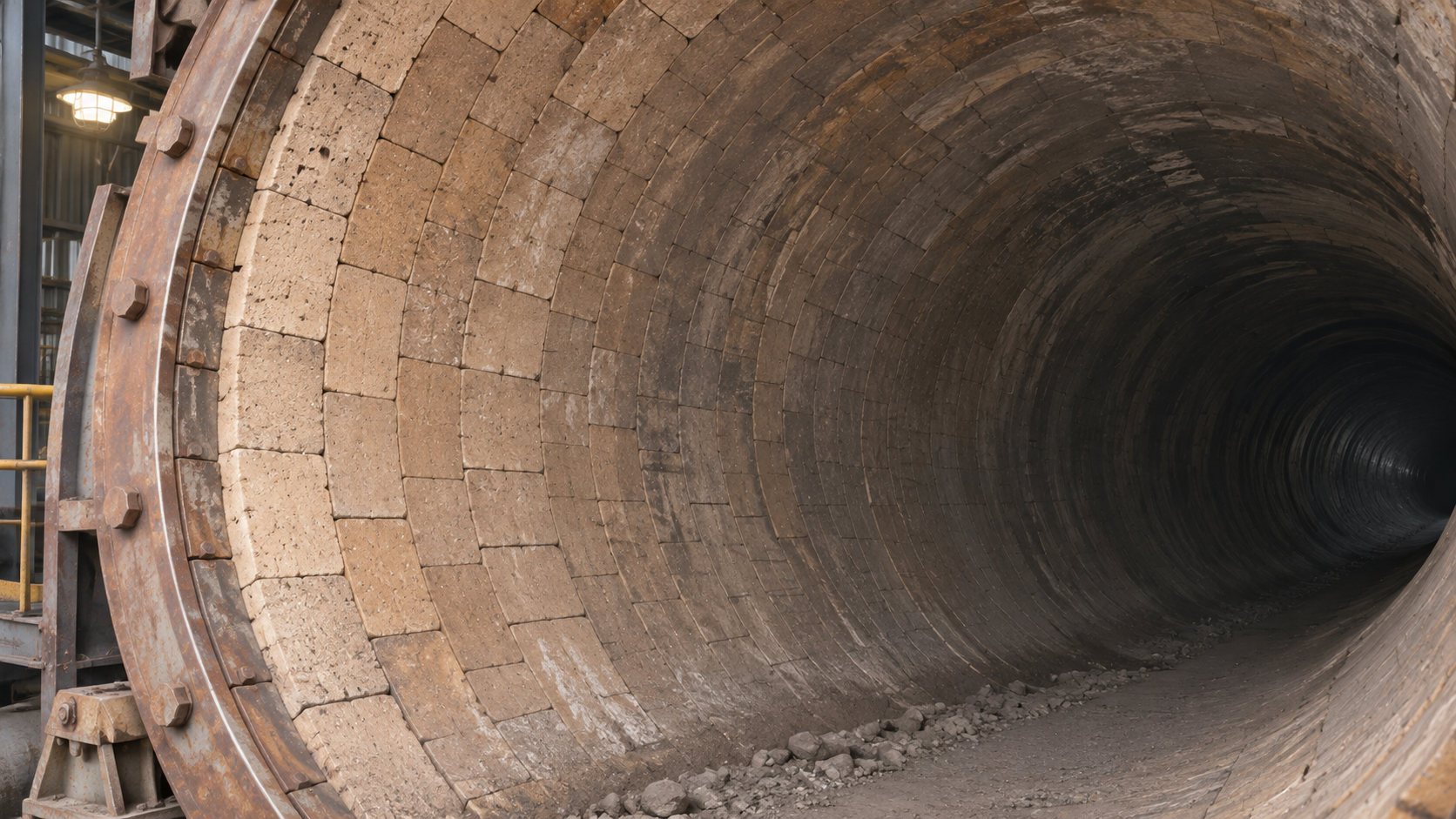
A third mistake is overvaluing theoretical waste heat recovery. Heat that cannot be captured at stable temperature, matched to demand, or integrated into operations should not be counted as equal to useful recovered energy. A fourth mistake is neglecting refractory interaction. Thermal energy optimization is inseparable from lining condition, shell loss, and thermal shock management, especially in rotary and tunnel processes.
To avoid these errors, evaluators should request time-series data rather than snapshots, compare output quality before and after optimization, and validate results through maintenance logs, emissions records, and downtime history. In many cases, the strongest benchmark is not the best single number but the best consistency across multiple numbers.
Common judgment checklist
- Is the thermal energy optimization result measured against qualified output?
- Was the line tested at different loads and feed conditions?
- Do emissions and maintenance data support the claimed savings?
- Is recovered heat actually usable in operations?
- Did process stability improve, stay flat, or worsen?
How do cost, implementation cycle, and digital tools affect benchmark selection?
Technical evaluators should not treat thermal energy optimization as a purely engineering exercise. Capital burden, retrofit downtime, control complexity, and data maturity all influence whether a benchmark is practical. A high-return waste heat project may still be weak if it requires long shutdown windows that disrupt commercial commitments. Likewise, advanced combustion tuning may look attractive on paper but fail if instrumentation quality is poor or operator adoption is weak.
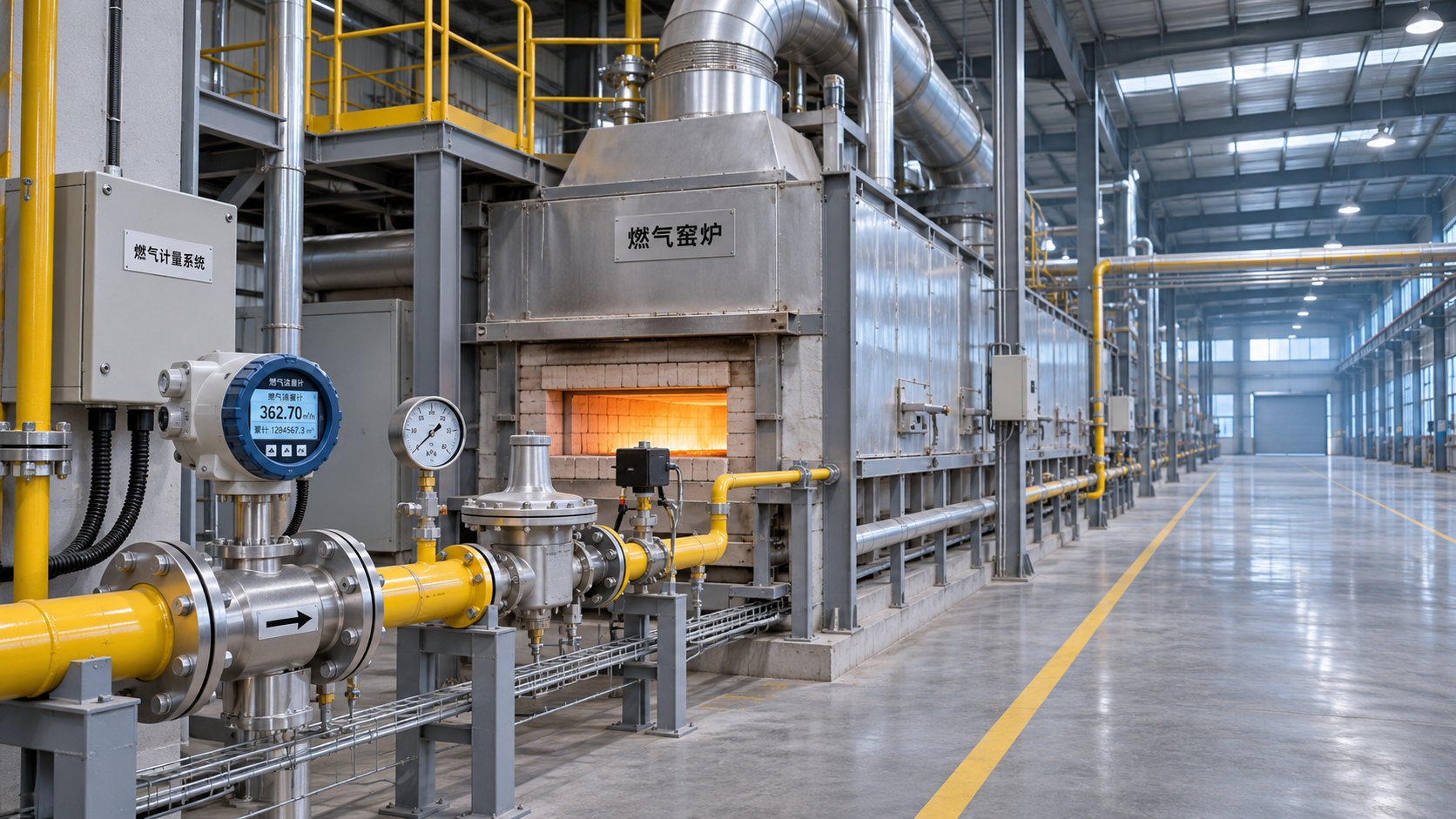
This is where digital tools increasingly matter. Digital twins, online temperature mapping, predictive refractory monitoring, and process historians can strengthen benchmark credibility by showing performance over time instead of isolated tests. For CF-Elite’s focus sectors, digital validation is particularly useful because thermal processes are dynamic and nonlinear. It helps evaluators see whether an optimization measure improves resilience under real operating noise rather than only in clean trial conditions.
Cost evaluation should also include avoided losses: fewer shutdowns, longer lining life, lower emissions risk, improved product yield, and stronger compliance positioning under tightening carbon policies. In many industrial cases, these indirect gains are what make thermal energy optimization financially decisive.
If a company wants to evaluate solutions or partners, what should be confirmed first?
Before comparing equipment vendors, engineering proposals, or optimization platforms, technical evaluators should confirm the decision baseline. That means defining the process bottleneck, the thermal loss map, the acceptable operating window, and the exact commercial objective. Is the priority lower fuel cost, higher line stability, carbon reduction, output increase, or multi-goal balancing? Without that clarity, benchmark discussions become vague and easy to manipulate.
It is also important to request benchmark evidence in forms that can be audited: load-specific performance data, reference cases in comparable industries, control logic boundaries, instrumentation requirements, and post-implementation verification methods. In high-temperature industries, a solution is only as good as its fit with raw materials, existing linings, burner systems, airflow paths, and maintenance culture.
For organizations using intelligence-driven sourcing or technical due diligence, the most productive first conversations usually cover these questions: What benchmark will define success? What operating conditions were used to produce the claim? What hidden trade-offs should be expected? How long until stable savings appear? What data will prove that thermal energy optimization is real, durable, and transferable to this plant?
If further evaluation is needed, companies should prioritize communication around process parameters, heat balance boundaries, expected implementation cycle, emissions impact, digital monitoring capability, and validation responsibilities. Those discussions create a much stronger basis for selection, procurement, and long-cycle industrial cooperation than headline efficiency promises alone.
Related News
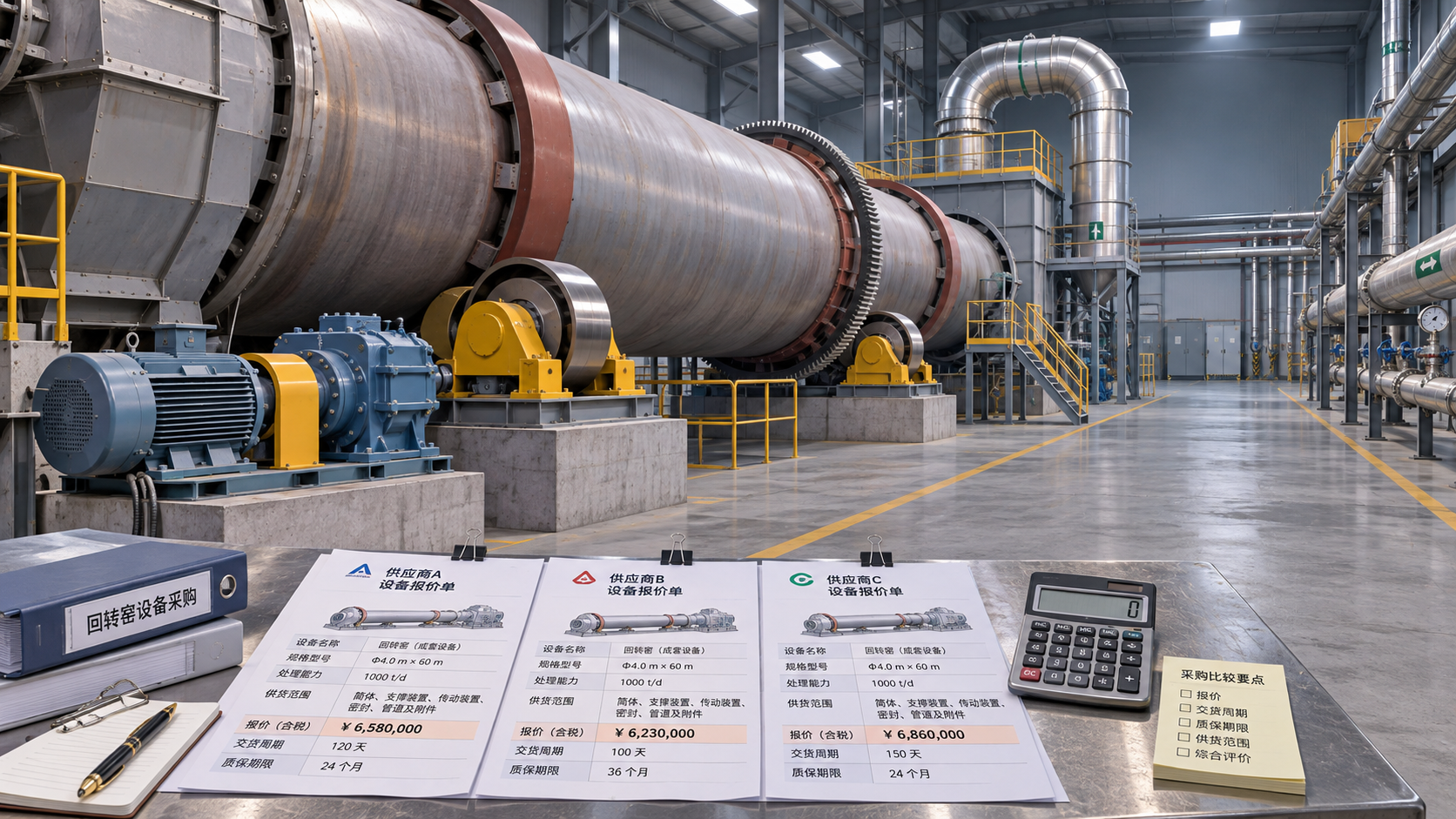
 Ms. Elena RodriguezProcess Equipment Pricing: How to Compare Quotes and Total CostsMaster process equipment comparison pricing: compare supplier quotes, uncover hidden costs, and evaluate lifetime expenses to make a confident buying decision.Nov 17, 2026
 Prof. Marcus ChenGlobal Cement Industry Decarbonization: Key Technologies and Cost BarriersExplore global cement industry decarbonization technologies, cost barriers, and practical investment strategies to cut emissions while protecting competitiveness.Nov 16, 2026
 Structural Material AnalystChoosing Specification Preparation Support for North American ProjectsChoose specification preparation support North America projects can rely on. Compare technical expertise, compliance, interfaces, and supplier acceptance criteria.Nov 14, 2026
 Structural Material AnalystSpecialty Ceramic Extrusion: How Material Properties Affect FormingExplore how ceramic specialized material extrusion is shaped by particle size, binders, and solids loading—and learn to improve forming and reduce defects.Nov 13, 2026
 Ms. Elena RodriguezHigh-Pressure Molding Equipment Prices in Europe: What Affects the Total Cost?Explore high pressure molding equipment price Europe buyers can expect to assess, from tooling and installation to running costs. Compare quotes with confidence.Nov 12, 2026
 Structural Material AnalystChoosing a Vacuum Extrusion System: Capacity, Materials and Vacuum LevelsChoosing a vacuum extrusion system? Compare capacity, material behavior and vacuum levels to improve product quality and select the right equipment.Nov 11, 2026
 Optical Glass Tech FellowGlass Melting Innovations: Comparing Electric and Hybrid Furnace TechnologiesExplore glass melting innovations and compare electric and hybrid furnaces by energy use, emissions, glass quality and operating costs to find the right fit.Nov 10, 2026
 Thermal Energy ArchitectHow Thermal Barrier Technology for Kilns Reduces Heat LossDiscover how thermal barrier technology for kilns reduces heat loss, and learn how to select insulation and assess savings without compromising lining durability.Nov 09, 2026
 Prof. Marcus ChenGlobal Materials Trends: What North American Manufacturers Need to KnowExplore global material trends North America manufacturers need to know, from energy costs and supply chains to lower-carbon materials and smarter investment decisions.Nov 08, 2026
 Thermal Energy ArchitectSelecting Abrasion-Resistant Refractories for High-Wear Kiln LiningsExplore advanced refractory materials abrasion resistant enough for high-wear kiln linings. Compare wear mechanisms, thermal stability, installation and lifecycle costs.Nov 06, 2026
 Dr. Alistair VaughnIndustrial Energy Efficiency Certification: ISO 50001 Requirements for PlantsExplore industrial energy efficiency certification with ISO 50001. Learn how plants define scope, measure performance and prepare credible evidence for audits.Nov 05, 2026
 Ms. Elena RodriguezWhat Is an Industrial Intelligence Database and How Is It Used?Discover how an industrial intelligence database helps researchers map markets, track projects, compare technologies, and assess evidence with confidence.Nov 04, 2026
 Ms. Elena RodriguezIndustrial Material Pricing: How Freight and Order Volume Affect QuotesExplore industrial material pricing and learn how freight, order volume, and inventory costs affect quotes. Compare suppliers and make smarter purchasing decisions.Nov 03, 2026
 Structural Material AnalystSingle- vs. Twin-Screw Extrusion Systems: Which Suits Your Material?Choose the right specialized extrusion systems screw type for your material. Compare single- and twin-screw options to improve quality and control costs.Nov 02, 2026
 Thermal Energy ArchitectChoosing Thermal Barrier Materials for Kilns: Temperature and Heat LossExplore thermal barrier materials for kilns and learn how to balance temperature resistance, heat loss, durability and operating costs when selecting a lining.Nov 01, 2026
 Ms. Elena RodriguezSupplier Reference Platform Pricing: Fees and Contract Terms to CompareCompare supplier reference platform pricing, hidden fees, verification costs and contract terms to choose the right solution for your sourcing team.Oct 31, 2026
 Ms. Elena RodriguezSupplier Comparison Metrics: How to Score Cost, Quality, and DeliveryUse supplier comparison metrics to score cost, quality, and delivery with a practical weighted scorecard. Make more confident equipment sourcing decisions.Oct 30, 2026
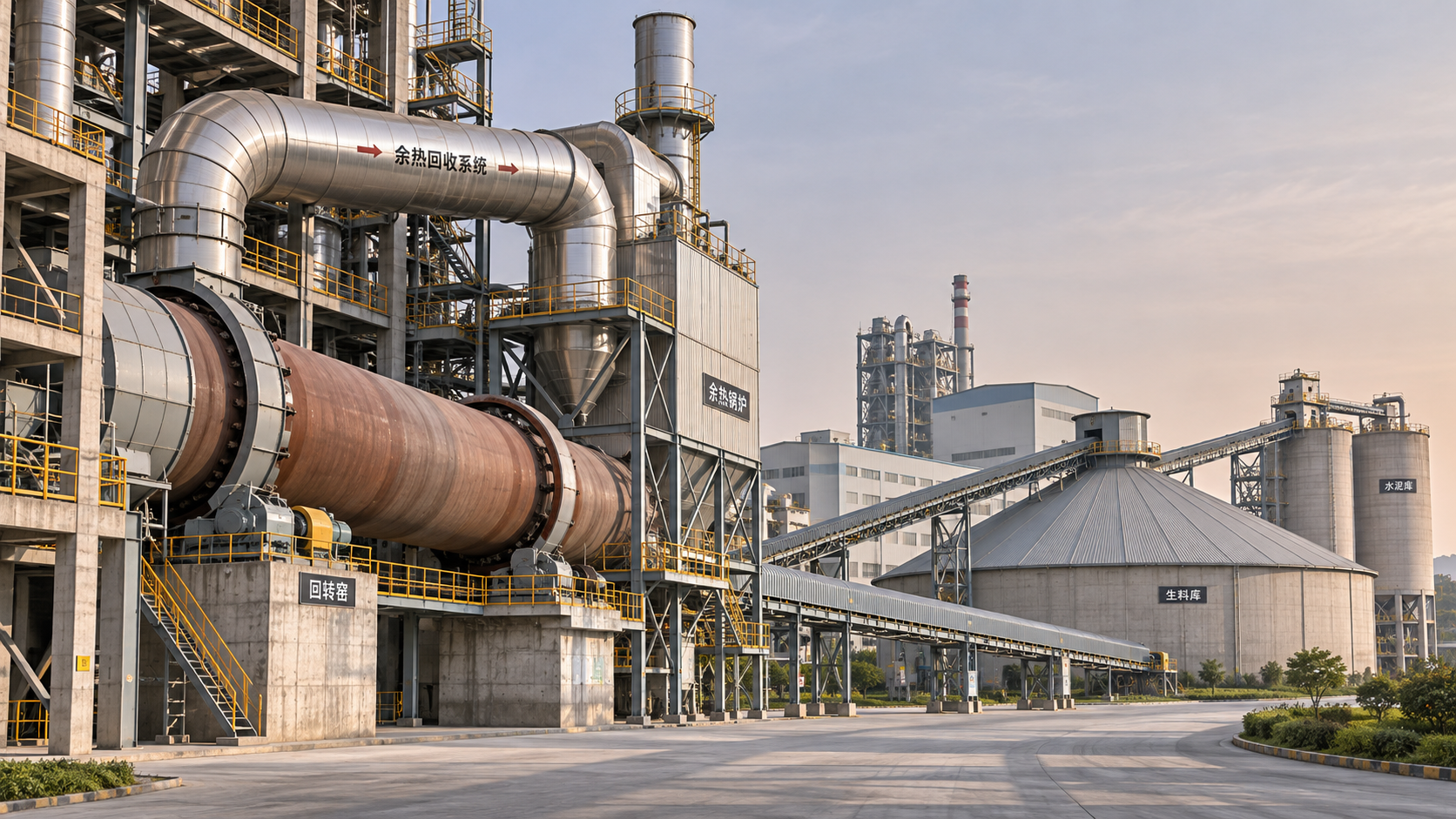
 Ms. Elena RodriguezWhat Does Industrial Waste Heat Recovery Cost, and When Does It Pay Back?Understand industrial waste heat recovery cost, from equipment and installation to net savings. Learn how to compare quotes, assess risks, and calculate realistic payback before investing.Oct 29, 2026
 Thermal Energy ArchitectChoosing Industrial Waste-to-Energy Equipment by Waste Moisture and Heating ValueChoose industrial waste to energy equipment by moisture and heating value. Compare technologies, fuel needs, and supplier guarantees to make a confident investment.Oct 28, 2026
 Thermal Energy ArchitectChoosing Industrial Kiln Insulation for High Heat and Repeated Thermal CyclingExplore high temperature industry solutions for kiln insulation under repeated thermal cycling. Compare materials, reduce heat loss, and select the right lining for your operating conditions.Oct 27, 2026


Related News
- 00
0000-00
Global Cement Industry Decarbonization: Key Technologies and Cost Barriers - 00
0000-00
Global Materials Trends: What North American Manufacturers Need to Know - 00
0000-00
Heavy Equipment Intelligence Market: Fleet Analytics Demand and Adoption Barriers - 00
0000-00
Silicate Industry Outlook: Demand Drivers, Energy Costs, and Supply Risks - 00
0000-00
Which Industrial Decarbonization Projects Have the Fastest Payback?
0000-00
Weekly Insights
Stay ahead with our curated technology reports delivered every Monday.