
Industrial Material Science Trends Reshaping Plant Upgrades




Industrial material science is rapidly redefining how plants modernize for efficiency, resilience, and lower emissions. For research-driven readers tracking high-temperature industries, this article explores the trends shaping upgrades across cement, glass, kilns, refractories, and advanced extrusion systems—revealing how process intelligence, thermal performance, and decarbonization strategies are converging to influence the next generation of industrial transformation.
Why is industrial material science becoming the core of plant upgrade decisions?
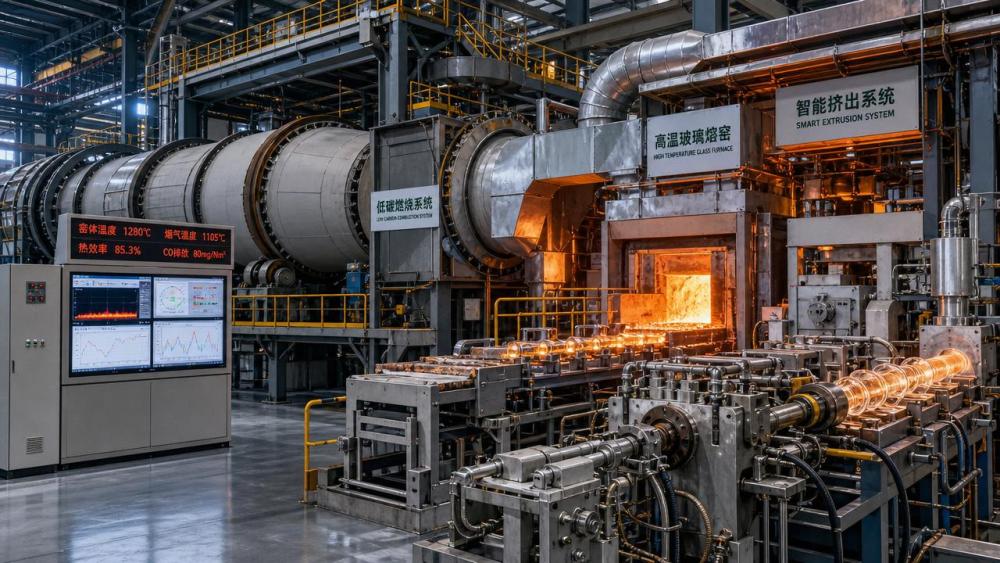
For many information researchers, the biggest challenge is not identifying that upgrades are needed. It is determining which upgrade path creates durable value under changing energy prices, emissions rules, maintenance constraints, and production targets. This is where industrial material science moves from a technical niche into a strategic decision layer.
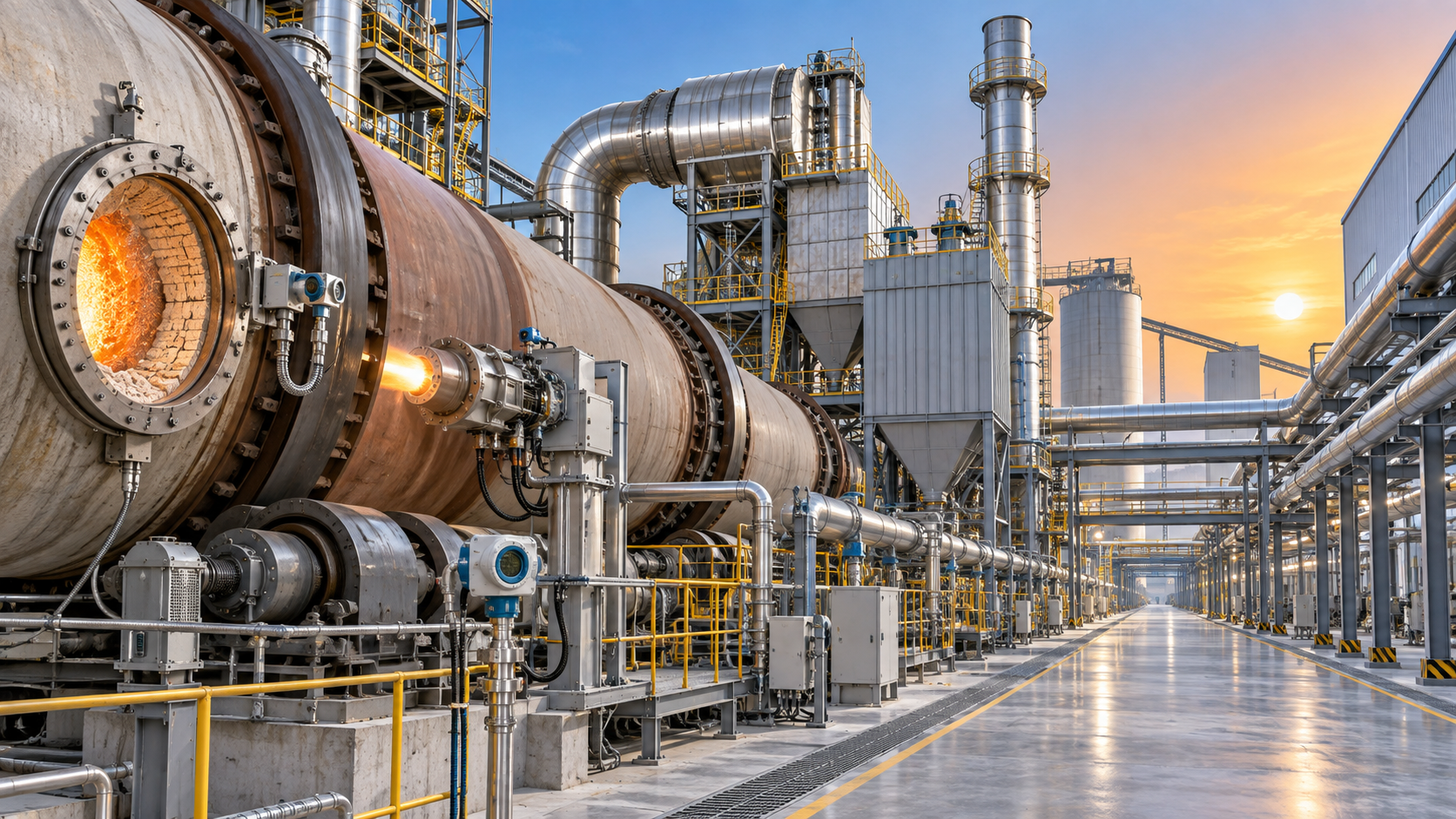
In high-temperature sectors, material behavior controls more than component life. It influences fuel consumption, heat retention, corrosion resistance, thermal shock stability, uptime, product quality, and compliance exposure. A rotary kiln, float glass line, incineration unit, refractory production line, or extrusion system can only perform as well as the material system supporting its thermal and mechanical loads.
CF-Elite tracks this intersection closely. Its intelligence model links ultra-high temperature physical parameters, reaction kinetics, and global carbon reduction pressures into a usable decision framework. For researchers comparing plant modernization options, that matters because equipment upgrades should never be assessed as isolated hardware purchases. They should be understood as material-performance ecosystems.
- A burner retrofit may fail to deliver expected savings if refractory conductivity and lining wear are not evaluated together.
- A digital monitoring system can generate data, but poor sensor placement and material mismatch can distort the operational picture.
- A lower-emission process can still underperform commercially if material life shortens and shutdown frequency rises.
Industrial material science therefore acts as the hidden logic behind upgrade quality. It helps decision-makers judge whether a plant improvement is cosmetic, incremental, or structurally transformative.
Which trends are reshaping cement, glass, kiln, refractory, and extrusion upgrades?
The most important industrial material science trends are no longer isolated lab advances. They are practical shifts already affecting design reviews, procurement criteria, and retrofit priorities across integrated plants. Research teams following these sectors should pay close attention to the following trend clusters.
1. Higher thermal efficiency through advanced lining systems
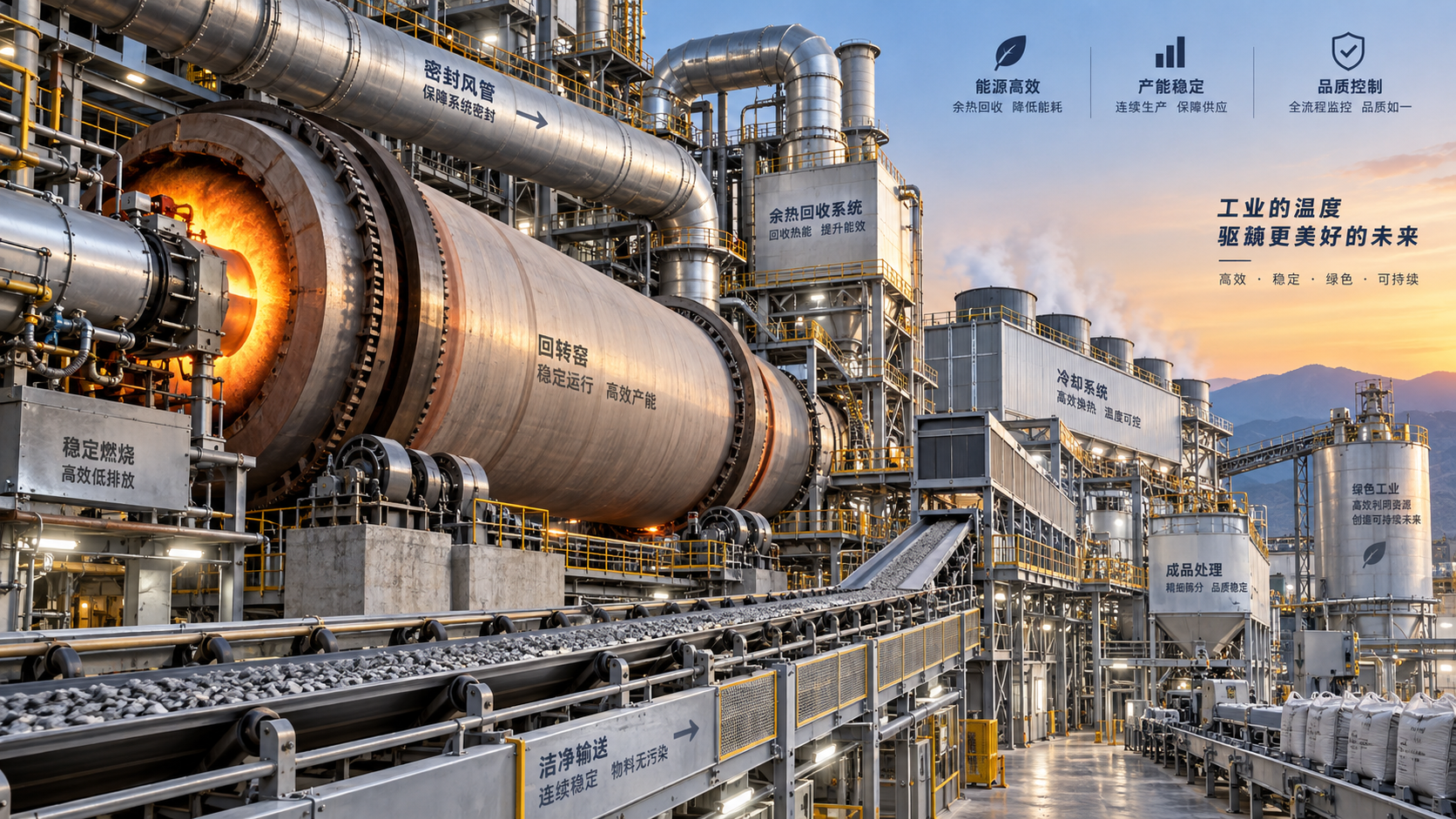
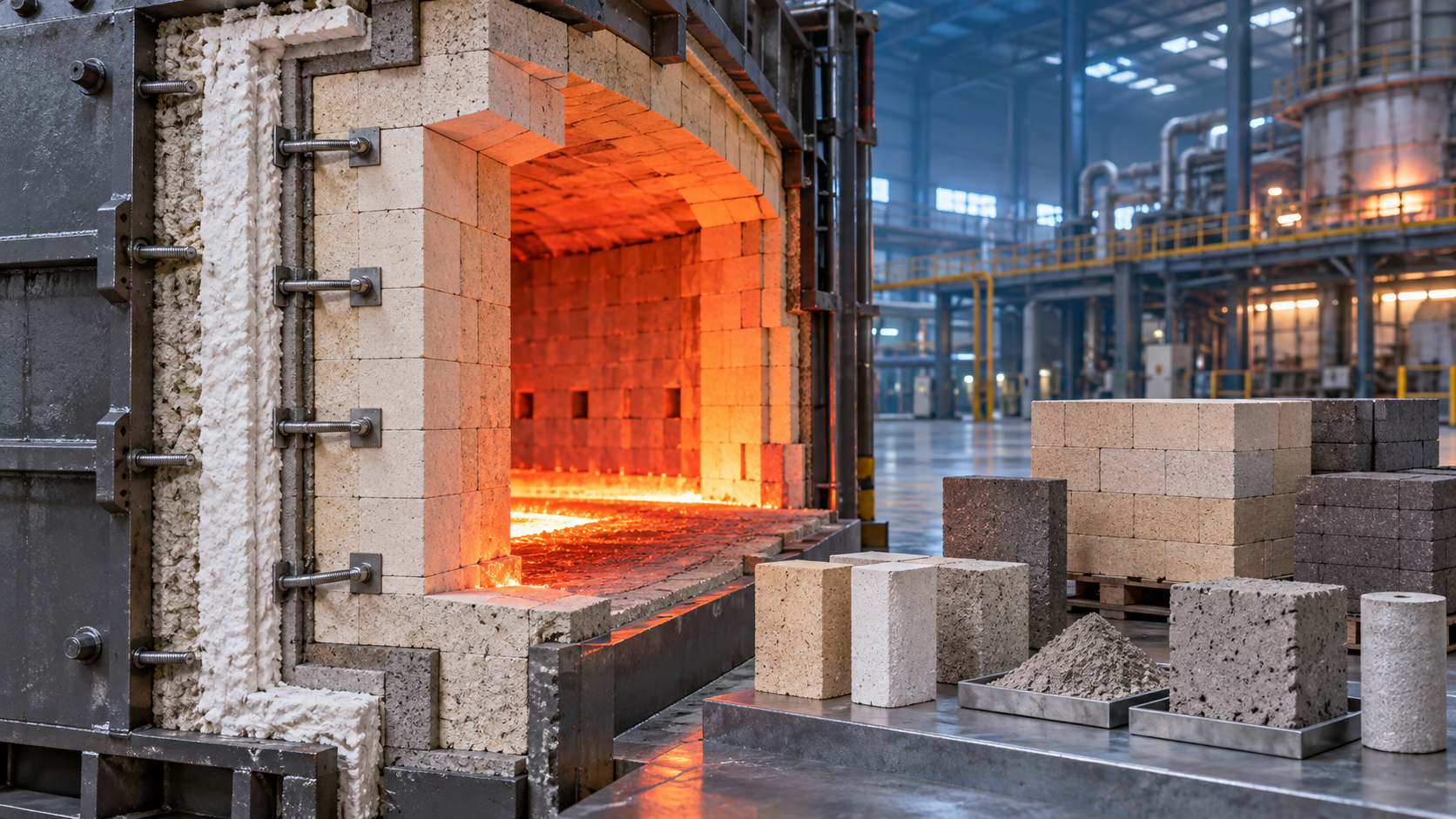
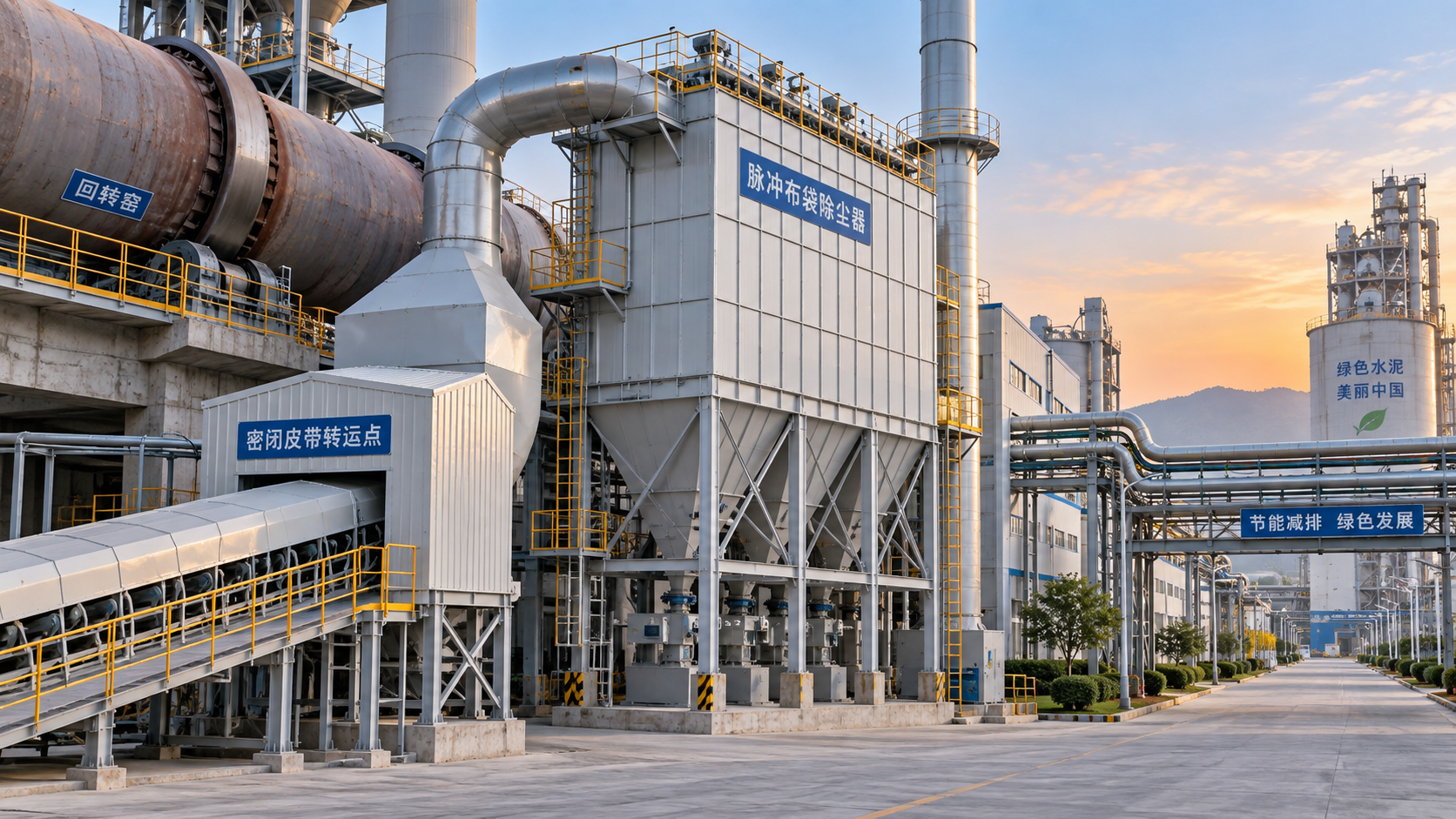
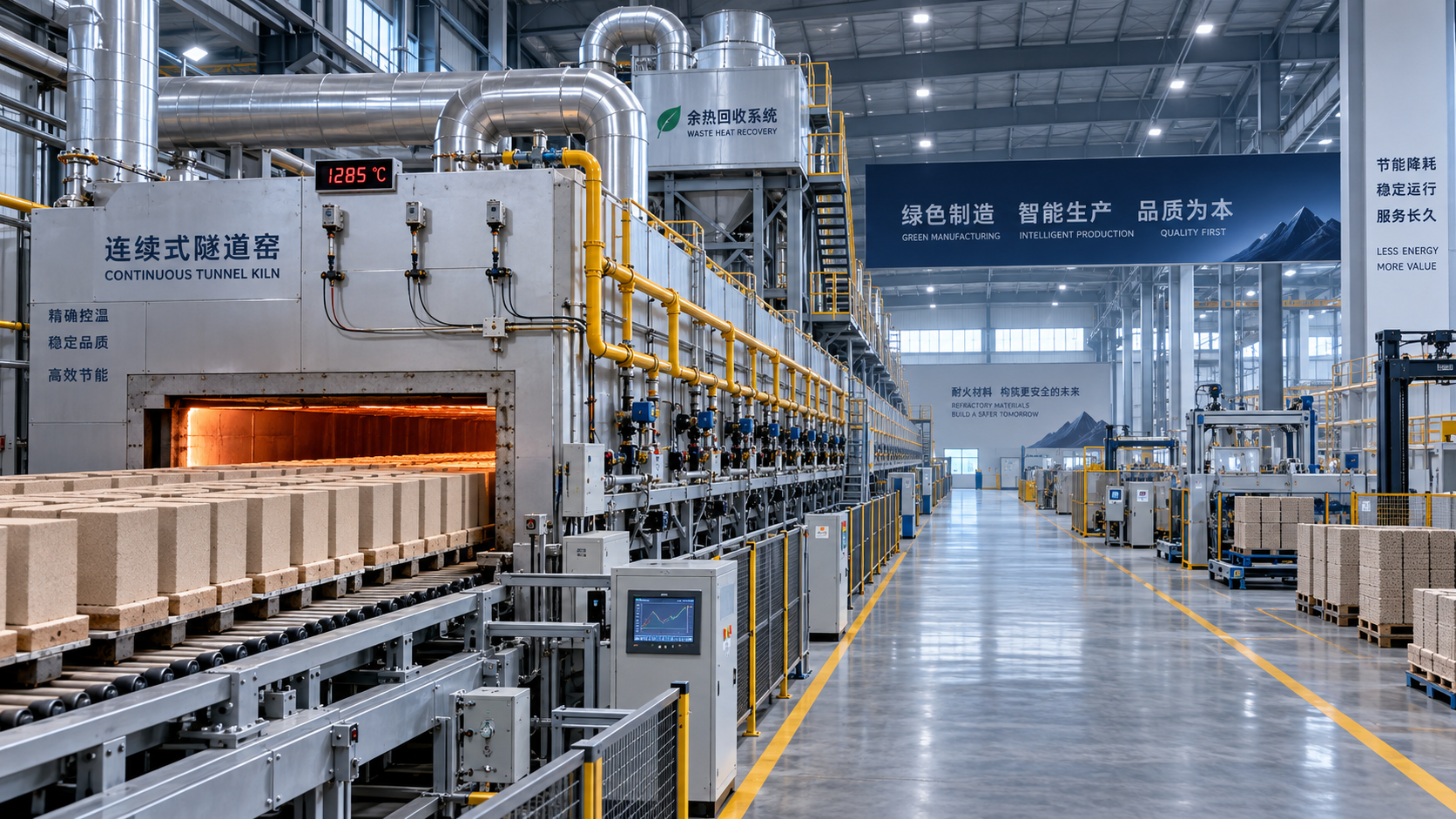
Lining materials are being evaluated not only for heat resistance, but for total thermal management impact. Multi-layer refractory concepts, lower thermal conductivity combinations, and better hot-face to backup-layer matching are central to modern upgrade plans. In cement and incineration systems, this can reduce shell temperature, stabilize operation, and lower fuel intensity.
2. Material selection driven by alternative fuels and variable feedstocks
As plants introduce biomass, refuse-derived fuel, hazardous waste co-processing, and recycled raw materials, chemical attack profiles change. Chlorides, alkalis, sulfur compounds, and abrasive particulates create new failure modes. Industrial material science now supports feed-flexible design, especially in rotary kilns and thermal treatment units.
3. Digital twin and online monitoring integration
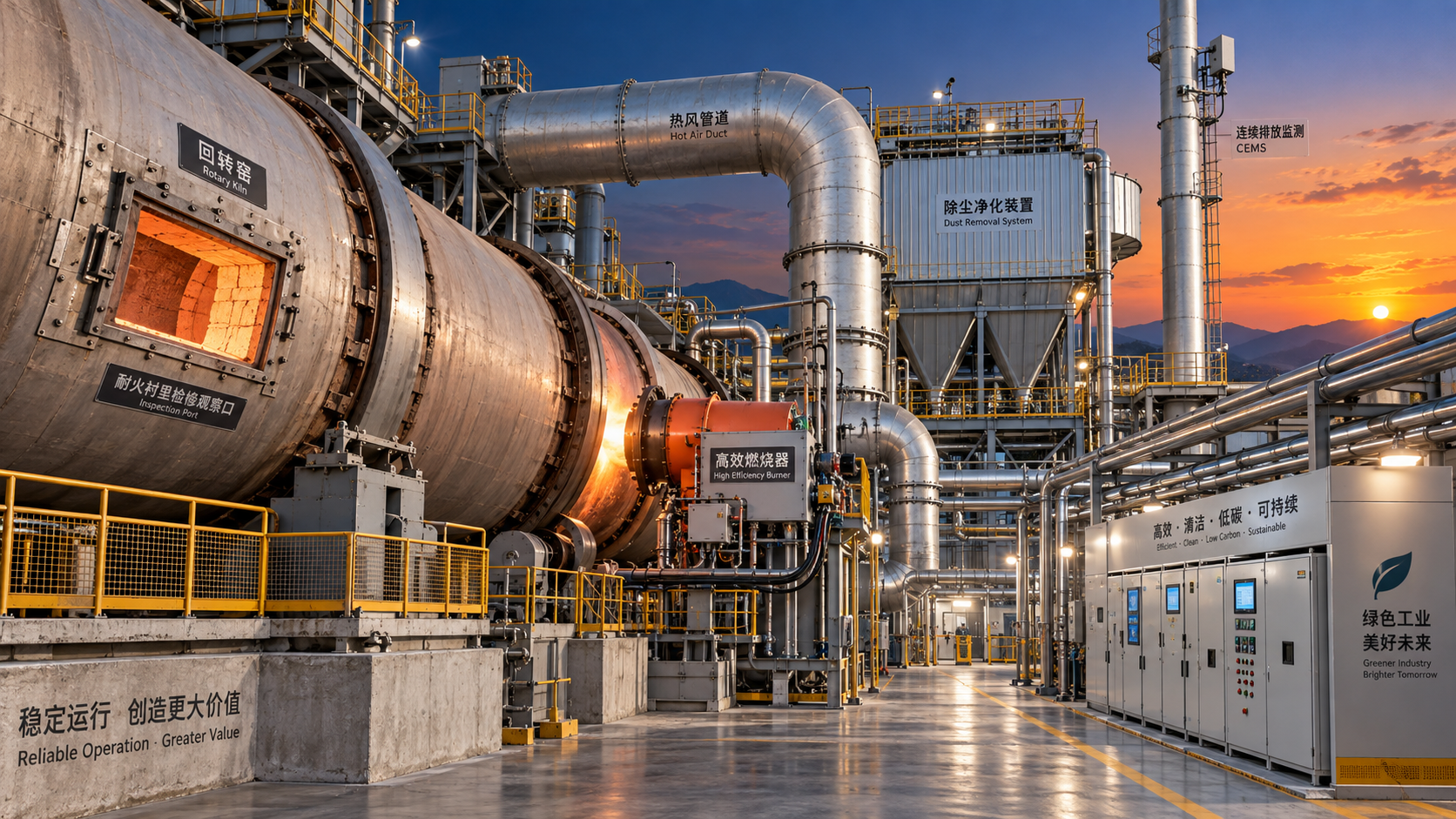
Modern upgrades increasingly connect thermal imaging, shell scanning, process sensors, and predictive analytics with material behavior models. In glass production and refractory monitoring, digital twin logic helps operators estimate wear evolution, adjust heat balance, and plan shutdowns before critical failure develops.
4. Decarbonization-linked process redesign
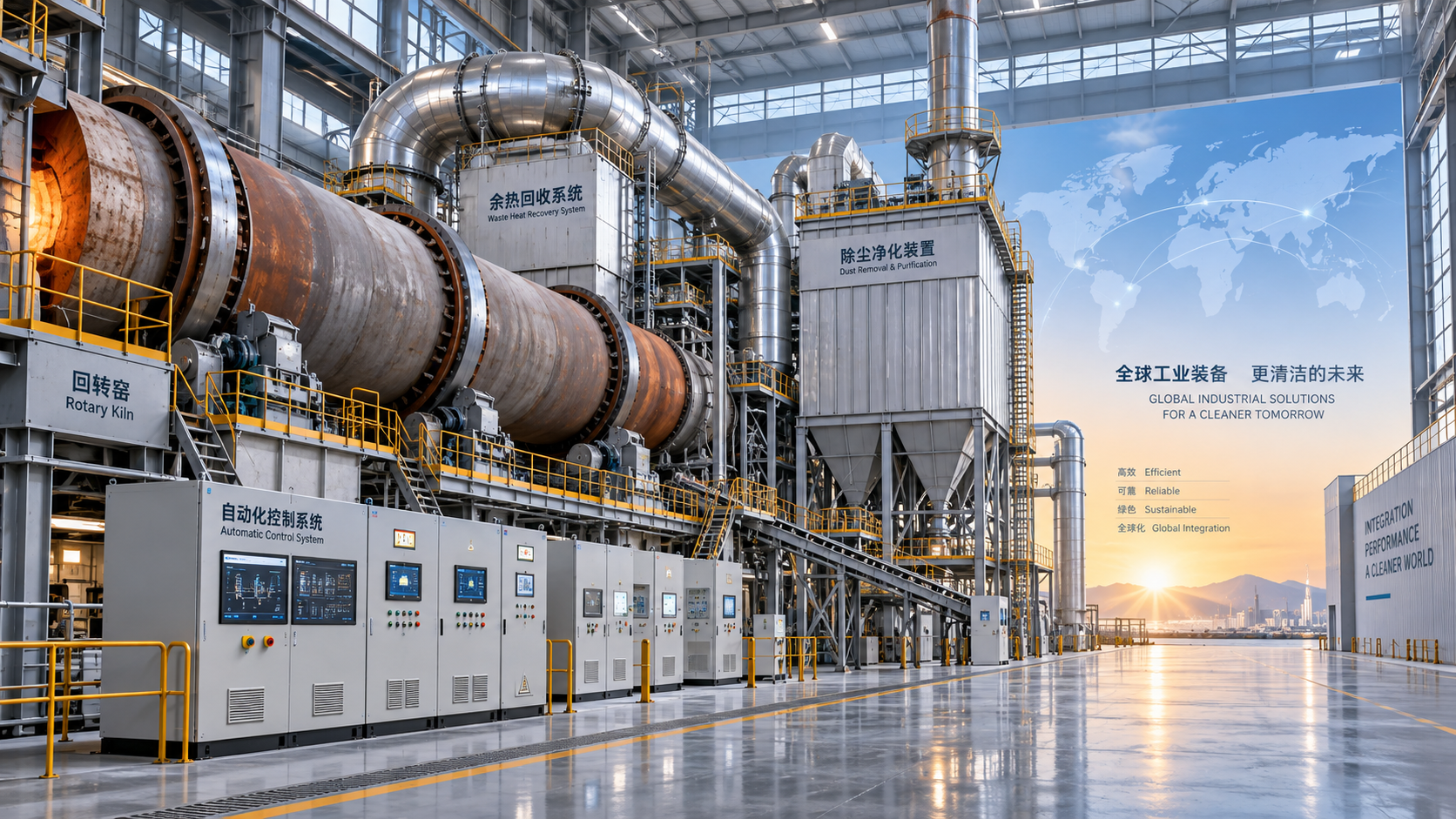
Lower-carbon strategies depend on more than fuel replacement. They also depend on material systems that tolerate revised temperature windows, combustion characteristics, and process residence times. This is especially relevant when plants pursue waste heat recovery, electrification support, higher recycled input rates, or lower-clinker factors.
5. Lightweight, durable, and precision-oriented extrusion materials
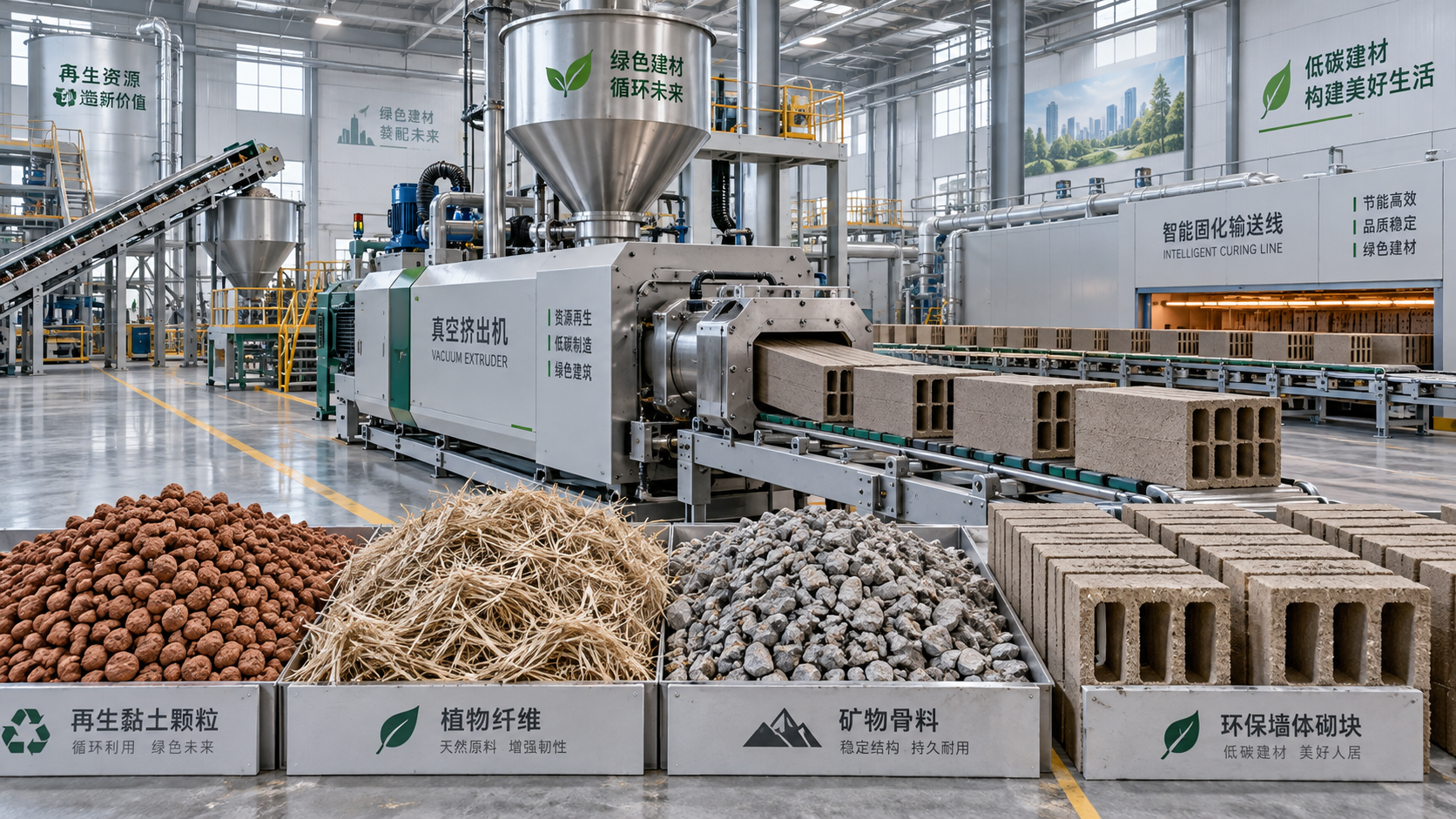
In new building material extrusion, die wear, pressure stability, moisture behavior, and shaping consistency are becoming more critical. Plants are looking for materials and wear surfaces that balance throughput with dimensional accuracy, especially for lightweight and green construction products.
The table below summarizes how industrial material science trends map to upgrade priorities in major high-temperature segments.
This comparison shows why industrial material science is not one trend but a decision matrix. Each segment faces a different combination of heat load, chemical exposure, abrasion, precision demand, and carbon pressure.
What should researchers compare before recommending a plant upgrade path?
Research teams often receive fragmented information from equipment vendors, plant operators, and market reports. A stronger method is to compare upgrade paths across performance, risk, cost, and implementation complexity. Industrial material science helps create a more disciplined screening process.
Core comparison dimensions
- Thermal performance: heat loss, insulation profile, maximum service temperature, and thermal cycling tolerance.
- Chemical resistance: compatibility with alkalis, chlorides, sulfates, glass melts, ash compounds, or recycled feed impurities.
- Mechanical durability: abrasion resistance, load-bearing behavior, spalling resistance, and vibration tolerance.
- Operational fit: maintenance window, installation complexity, sensor integration, and operator learning curve.
- Carbon and compliance impact: emission relevance, resource efficiency, and alignment with tightening environmental rules.
The next table offers a practical screening tool for comparing upgrade options when industrial material science is central to the project.
This framework is especially useful for distributors, analysts, and plant development teams that need to filter many proposals quickly while still preserving technical depth.
How does industrial material science affect real upgrade scenarios?
A useful way to assess industrial material science is to look at recurring upgrade scenarios rather than abstract theory. Across the sectors monitored by CF-Elite, three patterns appear repeatedly.
Scenario A: Cement plants targeting lower fuel consumption
When a cement plant upgrades burners, preheaters, or cooler sections, lining compatibility becomes critical. If the refractory system cannot maintain thermal stability under revised combustion conditions, expected efficiency gains may narrow. Researchers should therefore compare shell heat loss trends, coating behavior, and lining wear patterns alongside thermal equipment upgrades.
Scenario B: Glass lines pursuing defect reduction and precision control
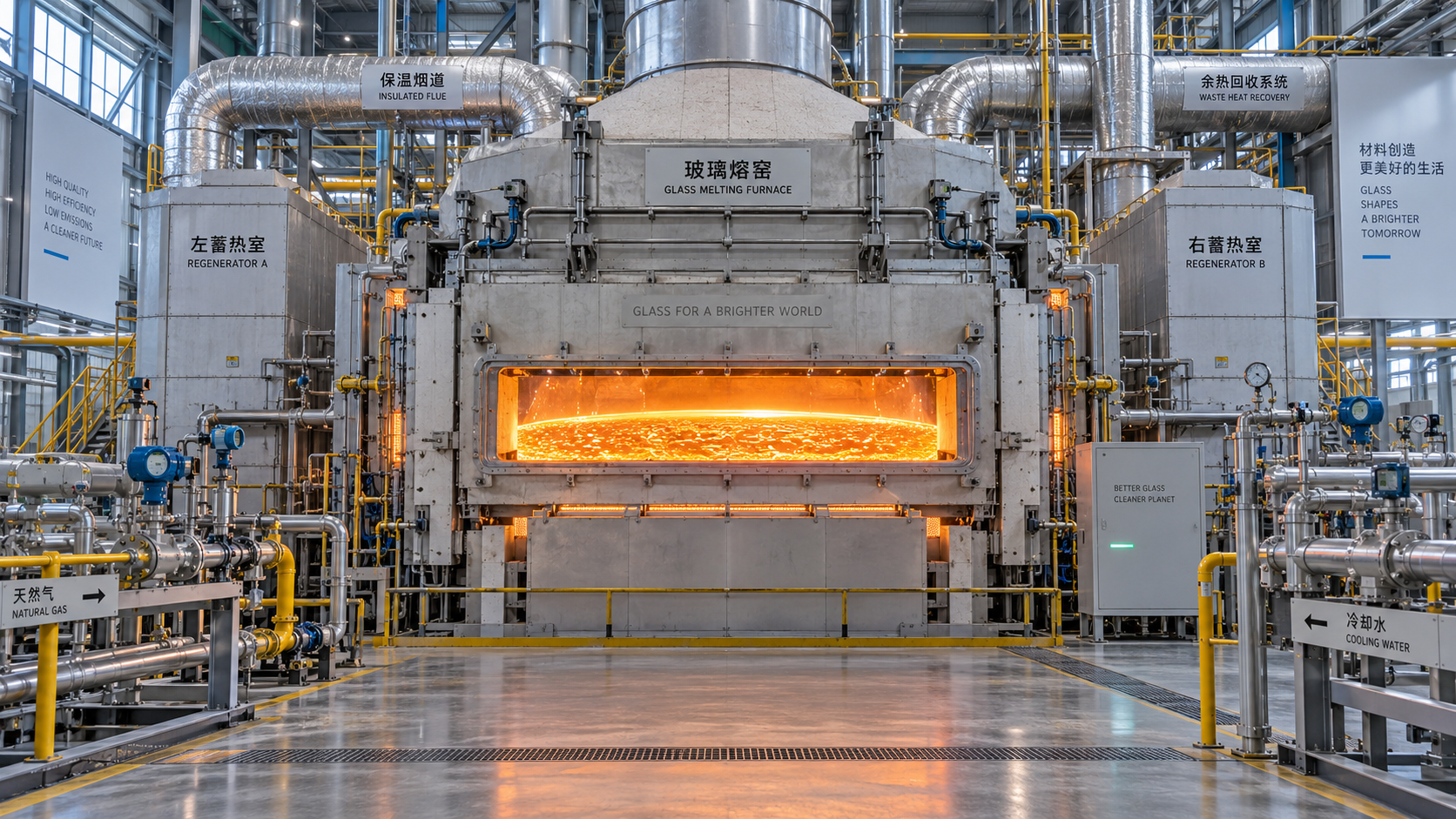
For float glass and specialty glass operations, thermal consistency influences product quality directly. Material science enters through furnace materials, insulation behavior, heat transfer surfaces, and controlled cooling sections. Even minor instability can increase defect rates, stress variation, or annealing inconsistency. Digital twin simulation becomes more valuable when paired with accurate material property assumptions.
Scenario C: Incineration and co-processing systems facing corrosive conditions
Waste-to-energy and industrial incineration units often work under highly variable chemical loads. Materials exposed to ash deposition, acidic gases, and thermal cycling require more than generic high-temperature ratings. Selection should consider specific corrosion pathways, expected shutdown patterns, and inspection access. Here, industrial material science becomes a risk-control function as much as an efficiency driver.
- Define the process bottleneck first: fuel, quality, uptime, emissions, or throughput.
- Map the material interfaces influencing that bottleneck.
- Estimate lifecycle consequences, not only installation benefits.
- Check whether monitoring data can verify the improvement after commissioning.
This sequence helps researchers avoid a common mistake: recommending upgrades that look strong in brochures but weak in integrated plant conditions.
What procurement and selection mistakes are most common?
Even experienced industrial buyers can misread upgrade proposals when industrial material science issues are hidden behind broad performance claims. The following errors appear often in cross-border heavy equipment and plant modernization reviews.
Mistake 1: Treating materials as accessories
In reality, materials often determine whether the process design performs as intended. A weak thermal barrier, unstable hot-face composition, or poorly matched wear part can undermine the whole retrofit.
Mistake 2: Using generic specifications across different process chemistries
Two kilns operating at similar temperatures may still need different material systems if one uses alternative fuels or handles more aggressive feed chemistry. Researchers should always review actual operating media and upset conditions.
Mistake 3: Ignoring serviceability and data integration
A technically strong material solution can become commercially weak if inspection is difficult, replacement windows are too narrow, or performance cannot be tracked. Modern selection should include online monitoring readiness and maintenance practicality.
Mistake 4: Comparing capex without lifecycle context
Industrial material science decisions should be judged over campaign life, not invoice date. Savings can come from lower heat loss, fewer shutdowns, more stable quality, or reduced emergency repair exposure. These effects are often larger than the initial price gap.
Which standards and compliance topics should be checked early?
Compliance is one of the most overlooked research areas in plant upgrades. While exact requirements vary by country and application, industrial material science projects should be screened against a practical compliance checklist from the start.
- Emissions-related rules affecting combustion conditions, particulate control, and thermal process stability.
- Worker safety requirements tied to high-temperature exposure, maintenance access, and material handling.
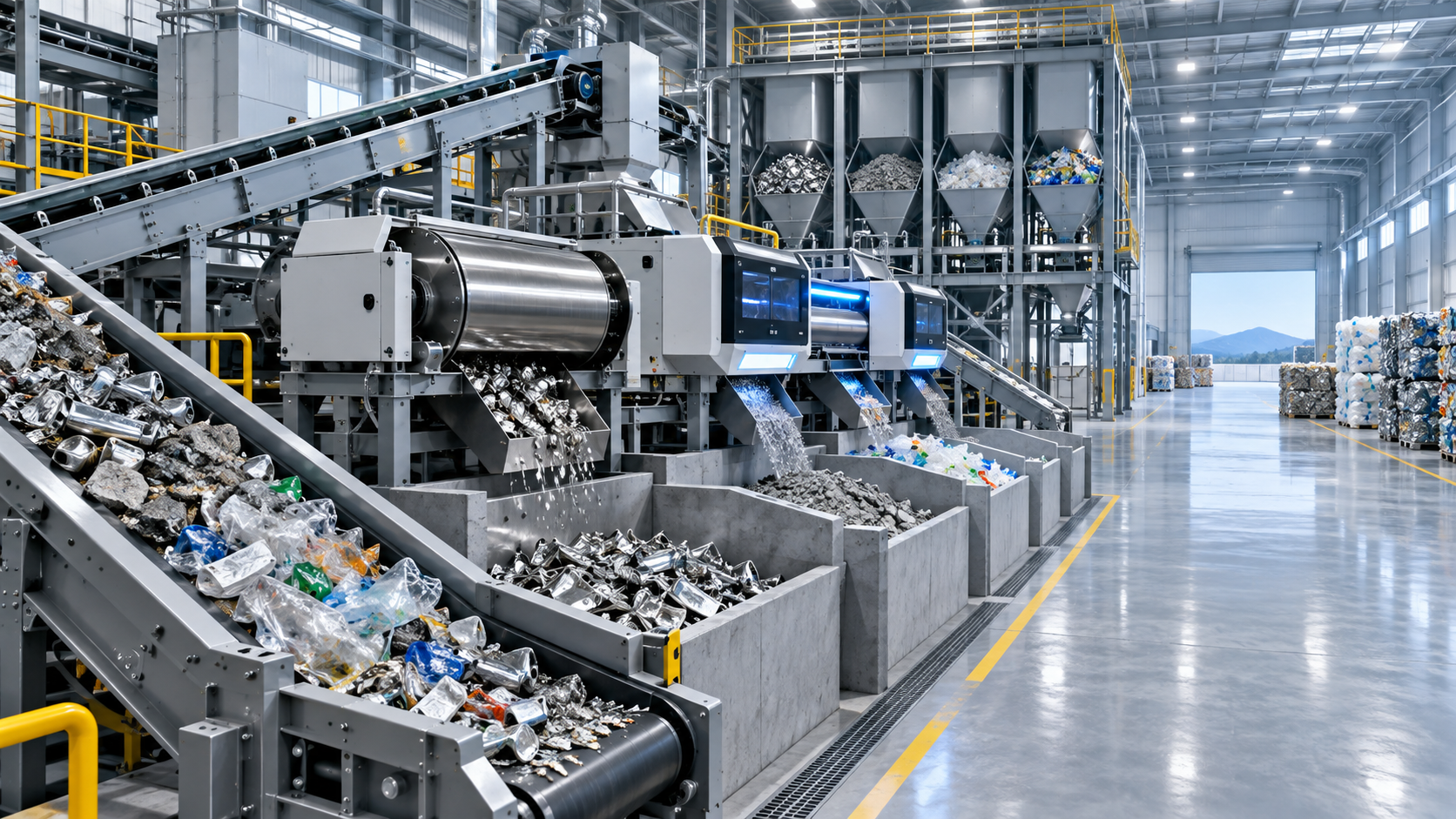
- Waste and circularity expectations for co-processing, recycled inputs, or spent refractory management.
- General quality and testing practices for heat-resistant components, insulation products, and process-critical linings.
For information researchers, the key is not memorizing every standard. It is identifying where compliance affects material selection, lead time, installation scope, or operating approval. That is one reason a sector-focused intelligence platform adds value: it connects technical choice with regulatory timing.
FAQ: what do researchers ask most about industrial material science?
How should industrial material science influence early-stage upgrade planning?
It should enter at the problem-definition stage, not after equipment selection. Start by identifying the dominant failure mode or performance limit. Is it heat loss, corrosion, thermal shock, abrasion, dimensional drift, or unstable quality? Then assess which materials are controlling that constraint. Early integration prevents expensive redesign later.
Which plants benefit most from deeper material analysis?
Plants with high thermal loads, variable feedstocks, strict quality targets, or aggressive decarbonization plans benefit the most. That includes cement production lines, glass manufacturing equipment, industrial kilns, incineration systems, refractory lines, and advanced extrusion units. These operations are especially sensitive to material-process mismatch.
What data should be collected before comparing suppliers or upgrade schemes?
Useful baseline data includes operating temperature ranges, thermal cycling frequency, fuel and feed composition, current maintenance intervals, shell or surface temperature records, failure history, and production quality losses linked to process instability. Without this data, industrial material science recommendations remain too generic for confident selection.
Are lower-carbon upgrades always more expensive?
Not necessarily. Some lower-carbon pathways increase upfront cost but reduce fuel use, improve uptime, or support future compliance. Others may look economical initially but introduce hidden wear or instability. The right judgment comes from lifecycle comparison, not a narrow capex view.
Why do research-driven buyers turn to CF-Elite for upgrade intelligence?
CF-Elite is positioned around a practical gap in the market: high-temperature industries rarely need isolated news, and they rarely benefit from one-dimensional product promotion. They need stitched intelligence that connects process engineering, thermal management, material durability, environmental policy, and commercial timing.
Its sector focus across cement production plants, glass manufacturing gear, industrial kilns and incineration, refractory production lines, and new building material extrusion gives researchers a wider comparison base. That matters when decision-makers must understand not only what a material or upgrade does, but where it fits in the evolving industrial value chain.
CF-Elite’s Strategic Intelligence Center is especially relevant for information researchers who need help translating technical signals into procurement or investment logic. From rotary kiln co-processing trends to digital twin simulation in glass production and online refractory monitoring, the platform supports more informed screening of long-cycle industrial decisions.
Why choose us for industrial material science insight and next-step consultation?
If you are evaluating plant modernization in high-temperature sectors, CF-Elite can support research and decision preparation with focused, usable intelligence rather than generic market commentary. Our value is strongest when your team needs to connect process conditions with upgrade logic across equipment, materials, emissions, and lifecycle performance.
- Parameter confirmation: review operating temperature ranges, fuel shifts, corrosion risks, and thermal load assumptions before screening solutions.
- Product and scheme selection: compare alternative upgrade paths for kilns, glass lines, refractory systems, and extrusion processes based on application fit.
- Delivery cycle discussion: identify which technical requirements may affect sourcing timelines, maintenance windows, or phased implementation plans.
- Customized intelligence support: request decision-oriented analysis on decarbonization, digital monitoring, co-processing trends, or material risk in specific plant scenarios.
- Compliance and documentation focus: clarify which standards, testing expectations, and approval factors should be considered before final supplier engagement.
- Quotation and solution communication: narrow the shortlist by aligning technical needs, commercial constraints, and operational priorities early.
For researchers and industrial decision teams, industrial material science is no longer a background topic. It is a front-line factor in efficiency, resilience, and carbon strategy. When you need clearer upgrade judgment across complex thermal industries, CF-Elite offers a structured place to start the conversation.
Related News
 Ms. Elena RodriguezIndustrial Process Optimization: Where to Target Energy, Yield, and Throughput LossesIndustrial process optimization: identify energy, yield, and throughput losses to improve plant stability, reduce costs, and unlock measurable performance gains.Oct 12, 2026
 Ms. Elena RodriguezGlass Market Intelligence: How to Assess Demand, Capacity, and Regional Growth RisksGlass market intelligence for evaluating demand, effective capacity, energy exposure, trade dynamics, and regional growth risks before investing in glass manufacturing.Oct 11, 2026
 Structural Material AnalystWhich Sustainable Construction Materials Are Suitable for Extrusion?Which sustainable construction materials are suitable for extrusion? Explore recycled clay, cementitious mixes, geopolymers, and bio-composites for reliable, lower-impact building products.Oct 12, 2026
 Optical Glass Tech FellowWhat Should a Glass Furnace Energy Specification Include?What should be included in a glass furnace energy specification? Explore performance, fuel flexibility, heat recovery, emissions, and monitoring essentials.Oct 11, 2026
 Dr. Alistair VaughnHow Process Technology Platforms Improve Control Across Multi-Line ManufacturingDiscover how a process technology platform strengthens cross-line control, connects operational data, and improves energy, quality, and maintenance decisions.Oct 10, 2026
 Optical Glass Tech FellowHow Glass Furnace Emissions Are Measured and Controlled for Regulatory ComplianceGlass furnace emissions: learn how to measure, monitor, and control NOx, SOx, particulate, CO, and CO2 for reliable regulatory compliance.Oct 08, 2026
 Prof. Marcus ChenIndustrial Decarbonization Strategies in Europe: A Roadmap for Energy-Intensive PlantsIndustrial decarbonization strategies Europe: explore practical pathways for energy-intensive plants to cut emissions, improve efficiency, and protect performance.Oct 07, 2026
 Thermal Energy ArchitectEnergy-Efficient Silicate Production Lines: What to Compare Before SelectionSilicate production lines energy efficient selection guide: compare thermal performance, stability, emissions, controls, and lifecycle value before investing.Oct 06, 2026
 Optical Glass Tech FellowHow to Evaluate Automated Float Glass Lines for Capacity, Quality, and Energy UseEvaluate automated float glass lines for net capacity, consistent quality, energy efficiency, automation reliability, and lifecycle value. Explore key criteria for smarter investment decisions.Oct 05, 2026
 Thermal Energy ArchitectWhat Does CE Marking Require for an Energy-Efficient Industrial Kiln?Energy efficient kiln CE requirements explained: assess safety, technical files, energy performance, and EU compliance before purchase or commissioning.Oct 04, 2026
 Thermal Energy ArchitectRefractory Manufacturing Solutions for Brick Plants: How to Extend Kiln LifeRefractory manufacturing solutions for brick plant operations: discover proven strategies to extend kiln life, reduce heat loss, prevent lining failures, and plan cost-effective repairs.Oct 03, 2026
 Thermal Energy ArchitectHow to Specify Heavy Industrial Process Systems for High-Temperature PlantsHeavy industrial processes systems: learn how to specify high-temperature plants for efficiency, emissions control, maintainability, and lifecycle performance.Oct 02, 2026
 Structural Material AnalystHow Sustainable Material Extrusion Can Improve Wall Panel Durability and Design FlexibilityDiscover how sustainable material extrusion for wall panels improves durability, moisture resistance, design flexibility, and installation consistency for high-performing wall systems.Oct 01, 2026
 Thermal Energy ArchitectHow to Evaluate a High-Temperature Materials Manufacturer for Furnace ApplicationsChoose a high-temperature materials manufacturer with confidence: compare thermal performance, chemical resistance, quality controls, installation support, and lifecycle cost.Sep 30, 2026
 Ms. Elena RodriguezHow to Structure Global Specification Data for Faster Industrial Product EvaluationGlobal specification-oriented product information helps industrial teams compare capacity, energy, emissions, automation, and lifecycle data on a like-for-like basis for faster, confident equipment decisions.Sep 29, 2026
 Thermal Energy ArchitectHow to Specify High-Temperature Process Systems for Continuous Thermal OperationsHigh-temperature process engineering systems: learn how to specify resilient continuous thermal operations for efficiency, compliance, reliable uptime, and long-term performance.Sep 28, 2026
 Thermal Energy ArchitectHow to Evaluate a Thermal Engineering Contractor for High-Temperature Plant ProjectsChoose a thermal engineering contractor with proven process expertise, lifecycle value, emissions control, and delivery discipline for reliable high-temperature plant performance.Sep 27, 2026
 Silicate Process EngineerHow Latin American Cement Plants Can Reduce Dust Emissions in Kilns and Transfer PointsCement plant dust control Latin America: reduce kiln and transfer-point emissions with practical airflow, filtration, monitoring, and maintenance strategies.Sep 26, 2026
 Material Heat-Resist ExpertHow to Evaluate Refractory Production Lines for Output, Quality, and Energy UseRefractory production lines: learn how to assess qualified output, consistent quality, and total energy use for smarter, lower-risk investment decisions.Sep 25, 2026
 Dr. Alistair VaughnHow Waste Recycling Technology Improves Material Recovery in Industrial PlantsWaste recycling technology improves material recovery through source segregation, smart separation, thermal treatment, and quality control for industrial plants.Sep 24, 2026


Related News
- 00
0000-00
Industrial Decarbonization Strategies in Europe: A Roadmap for Energy-Intensive Plants - 00
0000-00
Thermal Energy Architecture in North America: Strategies for Lower Building Energy Use - 00
0000-00
How to Evaluate a Green Material Production Line for Energy Use, Output, and Product Quality - 00
0000-00
Silicate Technology Trends: What New Process Upgrades Matter for Refractory and Cement Plants? - 00
0000-00
Thermal Engineering Optimization: Which Process Parameters Most Affect Energy Use?
Weekly Insights
Stay ahead with our curated technology reports delivered every Monday.