
When do silicate production lines need a full upgrade?




For project managers overseeing silicate production lines, knowing when to move from incremental maintenance to a full upgrade can determine cost control, compliance readiness, and long-term plant competitiveness. Rising energy consumption, unstable product quality, outdated thermal control, dust emissions, and limited automation are often early signals that existing systems are no longer aligned with modern efficiency and carbon-reduction targets. This guide highlights the operational, technical, and strategic indicators that help engineering leaders evaluate upgrade timing with greater confidence.
Why Upgrade Timing Matters for Silicate Production Lines
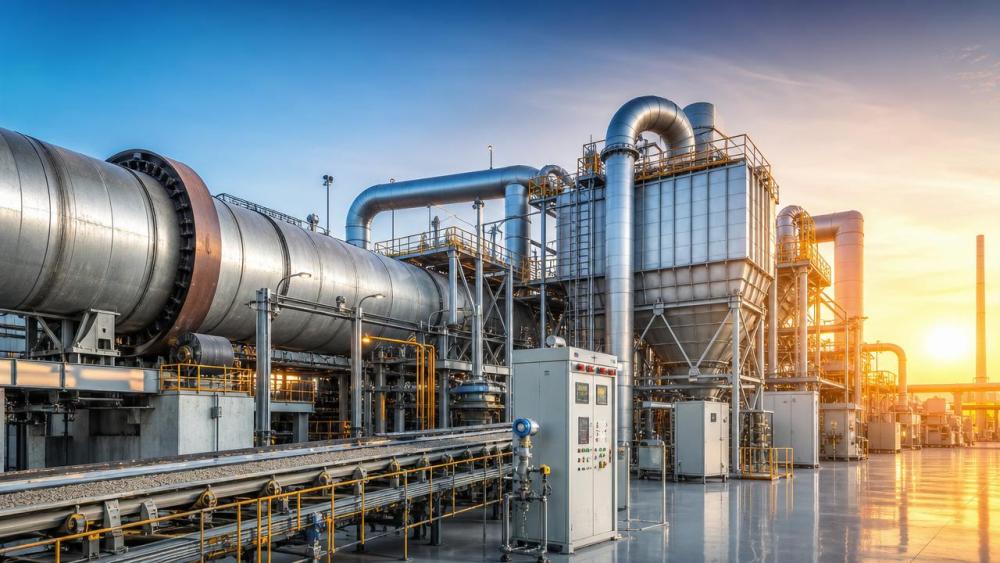
A full upgrade is not simply a replacement project. For silicate production lines, it is a decision involving thermal efficiency, process stability, emissions control, product consistency, and future market access.
Project managers usually face pressure from three sides: production teams want fewer shutdowns, finance teams want controlled capital expenditure, and regulatory teams need predictable compliance outcomes.
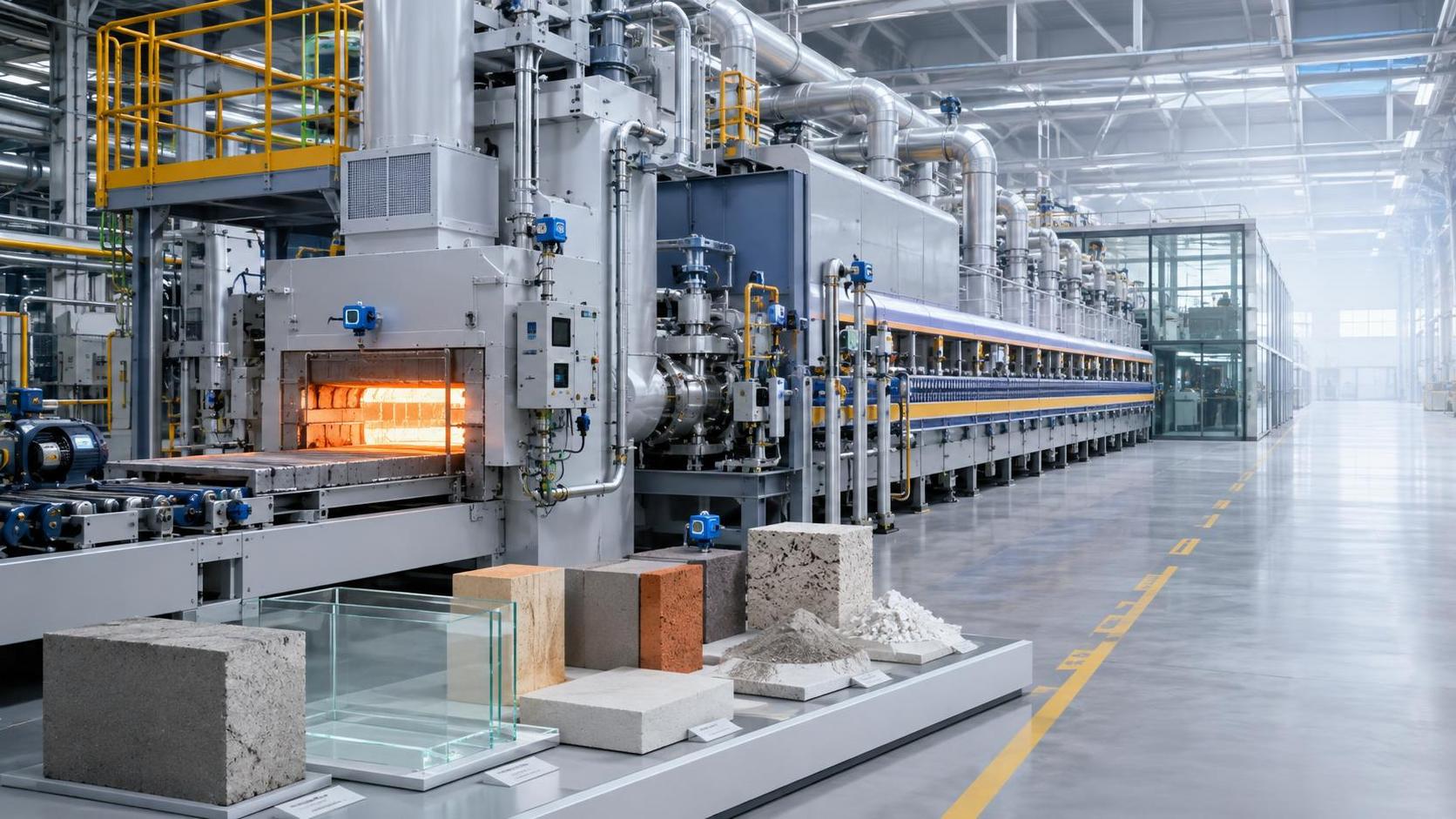
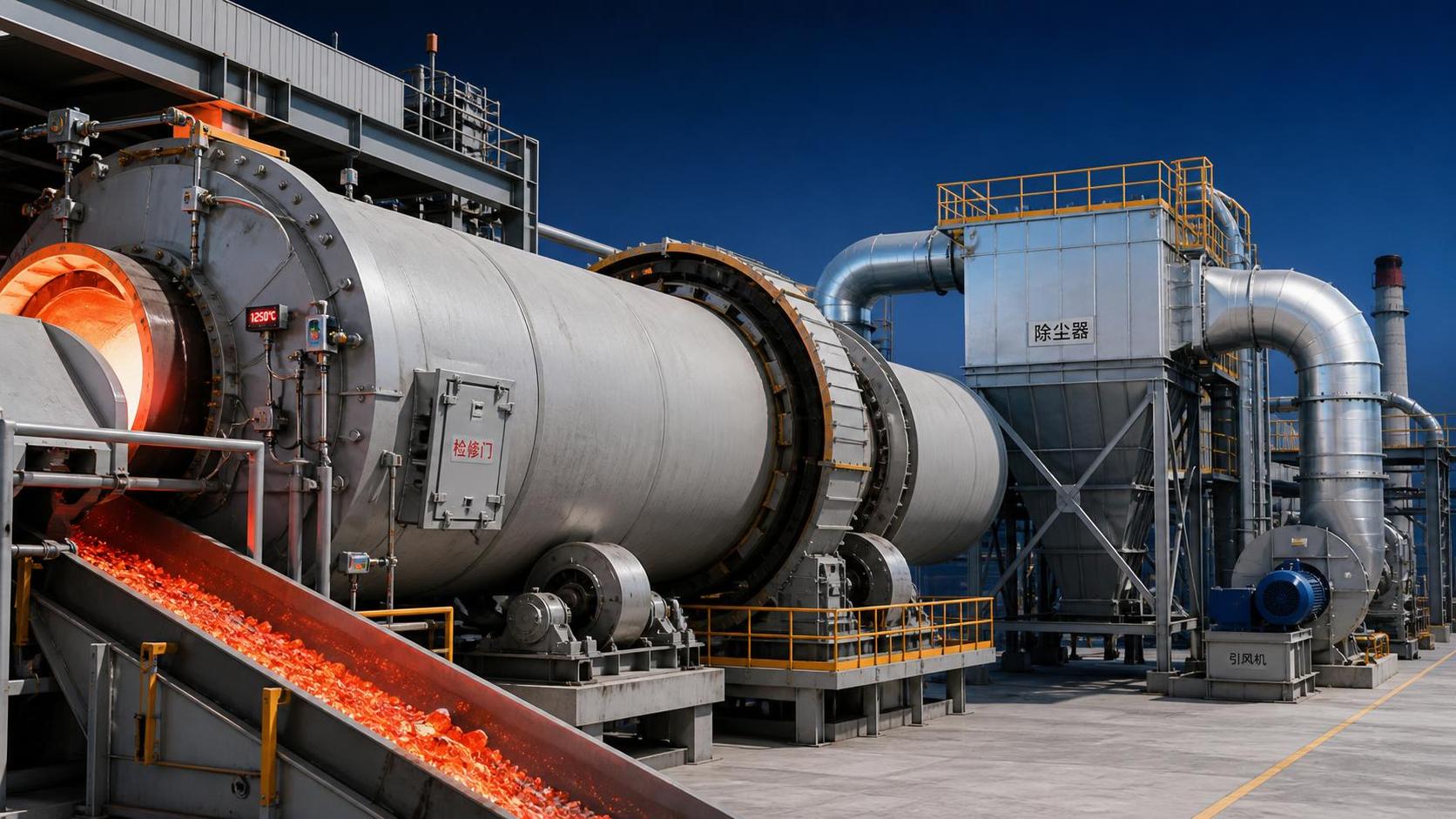
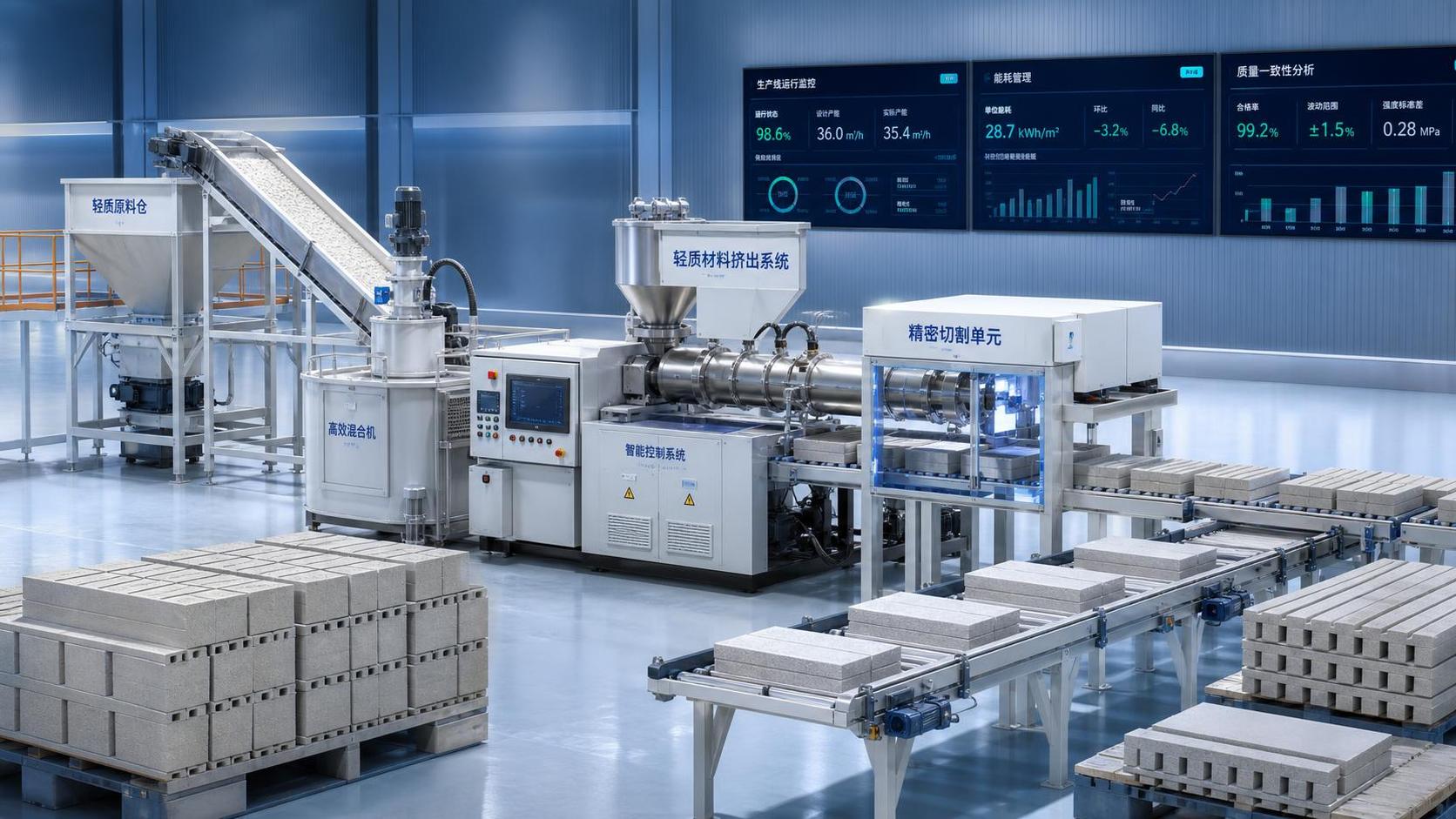
In cement, glass, refractory, incineration, and new building material extrusion, old equipment may still run. The real question is whether it can still meet modern operating expectations.
The shift from maintenance logic to upgrade logic
Maintenance protects current capacity. An upgrade changes the performance ceiling. When repair activities only restore yesterday’s limitations, a broader review becomes necessary.
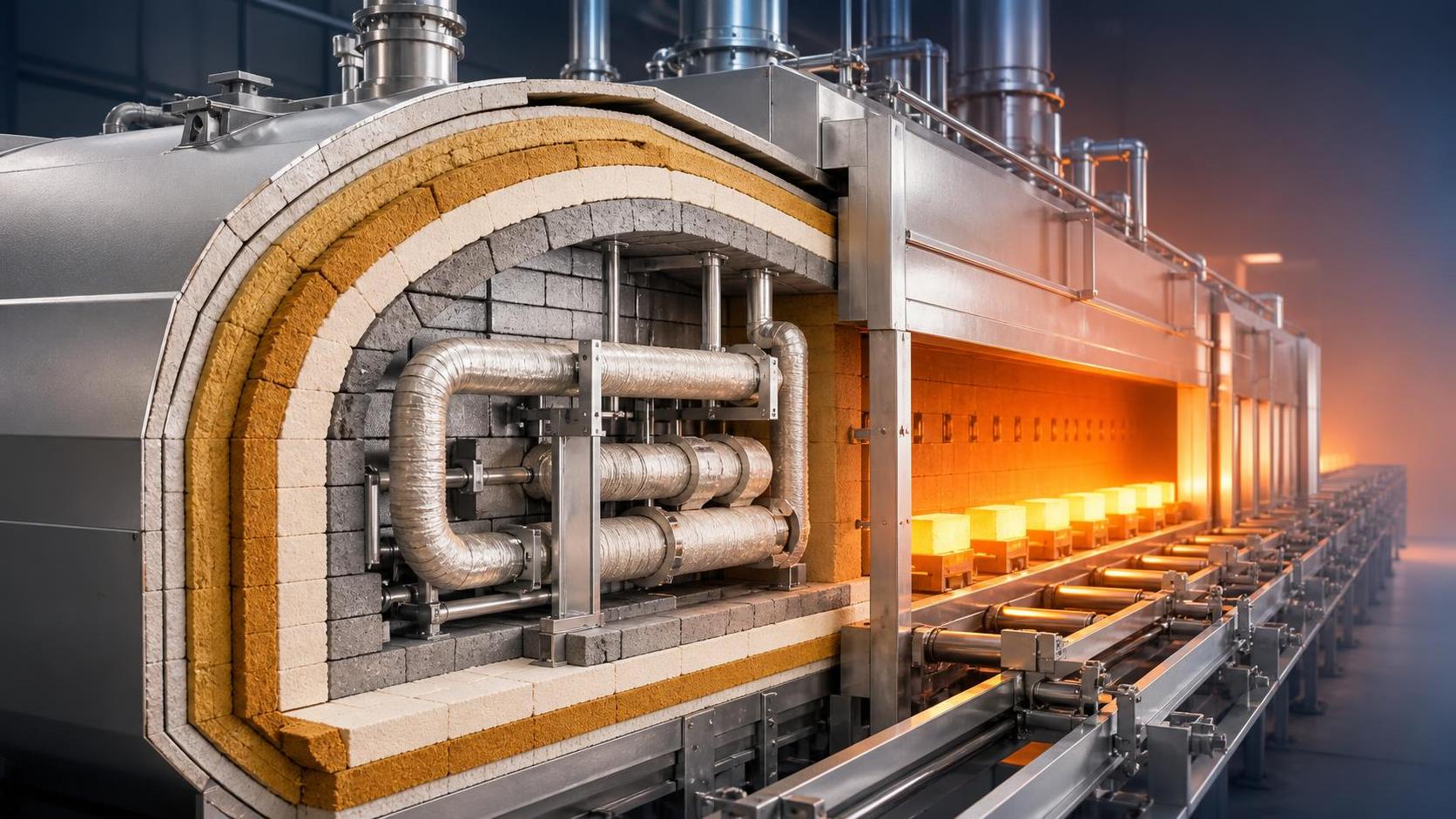
- If thermal losses keep increasing after repeated insulation, burner, or sealing repairs, the problem may be systemic rather than component-based.
- If quality deviation is linked to outdated control architecture, isolated instrument replacement may not deliver stable improvement.
- If environmental limits tighten faster than the plant can retrofit, upgrade planning should start before compliance becomes urgent.
Operational Signals That Silicate Production Lines Are Reaching Their Limit
The strongest upgrade signals are usually visible in daily production data. A single incident may not justify investment, but repeated patterns deserve structured evaluation.
For engineering project leaders, the key is to separate temporary disturbance from long-term capability decline. The following checklist can support early diagnosis.
These signals should be evaluated as a connected system. In silicate production lines, thermal imbalance often affects emissions, wear, energy intensity, and product qualification at the same time.
When quality issues become strategic risks
In glass manufacturing, minor temperature instability can create bubbles, optical distortion, or annealing stress. In cement production, unstable burning can influence clinker quality and grinding demand.
For refractory products, density variation, firing defects, or inconsistent thermal shock resistance can damage customer confidence. When defects affect contractual delivery, upgrade timing becomes commercial.
Technical Triggers: Which Parameters Should Project Managers Track?
A reliable decision cannot depend only on operator experience. Project managers need parameter trends that reveal whether silicate production lines are approaching technical obsolescence.
The following indicators are not universal limits, but they provide a practical framework for discussion with process engineers, equipment suppliers, and plant finance teams.
A full upgrade becomes more defensible when several parameters deteriorate together. This is especially true for silicate production lines with long commissioning cycles and tight delivery commitments.
Digital visibility is now part of capacity
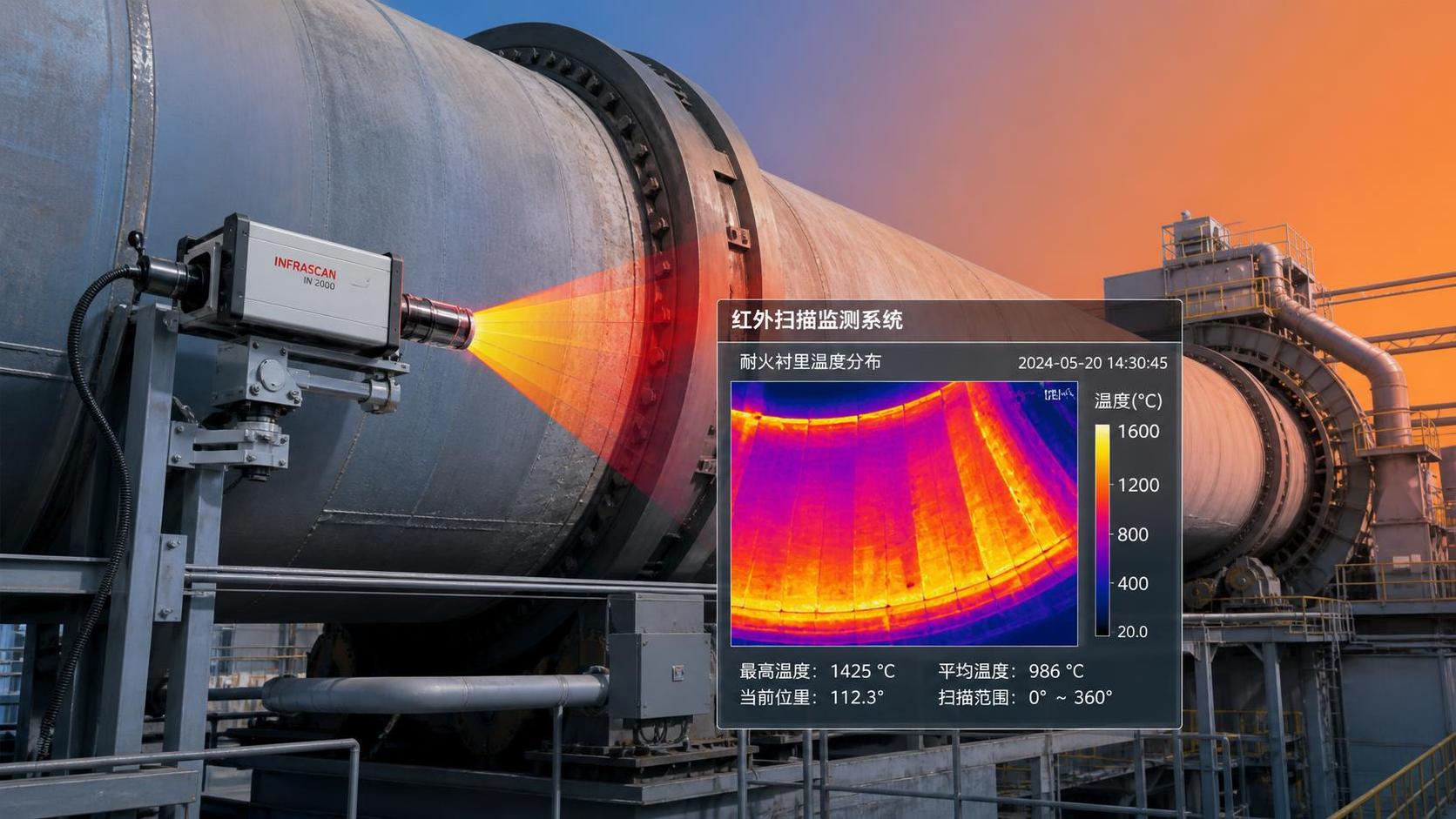
Modern silicate production lines increasingly rely on online monitoring, distributed control systems, data historians, and predictive maintenance logic. Visibility is no longer optional.
Without reliable data, project teams cannot compare suppliers, validate guarantees, or defend investment proposals. Poor instrumentation can hide losses until they become expensive failures.
Full Upgrade or Targeted Retrofit: How to Compare the Options
Not every plant needs a complete rebuild. However, a narrow retrofit may fail when the production bottleneck moves from one subsystem to another.
The decision should compare technical scope, shutdown impact, compliance benefit, and long-term scalability. Silicate production lines often reward integrated planning because heat, materials, and emissions are tightly linked.
A full upgrade is usually justified when the cost of keeping old systems synchronized exceeds the benefit of extending their life. Interfaces often become the hidden cost.
A practical decision sequence
- Map the complete process flow, from raw material preparation to final cooling, packaging, or downstream forming.
- Quantify the losses caused by energy use, rejects, downtime, environmental treatment, and labor-intensive adjustment.
- Identify whether key constraints are isolated assets or system-level issues involving heat transfer and reaction kinetics.
- Compare retrofit and upgrade scenarios using lifecycle cost, not only purchase price.
- Reserve sufficient time for engineering review, supplier clarification, shutdown execution, and performance validation.
Cost, Compliance, and Delivery Risks Project Managers Should Not Ignore
Budget pressure often delays upgrades. Yet delayed decisions can create higher exposure when energy contracts, emission permits, spare parts, and production penalties converge.
For silicate production lines, the most expensive risk is not always the new equipment. It may be the cost of an unplanned outage during peak demand.
Cost categories that should enter the business case
- Energy cost per qualified ton, including fuel, electricity, compressed air, cooling, and waste heat utilization.
- Maintenance cost of critical assets, especially kiln drives, furnace structures, refractory linings, fans, conveyors, and extrusion units.
- Quality loss from rejects, rework, customer claims, delayed shipment, or unstable product properties.
- Compliance cost related to dust control, continuous emissions monitoring, wastewater handling, and waste co-processing where applicable.
- Downtime cost during planned shutdown, commissioning delay, ramp-up instability, or insufficient spare part availability.
Standards and regulations vary by country and application. Project teams should consider local environmental permits, occupational safety rules, electrical standards, and common management systems such as ISO 9001 or ISO 14001 where relevant.
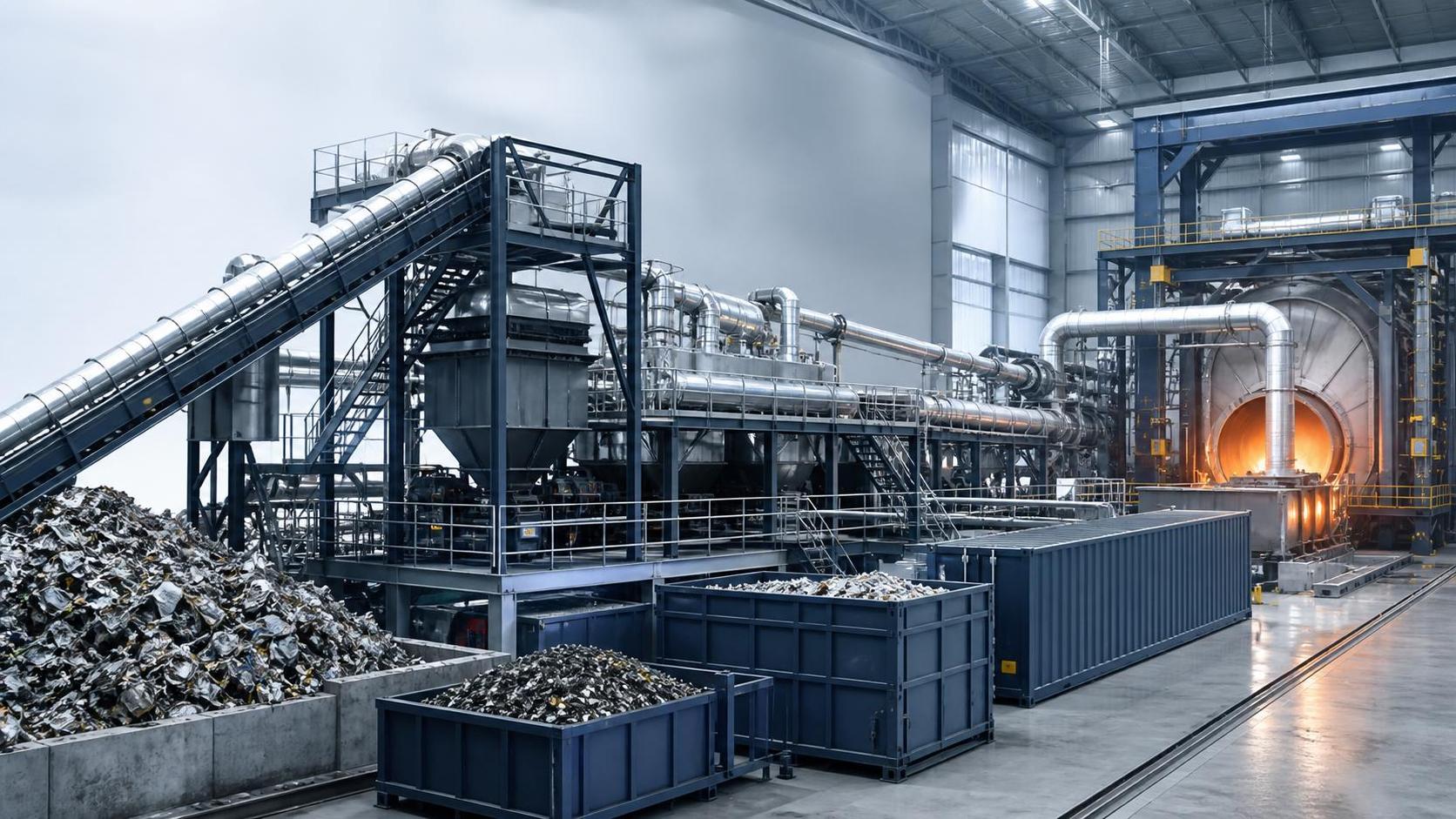
In industrial incineration or waste co-processing projects, additional attention should be given to flue gas treatment, residue handling, feedstock variability, and monitoring documentation.
Application Scenarios: Where Full Upgrades Create the Strongest Value
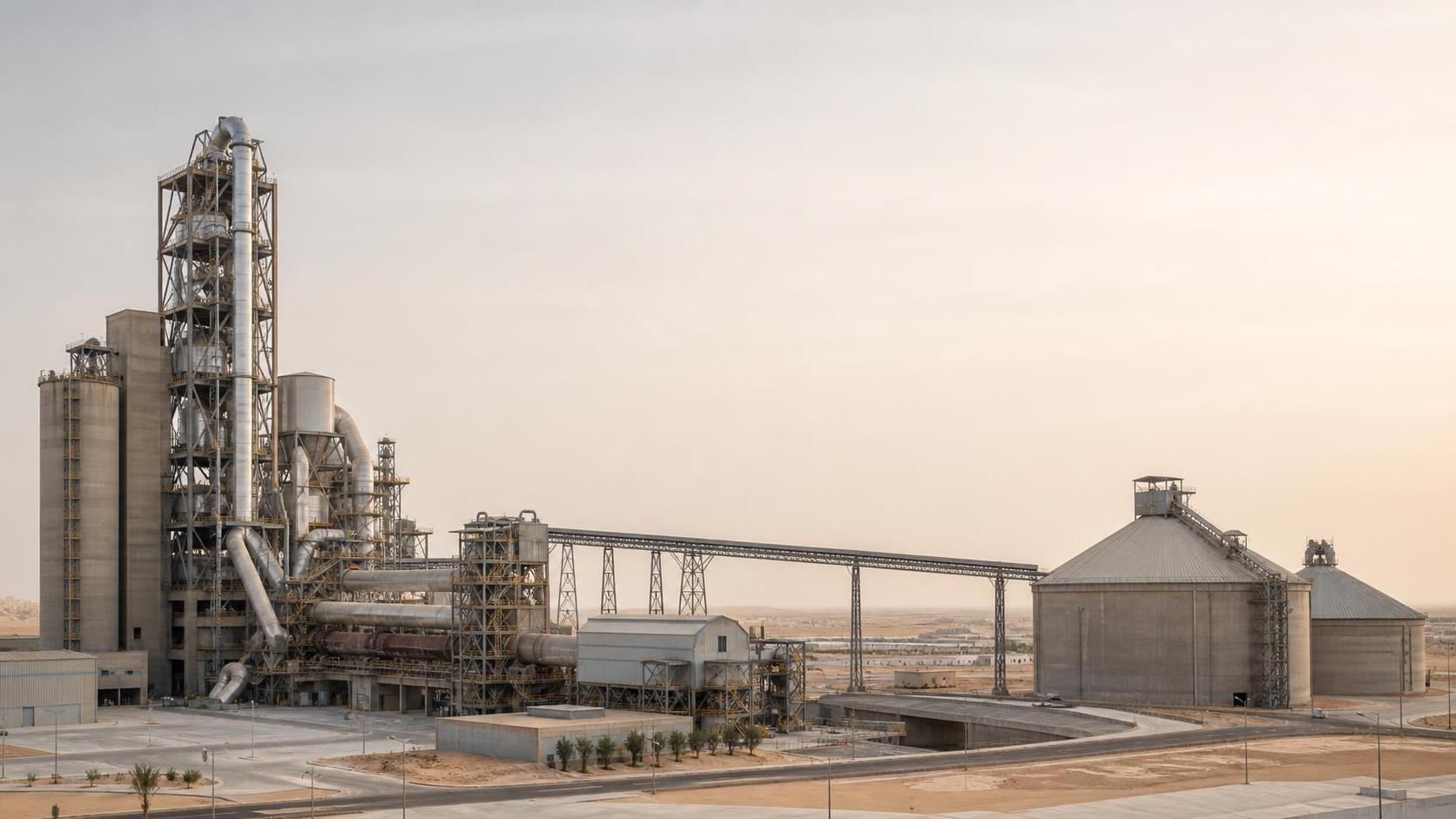
Different silicate production lines have different upgrade priorities. A cement plant may focus on fuel substitution and dust reduction, while a glass line may prioritize melting precision.
Understanding the specific production context helps project managers avoid overbuying equipment in one area while underestimating another critical bottleneck.
The most successful upgrades align equipment scope with market strategy. If customers demand greener materials or tighter tolerances, silicate production lines must be evaluated beyond basic output volume.
How CF-Elite Supports Better Upgrade Decisions
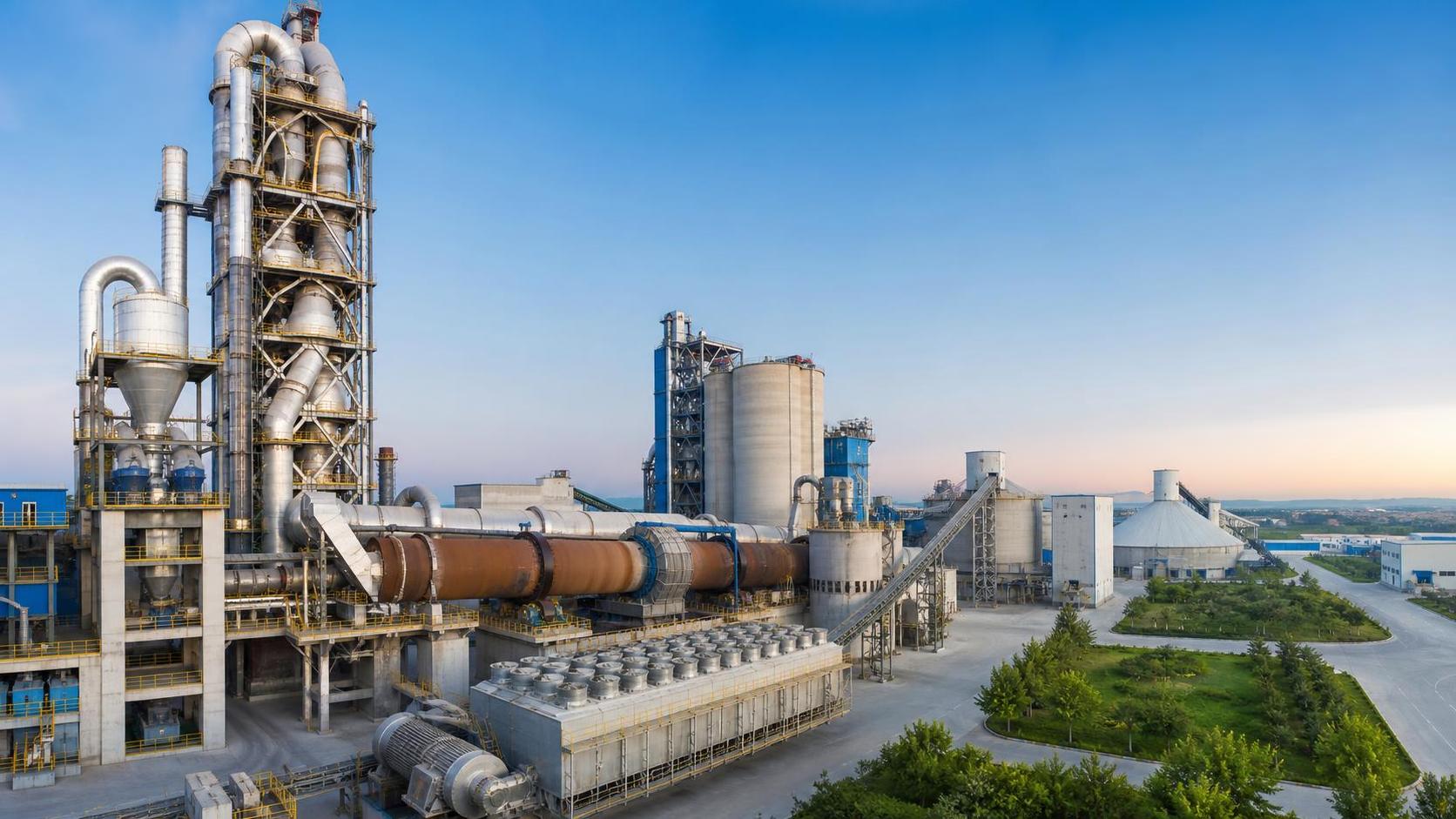
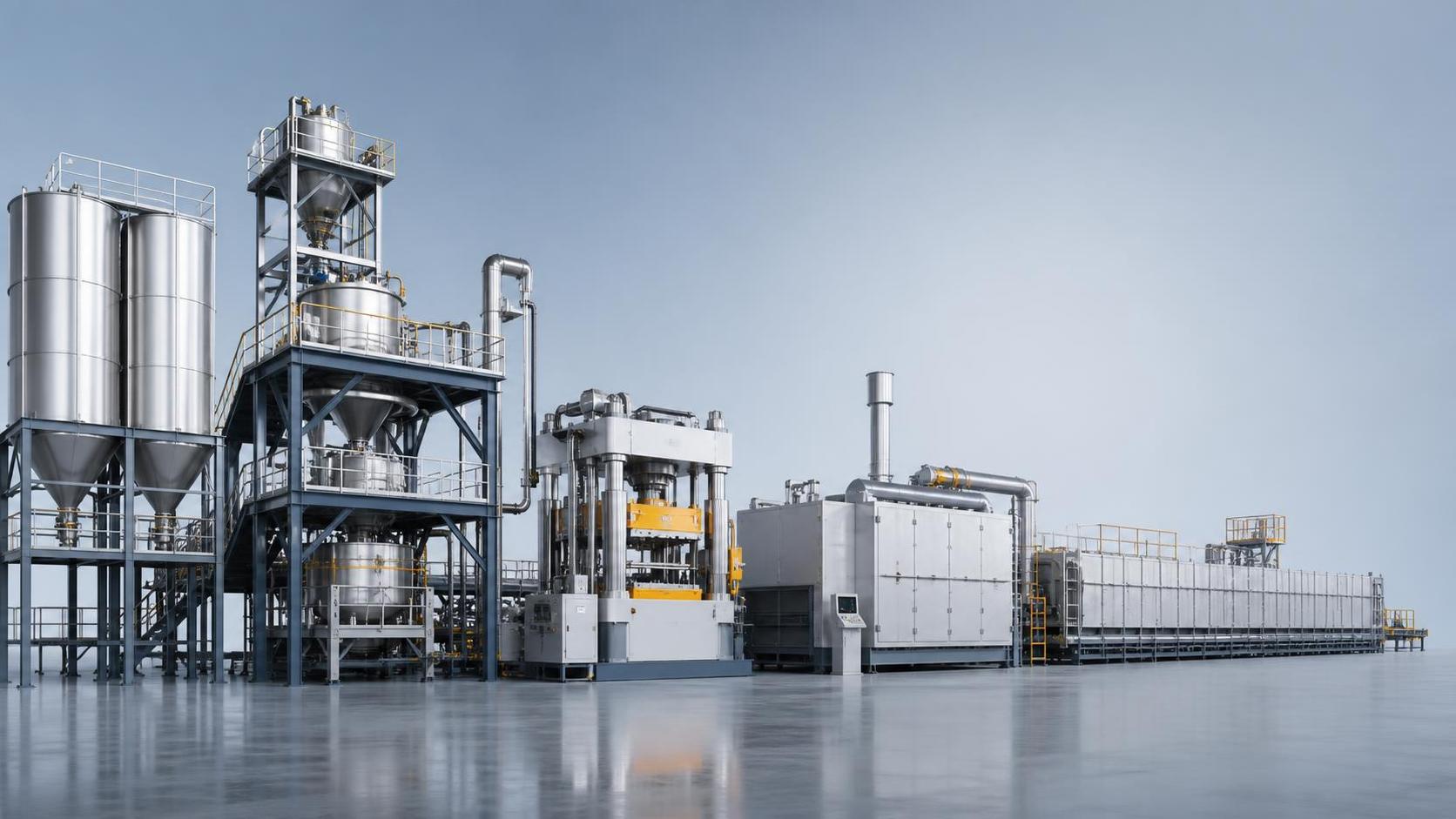
The Global Cera-Forge Hub, CF-Elite, focuses on large-scale silicate production lines, industrial incineration, and specialized material extrusion equipment across high-temperature industries.
Its Strategic Intelligence Center connects silicate process engineering, thermal energy architecture, heat-resistant material knowledge, and carbon-reduction trends into decision-ready insight.
Where intelligence reduces project uncertainty
- Technical benchmarking helps teams compare rotary kilns, float lines, refractory kilns, incineration systems, and extrusion equipment with clearer criteria.
- Evolutionary trend analysis supports decisions on co-processing, digital twin adoption, online refractory lining monitoring, and process automation.
- Commercial insights help procurement teams understand equipment demand, supplier positioning, long-cycle delivery risks, and green building material opportunities.
- Regulatory observation supports early preparation for emissions limits, carbon reporting expectations, and resource circularity requirements.
For project managers, this intelligence is useful before the request for quotation stage. It helps clarify scope, avoid mismatched specifications, and strengthen internal investment approval.
Implementation Roadmap for a Full Upgrade
A full upgrade of silicate production lines should be managed as an integrated program, not a collection of equipment purchases. Early discipline reduces later delays.
Recommended project stages
- Baseline audit: collect production, energy, emissions, maintenance, quality, and downtime data over a representative operating period.
- Process diagnosis: identify whether limitations come from thermal design, mechanical wear, control logic, raw material variability, or utilities.
- Concept selection: compare retrofit, phased modernization, and full upgrade scenarios using lifecycle cost and operational risk.
- Supplier alignment: clarify performance guarantees, interface boundaries, civil requirements, automation architecture, and commissioning responsibilities.
- Shutdown execution: prepare lifting plans, safety permits, temporary utilities, spare parts, operator training, and start-up sequences.
- Performance verification: measure energy, throughput, quality, emissions, and control stability against agreed acceptance criteria.
A staged roadmap also supports communication with finance and operations. It converts technical complexity into manageable decisions, milestones, and accountability points.
FAQ: Common Questions Before Upgrading Silicate Production Lines
How do we know maintenance is no longer enough?
Maintenance is no longer enough when the same problems return after corrective work, or when energy, quality, emissions, and downtime decline together. That pattern suggests a system constraint.
Should we upgrade controls first or mechanical equipment first?
It depends on the bottleneck. If sensors, actuators, and control loops cannot provide stable operation, automation may be urgent. If core assets are deformed or worn, mechanical work should lead.
What should be included in supplier discussions?
Discuss raw material conditions, output targets, fuel type, product tolerances, emission requirements, available utilities, installation constraints, commissioning support, spare parts, and performance acceptance methods.
Can a full upgrade support carbon-reduction goals?
Yes, when it addresses thermal efficiency, heat recovery, alternative fuels, process stability, and emissions monitoring. Carbon reduction should be built into the technical scope from the concept stage.
Why Choose CF-Elite for Upgrade Planning and Technical Intelligence
CF-Elite helps project managers approach silicate production lines with a broader view of thermal management, equipment evolution, environmental regulation, and industrial material demand.
Instead of treating an upgrade as a single purchase, CF-Elite supports better questions: which parameters should be confirmed, which risks require early review, and which technologies fit the plant’s future role.
You can consult CF-Elite for parameter confirmation, upgrade scope comparison, equipment selection logic, delivery cycle assessment, certification and compliance questions, customized technical intelligence, and quotation communication preparation.
For engineering teams balancing budget, schedule, and compliance, timely intelligence can reduce uncertainty before capital is committed. Visioning Silicate Power, Intelligence Forging the Future.
Related News
 Optical Glass Tech FellowHow to Evaluate a Glass Annealing Equipment Manufacturer for Production StabilityChoose a glass annealing equipment manufacturer with proven thermal uniformity, reliable controls, lifecycle value, and responsive service for stable production.Sep 08, 2026
 Prof. Marcus ChenThermal Energy Architecture in North America: Strategies for Lower Building Energy UseThermal energy architecture North America helps project leaders cut building energy use through stronger envelopes, right-sized HVAC, storage, and smart commissioning.Sep 07, 2026
 Ms. Elena RodriguezHow Should Buyers Evaluate Building Material Industry Intelligence Pricing?Building material industry intelligence pricing: learn how to compare coverage, technical depth, and ROI to choose intelligence that reduces procurement risk.Sep 07, 2026
 Ms. Elena RodriguezHow to Use Building Material Intelligence Data for Market and Investment DecisionsBuilding material industry intelligence data helps leaders evaluate demand, costs, regulation, capacity, and technology to make smarter market and investment decisions.Sep 05, 2026
 Thermal Energy ArchitectHow PLC Control Improves Energy Efficiency and Temperature Stability in KilnsEnergy efficient kilns PLC control improves temperature stability, cuts fuel waste, and optimizes combustion, draft, and material flow. Explore proven strategies for smarter kiln modernization.Sep 04, 2026
 Optical Glass Tech FellowEuropean Glass Melting Processes: Furnace Choices, Energy Use, and Quality ControlGlass melting process Europe: explore furnace choices, energy efficiency, cullet strategy, and quality control to improve output, compliance, and long-term glass performance.Sep 03, 2026
 Thermal Energy ArchitectWhat Determines Refractory Lining Monitoring Price for Industrial Kilns?Refractory lining monitoring price depends on kiln size, sensor technology, installation, software, and support. Compare total lifecycle costs and choose the right solution.Sep 02, 2026
 Silicate Process EngineerCement Production System Costs: A Plant Buyer’s Guide to Budgeting and ROICement production systems cost planning made clear: compare CAPEX, operating costs, compliance, and ROI to build a resilient, profitable cement plant investment.Sep 01, 2026
 Dr. Alistair VaughnWhat Should a Process Technology Database Track for High-Temperature Plants?Process technology database essentials for high-temperature plants: track thermal profiles, feed chemistry, refractory wear, emissions, energy, and maintenance for safer, data-driven decisions.Aug 31, 2026
 Ms. Elena RodriguezHow to Evaluate a Silicate Processing Equipment Manufacturer for Plant ProjectsSilicate processing equipment manufacturer selection: assess process fit, guarantees, energy, compliance, delivery risk, and lifecycle support for dependable plant performance.Aug 30, 2026
 Dr. Alistair VaughnHow to Specify Custom Agricultural Processing Equipment for Throughput and HygieneEquipment customization services for agricultural processing: learn to specify hygienic, high-throughput lines that improve yield, reliability, and long-term efficiency.Aug 29, 2026
 Dr. Alistair VaughnHow to Select Process Plant Equipment for High-Temperature, Abrasive Production LinesProcess plant equipment selection for high-temperature, abrasive lines: reduce downtime, improve durability, and optimize lifecycle performance.Aug 28, 2026
 Silicate Process EngineerHow Kiln Heat Recovery Systems Cut Fuel Use in Cement and Lime ProductionKiln heat recovery helps cement and lime plants cut fuel use, improve thermal stability, and build practical, reliable decarbonization strategies.Aug 27, 2026
 Ms. Elena RodriguezProcess Equipment Comparison: Which Metrics Matter Most for Reliable Selection?Process equipment comparison made practical: discover which metrics truly drive reliable selection, from energy efficiency and control stability to wear life, maintainability, and uptime.Aug 26, 2026
 Ms. Elena RodriguezWhat Buyers Should Check Before Sourcing Precision Alloy Bars for Critical PartsPrecision Alloy Bars buyers should verify grade, chemistry, tolerances, surface quality, traceability, and lead time before sourcing for critical parts. Learn what prevents costly machining and reliability risks.Aug 27, 2026
 Ms. Elena RodriguezHow to Evaluate Thermal Management Solutions Insulation for High-Heat Industrial SystemsThermal management solutions insulation: learn how to assess high-heat industrial systems by thermal performance, durability, lifecycle cost, and supplier data for smarter decisions.Aug 25, 2026
 Ms. Elena RodriguezWhat Drives Waste Recycling Cost in Industrial Projects and How to Estimate It?Waste recycling cost in industrial projects depends on composition, moisture, transport, pre-treatment, and compliance. Learn how to estimate it accurately and compare suppliers with confidence.Aug 24, 2026
 Silicate Process EngineerHow to Evaluate Cement Production Plants in the Middle East for Capacity, Fuel Flexibility, and ROIcement production plants Middle East: Learn how to assess true capacity, fuel flexibility, and ROI risks to identify resilient assets and smarter investment opportunities.Aug 23, 2026
 Structural Material AnalystHow to Evaluate Lightweight Material Machinery for Output, Energy Use, and Product QualityLightweight material machinery evaluation guide: compare stable output, energy use, and product quality to choose equipment that cuts waste, lowers costs, and improves production confidence.Aug 22, 2026
 Material Heat-Resist ExpertWhat Determines Refractory Production Line Price in a Turnkey Plant Project?Refractory production line price depends on raw materials, forming method, kiln and drying design, automation, utilities, and scope. Learn what really drives turnkey plant cost before you invest.Aug 21, 2026
Related News
- 00
0000-00
What Determines Refractory Production Line Price in a Turnkey Plant Project? - 00
0000-00
How to Evaluate a Silicate Production Line for Capacity, Energy Use, and Product Quality - 00
0000-00
Silicate Production Line Process Explained: Key Stages, Equipment, and Quality Control - 00
0000-00
How to Evaluate a Refractory Production Line in Southeast Asia: Capacity, Fuel, and Raw Material Factors - 00
0000-00
How to Evaluate a Silicate Production Lines Supplier for Capacity, Automation, and Raw Material Fit
Weekly Insights
Stay ahead with our curated technology reports delivered every Monday.