Is High-Pressure Molding Technology Worth the Upgrade?
For technical evaluators assessing the next wave of green building material production, the question is no longer whether forming systems can be improved, but whether high-pressure molding technology delivers enough measurable value to justify the upgrade. From density control and extrusion stability to energy efficiency and lifecycle cost, this technology sits at the intersection of materials performance and industrial decarbonization. This article examines the operational, economic, and strategic factors that determine whether upgrading is a smart move for modern production lines.
The short answer: it is worth upgrading when product consistency, density control, and lifecycle cost matter
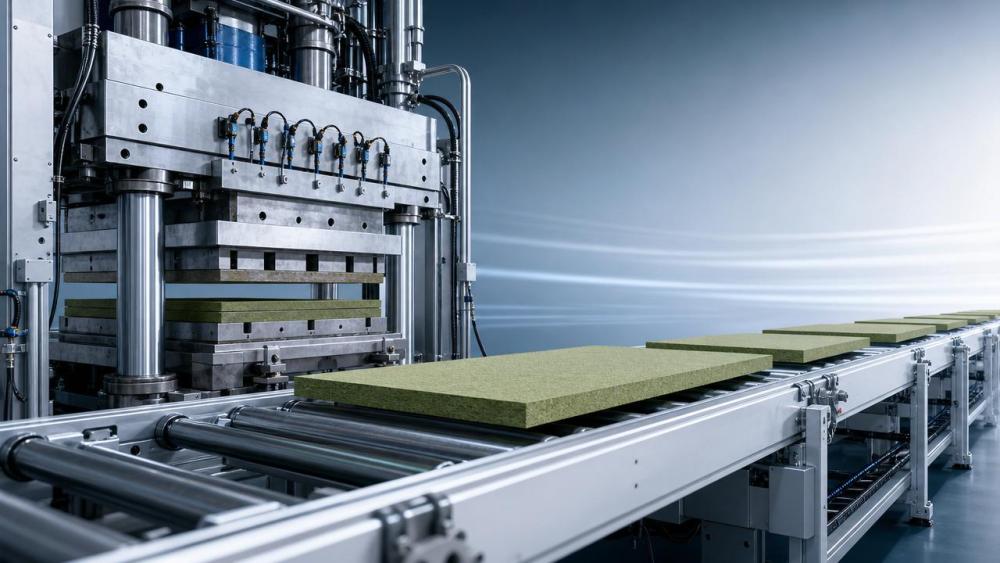
For most technical evaluators, high-pressure molding technology is worth serious consideration when conventional forming limits product quality, throughput, or material flexibility.
The upgrade becomes strongest when the production line targets lightweight panels, fiber cement boards, ceramic-based components, or dense green construction materials.
It is less compelling when current products are low-margin, tolerance-insensitive, and produced on equipment with remaining mechanical life.
The real decision is not whether the technology is advanced, but whether it solves measurable bottlenecks in your plant.
Evaluators should compare forming pressure, dimensional stability, reject rate, drying behavior, energy demand, and maintenance exposure before approving investment.
A strong upgrade case usually links process control improvements directly to fewer defects, better density uniformity, and lower total production cost.
What technical evaluators are really trying to verify
Most searches around high-pressure molding technology are not seeking basic definitions. They are looking for investment validation and operational proof.
Evaluators want to know whether the equipment can handle real raw materials, not only ideal laboratory mixes or vendor demonstrations.
They also need to understand how pressure forming affects downstream drying, curing, cutting, stacking, and final mechanical performance.
A useful assessment must connect machine design with plant realities, including moisture variation, abrasive fillers, fiber dispersion, and operator skill.
The most important questions are practical: Will quality improve, will energy intensity fall, and will the payback survive production variability?
Good evaluation therefore requires process data, maintenance assumptions, spare-part planning, and realistic production scenarios rather than headline pressure ratings alone.
Where high-pressure molding technology creates measurable value
The strongest value driver is improved compaction. Higher forming pressure can reduce internal voids and create more uniform product density.
For construction materials, density uniformity directly influences bending strength, surface quality, dimensional accuracy, and long-term durability under load.
In boards, blocks, tiles, and specialty extruded materials, inconsistent density often becomes the hidden cause of cracking and warpage.
High-pressure molding technology can also improve edge definition and reduce trimming losses when molds, feeding systems, and release mechanisms are well designed.
Another benefit is formulation flexibility. Producers can often incorporate higher recycled content, mineral fillers, or alternative binders with better stability.
This matters as green building markets demand lower-carbon products without accepting unstable quality or weak mechanical performance.
When the process is engineered correctly, better compaction may shorten downstream curing or drying windows by improving moisture distribution.
However, this benefit depends heavily on material chemistry, particle grading, binder system, and the thermal management strategy after forming.
Energy efficiency: savings are real, but not automatic
Many upgrade proposals position high-pressure molding as an energy-saving technology. That statement is partly true, but needs qualification.
The molding unit itself may consume more power than a lower-pressure system, especially during peak compression cycles and hydraulic operation.
The total line may still save energy if improved forming reduces drying time, rework, overprocessing, or excessive binder consumption.
Technical evaluators should measure energy per qualified unit, not energy per machine hour, when comparing old and new systems.
A useful benchmark includes press energy, vacuum energy, pump losses, thermal drying demand, air handling, and scrap recycling loads.
In silicate and mineral-based production, the biggest energy cost often sits downstream, not inside the forming station itself.
If pressure molding improves green strength, the line may allow gentler handling, faster transfer, and lower breakage before curing.
These operational improvements can create energy savings indirectly, especially where reject rates force repeated drying or reprocessing.
Quality improvements should be quantified before procurement
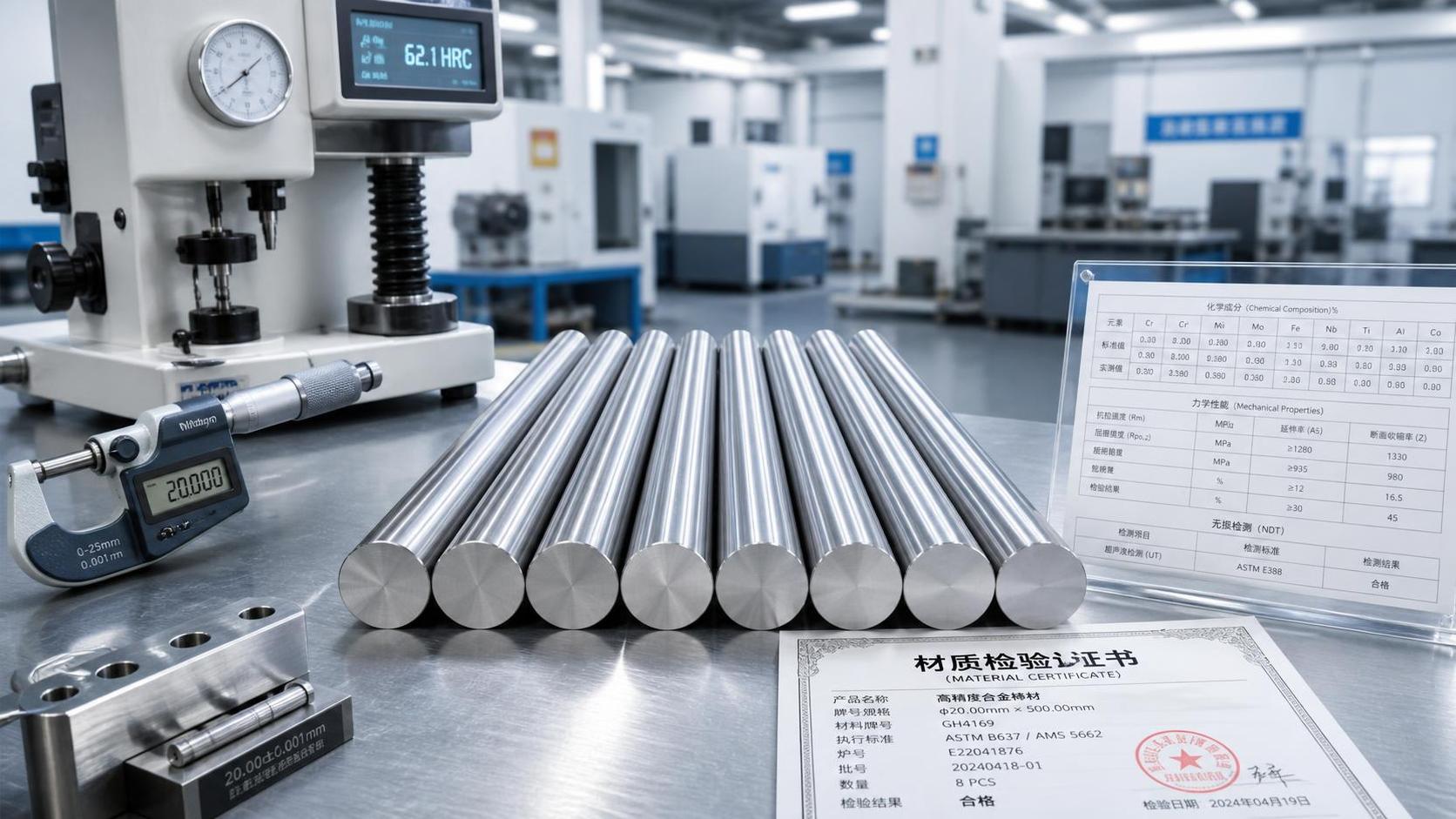
Quality claims should never remain qualitative. Evaluators should request test data on density distribution, flexural strength, compression resistance, and dimensional tolerance.
For boards and panels, thickness variation and edge integrity are especially important because they affect installation speed and customer complaints.
For molded blocks or structural components, the focus should shift toward load-bearing consistency, freeze-thaw durability, and moisture absorption.
Surface finish also matters. Better pressure control can reduce lamination defects, pinholes, delamination, and local weak zones.
Yet high pressure alone does not guarantee quality. Feeding uniformity, mold venting, moisture control, and release timing remain decisive.
A reliable supplier should explain how sensors, servo controls, hydraulic stability, and mold design work together under continuous operation.
Before upgrading, run pilot trials using actual plant recipes, not simplified samples prepared only for successful demonstration.
Ask for performance curves across moisture ranges, filler ratios, cycle times, and temperature conditions likely to appear in production.
Lifecycle cost matters more than purchase price
The upfront price of high-pressure molding technology can appear high compared with conventional molding or extrusion equipment.
However, capital expenditure is only one part of the economic decision. Lifecycle cost often determines whether the upgrade succeeds.
Evaluators should calculate depreciation, power consumption, hydraulic oil management, mold wear, seal replacement, downtime, tooling changeover, and operator training.
They should also estimate savings from reduced rejects, improved yield, lower labor intervention, fewer customer returns, and higher product pricing.
A payback model becomes more credible when it includes pessimistic, expected, and optimistic production cases.
For many plants, the largest financial gain comes from fewer quality losses rather than pure speed increase.
If the equipment enables a premium product category, the return may depend on market access and certification readiness.
Without a clear sales route for higher-performance materials, the technology may improve production while failing to improve business results.
Integration risks are often underestimated
High-pressure molding technology rarely operates as an isolated upgrade. It changes how upstream mixing and downstream handling must behave.
Raw material preparation becomes more critical because particle distribution and moisture inconsistency are amplified under high compaction force.
If feeding is unstable, higher pressure may simply compress inconsistency into the product instead of eliminating it.
Hydraulic systems require disciplined maintenance, especially where dust, abrasive minerals, and temperature swings affect seals and lubrication.
Plant layout should also be reviewed. Larger presses, stronger foundations, safety zones, and improved material flow may be required.
Automation integration can become complex when legacy conveyors, cutters, stackers, or curing systems lack communication compatibility.
Technical evaluators should ask suppliers for interface documentation, control architecture, failure-mode analysis, and site preparation requirements.
The safest approach is to evaluate the molding station as part of a production ecosystem, not a standalone machine.
When the upgrade makes the most sense
The strongest candidates are plants facing quality instability, high rejection costs, or pressure from customers for higher-performance green materials.
It also makes sense when producers need to increase recycled content while maintaining strength, surface quality, and dimensional reliability.
Lines serving urban renewal, prefabricated buildings, infrastructure panels, acoustic products, and lightweight fire-resistant materials may benefit substantially.
High-pressure molding is also attractive when the existing forming process limits product diversification or restricts certification opportunities.
If the market rewards tighter tolerances, lower carbon content, or better durability, the technology can support commercial differentiation.
The upgrade is easier to justify when production volume is stable and the plant can absorb temporary commissioning disruption.
It becomes even stronger when paired with digital monitoring, recipe management, online density measurement, and predictive maintenance practices.
In these conditions, the investment supports both immediate process improvement and long-term industrial intelligence.
When it may not be the right move yet
Not every production line should upgrade immediately. Some plants still gain more from improving mixing, drying, or quality inspection.
If raw material variability is uncontrolled, high-pressure molding may expose process weaknesses rather than solve them.
Plants producing commodity materials with low tolerance requirements may struggle to recover the investment through pricing or efficiency gains.
Likewise, if maintenance capacity is weak, advanced hydraulic or servo systems may introduce reliability risks.
Another warning sign is insufficient downstream capacity. Faster or denser forming brings little benefit if curing and handling remain bottlenecks.
Technical evaluators should also be cautious when suppliers provide only generic brochures and avoid recipe-specific trials.
An upgrade should be delayed if product strategy, market demand, or certification requirements are still undefined.
In such cases, a staged pilot, retrofit study, or process audit may be a better first investment.
A practical evaluation checklist before approving the project
Start by defining the exact problem the upgrade must solve: quality variation, low throughput, high scrap, weak green strength, or limited formulation flexibility.
Next, establish baseline data from the existing line, including rejection rate, energy per qualified unit, maintenance hours, and product test results.
Then test the proposed system using real raw materials, seasonal moisture variation, target cycle times, and production-grade molds.
Request supplier evidence for pressure repeatability, control accuracy, hydraulic stability, mold life, cleaning access, and safety interlocks.
Evaluate whether operators can manage recipe changes, alarm responses, tooling adjustments, and preventive maintenance without excessive external support.
Confirm that downstream drying, curing, cutting, stacking, and packaging can handle the changed product characteristics.
Finally, build a lifecycle financial model that includes conservative assumptions and a commissioning ramp-up period.
This checklist reduces the risk of approving an impressive machine that fails to deliver plant-level value.
Strategic relevance for green building material production
High-pressure molding technology aligns strongly with the broader shift toward lower-carbon, resource-efficient construction materials.
As cement, glass, refractory, and building material industries face decarbonization pressure, forming efficiency becomes strategically important.
Better compaction can support binder reduction, recycled aggregate use, and longer product life when validated through testing.
For manufacturers, this is not only a production decision. It can influence environmental claims, certification pathways, and brand positioning.
For distributors and equipment investors, the technology may create a technical barrier in long-cycle industrial equipment markets.
However, sustainability claims must be backed by measurable data, including energy intensity, material substitution, durability, and waste reduction.
The best projects connect high-pressure molding with digital process control, thermal optimization, and circular material strategies.
That integration is where the technology moves beyond machinery and becomes part of an intelligent production platform.
Final verdict: upgrade when the business case is process-specific and data-backed
High-pressure molding technology is worth the upgrade when it solves verified production constraints and supports profitable product improvement.
Its value is strongest in lines needing tighter density control, higher strength consistency, better surface quality, and more flexible green formulations.
The decision should not be driven by pressure rating alone. It should be based on qualified output, lifecycle cost, and integration readiness.
Technical evaluators should demand plant-specific trials, realistic payback models, and clear evidence of downstream compatibility.
When these conditions are met, the upgrade can improve quality, reduce waste, support decarbonization, and strengthen long-term competitiveness.
When they are absent, the smarter move is to stabilize the process first and revisit the investment with better data.
In short, high-pressure molding is not automatically the answer, but it is often the right answer for ambitious modern material producers.