
High-Temp Material Processing: How to Choose Furnaces and Refractories




In high-temp material processing, choosing the right furnace and refractory system can determine whether a project meets its targets for uptime, energy efficiency, safety, and lifecycle cost. For project managers overseeing cement, glass, kiln, incineration, or refractory production assets, equipment selection is no longer just a technical purchase—it is a strategic decision tied to carbon performance, maintenance planning, and long-term operational resilience. This guide outlines the key factors to evaluate before committing capital to high-temperature infrastructure.
Why furnace and refractory decisions now carry project-level risk
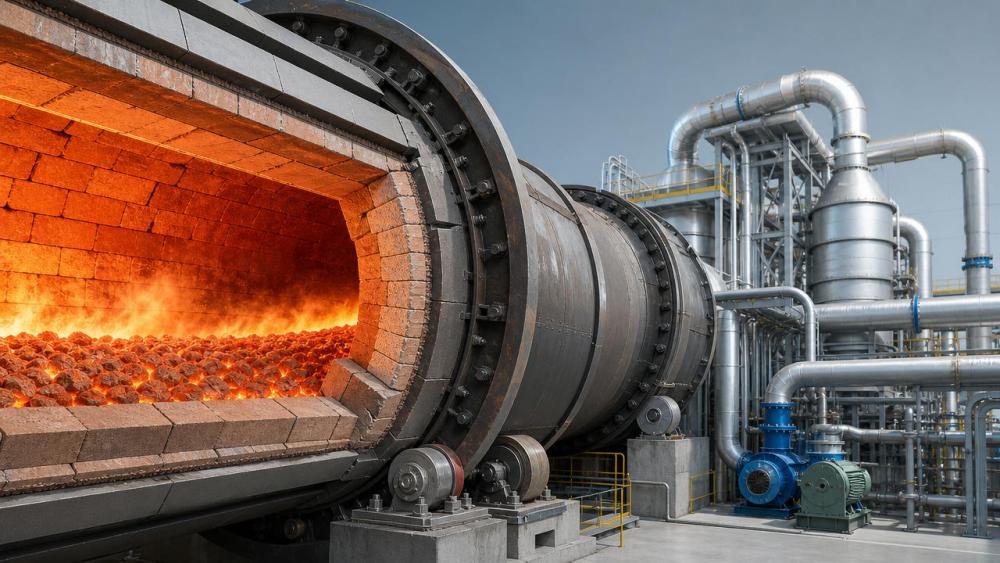
High-temp material processing assets operate where thermal load, chemistry, abrasion, dust, emissions, and shutdown cost intersect. A furnace that looks efficient on paper may underperform if refractory design, fuel strategy, and process atmosphere are not aligned.
For project managers, the risk is not limited to purchase price. A wrong selection can create unstable product quality, unplanned relining, delayed commissioning, excessive fuel use, or non-compliance with emission limits.
CF-Elite evaluates high-temp material processing through the combined lens of silicate production, industrial incineration, refractory manufacturing, glass melting, and new building material extrusion. This cross-sector view helps teams avoid decisions based on isolated specifications.
Core project questions before technical bidding
- What maximum, average, and cycling temperatures will the lining face during normal operation and upset conditions?
- Which chemical agents are dominant: alkalis, chlorides, sulfates, glass melt, cement clinker, ash, slag, or reducing gases?
- How long can the plant tolerate downtime for inspection, dry-out, repair, and refractory replacement?
- Will the selected furnace support future decarbonization options such as alternative fuels, electrification, or waste heat recovery?
Which furnace type fits the high-temp material processing scenario?
The first selection layer is process fit. Cement plants, float glass lines, incinerators, refractory production lines, and extrusion-based building material plants have different thermal profiles and maintenance windows.
The following comparison helps procurement teams link furnace configuration with practical operating demands in high-temp material processing projects.
A furnace type should not be approved only because it matches a familiar industry label. In high-temp material processing, the decisive issue is whether heat transfer, flow behavior, refractory exposure, and maintenance access support the production objective.
How to specify refractories without overbuying or underprotecting
Refractory selection is a balance between thermal insulation, structural stability, chemical resistance, erosion resistance, installation method, and repairability. Over-specification increases capital cost, while under-specification transfers cost into downtime.
In high-temp material processing, refractory zones should be mapped against temperature gradients and chemical exposure. A single lining philosophy rarely works across the feed zone, burning zone, transition zone, outlet, ducting, and thermal storage areas.
Key refractory parameters to confirm
Before requesting quotations, project teams should translate process requirements into measurable parameters. The table below gives a practical starting point for high-temp material processing procurement discussions.
This parameter view helps prevent vague purchasing language. Instead of asking for a “high-grade refractory,” the team can ask for a lining system matched to thermal load, reaction chemistry, mechanical wear, and project schedule.
Procurement checklist for project managers under budget and schedule pressure
A strong procurement process for high-temp material processing separates mandatory requirements from preferred features. This reduces late-stage redesign and avoids supplier comparisons based only on equipment price.
What to include in the technical request
- Define feed composition, moisture, particle size, throughput range, and expected variations over the project lifecycle.
- State target temperature curve, operating atmosphere, residence time, fuel type, and decarbonization constraints.
- Request furnace drawings showing inspection access, burner layout, refractory zoning, expansion joints, and sensor positions.
- Ask for maintenance assumptions, spare part categories, lining replacement strategy, and estimated shutdown duration.
- Clarify documentation requirements, including installation procedures, dry-out schedule, commissioning plan, and operating limits.
The procurement file should also include acceptance criteria. For high-temp material processing, these may cover heat-up stability, emission performance, product quality indicators, shell temperature limits, and refractory inspection results.
Supplier evaluation beyond price
- Check whether the supplier can explain heat balance, process kinetics, refractory wear mechanisms, and control logic coherently.
- Evaluate whether proposed materials match the actual atmosphere, not only a generic temperature rating.
- Review the commissioning plan for realistic dry-out, operator training, instrumentation checks, and emergency procedures.
- Confirm after-delivery support for troubleshooting, lining inspection, spare parts planning, and performance optimization.
Cost, lifecycle value, and alternatives: where savings become expensive
In high-temp material processing, the lowest initial quotation can become expensive if it increases fuel consumption, shortens lining life, or creates production instability. Lifecycle evaluation is essential.
The following table shows where project teams commonly find hidden cost differences when comparing furnace and refractory options.
Alternatives can be practical when evaluated correctly. For example, modular lining repair may reduce downtime, electric heating may suit certain clean material processes, and hybrid fuel systems may support carbon reduction targets.
Standards, compliance, and data requirements that should not be postponed
Compliance decisions often arrive late in heavy equipment projects, but high-temp material processing assets should be planned with documentation, emissions, safety, and monitoring in mind from the start.
Common reference areas
- Emission control requirements for particulate matter, NOx, SOx, CO, volatile compounds, dioxins, or acid gases where applicable.
- Equipment safety expectations for pressure relief, combustion safeguards, interlocks, emergency stops, and operator access.
- Material documentation such as refractory datasheets, installation records, inspection reports, and heat-up logs.
- Energy and carbon reporting practices linked to fuel consumption, heat recovery, process efficiency, and alternative fuel use.
Project teams may reference broadly recognized frameworks such as ISO management systems, ASTM or EN material test methods, local environmental regulations, and plant-specific safety codes. Exact obligations depend on jurisdiction and asset type.
CF-Elite’s Strategic Intelligence Center tracks regulatory movement, market changes, and technology shifts across cement, glass, incineration, refractory, and building material equipment sectors. This helps managers anticipate requirements before they become expensive revisions.
Implementation roadmap for reliable high-temp material processing projects
A disciplined implementation plan reduces technical ambiguity. It also gives engineering, procurement, finance, safety, and operations teams a shared basis for decision-making.
Recommended project flow
- Process definition: confirm capacity, feed variability, product quality targets, temperature profile, and operating atmosphere.
- Thermal architecture: align furnace type, burner or heating system, insulation package, waste heat strategy, and control philosophy.
- Refractory zoning: divide the asset into exposure zones and assign materials based on thermal, chemical, and mechanical risks.
- Commercial evaluation: compare quotations using lifecycle cost, commissioning support, spares, documentation, and schedule reliability.
- Commissioning control: verify installation quality, dry-out execution, sensor calibration, safety logic, and operator readiness.
- Operational feedback: use inspection data, shell temperature monitoring, energy records, and production quality data to refine maintenance planning.
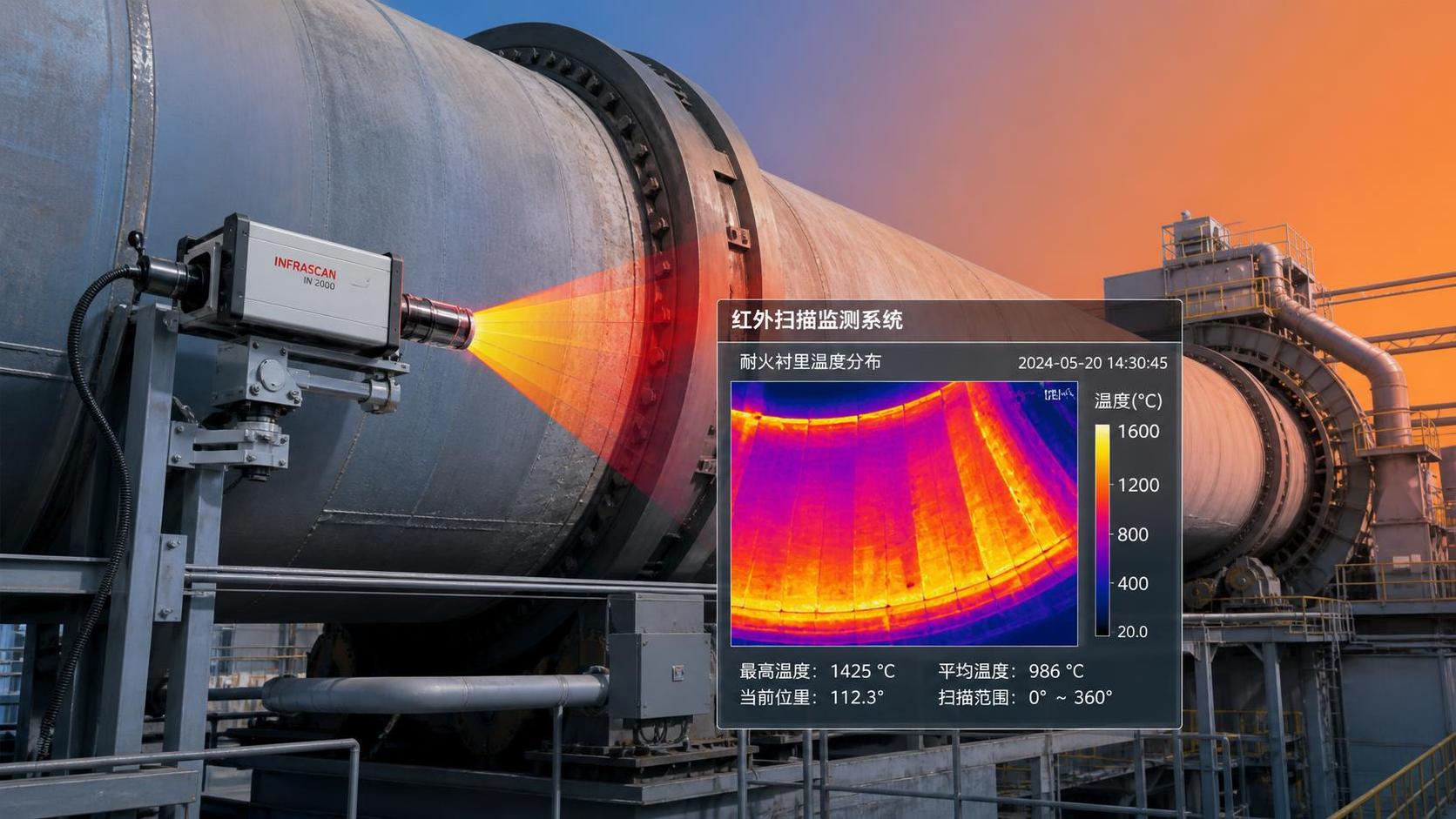
Digital twins, online refractory monitoring, and predictive maintenance tools are increasingly relevant. They are not replacements for sound engineering, but they help convert high-temp material processing data into actionable planning.
FAQ: practical questions before approving furnace and refractory investment
How early should refractory selection begin?
Refractory selection should begin during basic engineering, not after furnace procurement. Early zoning helps define shell design, anchor systems, thermal expansion allowances, access doors, dry-out time, and maintenance budget.
Is the highest temperature rating always the safest choice?
No. High-temp material processing requires compatibility, not simply a larger temperature number. A material with excellent temperature resistance may still fail under alkali attack, thermal cycling, abrasion, or glass melt corrosion.
What should be checked when comparing two furnace quotations?
Compare heat balance, refractory scope, instrumentation, combustion control, emission assumptions, installation support, commissioning responsibilities, spare parts, and maintenance access. A shorter quotation may exclude items that become change orders.
Can one furnace design support future carbon reduction?
It depends on burner flexibility, control range, heat recovery design, process atmosphere tolerance, and refractory resistance to new fuel chemistry. Projects considering alternative fuels should evaluate ash, alkali, sulfur, and chlorine impacts.
Why choose CF-Elite for furnace and refractory intelligence
CF-Elite supports project managers who need clearer decisions in high-temp material processing. Our perspective connects ultra-high temperature parameters, chemical reaction kinetics, equipment configuration, carbon strategy, and global market intelligence.
Through the Strategic Intelligence Center, CF-Elite focuses on cement production plants, glass manufacturing gear, industrial kilns and incineration, refractory production lines, and new building material extrusion systems.
Teams can consult CF-Elite for parameter confirmation, furnace type comparison, refractory zoning logic, delivery schedule review, certification requirements, commissioning risk analysis, customized intelligence reports, and quotation communication preparation.
If your next high-temp material processing project involves a rotary kiln, float line, incinerator, refractory kiln, or extrusion-linked thermal system, use CF-Elite as a decision bridge before capital is locked.
Visioning Silicate Power, Intelligence Forging the Future means turning complex thermal decisions into structured, defensible project choices. Contact CF-Elite to discuss your process conditions, procurement priorities, and implementation constraints.
Related News
 Optical Glass Tech FellowHow to Evaluate a Glass Annealing Equipment Manufacturer for Production StabilityChoose a glass annealing equipment manufacturer with proven thermal uniformity, reliable controls, lifecycle value, and responsive service for stable production.Sep 08, 2026
 Prof. Marcus ChenThermal Energy Architecture in North America: Strategies for Lower Building Energy UseThermal energy architecture North America helps project leaders cut building energy use through stronger envelopes, right-sized HVAC, storage, and smart commissioning.Sep 07, 2026
 Ms. Elena RodriguezHow Should Buyers Evaluate Building Material Industry Intelligence Pricing?Building material industry intelligence pricing: learn how to compare coverage, technical depth, and ROI to choose intelligence that reduces procurement risk.Sep 07, 2026
 Ms. Elena RodriguezHow to Use Building Material Intelligence Data for Market and Investment DecisionsBuilding material industry intelligence data helps leaders evaluate demand, costs, regulation, capacity, and technology to make smarter market and investment decisions.Sep 05, 2026
 Thermal Energy ArchitectHow PLC Control Improves Energy Efficiency and Temperature Stability in KilnsEnergy efficient kilns PLC control improves temperature stability, cuts fuel waste, and optimizes combustion, draft, and material flow. Explore proven strategies for smarter kiln modernization.Sep 04, 2026
 Optical Glass Tech FellowEuropean Glass Melting Processes: Furnace Choices, Energy Use, and Quality ControlGlass melting process Europe: explore furnace choices, energy efficiency, cullet strategy, and quality control to improve output, compliance, and long-term glass performance.Sep 03, 2026
 Thermal Energy ArchitectWhat Determines Refractory Lining Monitoring Price for Industrial Kilns?Refractory lining monitoring price depends on kiln size, sensor technology, installation, software, and support. Compare total lifecycle costs and choose the right solution.Sep 02, 2026
 Silicate Process EngineerCement Production System Costs: A Plant Buyer’s Guide to Budgeting and ROICement production systems cost planning made clear: compare CAPEX, operating costs, compliance, and ROI to build a resilient, profitable cement plant investment.Sep 01, 2026
 Dr. Alistair VaughnWhat Should a Process Technology Database Track for High-Temperature Plants?Process technology database essentials for high-temperature plants: track thermal profiles, feed chemistry, refractory wear, emissions, energy, and maintenance for safer, data-driven decisions.Aug 31, 2026
 Ms. Elena RodriguezHow to Evaluate a Silicate Processing Equipment Manufacturer for Plant ProjectsSilicate processing equipment manufacturer selection: assess process fit, guarantees, energy, compliance, delivery risk, and lifecycle support for dependable plant performance.Aug 30, 2026
 Dr. Alistair VaughnHow to Specify Custom Agricultural Processing Equipment for Throughput and HygieneEquipment customization services for agricultural processing: learn to specify hygienic, high-throughput lines that improve yield, reliability, and long-term efficiency.Aug 29, 2026
 Dr. Alistair VaughnHow to Select Process Plant Equipment for High-Temperature, Abrasive Production LinesProcess plant equipment selection for high-temperature, abrasive lines: reduce downtime, improve durability, and optimize lifecycle performance.Aug 28, 2026
 Silicate Process EngineerHow Kiln Heat Recovery Systems Cut Fuel Use in Cement and Lime ProductionKiln heat recovery helps cement and lime plants cut fuel use, improve thermal stability, and build practical, reliable decarbonization strategies.Aug 27, 2026
 Ms. Elena RodriguezProcess Equipment Comparison: Which Metrics Matter Most for Reliable Selection?Process equipment comparison made practical: discover which metrics truly drive reliable selection, from energy efficiency and control stability to wear life, maintainability, and uptime.Aug 26, 2026
 Ms. Elena RodriguezWhat Buyers Should Check Before Sourcing Precision Alloy Bars for Critical PartsPrecision Alloy Bars buyers should verify grade, chemistry, tolerances, surface quality, traceability, and lead time before sourcing for critical parts. Learn what prevents costly machining and reliability risks.Aug 27, 2026
 Ms. Elena RodriguezHow to Evaluate Thermal Management Solutions Insulation for High-Heat Industrial SystemsThermal management solutions insulation: learn how to assess high-heat industrial systems by thermal performance, durability, lifecycle cost, and supplier data for smarter decisions.Aug 25, 2026
 Ms. Elena RodriguezWhat Drives Waste Recycling Cost in Industrial Projects and How to Estimate It?Waste recycling cost in industrial projects depends on composition, moisture, transport, pre-treatment, and compliance. Learn how to estimate it accurately and compare suppliers with confidence.Aug 24, 2026
 Silicate Process EngineerHow to Evaluate Cement Production Plants in the Middle East for Capacity, Fuel Flexibility, and ROIcement production plants Middle East: Learn how to assess true capacity, fuel flexibility, and ROI risks to identify resilient assets and smarter investment opportunities.Aug 23, 2026
 Structural Material AnalystHow to Evaluate Lightweight Material Machinery for Output, Energy Use, and Product QualityLightweight material machinery evaluation guide: compare stable output, energy use, and product quality to choose equipment that cuts waste, lowers costs, and improves production confidence.Aug 22, 2026
 Material Heat-Resist ExpertWhat Determines Refractory Production Line Price in a Turnkey Plant Project?Refractory production line price depends on raw materials, forming method, kiln and drying design, automation, utilities, and scope. Learn what really drives turnkey plant cost before you invest.Aug 21, 2026

Related News
- 00
0000-00
What Determines Refractory Production Line Price in a Turnkey Plant Project? - 00
0000-00
How to Evaluate a Silicate Production Line for Capacity, Energy Use, and Product Quality - 00
0000-00
Silicate Production Line Process Explained: Key Stages, Equipment, and Quality Control - 00
0000-00
How to Evaluate a Refractory Production Line in Southeast Asia: Capacity, Fuel, and Raw Material Factors - 00
0000-00
How to Evaluate a Silicate Production Lines Supplier for Capacity, Automation, and Raw Material Fit
Weekly Insights
Stay ahead with our curated technology reports delivered every Monday.