Advanced Refractory Systems vs Traditional Linings: What Matters in Service Life?




For technical evaluators, the real question is not whether advanced refractory systems outperform traditional linings in theory, but how they change service life under actual thermal, chemical, and mechanical stress. This article examines the performance variables that truly matter—from wear patterns and shutdown frequency to energy stability and lifecycle cost—so decision-makers can assess lining strategies with greater precision.
In cement plants, glass furnaces, rotary kilns, incineration lines, and refractory production equipment, lining selection directly affects campaign duration, maintenance intervals, fuel stability, and total operating risk. For buyers and technical reviewers working in long-cycle thermal assets, the difference between a conventional lining and an advanced refractory system is often measured not only in months of service life, but in the number of avoided shutdowns, the stability of shell temperatures, and the predictability of process performance.
Within the industrial scope covered by CF-Elite, service life must be evaluated as a system outcome. Material chemistry, anchoring design, layer architecture, installation quality, heating curve control, and online monitoring all influence whether a lining delivers 12 months, 24 months, or a much longer stable campaign. That is why technical evaluation should move beyond unit price and focus on failure mode control.
Why Service Life Is a System Question, Not Just a Material Question
When evaluating advanced refractory systems, many teams begin with brick grade, castable chemistry, or maximum temperature resistance. These are important, but they are only part of the picture. In high-temperature industries, lining life is usually limited by a combination of 3 stress groups: thermal cycling, chemical attack, and mechanical abrasion or impact.
A traditional lining may perform well under steady-state conditions, especially in mature processes with narrow temperature variation. However, once temperature fluctuation exceeds a repeated range such as 80°C–150°C, or when feed chemistry varies significantly over a 7-day to 30-day production cycle, localized cracking, spalling, and joint deterioration can accelerate quickly.
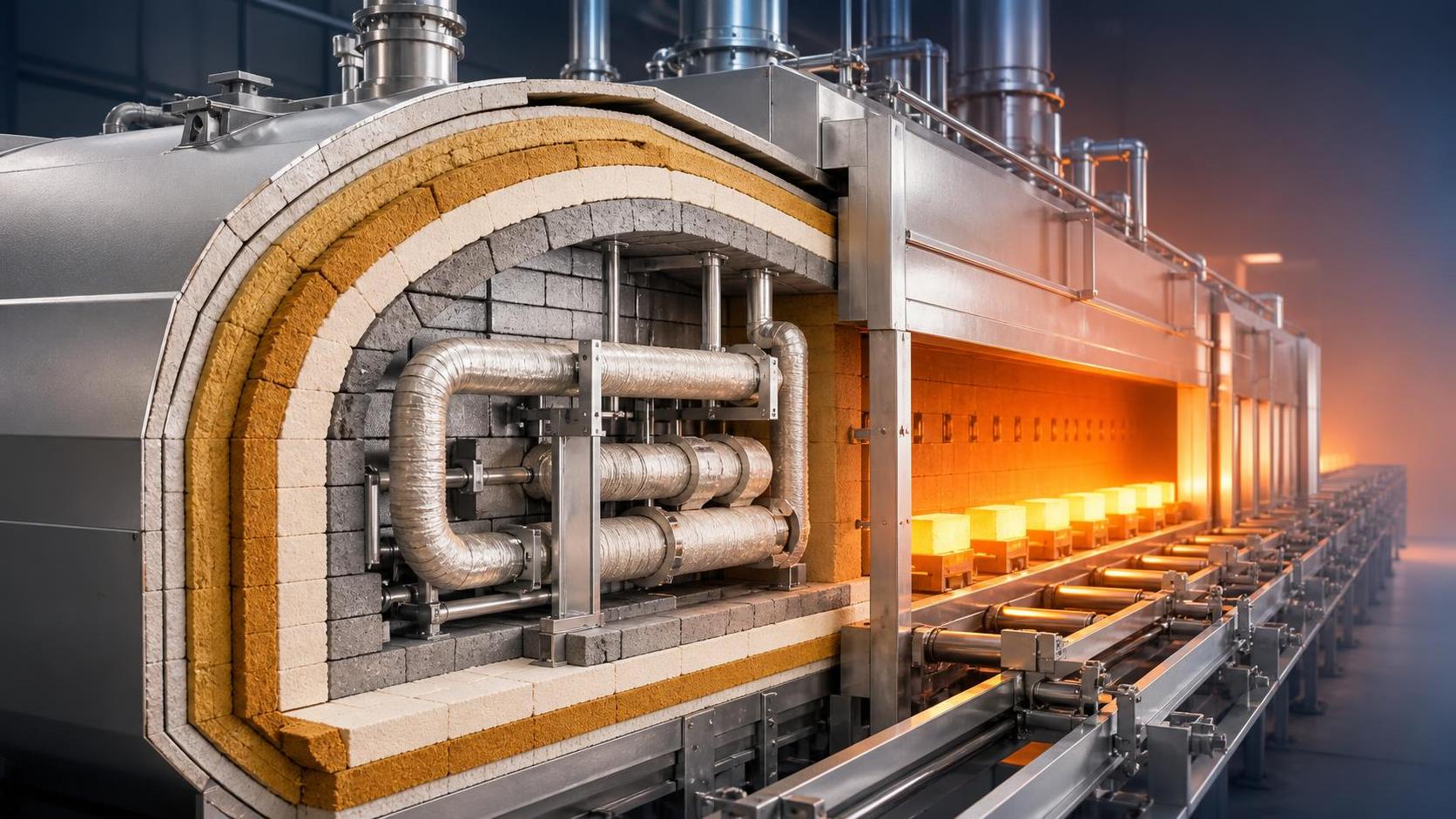
Advanced refractory systems are designed to address that variability. Instead of relying on one material layer to solve every problem, they often combine dense hot-face materials, insulating backup layers, engineered anchors, controlled expansion zones, and application-specific installation methods. The result is not simply a stronger lining, but a more resilient thermal barrier.
Key Variables That Shift Real-World Campaign Length
For technical evaluators, campaign length should be reviewed through at least 6 checkpoints: peak operating temperature, thermal shock frequency, alkali or slag exposure, abrasion intensity, shell temperature drift, and shutdown repair accessibility. A lining that survives 18 months in a stable kiln may fail in less than 9 months in a stop-start incineration unit if these variables are not matched correctly.
- Thermal load profile: steady, cyclic, or shock-driven operation
- Chemical environment: alkali, sulfur, chloride, glass vapors, or slag contact
- Mechanical stress: rotating abrasion, feed impact, clinker coating movement, or ash scouring
- Structural design: expansion allowance, anchor spacing, joint design, and layer thickness
- Installation control: water ratio, vibration density, dry-out schedule, and curing time
- Monitoring capability: shell scanning, hotspot alarms, and thickness trend analysis
This is where advanced refractory systems gain practical value. Their service advantage is usually not universal; it emerges where stress combinations are severe, variable, or costly to repair. In plants where one unplanned shutdown can interrupt production for 24–72 hours, the financial case becomes much stronger.
Traditional Linings vs Advanced Refractory Systems in Operational Terms
The table below outlines the technical differences that matter most when service life is assessed from an operations and maintenance perspective rather than from initial purchase price alone.
The key conclusion is that advanced refractory systems should be assessed as engineered service packages. Their advantage often appears in reduced variability: fewer emergency interventions, more stable thermal performance, and slower progression from initial wear to critical failure.
What Actually Determines Service Life in Cement, Glass, and Incineration Applications
Different high-temperature sectors consume lining life in different ways. Technical evaluators should not expect the same selection logic for a cement calciner, a float glass forehearth, and a hazardous waste incinerator. Even when operating temperatures overlap, the dominant damage mechanism may be completely different.
Cement and Lime Kiln Environments
In rotary kilns and calciners, service life is often shaped by alkali attack, coating instability, mechanical stress from rotation, and repeated shell temperature fluctuations. A lining that loses coating support in one 3-meter zone can experience accelerated wear over a few weeks rather than over a full maintenance cycle.
Advanced refractory systems are valuable here when they improve coating retention, resist alkali penetration, and maintain structural integrity under mechanical movement. In many kiln sections, the better question is not maximum refractoriness, but whether the lining can maintain acceptable wear over 12, 18, or 24 months without hotspot escalation.
Glass Manufacturing Equipment
In glass melting and conditioning zones, thermal uniformity and chemical purity are major concerns. Local corrosion, vapor attack, and dimensional instability can affect not only service life, but also product quality. Small defects may alter melt behavior long before complete lining failure occurs.
For technical teams in glass plants, advanced refractory systems matter when they reduce contamination risk, hold shape under high-temperature exposure, and support tighter thermal control. A few degrees of variation across critical zones can influence process consistency, so a stable lining is part of quality assurance as much as maintenance planning.
Industrial Incineration and Waste-to-Energy Units
Incineration service conditions are among the harshest because the lining may face chlorides, sulfur compounds, ash abrasion, flame turbulence, and frequent temperature transitions. In these units, traditional linings often fail through anchor-related distress, rapid hot-face erosion, or thermal shock cracking during restarts.
Advanced refractory systems can extend service life by combining corrosion-resistant chemistry, low thermal conductivity, and mechanical support design suited to cyclic operation. Where restart frequency exceeds 2–4 times per month, the value of a more shock-tolerant system becomes particularly visible.
Application-Specific Evaluation Snapshot
The matrix below helps evaluators connect process conditions with the service-life drivers that should guide lining selection across major thermal industries.
The comparison shows why a generic specification is rarely enough. Service life improves when the refractory design is tied to the dominant failure mechanism of each process segment, not when one material grade is used across all hot zones for purchasing simplicity.
How Technical Evaluators Should Compare Lining Options
A reliable comparison method should combine engineering data, maintenance history, and operating economics. Too often, lining reviews are reduced to cost per ton or cost per square meter. That misses the practical question: how much stable operating time does the plant buy before risk rises sharply?
Five Decision Metrics That Matter More Than Initial Price
- Expected campaign length under actual duty, not laboratory rating alone.
- Shutdown frequency, including minor repairs every 3–6 months versus major relines every 12–24 months.
- Shell temperature stability, especially hotspot trends and insulation degradation over time.
- Installation tolerance, including how sensitive the system is to curing, dry-out, and anchoring errors.
- Repairability, meaning whether partial section replacement can be completed in 8–24 hours or requires a longer outage.
These metrics are especially useful for distributors, OEM-linked buyers, and plant engineering teams assessing advanced refractory systems for long-cycle assets. They also align well with the intelligence-led approach promoted by CF-Elite, where thermal performance, process stability, and decarbonization targets must be considered together.
Common Evaluation Mistakes
One common mistake is treating service life as a single number without defining failure criteria. Some plants define end of life at complete brick loss. Others trigger replacement when shell temperature rises by 30°C–50°C, when product contamination risk increases, or when patching frequency exceeds one intervention per month.
Another mistake is comparing a traditional lining and an advanced refractory system without normalizing the startup procedure. If one system receives a controlled 24-hour dry-out and the other is rushed into service, the comparison is not technically valid. Installation discipline can change campaign outcome by a wide margin.
A Practical 4-Step Review Framework
Technical evaluators can improve procurement accuracy by using a structured review process before specification approval or shutdown planning.
- Step 1: Map each hot zone by temperature band, chemical load, and wear mode.
- Step 2: Review 12–24 months of maintenance records, hotspot history, and partial repair data.
- Step 3: Compare lining options by total outage risk, not just material invoice value.
- Step 4: Confirm installation method, dry-out plan, and monitoring support before award.
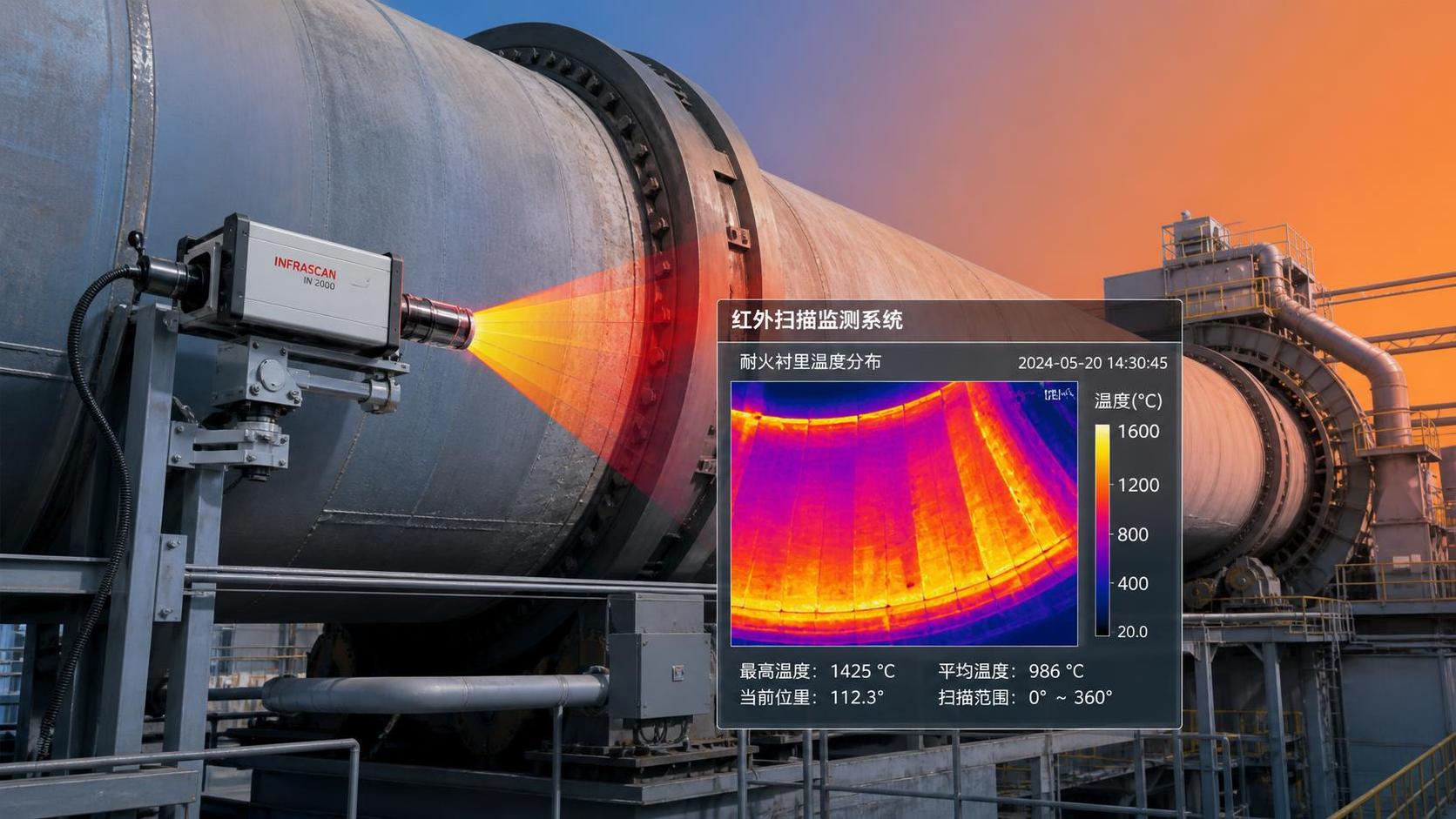
This approach is especially useful where digital tools such as shell scanning, thermal imaging, or online lining monitoring are available. Even simple weekly trend tracking can reveal whether a lining is aging gradually or moving toward abrupt failure.
Lifecycle Cost, Energy Stability, and the Case for Smarter Thermal Management
For many plants, the strongest argument for advanced refractory systems is not the headline service-life extension alone. It is the combination of longer campaign duration, lower heat loss, fewer emergency stoppages, and more stable process output. Those factors affect energy consumption, labor planning, spare inventory, and carbon performance.
If a higher-performance lining reduces shell heat loss by even a modest operational range, or delays one major outage within a 12-month planning window, the financial impact may exceed the initial material premium. This is particularly relevant in energy-intensive sectors where fuel and downtime costs move faster than refractory purchase budgets.
Where the Economic Advantage Usually Appears
The cost advantage of advanced refractory systems tends to appear in 4 areas: lower repair labor, reduced production interruption, improved thermal efficiency, and tighter process control. In integrated plants, these benefits can matter more than a 10%–25% difference in upfront lining cost.
For example, if a traditional lining requires two unplanned interventions over 12 months and each event consumes 16–36 hours of downtime, the true cost includes lost production, startup fuel, contractor mobilization, and quality instability during restart. Technical evaluators should include these hidden costs in every comparison sheet.
Maintenance and Monitoring Recommendations
To maximize service life after selection, the plant should pair the lining with a defined monitoring routine. Advanced design does not eliminate maintenance discipline; it makes that discipline more effective.
- Track shell temperature at fixed intervals such as weekly or per shift in critical zones.
- Record restart count, upset events, and process chemistry changes.
- Inspect anchor distress, cracks, or joint opening during every planned outage.
- Use repair thresholds before damage spreads across adjacent zones.
- Keep installation records, water ratios, and dry-out curves for future root-cause review.
For plants operating under decarbonization pressure, the lining also becomes an energy-management component. Better thermal containment supports lower heat loss and more predictable combustion or melting behavior. That link between refractory strategy and carbon efficiency is becoming increasingly important in investment reviews.
What Matters Most When You Make the Final Selection
The final decision should not be framed as advanced refractory systems versus traditional linings in absolute terms. The right decision is whether the operating profile justifies a system-level upgrade. In stable, low-variability duty, a conventional solution may remain practical. In chemically aggressive, thermally unstable, or downtime-sensitive assets, a more advanced design often delivers stronger lifecycle value.
For technical evaluators, the most important questions are concrete: What is the dominant wear mechanism? How many shutdown hours can the plant tolerate each quarter? What shell temperature drift is acceptable? Which zones require 6-month durability, and which require 18-month or longer campaign security? Once these questions are answered, lining selection becomes far more precise.
Across cement production plants, glass manufacturing gear, industrial kilns, incineration units, and specialized extrusion systems, the most reliable service-life gains come from matching materials, structure, installation, and monitoring into one coherent thermal strategy. That is the practical value behind advanced refractory systems.
If you are evaluating lining upgrades, shutdown planning, or application-specific thermal risk, CF-Elite can help you review operating conditions, compare solution paths, and identify the service-life factors that matter most. Contact us to discuss your project, request a tailored assessment, or learn more solutions for high-temperature process reliability.
Related News
 Optical Glass Tech FellowHow to Evaluate a Glass Annealing Equipment Manufacturer for Production StabilityChoose a glass annealing equipment manufacturer with proven thermal uniformity, reliable controls, lifecycle value, and responsive service for stable production.Sep 08, 2026
 Prof. Marcus ChenThermal Energy Architecture in North America: Strategies for Lower Building Energy UseThermal energy architecture North America helps project leaders cut building energy use through stronger envelopes, right-sized HVAC, storage, and smart commissioning.Sep 07, 2026
 Ms. Elena RodriguezHow Should Buyers Evaluate Building Material Industry Intelligence Pricing?Building material industry intelligence pricing: learn how to compare coverage, technical depth, and ROI to choose intelligence that reduces procurement risk.Sep 07, 2026
 Ms. Elena RodriguezHow to Use Building Material Intelligence Data for Market and Investment DecisionsBuilding material industry intelligence data helps leaders evaluate demand, costs, regulation, capacity, and technology to make smarter market and investment decisions.Sep 05, 2026
 Thermal Energy ArchitectHow PLC Control Improves Energy Efficiency and Temperature Stability in KilnsEnergy efficient kilns PLC control improves temperature stability, cuts fuel waste, and optimizes combustion, draft, and material flow. Explore proven strategies for smarter kiln modernization.Sep 04, 2026
 Optical Glass Tech FellowEuropean Glass Melting Processes: Furnace Choices, Energy Use, and Quality ControlGlass melting process Europe: explore furnace choices, energy efficiency, cullet strategy, and quality control to improve output, compliance, and long-term glass performance.Sep 03, 2026
 Thermal Energy ArchitectWhat Determines Refractory Lining Monitoring Price for Industrial Kilns?Refractory lining monitoring price depends on kiln size, sensor technology, installation, software, and support. Compare total lifecycle costs and choose the right solution.Sep 02, 2026
 Silicate Process EngineerCement Production System Costs: A Plant Buyer’s Guide to Budgeting and ROICement production systems cost planning made clear: compare CAPEX, operating costs, compliance, and ROI to build a resilient, profitable cement plant investment.Sep 01, 2026
 Dr. Alistair VaughnWhat Should a Process Technology Database Track for High-Temperature Plants?Process technology database essentials for high-temperature plants: track thermal profiles, feed chemistry, refractory wear, emissions, energy, and maintenance for safer, data-driven decisions.Aug 31, 2026
 Ms. Elena RodriguezHow to Evaluate a Silicate Processing Equipment Manufacturer for Plant ProjectsSilicate processing equipment manufacturer selection: assess process fit, guarantees, energy, compliance, delivery risk, and lifecycle support for dependable plant performance.Aug 30, 2026
 Dr. Alistair VaughnHow to Specify Custom Agricultural Processing Equipment for Throughput and HygieneEquipment customization services for agricultural processing: learn to specify hygienic, high-throughput lines that improve yield, reliability, and long-term efficiency.Aug 29, 2026
 Dr. Alistair VaughnHow to Select Process Plant Equipment for High-Temperature, Abrasive Production LinesProcess plant equipment selection for high-temperature, abrasive lines: reduce downtime, improve durability, and optimize lifecycle performance.Aug 28, 2026
 Silicate Process EngineerHow Kiln Heat Recovery Systems Cut Fuel Use in Cement and Lime ProductionKiln heat recovery helps cement and lime plants cut fuel use, improve thermal stability, and build practical, reliable decarbonization strategies.Aug 27, 2026
 Ms. Elena RodriguezProcess Equipment Comparison: Which Metrics Matter Most for Reliable Selection?Process equipment comparison made practical: discover which metrics truly drive reliable selection, from energy efficiency and control stability to wear life, maintainability, and uptime.Aug 26, 2026
 Ms. Elena RodriguezWhat Buyers Should Check Before Sourcing Precision Alloy Bars for Critical PartsPrecision Alloy Bars buyers should verify grade, chemistry, tolerances, surface quality, traceability, and lead time before sourcing for critical parts. Learn what prevents costly machining and reliability risks.Aug 27, 2026
 Ms. Elena RodriguezHow to Evaluate Thermal Management Solutions Insulation for High-Heat Industrial SystemsThermal management solutions insulation: learn how to assess high-heat industrial systems by thermal performance, durability, lifecycle cost, and supplier data for smarter decisions.Aug 25, 2026
 Ms. Elena RodriguezWhat Drives Waste Recycling Cost in Industrial Projects and How to Estimate It?Waste recycling cost in industrial projects depends on composition, moisture, transport, pre-treatment, and compliance. Learn how to estimate it accurately and compare suppliers with confidence.Aug 24, 2026
 Silicate Process EngineerHow to Evaluate Cement Production Plants in the Middle East for Capacity, Fuel Flexibility, and ROIcement production plants Middle East: Learn how to assess true capacity, fuel flexibility, and ROI risks to identify resilient assets and smarter investment opportunities.Aug 23, 2026
 Structural Material AnalystHow to Evaluate Lightweight Material Machinery for Output, Energy Use, and Product QualityLightweight material machinery evaluation guide: compare stable output, energy use, and product quality to choose equipment that cuts waste, lowers costs, and improves production confidence.Aug 22, 2026
 Material Heat-Resist ExpertWhat Determines Refractory Production Line Price in a Turnkey Plant Project?Refractory production line price depends on raw materials, forming method, kiln and drying design, automation, utilities, and scope. Learn what really drives turnkey plant cost before you invest.Aug 21, 2026
Related News
- 00
0000-00
What Determines Refractory Production Line Price in a Turnkey Plant Project? - 00
0000-00
How to Evaluate a Silicate Production Line for Capacity, Energy Use, and Product Quality - 00
0000-00
Silicate Production Line Process Explained: Key Stages, Equipment, and Quality Control - 00
0000-00
How to Evaluate a Refractory Production Line in Southeast Asia: Capacity, Fuel, and Raw Material Factors - 00
0000-00
How to Evaluate a Silicate Production Lines Supplier for Capacity, Automation, and Raw Material Fit
Weekly Insights
Stay ahead with our curated technology reports delivered every Monday.