
Where cement production innovations deliver faster payback




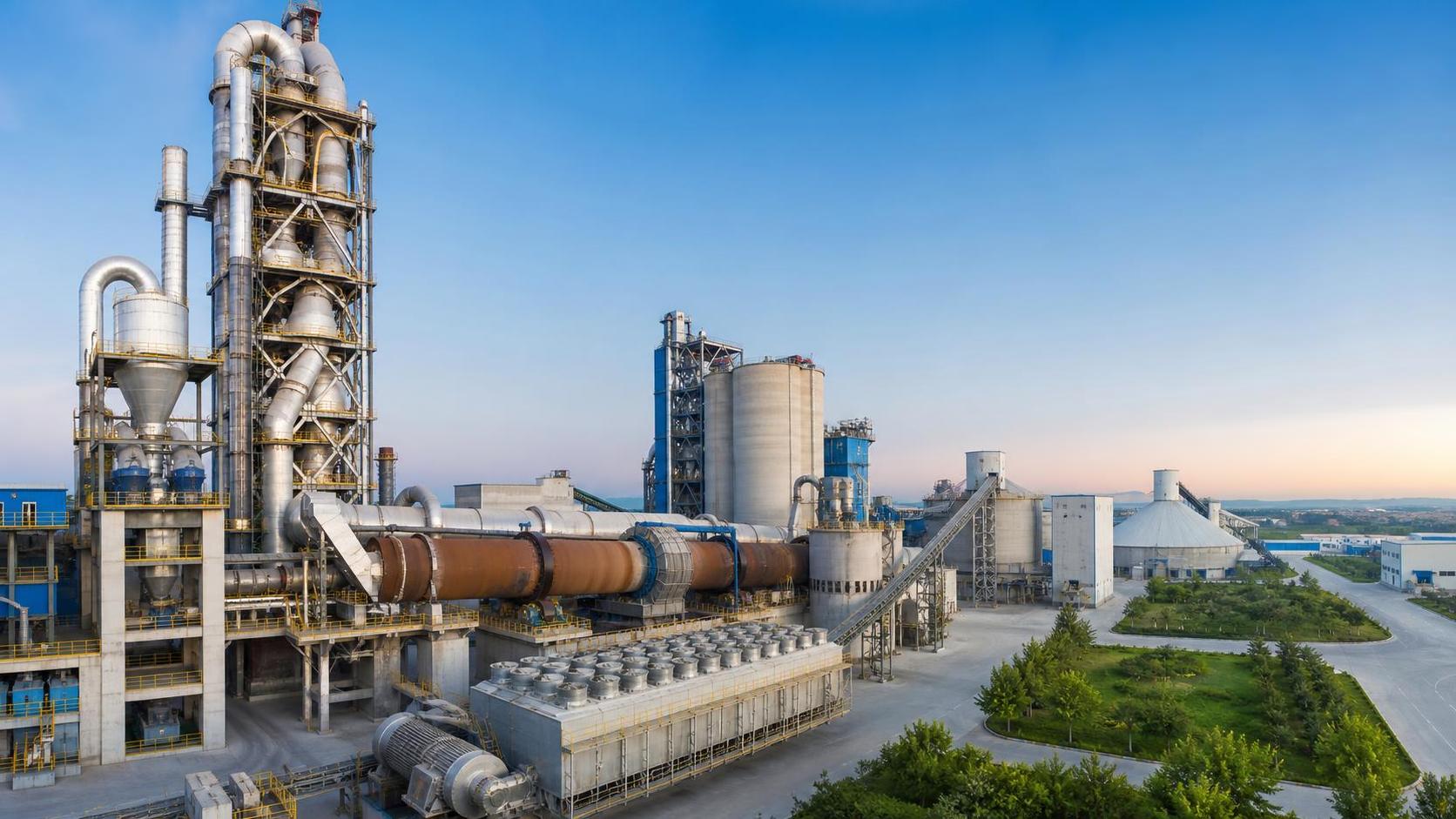
For financial decision-makers, cement production innovations are no longer just engineering upgrades—they are measurable pathways to faster payback, lower operating risk, and stronger compliance performance. From kiln efficiency and dust control to digital monitoring and alternative fuel integration, the right investments can shorten return cycles while supporting carbon goals. This article examines where capital delivers the clearest value in today’s cement production landscape.
Why a checklist approach improves investment decisions
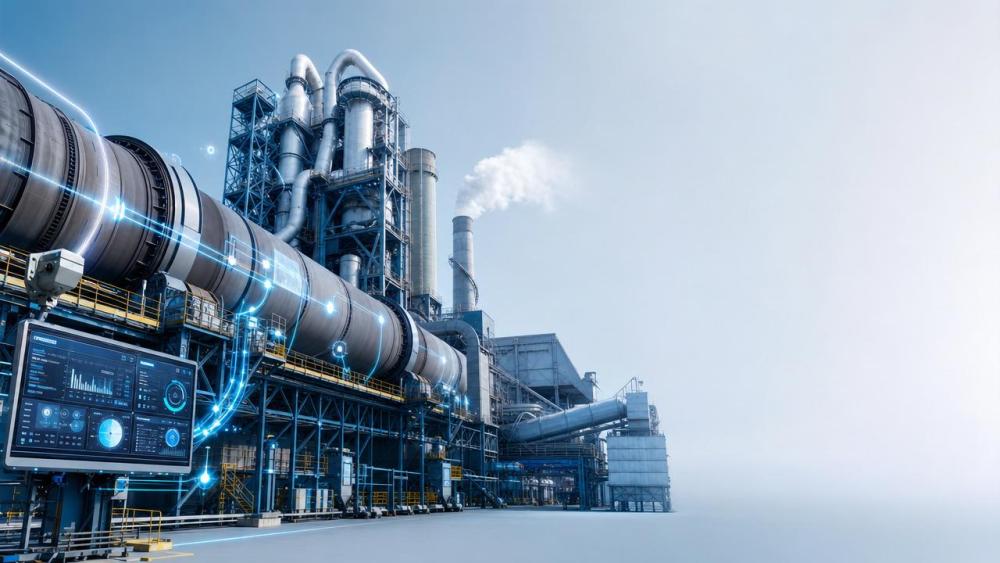
Large cement plants rarely fail because one technology is weak. They lose value when upgrades are selected without linking process gains, maintenance impact, energy costs, and environmental exposure.
A checklist helps compare cement production innovations by payback speed, installation complexity, throughput effect, and regulatory benefit. It also reduces the risk of buying isolated equipment that cannot improve plant-wide performance.
In integrated heavy industry, the fastest return usually comes from bottleneck removal, fuel savings, dust compliance, and digital visibility. Those areas create direct savings and protect output continuity.
Core checklist: where cement production innovations pay back faster
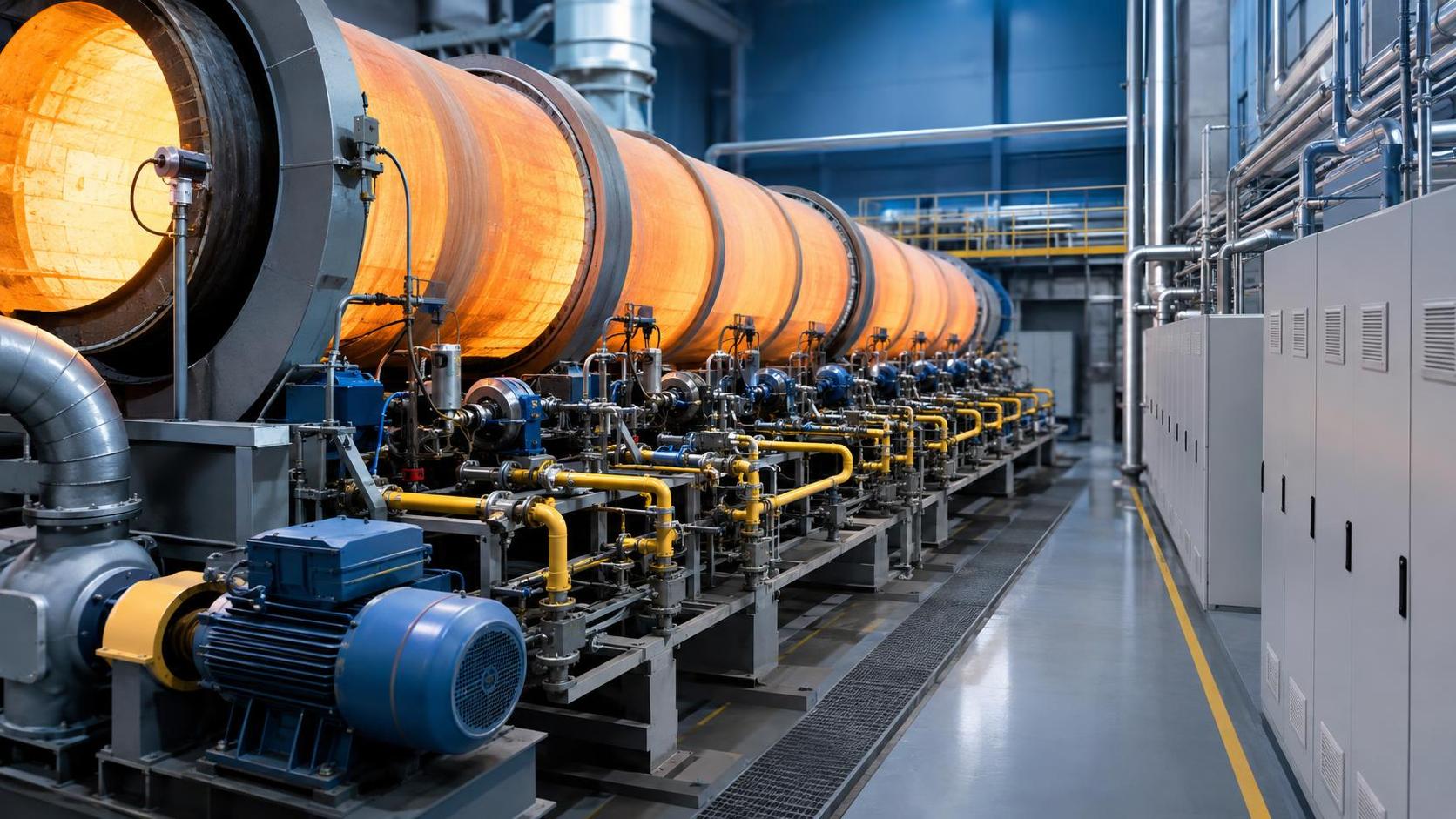
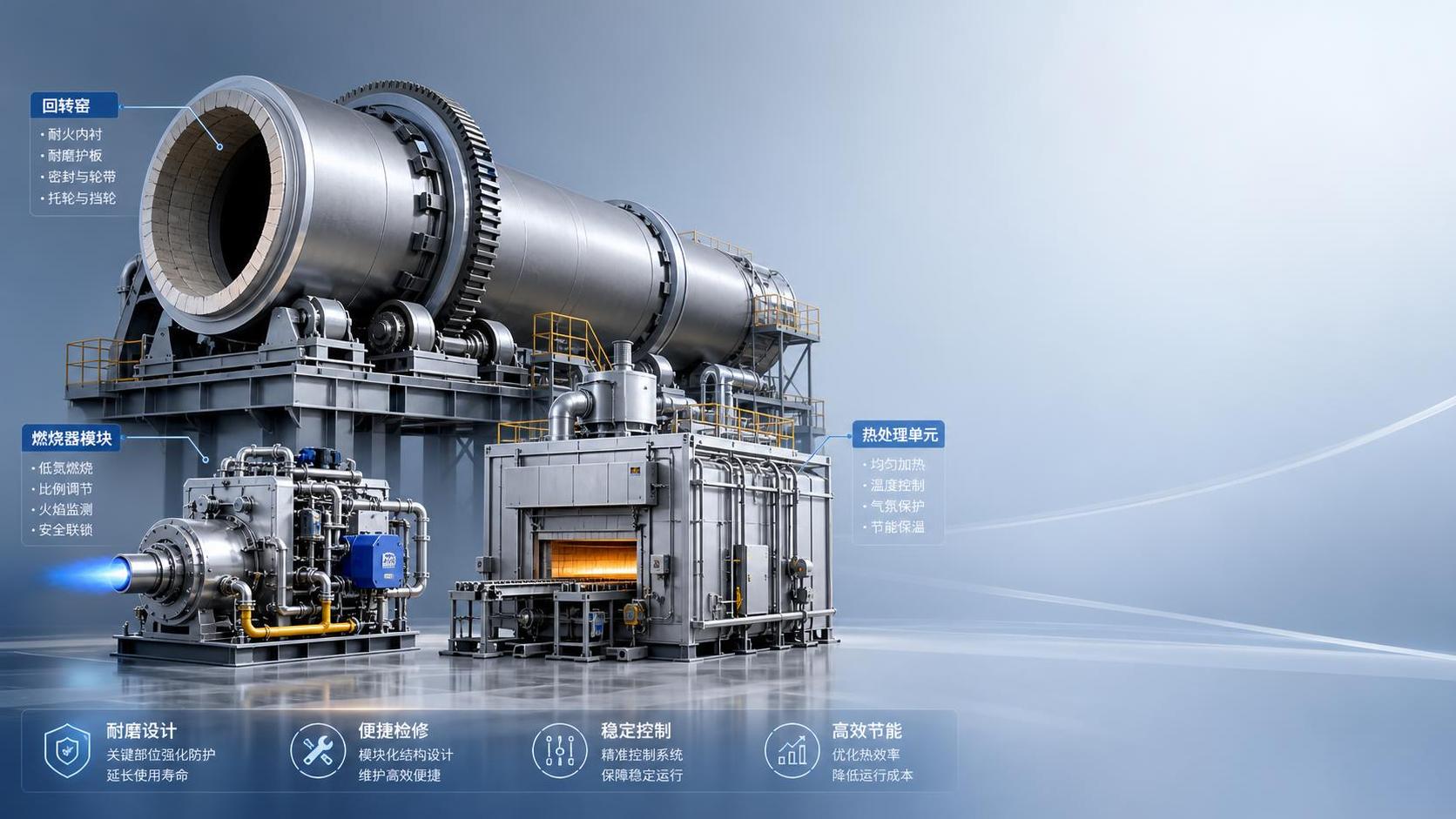
- Prioritize kiln and preheater efficiency upgrades that cut specific heat consumption, stabilize flame conditions, and improve clinker quality without requiring a full line shutdown.
- Target variable frequency drives on fans, crushers, and conveyors where power demand fluctuates, because electrical savings often begin immediately after commissioning.
- Upgrade dust collection systems at crushers, mills, coolers, and transfer points to avoid emission penalties while recovering product and improving housekeeping.
- Add online process monitoring for temperature, pressure, vibration, and gas composition so deviations are corrected before they become fuel loss or unplanned stoppages.
- Evaluate alternative fuel feeding systems only where storage, dosing accuracy, and combustion stability can maintain kiln performance and protect refractory life.
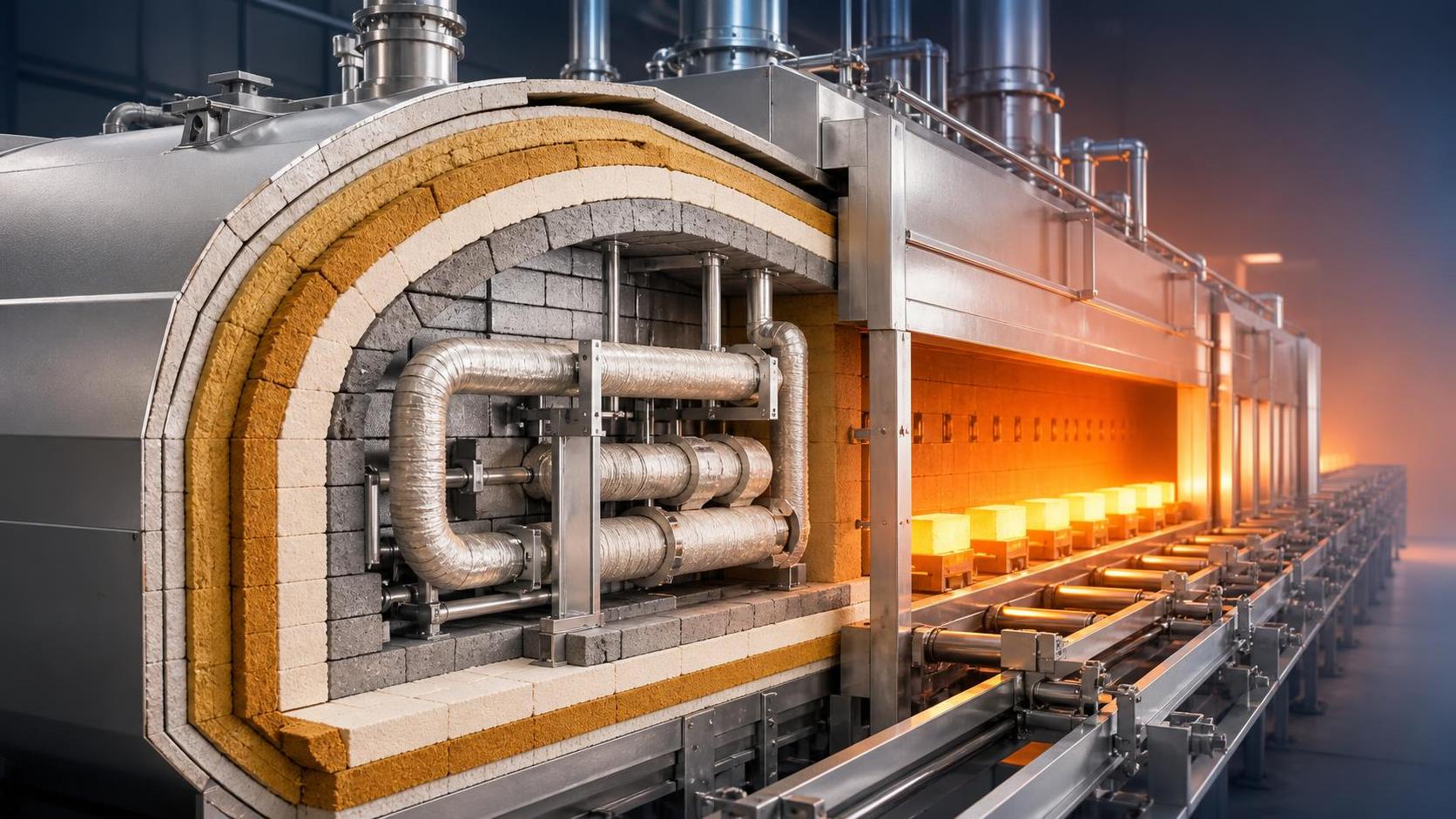
- Improve clinker cooler performance to recover more heat, reduce downstream stress, and support lower overall fuel demand across the pyroprocessing section.
- Modernize grinding circuits with separators, liner design, and control logic changes when cement fineness targets are missed at high energy intensity.
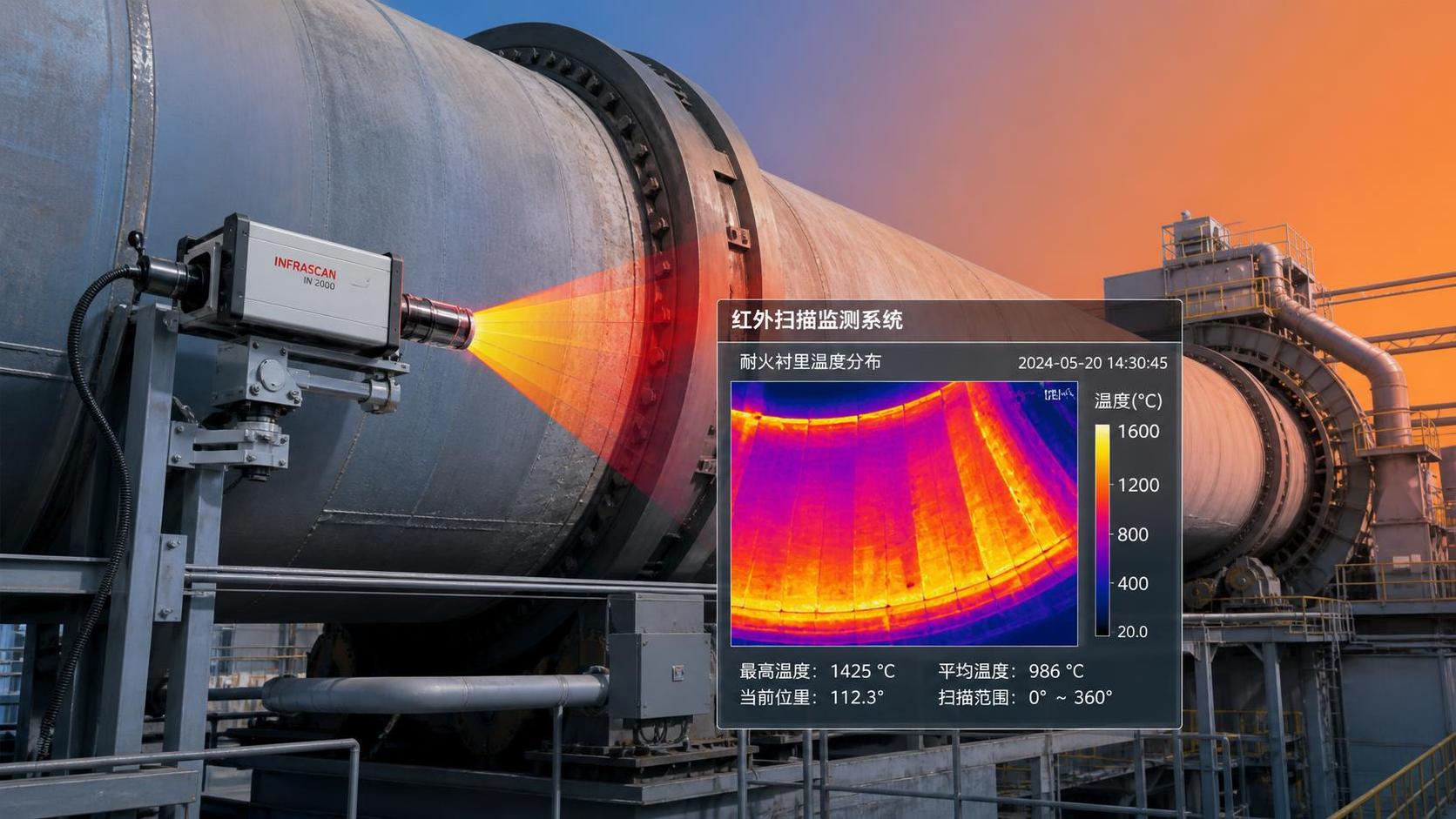
- Assess refractory monitoring and shell scanning tools that extend campaign life, reduce emergency maintenance, and prevent hidden thermal losses.
- Link every upgrade to a baseline of kilowatt-hours, thermal consumption, uptime, dust emissions, and production rate before approving capital release.
- Sequence projects by outage compatibility so fast-payback cement production innovations are installed during planned stoppages instead of creating extra downtime.
Which innovation areas usually create the clearest financial return
Thermal efficiency in kiln systems
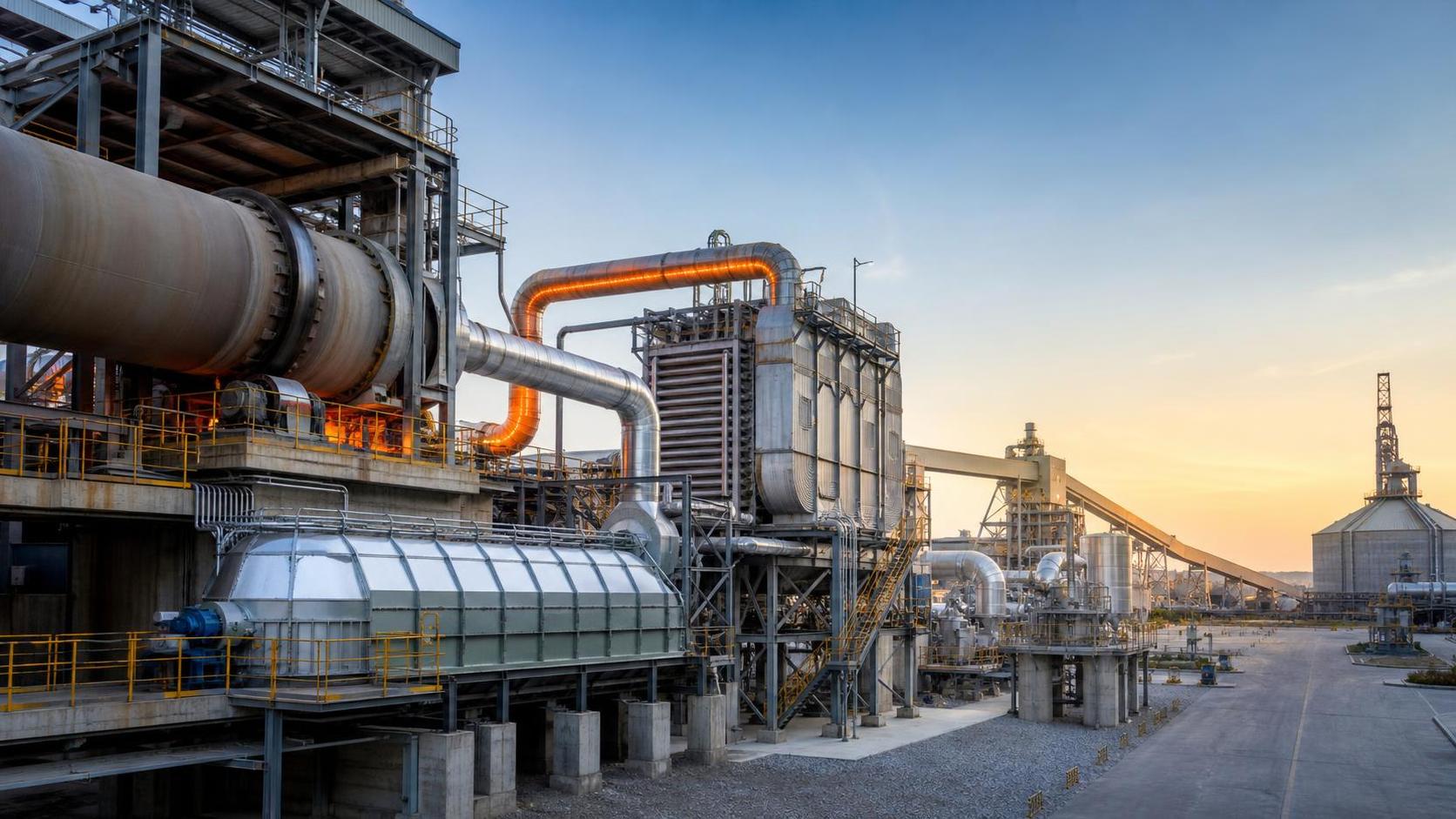
Among all cement production innovations, kiln-related improvements often produce the quickest and largest savings. Fuel remains a dominant cost, and even modest thermal efficiency gains scale across continuous operation.
Burner optimization, preheater sealing, tertiary air improvements, and cooler recovery upgrades can reduce heat loss without changing the plant’s core product mix. These projects often outperform more visible but slower-return expansions.
Electricity reduction in fans and grinding
Power-intensive sections such as raw grinding, cement grinding, and induced draft fans are ideal for staged modernization. Variable frequency drives, high-efficiency motors, and better separator control usually provide measurable savings early.
When electricity tariffs are volatile, these cement production innovations gain even stronger economics. They also lower mechanical stress, which improves maintenance intervals and operating stability.
Environmental compliance with operational value
Dust control, gas monitoring, and material handling enclosure upgrades are sometimes treated as pure compliance spending. In reality, they often protect throughput, reduce product loss, and improve workforce safety.
Well-designed bag filters, leak detection, and transfer-point sealing can deliver blended returns: lower emissions risk, less cleanup cost, and fewer interruptions caused by poor site conditions.
Digital monitoring and predictive maintenance
Digital tools become attractive when they stop recurring hidden losses. Vibration analytics, shell scanners, process historians, and remote condition dashboards help operators detect drift before quality or uptime suffers.
The best digital cement production innovations are not software islands. They connect maintenance, process control, and energy management into one decision flow.
How priorities change across different operating scenarios
Scenario 1: Aging integrated cement plants
Older lines usually gain the fastest payback from air leakage reduction, fan upgrades, dust collection refurbishment, and instrumentation renewal. These are practical cement production innovations that remove chronic losses first.
Large capacity additions may look attractive on paper, but they often underperform if the base system still suffers from unstable heat balance or poor reliability.
Scenario 2: Plants facing tighter carbon and emissions rules
Where regulation is tightening, projects should be screened for dual value. Alternative fuels, cooler efficiency, low-NOx combustion tuning, and emissions monitoring can reduce compliance exposure while improving energy performance.
Here, the strongest cement production innovations are those that convert environmental pressure into operational savings rather than adding standalone reporting costs.
Scenario 3: High-volume plants protecting output continuity
For lines already running near capacity, the main value driver is uptime. Refractory diagnostics, predictive maintenance, spare-part standardization, and process alarm quality become more important than headline efficiency gains.
In this case, cement production innovations should be judged by avoided downtime hours, not only by direct energy savings.
Commonly overlooked issues that slow payback
Ignoring baseline data. Savings claims are weak if the plant never established reliable pre-upgrade energy, throughput, and emissions performance.
Underestimating installation losses. Some cement production innovations look attractive until additional shutdown time erodes the financial case.
Separating process and maintenance decisions. A project that saves fuel but shortens refractory campaign life may destroy the expected return.
Choosing digital tools without workflow integration. More sensors do not create value unless alerts lead to real action in operations and maintenance planning.
Overlooking material variability. Alternative fuels, raw mix changes, and moisture swings can weaken results if the control strategy is not upgraded at the same time.
Practical execution steps for faster results
- Map the top five losses by fuel, power, dust, downtime, and quality deviation before discussing equipment brands or control platforms.
- Rank candidate cement production innovations by payback period, outage demand, and operational dependency rather than by technical novelty.
- Bundle quick wins with medium-term upgrades so early savings can support larger thermal or digital modernization phases.
- Require post-commissioning verification at 30, 90, and 180 days to confirm that savings remain stable under real production conditions.
- Use specialist intelligence from high-temperature industries to compare equipment claims with actual line behavior, refractory limits, and emissions obligations.
Conclusion: invest where value is visible and durable
The best cement production innovations do not simply look advanced. They reduce energy use, protect uptime, improve compliance, and fit the plant’s shutdown reality. Faster payback usually comes from thermal efficiency, electrical optimization, dust control, and connected monitoring.
For organizations tracking heavy industrial transitions, CF-Elite highlights how process intelligence, thermal management insight, and equipment modernization can be combined into clearer capital decisions. The next step is simple: build a plant-specific checklist, validate the baseline, and invest first where savings can be measured quickly and repeated reliably.
Related News
 Optical Glass Tech FellowHow to Evaluate a Glass Annealing Equipment Manufacturer for Production StabilityChoose a glass annealing equipment manufacturer with proven thermal uniformity, reliable controls, lifecycle value, and responsive service for stable production.Sep 08, 2026
 Prof. Marcus ChenThermal Energy Architecture in North America: Strategies for Lower Building Energy UseThermal energy architecture North America helps project leaders cut building energy use through stronger envelopes, right-sized HVAC, storage, and smart commissioning.Sep 07, 2026
 Ms. Elena RodriguezHow Should Buyers Evaluate Building Material Industry Intelligence Pricing?Building material industry intelligence pricing: learn how to compare coverage, technical depth, and ROI to choose intelligence that reduces procurement risk.Sep 07, 2026
 Ms. Elena RodriguezHow to Use Building Material Intelligence Data for Market and Investment DecisionsBuilding material industry intelligence data helps leaders evaluate demand, costs, regulation, capacity, and technology to make smarter market and investment decisions.Sep 05, 2026
 Thermal Energy ArchitectHow PLC Control Improves Energy Efficiency and Temperature Stability in KilnsEnergy efficient kilns PLC control improves temperature stability, cuts fuel waste, and optimizes combustion, draft, and material flow. Explore proven strategies for smarter kiln modernization.Sep 04, 2026
 Optical Glass Tech FellowEuropean Glass Melting Processes: Furnace Choices, Energy Use, and Quality ControlGlass melting process Europe: explore furnace choices, energy efficiency, cullet strategy, and quality control to improve output, compliance, and long-term glass performance.Sep 03, 2026
 Thermal Energy ArchitectWhat Determines Refractory Lining Monitoring Price for Industrial Kilns?Refractory lining monitoring price depends on kiln size, sensor technology, installation, software, and support. Compare total lifecycle costs and choose the right solution.Sep 02, 2026
 Silicate Process EngineerCement Production System Costs: A Plant Buyer’s Guide to Budgeting and ROICement production systems cost planning made clear: compare CAPEX, operating costs, compliance, and ROI to build a resilient, profitable cement plant investment.Sep 01, 2026
 Dr. Alistair VaughnWhat Should a Process Technology Database Track for High-Temperature Plants?Process technology database essentials for high-temperature plants: track thermal profiles, feed chemistry, refractory wear, emissions, energy, and maintenance for safer, data-driven decisions.Aug 31, 2026
 Ms. Elena RodriguezHow to Evaluate a Silicate Processing Equipment Manufacturer for Plant ProjectsSilicate processing equipment manufacturer selection: assess process fit, guarantees, energy, compliance, delivery risk, and lifecycle support for dependable plant performance.Aug 30, 2026
 Dr. Alistair VaughnHow to Specify Custom Agricultural Processing Equipment for Throughput and HygieneEquipment customization services for agricultural processing: learn to specify hygienic, high-throughput lines that improve yield, reliability, and long-term efficiency.Aug 29, 2026
 Dr. Alistair VaughnHow to Select Process Plant Equipment for High-Temperature, Abrasive Production LinesProcess plant equipment selection for high-temperature, abrasive lines: reduce downtime, improve durability, and optimize lifecycle performance.Aug 28, 2026
 Silicate Process EngineerHow Kiln Heat Recovery Systems Cut Fuel Use in Cement and Lime ProductionKiln heat recovery helps cement and lime plants cut fuel use, improve thermal stability, and build practical, reliable decarbonization strategies.Aug 27, 2026
 Ms. Elena RodriguezProcess Equipment Comparison: Which Metrics Matter Most for Reliable Selection?Process equipment comparison made practical: discover which metrics truly drive reliable selection, from energy efficiency and control stability to wear life, maintainability, and uptime.Aug 26, 2026
 Ms. Elena RodriguezWhat Buyers Should Check Before Sourcing Precision Alloy Bars for Critical PartsPrecision Alloy Bars buyers should verify grade, chemistry, tolerances, surface quality, traceability, and lead time before sourcing for critical parts. Learn what prevents costly machining and reliability risks.Aug 27, 2026
 Ms. Elena RodriguezHow to Evaluate Thermal Management Solutions Insulation for High-Heat Industrial SystemsThermal management solutions insulation: learn how to assess high-heat industrial systems by thermal performance, durability, lifecycle cost, and supplier data for smarter decisions.Aug 25, 2026
 Ms. Elena RodriguezWhat Drives Waste Recycling Cost in Industrial Projects and How to Estimate It?Waste recycling cost in industrial projects depends on composition, moisture, transport, pre-treatment, and compliance. Learn how to estimate it accurately and compare suppliers with confidence.Aug 24, 2026
 Silicate Process EngineerHow to Evaluate Cement Production Plants in the Middle East for Capacity, Fuel Flexibility, and ROIcement production plants Middle East: Learn how to assess true capacity, fuel flexibility, and ROI risks to identify resilient assets and smarter investment opportunities.Aug 23, 2026
 Structural Material AnalystHow to Evaluate Lightweight Material Machinery for Output, Energy Use, and Product QualityLightweight material machinery evaluation guide: compare stable output, energy use, and product quality to choose equipment that cuts waste, lowers costs, and improves production confidence.Aug 22, 2026
 Material Heat-Resist ExpertWhat Determines Refractory Production Line Price in a Turnkey Plant Project?Refractory production line price depends on raw materials, forming method, kiln and drying design, automation, utilities, and scope. Learn what really drives turnkey plant cost before you invest.Aug 21, 2026

Related News
- 00
0000-00
Cement Production System Costs: A Plant Buyer’s Guide to Budgeting and ROI - 00
0000-00
How Kiln Heat Recovery Systems Cut Fuel Use in Cement and Lime Production - 00
0000-00
How to Evaluate Cement Production Plants in the Middle East for Capacity, Fuel Flexibility, and ROI - 00
0000-00
What Drives Cement Plant Upgrade Cost and How to Estimate ROI Before Investing - 00
0000-00
How Cement Grinding Technology Affects Energy Use, Fineness, and Plant Output
Weekly Insights
Stay ahead with our curated technology reports delivered every Monday.