
Silicate Process Engineering Explained: Core Reactions, Equipment, and Plant Applications




Why does silicate process engineering matter across so many industries?
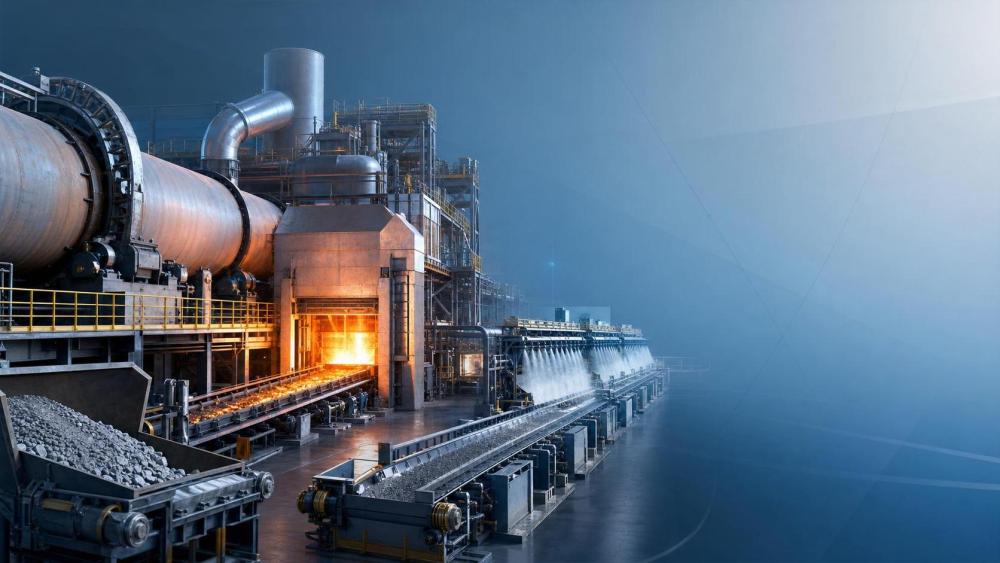
Silicate process engineering is not limited to one factory type. It connects chemistry, heat transfer, gas flow, and mechanical handling across several high-temperature production systems.
That is why the topic keeps appearing in searches about cement plants, float glass lines, refractory production, industrial kilns, and lightweight material extrusion.
At its core, silicate process engineering studies how mineral-based raw materials react, melt, sinter, or crystallize under controlled thermal conditions.
The practical goal is simple to state, but difficult to execute. Plants want stable product quality, lower fuel use, fewer emissions, and less unplanned shutdown time.
In real operations, those goals are tightly linked. A kiln that drifts in temperature rarely causes only one problem. It often affects reaction completeness, lining wear, dust load, and energy intensity together.
This broader view explains why intelligence platforms such as CF-Elite follow silicate process engineering so closely. The field sits exactly where physical parameters, chemical kinetics, equipment reliability, and carbon reduction strategies intersect.
So when people ask about silicate process engineering, they are usually asking more than a definition. They want to understand how plants actually make better decisions.
What reactions are considered the backbone of silicate process engineering?
The answer depends on the plant, yet the backbone is usually a sequence of thermal and chemical transformations rather than one isolated reaction.
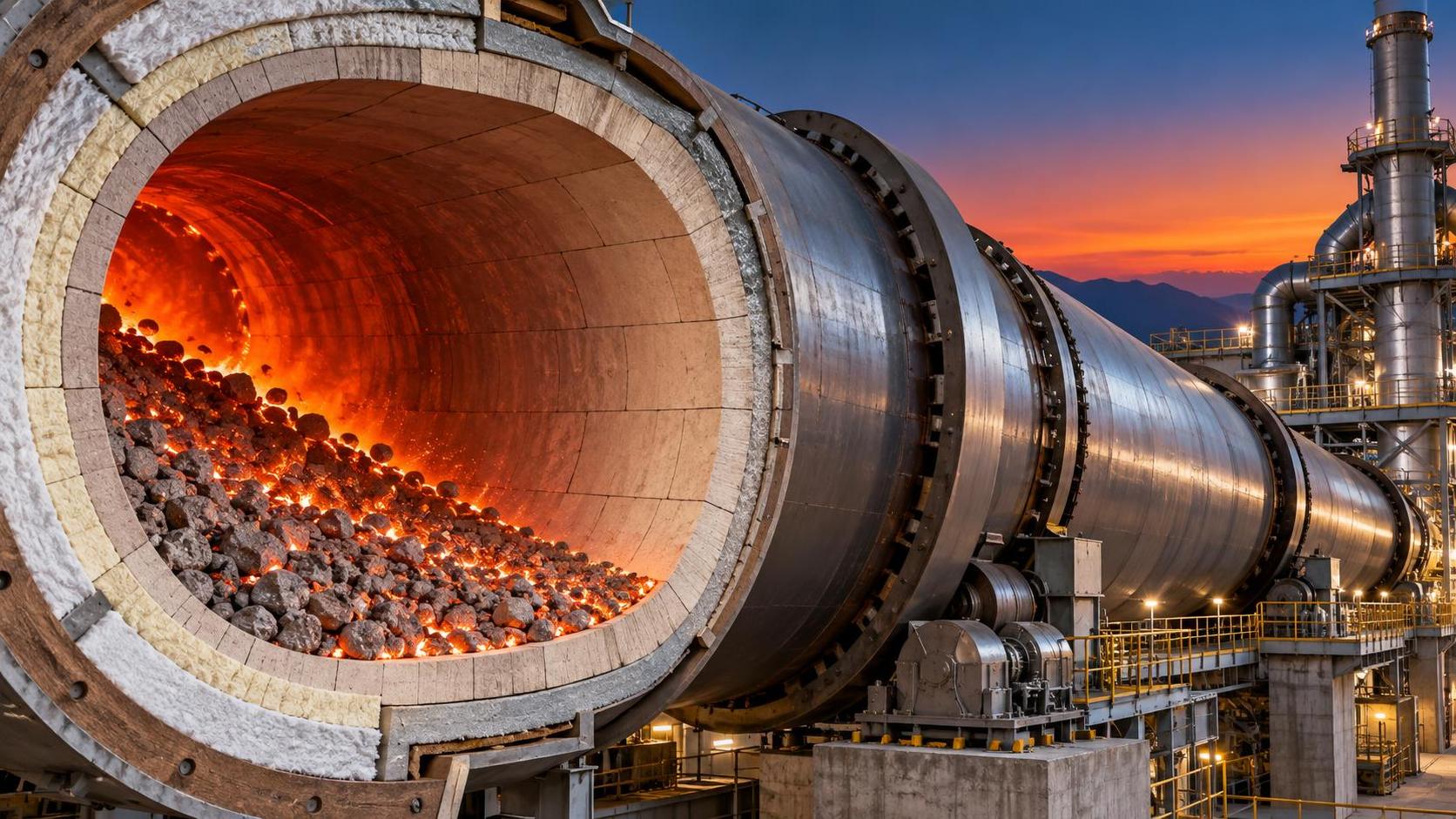
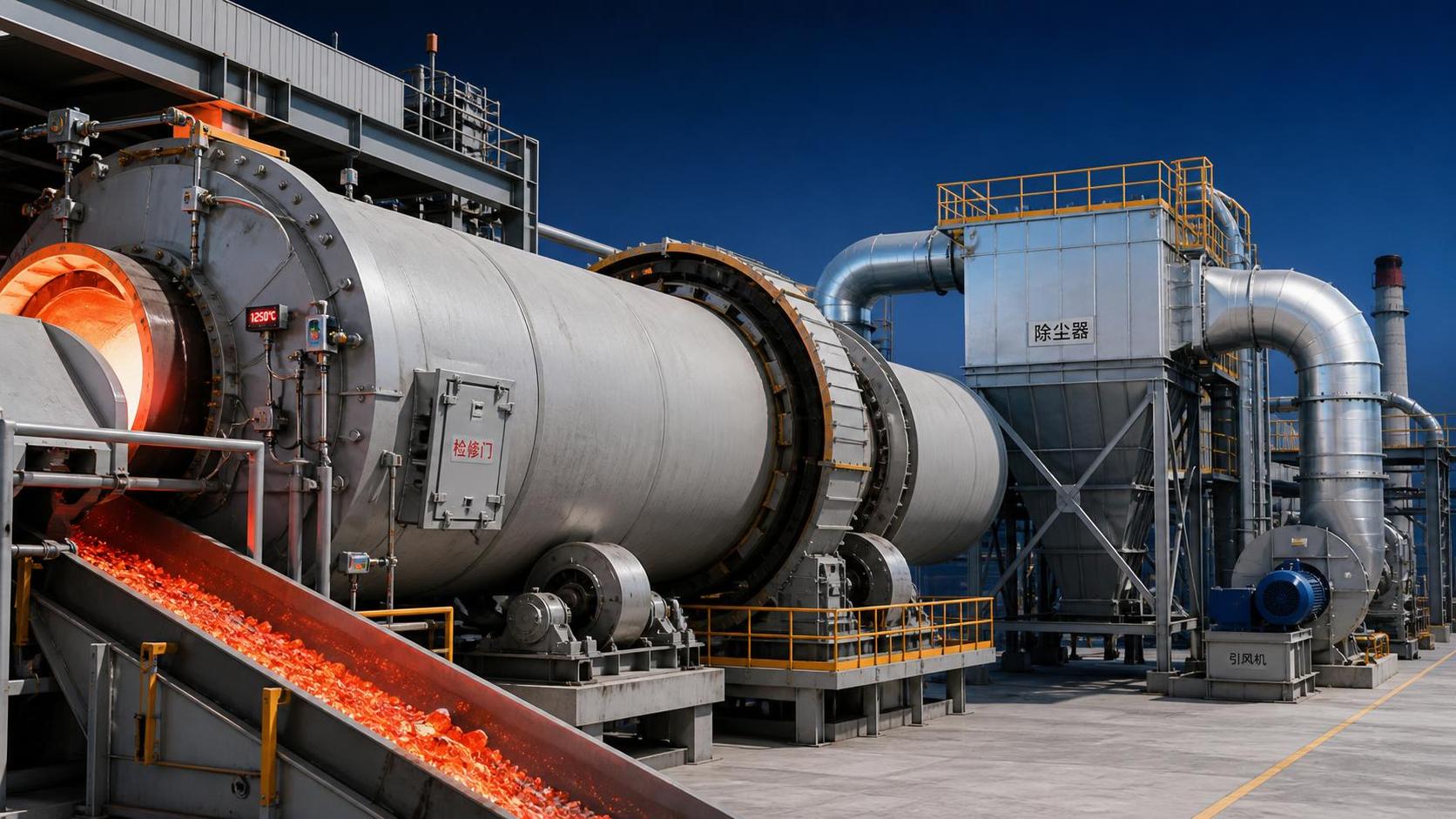
In cement systems, silicate process engineering focuses on drying, calcination, clinker phase formation, and cooling. Limestone decomposes, then reacts with silica, alumina, and iron-bearing minerals.
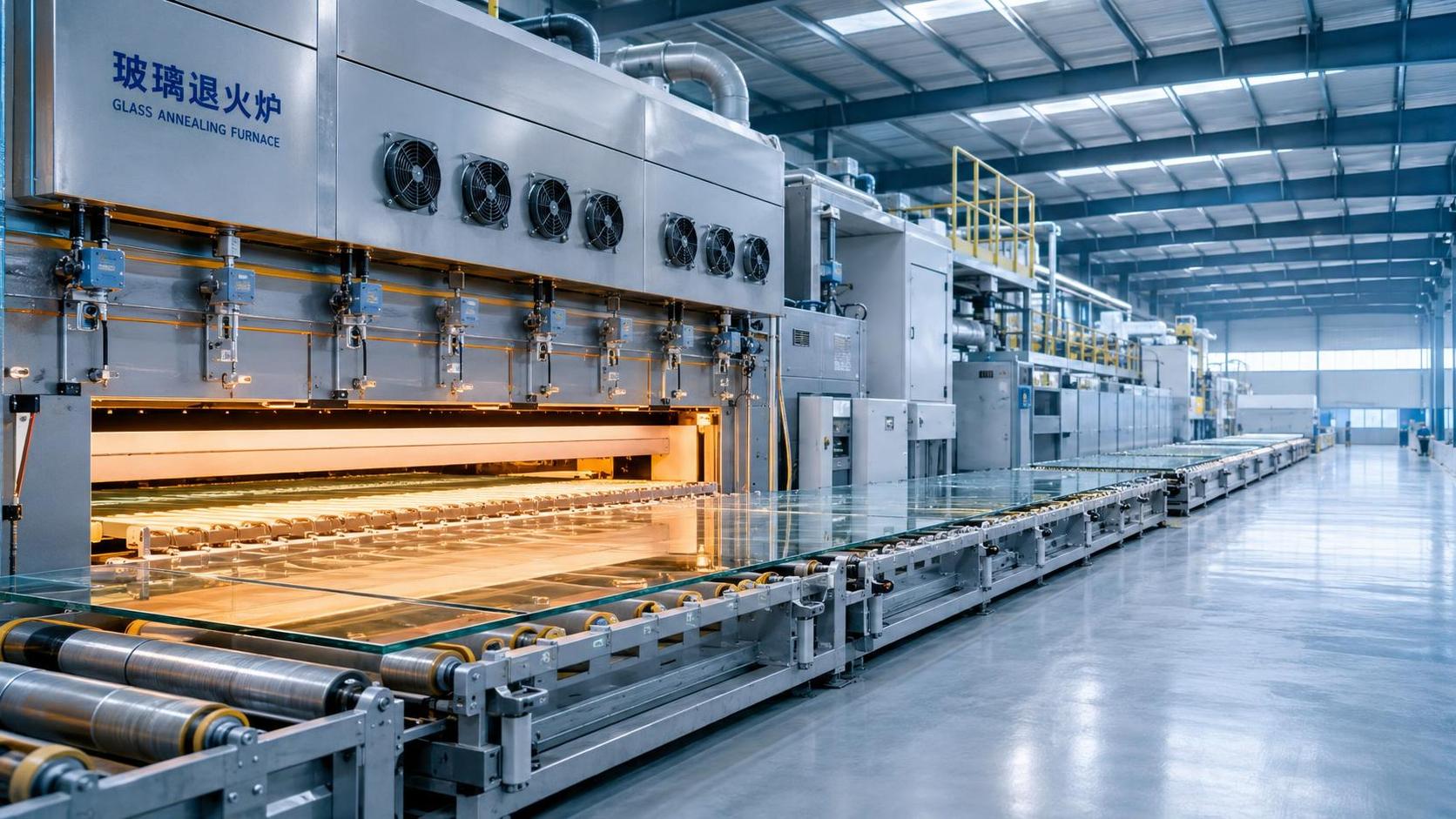
In glass production, the pathway shifts. Batch materials melt, fine bubbles are removed, the liquid homogenizes, and the melt enters forming and annealing stages.
In refractory lines, the concern is often solid-state sintering, phase stability, porosity control, and resistance to thermal shock or slag attack.
Extruded building materials add another layer. Moisture, binder behavior, pressure response, and downstream curing all influence whether the final body remains dimensionally stable.
A useful way to read silicate process engineering is to track four reaction drivers:
- Temperature range, including peak heat and heating rate.
- Residence time, which controls reaction completeness.
- Material composition, especially silica, lime, alumina, alkalis, and impurities.
- Atmosphere conditions, such as oxygen level, gas velocity, and moisture.
If one of these variables drifts, the process window narrows quickly. That is why reaction chemistry in silicate process engineering cannot be separated from equipment design.
Which equipment really shapes process performance, not just capacity?
This is a more practical question, because many systems look impressive by size but are judged by stability and control.
In most silicate process engineering lines, a few equipment groups determine whether chemistry can be translated into reliable output.
Thermal equipment
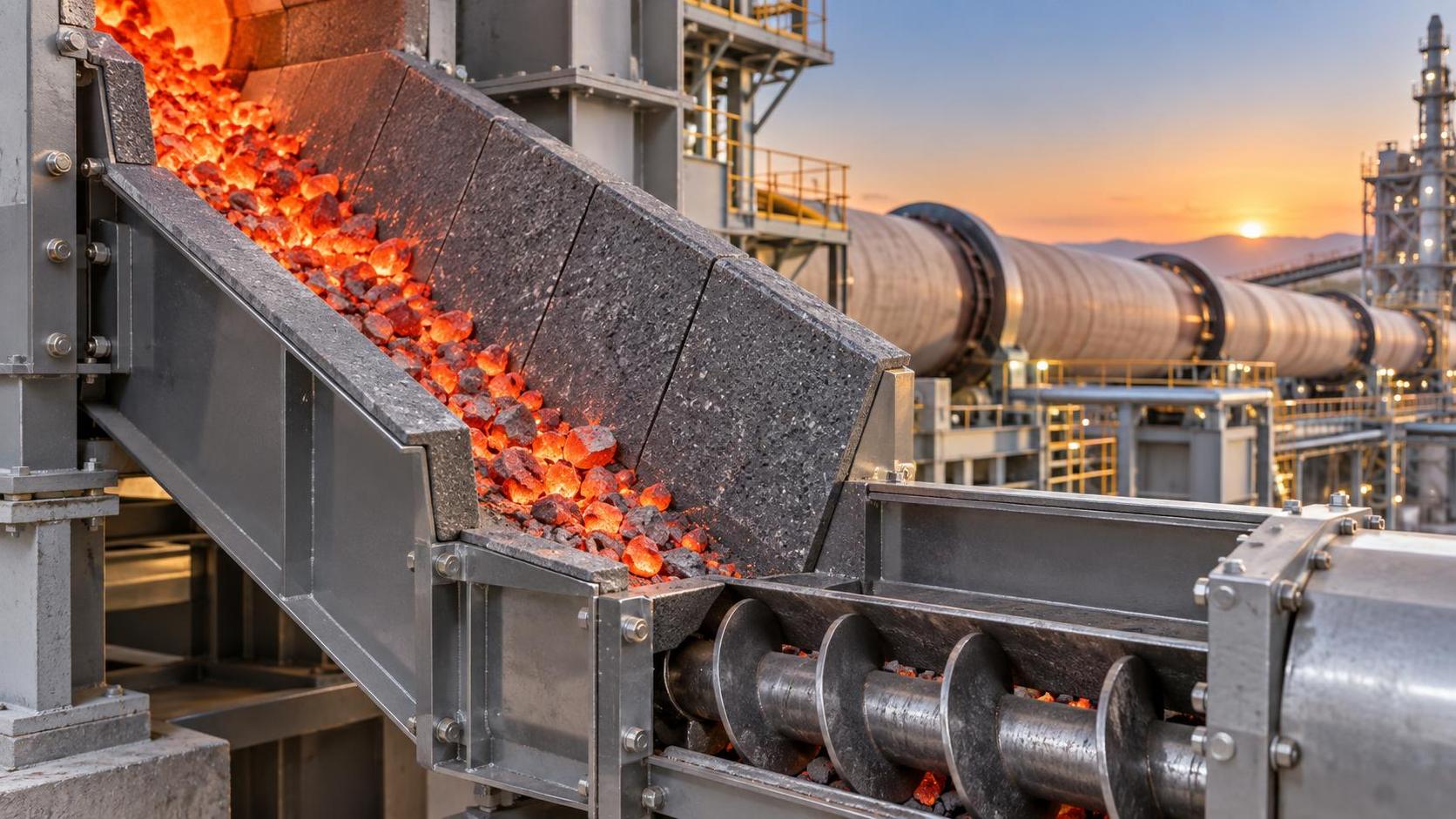
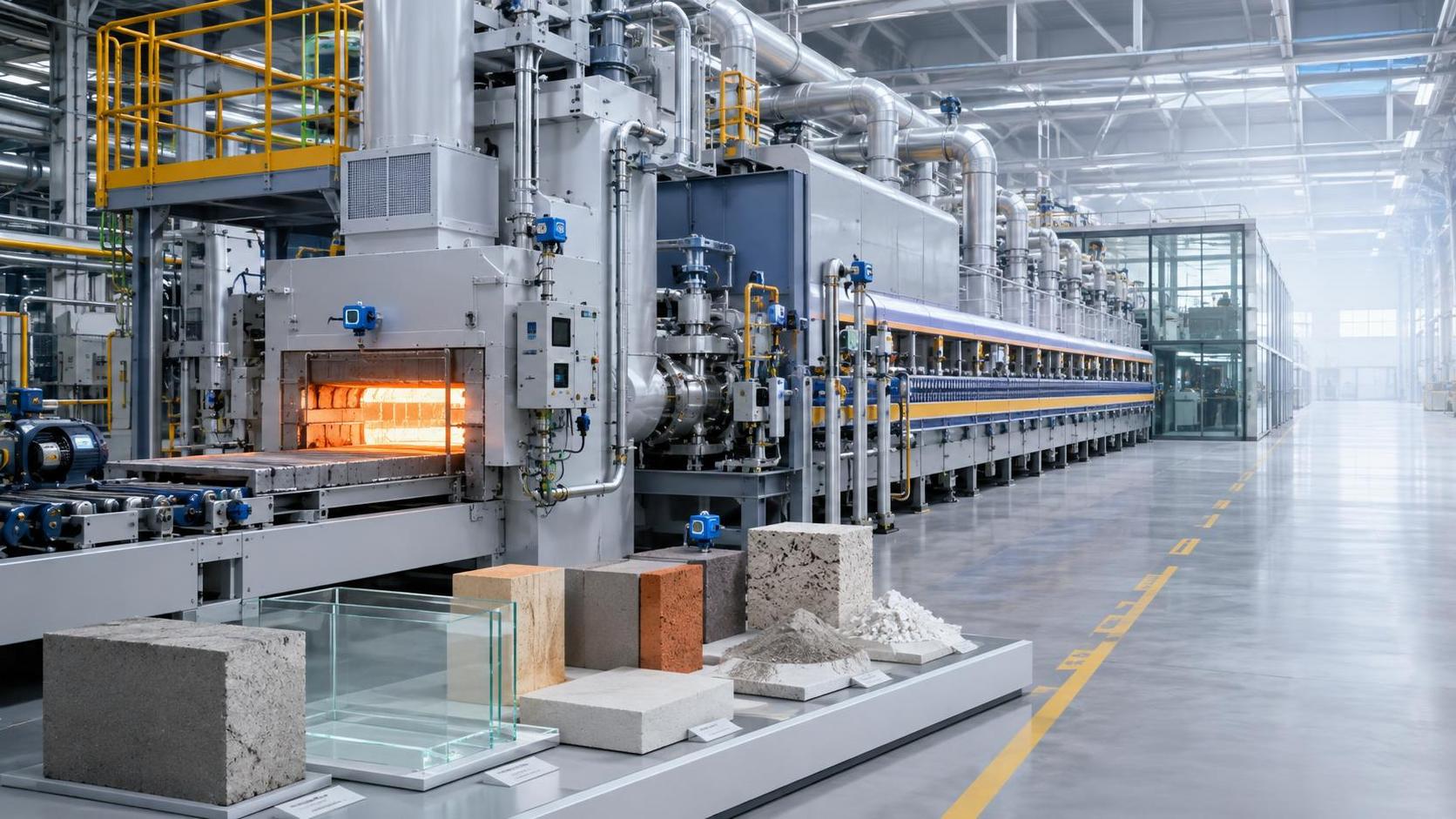
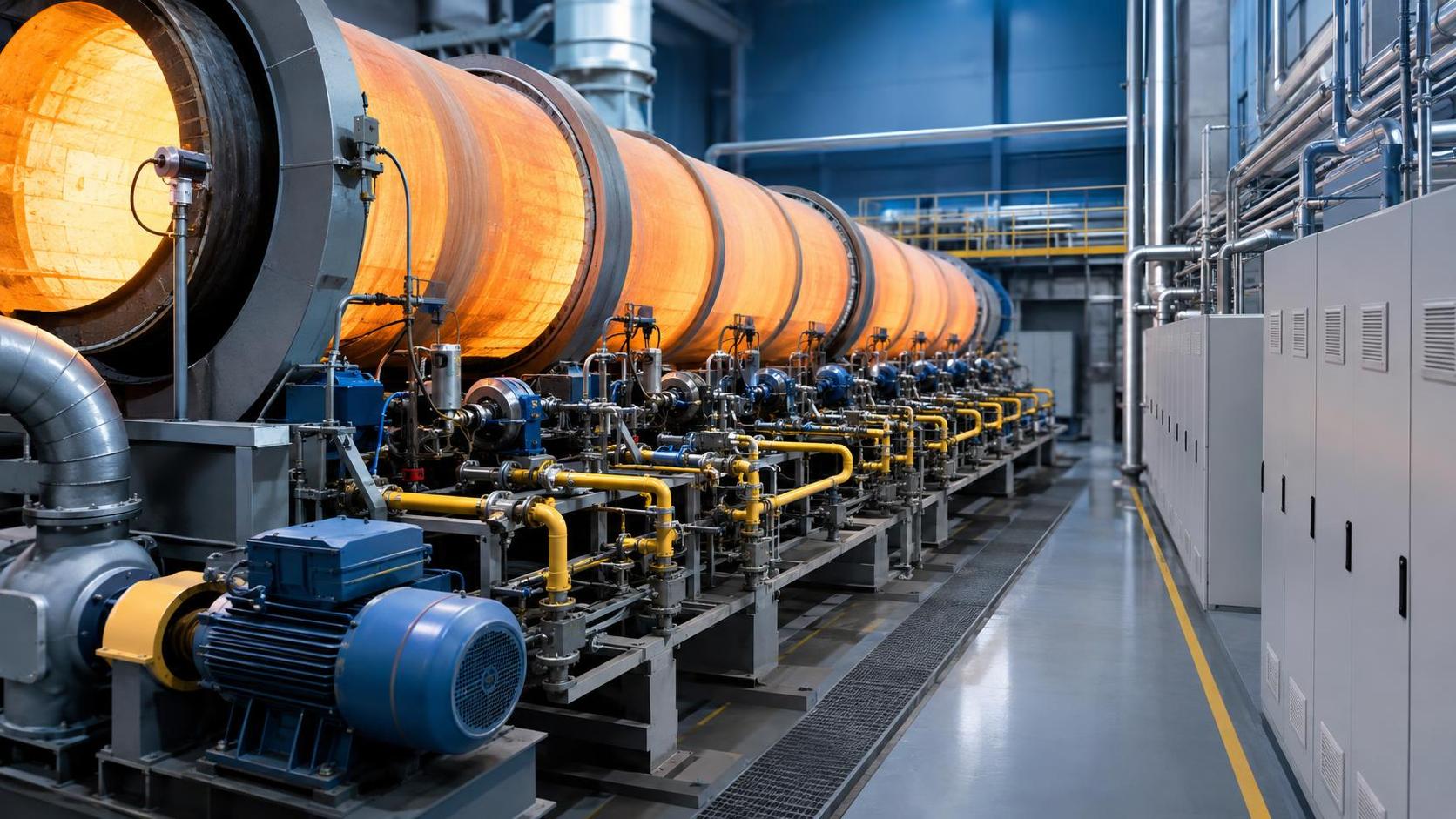
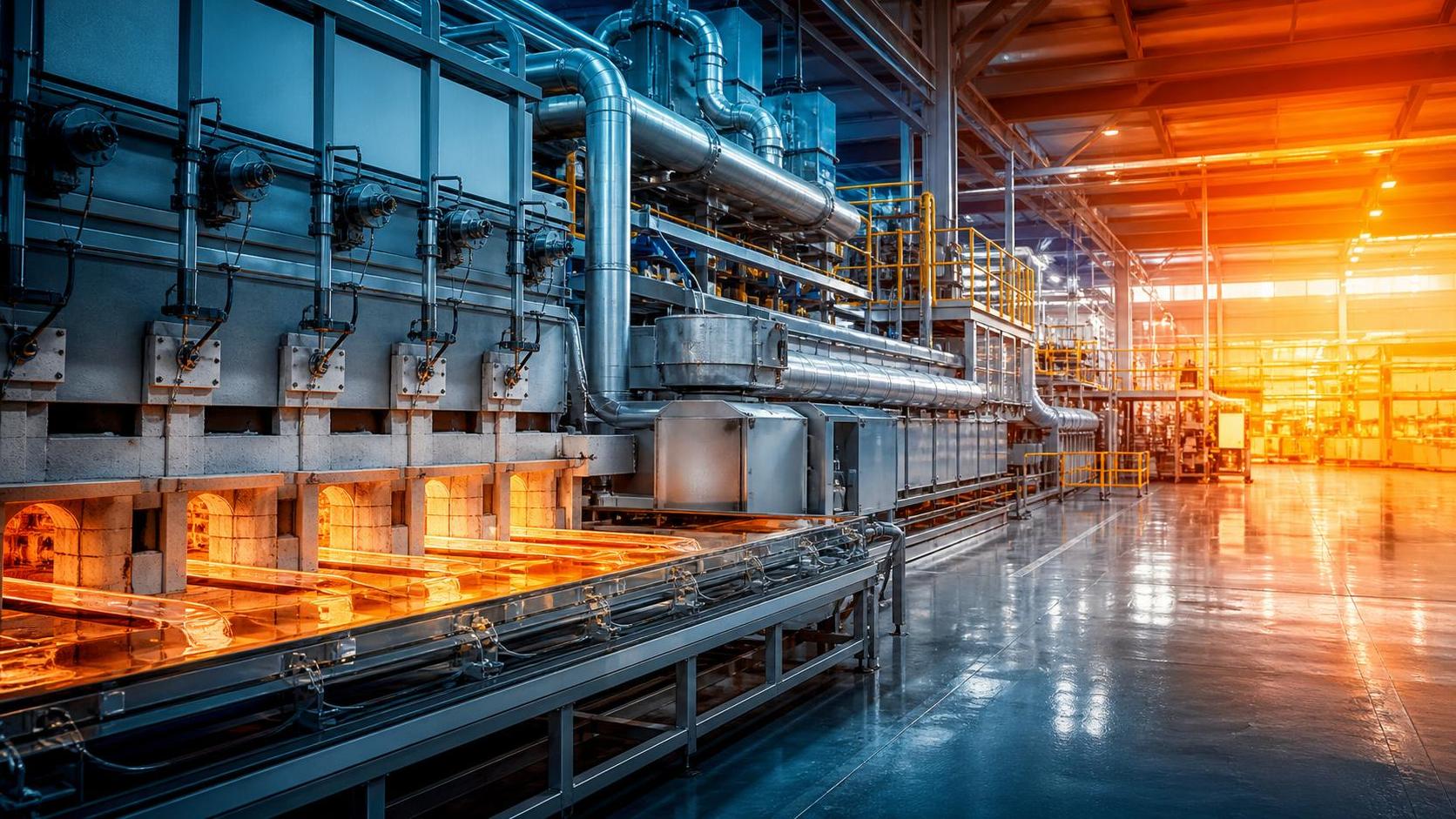
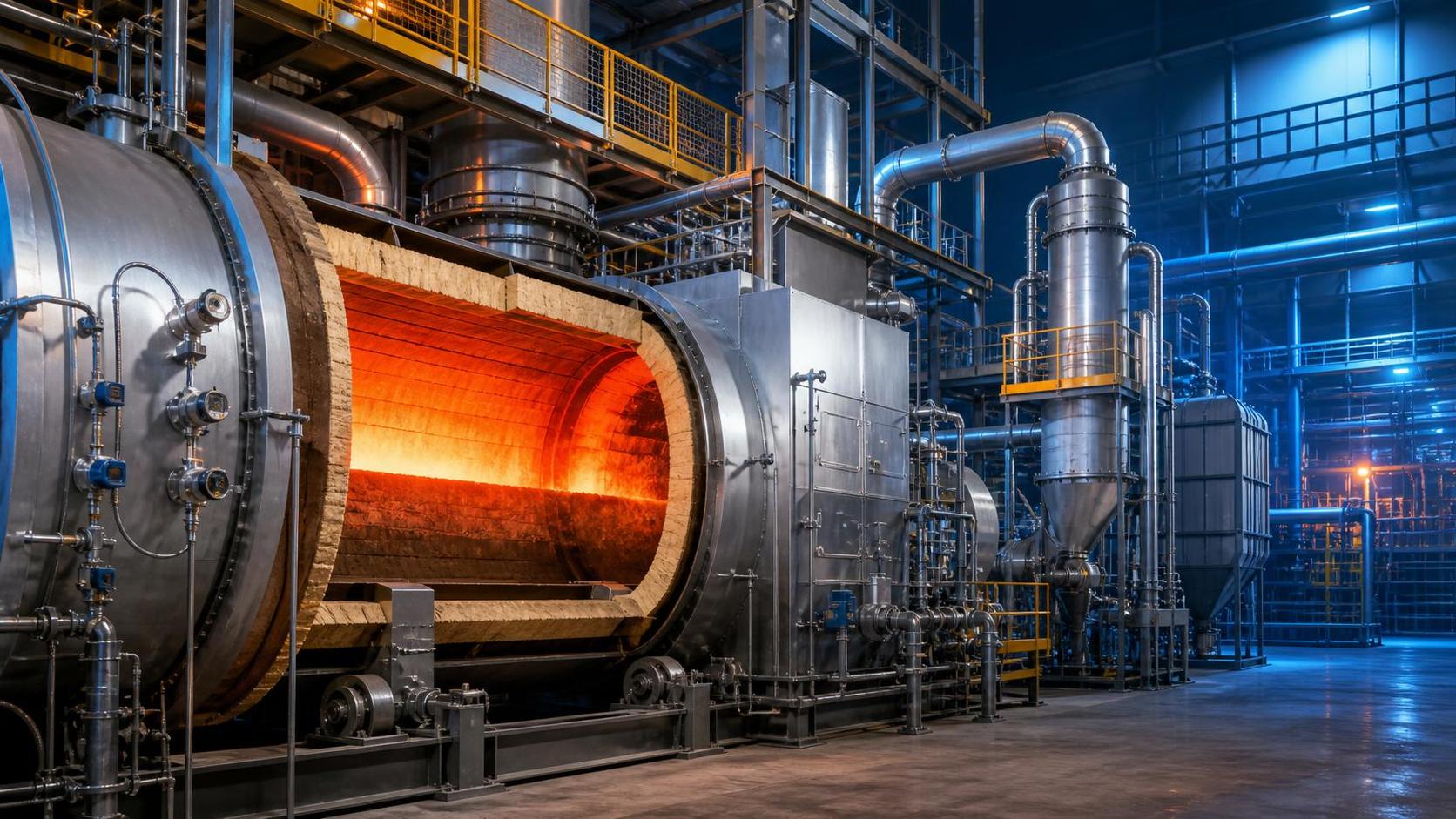
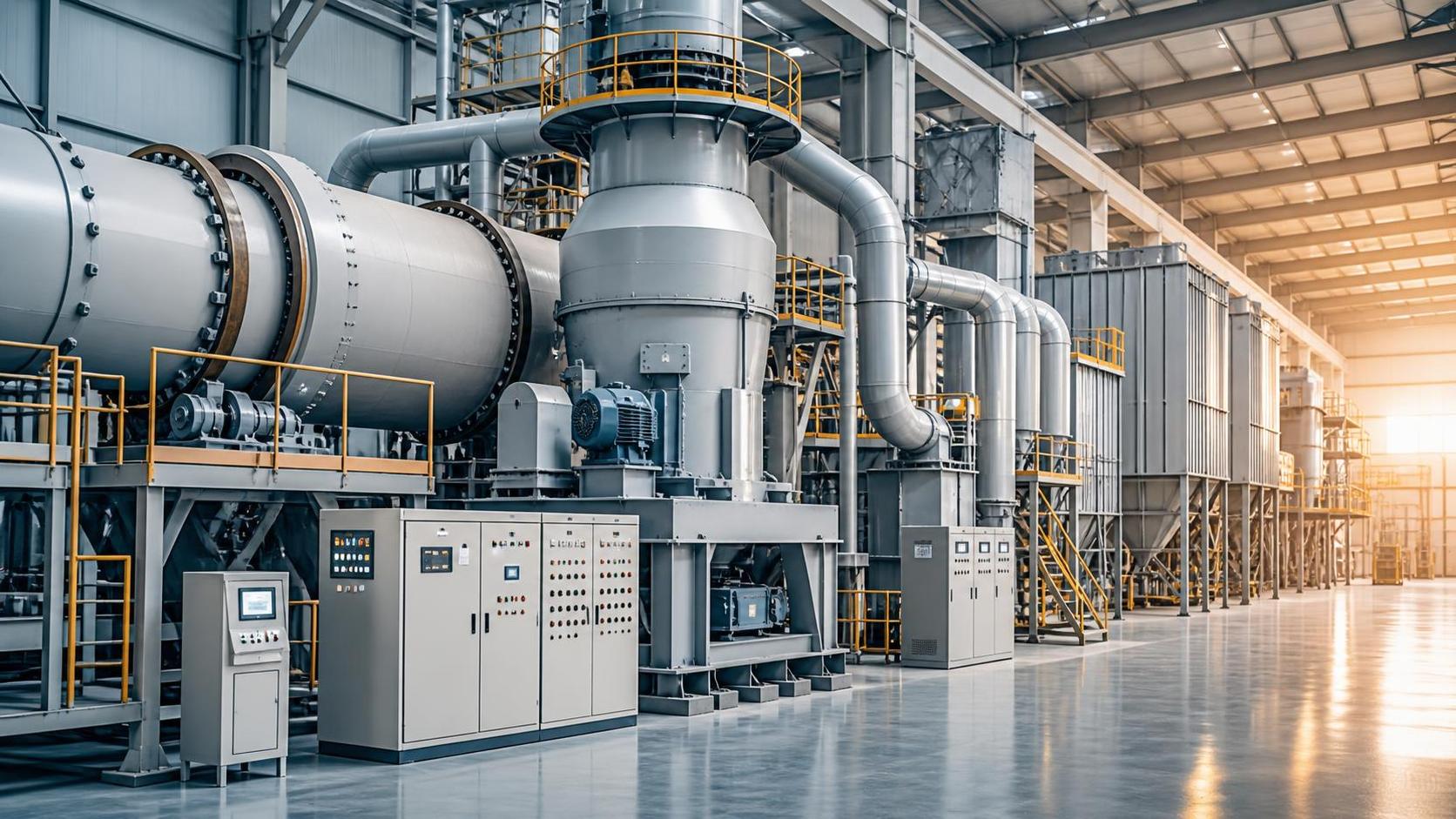
Rotary kilns, calciners, furnaces, annealing lehrs, dryers, and coolers define the heat profile. Their design affects flame shape, transfer efficiency, and reaction uniformity.
Material preparation and feeding
Crushers, mills, batch systems, mixers, and feeders determine particle size distribution and feed consistency. Poor preparation often looks like a reaction problem later.
Forming and handling systems
Extruders, rollers, molds, conveyors, and casting sections convert processed material into saleable geometry. Mechanical stress here can damage otherwise good chemistry.
Monitoring and control layers
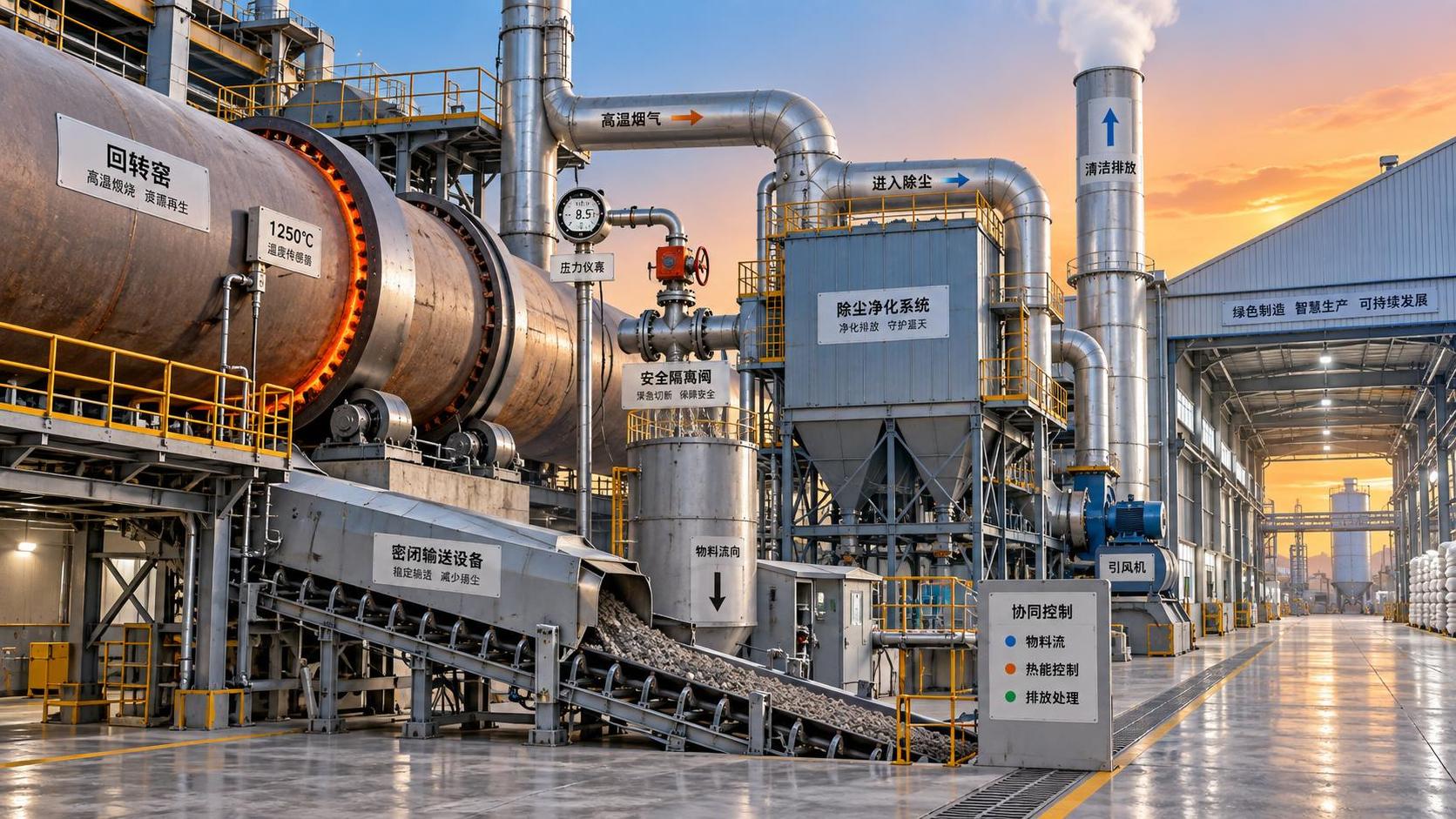
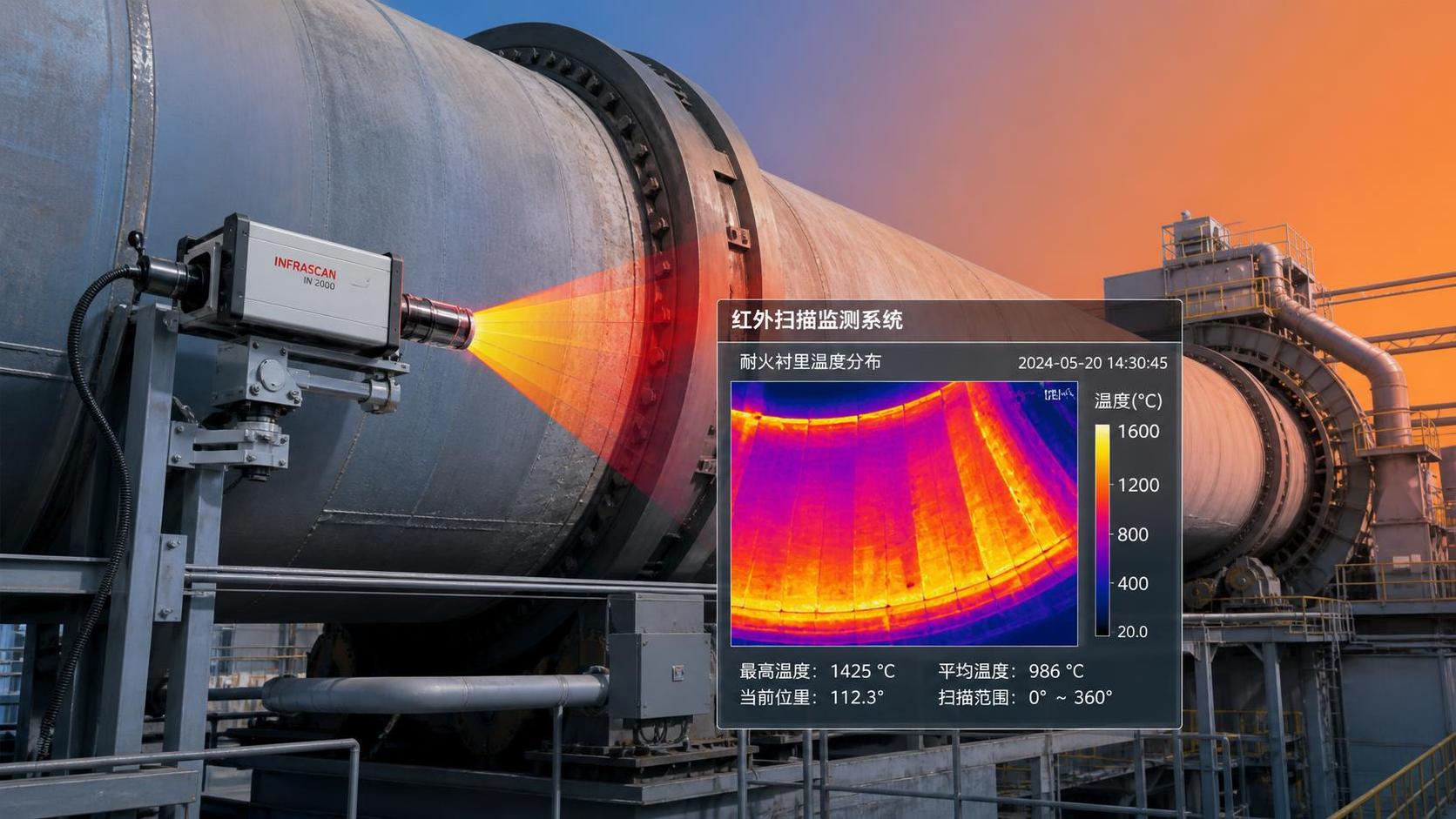
Sensors, analyzers, online cameras, digital twins, and refractory monitoring tools increasingly define plant competitiveness. They reduce blind spots in high-temperature operations.
A concise comparison helps clarify where silicate process engineering usually delivers the most operational value.
In other words, silicate process engineering is rarely about one machine. It is about whether each equipment block supports the same reaction and energy logic.
Where is silicate process engineering applied most clearly in operating plants?
The clearest plant applications appear where heat, mineral transformation, and throughput must stay synchronized for long production cycles.
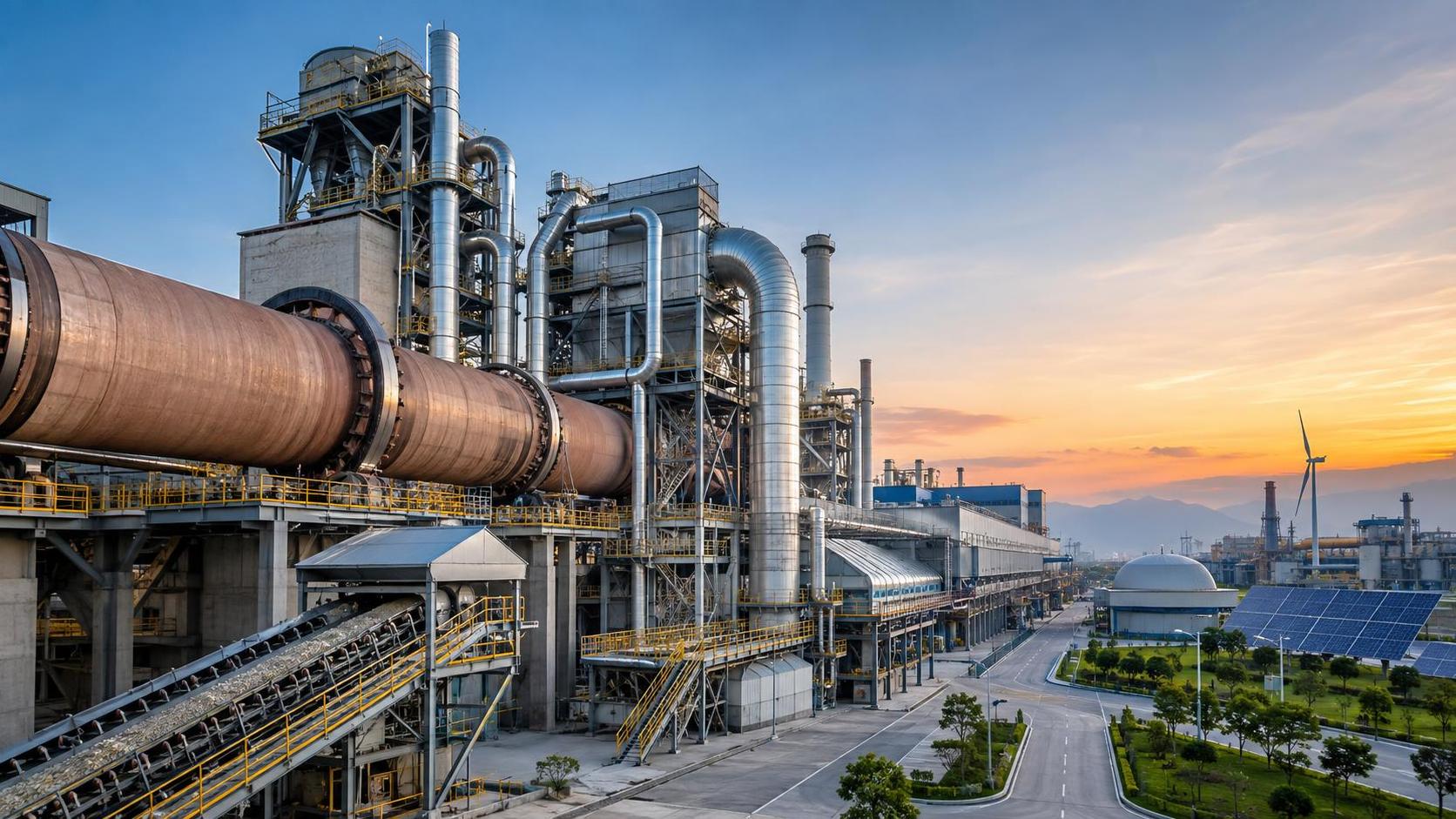
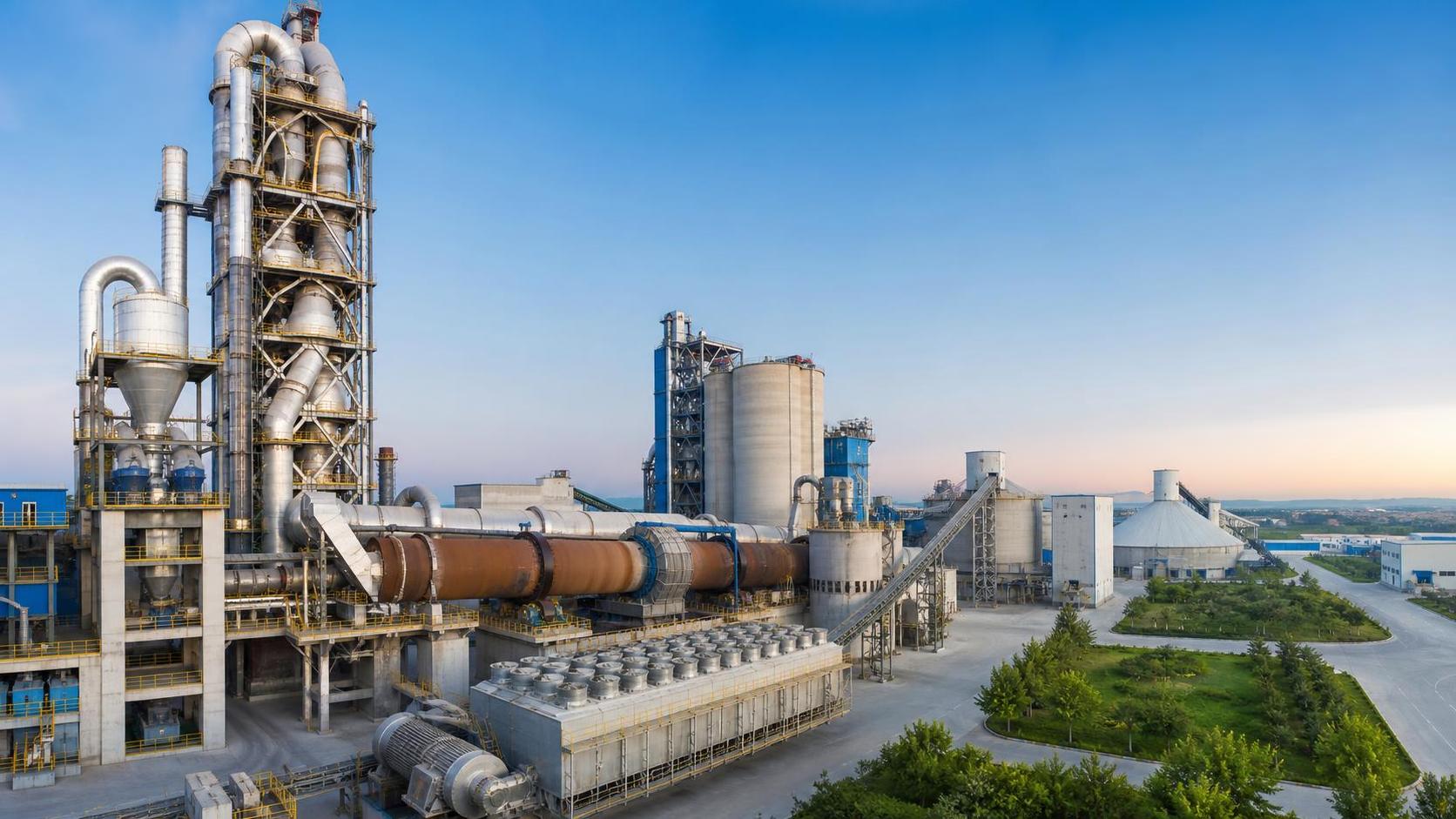
Cement production is the most familiar example. Here, silicate process engineering supports raw mix design, calciner efficiency, kiln stability, clinker mineral quality, and dust control.
Glass plants use the same discipline differently. The focus is on melting behavior, fining, viscosity control, thermal gradients, and defect prevention from furnace to annealing line.
In refractory production, the main value is durability under extreme conditions. Process choices influence density, phase development, and long-term service life inside metallurgical and kiln environments.
Industrial incineration also connects strongly with silicate process engineering. Ash chemistry, slagging tendency, refractory wear, and secondary heat use all depend on controlled thermal reactions.
Extruded building materials provide another important application. Moisture balance, pressure response, drying schedule, and firing behavior decide whether lightweight products stay efficient and structurally reliable.
This cross-sector range is one reason CF-Elite frames the field through “Foundation Materials and Thermal Management.” The same engineering logic travels across different plants, even when product forms differ.
How do you judge whether a process line is well engineered or only oversized?
Capacity figures alone rarely tell the story. A line can be large and still underperform if the thermal, chemical, and control windows are poorly matched.
A better evaluation starts with process balance. Does raw material variability stay within a controllable range? Can the system hold stable temperature and residence time? Is the product consistently within target phase or defect limits?
In silicate process engineering, stronger plants usually show the following traits:
- Thermal zones are measurable rather than estimated.
- Feed chemistry is tracked before instability appears downstream.
- Refractory life is monitored as a process variable, not only a maintenance issue.
- Waste heat, emissions, and product quality are reviewed together.
- Digital tools support decisions, but operators still understand the physical process.
That last point matters more than it seems. Advanced dashboards help, yet silicate process engineering still depends on sound interpretation of material behavior inside harsh thermal environments.
A common mistake is to compare lines only by fuel consumption. More complete judgment includes product yield, lining campaign life, downtime frequency, and emissions compliance under normal production swings.
What mistakes or blind spots tend to weaken silicate process engineering projects?
The first blind spot is treating chemistry, equipment, and sustainability as separate decisions. In practice, they affect each other every day.
Another frequent error is underestimating raw material variability. Small shifts in moisture, alkali load, particle size, or impurity level can move the entire process away from its ideal window.
There is also a planning mistake that appears in many high-temperature facilities. Teams optimize peak output first, then address wear, energy recovery, or monitoring later.
More often, the better approach is the reverse. Stable thermal architecture and measurable control points create the foundation for sustainable capacity.
A few warning areas deserve special attention:
- Using generic refractory selections in chemically aggressive zones.
- Ignoring cooler or annealing behavior while focusing only on heating.
- Adding alternative fuels without rechecking ash interaction and flame stability.
- Collecting data without linking it to operating decisions.
This is where sector intelligence becomes useful. CF-Elite’s interest in digital twins, co-processing trends, and online lining monitoring reflects real operational needs rather than abstract technology trends.
If you are still learning the field, what should you examine next?
A good next step is to stop viewing silicate process engineering as a narrow technical label. It is better understood as a decision framework for high-temperature mineral transformation.
Start by mapping one process line from feed entry to final discharge. Note the key reactions, the dominant thermal zones, the stress points for equipment, and the quality indicators that matter most.
Then compare that map with wider industry signals. Carbon reduction targets, waste-to-energy integration, smart monitoring, and advanced refractory performance are all changing how silicate process engineering is evaluated.
For practical research, it helps to organize the next questions around four checkpoints:
- Which reactions create the most value or risk in the line?
- Which equipment controls those reactions most directly?
- Which data points reveal process drift early enough to act?
- Which decarbonization measures change material or thermal balance?
That sequence usually leads to better understanding than looking at equipment lists alone.
In the end, silicate process engineering becomes clearer when reactions, equipment, plant applications, and energy strategy are studied together. That integrated view is the most reliable basis for further comparison, evaluation, and technical research.
Related News
 Thermal Energy ArchitectWhy Heat-Resistant Materials Lose Abrasion Resistance at High TemperaturesHeat-resistant materials abrasion resistance can decline at high temperatures. Discover the thermal, chemical, and mechanical causes of wear—and how to choose longer-lasting linings.Sep 16, 2026
 Thermal Energy ArchitectHow to Evaluate a Thermal Energy Optimization Company for High-Temperature PlantsChoose a thermal energy optimization company with proven process expertise, measurable savings, and reliable delivery for high-temperature plants. Learn what to assess.Sep 15, 2026
 Thermal Energy ArchitectRotary Kiln Efficiency: How Feed Rate, Fuel Use, and Heat Loss Affect OutputRotary kiln efficiency explained: discover how feed rate, fuel use, heat loss, combustion, and cooling performance shape output, quality, and energy costs.Sep 14, 2026
 Thermal Energy ArchitectHow to Select Heat-Resistant Materials That Maintain Abrasion Resistance in KilnsHeat-resistant materials abrasion resistance: learn how to select kiln linings that withstand heat, wear, thermal cycling, and chemical attack for longer service life.Sep 13, 2026
 Thermal Energy ArchitectHow Rotary Kiln Automation Improves Temperature Control and Fuel EfficiencyRotary kiln technology automation enhances temperature control, stabilizes combustion, and improves fuel efficiency with smarter data, predictive control, and safer operations.Sep 12, 2026
 Silicate Process EngineerCement Plant Emission Control: Selecting Systems for Dust, NOx, and SO2 LimitsCement plant emission control guide: compare dust collectors, NOx reduction, and SO2 systems for reliable compliance across kiln modes, fuel changes, and operating upsets.Sep 11, 2026
 Thermal Energy ArchitectSelecting Abrasion-Resistant High-Temperature Materials for Kiln and Conveyor Wear ZonesHigh-temp material engineering guide to abrasion-resistant kiln and conveyor solutions—match wear, heat, chemistry, and installation design for longer service life.Sep 10, 2026
 Dr. Alistair VaughnIndustrial Process Engineering: How to Map Processes for Safer, More Efficient PlantsIndustrial process engineering reveals bottlenecks, safety risks, and energy losses through practical process mapping for safer, more efficient plants.Sep 09, 2026
 Optical Glass Tech FellowHow to Evaluate a Glass Annealing Equipment Manufacturer for Production StabilityChoose a glass annealing equipment manufacturer with proven thermal uniformity, reliable controls, lifecycle value, and responsive service for stable production.Sep 08, 2026
 Prof. Marcus ChenThermal Energy Architecture in North America: Strategies for Lower Building Energy UseThermal energy architecture North America helps project leaders cut building energy use through stronger envelopes, right-sized HVAC, storage, and smart commissioning.Sep 07, 2026
 Ms. Elena RodriguezHow Should Buyers Evaluate Building Material Industry Intelligence Pricing?Building material industry intelligence pricing: learn how to compare coverage, technical depth, and ROI to choose intelligence that reduces procurement risk.Sep 07, 2026
 Ms. Elena RodriguezHow to Use Building Material Intelligence Data for Market and Investment DecisionsBuilding material industry intelligence data helps leaders evaluate demand, costs, regulation, capacity, and technology to make smarter market and investment decisions.Sep 05, 2026
 Thermal Energy ArchitectHow PLC Control Improves Energy Efficiency and Temperature Stability in KilnsEnergy efficient kilns PLC control improves temperature stability, cuts fuel waste, and optimizes combustion, draft, and material flow. Explore proven strategies for smarter kiln modernization.Sep 04, 2026
 Optical Glass Tech FellowEuropean Glass Melting Processes: Furnace Choices, Energy Use, and Quality ControlGlass melting process Europe: explore furnace choices, energy efficiency, cullet strategy, and quality control to improve output, compliance, and long-term glass performance.Sep 03, 2026
 Thermal Energy ArchitectWhat Determines Refractory Lining Monitoring Price for Industrial Kilns?Refractory lining monitoring price depends on kiln size, sensor technology, installation, software, and support. Compare total lifecycle costs and choose the right solution.Sep 02, 2026
 Silicate Process EngineerCement Production System Costs: A Plant Buyer’s Guide to Budgeting and ROICement production systems cost planning made clear: compare CAPEX, operating costs, compliance, and ROI to build a resilient, profitable cement plant investment.Sep 01, 2026
 Dr. Alistair VaughnWhat Should a Process Technology Database Track for High-Temperature Plants?Process technology database essentials for high-temperature plants: track thermal profiles, feed chemistry, refractory wear, emissions, energy, and maintenance for safer, data-driven decisions.Aug 31, 2026
 Ms. Elena RodriguezHow to Evaluate a Silicate Processing Equipment Manufacturer for Plant ProjectsSilicate processing equipment manufacturer selection: assess process fit, guarantees, energy, compliance, delivery risk, and lifecycle support for dependable plant performance.Aug 30, 2026
 Dr. Alistair VaughnHow to Specify Custom Agricultural Processing Equipment for Throughput and HygieneEquipment customization services for agricultural processing: learn to specify hygienic, high-throughput lines that improve yield, reliability, and long-term efficiency.Aug 29, 2026
 Dr. Alistair VaughnHow to Select Process Plant Equipment for High-Temperature, Abrasive Production LinesProcess plant equipment selection for high-temperature, abrasive lines: reduce downtime, improve durability, and optimize lifecycle performance.Aug 28, 2026


Related News
- 00
0000-00
Cement Plant Emission Control: Selecting Systems for Dust, NOx, and SO2 Limits - 00
0000-00
Cement Production System Costs: A Plant Buyer’s Guide to Budgeting and ROI - 00
0000-00
How Kiln Heat Recovery Systems Cut Fuel Use in Cement and Lime Production - 00
0000-00
How to Evaluate Cement Production Plants in the Middle East for Capacity, Fuel Flexibility, and ROI - 00
0000-00
What Drives Cement Plant Upgrade Cost and How to Estimate ROI Before Investing
Weekly Insights
Stay ahead with our curated technology reports delivered every Monday.