
Cement Industry Trends in 2025: Energy Costs, Low-Carbon Upgrades, and Capacity Shifts




Cement industry trends in 2025 are becoming a board-level issue

Cement industry trends in 2025 are no longer defined by volume alone. They are being shaped by cost volatility, carbon pressure, and uneven regional investment cycles.
That shift matters because cement remains a foundation material for infrastructure, housing, logistics, and energy projects across the broader industrial economy.
The stronger signal is that margins now depend on how well plants manage thermal efficiency, fuel flexibility, emissions exposure, and asset timing.
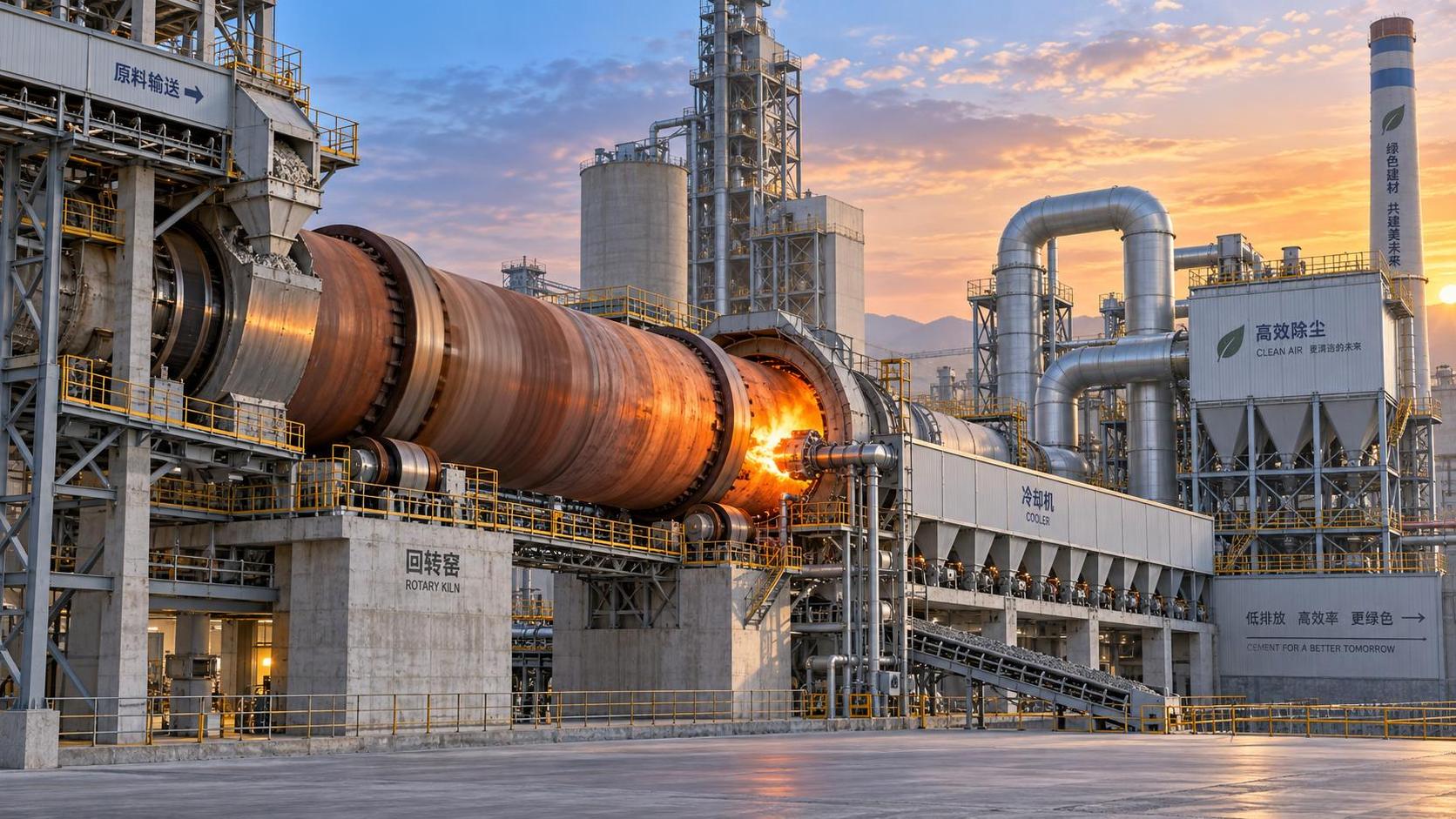
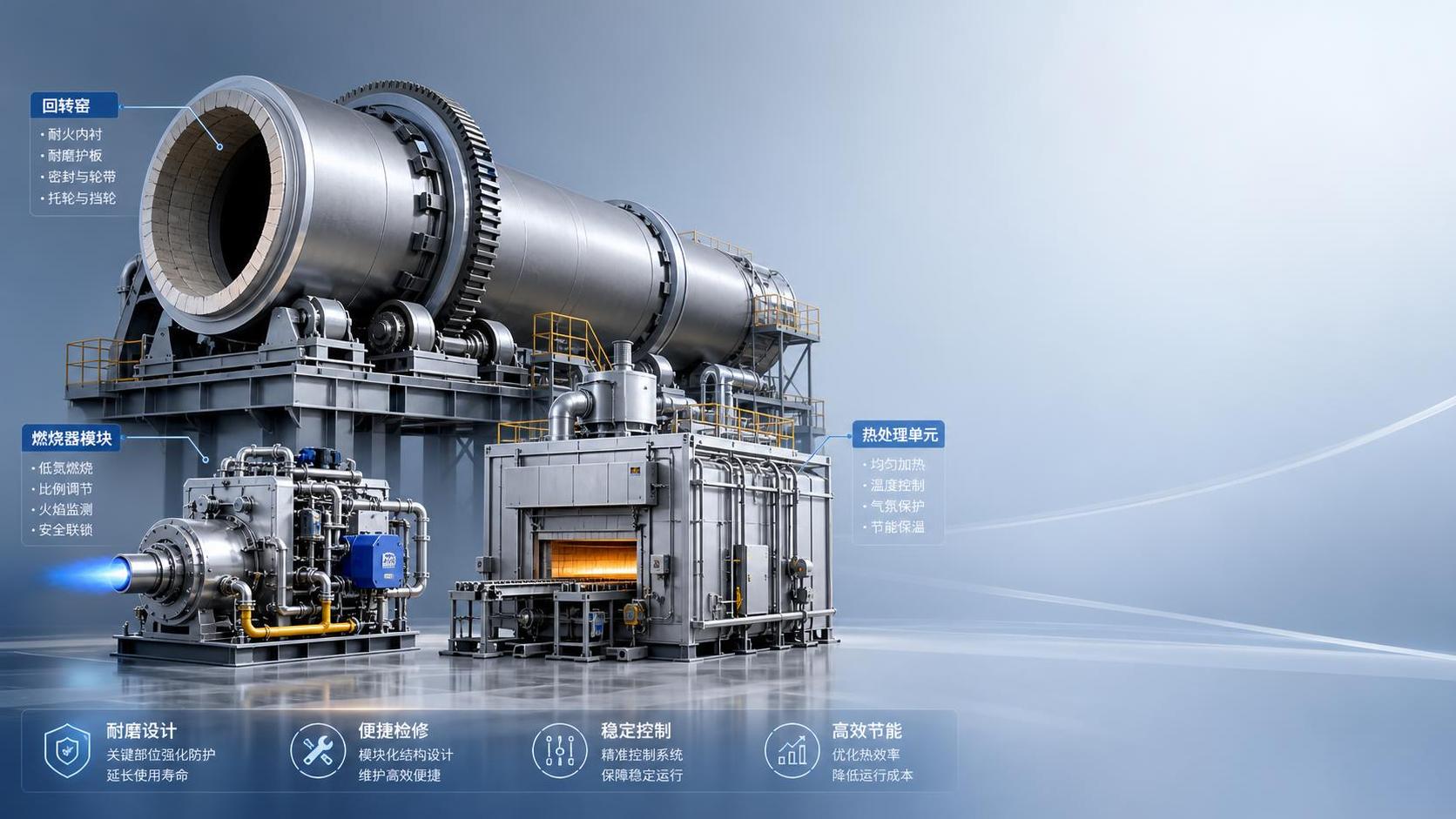
From the perspective of CF-Elite, this is not an isolated cement story. It connects kiln performance, refractory life, waste-to-energy integration, and digital process control.
In other words, cement industry trends are increasingly tied to the same high-temperature intelligence logic reshaping glass, incineration, and advanced material processing.
What makes 2025 different is the convergence of three forces. Energy costs stay unstable, low-carbon upgrades accelerate, and capacity shifts create new competitive gaps between regions.
Why energy costs are hitting harder than before
Energy has always been central to cement economics. In 2025, however, it is becoming a strategic variable rather than a predictable operating line.
Fuel markets remain exposed to geopolitical risk, shipping disruption, and local power price adjustments. This creates wide differences in clinker cost even among technically similar plants.
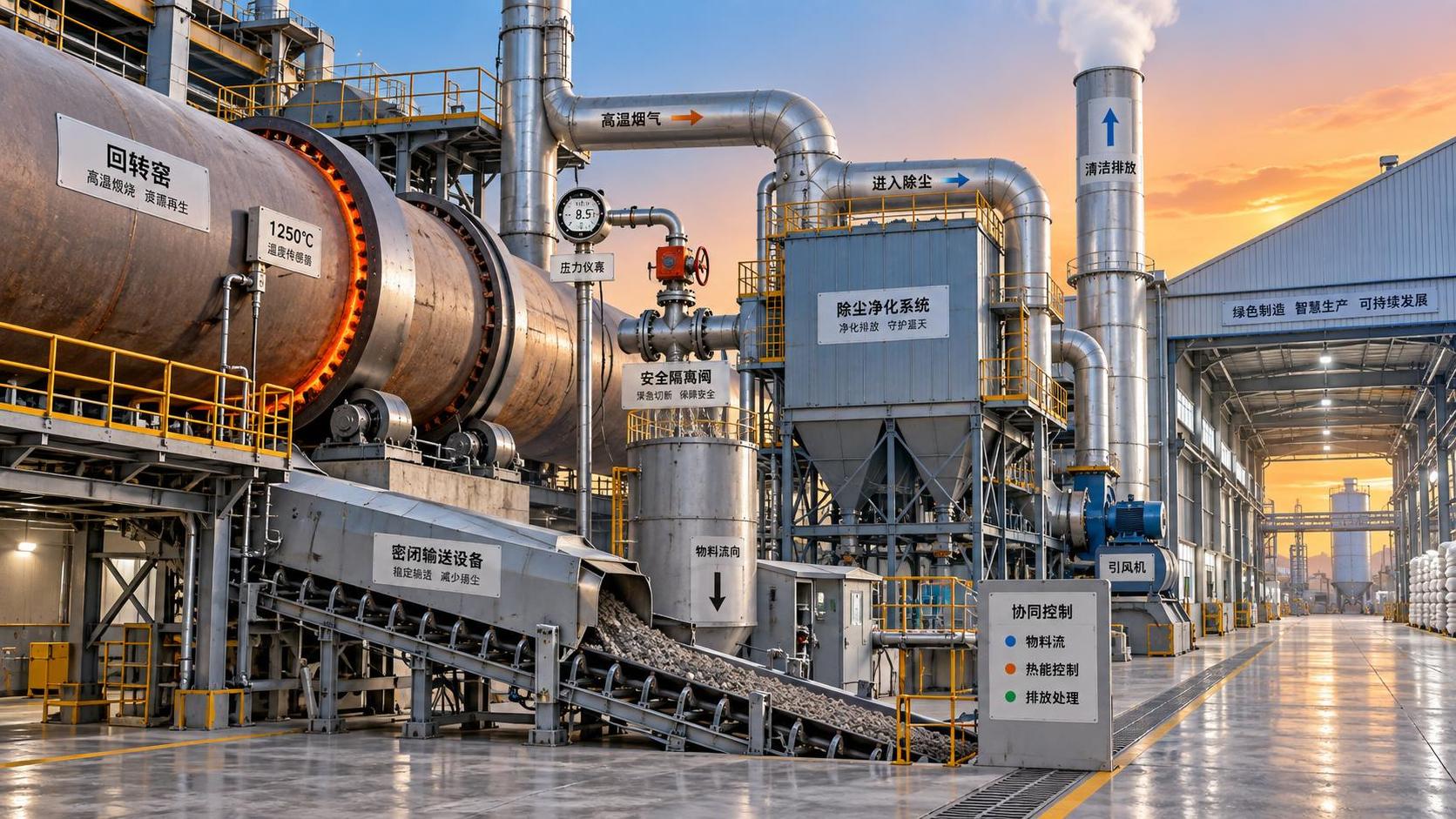
Electricity is also becoming more sensitive. Grinding, conveying, fans, and pollution control systems are under growing pressure from tariff changes and grid instability.
More importantly, carbon pricing and energy pricing are starting to reinforce each other. Inefficient heat use now brings a double penalty in cost and compliance.
That is why cement industry trends increasingly reward plants that can read thermal data in real time and adjust operations before losses become structural.
Low-carbon retrofits are moving from pilot projects to core strategy
Another clear feature of cement industry trends is the shift from reporting ambition to physical plant modification.
This does not always mean full plant replacement. In many markets, the real movement is retrofit-led modernization around the kiln line.
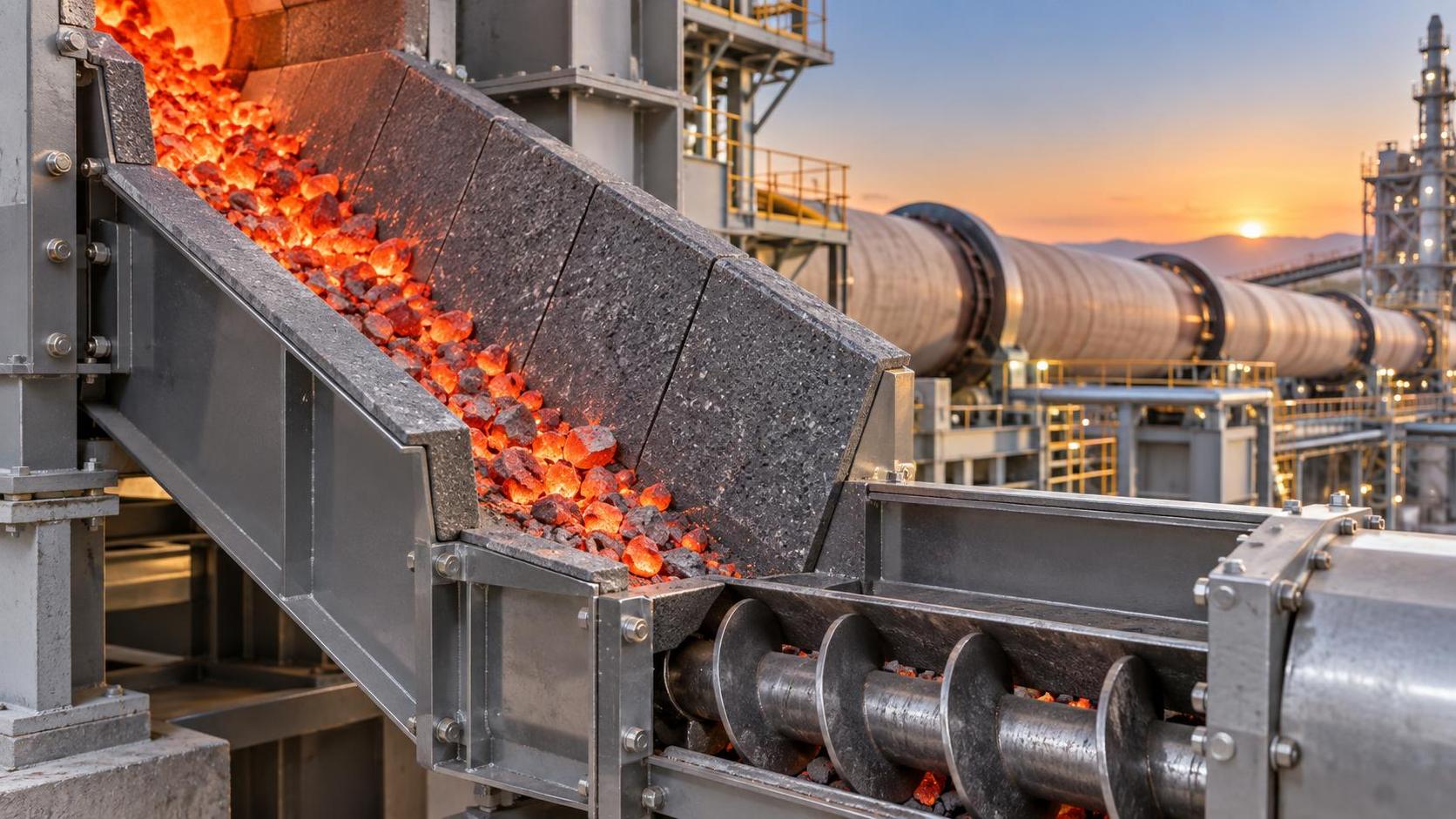
The focus is practical. Producers are looking at alternative fuel systems, clinker factor reduction, heat recovery, digital combustion control, and better refractory performance.
These measures matter because they address carbon intensity without waiting for breakthrough technologies to become cheap or widely available.
In actual deployment, plants are prioritizing upgrades that shorten payback through lower fuel use, steadier kiln operation, or reduced unplanned shutdowns.
That is where CF-Elite’s broader view of thermal management becomes relevant. Carbon performance often improves fastest when process stability improves first.
- Alternative fuel feeding systems are expanding where waste streams and permitting support stable substitution rates.
- Waste heat recovery is regaining attention in regions with expensive power or tighter emissions economics.
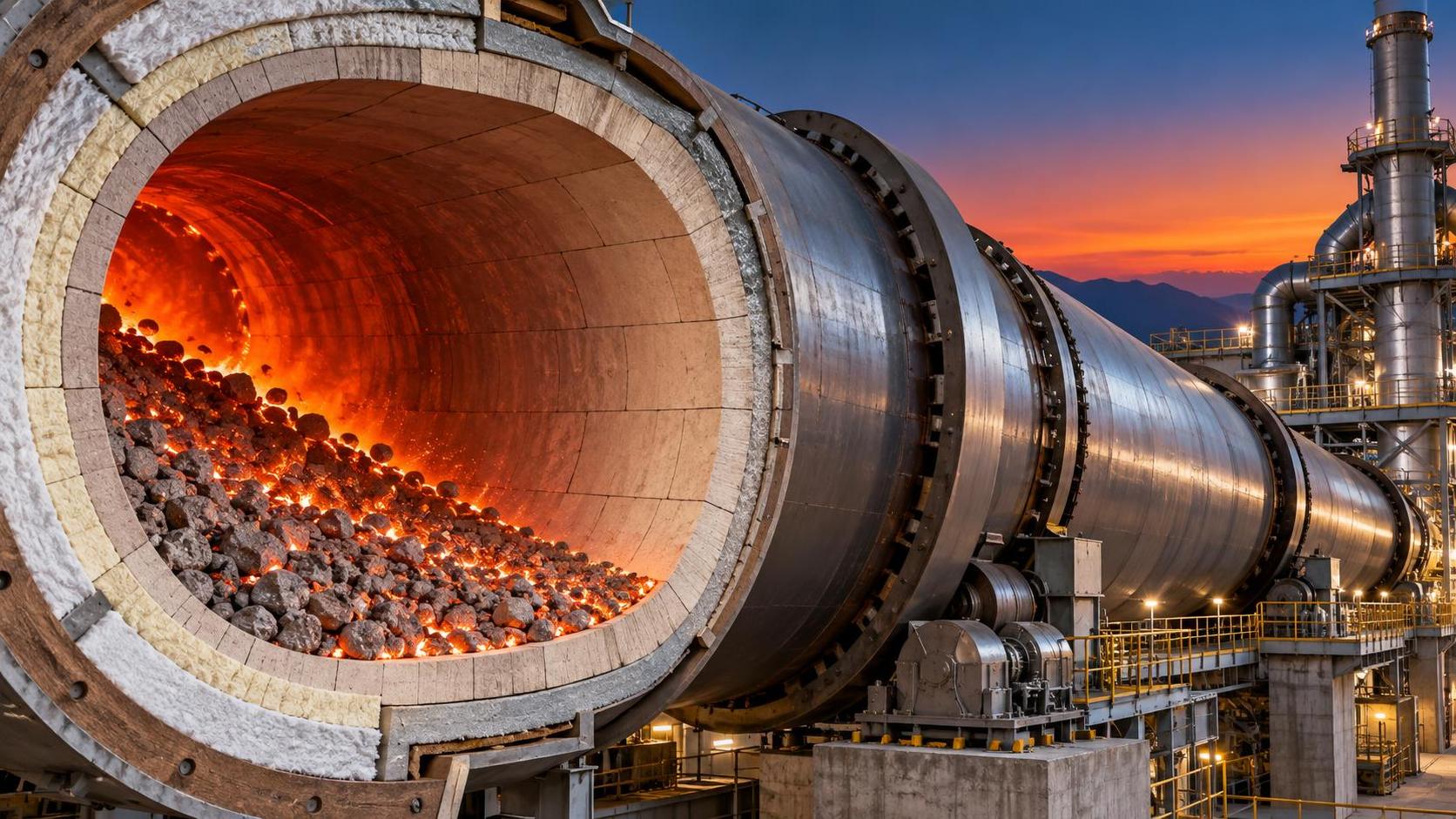
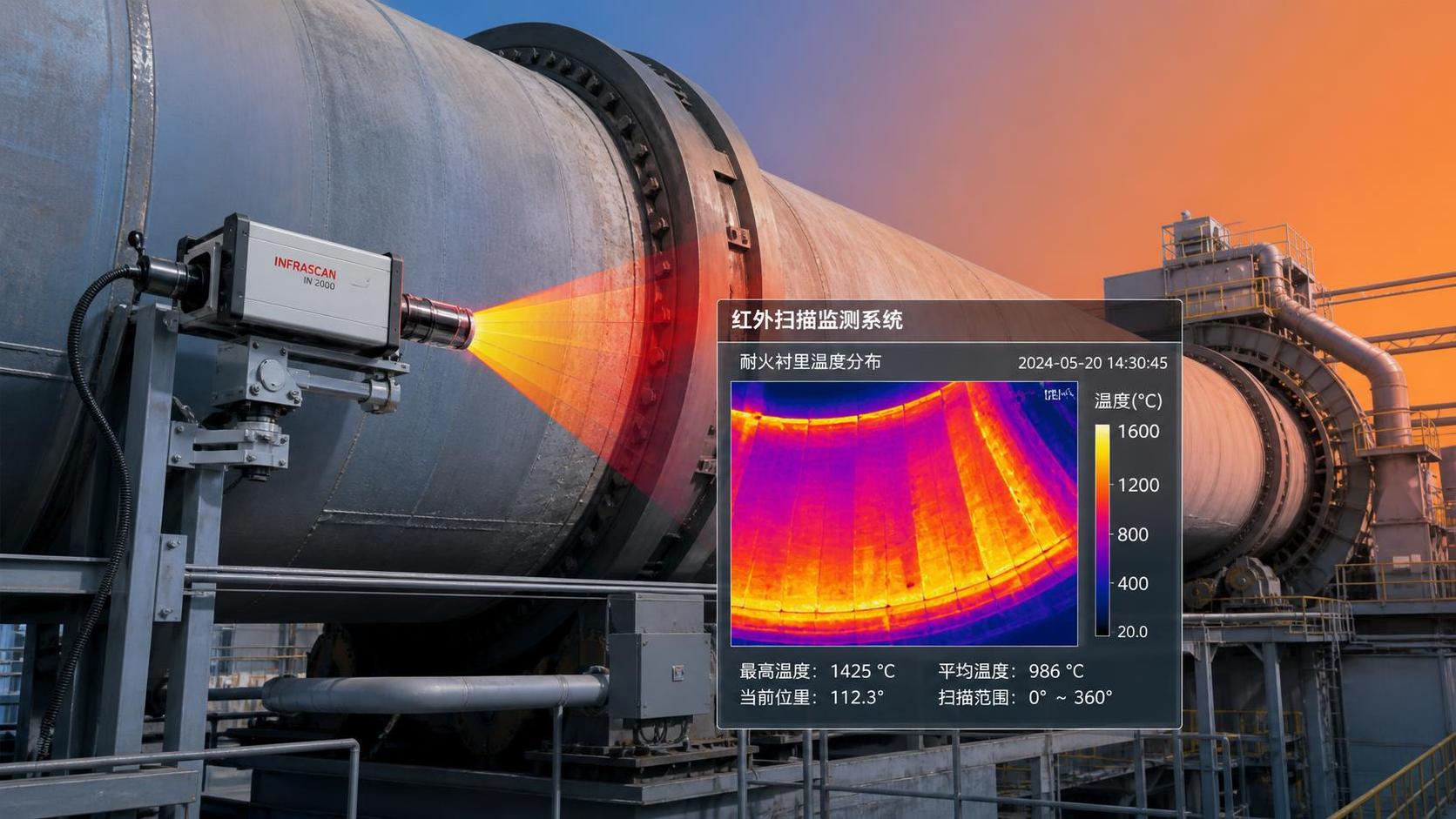
- Online monitoring for refractory lining and burner zones is helping reduce heat loss and extend campaign life.
- Digital twins and advanced control logic are improving flame stability, raw mix response, and energy balance decisions.
Capacity shifts are creating a less uniform global market
Cement industry trends also reflect a deeper geographic split. Capacity is no longer expanding, idling, or upgrading at the same pace across regions.
Some mature markets face slow construction demand, strict environmental rules, and older kilns. There, rationalization and retrofit decisions dominate.
Other markets still see infrastructure demand, urban expansion, and industrial corridor development. In those areas, newer lines can enter with better energy profiles.
This divergence changes trade flows. It can shift clinker exports, alter equipment demand, and reshape where technical service capacity is needed most.
More worth watching is the quality gap between installed capacity and effective capacity. Nameplate volume means less when fuel access, emissions constraints, or maintenance risk limit output.
As a result, cement industry trends in 2025 are not just about how much capacity exists. They are about which assets can run competitively under new cost and carbon conditions.
What this means for cross-border competition
Plants with flexible fuel systems and stronger process control can defend margins even in volatile markets. Plants with rigid configurations face sharper downside risk.
Equipment suppliers and industrial service networks also feel the shift. Demand is moving toward upgrades that combine compliance, efficiency, and uptime rather than simple capacity additions.
The impact is spreading beyond the kiln itself
One common mistake is to read cement industry trends only through cement pricing. The larger impact runs through the whole high-temperature production ecosystem.
Refractory demand is changing because hotter alternative fuel conditions and longer efficiency campaigns require better thermal barriers and smarter maintenance planning.
Industrial incineration links are also growing more relevant. Co-processing becomes more attractive where waste handling, energy recovery, and emissions control can be integrated credibly.
Digital infrastructure is another pressure point. Plants need better sensing, predictive analytics, and simulation tools to manage increasingly narrow operating windows.
This broader pattern fits CF-Elite’s strategic intelligence lens. Cement, glass, incineration, and extrusion are different businesses, but they share energy, heat, lining, and control challenges.
That connection helps explain why cement industry trends now matter to wider industrial planning, not only to cement production teams.
Where the most useful signals are coming from now
The market is producing many headlines, but not all signals carry equal strategic value. A few indicators deserve closer attention over the next planning cycle.
- Thermal substitution rates: They show whether alternative fuel plans are becoming operational reality or staying at policy level.
- Clinker factor movement: It reflects how quickly low-carbon material strategies are entering mainstream production economics.
- Kiln uptime versus energy intensity: The relationship reveals whether efficiency gains are sustainable or achieved by stressing equipment.
- Regional retrofit spending: It often provides an earlier signal than output data about where competition will improve next.
- Environmental rule enforcement: Actual enforcement matters more than announced targets when judging near-term plant behavior.
From recent demand patterns, the most capable operators are not chasing every decarbonization headline. They are filtering for changes that alter operating math within two to five years.
How to respond without overreacting to every market swing
The practical response to cement industry trends in 2025 is disciplined prioritization. Not every plant needs the same upgrade path, and not every market justifies the same pace.
A useful starting point is to separate short-cycle efficiency actions from long-cycle structural bets. That keeps capital decisions tied to operational evidence.
This approach supports clearer investment sequencing. It also reduces the risk of buying isolated technologies that do not improve plant-wide competitiveness.
A clearer reading of cement industry trends for the next cycle
The strongest reading of cement industry trends is not that the sector is entering a single new phase. It is that performance gaps are widening faster than before.
Energy volatility punishes inefficiency. Low-carbon retrofits reward operational discipline. Capacity shifts favor assets built or upgraded for a more constrained industrial future.
For that reason, the next step is less about reacting to one headline and more about building a sharper monitoring framework.
Track fuel flexibility, thermal stability, retrofit economics, regulatory enforcement, and real regional utilization. Those signals usually reveal market direction before annual output numbers do.
Within that framework, CF-Elite’s cross-sector view offers practical value. It connects kiln operations, lining behavior, waste-energy links, and process intelligence into one decision context.
That is the more useful way to read cement industry trends in 2025: not as noise, but as a test of who can turn high-temperature complexity into durable competitive advantage.
Related News
 Thermal Energy ArchitectRotary Kiln Efficiency: How Feed Rate, Fuel Use, and Heat Loss Affect OutputRotary kiln efficiency explained: discover how feed rate, fuel use, heat loss, combustion, and cooling performance shape output, quality, and energy costs.Sep 14, 2026
 Thermal Energy ArchitectHow to Select Heat-Resistant Materials That Maintain Abrasion Resistance in KilnsHeat-resistant materials abrasion resistance: learn how to select kiln linings that withstand heat, wear, thermal cycling, and chemical attack for longer service life.Sep 13, 2026
 Thermal Energy ArchitectHow Rotary Kiln Automation Improves Temperature Control and Fuel EfficiencyRotary kiln technology automation enhances temperature control, stabilizes combustion, and improves fuel efficiency with smarter data, predictive control, and safer operations.Sep 12, 2026
 Silicate Process EngineerCement Plant Emission Control: Selecting Systems for Dust, NOx, and SO2 LimitsCement plant emission control guide: compare dust collectors, NOx reduction, and SO2 systems for reliable compliance across kiln modes, fuel changes, and operating upsets.Sep 11, 2026
 Thermal Energy ArchitectSelecting Abrasion-Resistant High-Temperature Materials for Kiln and Conveyor Wear ZonesHigh-temp material engineering guide to abrasion-resistant kiln and conveyor solutions—match wear, heat, chemistry, and installation design for longer service life.Sep 10, 2026
 Dr. Alistair VaughnIndustrial Process Engineering: How to Map Processes for Safer, More Efficient PlantsIndustrial process engineering reveals bottlenecks, safety risks, and energy losses through practical process mapping for safer, more efficient plants.Sep 09, 2026
 Optical Glass Tech FellowHow to Evaluate a Glass Annealing Equipment Manufacturer for Production StabilityChoose a glass annealing equipment manufacturer with proven thermal uniformity, reliable controls, lifecycle value, and responsive service for stable production.Sep 08, 2026
 Prof. Marcus ChenThermal Energy Architecture in North America: Strategies for Lower Building Energy UseThermal energy architecture North America helps project leaders cut building energy use through stronger envelopes, right-sized HVAC, storage, and smart commissioning.Sep 07, 2026
 Ms. Elena RodriguezHow Should Buyers Evaluate Building Material Industry Intelligence Pricing?Building material industry intelligence pricing: learn how to compare coverage, technical depth, and ROI to choose intelligence that reduces procurement risk.Sep 07, 2026
 Ms. Elena RodriguezHow to Use Building Material Intelligence Data for Market and Investment DecisionsBuilding material industry intelligence data helps leaders evaluate demand, costs, regulation, capacity, and technology to make smarter market and investment decisions.Sep 05, 2026
 Thermal Energy ArchitectHow PLC Control Improves Energy Efficiency and Temperature Stability in KilnsEnergy efficient kilns PLC control improves temperature stability, cuts fuel waste, and optimizes combustion, draft, and material flow. Explore proven strategies for smarter kiln modernization.Sep 04, 2026
 Optical Glass Tech FellowEuropean Glass Melting Processes: Furnace Choices, Energy Use, and Quality ControlGlass melting process Europe: explore furnace choices, energy efficiency, cullet strategy, and quality control to improve output, compliance, and long-term glass performance.Sep 03, 2026
 Thermal Energy ArchitectWhat Determines Refractory Lining Monitoring Price for Industrial Kilns?Refractory lining monitoring price depends on kiln size, sensor technology, installation, software, and support. Compare total lifecycle costs and choose the right solution.Sep 02, 2026
 Silicate Process EngineerCement Production System Costs: A Plant Buyer’s Guide to Budgeting and ROICement production systems cost planning made clear: compare CAPEX, operating costs, compliance, and ROI to build a resilient, profitable cement plant investment.Sep 01, 2026
 Dr. Alistair VaughnWhat Should a Process Technology Database Track for High-Temperature Plants?Process technology database essentials for high-temperature plants: track thermal profiles, feed chemistry, refractory wear, emissions, energy, and maintenance for safer, data-driven decisions.Aug 31, 2026
 Ms. Elena RodriguezHow to Evaluate a Silicate Processing Equipment Manufacturer for Plant ProjectsSilicate processing equipment manufacturer selection: assess process fit, guarantees, energy, compliance, delivery risk, and lifecycle support for dependable plant performance.Aug 30, 2026
 Dr. Alistair VaughnHow to Specify Custom Agricultural Processing Equipment for Throughput and HygieneEquipment customization services for agricultural processing: learn to specify hygienic, high-throughput lines that improve yield, reliability, and long-term efficiency.Aug 29, 2026
 Dr. Alistair VaughnHow to Select Process Plant Equipment for High-Temperature, Abrasive Production LinesProcess plant equipment selection for high-temperature, abrasive lines: reduce downtime, improve durability, and optimize lifecycle performance.Aug 28, 2026
 Silicate Process EngineerHow Kiln Heat Recovery Systems Cut Fuel Use in Cement and Lime ProductionKiln heat recovery helps cement and lime plants cut fuel use, improve thermal stability, and build practical, reliable decarbonization strategies.Aug 27, 2026
 Ms. Elena RodriguezProcess Equipment Comparison: Which Metrics Matter Most for Reliable Selection?Process equipment comparison made practical: discover which metrics truly drive reliable selection, from energy efficiency and control stability to wear life, maintainability, and uptime.Aug 26, 2026



Related News
- 00
0000-00
Cement Plant Emission Control: Selecting Systems for Dust, NOx, and SO2 Limits - 00
0000-00
Cement Production System Costs: A Plant Buyer’s Guide to Budgeting and ROI - 00
0000-00
How Kiln Heat Recovery Systems Cut Fuel Use in Cement and Lime Production - 00
0000-00
How to Evaluate Cement Production Plants in the Middle East for Capacity, Fuel Flexibility, and ROI - 00
0000-00
What Drives Cement Plant Upgrade Cost and How to Estimate ROI Before Investing
Weekly Insights
Stay ahead with our curated technology reports delivered every Monday.