
How to Spot Weak Links in Global Material Supply Planning




In global material supply planning, weak links rarely announce themselves—they appear as delayed shipments, volatile energy costs, compliance gaps, or mismatched equipment demand. For distributors, agents, and channel partners in high-temperature and foundation material industries, spotting these risks early is essential to protecting margins, improving delivery reliability, and making smarter market decisions across increasingly complex international supply networks.
The biggest shift today is not simply that supply chains are “under pressure.” It is that global material supply has become more uneven, more data-sensitive, and more exposed to policy and energy disruption than many channel partners expected. In sectors linked to cement plants, glass manufacturing gear, industrial kilns, refractory production lines, and new building material extrusion, planning mistakes now travel faster across borders. A small sourcing delay in one region can quickly affect installation schedules, spare-part demand, service commitments, and downstream capital decisions elsewhere.
For distributors serving heavy industrial customers, this means weak links can no longer be judged only by price or delivery lead time. The more useful question is: where is planning becoming fragile? The answer often sits at the intersection of material availability, thermal-energy cost exposure, environmental compliance, logistics reliability, and changing customer investment cycles.
Why weak links in global material supply are becoming easier to trigger
Several trend signals are reshaping how industrial buyers and channel partners should read supply risk. First, decarbonization policy is no longer a background issue. It increasingly influences fuel choices, kiln upgrades, emissions control retrofits, and raw material sourcing rules. Second, energy volatility
Related News
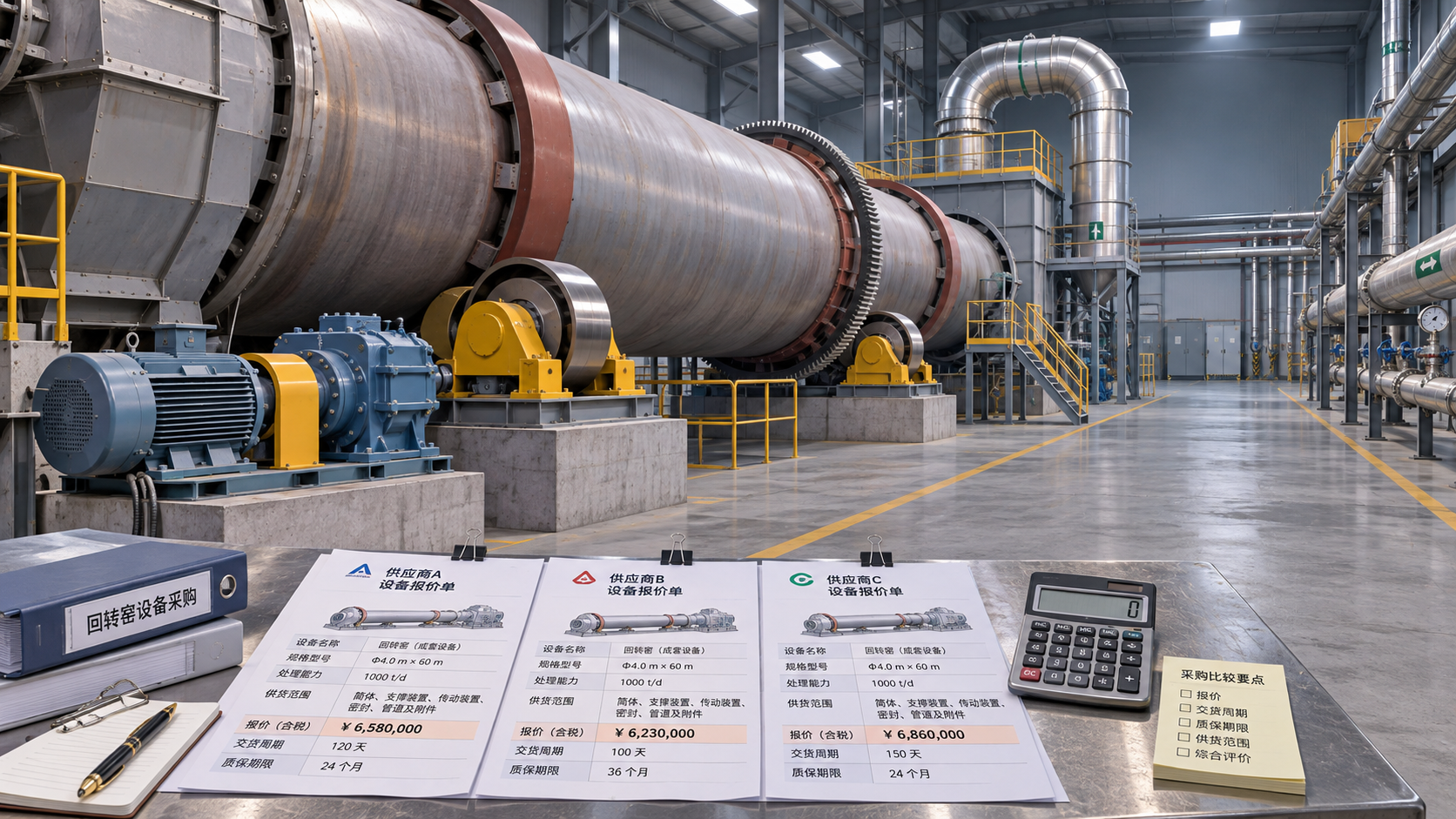
 Ms. Elena RodriguezProcess Equipment Pricing: How to Compare Quotes and Total CostsMaster process equipment comparison pricing: compare supplier quotes, uncover hidden costs, and evaluate lifetime expenses to make a confident buying decision.Nov 17, 2026
 Prof. Marcus ChenGlobal Cement Industry Decarbonization: Key Technologies and Cost BarriersExplore global cement industry decarbonization technologies, cost barriers, and practical investment strategies to cut emissions while protecting competitiveness.Nov 16, 2026
 Structural Material AnalystChoosing Specification Preparation Support for North American ProjectsChoose specification preparation support North America projects can rely on. Compare technical expertise, compliance, interfaces, and supplier acceptance criteria.Nov 14, 2026
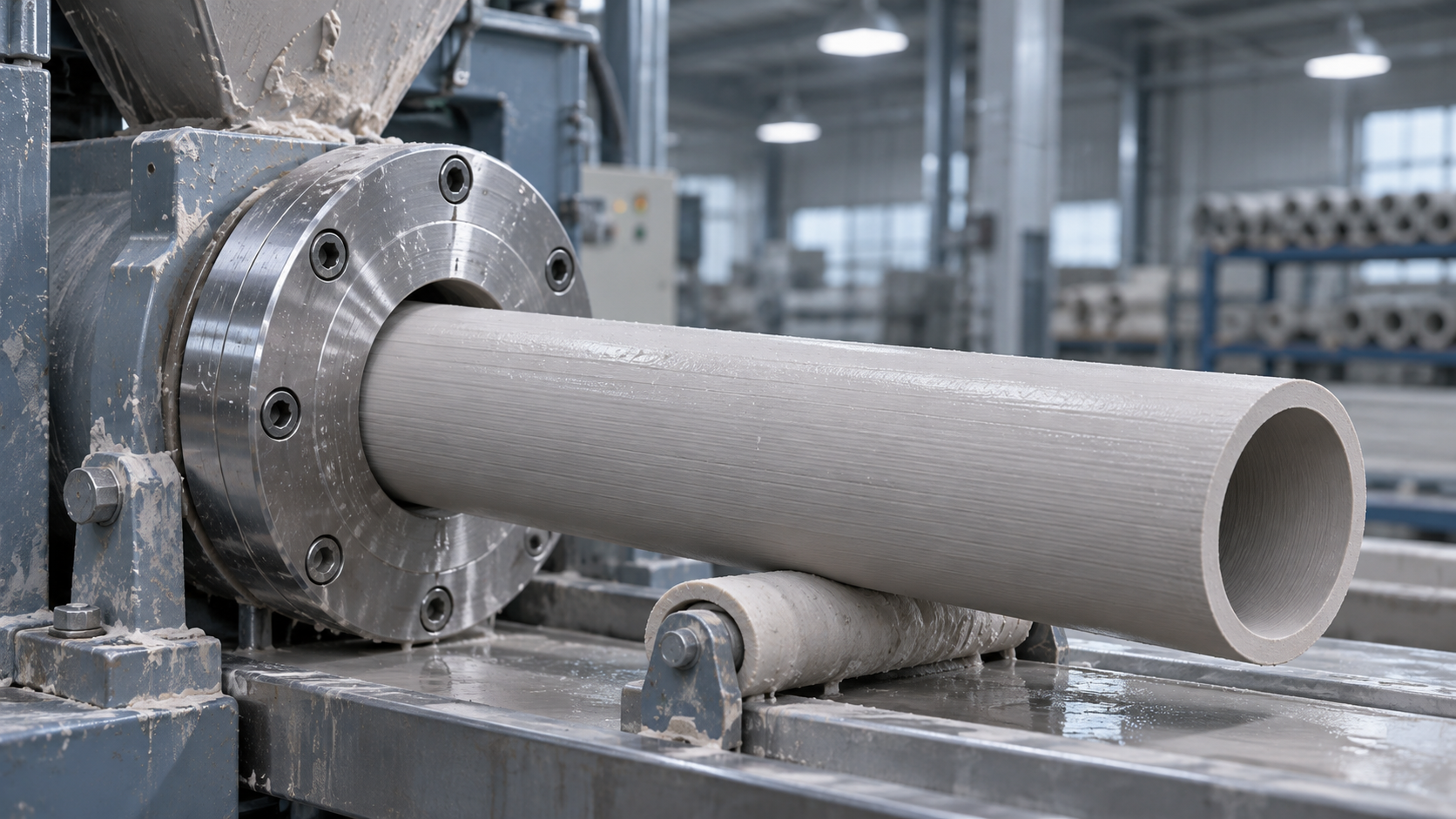
 Structural Material AnalystSpecialty Ceramic Extrusion: How Material Properties Affect FormingExplore how ceramic specialized material extrusion is shaped by particle size, binders, and solids loading—and learn to improve forming and reduce defects.Nov 13, 2026
 Ms. Elena RodriguezHigh-Pressure Molding Equipment Prices in Europe: What Affects the Total Cost?Explore high pressure molding equipment price Europe buyers can expect to assess, from tooling and installation to running costs. Compare quotes with confidence.Nov 12, 2026
 Structural Material AnalystChoosing a Vacuum Extrusion System: Capacity, Materials and Vacuum LevelsChoosing a vacuum extrusion system? Compare capacity, material behavior and vacuum levels to improve product quality and select the right equipment.Nov 11, 2026
 Optical Glass Tech FellowGlass Melting Innovations: Comparing Electric and Hybrid Furnace TechnologiesExplore glass melting innovations and compare electric and hybrid furnaces by energy use, emissions, glass quality and operating costs to find the right fit.Nov 10, 2026
 Thermal Energy ArchitectHow Thermal Barrier Technology for Kilns Reduces Heat LossDiscover how thermal barrier technology for kilns reduces heat loss, and learn how to select insulation and assess savings without compromising lining durability.Nov 09, 2026
 Prof. Marcus ChenGlobal Materials Trends: What North American Manufacturers Need to KnowExplore global material trends North America manufacturers need to know, from energy costs and supply chains to lower-carbon materials and smarter investment decisions.Nov 08, 2026
 Thermal Energy ArchitectSelecting Abrasion-Resistant Refractories for High-Wear Kiln LiningsExplore advanced refractory materials abrasion resistant enough for high-wear kiln linings. Compare wear mechanisms, thermal stability, installation and lifecycle costs.Nov 06, 2026
 Dr. Alistair VaughnIndustrial Energy Efficiency Certification: ISO 50001 Requirements for PlantsExplore industrial energy efficiency certification with ISO 50001. Learn how plants define scope, measure performance and prepare credible evidence for audits.Nov 05, 2026
 Ms. Elena RodriguezWhat Is an Industrial Intelligence Database and How Is It Used?Discover how an industrial intelligence database helps researchers map markets, track projects, compare technologies, and assess evidence with confidence.Nov 04, 2026
 Ms. Elena RodriguezIndustrial Material Pricing: How Freight and Order Volume Affect QuotesExplore industrial material pricing and learn how freight, order volume, and inventory costs affect quotes. Compare suppliers and make smarter purchasing decisions.Nov 03, 2026
 Structural Material AnalystSingle- vs. Twin-Screw Extrusion Systems: Which Suits Your Material?Choose the right specialized extrusion systems screw type for your material. Compare single- and twin-screw options to improve quality and control costs.Nov 02, 2026
 Thermal Energy ArchitectChoosing Thermal Barrier Materials for Kilns: Temperature and Heat LossExplore thermal barrier materials for kilns and learn how to balance temperature resistance, heat loss, durability and operating costs when selecting a lining.Nov 01, 2026
 Ms. Elena RodriguezSupplier Reference Platform Pricing: Fees and Contract Terms to CompareCompare supplier reference platform pricing, hidden fees, verification costs and contract terms to choose the right solution for your sourcing team.Oct 31, 2026
 Ms. Elena RodriguezSupplier Comparison Metrics: How to Score Cost, Quality, and DeliveryUse supplier comparison metrics to score cost, quality, and delivery with a practical weighted scorecard. Make more confident equipment sourcing decisions.Oct 30, 2026
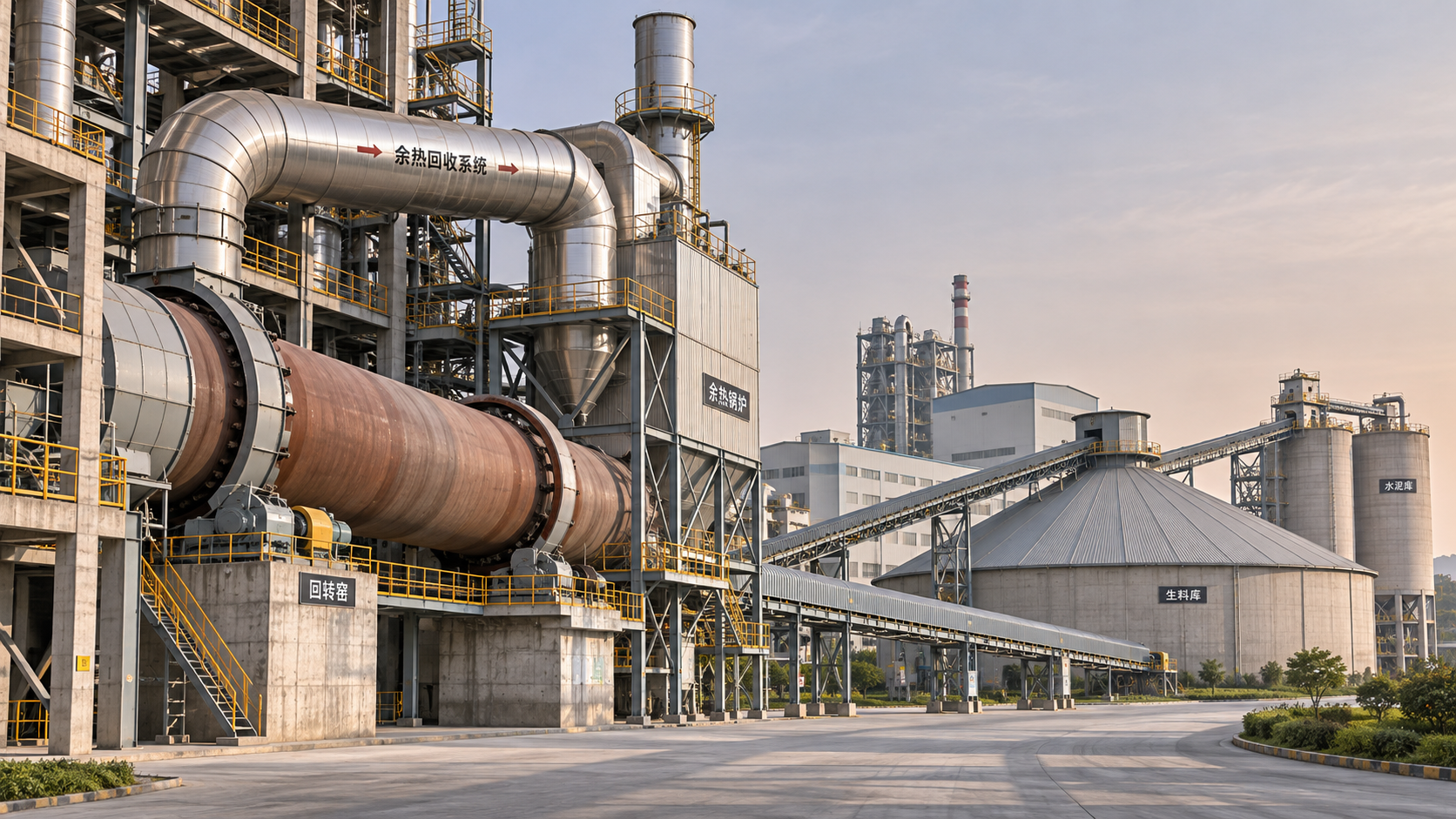
 Ms. Elena RodriguezWhat Does Industrial Waste Heat Recovery Cost, and When Does It Pay Back?Understand industrial waste heat recovery cost, from equipment and installation to net savings. Learn how to compare quotes, assess risks, and calculate realistic payback before investing.Oct 29, 2026
 Thermal Energy ArchitectChoosing Industrial Waste-to-Energy Equipment by Waste Moisture and Heating ValueChoose industrial waste to energy equipment by moisture and heating value. Compare technologies, fuel needs, and supplier guarantees to make a confident investment.Oct 28, 2026
 Thermal Energy ArchitectChoosing Industrial Kiln Insulation for High Heat and Repeated Thermal CyclingExplore high temperature industry solutions for kiln insulation under repeated thermal cycling. Compare materials, reduce heat loss, and select the right lining for your operating conditions.Oct 27, 2026


Related News
- 00
0000-00
Industrial Energy Efficiency Certification: ISO 50001 Requirements for Plants - 00
0000-00
Thermal Barrier Coatings for Gas Turbines: How They Work and Why They Fail - 00
0000-00
Industrial Waste Recycling: Selecting Conversion Systems by Feedstock and Output - 00
0000-00
What Thermal Management Data Should a Supplier Provide? - 00
0000-00
How Process Technology Platforms Improve Control Across Multi-Line Manufacturing
0000-00
Weekly Insights
Stay ahead with our curated technology reports delivered every Monday.