
What to check before scaling advanced ceramics production




Before capacity expansion begins, advanced ceramics production should be assessed as a system, not a single equipment purchase.
Small upstream variations can trigger major downstream losses in yield, cycle time, energy use, and product consistency.
That is why advanced ceramics production now sits at the intersection of materials science, thermal engineering, process control, and carbon strategy.
For sectors tracked by CF-Elite, scaling decisions increasingly depend on verified technical intelligence, not nameplate capacity alone.
This guide outlines the checks that matter most before scaling advanced ceramics production in a cost-sensitive, energy-constrained global environment.
Scaling pressure is rising across advanced ceramics production
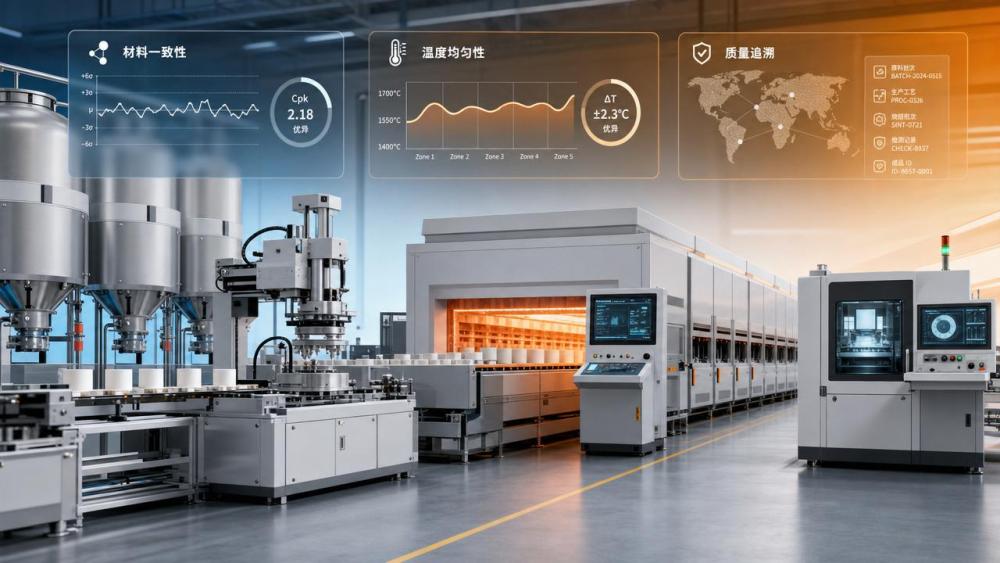
Demand is expanding in electronics, thermal barriers, wear parts, energy systems, medical components, and high-temperature industrial applications.
At the same time, quality thresholds are tightening because customers want closer tolerances, traceable batches, and more stable performance under stress.
This creates a new reality for advanced ceramics production: higher volumes must be delivered without sacrificing microstructure control or furnace efficiency.
Energy costs, emissions policy, and volatile mineral inputs are also changing investment logic across integrated thermal industries.
As a result, advanced ceramics production is no longer judged only by throughput, but by resilience, data visibility, and total lifecycle economics.
The strongest trend signals come from materials, kilns, and quality data
Several signals show whether advanced ceramics production can scale smoothly or will face hidden bottlenecks after expansion.
- Raw material purity requirements are getting tighter.
- Kiln temperature uniformity is becoming a competitive differentiator.
- Binder behavior and granulation consistency affect forming stability.
- Inline monitoring is replacing delayed corrective action.
- Energy intensity is now part of commercial evaluation.
- Supplier qualification is moving from price comparison to risk mapping.
These signals matter because advanced ceramics production scales poorly when variability remains invisible until sintering defects appear.
Why advanced ceramics production becomes fragile during expansion
The core issue is that advanced ceramics production depends on linked variables across powder preparation, forming, drying, firing, finishing, and inspection.
When capacity rises, cycle interactions intensify, and minor inconsistencies become repeated losses.
This is why advanced ceramics production should be reviewed as a thermal-materials network before any scale-up commitment.
What to verify first in raw materials and powder preparation
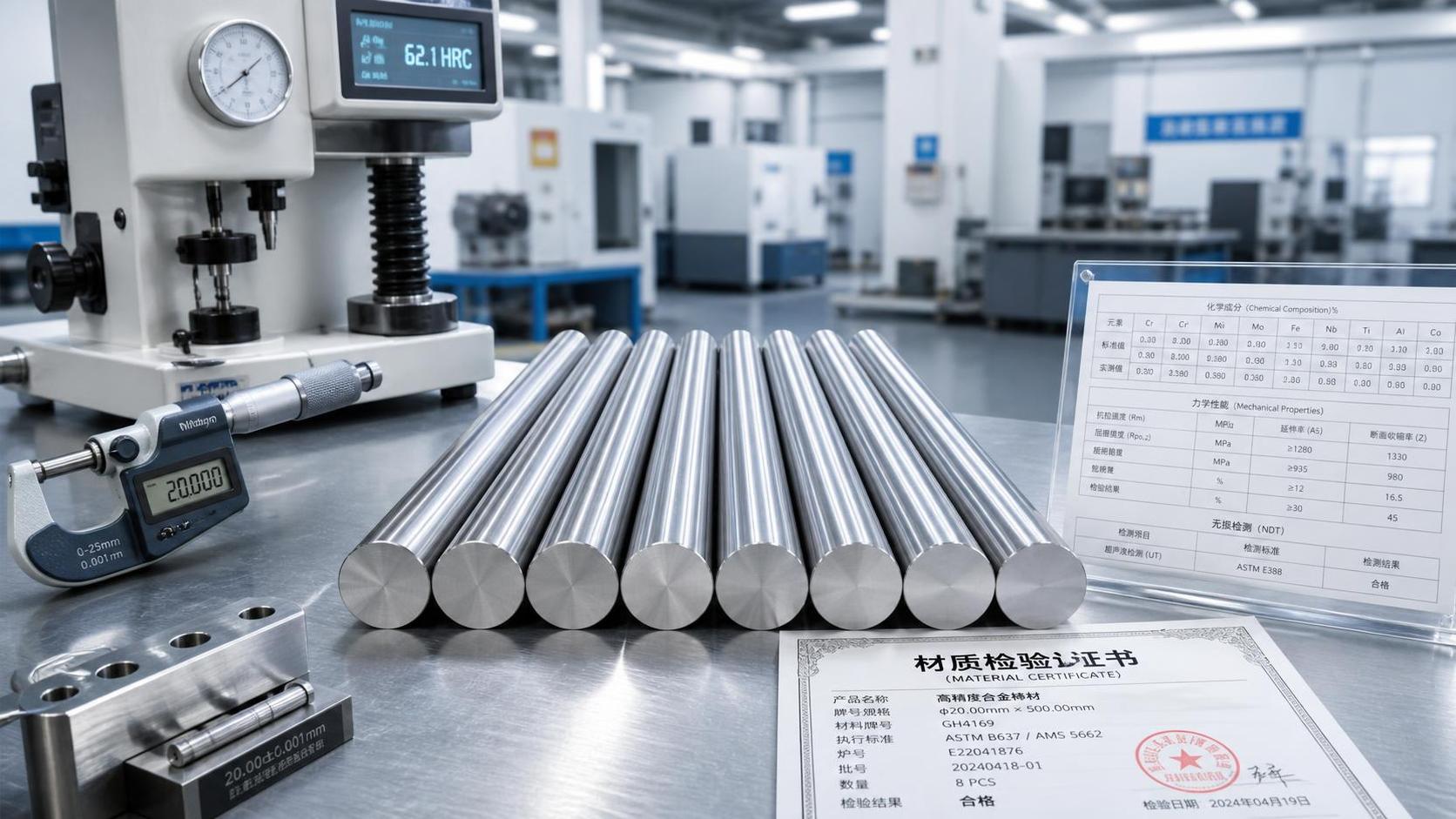
Material consistency is the first gate for advanced ceramics production, especially in alumina, zirconia, silicon carbide, silicon nitride, and mixed formulations.
Expansion should not proceed without confirming chemical purity, particle distribution, lot stability, and contamination control.
Critical checks
- Certificate data matches independent incoming inspection results.
- Milling media and liners do not introduce harmful trace elements.
- Spray drying produces stable granule flow and packing behavior.
- Binder and additive systems remain stable under larger batch conditions.
- Alternative sources are prequalified before shortages occur.
In advanced ceramics production, poor powder preparation often appears later as weak green bodies, inconsistent densification, or excessive machining loss.
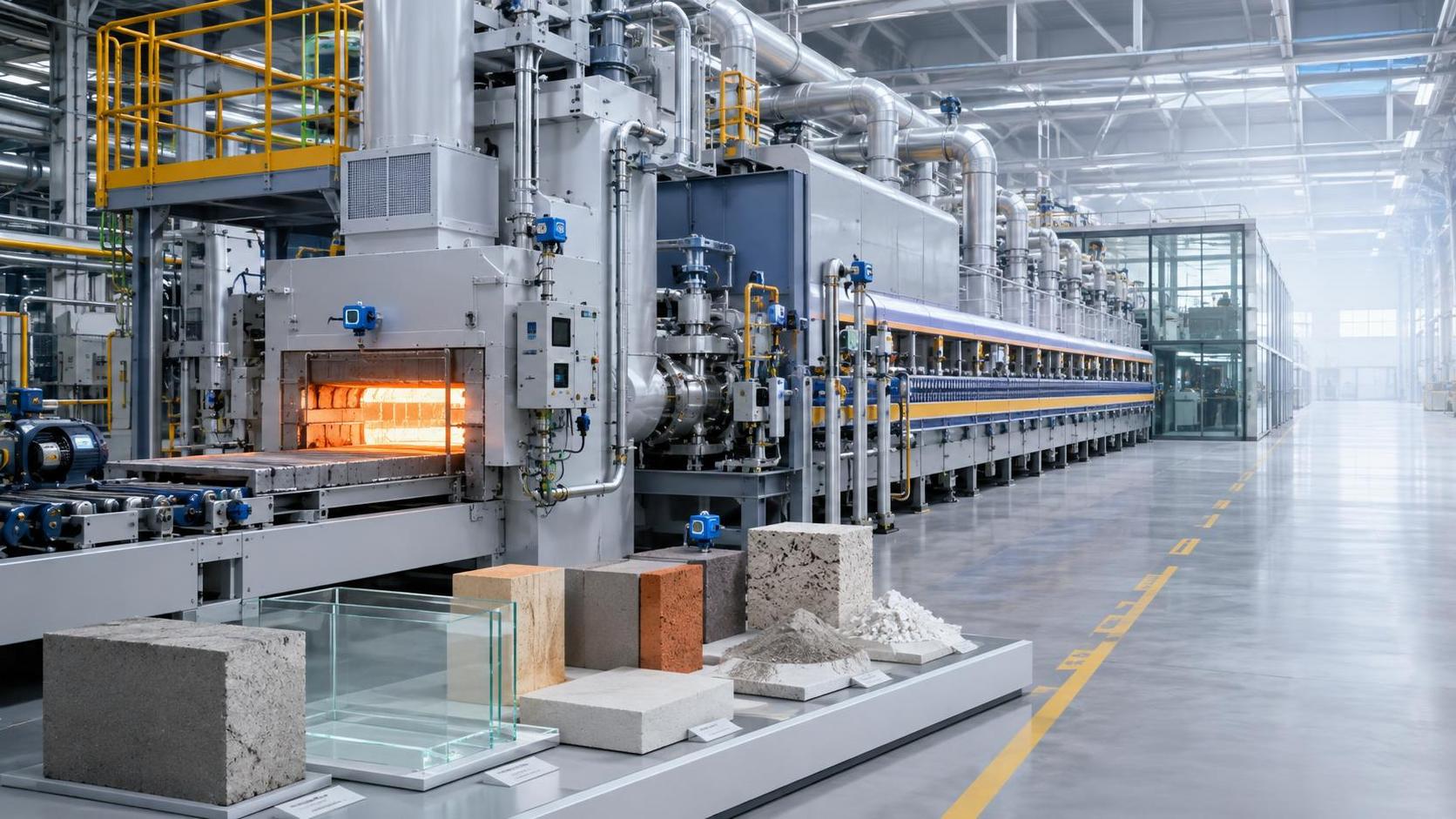
Kiln and furnace performance decide whether advanced ceramics production scales cleanly
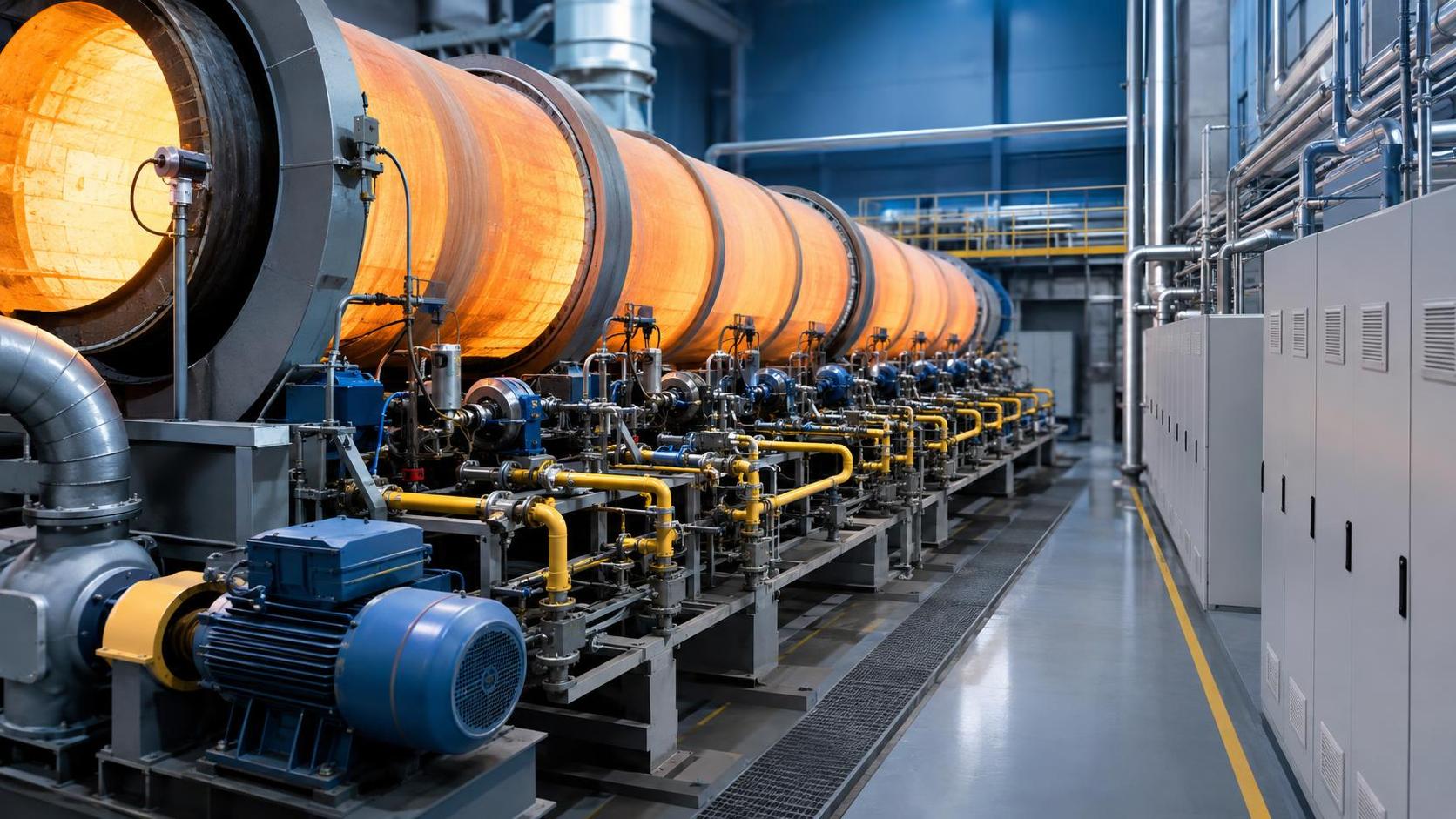
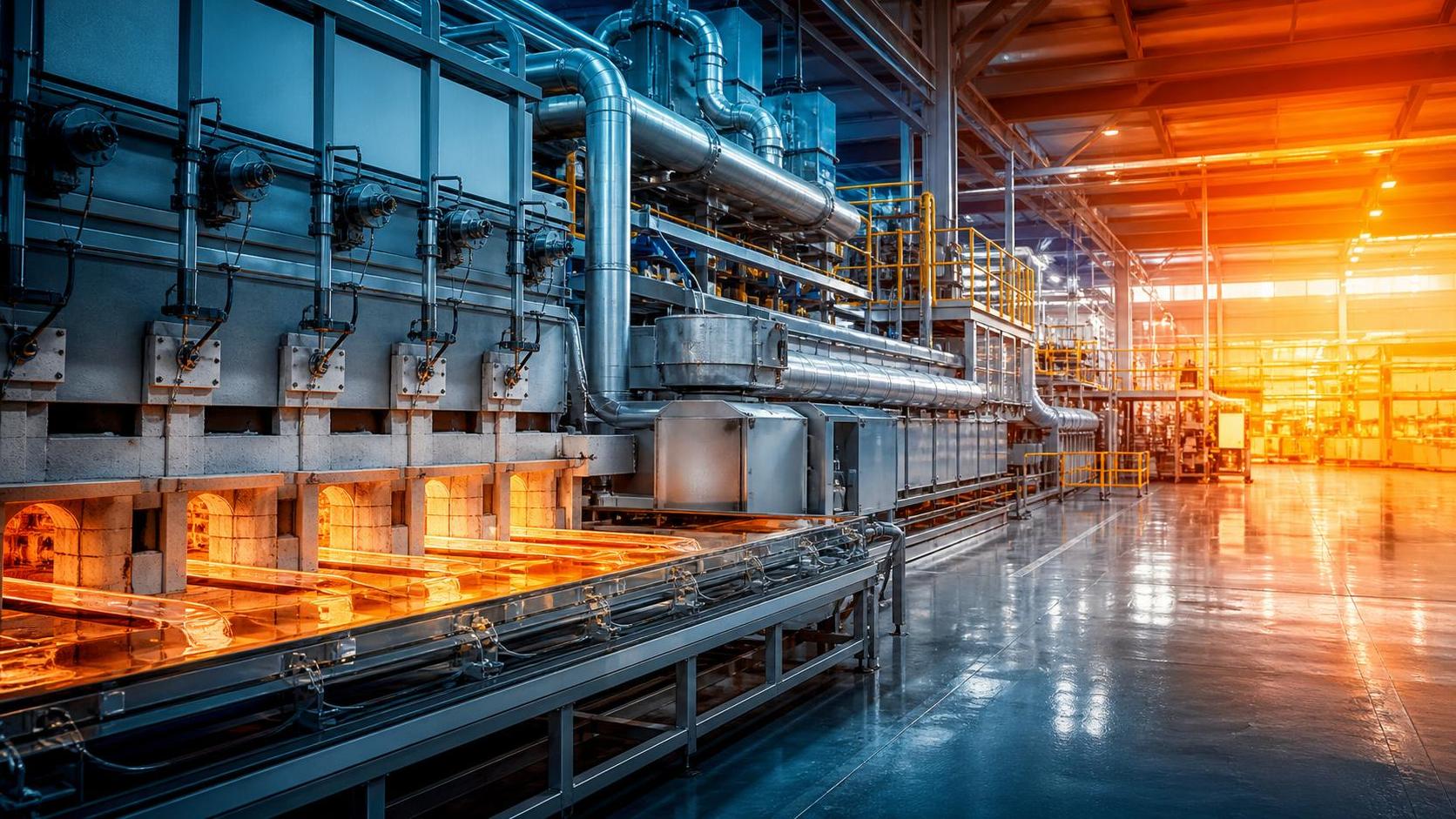
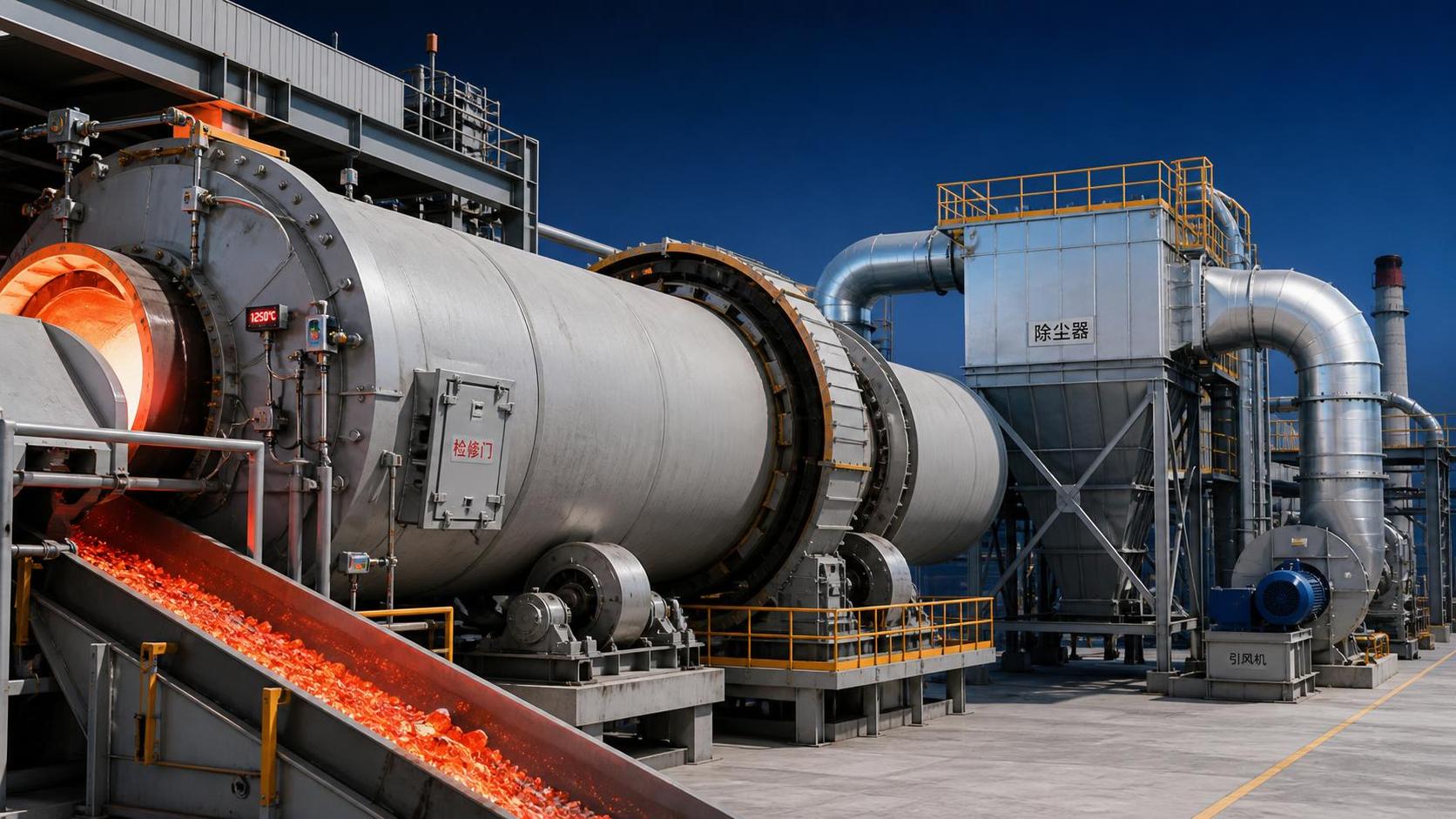
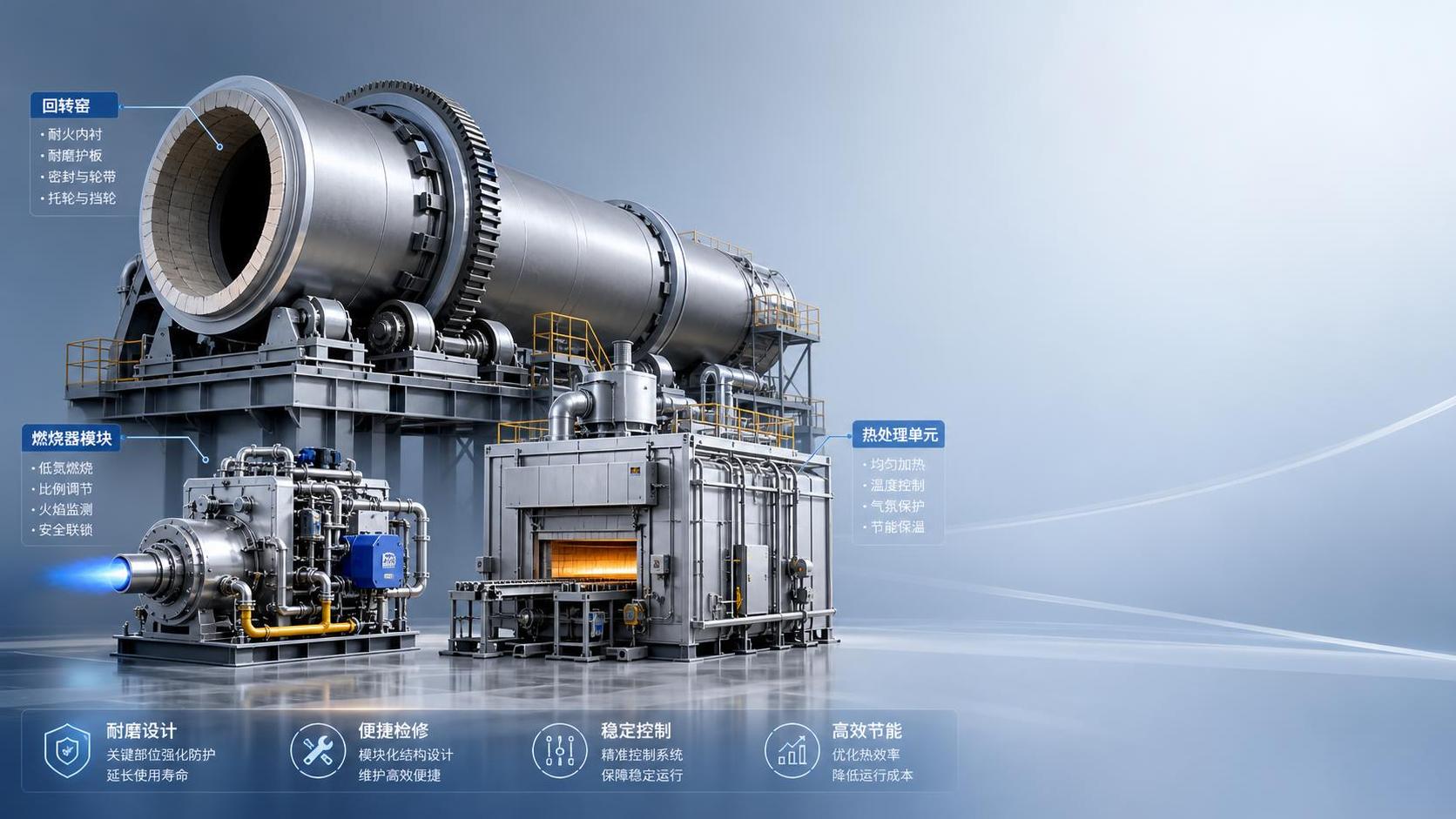
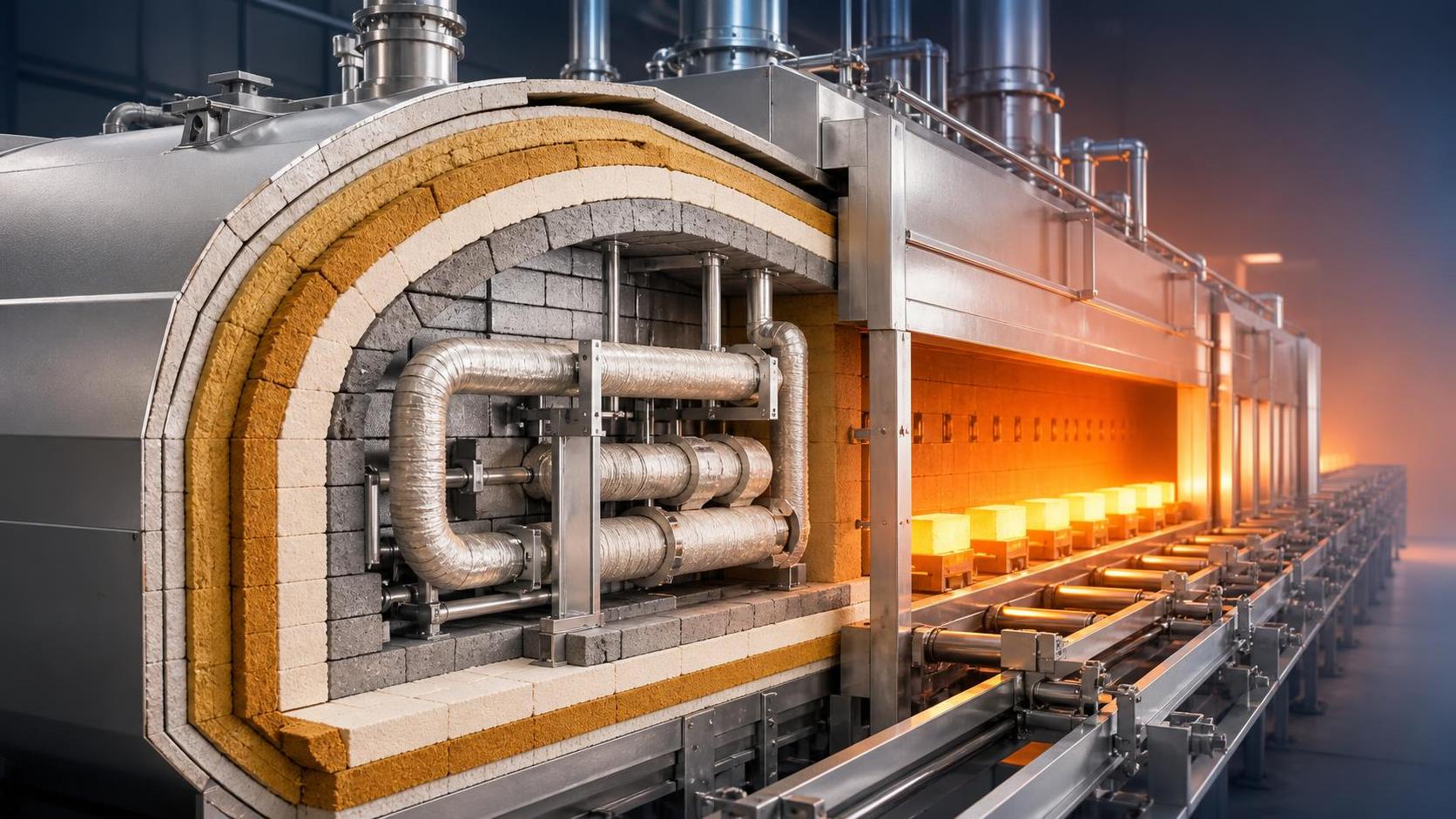
No scaling plan is complete without a full review of firing assets, thermal profiles, refractory condition, and control system responsiveness.
For advanced ceramics production, kiln performance affects grain growth, porosity, shrinkage, strength, and final dimensional accuracy.
Questions that should be answered
- Is thermal uniformity mapped across the working zone under real load?
- Are heating, soaking, and cooling curves validated for larger batch sizes?
- Can atmosphere control maintain repeatability for sensitive materials?
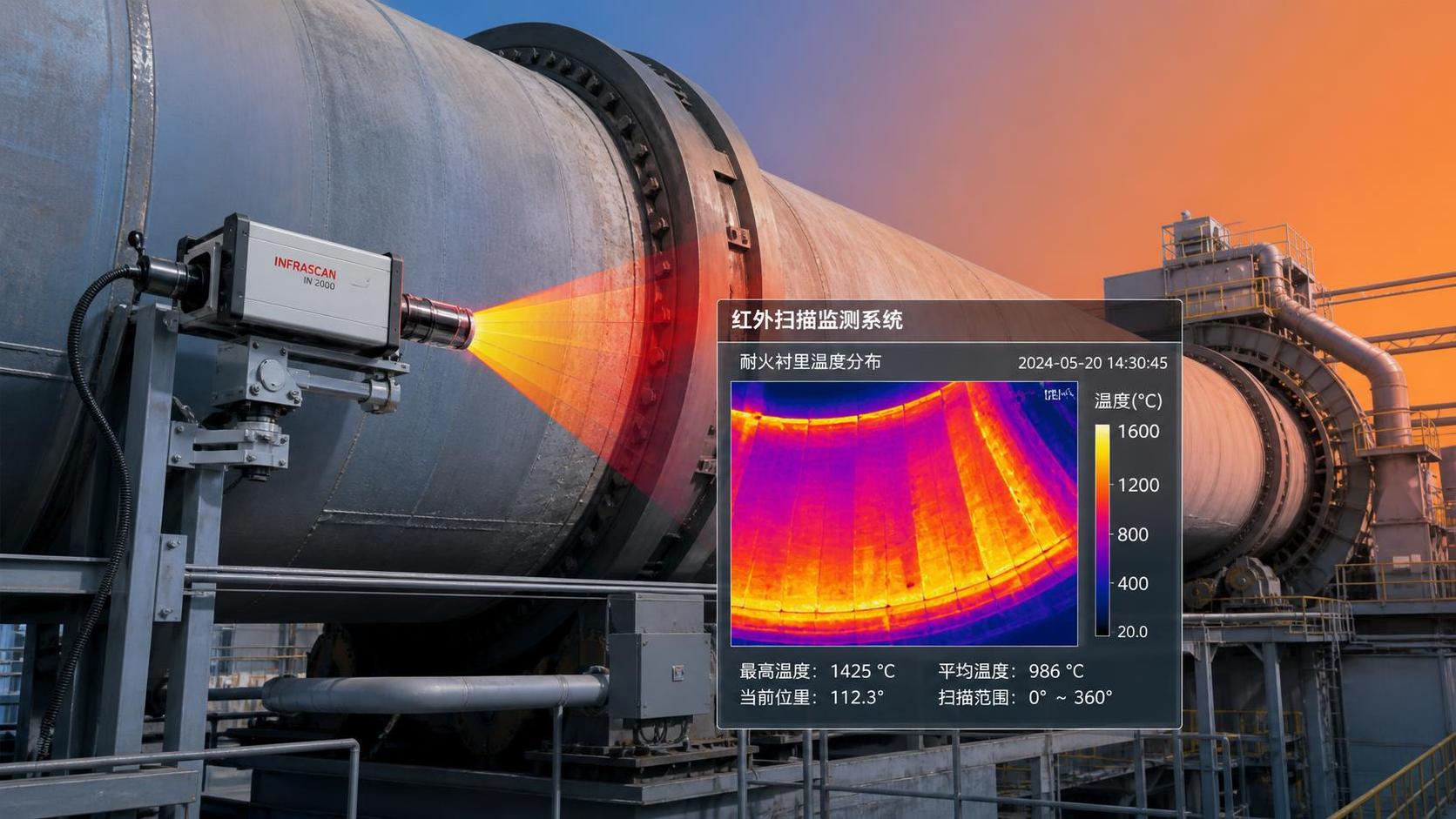
- Is refractory wear increasing local heat loss or contamination risk?
- Do burners, insulation, and seals support better energy efficiency?
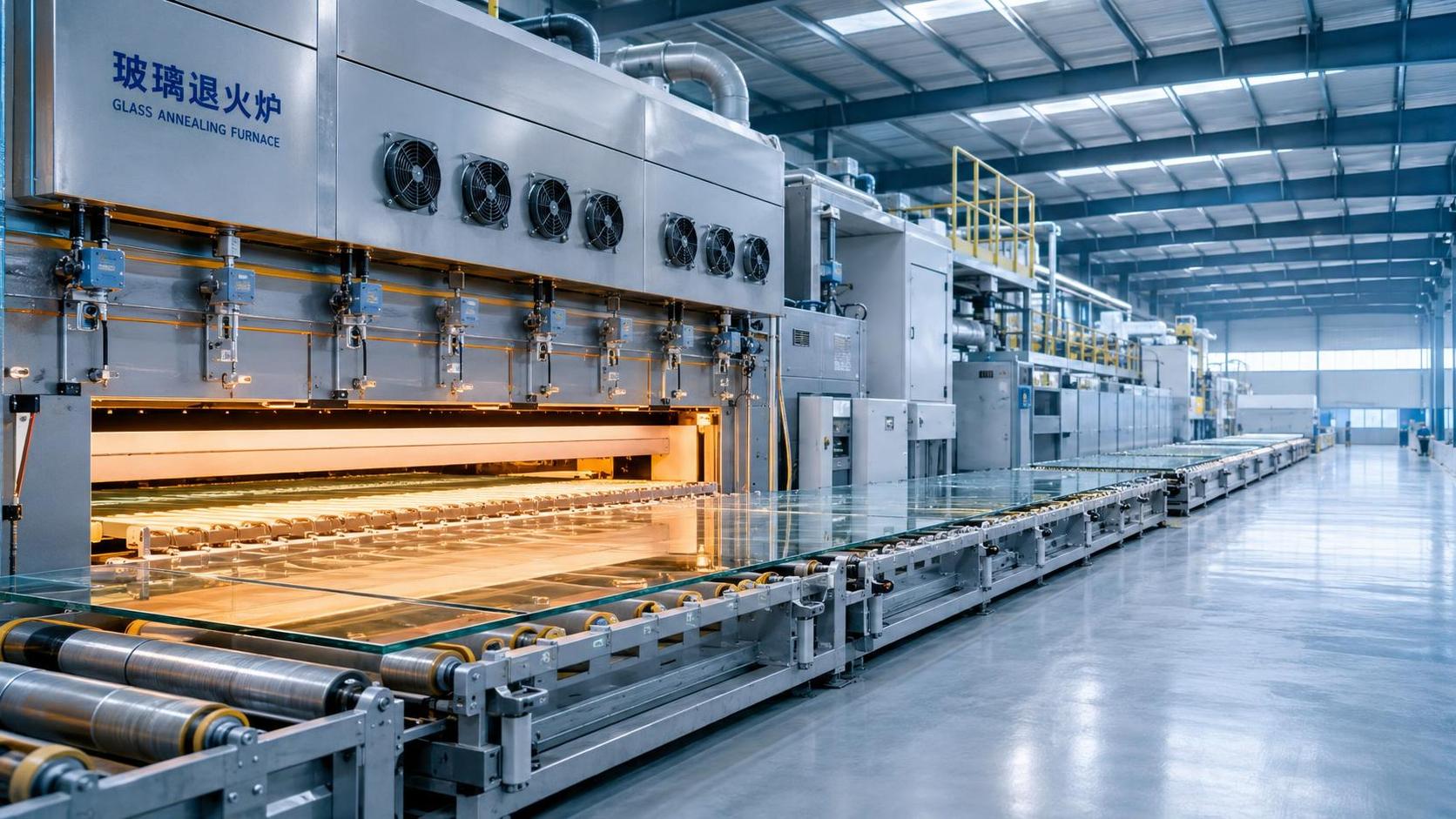
CF-Elite closely tracks these thermal factors because lessons from kilns, glass lines, and refractory systems often transfer across high-temperature sectors.
Forming, drying, and finishing can become hidden bottlenecks
Advanced ceramics production rarely fails only inside the kiln.
Pressing, extrusion, injection molding, drying, machining, and finishing may limit actual output long before furnace capacity is reached.
When throughput grows, tooling wear, green strength variation, and drying stress become more visible.
Supplier reliability and quality systems now shape expansion outcomes
Advanced ceramics production depends on more than process equipment.
It also depends on the discipline of suppliers, test laboratories, spare-part access, and maintenance response quality.
A low-cost source can become expensive if batch drift, delayed support, or long replacement cycles interrupt stable firing campaigns.
Focus points worth validating
- Multi-source strategy for critical powders and additives.
- Service capability for kilns, control systems, and thermal components.
- Clear traceability from incoming lots to finished ceramic batches.
- Defined nonconformance response and corrective action timing.
- Digital records supporting audits and recurring optimization.
In advanced ceramics production, a mature quality system reduces scaling risk more effectively than extra inventory alone.
Energy efficiency and carbon exposure are becoming strategic checks
Thermal processes dominate the cost structure of advanced ceramics production, making energy performance a board-level issue.
Plants with older kilns, weak insulation, or poor combustion control may scale output while losing competitiveness.
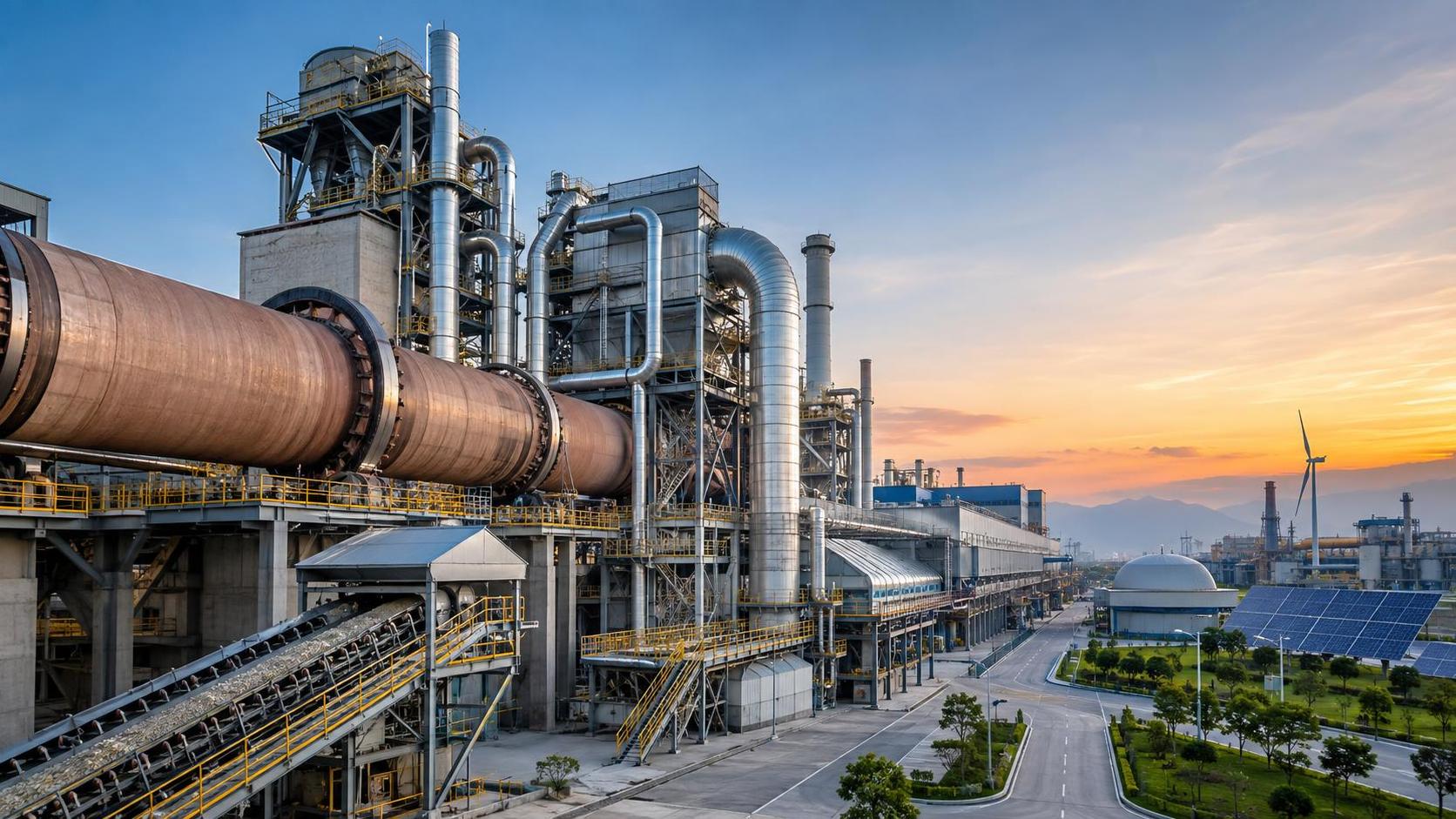
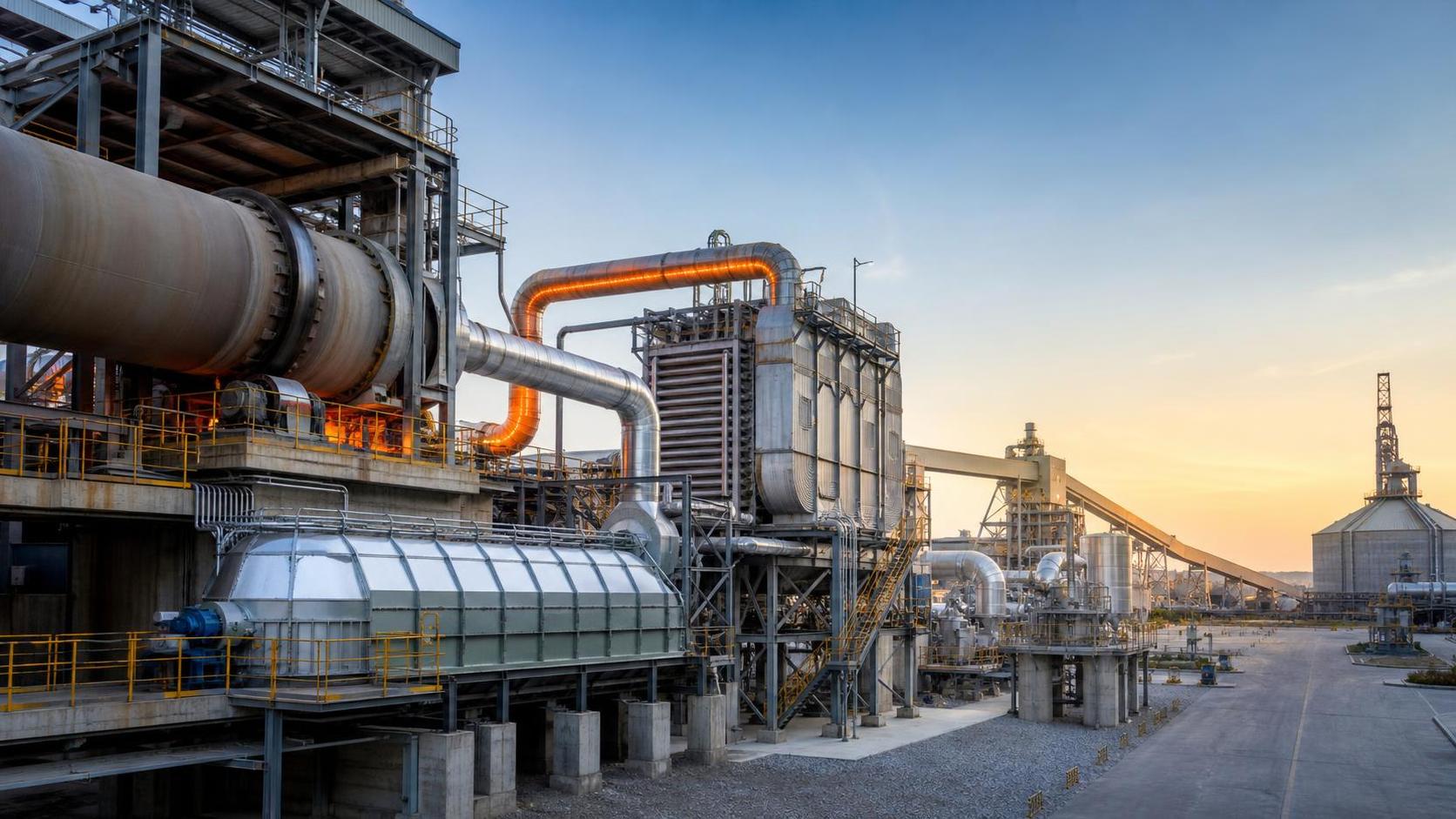
This matters across integrated high-temperature industries, from cement and glass to refractories and specialized extrusion systems.
Priority metrics to review
- Specific energy consumption per qualified unit.
- Heat recovery opportunities and exhaust losses.
- Downtime caused by thermal system instability.
- Exposure to fuel price volatility and emission rules.
- Potential for digital monitoring and predictive maintenance.
The best advanced ceramics production plans connect capacity growth with energy optimization from the first investment review.
A practical way to judge readiness before committing capital
A useful decision framework combines technical validation, supply resilience, thermal efficiency, and commercial risk into one readiness view.
- Audit raw material variation across at least several recent lots.
- Map true bottlenecks from powder to finishing, not only kiln volume.
- Run trial batches that reflect scaled thermal loading.
- Check quality escape points using faster inspection feedback loops.
- Quantify energy and maintenance costs under expanded operation.
- Stress-test supplier continuity and service responsiveness.
If two or more of these areas remain uncertain, advanced ceramics production may require staged expansion instead of a full leap.
The next smart move is to replace assumptions with verified thermal intelligence
Advanced ceramics production rewards decisions grounded in data from materials, kilns, quality systems, and energy performance.
That is especially true in sectors where high-temperature assets define both cost structure and product credibility.
CF-Elite supports this judgment process by connecting market signals with thermal engineering insight across silicate and heat-intensive industries.
Before expanding advanced ceramics production, document the weak points, compare them against future volume targets, and validate corrective actions with measurable trials.
That approach reduces scale-up surprises and builds a stronger path toward stable output, lower energy intensity, and durable long-term competitiveness.
Related News
 Optical Glass Tech FellowHow to Evaluate a Glass Annealing Equipment Manufacturer for Production StabilityChoose a glass annealing equipment manufacturer with proven thermal uniformity, reliable controls, lifecycle value, and responsive service for stable production.Sep 08, 2026
 Prof. Marcus ChenThermal Energy Architecture in North America: Strategies for Lower Building Energy UseThermal energy architecture North America helps project leaders cut building energy use through stronger envelopes, right-sized HVAC, storage, and smart commissioning.Sep 07, 2026
 Ms. Elena RodriguezHow Should Buyers Evaluate Building Material Industry Intelligence Pricing?Building material industry intelligence pricing: learn how to compare coverage, technical depth, and ROI to choose intelligence that reduces procurement risk.Sep 07, 2026
 Ms. Elena RodriguezHow to Use Building Material Intelligence Data for Market and Investment DecisionsBuilding material industry intelligence data helps leaders evaluate demand, costs, regulation, capacity, and technology to make smarter market and investment decisions.Sep 05, 2026
 Thermal Energy ArchitectHow PLC Control Improves Energy Efficiency and Temperature Stability in KilnsEnergy efficient kilns PLC control improves temperature stability, cuts fuel waste, and optimizes combustion, draft, and material flow. Explore proven strategies for smarter kiln modernization.Sep 04, 2026
 Optical Glass Tech FellowEuropean Glass Melting Processes: Furnace Choices, Energy Use, and Quality ControlGlass melting process Europe: explore furnace choices, energy efficiency, cullet strategy, and quality control to improve output, compliance, and long-term glass performance.Sep 03, 2026
 Thermal Energy ArchitectWhat Determines Refractory Lining Monitoring Price for Industrial Kilns?Refractory lining monitoring price depends on kiln size, sensor technology, installation, software, and support. Compare total lifecycle costs and choose the right solution.Sep 02, 2026
 Silicate Process EngineerCement Production System Costs: A Plant Buyer’s Guide to Budgeting and ROICement production systems cost planning made clear: compare CAPEX, operating costs, compliance, and ROI to build a resilient, profitable cement plant investment.Sep 01, 2026
 Dr. Alistair VaughnWhat Should a Process Technology Database Track for High-Temperature Plants?Process technology database essentials for high-temperature plants: track thermal profiles, feed chemistry, refractory wear, emissions, energy, and maintenance for safer, data-driven decisions.Aug 31, 2026
 Ms. Elena RodriguezHow to Evaluate a Silicate Processing Equipment Manufacturer for Plant ProjectsSilicate processing equipment manufacturer selection: assess process fit, guarantees, energy, compliance, delivery risk, and lifecycle support for dependable plant performance.Aug 30, 2026
 Dr. Alistair VaughnHow to Specify Custom Agricultural Processing Equipment for Throughput and HygieneEquipment customization services for agricultural processing: learn to specify hygienic, high-throughput lines that improve yield, reliability, and long-term efficiency.Aug 29, 2026
 Dr. Alistair VaughnHow to Select Process Plant Equipment for High-Temperature, Abrasive Production LinesProcess plant equipment selection for high-temperature, abrasive lines: reduce downtime, improve durability, and optimize lifecycle performance.Aug 28, 2026
 Silicate Process EngineerHow Kiln Heat Recovery Systems Cut Fuel Use in Cement and Lime ProductionKiln heat recovery helps cement and lime plants cut fuel use, improve thermal stability, and build practical, reliable decarbonization strategies.Aug 27, 2026
 Ms. Elena RodriguezProcess Equipment Comparison: Which Metrics Matter Most for Reliable Selection?Process equipment comparison made practical: discover which metrics truly drive reliable selection, from energy efficiency and control stability to wear life, maintainability, and uptime.Aug 26, 2026
 Ms. Elena RodriguezWhat Buyers Should Check Before Sourcing Precision Alloy Bars for Critical PartsPrecision Alloy Bars buyers should verify grade, chemistry, tolerances, surface quality, traceability, and lead time before sourcing for critical parts. Learn what prevents costly machining and reliability risks.Aug 27, 2026
 Ms. Elena RodriguezHow to Evaluate Thermal Management Solutions Insulation for High-Heat Industrial SystemsThermal management solutions insulation: learn how to assess high-heat industrial systems by thermal performance, durability, lifecycle cost, and supplier data for smarter decisions.Aug 25, 2026
 Ms. Elena RodriguezWhat Drives Waste Recycling Cost in Industrial Projects and How to Estimate It?Waste recycling cost in industrial projects depends on composition, moisture, transport, pre-treatment, and compliance. Learn how to estimate it accurately and compare suppliers with confidence.Aug 24, 2026
 Silicate Process EngineerHow to Evaluate Cement Production Plants in the Middle East for Capacity, Fuel Flexibility, and ROIcement production plants Middle East: Learn how to assess true capacity, fuel flexibility, and ROI risks to identify resilient assets and smarter investment opportunities.Aug 23, 2026
 Structural Material AnalystHow to Evaluate Lightweight Material Machinery for Output, Energy Use, and Product QualityLightweight material machinery evaluation guide: compare stable output, energy use, and product quality to choose equipment that cuts waste, lowers costs, and improves production confidence.Aug 22, 2026
 Material Heat-Resist ExpertWhat Determines Refractory Production Line Price in a Turnkey Plant Project?Refractory production line price depends on raw materials, forming method, kiln and drying design, automation, utilities, and scope. Learn what really drives turnkey plant cost before you invest.Aug 21, 2026
Related News
- 00
0000-00
What Determines Refractory Production Line Price in a Turnkey Plant Project? - 00
0000-00
How to Evaluate a Silicate Production Line for Capacity, Energy Use, and Product Quality - 00
0000-00
Silicate Production Line Process Explained: Key Stages, Equipment, and Quality Control - 00
0000-00
How to Evaluate a Refractory Production Line in Southeast Asia: Capacity, Fuel, and Raw Material Factors - 00
0000-00
How to Evaluate a Silicate Production Lines Supplier for Capacity, Automation, and Raw Material Fit
Weekly Insights
Stay ahead with our curated technology reports delivered every Monday.