
Refractory system upgrades can prevent costly shutdowns




Unexpected kiln or furnace stoppages can quickly erode output, energy performance, and maintenance budgets. In high-temperature operations, refractory system upgrades provide a practical path to stronger lining reliability and lower shutdown risk.
When refractory wear progresses unnoticed, minor hot spots can develop into structural failures, shell damage, or unplanned outages. Well-planned refractory system upgrades help stabilize thermal profiles, improve inspection visibility, and extend campaign life.
Across cement, glass, incineration, and other thermal processes, upgrade decisions now connect maintenance strategy with energy efficiency and carbon reduction. This makes refractory system upgrades both a reliability measure and a broader operational improvement tool.
Understanding refractory system upgrades in industrial thermal operations
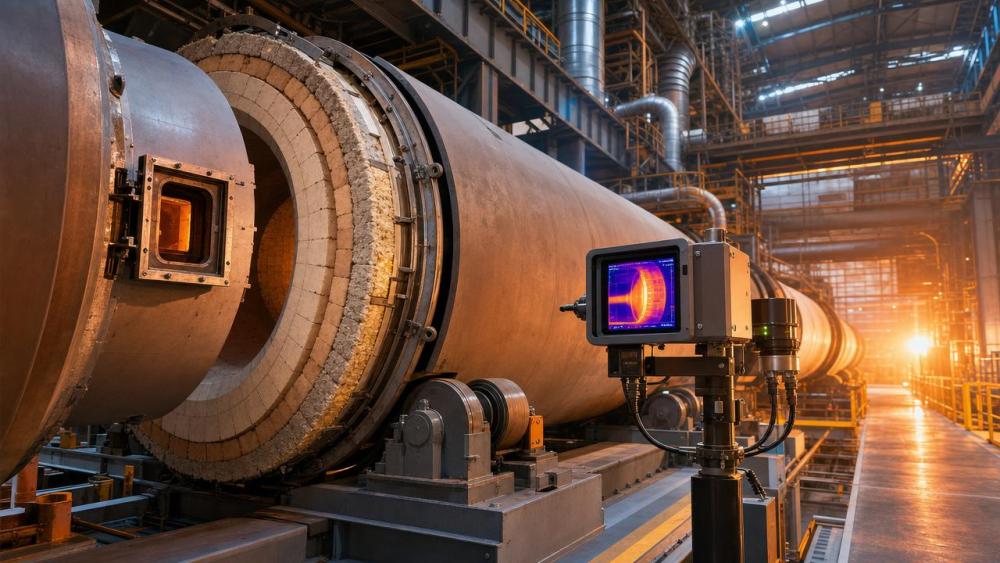
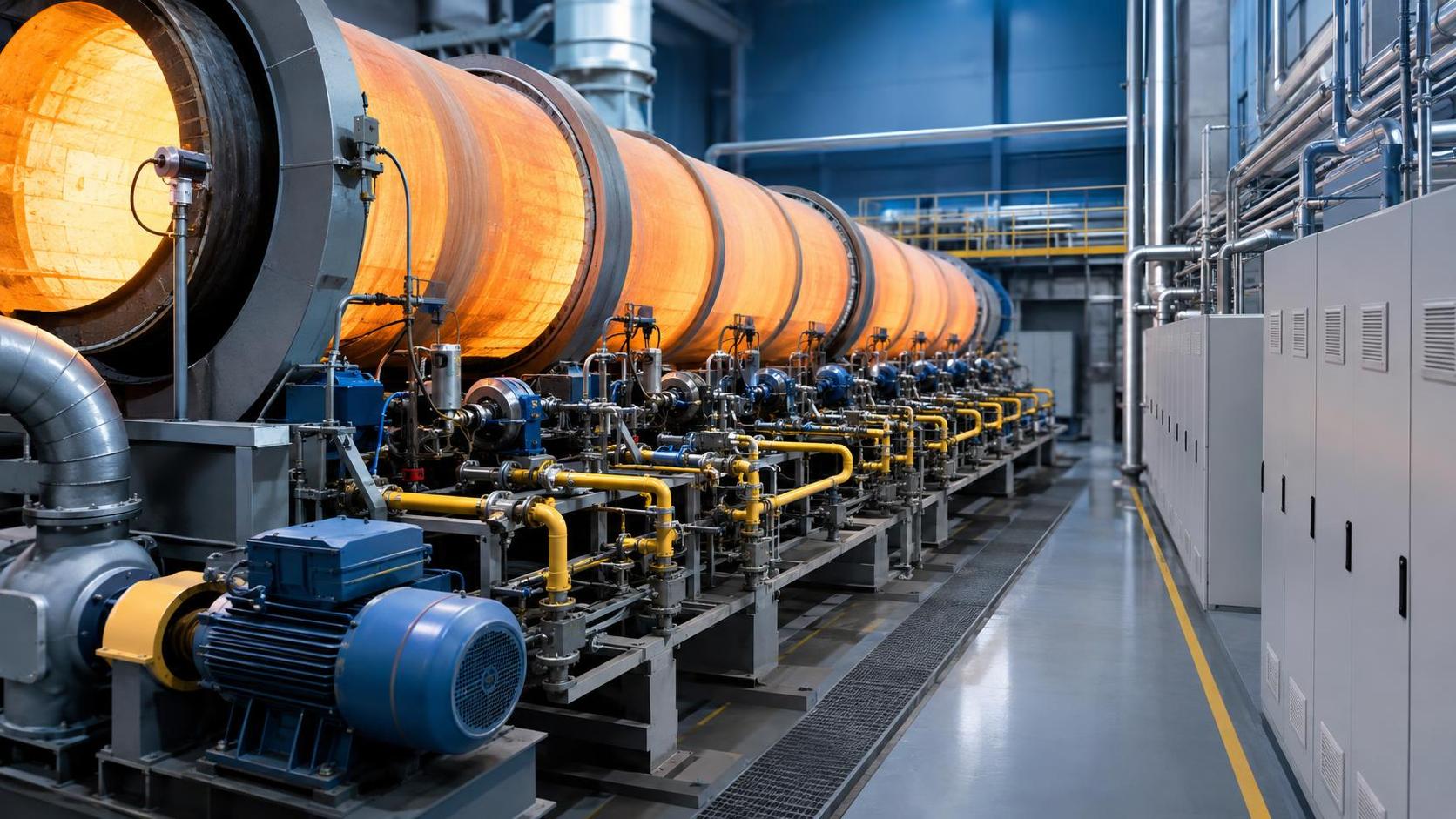
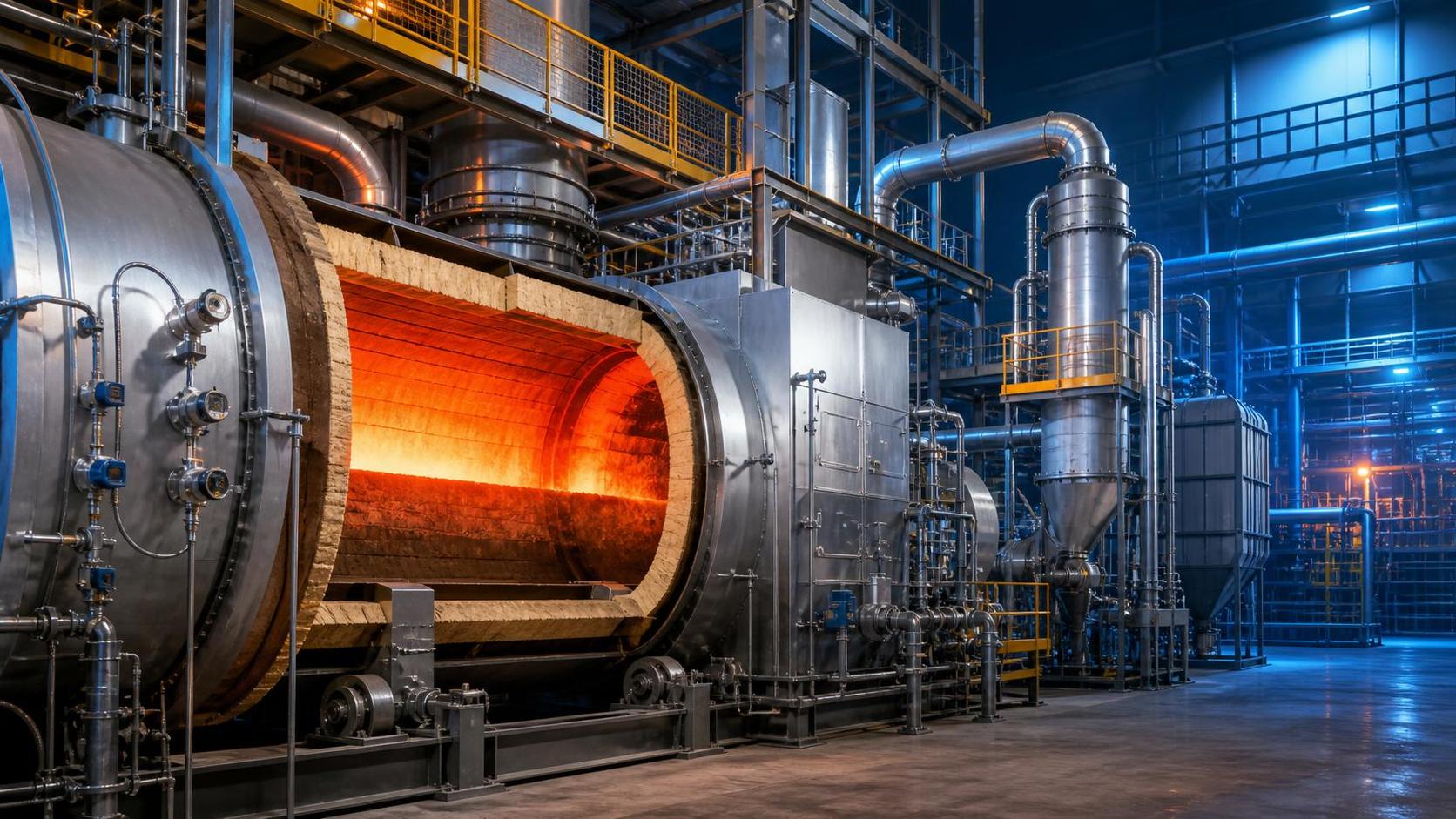
Refractory system upgrades refer to targeted improvements in the lining package, anchoring, insulation layers, monitoring methods, and installation practices used in kilns, furnaces, calciners, and incinerators.
These upgrades do not always require a complete rebuild. Many projects focus on critical zones where thermal stress, chemical attack, abrasion, or mechanical movement repeatedly shorten service life.
A modern upgrade often combines better materials with better information. That means denser brick, improved castables, optimized expansion joints, and online monitoring working together.
In practical terms, refractory system upgrades usually address four core needs:
- Reduce unplanned shutdown probability
- Lower heat loss and fuel consumption
- Improve safety around hot shell conditions
- Extend maintenance intervals and lining campaign life
For intelligence-driven platforms such as CF-Elite, this topic matters because refractory decisions influence equipment uptime, thermal balance, emissions, and long-cycle asset planning across multiple heavy industries.
Current industry signals shaping upgrade priorities
Thermal industries face tighter production targets, volatile fuel economics, and stricter environmental expectations. Under these conditions, delayed lining improvements often become more expensive than planned upgrades.
Several market and operational signals are pushing refractory system upgrades higher on maintenance roadmaps:
These trends appear in cement production plants, waste-to-energy lines, glass melting units, and metallurgical heating systems. The common message is clear: reliability now depends on both materials engineering and digital visibility.
How refractory system upgrades prevent costly shutdowns
The main value of refractory system upgrades lies in preventing failure chains. A shutdown rarely starts with one dramatic event. It usually begins with hidden wear, stress concentration, or local thermal imbalance.
Better resistance in the most vulnerable zones
Burner pipes, kiln inlets, discharge areas, bull nose sections, and slag lines often experience the fastest degradation. Upgrading only these zones can produce significant reliability gains without replacing the entire lining.
Material selection should match the dominant attack mode. Abrasion needs one approach. Alkali penetration, thermal shock, and coating instability require different refractory system upgrades.
Lower thermal losses and shell stress
When insulation performance declines, shell temperatures rise and fuel demand increases. Over time, excessive external temperature can accelerate steel fatigue and create safety concerns around the equipment envelope.
Refractory system upgrades that improve insulating backup layers or reduce joint-related leakage help maintain stable heat containment. This supports efficiency and reduces the likelihood of emergency interventions.
Earlier detection of wear progression
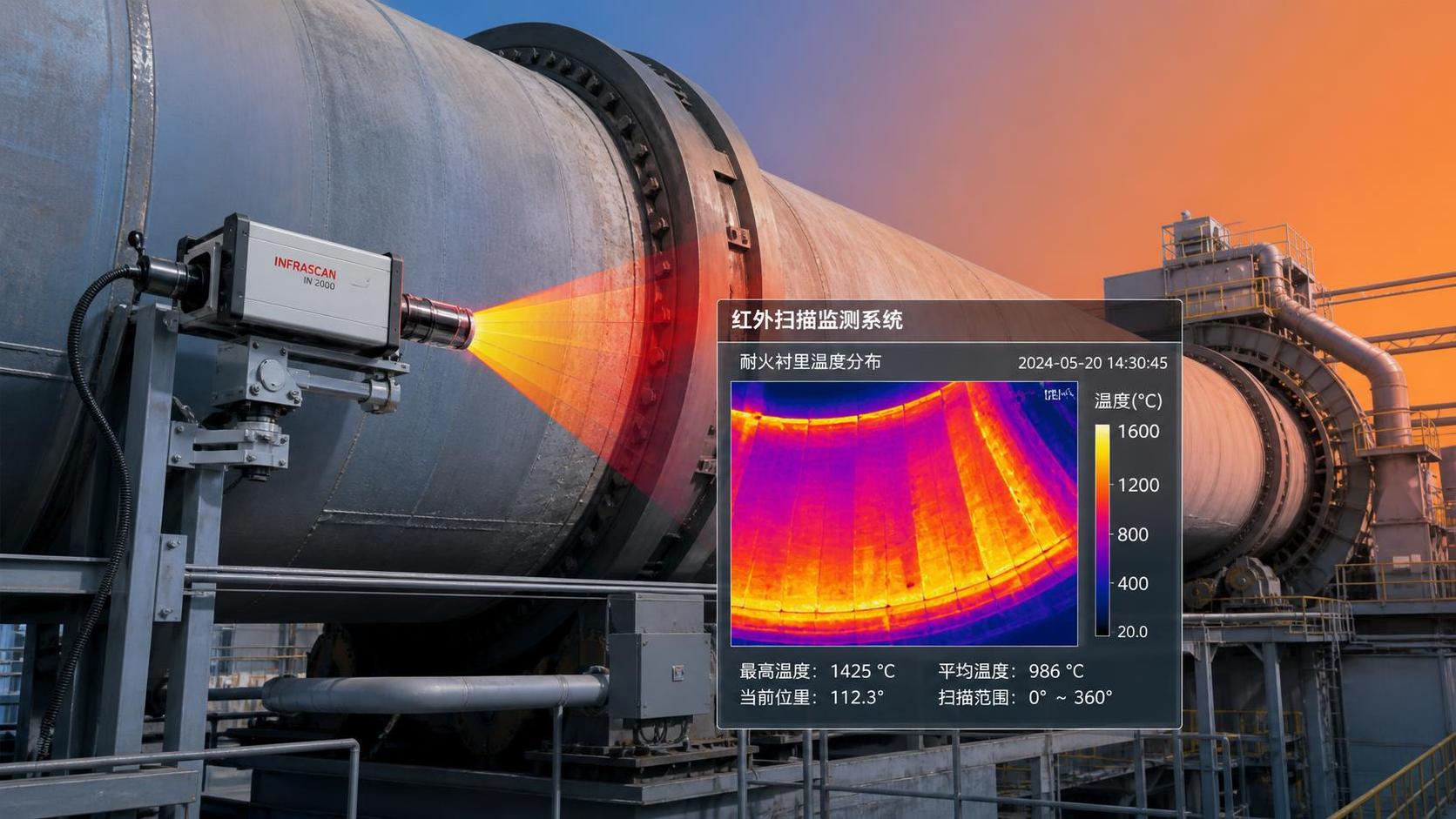
Modern maintenance relies less on periodic visual checks alone. Infrared scanning, shell temperature trending, laser profiling, and embedded sensing can identify wear before material loss reaches critical depth.
By linking inspection data with operating conditions, refractory system upgrades turn maintenance from reactive repair into planned intervention. This reduces rush work, spare shortages, and emergency outage duration.
Operational value across major industrial segments
The value of refractory system upgrades varies by process, but the business logic is similar: stabilize output, reduce avoidable energy losses, and improve control over campaign life.
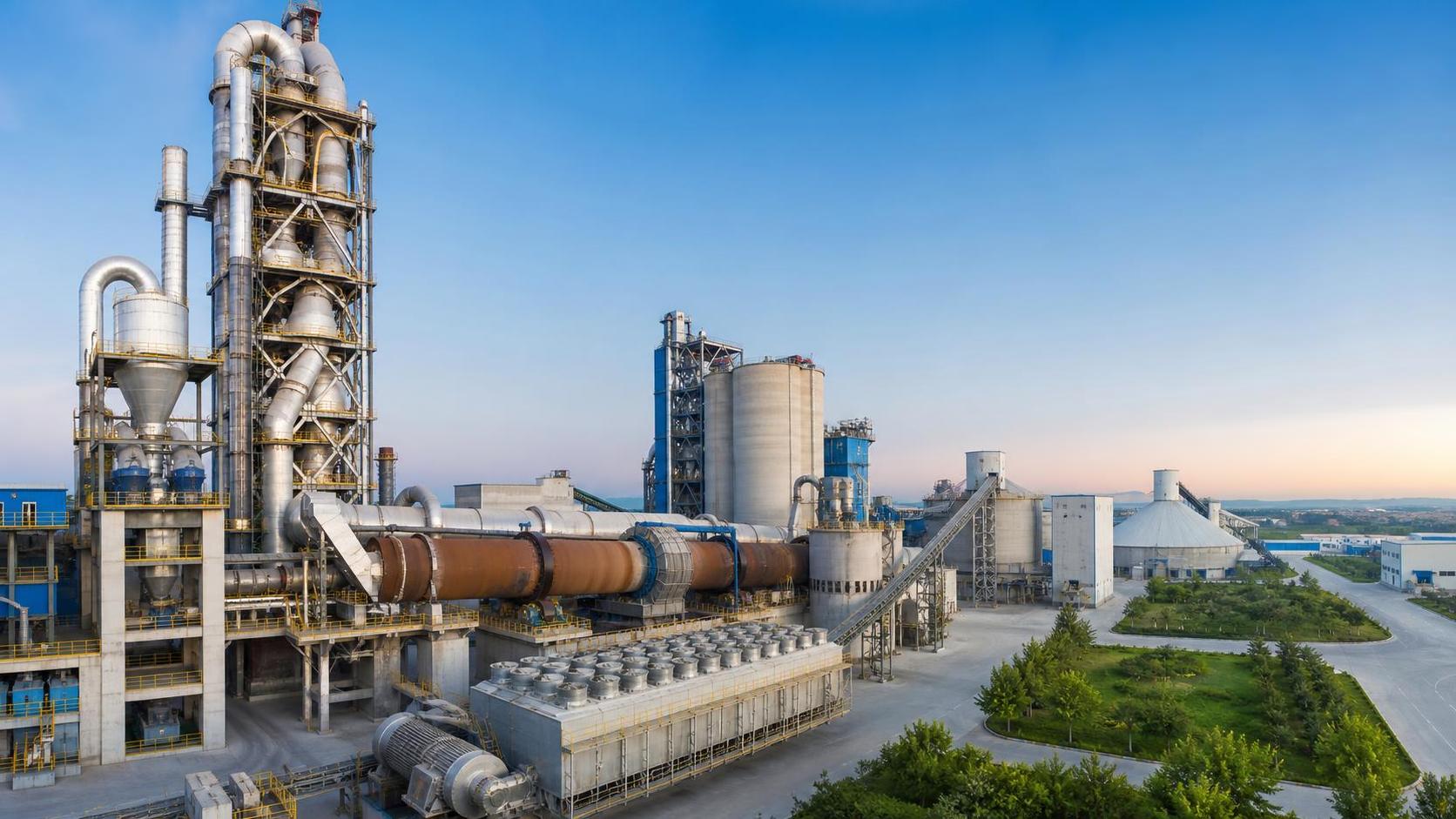
- Cement plants: Better resistance to alkali cycles, coating fluctuation, and fuel variability in preheaters, calciner zones, and rotary kilns.
- Glass manufacturing: More reliable thermal containment around melting and conditioning sections, supporting stable product quality and furnace balance.
- Industrial incineration: Improved defense against corrosive ash, thermal cycling, and localized overheating in combustion chambers.
- Refractory production lines: Greater consistency in firing equipment, helping maintain product quality and reduce maintenance interference.
- New building material extrusion support systems: More dependable drying and thermal processing units connected to lightweight material production.
In each case, refractory system upgrades support broader plant goals, including energy intensity reduction, stable throughput, and safer continuous operation.
Typical upgrade scenarios and object categories
Not every asset requires the same scope. Prioritization becomes easier when lining assets are grouped by failure pattern, temperature profile, and process sensitivity.
This structured view helps maintenance planning focus on zones where refractory system upgrades create the fastest payback and the greatest shutdown prevention value.
Practical guidance for planning effective upgrades
Good results come from combining operational history with material science. A lining should never be upgraded only because a newer product exists. The root cause of failure must guide the decision.
- Map repeated hot spots, shell temperature trends, and repair history.
- Separate abrasion, chemistry, thermal shock, and installation defects.
- Review process changes such as fuels, feed mix, or throughput increases.
- Check anchor design, curing, dry-out, expansion allowance, and joint execution.
- Add monitoring tools where access is difficult or failure consequences are severe.
Installation quality remains critical. Even well-chosen refractory system upgrades can fail early if storage, mixing, curing, or heat-up procedures are inconsistent.
Documentation also matters. Clear baseline records make it easier to compare lining condition across campaigns and verify whether refractory system upgrades are delivering expected performance.
Implementation priorities and next-step actions
A practical next step is to rank thermal assets by outage consequence, wear rate, and monitoring visibility. This creates a focused shortlist for the most urgent refractory system upgrades.
Start with one or two high-risk zones where shutdown costs are highest. Measure shell temperature, repair frequency, and energy impact before and after the upgrade.
For plants tracking decarbonization and efficiency goals, refractory system upgrades should be evaluated alongside fuel strategy, digital inspection tools, and campaign planning.
In complex high-temperature industries, better lining reliability is rarely a narrow maintenance issue. It is part of a wider system decision affecting safety, energy, production continuity, and long-term asset value.
By treating refractory system upgrades as a structured reliability program, operations can reduce surprise failures, protect thermal assets, and prevent costly shutdowns with more confidence.
Related News
 Optical Glass Tech FellowHow to Evaluate a Glass Annealing Equipment Manufacturer for Production StabilityChoose a glass annealing equipment manufacturer with proven thermal uniformity, reliable controls, lifecycle value, and responsive service for stable production.Sep 08, 2026
 Prof. Marcus ChenThermal Energy Architecture in North America: Strategies for Lower Building Energy UseThermal energy architecture North America helps project leaders cut building energy use through stronger envelopes, right-sized HVAC, storage, and smart commissioning.Sep 07, 2026
 Ms. Elena RodriguezHow Should Buyers Evaluate Building Material Industry Intelligence Pricing?Building material industry intelligence pricing: learn how to compare coverage, technical depth, and ROI to choose intelligence that reduces procurement risk.Sep 07, 2026
 Ms. Elena RodriguezHow to Use Building Material Intelligence Data for Market and Investment DecisionsBuilding material industry intelligence data helps leaders evaluate demand, costs, regulation, capacity, and technology to make smarter market and investment decisions.Sep 05, 2026
 Thermal Energy ArchitectHow PLC Control Improves Energy Efficiency and Temperature Stability in KilnsEnergy efficient kilns PLC control improves temperature stability, cuts fuel waste, and optimizes combustion, draft, and material flow. Explore proven strategies for smarter kiln modernization.Sep 04, 2026
 Optical Glass Tech FellowEuropean Glass Melting Processes: Furnace Choices, Energy Use, and Quality ControlGlass melting process Europe: explore furnace choices, energy efficiency, cullet strategy, and quality control to improve output, compliance, and long-term glass performance.Sep 03, 2026
 Thermal Energy ArchitectWhat Determines Refractory Lining Monitoring Price for Industrial Kilns?Refractory lining monitoring price depends on kiln size, sensor technology, installation, software, and support. Compare total lifecycle costs and choose the right solution.Sep 02, 2026
 Silicate Process EngineerCement Production System Costs: A Plant Buyer’s Guide to Budgeting and ROICement production systems cost planning made clear: compare CAPEX, operating costs, compliance, and ROI to build a resilient, profitable cement plant investment.Sep 01, 2026
 Dr. Alistair VaughnWhat Should a Process Technology Database Track for High-Temperature Plants?Process technology database essentials for high-temperature plants: track thermal profiles, feed chemistry, refractory wear, emissions, energy, and maintenance for safer, data-driven decisions.Aug 31, 2026
 Ms. Elena RodriguezHow to Evaluate a Silicate Processing Equipment Manufacturer for Plant ProjectsSilicate processing equipment manufacturer selection: assess process fit, guarantees, energy, compliance, delivery risk, and lifecycle support for dependable plant performance.Aug 30, 2026
 Dr. Alistair VaughnHow to Specify Custom Agricultural Processing Equipment for Throughput and HygieneEquipment customization services for agricultural processing: learn to specify hygienic, high-throughput lines that improve yield, reliability, and long-term efficiency.Aug 29, 2026
 Dr. Alistair VaughnHow to Select Process Plant Equipment for High-Temperature, Abrasive Production LinesProcess plant equipment selection for high-temperature, abrasive lines: reduce downtime, improve durability, and optimize lifecycle performance.Aug 28, 2026
 Silicate Process EngineerHow Kiln Heat Recovery Systems Cut Fuel Use in Cement and Lime ProductionKiln heat recovery helps cement and lime plants cut fuel use, improve thermal stability, and build practical, reliable decarbonization strategies.Aug 27, 2026
 Ms. Elena RodriguezProcess Equipment Comparison: Which Metrics Matter Most for Reliable Selection?Process equipment comparison made practical: discover which metrics truly drive reliable selection, from energy efficiency and control stability to wear life, maintainability, and uptime.Aug 26, 2026
 Ms. Elena RodriguezWhat Buyers Should Check Before Sourcing Precision Alloy Bars for Critical PartsPrecision Alloy Bars buyers should verify grade, chemistry, tolerances, surface quality, traceability, and lead time before sourcing for critical parts. Learn what prevents costly machining and reliability risks.Aug 27, 2026
 Ms. Elena RodriguezHow to Evaluate Thermal Management Solutions Insulation for High-Heat Industrial SystemsThermal management solutions insulation: learn how to assess high-heat industrial systems by thermal performance, durability, lifecycle cost, and supplier data for smarter decisions.Aug 25, 2026
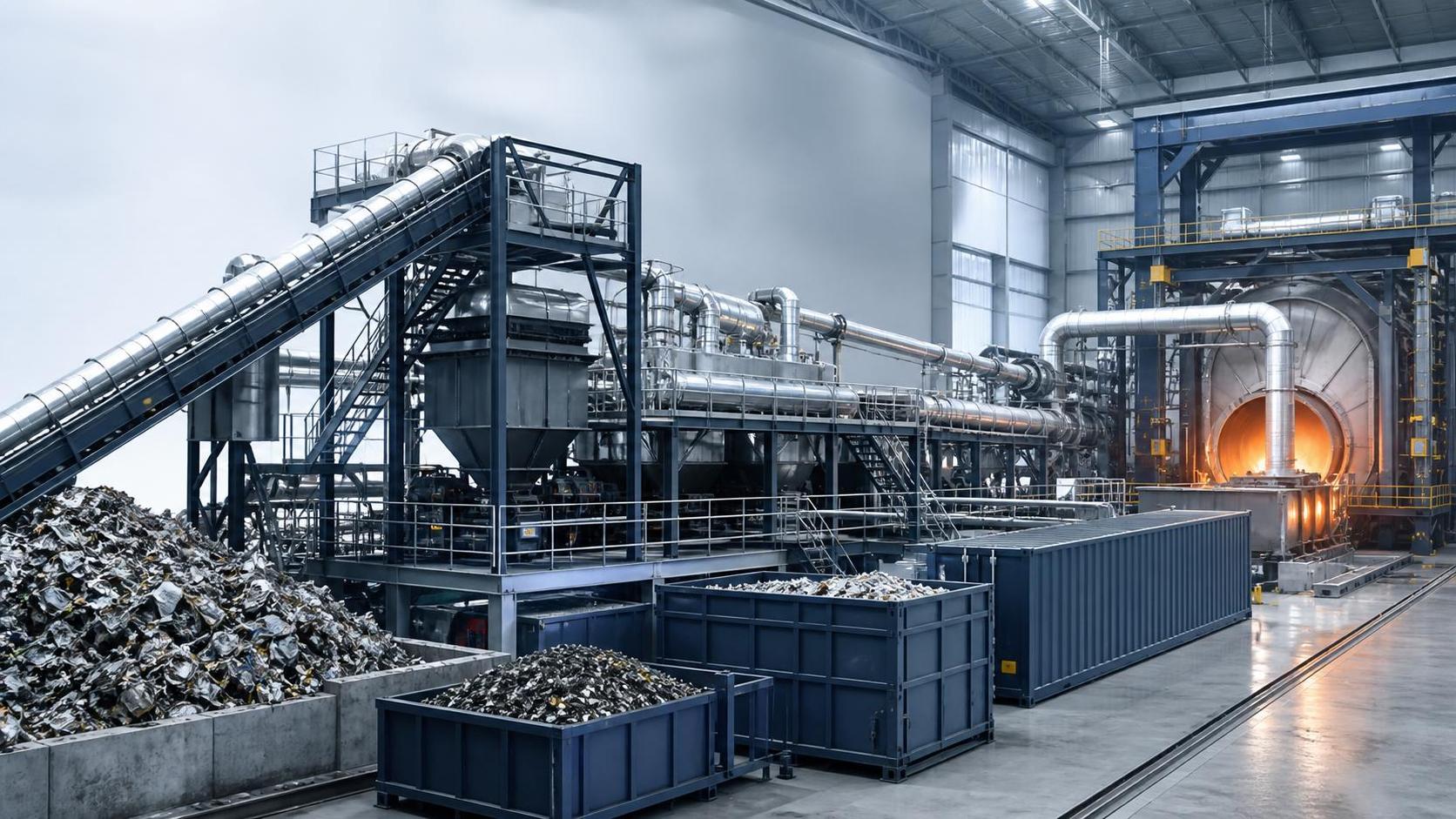
 Ms. Elena RodriguezWhat Drives Waste Recycling Cost in Industrial Projects and How to Estimate It?Waste recycling cost in industrial projects depends on composition, moisture, transport, pre-treatment, and compliance. Learn how to estimate it accurately and compare suppliers with confidence.Aug 24, 2026
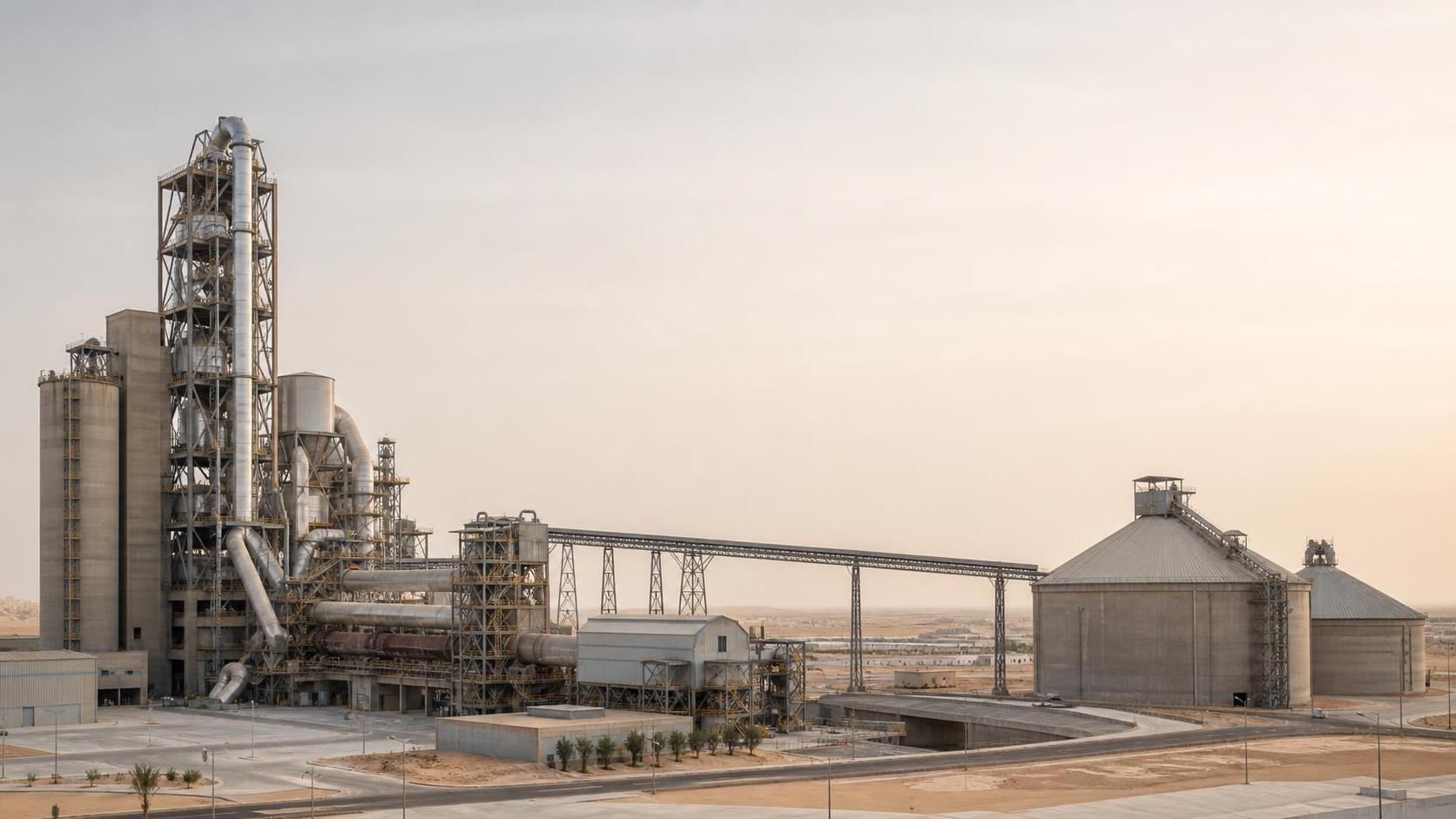
 Silicate Process EngineerHow to Evaluate Cement Production Plants in the Middle East for Capacity, Fuel Flexibility, and ROIcement production plants Middle East: Learn how to assess true capacity, fuel flexibility, and ROI risks to identify resilient assets and smarter investment opportunities.Aug 23, 2026
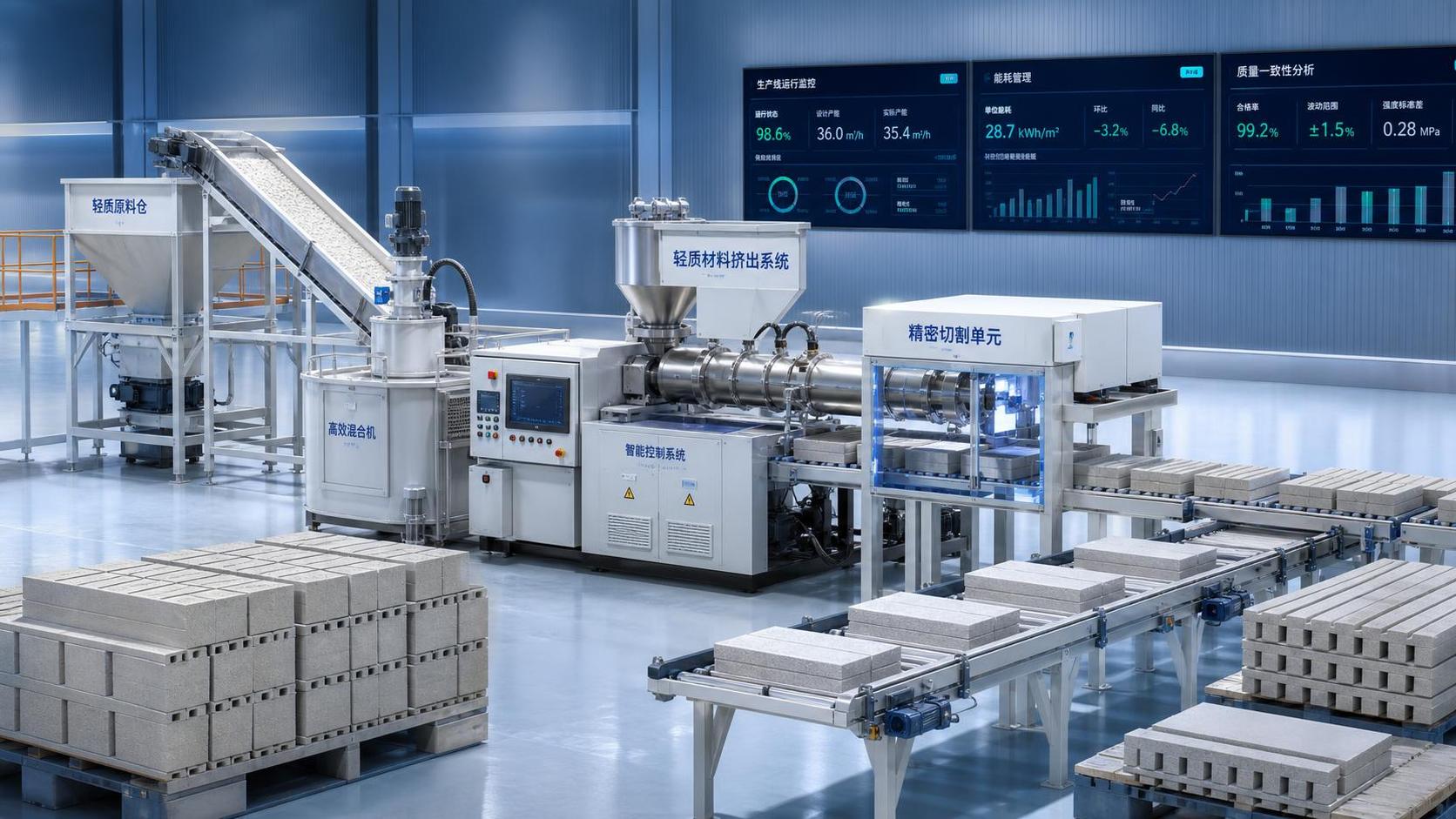
 Structural Material AnalystHow to Evaluate Lightweight Material Machinery for Output, Energy Use, and Product QualityLightweight material machinery evaluation guide: compare stable output, energy use, and product quality to choose equipment that cuts waste, lowers costs, and improves production confidence.Aug 22, 2026
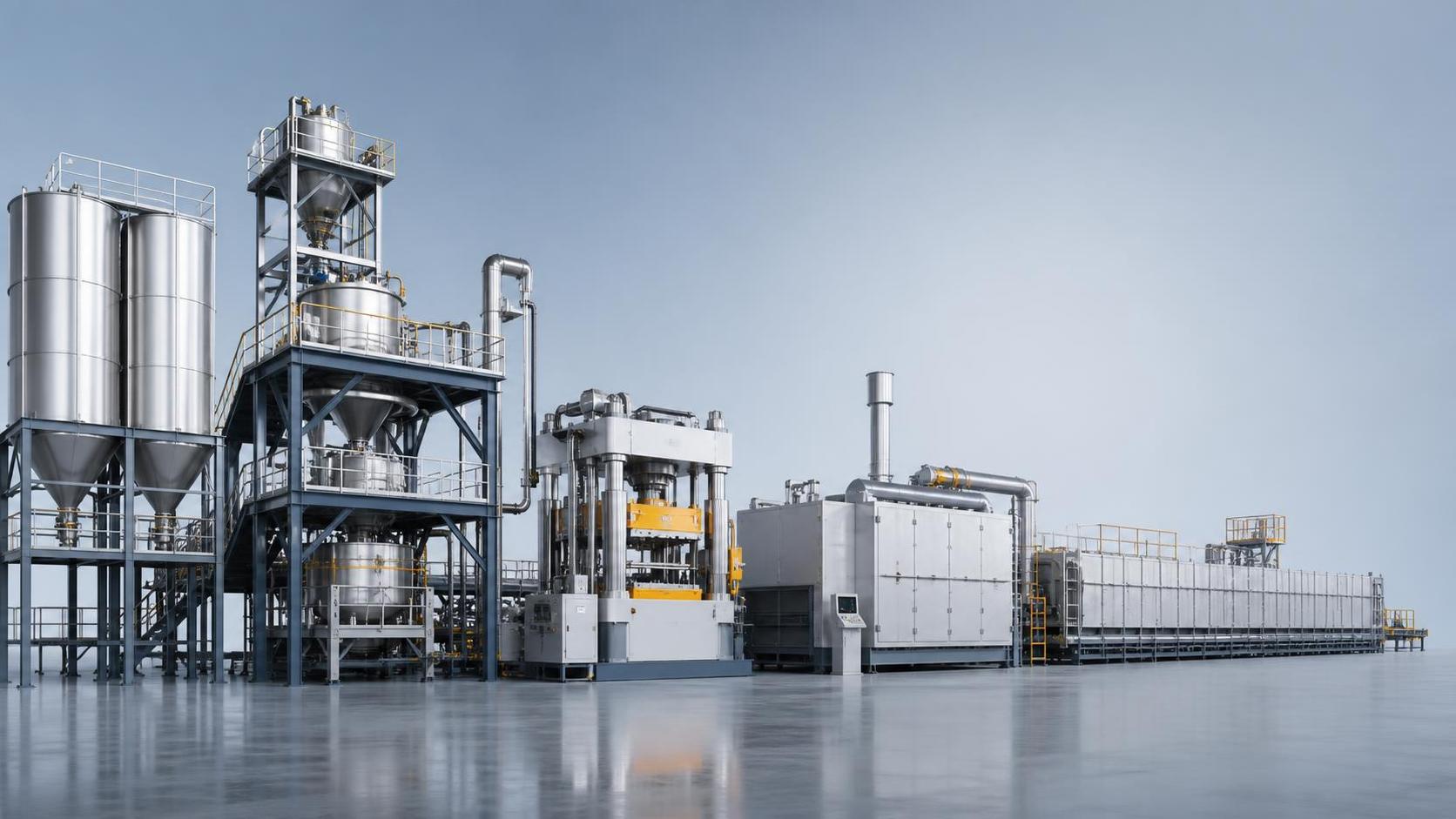
 Material Heat-Resist ExpertWhat Determines Refractory Production Line Price in a Turnkey Plant Project?Refractory production line price depends on raw materials, forming method, kiln and drying design, automation, utilities, and scope. Learn what really drives turnkey plant cost before you invest.Aug 21, 2026

Related News
- 00
0000-00
What Determines Refractory Production Line Price in a Turnkey Plant Project? - 00
0000-00
How to Evaluate a Silicate Production Line for Capacity, Energy Use, and Product Quality - 00
0000-00
Silicate Production Line Process Explained: Key Stages, Equipment, and Quality Control - 00
0000-00
How to Evaluate a Refractory Production Line in Southeast Asia: Capacity, Fuel, and Raw Material Factors - 00
0000-00
How to Evaluate a Silicate Production Lines Supplier for Capacity, Automation, and Raw Material Fit
Weekly Insights
Stay ahead with our curated technology reports delivered every Monday.