
Refractory material science is changing kiln life forecasts




For technical evaluators, refractory material science is no longer a secondary topic. It now shapes how kiln life is estimated, defended, and extended under real process stress.
Across cement, glass, incineration, and refractory lines, hotter operations and tighter emissions control are changing failure patterns. Static lifetime assumptions often miss how linings actually age.
That shift matters for CF-Elite’s focus on foundation materials and thermal management. Better forecasts connect heat transfer, chemistry, operations, maintenance timing, and carbon performance into one decision framework.
Why refractory material science is becoming central to kiln life forecasting
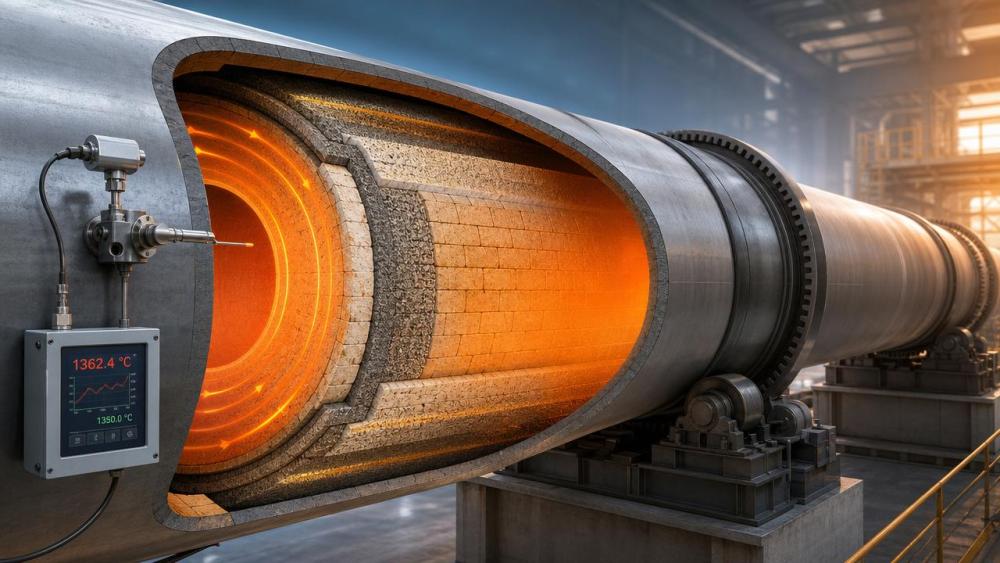
Traditional kiln life models relied on operating hours, shell temperature, and shutdown history. Those indicators still matter, but they rarely explain why similar kilns age at very different rates.
Today, refractory material science reveals the hidden mechanisms behind wear. Microstructure evolution, phase transformation, pore distribution, and crack propagation now influence forecast accuracy.
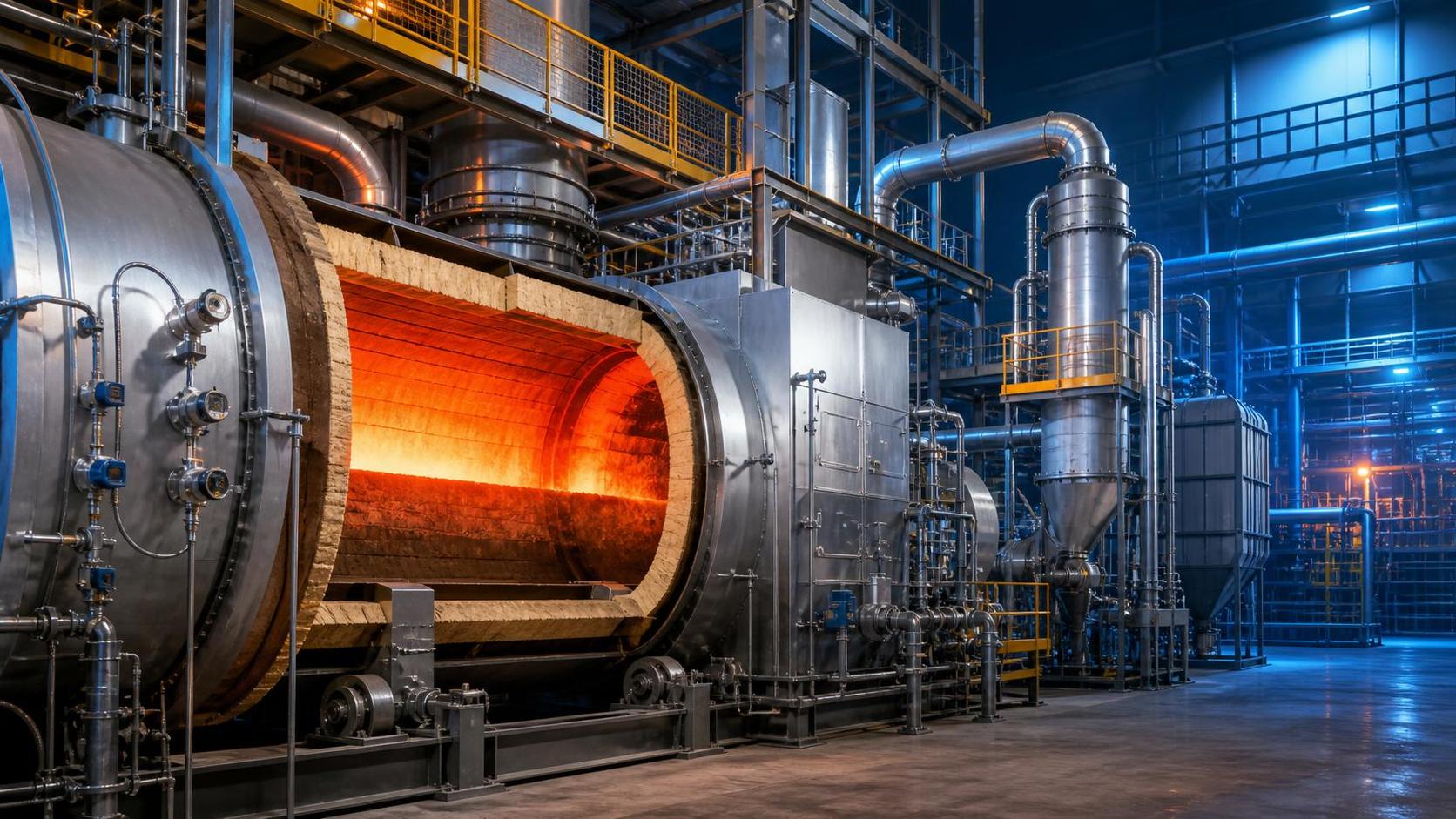
A lining is not a passive barrier. It is a dynamic system reacting to flame shape, alkali cycles, feed chemistry, redox changes, thermal shock, and mechanical load.
In that context, kiln life forecasting shifts from calendar-based estimation to condition-based interpretation. The result is more realistic shutdown planning and fewer unexpected refractory failures.
The strongest trend signals now visible across high-temperature industries
Several signals show that refractory material science is moving from laboratory relevance to operational necessity across integrated thermal industries.
- Alternative fuels are raising chemical variability inside rotary kilns and incineration systems.
- Glass furnaces are demanding longer campaigns with lower specific energy consumption.
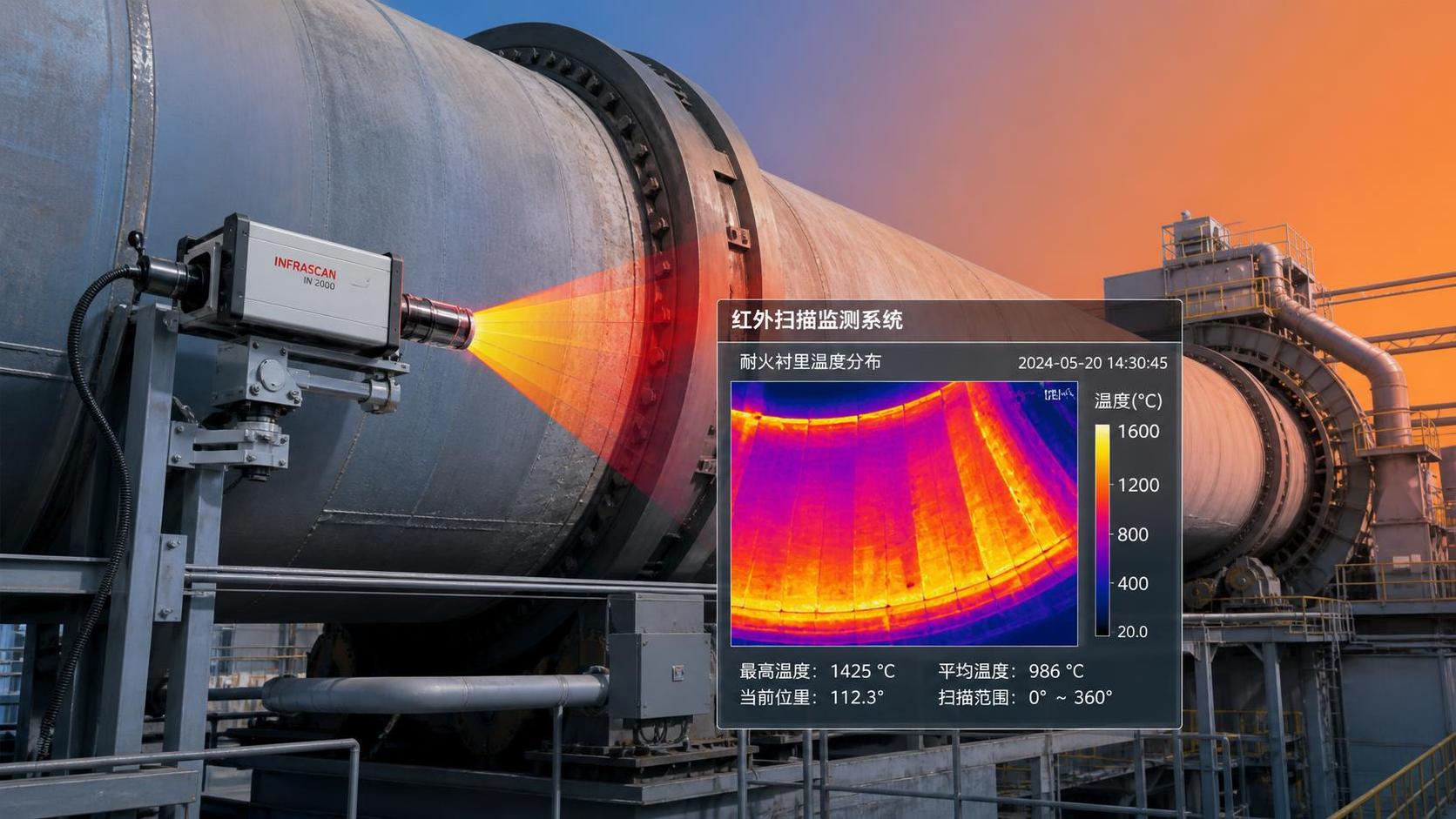
- Online monitoring is exposing localized hot spots earlier than visual inspection can.
- Carbon reduction targets are pushing operators toward thinner safety margins.
- Data platforms now combine shell scans, process chemistry, and lining history.
These changes increase the value of models that understand material behavior, not only equipment age. That is where refractory material science changes the forecasting equation.
What is driving this change in refractory material science
The trend is not caused by one innovation alone. It comes from multiple pressures acting on kiln systems at the same time.
In practical terms, refractory material science now explains why one brick grade survives fuel changes while another spalls, infiltrates, or loses mechanical integrity too early.
How kiln life forecasts are changing from static estimates to behavior models
The old method asked one question: how long did the last lining last? The newer method asks why the lining deteriorates in each thermal and chemical zone.
That difference is decisive. Refractory material science supports models that track degradation pathways instead of simple replacement intervals.
Key variables now entering forecast models
- Phase stability at operating temperature ranges
- Chemical penetration depth and reaction layer growth
- Elastic response during startup and shutdown cycles
- Slag, clinker, or melt adhesion behavior
- Residual porosity after service exposure
- Anchoring, joint, and installation quality effects
This approach improves forecast confidence because it reflects actual service conditions. It also separates material limits from controllable process errors.
Where the impact is strongest across cement, glass, incineration, and refractory lines
The influence of refractory material science is broad, but the risk profile changes by application.
Cement production plants
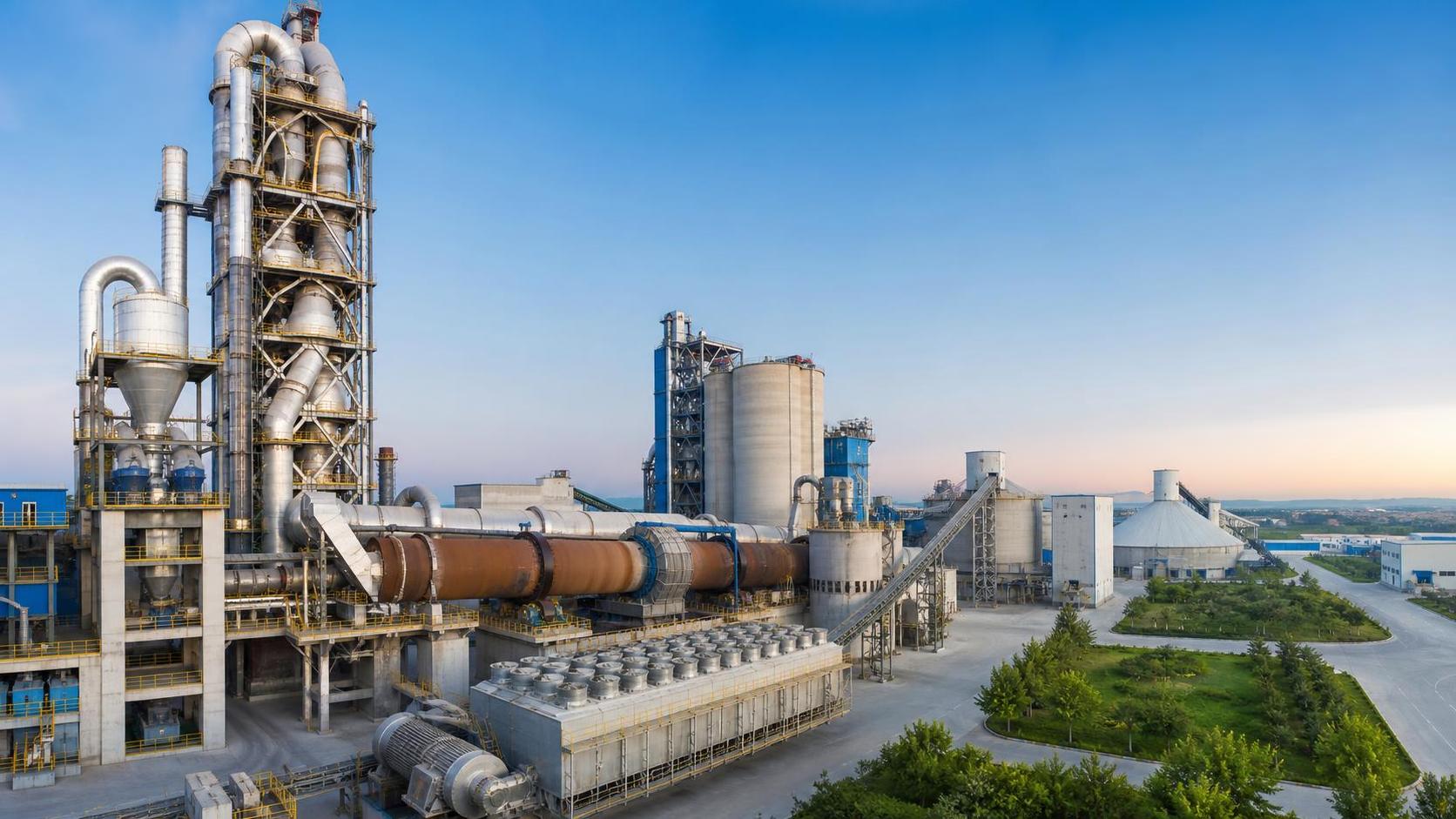
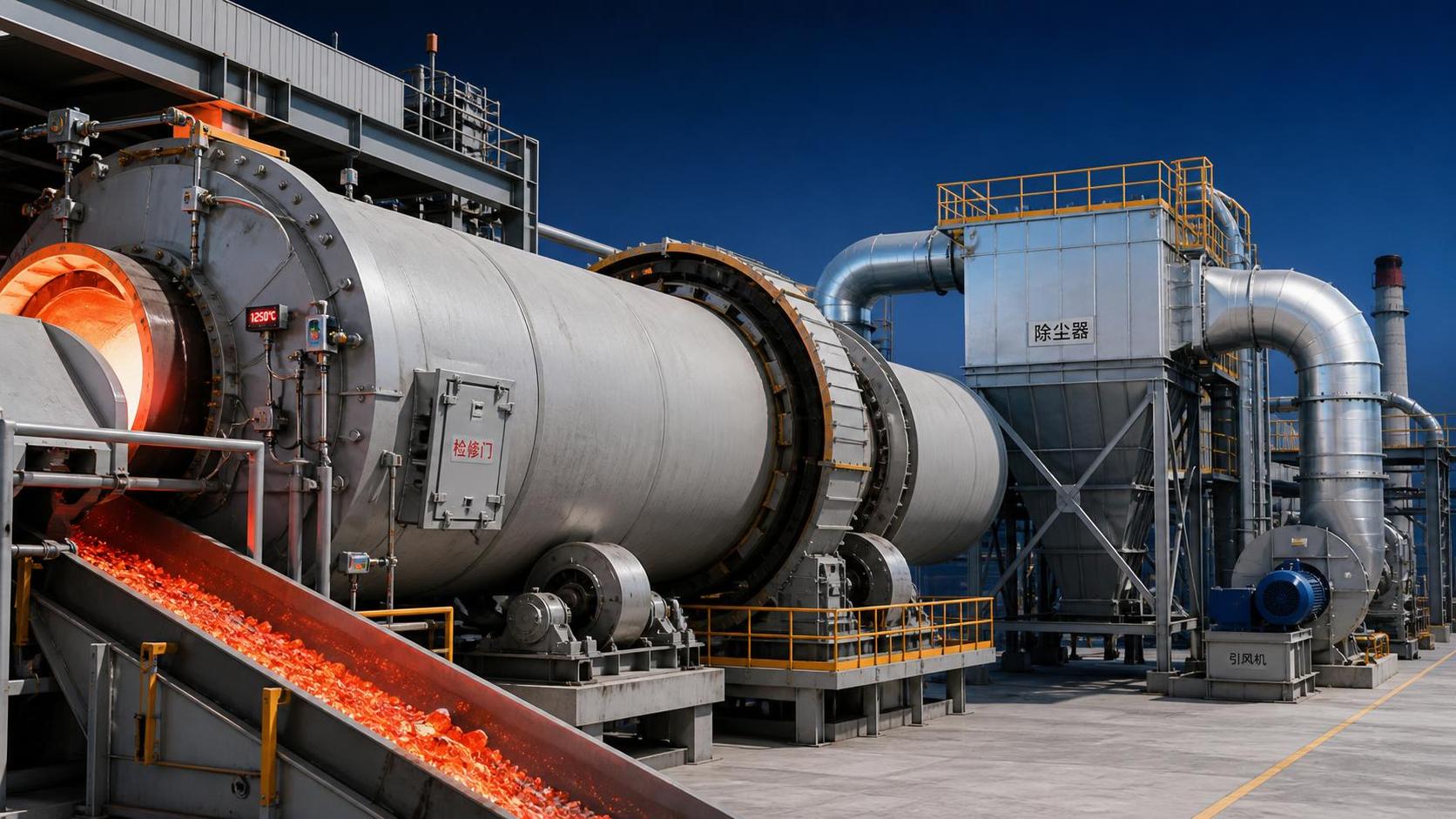
Rotary kilns face alkali circulation, coating instability, and aggressive fuel ash. Forecasting must link refractory selection with feed chemistry and burner behavior.
Glass manufacturing gear
Furnace campaign life depends on corrosion resistance, creep, and contamination control. Minor refractory changes can affect melt quality and energy balance simultaneously.
Industrial kilns and incineration
Thermal cycling, oxidizing and reducing shifts, and waste variability create uneven damage. Life forecasting benefits from localized data and material response mapping.
Refractory production lines
Producers must predict service life more precisely to validate formulation upgrades. That makes refractory material science essential for product positioning and technical credibility.
What deserves closer attention when evaluating refractory material science
Not every data point improves decisions. The most useful signals are those that connect material behavior with maintenance outcomes and process economics.
- Compare lab properties with post-service condition, not purchase specifications alone.
- Track damage by zone instead of averaging the whole kiln shell.
- Review startup and upset events as major life-reduction triggers.
- Examine infiltration, not only visible thickness loss.
- Correlate lining wear with fuel mix changes and raw material volatility.
- Assess installation quality as part of material performance analysis.
- Link thermal efficiency loss with refractory aging, not only burner tuning.
These priorities help convert refractory material science from a specialist topic into a practical forecasting tool for long-cycle industrial assets.
A practical judgment framework for the next phase of kiln life forecasting
A stronger forecast model should combine materials intelligence, operating records, and online condition data. The goal is not perfect prediction, but earlier and better intervention.
For CF-Elite, this is where intelligence becomes strategic. Material behavior, thermal management, and decarbonization are no longer separate conversations.
The next operational step is to treat refractory material science as forecast infrastructure
The main lesson is clear. Refractory material science is changing kiln life forecasts because kiln damage is increasingly dynamic, localized, and chemistry-driven.
Organizations that still rely on historical averages may underestimate risk, overuse safety margins, or replace linings too late. Those outcomes increase cost, downtime, and energy waste.
A better path is to combine service data, material analysis, and process context into a living forecast model. That method supports safer campaigns and more defensible maintenance planning.
CF-Elite continues to track how refractory material science, digital monitoring, and thermal strategy converge. Following that convergence is becoming essential for high-temperature asset decisions.
Related News
 Optical Glass Tech FellowHow to Evaluate a Glass Annealing Equipment Manufacturer for Production StabilityChoose a glass annealing equipment manufacturer with proven thermal uniformity, reliable controls, lifecycle value, and responsive service for stable production.Sep 08, 2026
 Prof. Marcus ChenThermal Energy Architecture in North America: Strategies for Lower Building Energy UseThermal energy architecture North America helps project leaders cut building energy use through stronger envelopes, right-sized HVAC, storage, and smart commissioning.Sep 07, 2026
 Ms. Elena RodriguezHow Should Buyers Evaluate Building Material Industry Intelligence Pricing?Building material industry intelligence pricing: learn how to compare coverage, technical depth, and ROI to choose intelligence that reduces procurement risk.Sep 07, 2026
 Ms. Elena RodriguezHow to Use Building Material Intelligence Data for Market and Investment DecisionsBuilding material industry intelligence data helps leaders evaluate demand, costs, regulation, capacity, and technology to make smarter market and investment decisions.Sep 05, 2026
 Thermal Energy ArchitectHow PLC Control Improves Energy Efficiency and Temperature Stability in KilnsEnergy efficient kilns PLC control improves temperature stability, cuts fuel waste, and optimizes combustion, draft, and material flow. Explore proven strategies for smarter kiln modernization.Sep 04, 2026
 Optical Glass Tech FellowEuropean Glass Melting Processes: Furnace Choices, Energy Use, and Quality ControlGlass melting process Europe: explore furnace choices, energy efficiency, cullet strategy, and quality control to improve output, compliance, and long-term glass performance.Sep 03, 2026
 Thermal Energy ArchitectWhat Determines Refractory Lining Monitoring Price for Industrial Kilns?Refractory lining monitoring price depends on kiln size, sensor technology, installation, software, and support. Compare total lifecycle costs and choose the right solution.Sep 02, 2026
 Silicate Process EngineerCement Production System Costs: A Plant Buyer’s Guide to Budgeting and ROICement production systems cost planning made clear: compare CAPEX, operating costs, compliance, and ROI to build a resilient, profitable cement plant investment.Sep 01, 2026
 Dr. Alistair VaughnWhat Should a Process Technology Database Track for High-Temperature Plants?Process technology database essentials for high-temperature plants: track thermal profiles, feed chemistry, refractory wear, emissions, energy, and maintenance for safer, data-driven decisions.Aug 31, 2026
 Ms. Elena RodriguezHow to Evaluate a Silicate Processing Equipment Manufacturer for Plant ProjectsSilicate processing equipment manufacturer selection: assess process fit, guarantees, energy, compliance, delivery risk, and lifecycle support for dependable plant performance.Aug 30, 2026
 Dr. Alistair VaughnHow to Specify Custom Agricultural Processing Equipment for Throughput and HygieneEquipment customization services for agricultural processing: learn to specify hygienic, high-throughput lines that improve yield, reliability, and long-term efficiency.Aug 29, 2026
 Dr. Alistair VaughnHow to Select Process Plant Equipment for High-Temperature, Abrasive Production LinesProcess plant equipment selection for high-temperature, abrasive lines: reduce downtime, improve durability, and optimize lifecycle performance.Aug 28, 2026
 Silicate Process EngineerHow Kiln Heat Recovery Systems Cut Fuel Use in Cement and Lime ProductionKiln heat recovery helps cement and lime plants cut fuel use, improve thermal stability, and build practical, reliable decarbonization strategies.Aug 27, 2026
 Ms. Elena RodriguezProcess Equipment Comparison: Which Metrics Matter Most for Reliable Selection?Process equipment comparison made practical: discover which metrics truly drive reliable selection, from energy efficiency and control stability to wear life, maintainability, and uptime.Aug 26, 2026
 Ms. Elena RodriguezWhat Buyers Should Check Before Sourcing Precision Alloy Bars for Critical PartsPrecision Alloy Bars buyers should verify grade, chemistry, tolerances, surface quality, traceability, and lead time before sourcing for critical parts. Learn what prevents costly machining and reliability risks.Aug 27, 2026
 Ms. Elena RodriguezHow to Evaluate Thermal Management Solutions Insulation for High-Heat Industrial SystemsThermal management solutions insulation: learn how to assess high-heat industrial systems by thermal performance, durability, lifecycle cost, and supplier data for smarter decisions.Aug 25, 2026
 Ms. Elena RodriguezWhat Drives Waste Recycling Cost in Industrial Projects and How to Estimate It?Waste recycling cost in industrial projects depends on composition, moisture, transport, pre-treatment, and compliance. Learn how to estimate it accurately and compare suppliers with confidence.Aug 24, 2026
 Silicate Process EngineerHow to Evaluate Cement Production Plants in the Middle East for Capacity, Fuel Flexibility, and ROIcement production plants Middle East: Learn how to assess true capacity, fuel flexibility, and ROI risks to identify resilient assets and smarter investment opportunities.Aug 23, 2026
 Structural Material AnalystHow to Evaluate Lightweight Material Machinery for Output, Energy Use, and Product QualityLightweight material machinery evaluation guide: compare stable output, energy use, and product quality to choose equipment that cuts waste, lowers costs, and improves production confidence.Aug 22, 2026
 Material Heat-Resist ExpertWhat Determines Refractory Production Line Price in a Turnkey Plant Project?Refractory production line price depends on raw materials, forming method, kiln and drying design, automation, utilities, and scope. Learn what really drives turnkey plant cost before you invest.Aug 21, 2026





Related News
- 00
0000-00
What Determines Refractory Production Line Price in a Turnkey Plant Project? - 00
0000-00
How to Evaluate a Silicate Production Line for Capacity, Energy Use, and Product Quality - 00
0000-00
Silicate Production Line Process Explained: Key Stages, Equipment, and Quality Control - 00
0000-00
How to Evaluate a Refractory Production Line in Southeast Asia: Capacity, Fuel, and Raw Material Factors - 00
0000-00
How to Evaluate a Silicate Production Lines Supplier for Capacity, Automation, and Raw Material Fit
Weekly Insights
Stay ahead with our curated technology reports delivered every Monday.