
How to Evaluate Silicate Production Lines: Capacity, Automation, and Energy Use




Evaluating silicate production lines starts well beyond nameplate throughput. In continuous, heat-intensive operations, real value appears in how capacity holds under raw material variation, how automation supports stable control, and how energy use behaves across full production cycles.
That matters across cement, glass, refractory, and advanced building material processing, where line performance shapes both operating cost and environmental exposure. For operations tracking decarbonization and uptime together, the strongest assessment framework connects thermal behavior, process consistency, and upgrade potential.
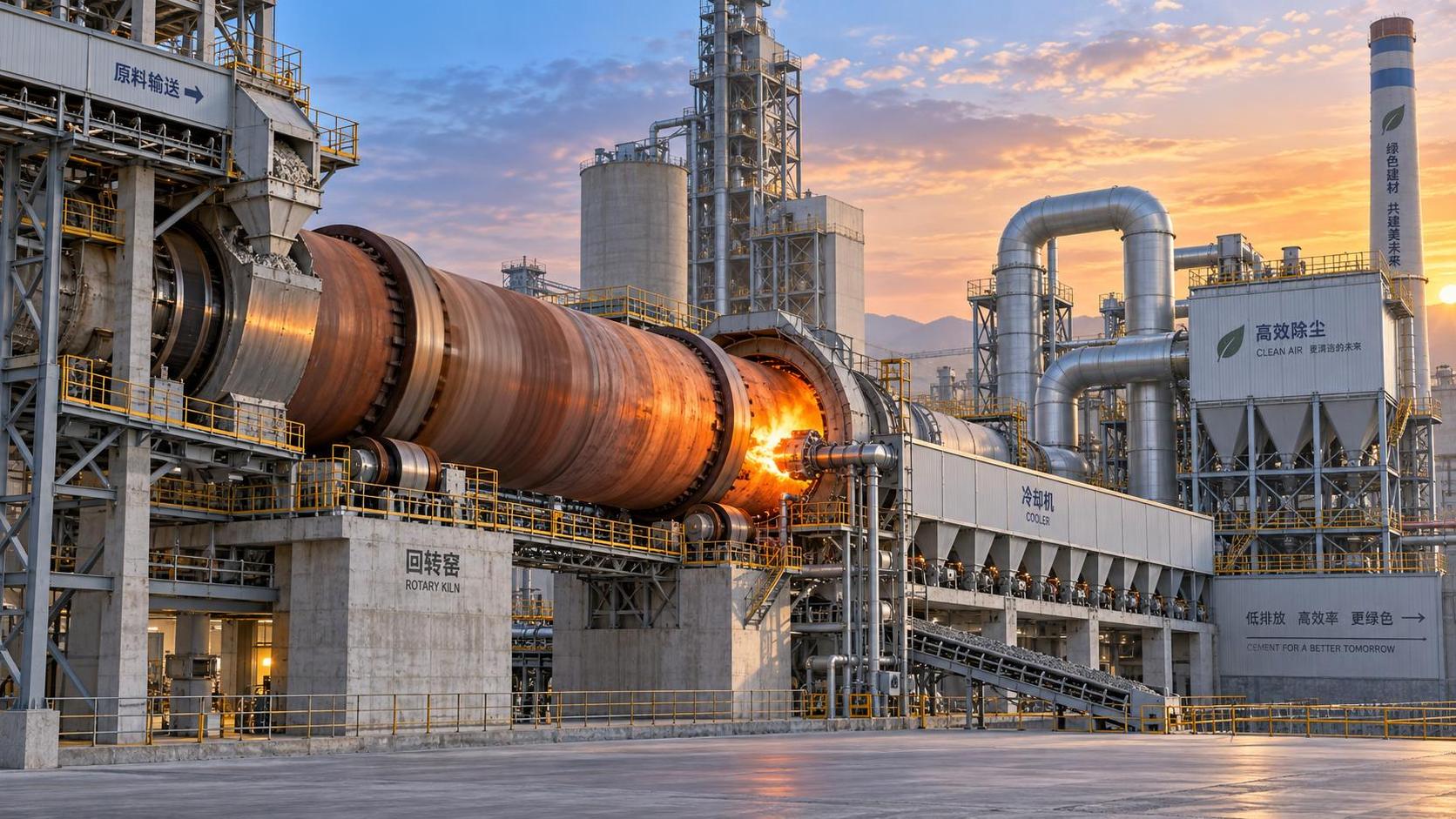
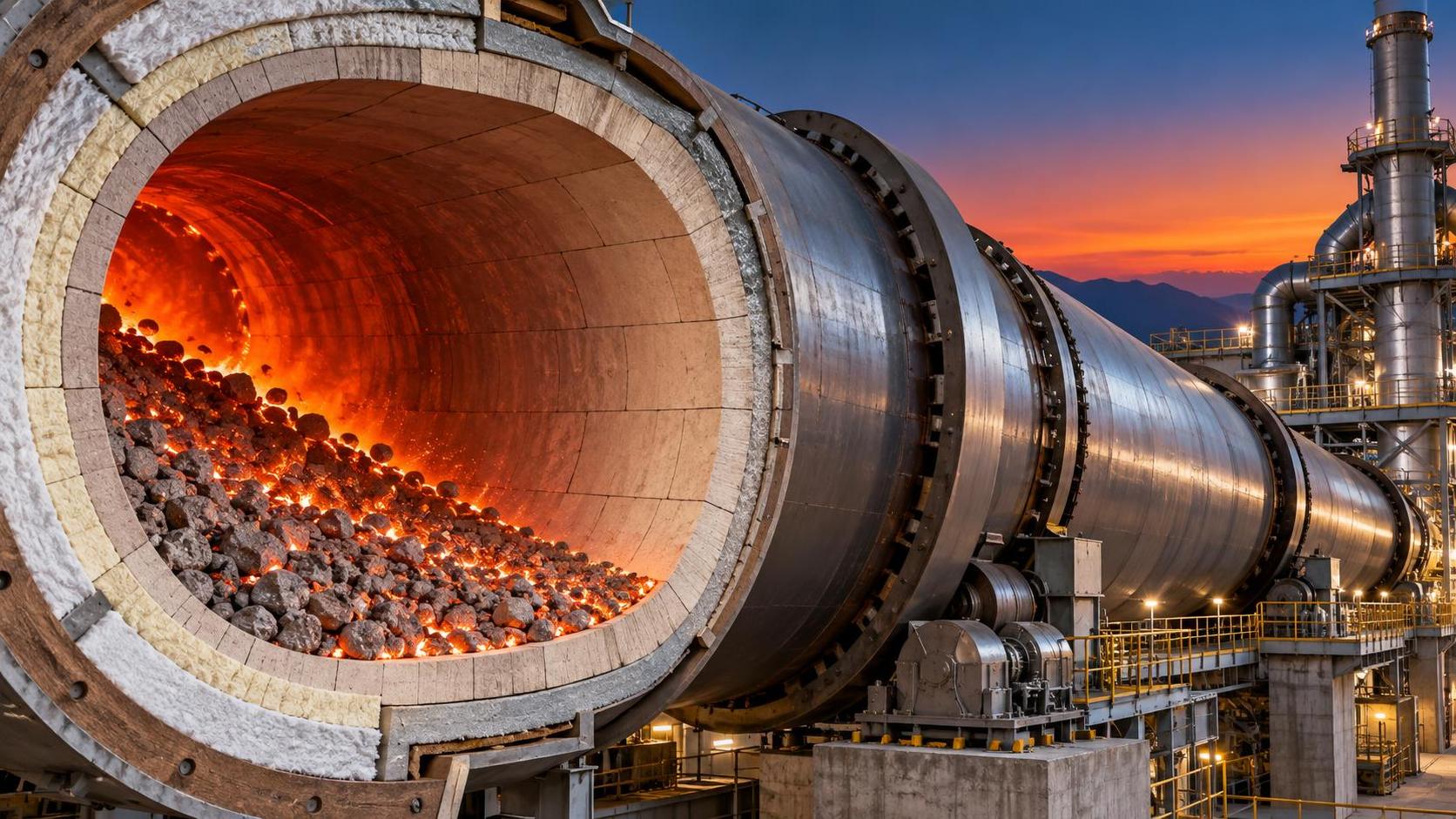
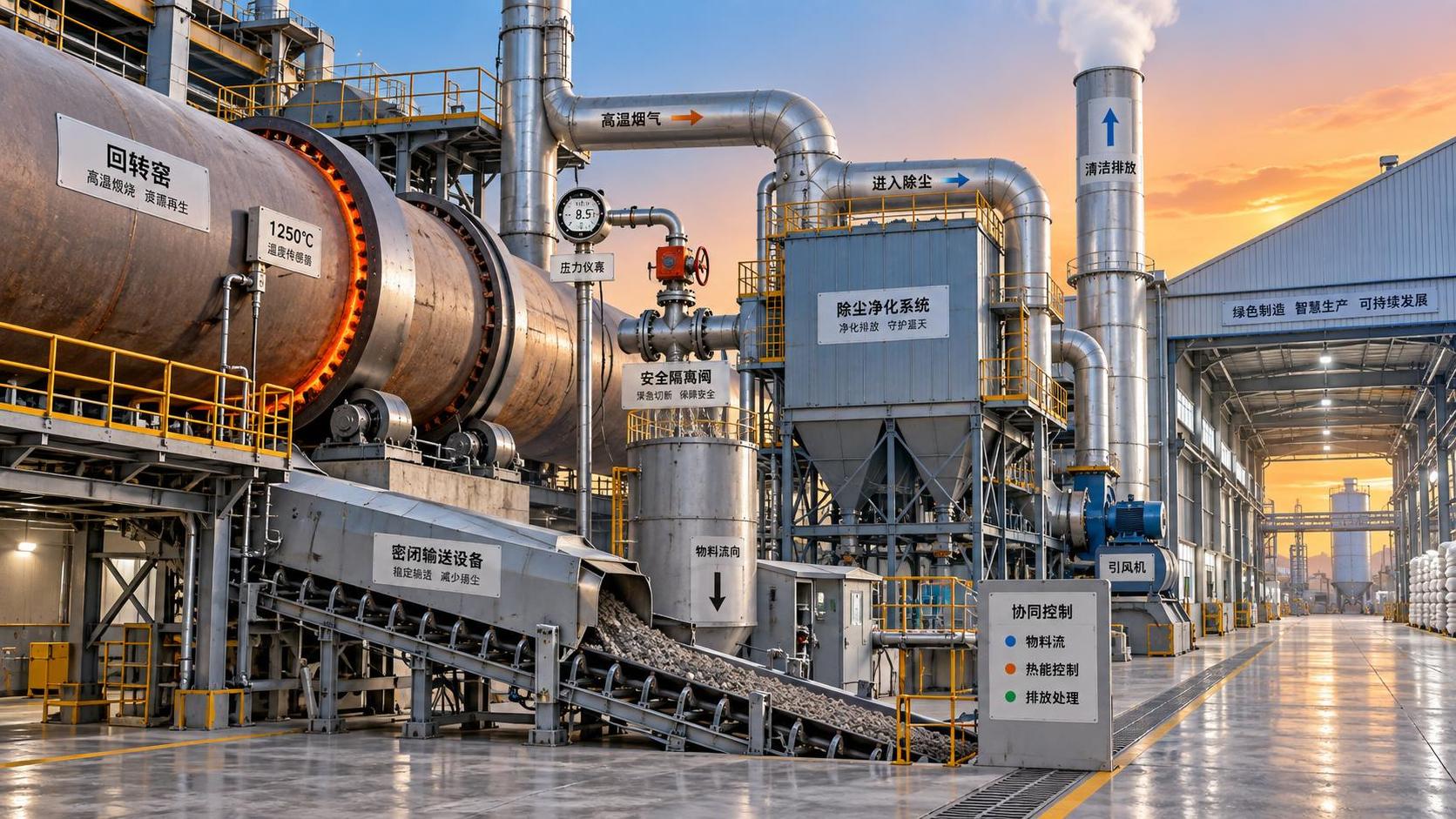
Within that broader industrial context, CF-Elite’s perspective is useful because it treats silicate systems as part of a larger thermal ecosystem. Rotary kilns, melting sections, extrusion equipment, and emission control units rarely perform well when judged in isolation.
What a serious line evaluation should actually measure
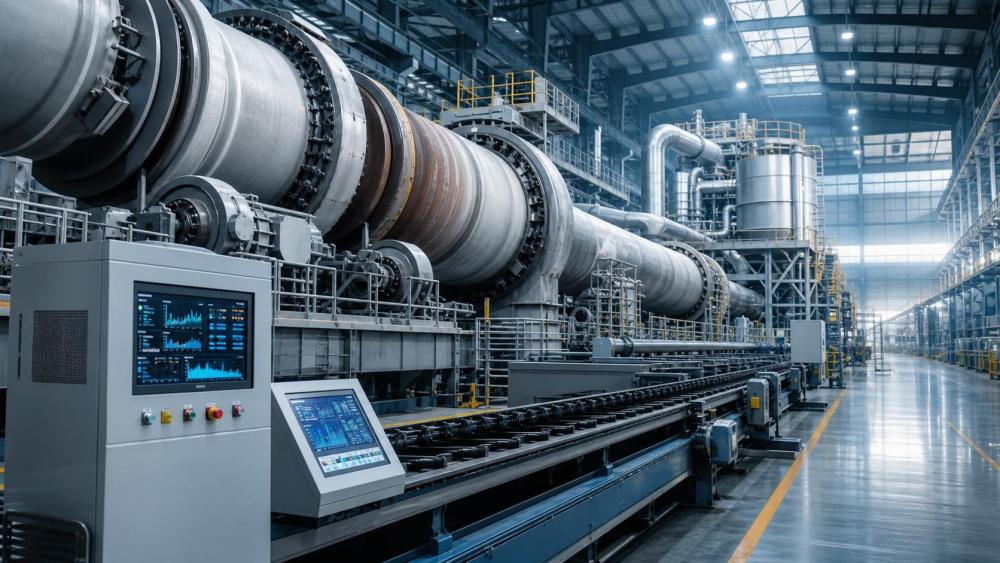
A practical review of silicate production lines usually revolves around three linked questions. Can the line sustain target output, can it control process variation, and can it do both without excessive thermal loss or utility waste?
Capacity, automation, and energy use are often listed separately in supplier documents. In operation, they interact constantly. A line with high nominal capacity but weak control logic may produce unstable quality, higher rework, and unexpected fuel penalties.
Likewise, a highly automated system may still underperform if material flow, residence time, or heat recovery design is weak. The point is not to score isolated features, but to understand system behavior under industrial load.
From output rating to effective capacity
Nominal capacity is only a starting point. Effective capacity should reflect sustained hourly output, seasonal operating stability, changeover losses, maintenance downtime, and the actual product specification required by downstream users.
For many silicate production lines, the decisive question is how close the line remains to rated output after feed chemistry shifts, moisture changes, or thermal disturbances. A line that reaches 95% of target for long campaigns may outperform a larger but unstable installation.
Capacity is a process balance, not a headline number
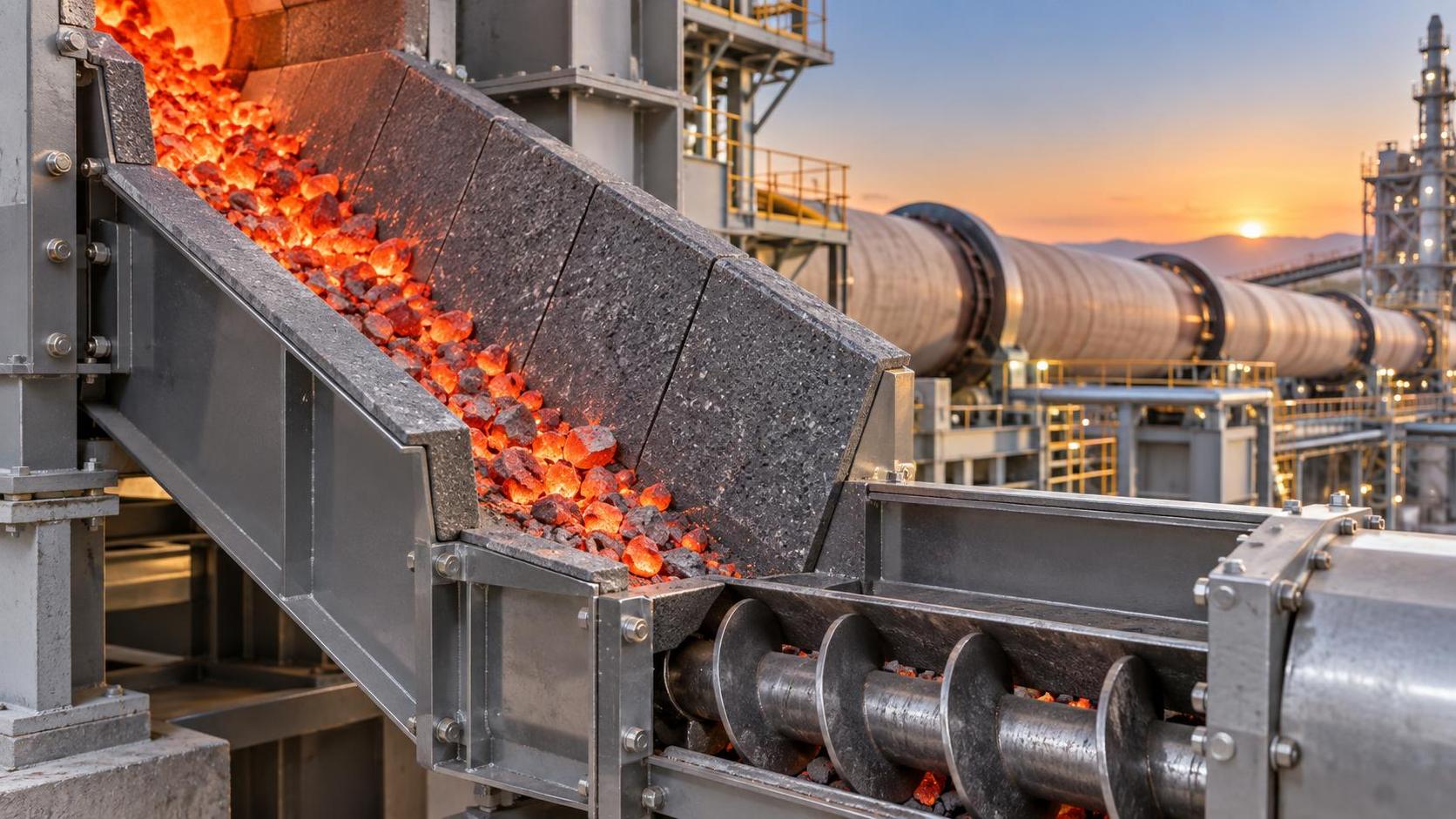
Capacity depends on the slowest and most sensitive section of the line. In some cases, raw material preparation limits performance. In others, the bottleneck appears in calcination, melting, cooling, forming, or packaging.
This is why comparative review should trace the entire production path. If feeder accuracy, burner response, draft control, and cooling balance are mismatched, capacity claims can become optimistic very quickly.
Key capacity indicators worth comparing
- Sustained output during 72-hour or longer runs
- Specific output per main thermal unit
- Yield after rejects, fines, or off-spec production
- Availability after planned and unplanned stops
- Flexibility across different recipes or feed properties
In integrated heavy industry, these indicators matter more than standalone maximum output. They reveal whether silicate production lines can support realistic demand peaks without eroding quality or maintenance margins.
Different sectors stress capacity in different ways
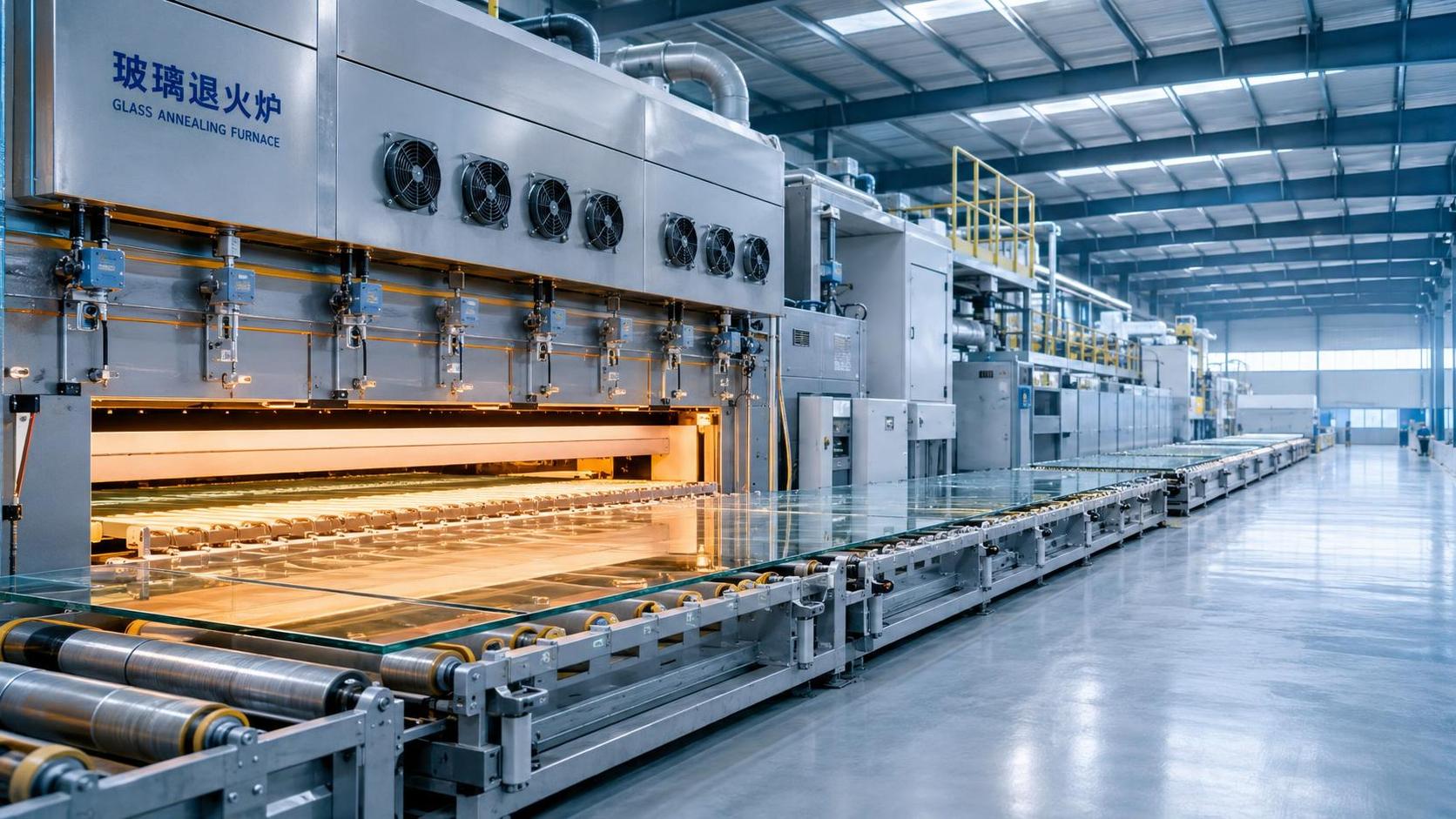
Cement-oriented systems often face variability in raw meal chemistry and fuel substitution. Glass-related equipment may be constrained by furnace thermal uniformity and annealing discipline. Refractory lines can be limited by forming precision and sintering consistency.
That cross-sector view is one reason intelligence platforms such as CF-Elite are increasingly relevant. Comparable thermal logic appears in different production environments, even when the final material and equipment layout differ.
Automation should stabilize process physics, not just add screens
Automation quality is often misunderstood. More interfaces, more dashboards, or more sensors do not automatically mean better control. What matters is whether the architecture improves repeatability, traceability, fault response, and energy coordination.
In silicate production lines, process dynamics are rarely simple. Temperature gradients, combustion behavior, residence time, pressure balance, and material composition all interact. Automation should help operators manage these relationships in real time.
What to examine in the control architecture
The strongest automation schemes are usually those that reduce process drift quietly. They lower operator burden, keep key variables inside narrower bands, and create usable data for later optimization.
Digital tools are becoming part of the evaluation baseline
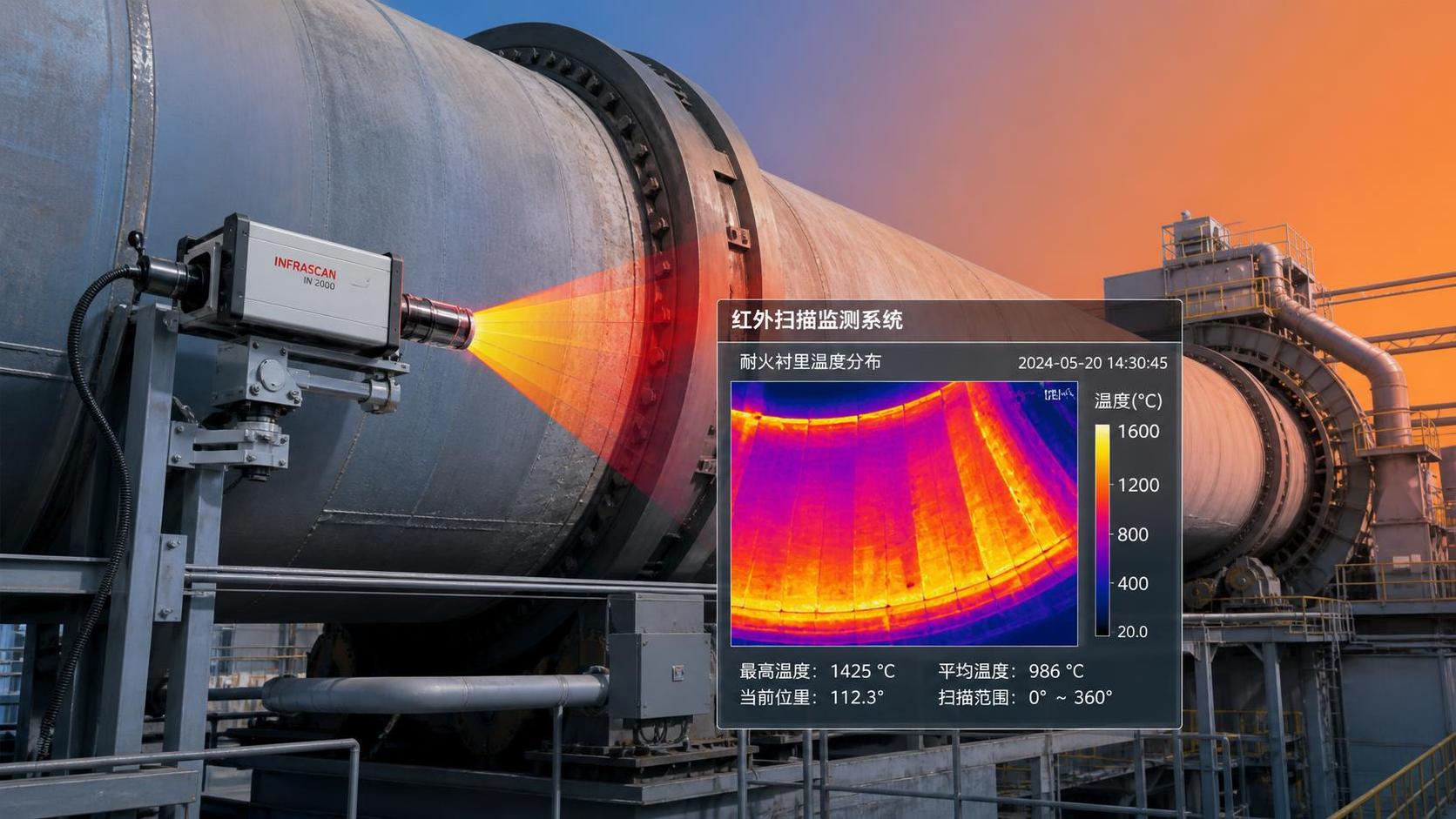
Online refractory monitoring, combustion analytics, and digital twin models are no longer experimental in many thermal industries. They help reveal where silicate production lines lose efficiency before the problem appears in product quality or emissions.
This shift also affects procurement logic. A line that arrives with open data protocols and scalable analytics may hold more long-term value than one optimized only for initial commissioning.
Energy use must be read through thermal efficiency
Energy consumption is often presented as a single benchmark, yet it should be interpreted carefully. Fuel type, feed moisture, ambient conditions, product grade, and waste heat recovery all influence final numbers.
A useful comparison asks how much usable production each energy unit delivers, and how consistently the line holds that ratio. For silicate production lines, thermal efficiency often tells more than absolute energy draw.
Where hidden energy losses usually appear
- Air leakage in kilns, ducts, and hot zones
- Poor burner matching or incomplete combustion response
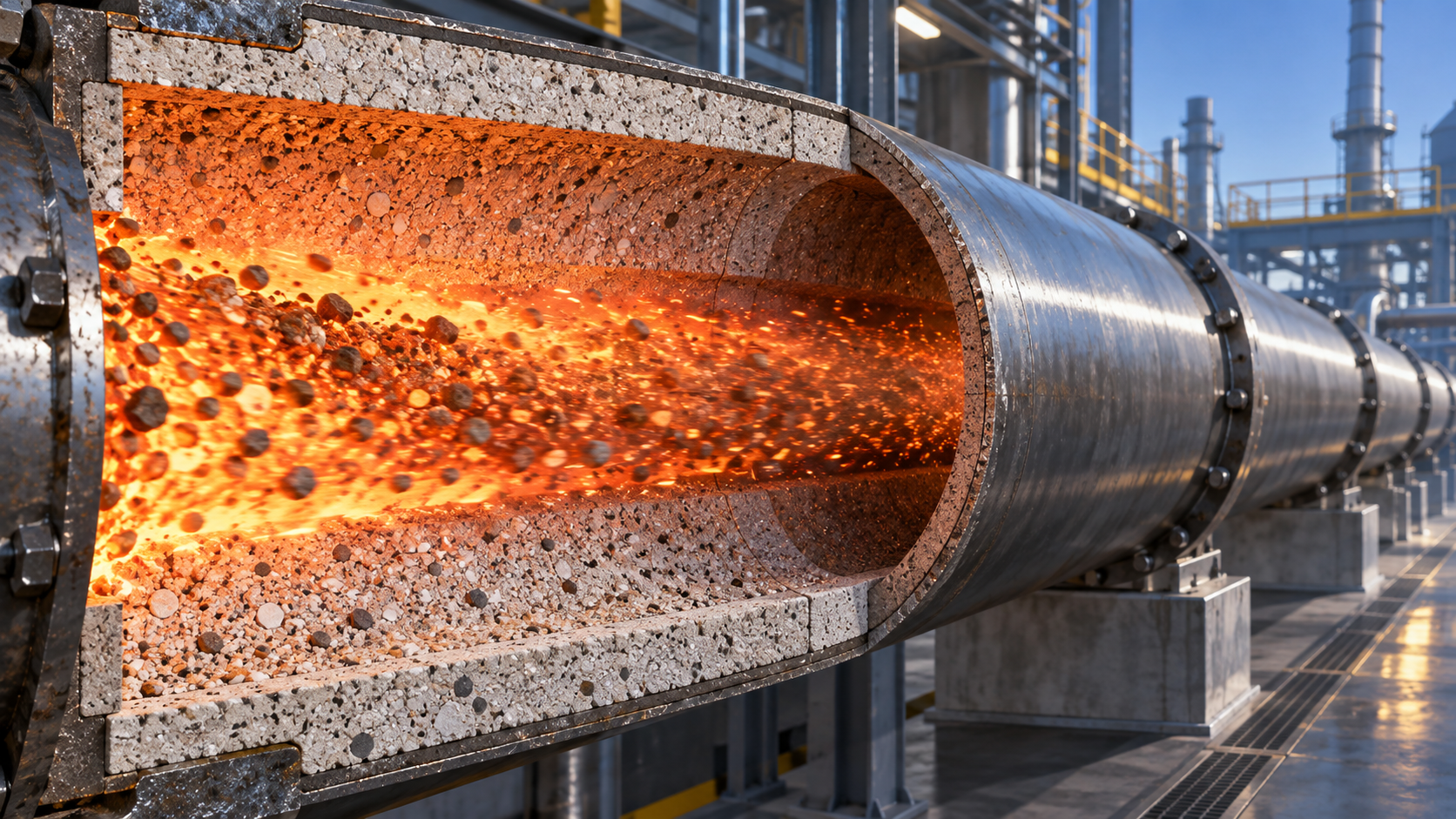
- Inadequate insulation or degraded refractory linings
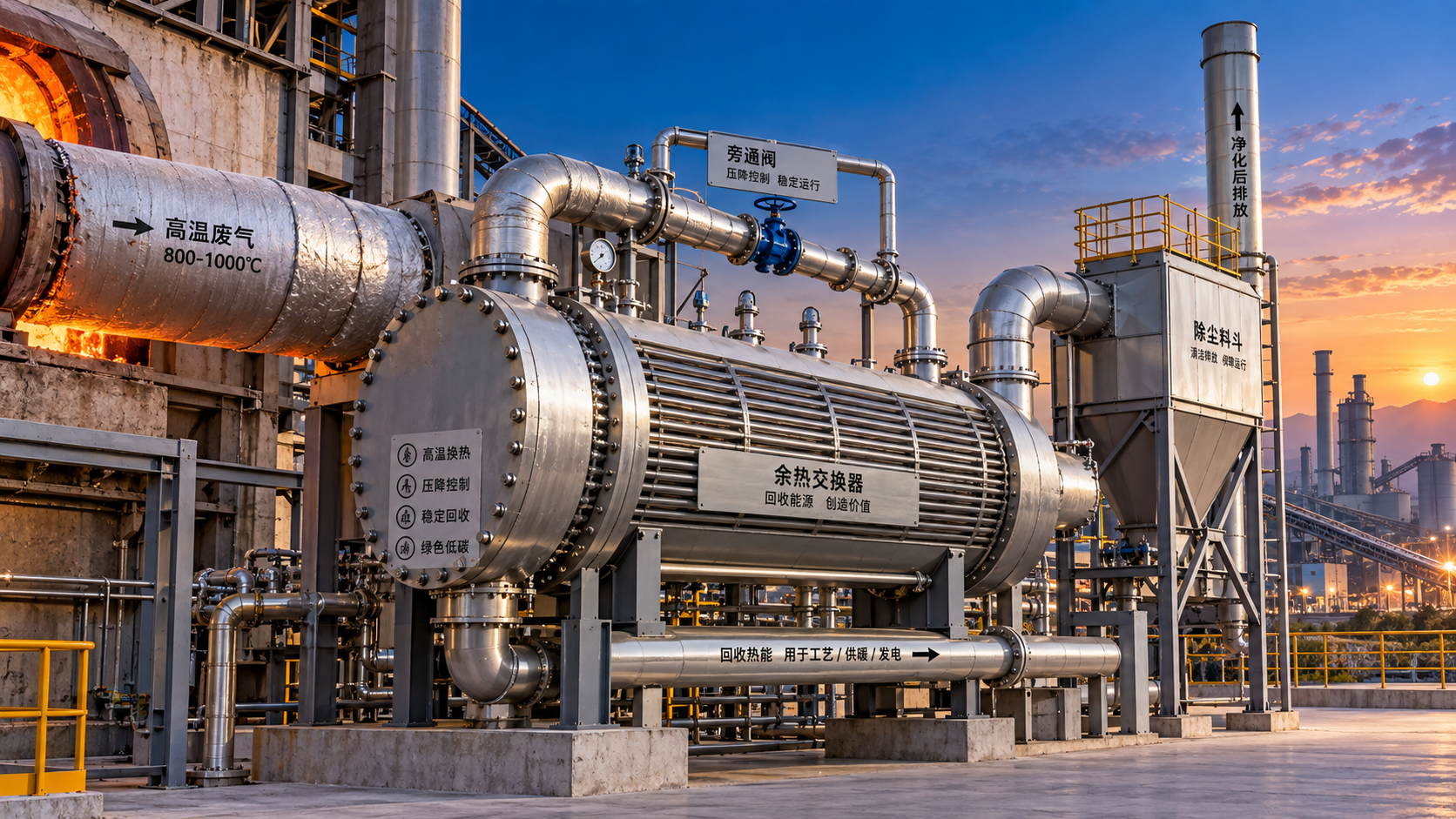
- Weak heat recovery from exhaust streams
- Excess recirculation caused by unstable control settings
These losses are rarely visible in a brochure. They become visible through heat balance review, emissions trends, shell temperature mapping, and long-run operating data.
Why energy review now carries strategic weight
Energy is no longer only a cost center. It affects carbon reporting, permit risk, fuel flexibility, and the credibility of green material claims. In export-facing sectors, these issues increasingly shape market access and investment timing.
CF-Elite’s focus on thermal management and carbon reduction is relevant here because line selection now sits at the intersection of engineering, regulation, and long-cycle capital planning.
A practical framework for comparing silicate production lines
A strong assessment model combines performance data, equipment design logic, and operating constraints. It also distinguishes between commissioning performance and mature operating performance, which are not always the same.
One useful approach is to score candidate silicate production lines across a limited set of weighted criteria, then challenge every score with evidence from references, test runs, or historical operating records.
Suggested evaluation dimensions
- Process suitability for the target silicate formulation
- Stable capacity under variable feed conditions
- Automation depth with maintainable control complexity
- Specific fuel and power consumption at real operating load
- Emission compliance and waste heat integration potential
- Serviceability, spare parts logic, and future upgrade path
This kind of structure helps separate attractive specifications from durable industrial performance. It also makes cross-functional review easier when operations, maintenance, energy, and finance teams evaluate the same project differently.
What should happen before a final decision
Before selecting among silicate production lines, it is worth building a short evidence list. That usually includes heat and mass balance data, control philosophy documents, reference plant performance, refractory life assumptions, and expected utility conditions.
It also helps to test how each line would respond to practical disruptions. Feed variability, fuel switching, partial-load operation, maintenance access, and digital integration should be examined before they become operational surprises.
The most reliable next step is not a faster decision, but a sharper one. Define the operating envelope, rank the non-negotiable parameters, and compare silicate production lines against real plant conditions rather than idealized datasheets. That is usually where the better long-term choice becomes visible.
Related News
 Thermal Energy ArchitectHow European Plants Can Evaluate Energy Recovery Equipment for High-Temperature ProcessesIndustrial energy recovery equipment Europe: learn how high-temperature plants can assess waste-heat sources, integration risks, lifecycle value, and reliable recovery routes.Sep 20, 2026
 Thermal Energy ArchitectIndustrial Furnace Process Optimization: Reducing Fuel Use Without Sacrificing ThroughputIndustrial process optimization furnace strategies that cut fuel use while protecting throughput. Explore combustion control, heat recovery, refractory performance, and data-driven efficiency gains.Sep 19, 2026
 Ms. Elena RodriguezWhat Drives High-Pressure Extrusion Equipment Cost in Industrial Projects?High pressure extrusion equipment cost explained: compare pressure, die design, automation, wear, energy, and installation factors for smarter industrial investments.Sep 18, 2026
 Thermal Energy ArchitectHow to Size a Waste Heat Recovery Exchanger for High-Temperature Kiln Exhaust?Waste heat recovery exchanger sizing for high-temperature kiln exhaust: balance recoverable duty, fouling, corrosion limits, pressure drop, and reliable heat use.Sep 17, 2026
 Thermal Energy ArchitectWhy Heat-Resistant Materials Lose Abrasion Resistance at High TemperaturesHeat-resistant materials abrasion resistance can decline at high temperatures. Discover the thermal, chemical, and mechanical causes of wear—and how to choose longer-lasting linings.Sep 16, 2026
 Thermal Energy ArchitectHow to Evaluate a Thermal Energy Optimization Company for High-Temperature PlantsChoose a thermal energy optimization company with proven process expertise, measurable savings, and reliable delivery for high-temperature plants. Learn what to assess.Sep 15, 2026
 Thermal Energy ArchitectRotary Kiln Efficiency: How Feed Rate, Fuel Use, and Heat Loss Affect OutputRotary kiln efficiency explained: discover how feed rate, fuel use, heat loss, combustion, and cooling performance shape output, quality, and energy costs.Sep 14, 2026
 Thermal Energy ArchitectHow to Select Heat-Resistant Materials That Maintain Abrasion Resistance in KilnsHeat-resistant materials abrasion resistance: learn how to select kiln linings that withstand heat, wear, thermal cycling, and chemical attack for longer service life.Sep 13, 2026
 Thermal Energy ArchitectHow Rotary Kiln Automation Improves Temperature Control and Fuel EfficiencyRotary kiln technology automation enhances temperature control, stabilizes combustion, and improves fuel efficiency with smarter data, predictive control, and safer operations.Sep 12, 2026
 Silicate Process EngineerCement Plant Emission Control: Selecting Systems for Dust, NOx, and SO2 LimitsCement plant emission control guide: compare dust collectors, NOx reduction, and SO2 systems for reliable compliance across kiln modes, fuel changes, and operating upsets.Sep 11, 2026
 Thermal Energy ArchitectSelecting Abrasion-Resistant High-Temperature Materials for Kiln and Conveyor Wear ZonesHigh-temp material engineering guide to abrasion-resistant kiln and conveyor solutions—match wear, heat, chemistry, and installation design for longer service life.Sep 10, 2026
 Dr. Alistair VaughnIndustrial Process Engineering: How to Map Processes for Safer, More Efficient PlantsIndustrial process engineering reveals bottlenecks, safety risks, and energy losses through practical process mapping for safer, more efficient plants.Sep 09, 2026
 Optical Glass Tech FellowHow to Evaluate a Glass Annealing Equipment Manufacturer for Production StabilityChoose a glass annealing equipment manufacturer with proven thermal uniformity, reliable controls, lifecycle value, and responsive service for stable production.Sep 08, 2026
 Prof. Marcus ChenThermal Energy Architecture in North America: Strategies for Lower Building Energy UseThermal energy architecture North America helps project leaders cut building energy use through stronger envelopes, right-sized HVAC, storage, and smart commissioning.Sep 07, 2026
 Ms. Elena RodriguezHow Should Buyers Evaluate Building Material Industry Intelligence Pricing?Building material industry intelligence pricing: learn how to compare coverage, technical depth, and ROI to choose intelligence that reduces procurement risk.Sep 07, 2026
 Ms. Elena RodriguezHow to Use Building Material Intelligence Data for Market and Investment DecisionsBuilding material industry intelligence data helps leaders evaluate demand, costs, regulation, capacity, and technology to make smarter market and investment decisions.Sep 05, 2026
 Thermal Energy ArchitectHow PLC Control Improves Energy Efficiency and Temperature Stability in KilnsEnergy efficient kilns PLC control improves temperature stability, cuts fuel waste, and optimizes combustion, draft, and material flow. Explore proven strategies for smarter kiln modernization.Sep 04, 2026
 Optical Glass Tech FellowEuropean Glass Melting Processes: Furnace Choices, Energy Use, and Quality ControlGlass melting process Europe: explore furnace choices, energy efficiency, cullet strategy, and quality control to improve output, compliance, and long-term glass performance.Sep 03, 2026
 Thermal Energy ArchitectWhat Determines Refractory Lining Monitoring Price for Industrial Kilns?Refractory lining monitoring price depends on kiln size, sensor technology, installation, software, and support. Compare total lifecycle costs and choose the right solution.Sep 02, 2026
 Silicate Process EngineerCement Production System Costs: A Plant Buyer’s Guide to Budgeting and ROICement production systems cost planning made clear: compare CAPEX, operating costs, compliance, and ROI to build a resilient, profitable cement plant investment.Sep 01, 2026



Related News
- 00
0000-00
What Determines Refractory Production Line Price in a Turnkey Plant Project? - 00
0000-00
How to Evaluate a Silicate Production Line for Capacity, Energy Use, and Product Quality - 00
0000-00
Silicate Production Line Process Explained: Key Stages, Equipment, and Quality Control - 00
0000-00
How to Evaluate a Refractory Production Line in Southeast Asia: Capacity, Fuel, and Raw Material Factors - 00
0000-00
How to Evaluate a Silicate Production Lines Supplier for Capacity, Automation, and Raw Material Fit
Weekly Insights
Stay ahead with our curated technology reports delivered every Monday.