
How to Evaluate Heat-Resistant Material Development for Kilns and Furnaces




How to Evaluate Heat-Resistant Material Development for Kilns and Furnaces
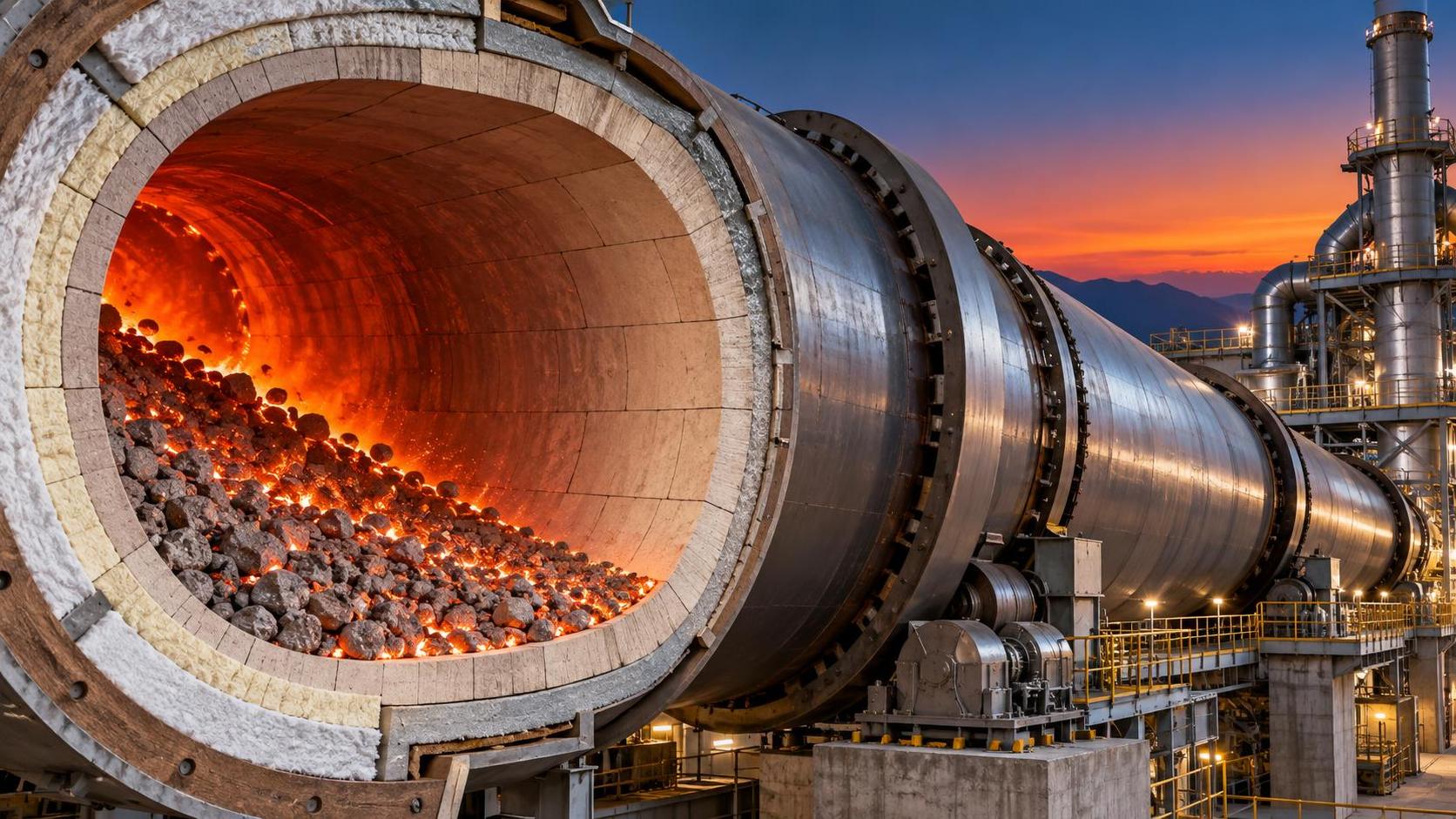
For technical evaluators, heat-resistant material development for kilns and furnaces demands more than checking temperature ratings.
It requires a structured review of thermal shock resistance, chemical stability, service life, energy efficiency, and compatibility with process conditions.
This guide explains how to assess material performance with greater precision.
The goal is simple: reduce operating risk and support long-term reliability in high-temperature systems.
Why heat-resistant material development needs deeper evaluation
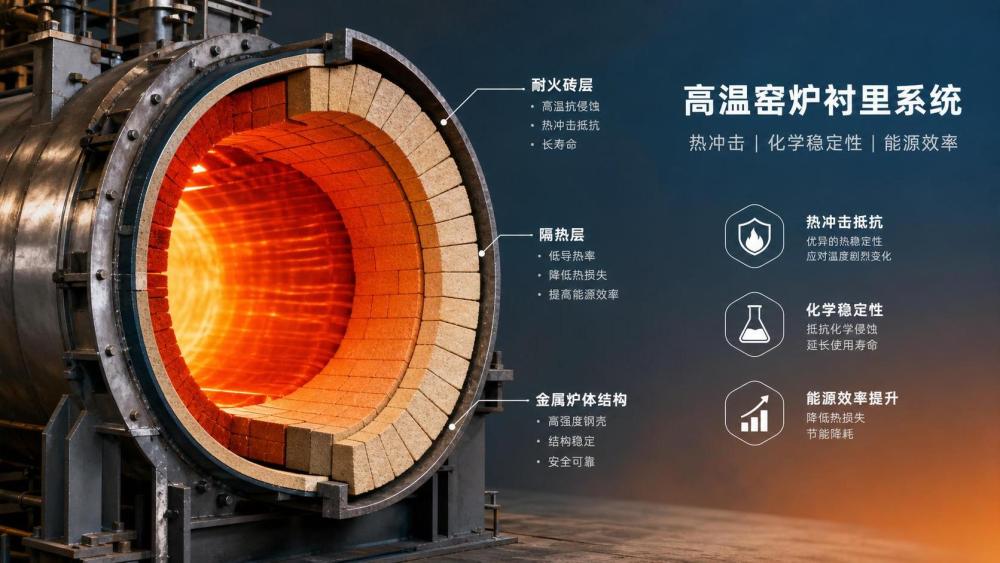
In kilns and furnaces, failure rarely starts with a single overload event.
More often, it comes from repeated thermal cycling, chemical attack, mechanical stress, and uneven heat flow.
That is why heat-resistant material development should be judged by real service behavior, not brochure data alone.
A refractory lining may survive peak temperature on paper, yet still fail early in operation.
This usually happens when evaluation ignores atmosphere, load, cycling rate, or contamination.
From a practical standpoint, heat-resistant material development affects four core decisions.
- Whether the lining can maintain structural integrity.
- Whether the process stays stable during thermal fluctuations.
- Whether fuel use rises because of poor insulation behavior.
- Whether shutdown frequency increases lifecycle cost.
Start with service conditions, not product labels
A strong evaluation begins with the operating profile of the kiln or furnace.
This sounds obvious, but many reviews still begin with nominal temperature class alone.
That approach misses the actual stress environment.
For better heat-resistant material development assessment, map the process around these variables.
Key operating factors to define
- Maximum continuous temperature and short-term peak temperature.
- Heating and cooling rate during start-up and shutdown.
- Process atmosphere, including oxidizing, reducing, or mixed gases.
- Dust load, slag contact, ash deposition, or molten splash exposure.
- Mechanical abrasion from solids, rotation, or product movement.
- Expected maintenance interval and target campaign life.
This step gives context to every later material decision.
Without it, heat-resistant material development cannot be evaluated in a meaningful way.
Review the material properties that actually drive field performance
Once service conditions are clear, the next step is performance screening.
Here, heat-resistant material development should be tested against failure modes, not isolated laboratory claims.
1. Thermal shock resistance
Thermal shock is one of the most common causes of premature cracking.
Evaluate resistance to rapid temperature change, repeated cycles, and local hot spots.
Ask whether the material retains strength after cycling, not just before it.
2. Chemical stability
Chemical attack varies widely between cement kilns, glass furnaces, incinerators, and specialty thermal lines.
Check resistance to alkalis, sulfur compounds, chlorides, slag, and volatile metals.
A material with high heat tolerance may still lose performance through corrosion or infiltration.
3. Mechanical strength at temperature
Cold crushing strength is useful, but hot strength matters more in service.
Review creep resistance, load-bearing stability, and abrasion resistance under operating heat.
This is especially important in rotating kilns and zones with particulate erosion.
4. Thermal conductivity and insulation balance
Better heat-resistant material development is not only about surviving heat.
It also shapes shell temperature, energy loss, and thermal efficiency.
A balanced design must protect the hot face while supporting fuel savings and stable process control.
5. Dimensional stability
Expansion, shrinkage, and permanent linear change should never be reviewed casually.
Poor dimensional control can create joint opening, lining stress, and localized spalling.
In other words, geometry stability is part of heat-resistant material development quality.
Use standards, but do not stop at standards
Standards provide a common language for comparison.
They are necessary, but they are not the full answer.
For heat-resistant material development, technical evaluation works best when standards are paired with application-specific interpretation.
Useful reference areas
- Refractory density, porosity, and strength test methods.
- Thermal shock and refractoriness under load evaluations.
- Chemical composition and phase analysis.
- Thermal conductivity and permanent linear change testing.
- Application records under comparable furnace conditions.
The more useful question is not whether a material passed a test.
It is whether the test conditions reflect the thermal reality of the line.
Compare development maturity, not just sample performance
One common mistake is to overvalue a promising laboratory sample.
In real procurement and engineering decisions, heat-resistant material development must be judged for repeatability.
That means process stability, raw material consistency, and quality control matter as much as peak data.
Questions that reveal development maturity
- Is the formulation already used in commercial kiln or furnace campaigns?
- How stable are raw material sources and particle grading?
- Are batch-to-batch variations documented and controlled?
- Does installation method affect final performance significantly?
- Is there enough field data across different thermal regimes?
This is often where stronger heat-resistant material development separates itself from attractive but risky alternatives.
Connect material evaluation with energy and carbon goals
From recent industry shifts, the clearer signal is this.
Heat-resistant material development is now tied closely to decarbonization strategy.
This is especially visible in cement, glass, waste-to-energy, and refractory production lines.
If a lining reduces heat loss, stabilizes burning conditions, or extends campaign life, it supports carbon reduction indirectly.
That also means evaluation criteria should include lifecycle energy impact.
Build a practical evaluation workflow
A usable workflow keeps heat-resistant material development review consistent across projects.
It also makes internal comparisons far more reliable.
Recommended evaluation sequence
- Define the process zone and actual service conditions.
- Identify dominant failure risks for that zone.
- Screen candidate materials using relevant thermal and chemical data.
- Review field references from similar kilns and furnaces.
- Compare installation sensitivity and maintenance needs.
- Estimate lifecycle cost, not just purchase price.
- Run trial validation where uncertainty remains high.
This method keeps heat-resistant material development linked to operating outcomes.
It also reduces the chance of selecting a material for the wrong reason.
Common evaluation mistakes to avoid
Even experienced teams can miss key signals.
In practice, the same errors appear again and again during heat-resistant material development review.
- Choosing by peak temperature only.
- Ignoring atmosphere-specific corrosion risks.
- Overlooking installation quality requirements.
- Treating lab data as equal to field evidence.
- Using short-term cost to override lifecycle performance.
Avoiding these mistakes often delivers faster value than chasing marginal material upgrades.
That is a practical lesson across many high-temperature industries.
Final decision: evaluate fit, durability, and data quality together
The best heat-resistant material development is not always the one with the highest listed performance.
It is the one that fits the thermal process, resists actual failure mechanisms, and delivers repeatable service life.
For kilns and furnaces, a disciplined evaluation combines standards, field evidence, and process-specific judgment.
That approach leads to fewer surprises, stronger efficiency, and more confident technical decisions.
In day-to-day work, the most reliable path is to compare material claims against real operating demands.
When heat-resistant material development is evaluated this way, long-term kiln and furnace performance becomes much easier to protect.
Related News
 Thermal Energy ArchitectHow European Plants Can Evaluate Energy Recovery Equipment for High-Temperature ProcessesIndustrial energy recovery equipment Europe: learn how high-temperature plants can assess waste-heat sources, integration risks, lifecycle value, and reliable recovery routes.Sep 20, 2026
 Thermal Energy ArchitectIndustrial Furnace Process Optimization: Reducing Fuel Use Without Sacrificing ThroughputIndustrial process optimization furnace strategies that cut fuel use while protecting throughput. Explore combustion control, heat recovery, refractory performance, and data-driven efficiency gains.Sep 19, 2026
 Ms. Elena RodriguezWhat Drives High-Pressure Extrusion Equipment Cost in Industrial Projects?High pressure extrusion equipment cost explained: compare pressure, die design, automation, wear, energy, and installation factors for smarter industrial investments.Sep 18, 2026
 Thermal Energy ArchitectHow to Size a Waste Heat Recovery Exchanger for High-Temperature Kiln Exhaust?Waste heat recovery exchanger sizing for high-temperature kiln exhaust: balance recoverable duty, fouling, corrosion limits, pressure drop, and reliable heat use.Sep 17, 2026
 Thermal Energy ArchitectWhy Heat-Resistant Materials Lose Abrasion Resistance at High TemperaturesHeat-resistant materials abrasion resistance can decline at high temperatures. Discover the thermal, chemical, and mechanical causes of wear—and how to choose longer-lasting linings.Sep 16, 2026
 Thermal Energy ArchitectHow to Evaluate a Thermal Energy Optimization Company for High-Temperature PlantsChoose a thermal energy optimization company with proven process expertise, measurable savings, and reliable delivery for high-temperature plants. Learn what to assess.Sep 15, 2026
 Thermal Energy ArchitectRotary Kiln Efficiency: How Feed Rate, Fuel Use, and Heat Loss Affect OutputRotary kiln efficiency explained: discover how feed rate, fuel use, heat loss, combustion, and cooling performance shape output, quality, and energy costs.Sep 14, 2026
 Thermal Energy ArchitectHow to Select Heat-Resistant Materials That Maintain Abrasion Resistance in KilnsHeat-resistant materials abrasion resistance: learn how to select kiln linings that withstand heat, wear, thermal cycling, and chemical attack for longer service life.Sep 13, 2026
 Thermal Energy ArchitectHow Rotary Kiln Automation Improves Temperature Control and Fuel EfficiencyRotary kiln technology automation enhances temperature control, stabilizes combustion, and improves fuel efficiency with smarter data, predictive control, and safer operations.Sep 12, 2026
 Silicate Process EngineerCement Plant Emission Control: Selecting Systems for Dust, NOx, and SO2 LimitsCement plant emission control guide: compare dust collectors, NOx reduction, and SO2 systems for reliable compliance across kiln modes, fuel changes, and operating upsets.Sep 11, 2026
 Thermal Energy ArchitectSelecting Abrasion-Resistant High-Temperature Materials for Kiln and Conveyor Wear ZonesHigh-temp material engineering guide to abrasion-resistant kiln and conveyor solutions—match wear, heat, chemistry, and installation design for longer service life.Sep 10, 2026
 Dr. Alistair VaughnIndustrial Process Engineering: How to Map Processes for Safer, More Efficient PlantsIndustrial process engineering reveals bottlenecks, safety risks, and energy losses through practical process mapping for safer, more efficient plants.Sep 09, 2026
 Optical Glass Tech FellowHow to Evaluate a Glass Annealing Equipment Manufacturer for Production StabilityChoose a glass annealing equipment manufacturer with proven thermal uniformity, reliable controls, lifecycle value, and responsive service for stable production.Sep 08, 2026
 Prof. Marcus ChenThermal Energy Architecture in North America: Strategies for Lower Building Energy UseThermal energy architecture North America helps project leaders cut building energy use through stronger envelopes, right-sized HVAC, storage, and smart commissioning.Sep 07, 2026
 Ms. Elena RodriguezHow Should Buyers Evaluate Building Material Industry Intelligence Pricing?Building material industry intelligence pricing: learn how to compare coverage, technical depth, and ROI to choose intelligence that reduces procurement risk.Sep 07, 2026
 Ms. Elena RodriguezHow to Use Building Material Intelligence Data for Market and Investment DecisionsBuilding material industry intelligence data helps leaders evaluate demand, costs, regulation, capacity, and technology to make smarter market and investment decisions.Sep 05, 2026
 Thermal Energy ArchitectHow PLC Control Improves Energy Efficiency and Temperature Stability in KilnsEnergy efficient kilns PLC control improves temperature stability, cuts fuel waste, and optimizes combustion, draft, and material flow. Explore proven strategies for smarter kiln modernization.Sep 04, 2026
 Optical Glass Tech FellowEuropean Glass Melting Processes: Furnace Choices, Energy Use, and Quality ControlGlass melting process Europe: explore furnace choices, energy efficiency, cullet strategy, and quality control to improve output, compliance, and long-term glass performance.Sep 03, 2026
 Thermal Energy ArchitectWhat Determines Refractory Lining Monitoring Price for Industrial Kilns?Refractory lining monitoring price depends on kiln size, sensor technology, installation, software, and support. Compare total lifecycle costs and choose the right solution.Sep 02, 2026
 Silicate Process EngineerCement Production System Costs: A Plant Buyer’s Guide to Budgeting and ROICement production systems cost planning made clear: compare CAPEX, operating costs, compliance, and ROI to build a resilient, profitable cement plant investment.Sep 01, 2026



Related News
- 00
0000-00
What Determines Refractory Production Line Price in a Turnkey Plant Project? - 00
0000-00
How to Evaluate a Silicate Production Line for Capacity, Energy Use, and Product Quality - 00
0000-00
Silicate Production Line Process Explained: Key Stages, Equipment, and Quality Control - 00
0000-00
How to Evaluate a Refractory Production Line in Southeast Asia: Capacity, Fuel, and Raw Material Factors - 00
0000-00
How to Evaluate a Silicate Production Lines Supplier for Capacity, Automation, and Raw Material Fit
Weekly Insights
Stay ahead with our curated technology reports delivered every Monday.