
High-Temperature Materials Selection Guide for Furnaces, Linings, and Thermal Equipment




Choosing high-temperature materials for furnaces, linings, and thermal equipment is rarely a simple matter of matching a temperature rating to a purchase order.
In cement, glass, incineration, refractory production, and extrusion lines, material selection shapes uptime, shell temperature, fuel use, maintenance intervals, and compliance risk.
That is why high-temperature materials now sit at the center of both operating performance and long-term capital efficiency.
Across the sectors tracked by CF-Elite, the strongest decisions come from reading service conditions as a system, not as an isolated product specification.
Why material selection has become more strategic
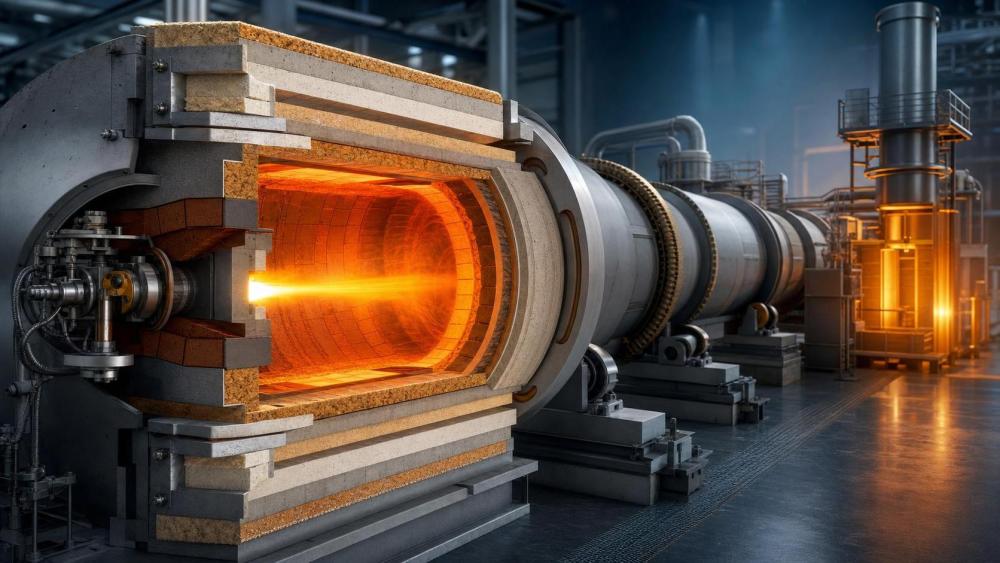
Thermal equipment is under pressure from several directions at once.
Plants are pushing for lower energy consumption, higher throughput, longer campaign life, and tighter emissions control.
At the same time, fuels, feed chemistry, and operating cycles are becoming less predictable.
This changes the way high-temperature materials should be evaluated.
A lining that performs well in a stable, gas-fired application may fail quickly in a kiln using alternative fuels, corrosive ash, or frequent shutdowns.
A low-cost brick or castable can become the expensive option if it raises heat loss or shortens maintenance windows.
CF-Elite’s coverage of thermal management, process intelligence, and decarbonization reflects this shift.
Material choice is no longer just a maintenance issue. It is part of production strategy.
What high-temperature materials really need to withstand
The term high-temperature materials covers a wide range of refractory, insulating, metallic, and composite solutions used in hot-zone equipment.
Yet temperature alone does not define suitability.
In practice, the real question is how a material behaves under combined thermal, chemical, and mechanical stress.
The core performance factors
- Maximum service temperature and safety margin under actual operating peaks.
- Resistance to slag, alkali, sulfur, chlorides, molten glass, or ash attack.
- Thermal shock tolerance during cycling, startup, shutdown, or uneven heating.
- Mechanical strength under abrasion, impact, load, and gas or solids flow.
- Thermal conductivity, which influences shell temperature and energy efficiency.
- Installation quality, curing, dry-out behavior, and repair practicality.
A furnace roof, burner block, kiln inlet, and annealing zone can all face different failure modes, even inside one plant.
That is why material selection should begin with the service environment, not the catalog name.
Different sectors, different stress profiles
Across CF-Elite’s five focus areas, the operating context changes the material logic.
The table shows why one universal answer rarely works.
High-temperature materials must match the process chemistry, equipment geometry, and operating rhythm of each line.
How to compare materials beyond the datasheet
Datasheets are useful, but they often describe ideal conditions.
Real comparison starts when several numbers are placed against the actual duty profile.
Questions that improve supplier evaluation
- What is the normal operating temperature, and what are the short-term spikes?
- Is the atmosphere oxidizing, reducing, dusty, corrosive, or moisture-sensitive?
- How often does the equipment cycle, and how fast is heating or cooling?
- Which zones fail first today, and what is the most common failure pattern?
- How much does installation method affect final performance?
- What is the expected cost of downtime if the lining underperforms?
This approach often changes the ranking between options.
A material with a higher unit price may reduce shell losses, extend shutdown intervals, and lower emergency repair exposure.
That creates measurable value across fuel, labor, and availability.
Common material groups and where they fit
Selection becomes clearer when high-temperature materials are grouped by function rather than by trade name.
Dense refractories
These are used where abrasion, load, or direct process contact is severe.
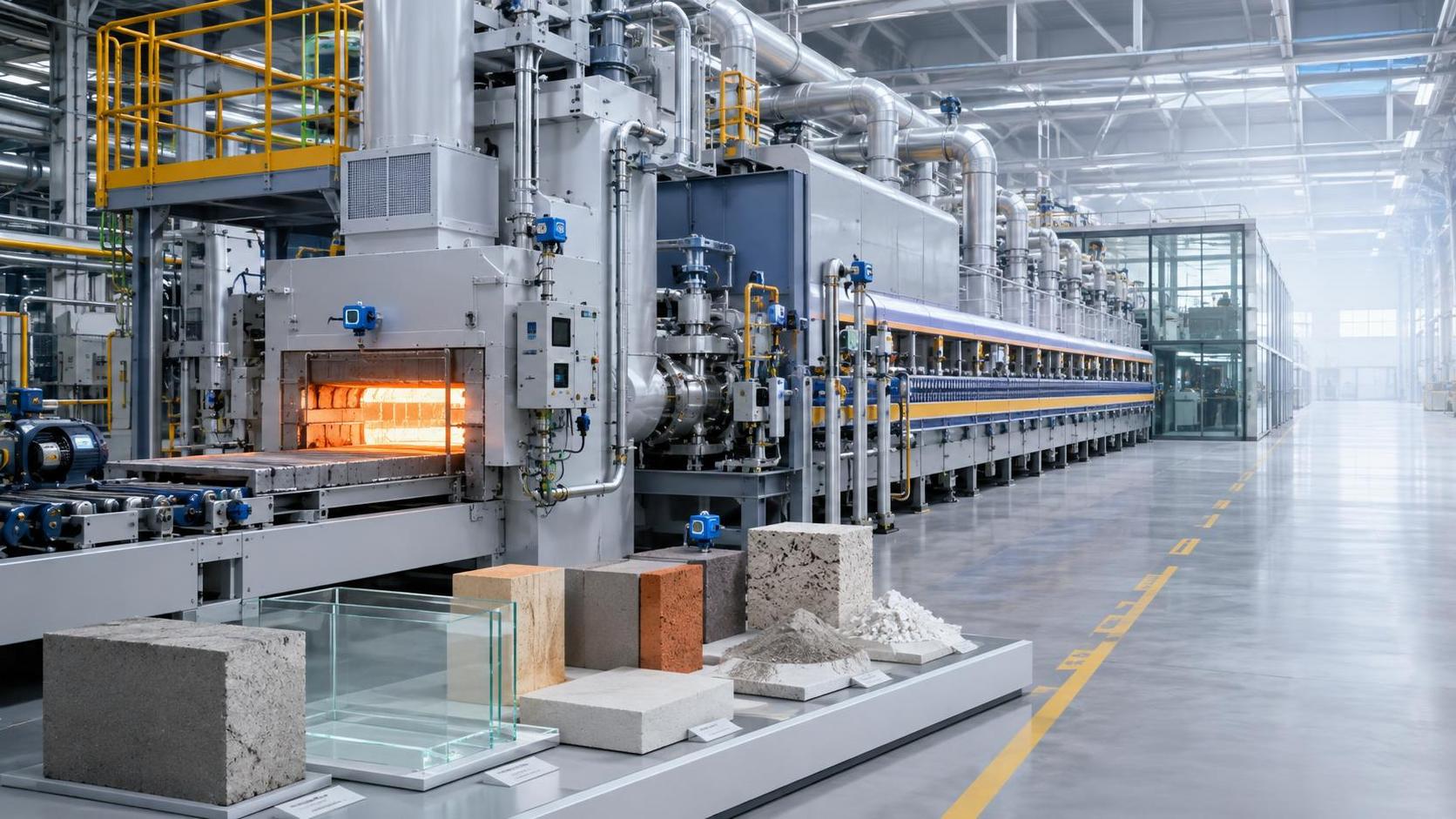
Typical examples include basic bricks, alumina bricks, silicon carbide products, and dense castables.
Insulating materials
These reduce heat loss and help manage outer shell temperature.
Insulating bricks, ceramic fiber modules, and lightweight castables are common choices in backup or moderate-stress areas.
Specialty contact materials
Glass tanks, incinerator zones, and chemical process chambers often need tailored compositions.
Here, purity, corrosion behavior, and reaction control are more decisive than nominal temperature class.
The best specification usually combines hot-face durability with efficient backup insulation and compatible anchoring.
Where sourcing decisions often go wrong
Material failures are not always caused by poor products.
They often come from a mismatch between expectation and service reality.
- Choosing only by peak temperature and ignoring corrosive species.
- Comparing brick, castable, and fiber options without lifecycle context.
- Underestimating dry-out time, anchor design, or expansion allowances.
- Treating every zone of a furnace as if it shares one duty profile.
- Using initial purchase price as the main decision metric.
In industries moving toward waste-derived fuels, electrification, and tighter carbon targets, those mistakes become more expensive.
Thermal performance now affects emissions exposure and decarbonization results as well as maintenance budgets.
Why lifecycle thinking matters more than unit price
The strongest purchasing decisions usually compare total cost of ownership, not just invoice value.
For high-temperature materials, lifecycle cost can include energy loss, outage frequency, relining labor, disposal, and lost production.
This is especially relevant in rotary kilns, glass lines, incinerators, and continuous thermal equipment.
A slightly better insulation package can cut shell heat loss for years.
A more stable hot-face refractory can protect process consistency and reduce emergency stoppages.
That broader view aligns with the intelligence-led approach promoted by CF-Elite, where thermal management, market shifts, and carbon reduction are linked rather than treated separately.
A practical framework for the next evaluation round
When reviewing high-temperature materials for upcoming projects or replacement cycles, a simple framework helps keep decisions disciplined.
- Map each thermal zone by temperature, chemistry, abrasion, and cycling behavior.
- Separate hot-face, backup, and structural support requirements.
- Request service-life evidence from similar operating conditions, not generic references.
- Compare installation complexity and outage impact alongside product performance.
- Track energy, maintenance, and failure data after installation to refine future specifications.
That process creates a stronger basis for supplier comparison and internal technical alignment.
It also makes it easier to connect material choices with wider goals such as efficiency upgrades, digital monitoring, and lower-carbon operation.
For organizations following the thermal equipment landscape through CF-Elite, the next useful step is to turn operating data into a repeatable material selection standard.
Once that standard is tied to process conditions, sourcing discussions become clearer, faster, and more resilient under changing industrial demands.
Related News
 Optical Glass Tech FellowSilicate Process Automation: Improving Batch Consistency and Energy ControlSilicate process automation improves batch consistency, energy control, traceability, and operator confidence across high-temperature manufacturing operations.Sep 22, 2026
 Optical Glass Tech FellowHow Silicate Industrial Processes Control Viscosity, Energy Use, and Product QualitySilicate industrial processes: learn how viscosity, chemistry, heat transfer, and atmosphere control reduce energy use, improve stability, and protect product quality.Sep 21, 2026
 Thermal Energy ArchitectHow European Plants Can Evaluate Energy Recovery Equipment for High-Temperature ProcessesIndustrial energy recovery equipment Europe: learn how high-temperature plants can assess waste-heat sources, integration risks, lifecycle value, and reliable recovery routes.Sep 20, 2026
 Thermal Energy ArchitectIndustrial Furnace Process Optimization: Reducing Fuel Use Without Sacrificing ThroughputIndustrial process optimization furnace strategies that cut fuel use while protecting throughput. Explore combustion control, heat recovery, refractory performance, and data-driven efficiency gains.Sep 19, 2026
 Ms. Elena RodriguezWhat Drives High-Pressure Extrusion Equipment Cost in Industrial Projects?High pressure extrusion equipment cost explained: compare pressure, die design, automation, wear, energy, and installation factors for smarter industrial investments.Sep 18, 2026
 Thermal Energy ArchitectHow to Size a Waste Heat Recovery Exchanger for High-Temperature Kiln Exhaust?Waste heat recovery exchanger sizing for high-temperature kiln exhaust: balance recoverable duty, fouling, corrosion limits, pressure drop, and reliable heat use.Sep 17, 2026
 Thermal Energy ArchitectWhy Heat-Resistant Materials Lose Abrasion Resistance at High TemperaturesHeat-resistant materials abrasion resistance can decline at high temperatures. Discover the thermal, chemical, and mechanical causes of wear—and how to choose longer-lasting linings.Sep 16, 2026
 Thermal Energy ArchitectHow to Evaluate a Thermal Energy Optimization Company for High-Temperature PlantsChoose a thermal energy optimization company with proven process expertise, measurable savings, and reliable delivery for high-temperature plants. Learn what to assess.Sep 15, 2026
 Thermal Energy ArchitectRotary Kiln Efficiency: How Feed Rate, Fuel Use, and Heat Loss Affect OutputRotary kiln efficiency explained: discover how feed rate, fuel use, heat loss, combustion, and cooling performance shape output, quality, and energy costs.Sep 14, 2026
 Thermal Energy ArchitectHow to Select Heat-Resistant Materials That Maintain Abrasion Resistance in KilnsHeat-resistant materials abrasion resistance: learn how to select kiln linings that withstand heat, wear, thermal cycling, and chemical attack for longer service life.Sep 13, 2026
 Thermal Energy ArchitectHow Rotary Kiln Automation Improves Temperature Control and Fuel EfficiencyRotary kiln technology automation enhances temperature control, stabilizes combustion, and improves fuel efficiency with smarter data, predictive control, and safer operations.Sep 12, 2026
 Silicate Process EngineerCement Plant Emission Control: Selecting Systems for Dust, NOx, and SO2 LimitsCement plant emission control guide: compare dust collectors, NOx reduction, and SO2 systems for reliable compliance across kiln modes, fuel changes, and operating upsets.Sep 11, 2026
 Thermal Energy ArchitectSelecting Abrasion-Resistant High-Temperature Materials for Kiln and Conveyor Wear ZonesHigh-temp material engineering guide to abrasion-resistant kiln and conveyor solutions—match wear, heat, chemistry, and installation design for longer service life.Sep 10, 2026
 Dr. Alistair VaughnIndustrial Process Engineering: How to Map Processes for Safer, More Efficient PlantsIndustrial process engineering reveals bottlenecks, safety risks, and energy losses through practical process mapping for safer, more efficient plants.Sep 09, 2026
 Optical Glass Tech FellowHow to Evaluate a Glass Annealing Equipment Manufacturer for Production StabilityChoose a glass annealing equipment manufacturer with proven thermal uniformity, reliable controls, lifecycle value, and responsive service for stable production.Sep 08, 2026
 Prof. Marcus ChenThermal Energy Architecture in North America: Strategies for Lower Building Energy UseThermal energy architecture North America helps project leaders cut building energy use through stronger envelopes, right-sized HVAC, storage, and smart commissioning.Sep 07, 2026
 Ms. Elena RodriguezHow Should Buyers Evaluate Building Material Industry Intelligence Pricing?Building material industry intelligence pricing: learn how to compare coverage, technical depth, and ROI to choose intelligence that reduces procurement risk.Sep 07, 2026
 Ms. Elena RodriguezHow to Use Building Material Intelligence Data for Market and Investment DecisionsBuilding material industry intelligence data helps leaders evaluate demand, costs, regulation, capacity, and technology to make smarter market and investment decisions.Sep 05, 2026
 Thermal Energy ArchitectHow PLC Control Improves Energy Efficiency and Temperature Stability in KilnsEnergy efficient kilns PLC control improves temperature stability, cuts fuel waste, and optimizes combustion, draft, and material flow. Explore proven strategies for smarter kiln modernization.Sep 04, 2026
 Optical Glass Tech FellowEuropean Glass Melting Processes: Furnace Choices, Energy Use, and Quality ControlGlass melting process Europe: explore furnace choices, energy efficiency, cullet strategy, and quality control to improve output, compliance, and long-term glass performance.Sep 03, 2026


Related News
- 00
0000-00
What Determines Refractory Production Line Price in a Turnkey Plant Project? - 00
0000-00
How to Evaluate a Silicate Production Line for Capacity, Energy Use, and Product Quality - 00
0000-00
Silicate Production Line Process Explained: Key Stages, Equipment, and Quality Control - 00
0000-00
How to Evaluate a Refractory Production Line in Southeast Asia: Capacity, Fuel, and Raw Material Factors - 00
0000-00
How to Evaluate a Silicate Production Lines Supplier for Capacity, Automation, and Raw Material Fit
Weekly Insights
Stay ahead with our curated technology reports delivered every Monday.