
Refractory System Upgrades: How to Reduce Downtime Without Rebuilding the Entire Line




Refractory System Upgrades: How to Reduce Downtime Without Rebuilding the Entire Line
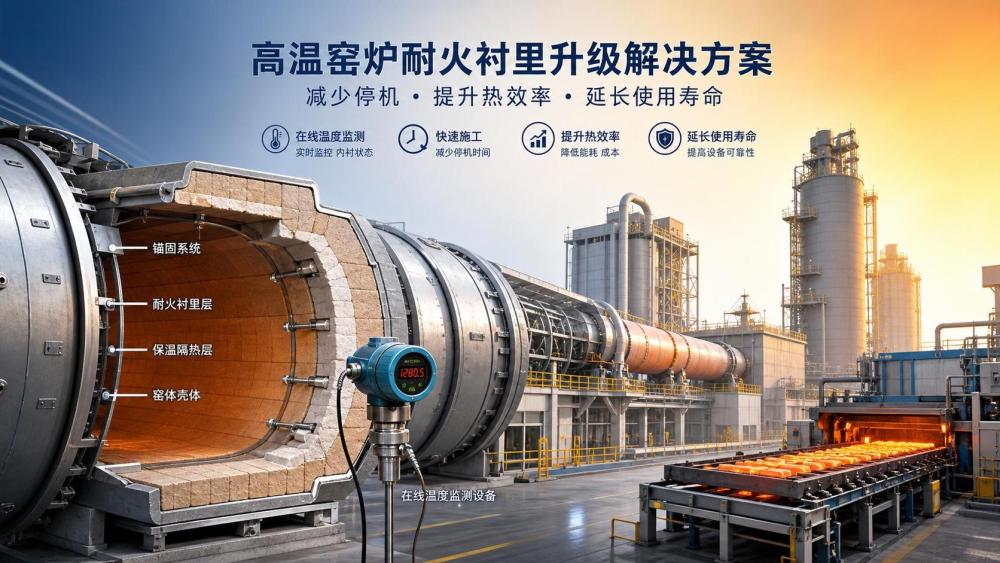
For high-temperature plants, downtime rarely starts as a dramatic failure. It usually begins with small lining cracks, hot spots, unstable shell temperatures, or longer heat-up times.
That is why refractory system upgrades matter. They let operators improve reliability without tearing down a full production line or funding a massive capital project.
In practice, the best results often come from targeted upgrades. A revised lining design, better anchors, smarter insulation, and online monitoring can change maintenance economics fast.
This matters across cement plants, glass furnaces, industrial kilns, incineration systems, and refractory production lines. The thermal process is different, but the business pressure is similar.
Every shutdown affects output, fuel use, contract delivery, and safety exposure. Refractory system upgrades help reduce those risks while preserving existing assets.
From a strategic view, this also fits broader industry goals. CF-Elite tracks how thermal efficiency, campaign stability, and carbon reduction now shape upgrade decisions in heavy industry.
Why full rebuilds are not always the smart first move
A full rebuild can solve deep structural issues. Still, it is often too slow, too expensive, or too disruptive for facilities managing tight order books and energy volatility.
More importantly, many failures do not come from the entire line. They come from a few thermal choke points, mechanical stress zones, or outdated maintenance practices.
This is where refractory system upgrades create leverage. Instead of replacing everything, teams can isolate weak sections and improve the parts driving most shutdown events.
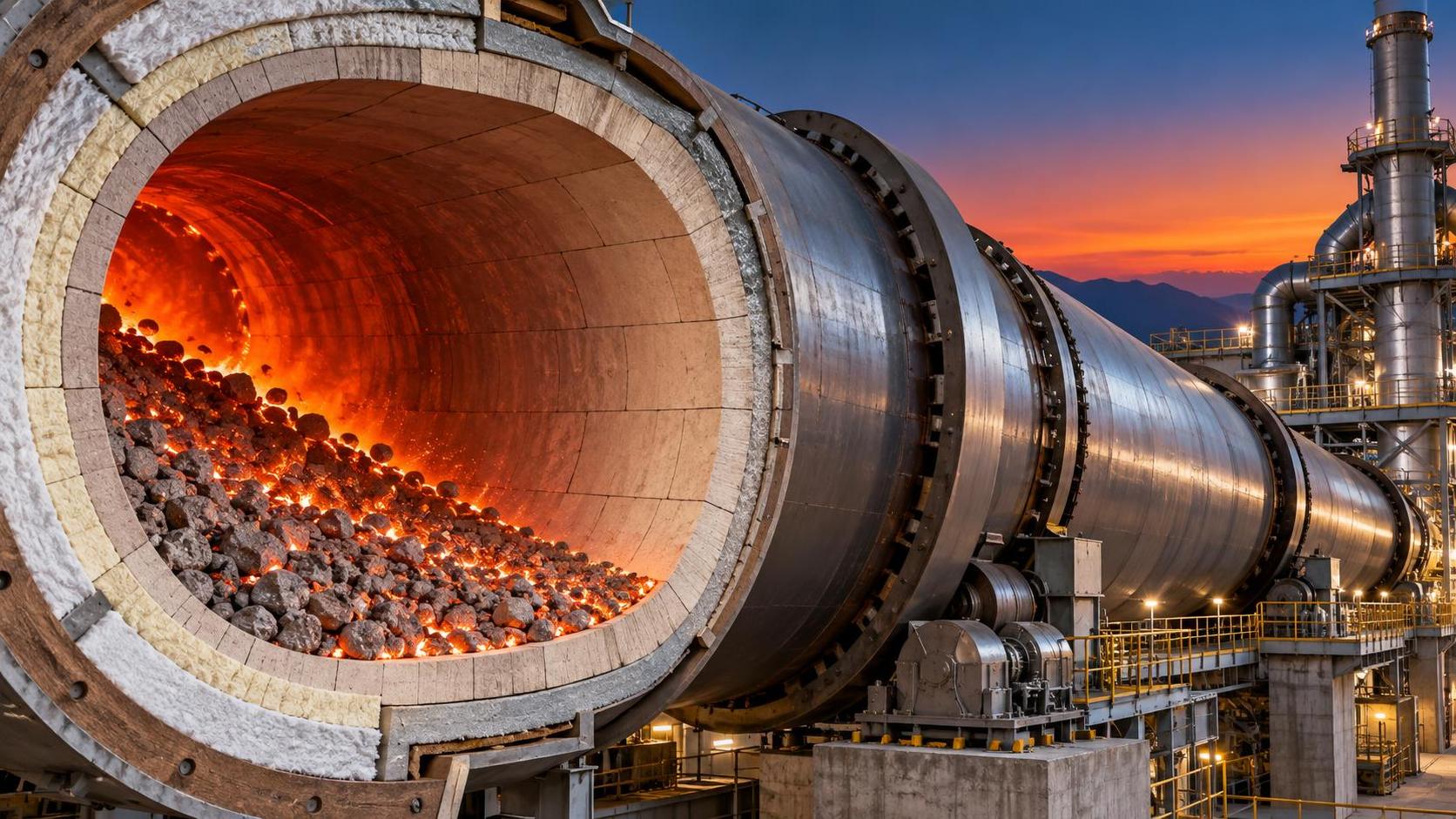
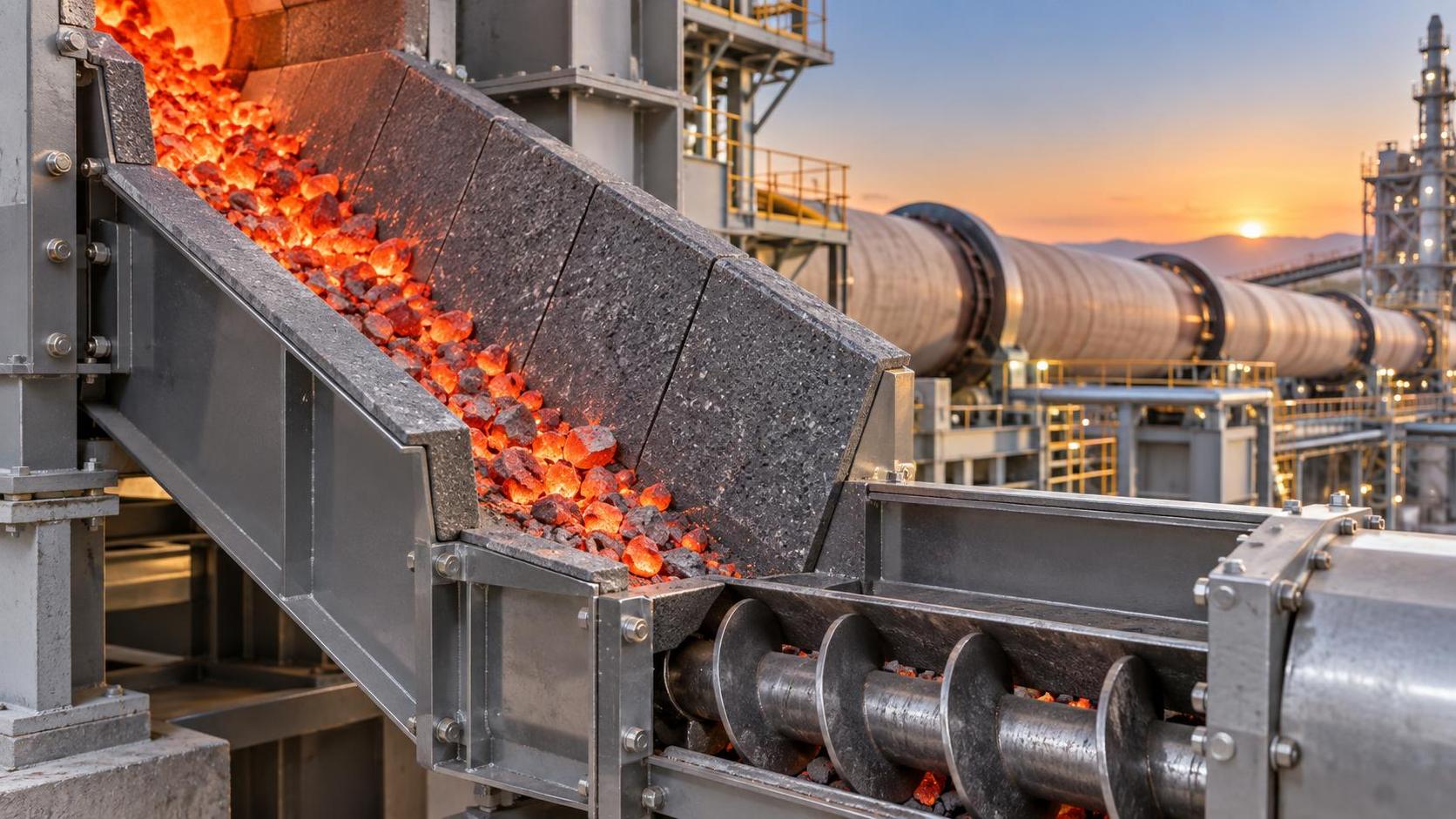
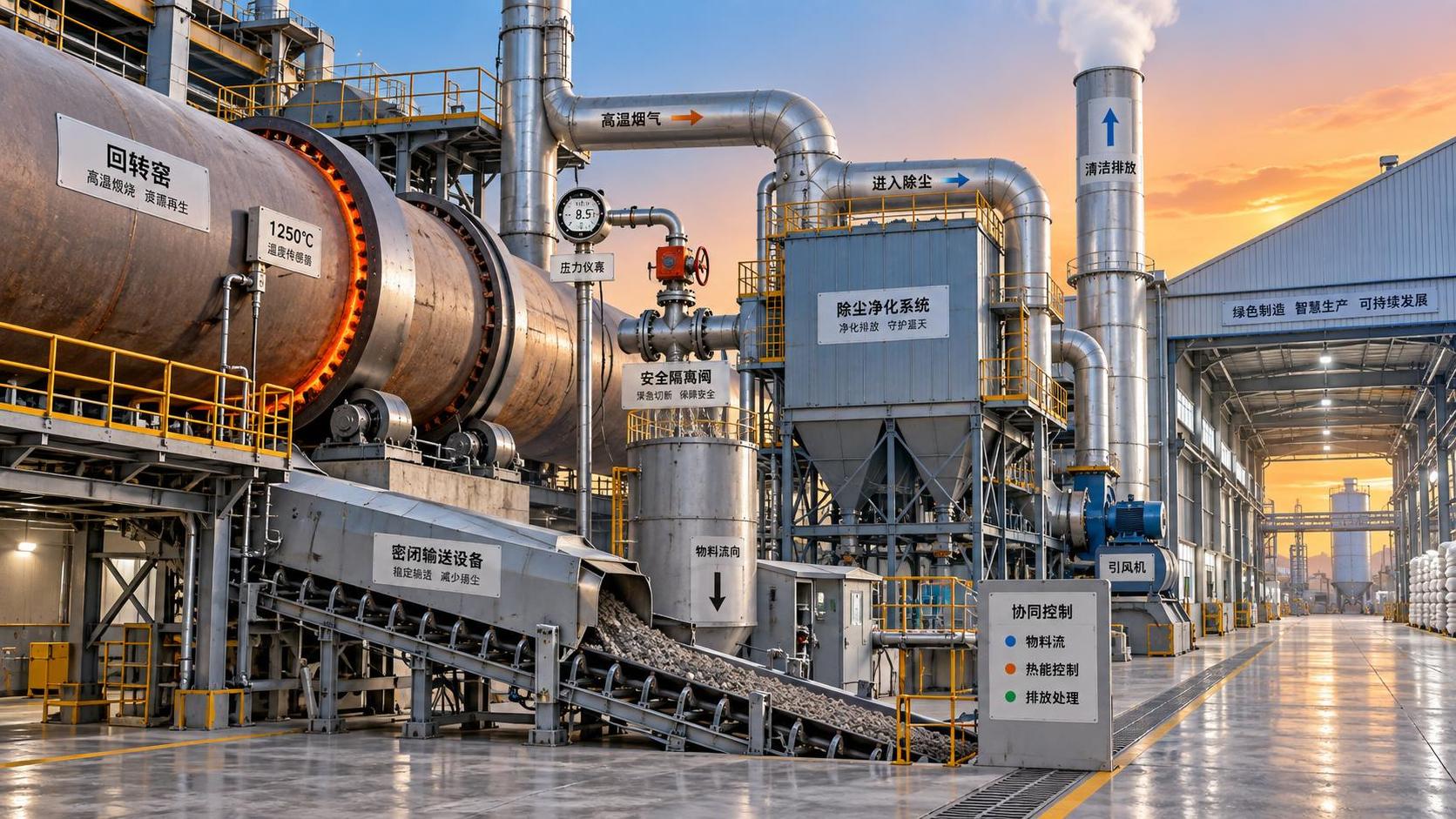
Common examples include burner zones, kiln inlets, transfer chutes, cooler roofs, furnace crowns, and waste incineration chambers. These areas absorb higher thermal and chemical stress.
When those sections are upgraded correctly, plants often gain shorter outages, fewer emergency repairs, and more predictable campaign life without major civil work.
Where refractory system upgrades usually deliver the fastest payback
The first step is not buying material. It is identifying where thermal loss, abrasion, alkali attack, or mechanical cycling is eroding performance.
Plants usually see the fastest returns from refractory system upgrades in four priority areas.
- Critical hot-face zones with repeated spalling, slag attack, or coating instability.
- Backup insulation systems causing excess shell temperature and avoidable heat loss.
- Anchoring assemblies weakened by creep, corrosion, or poor installation geometry.
- Monitoring blind spots where damage grows unnoticed between shutdowns.
A targeted review often reveals hidden cost centers. Fuel waste, unstable process control, and rushed maintenance can outweigh the price of better lining systems.
That is why well-planned refractory system upgrades are not just maintenance work. They are operational risk reduction projects with energy and production benefits.
1. Upgrade the lining design, not only the material grade
A common mistake is switching to a stronger brick or castable and expecting a different outcome. If the design logic stays weak, the same failure returns.
Better refractory system upgrades start with heat profile mapping and stress analysis. Thickness, joint design, expansion allowance, and interface transitions all matter.
For example, dual-layer lining systems can reduce shell temperature while protecting the hot face. In fast-cycling units, flexible expansion design may matter more than density alone.
2. Improve anchors and support hardware
Anchor failure is often the hidden reason behind lining collapse. The refractory looks like the issue, but the real problem sits behind it.
Upgrading alloy selection, anchor spacing, weld quality, and shape design can stabilize the entire lining package. This is especially valuable in roofs, walls, and duct sections.
3. Add monitoring that supports earlier intervention
Thermal cameras, shell scanning, embedded sensors, and digital inspection logs help convert refractory system upgrades into measurable control.
When teams can see temperature drift early, they can plan targeted repairs before damage reaches steel structures or process-critical components.
How to evaluate refractory system upgrades before spending capital
Not every upgrade is worth doing immediately. The better approach is to compare risk, outage cost, and expected campaign improvement section by section.
A simple decision screen helps keep refractory system upgrades practical and aligned with production goals.
This kind of review is increasingly common across thermal industries. It reflects a shift from reactive repair toward intelligence-based asset planning.
That shift is central to CF-Elite’s view of refractory system upgrades. Better decisions come from combining thermal data, process behavior, and maintenance history.
A practical implementation path that limits production disruption
The biggest concern is usually timing. Even a good idea loses support if it creates long outages or uncertain commissioning risk.
A phased plan makes refractory system upgrades easier to approve and easier to control.
- Audit the highest-risk zones using failure records, shell temperatures, and inspection photos.
- Rank upgrade options by downtime impact, payback speed, and installation complexity.
- Test the new design in one priority zone during a scheduled shutdown.
- Track campaign life, repair frequency, and fuel performance after restart.
- Expand the upgrade package only after results are verified in operation.
This approach reduces technical and financial risk. It also gives maintenance and production teams time to align around new installation standards.
In many cases, the first phase already delivers enough value to delay or shrink a larger rebuild plan.
Installation quality is part of the upgrade
Even premium materials fail when dry-out curves, mixing control, anchor placement, or expansion gaps are handled poorly.
That is why refractory system upgrades should include installer qualification, heat-up procedures, and clear acceptance checks after shutdown work.
What decision-makers should watch over the next upgrade cycle
From recent industry movement, one clear signal stands out. Plants are no longer judging refractory performance only by whether the lining survives.
They are judging refractory system upgrades by wider outcomes: outage predictability, fuel efficiency, carbon intensity, labor exposure, and asset resilience.
This is especially relevant in sectors tracked by CF-Elite, where high-temperature operations face pressure from energy markets, environmental compliance, and long equipment cycles.
In real operations, the most effective upgrade programs share three traits.
- They focus on the worst thermal bottlenecks first.
- They combine design changes with monitoring and installation discipline.
- They measure results in business terms, not only material terms.
That combination is what turns refractory system upgrades from a maintenance expense into a strategic operating tool.
For plants that need more uptime without rebuilding everything, the most practical next step is clear. Start with the highest-risk zone, validate the gain, and scale with confidence.
Related News
 Optical Glass Tech FellowSilicate Process Automation: Improving Batch Consistency and Energy ControlSilicate process automation improves batch consistency, energy control, traceability, and operator confidence across high-temperature manufacturing operations.Sep 22, 2026
 Optical Glass Tech FellowHow Silicate Industrial Processes Control Viscosity, Energy Use, and Product QualitySilicate industrial processes: learn how viscosity, chemistry, heat transfer, and atmosphere control reduce energy use, improve stability, and protect product quality.Sep 21, 2026
 Thermal Energy ArchitectHow European Plants Can Evaluate Energy Recovery Equipment for High-Temperature ProcessesIndustrial energy recovery equipment Europe: learn how high-temperature plants can assess waste-heat sources, integration risks, lifecycle value, and reliable recovery routes.Sep 20, 2026
 Thermal Energy ArchitectIndustrial Furnace Process Optimization: Reducing Fuel Use Without Sacrificing ThroughputIndustrial process optimization furnace strategies that cut fuel use while protecting throughput. Explore combustion control, heat recovery, refractory performance, and data-driven efficiency gains.Sep 19, 2026
 Ms. Elena RodriguezWhat Drives High-Pressure Extrusion Equipment Cost in Industrial Projects?High pressure extrusion equipment cost explained: compare pressure, die design, automation, wear, energy, and installation factors for smarter industrial investments.Sep 18, 2026
 Thermal Energy ArchitectHow to Size a Waste Heat Recovery Exchanger for High-Temperature Kiln Exhaust?Waste heat recovery exchanger sizing for high-temperature kiln exhaust: balance recoverable duty, fouling, corrosion limits, pressure drop, and reliable heat use.Sep 17, 2026
 Thermal Energy ArchitectWhy Heat-Resistant Materials Lose Abrasion Resistance at High TemperaturesHeat-resistant materials abrasion resistance can decline at high temperatures. Discover the thermal, chemical, and mechanical causes of wear—and how to choose longer-lasting linings.Sep 16, 2026
 Thermal Energy ArchitectHow to Evaluate a Thermal Energy Optimization Company for High-Temperature PlantsChoose a thermal energy optimization company with proven process expertise, measurable savings, and reliable delivery for high-temperature plants. Learn what to assess.Sep 15, 2026
 Thermal Energy ArchitectRotary Kiln Efficiency: How Feed Rate, Fuel Use, and Heat Loss Affect OutputRotary kiln efficiency explained: discover how feed rate, fuel use, heat loss, combustion, and cooling performance shape output, quality, and energy costs.Sep 14, 2026
 Thermal Energy ArchitectHow to Select Heat-Resistant Materials That Maintain Abrasion Resistance in KilnsHeat-resistant materials abrasion resistance: learn how to select kiln linings that withstand heat, wear, thermal cycling, and chemical attack for longer service life.Sep 13, 2026
 Thermal Energy ArchitectHow Rotary Kiln Automation Improves Temperature Control and Fuel EfficiencyRotary kiln technology automation enhances temperature control, stabilizes combustion, and improves fuel efficiency with smarter data, predictive control, and safer operations.Sep 12, 2026
 Silicate Process EngineerCement Plant Emission Control: Selecting Systems for Dust, NOx, and SO2 LimitsCement plant emission control guide: compare dust collectors, NOx reduction, and SO2 systems for reliable compliance across kiln modes, fuel changes, and operating upsets.Sep 11, 2026
 Thermal Energy ArchitectSelecting Abrasion-Resistant High-Temperature Materials for Kiln and Conveyor Wear ZonesHigh-temp material engineering guide to abrasion-resistant kiln and conveyor solutions—match wear, heat, chemistry, and installation design for longer service life.Sep 10, 2026
 Dr. Alistair VaughnIndustrial Process Engineering: How to Map Processes for Safer, More Efficient PlantsIndustrial process engineering reveals bottlenecks, safety risks, and energy losses through practical process mapping for safer, more efficient plants.Sep 09, 2026
 Optical Glass Tech FellowHow to Evaluate a Glass Annealing Equipment Manufacturer for Production StabilityChoose a glass annealing equipment manufacturer with proven thermal uniformity, reliable controls, lifecycle value, and responsive service for stable production.Sep 08, 2026
 Prof. Marcus ChenThermal Energy Architecture in North America: Strategies for Lower Building Energy UseThermal energy architecture North America helps project leaders cut building energy use through stronger envelopes, right-sized HVAC, storage, and smart commissioning.Sep 07, 2026
 Ms. Elena RodriguezHow Should Buyers Evaluate Building Material Industry Intelligence Pricing?Building material industry intelligence pricing: learn how to compare coverage, technical depth, and ROI to choose intelligence that reduces procurement risk.Sep 07, 2026
 Ms. Elena RodriguezHow to Use Building Material Intelligence Data for Market and Investment DecisionsBuilding material industry intelligence data helps leaders evaluate demand, costs, regulation, capacity, and technology to make smarter market and investment decisions.Sep 05, 2026
 Thermal Energy ArchitectHow PLC Control Improves Energy Efficiency and Temperature Stability in KilnsEnergy efficient kilns PLC control improves temperature stability, cuts fuel waste, and optimizes combustion, draft, and material flow. Explore proven strategies for smarter kiln modernization.Sep 04, 2026
 Optical Glass Tech FellowEuropean Glass Melting Processes: Furnace Choices, Energy Use, and Quality ControlGlass melting process Europe: explore furnace choices, energy efficiency, cullet strategy, and quality control to improve output, compliance, and long-term glass performance.Sep 03, 2026


Related News
- 00
0000-00
What Determines Refractory Production Line Price in a Turnkey Plant Project? - 00
0000-00
How to Evaluate a Silicate Production Line for Capacity, Energy Use, and Product Quality - 00
0000-00
Silicate Production Line Process Explained: Key Stages, Equipment, and Quality Control - 00
0000-00
How to Evaluate a Refractory Production Line in Southeast Asia: Capacity, Fuel, and Raw Material Factors - 00
0000-00
How to Evaluate a Silicate Production Lines Supplier for Capacity, Automation, and Raw Material Fit
Weekly Insights
Stay ahead with our curated technology reports delivered every Monday.