
How to Evaluate Heat-Resistant Material Development for High-Temperature Production Lines




Evaluating heat-resistant material development for high-temperature production lines requires more than checking a peak temperature number. In cement plants, glass furnaces, incineration systems, refractory production, and extrusion equipment, material behavior is tied to chemistry, cycling stress, uptime, and energy use. A sound review connects thermal performance with process conditions, operating economics, and decarbonization pressure, which is why this topic now sits near the center of industrial decision-making.
Why evaluation now carries more weight
High-temperature lines are being pushed in two directions at once. Operators want longer campaigns and tighter quality control, while regulators and markets expect lower fuel use and lower emissions.
That shift changes how heat-resistant material development should be judged. A material that survives heat but drives excess heat loss, frequent shutdowns, or unstable reactions may no longer be competitive.
For platforms such as CF-Elite, which track silicate processes, kiln systems, furnace behavior, and lining intelligence, the value lies in linking material data with real production signals rather than isolated lab claims.
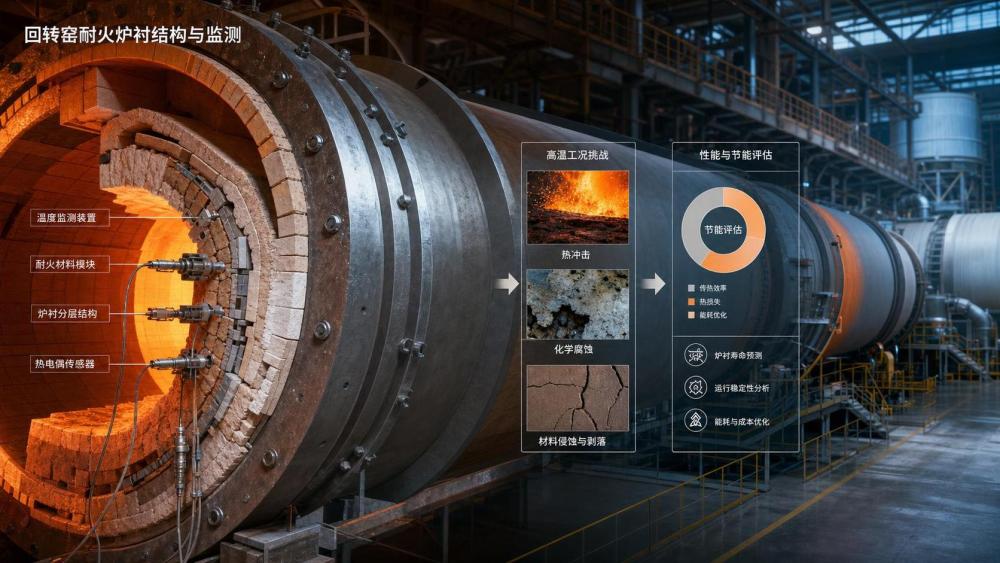
The practical question is simple: does the new material improve production resilience under actual thermal, chemical, and mechanical stress?
What heat-resistant material development really covers
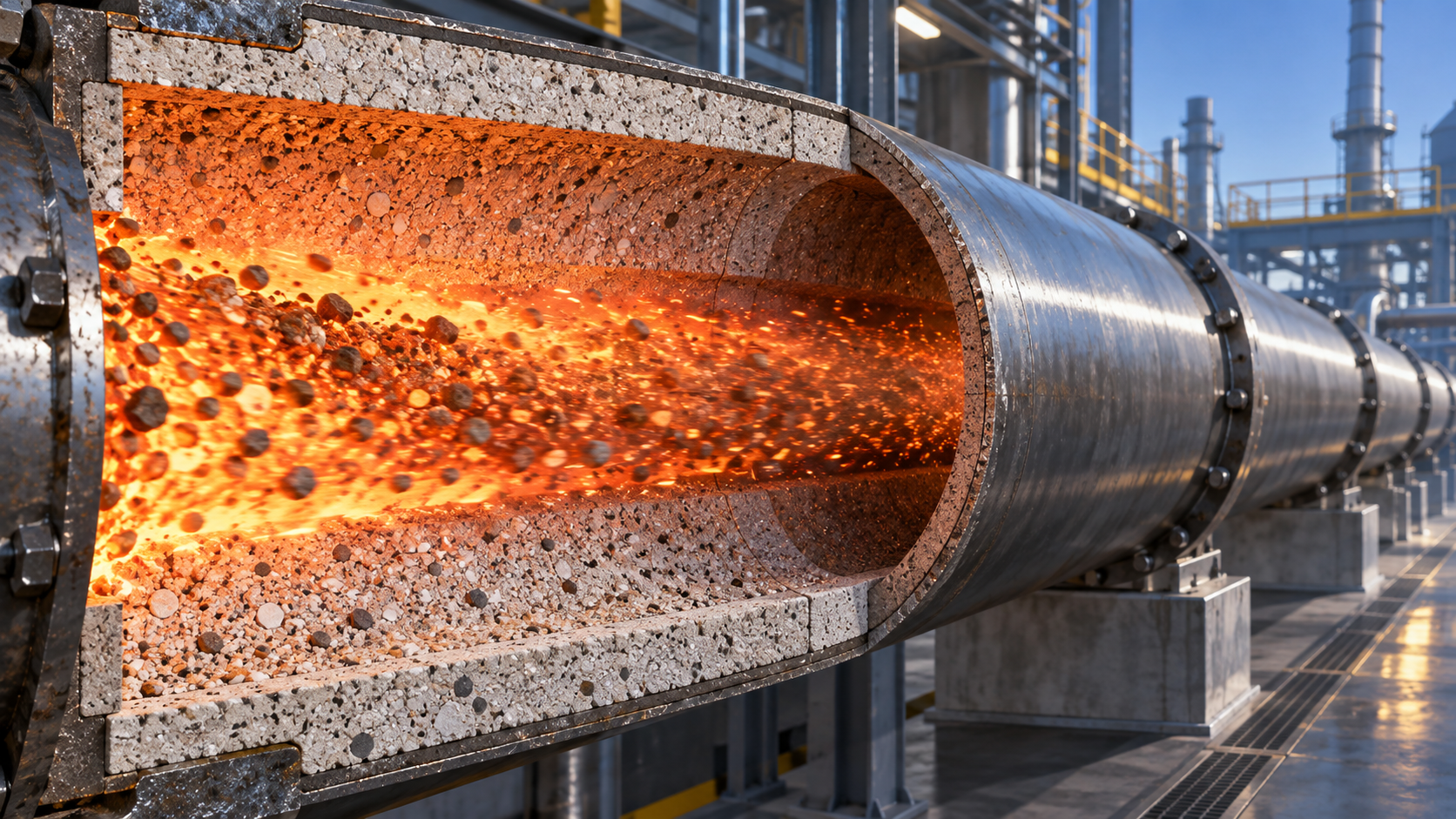
In production environments, heat-resistant material development includes formulation, microstructure design, installation compatibility, and long-term service behavior. It is not limited to refractoriness.
A promising material may target several goals at once: stable thermal insulation, resistance to slag or alkali attack, lower thermal shock damage, better mechanical integrity, or reduced maintenance frequency.
This matters because the failure mode often comes from combined stress. A lining may tolerate temperature, yet crack under cycling. Another may resist corrosion, yet deform under load.
So, heat-resistant material development should be viewed as a system response to the production line, not as a single-property upgrade.
The first screen: match the material to the line profile
Before comparing suppliers or prototypes, define the operating profile. The same material logic does not apply equally to a rotary kiln, float glass furnace, incinerator, or extrusion chamber.
Core production variables
- Maximum and average operating temperature, including hot spots.
- Heating and cooling frequency, especially during starts and stops.
- Atmosphere type, such as oxidizing, reducing, dusty, or corrosive.
- Material contact, including slag, molten glass, ash, clinker, or volatile salts.
- Mechanical stress from rotation, abrasion, vibration, pressure, or charge movement.
Without this baseline, heat-resistant material development is easy to overrate. Materials often look impressive in generalized data sheets but perform unevenly in line-specific conditions.
Five dimensions that show real development progress
A credible assessment usually rests on five connected dimensions. Looking at only one can distort the result.
If one improvement creates trade-offs in another dimension, the development status should be rated cautiously rather than celebrated early.
Where the strongest signals usually come from
Lab data still matters, but line-side evidence is more revealing. The most useful signals are often indirect.
Indicators worth tracking
- Surface temperature trends across comparable zones.
- Unplanned stoppages linked to lining wear or cracking.
- Fuel consumption shifts after installation stabilization.
- Product quality variation caused by contamination or heat imbalance.
- Maintenance records, patch frequency, and replacement intervals.
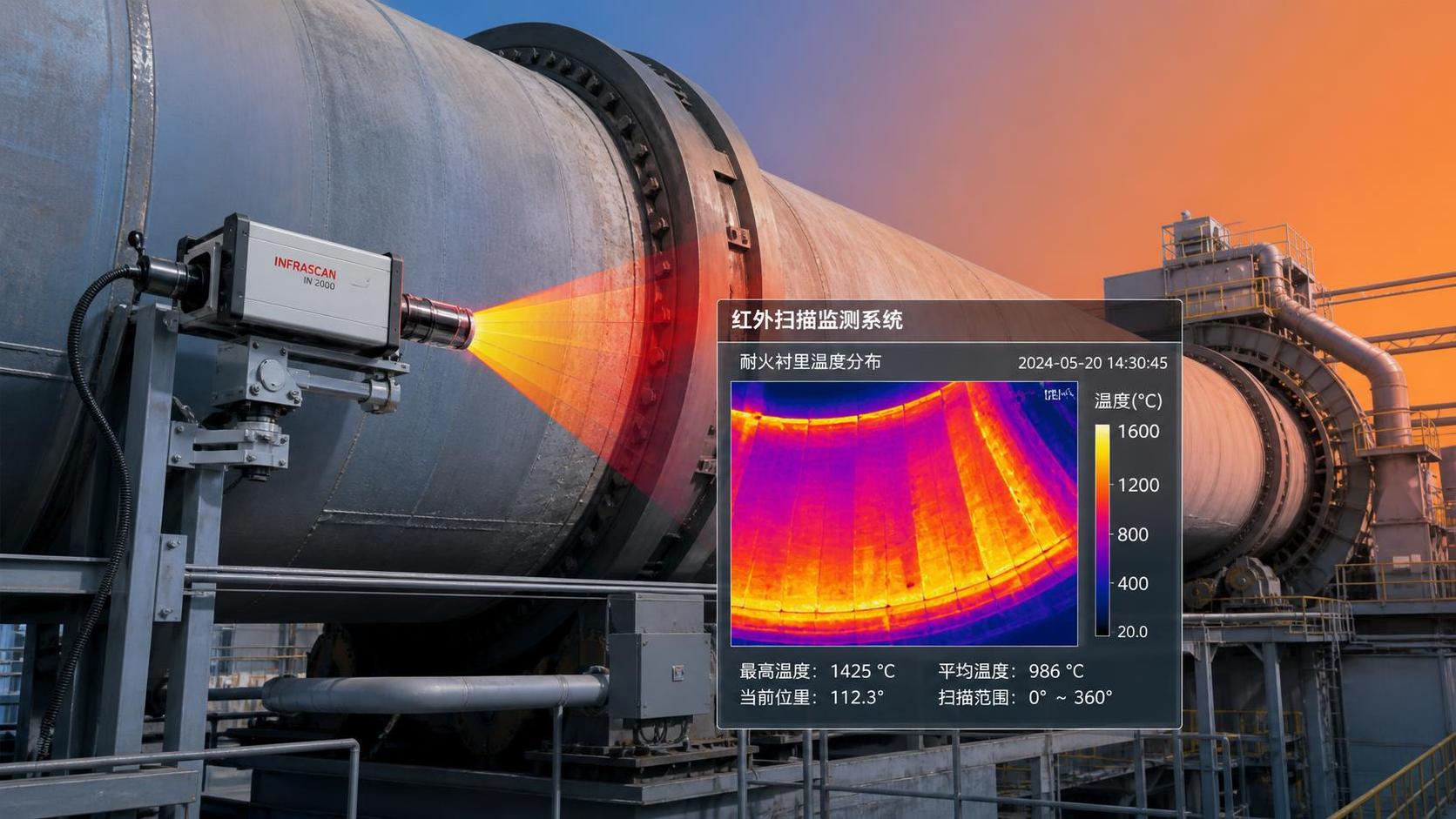
This is where digital monitoring becomes valuable. CF-Elite’s focus on online lining observation, process intelligence, and thermal management reflects an important trend: development quality is now judged through operating data as much as through material science.
Different lines, different evaluation priorities
Heat-resistant material development should never be scored with one universal checklist. The production context changes the weighting.
Typical priority shifts
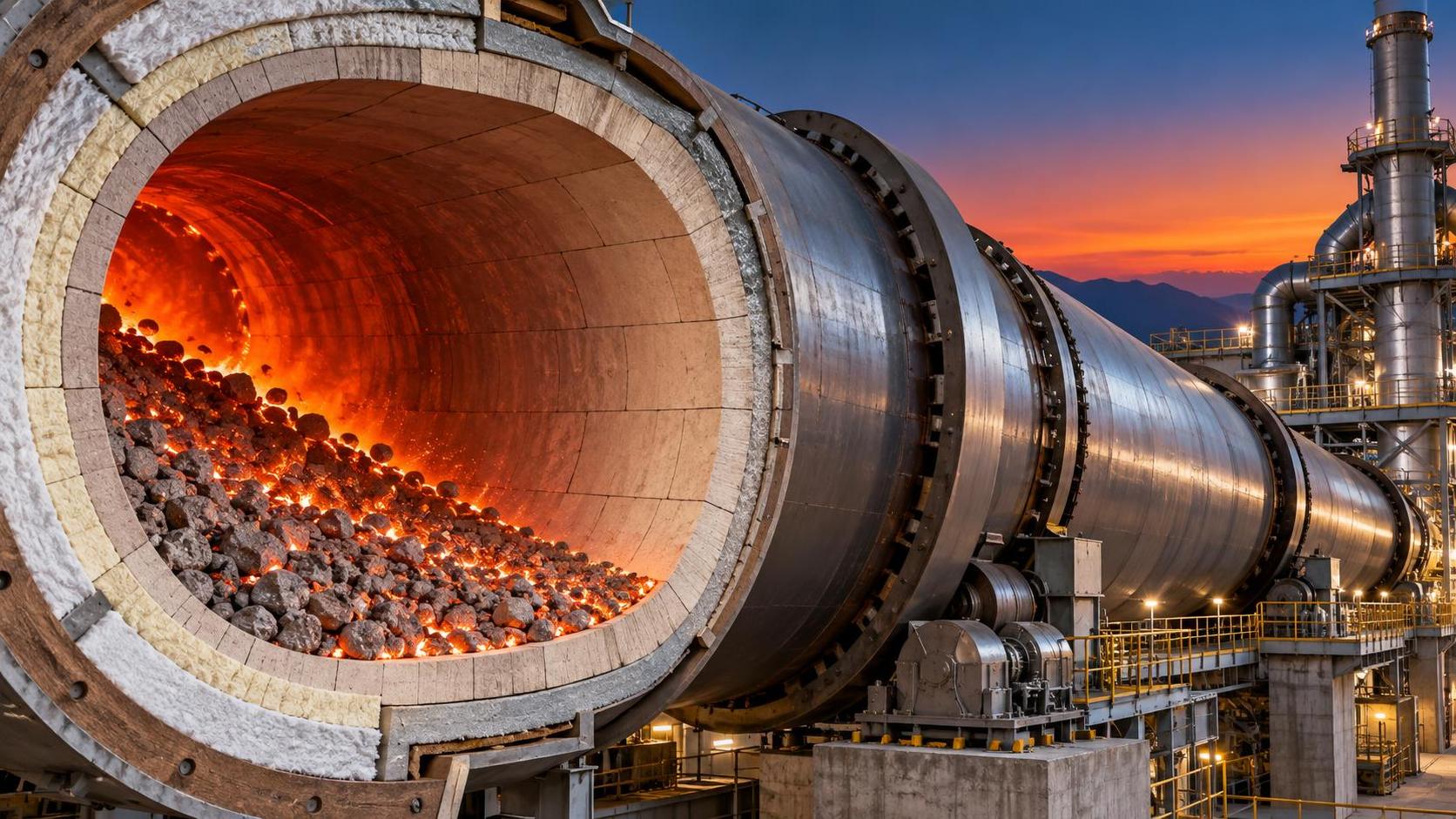
In cement production, alkali circulation, coating behavior, and thermal cycling near burning zones can outweigh simple heat resistance.
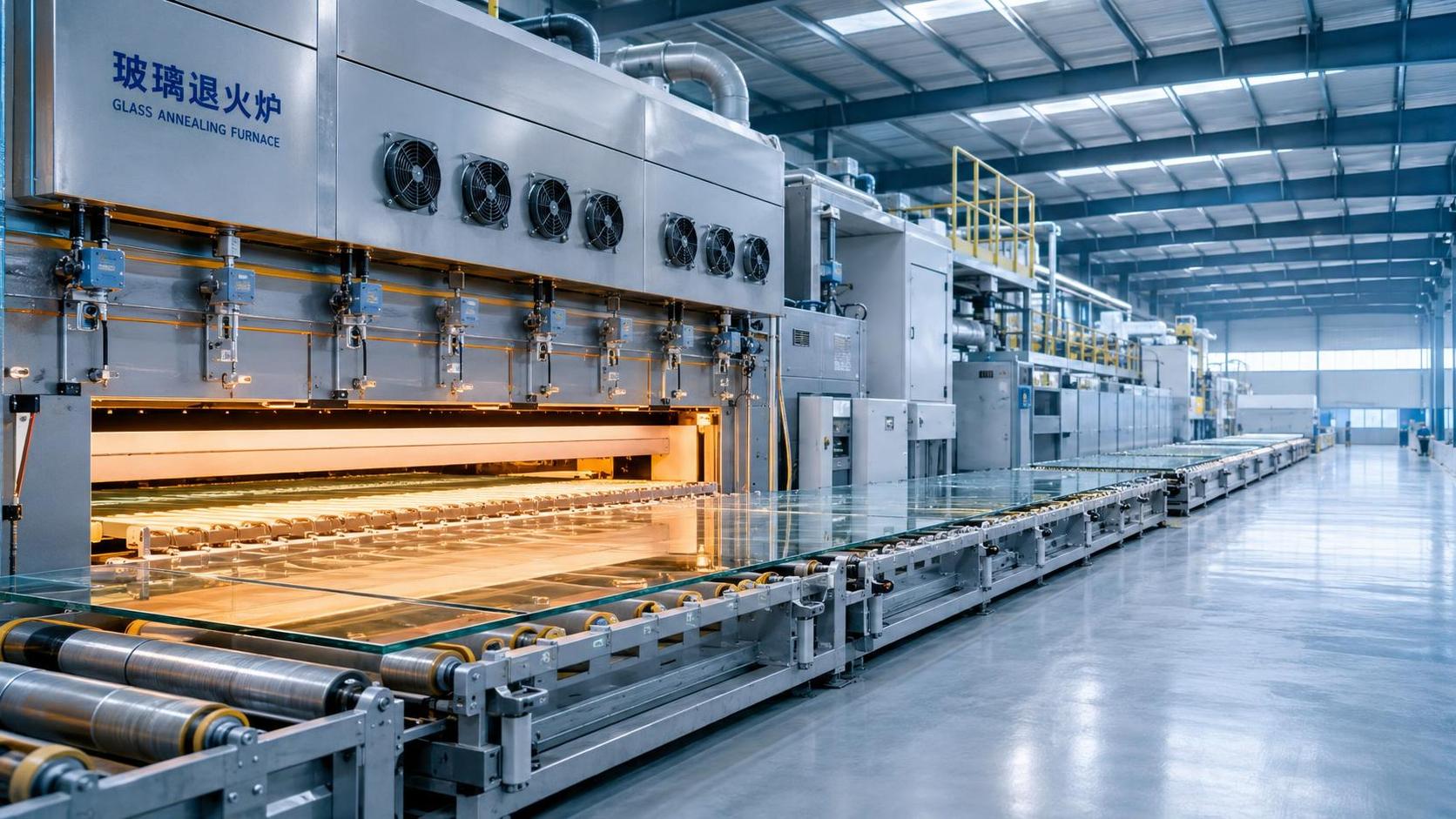
In glass manufacturing, contamination control, dimensional stability, and interaction with molten glass become more sensitive than brute strength.
In industrial kilns and incineration, variable feedstock chemistry can quickly expose weak chemical compatibility.
In refractory production lines, the material may need to survive both firing conditions and strict quality consistency targets.
In new building material extrusion, localized heat, pressure, and wear around forming sections may dominate the evaluation.
Common evaluation mistakes
Several mistakes repeatedly distort heat-resistant material development decisions.
- Treating maximum service temperature as the main decision metric.
- Ignoring installation quality, joint design, or dry-out conditions.
- Using short trial periods that miss full-cycle degradation.
- Comparing materials without normalizing feed, load, and fuel conditions.
- Focusing on purchase cost while neglecting shutdown risk and heat loss.
Usually, the weakest evaluation is not caused by missing data. It comes from separating material performance from process behavior.
How to build a practical decision framework
A useful framework for heat-resistant material development starts with line mapping, then moves through evidence ranking and risk review.
A workable sequence
- Define the thermal, chemical, and mechanical envelope by zone.
- List failure history and identify dominant damage mechanisms.
- Match candidate materials to those mechanisms, not to generic categories.
- Score pilot or historical data by campaign life, energy effect, and maintenance burden.
- Review carbon and efficiency implications alongside technical fit.
This approach is especially useful when comparing advanced ceramics, dense refractories, insulation composites, or upgraded lining systems across several plant types.
Why carbon and energy metrics belong in the review
More evaluation teams now include carbon logic in heat-resistant material development reviews, and for good reason. Thermal barriers directly affect fuel demand, shell temperature, and campaign duration.
A material that lowers heat leakage or extends stable operation can support decarbonization without changing the core process route. That makes lining and thermal management decisions strategically important.
CF-Elite’s emphasis on linking physical parameters, reaction kinetics, and carbon reduction reflects this broader reality. Materials are no longer judged only by survival. They are judged by how they shape the efficiency of the entire thermal system.
A sensible next step
The strongest evaluations begin with a narrower question than “Which material is best?” A better starting point is: which failure mechanism is costing the line the most today?
From there, compare heat-resistant material development options against actual zone conditions, service records, and energy targets. Use plant data, not only brochures, to separate promising innovation from marketing noise.
If the review also tracks chemistry, cycling stress, thermal losses, and maintenance intervals, the next material decision is far more likely to improve production stability rather than simply replace one weakness with another.
Related News
 Thermal Energy ArchitectHow European Plants Can Evaluate Energy Recovery Equipment for High-Temperature ProcessesIndustrial energy recovery equipment Europe: learn how high-temperature plants can assess waste-heat sources, integration risks, lifecycle value, and reliable recovery routes.Sep 20, 2026
 Thermal Energy ArchitectIndustrial Furnace Process Optimization: Reducing Fuel Use Without Sacrificing ThroughputIndustrial process optimization furnace strategies that cut fuel use while protecting throughput. Explore combustion control, heat recovery, refractory performance, and data-driven efficiency gains.Sep 19, 2026
 Ms. Elena RodriguezWhat Drives High-Pressure Extrusion Equipment Cost in Industrial Projects?High pressure extrusion equipment cost explained: compare pressure, die design, automation, wear, energy, and installation factors for smarter industrial investments.Sep 18, 2026
 Thermal Energy ArchitectHow to Size a Waste Heat Recovery Exchanger for High-Temperature Kiln Exhaust?Waste heat recovery exchanger sizing for high-temperature kiln exhaust: balance recoverable duty, fouling, corrosion limits, pressure drop, and reliable heat use.Sep 17, 2026
 Thermal Energy ArchitectWhy Heat-Resistant Materials Lose Abrasion Resistance at High TemperaturesHeat-resistant materials abrasion resistance can decline at high temperatures. Discover the thermal, chemical, and mechanical causes of wear—and how to choose longer-lasting linings.Sep 16, 2026
 Thermal Energy ArchitectHow to Evaluate a Thermal Energy Optimization Company for High-Temperature PlantsChoose a thermal energy optimization company with proven process expertise, measurable savings, and reliable delivery for high-temperature plants. Learn what to assess.Sep 15, 2026
 Thermal Energy ArchitectRotary Kiln Efficiency: How Feed Rate, Fuel Use, and Heat Loss Affect OutputRotary kiln efficiency explained: discover how feed rate, fuel use, heat loss, combustion, and cooling performance shape output, quality, and energy costs.Sep 14, 2026
 Thermal Energy ArchitectHow to Select Heat-Resistant Materials That Maintain Abrasion Resistance in KilnsHeat-resistant materials abrasion resistance: learn how to select kiln linings that withstand heat, wear, thermal cycling, and chemical attack for longer service life.Sep 13, 2026
 Thermal Energy ArchitectHow Rotary Kiln Automation Improves Temperature Control and Fuel EfficiencyRotary kiln technology automation enhances temperature control, stabilizes combustion, and improves fuel efficiency with smarter data, predictive control, and safer operations.Sep 12, 2026
 Silicate Process EngineerCement Plant Emission Control: Selecting Systems for Dust, NOx, and SO2 LimitsCement plant emission control guide: compare dust collectors, NOx reduction, and SO2 systems for reliable compliance across kiln modes, fuel changes, and operating upsets.Sep 11, 2026
 Thermal Energy ArchitectSelecting Abrasion-Resistant High-Temperature Materials for Kiln and Conveyor Wear ZonesHigh-temp material engineering guide to abrasion-resistant kiln and conveyor solutions—match wear, heat, chemistry, and installation design for longer service life.Sep 10, 2026
 Dr. Alistair VaughnIndustrial Process Engineering: How to Map Processes for Safer, More Efficient PlantsIndustrial process engineering reveals bottlenecks, safety risks, and energy losses through practical process mapping for safer, more efficient plants.Sep 09, 2026
 Optical Glass Tech FellowHow to Evaluate a Glass Annealing Equipment Manufacturer for Production StabilityChoose a glass annealing equipment manufacturer with proven thermal uniformity, reliable controls, lifecycle value, and responsive service for stable production.Sep 08, 2026
 Prof. Marcus ChenThermal Energy Architecture in North America: Strategies for Lower Building Energy UseThermal energy architecture North America helps project leaders cut building energy use through stronger envelopes, right-sized HVAC, storage, and smart commissioning.Sep 07, 2026
 Ms. Elena RodriguezHow Should Buyers Evaluate Building Material Industry Intelligence Pricing?Building material industry intelligence pricing: learn how to compare coverage, technical depth, and ROI to choose intelligence that reduces procurement risk.Sep 07, 2026
 Ms. Elena RodriguezHow to Use Building Material Intelligence Data for Market and Investment DecisionsBuilding material industry intelligence data helps leaders evaluate demand, costs, regulation, capacity, and technology to make smarter market and investment decisions.Sep 05, 2026
 Thermal Energy ArchitectHow PLC Control Improves Energy Efficiency and Temperature Stability in KilnsEnergy efficient kilns PLC control improves temperature stability, cuts fuel waste, and optimizes combustion, draft, and material flow. Explore proven strategies for smarter kiln modernization.Sep 04, 2026
 Optical Glass Tech FellowEuropean Glass Melting Processes: Furnace Choices, Energy Use, and Quality ControlGlass melting process Europe: explore furnace choices, energy efficiency, cullet strategy, and quality control to improve output, compliance, and long-term glass performance.Sep 03, 2026
 Thermal Energy ArchitectWhat Determines Refractory Lining Monitoring Price for Industrial Kilns?Refractory lining monitoring price depends on kiln size, sensor technology, installation, software, and support. Compare total lifecycle costs and choose the right solution.Sep 02, 2026
 Silicate Process EngineerCement Production System Costs: A Plant Buyer’s Guide to Budgeting and ROICement production systems cost planning made clear: compare CAPEX, operating costs, compliance, and ROI to build a resilient, profitable cement plant investment.Sep 01, 2026



Related News
- 00
0000-00
What Determines Refractory Production Line Price in a Turnkey Plant Project? - 00
0000-00
How to Evaluate a Silicate Production Line for Capacity, Energy Use, and Product Quality - 00
0000-00
Silicate Production Line Process Explained: Key Stages, Equipment, and Quality Control - 00
0000-00
How to Evaluate a Refractory Production Line in Southeast Asia: Capacity, Fuel, and Raw Material Factors - 00
0000-00
How to Evaluate a Silicate Production Lines Supplier for Capacity, Automation, and Raw Material Fit
Weekly Insights
Stay ahead with our curated technology reports delivered every Monday.