
Advanced Ceramics Production: Key Process Steps, Materials, and Quality Control Points




Advanced Ceramics Production: Key Process Steps, Materials, and Quality Control Points
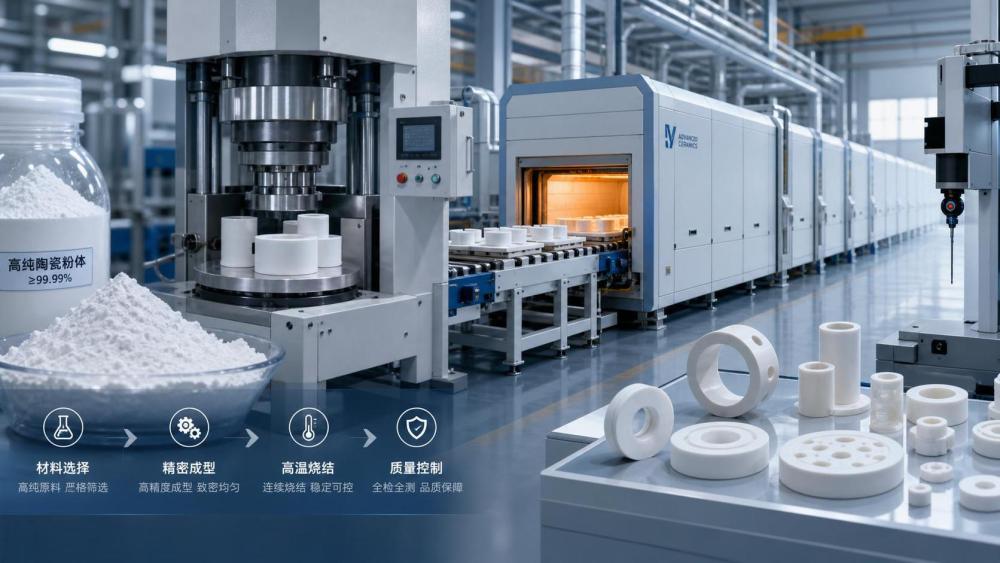
Advanced ceramics production depends on disciplined control from powder preparation to final inspection.
Small shifts in particle size, moisture, or kiln profile can change final density, strength, and dielectric behavior.
That is why process review cannot stop at product appearance.
It must connect raw materials, forming logic, thermal history, and measurable quality outcomes.
In practical terms, advanced ceramics production sits at the intersection of materials science and thermal engineering.
This is also where CF-Elite has long focused its intelligence work across kilns, refractory systems, and specialized extrusion equipment.
From a technical assessment angle, the goal is simple.
Confirm whether a line can repeat target properties with stable cost, energy use, and low defect risk.
The sections below break down the main process steps, the material selection logic, and the quality control points that matter most.
Why Advanced Ceramics Production Demands Tight Process Discipline
Unlike conventional clay products, advanced ceramics production usually starts with engineered powders, not broad natural feedstock variation.
The target is not just shape retention after firing.
The target is a defined microstructure.
That microstructure controls wear resistance, thermal shock behavior, insulation value, corrosion resistance, or fracture toughness.
A line may look productive on paper yet still fail technical review.
Common reasons include unstable powder dispersion, poor binder burnout, localized overheating, or inspection systems that miss internal flaws.
More clearly now, buyers and engineers are not only evaluating output volume.
They are checking how advanced ceramics production supports traceability, carbon reduction, and long campaign reliability.
Core Materials Used in Advanced Ceramics Production
Material selection sets the technical ceiling of advanced ceramics production.
The main families differ in performance, processing window, and cost sensitivity.
- Alumina offers strong hardness, electrical insulation, and broad industrial familiarity.
- Zirconia supports high toughness and is often chosen for wear parts and demanding mechanical service.
- Silicon carbide delivers excellent thermal conductivity, abrasion resistance, and high-temperature stability.
- Silicon nitride performs well in thermal shock conditions and rotating or loaded assemblies.
- Ferrites, titanates, and related oxides serve electrical, magnetic, and electronic functions.
The powder itself is only part of the story.
Dispersants, binders, plasticizers, lubricants, and sintering aids strongly affect forming and firing behavior.
In advanced ceramics production, additive choice must match both the shaping route and the final property target.
For example, extrusion needs rheological stability, while dry pressing depends more on flowability and granule strength.
This is where technical evaluation becomes practical.
A capable supplier should explain why a material system fits the production route, not just list chemical purity.
Key Process Steps in Advanced Ceramics Production
Most advanced ceramics production lines follow a similar sequence, even when end products differ.
1. Powder preparation
Powders are milled, classified, blended, and sometimes spray dried.
The main aim is uniform particle distribution and consistent feed behavior.
If agglomerates remain, density gradients often appear later.
2. Forming
Forming methods include dry pressing, isostatic pressing, extrusion, injection molding, tape casting, and slip casting.
The right method depends on geometry, tolerance, volume, and green strength requirements.
In CF-Elite’s broader equipment view, extrusion and thermal equipment coordination is often underestimated.
Yet this interface strongly influences downstream yield.
3. Drying and debinding
Moisture removal and binder burnout must be gradual and uniform.
Rapid heating can trap volatiles, causing cracks, blisters, or internal voids.
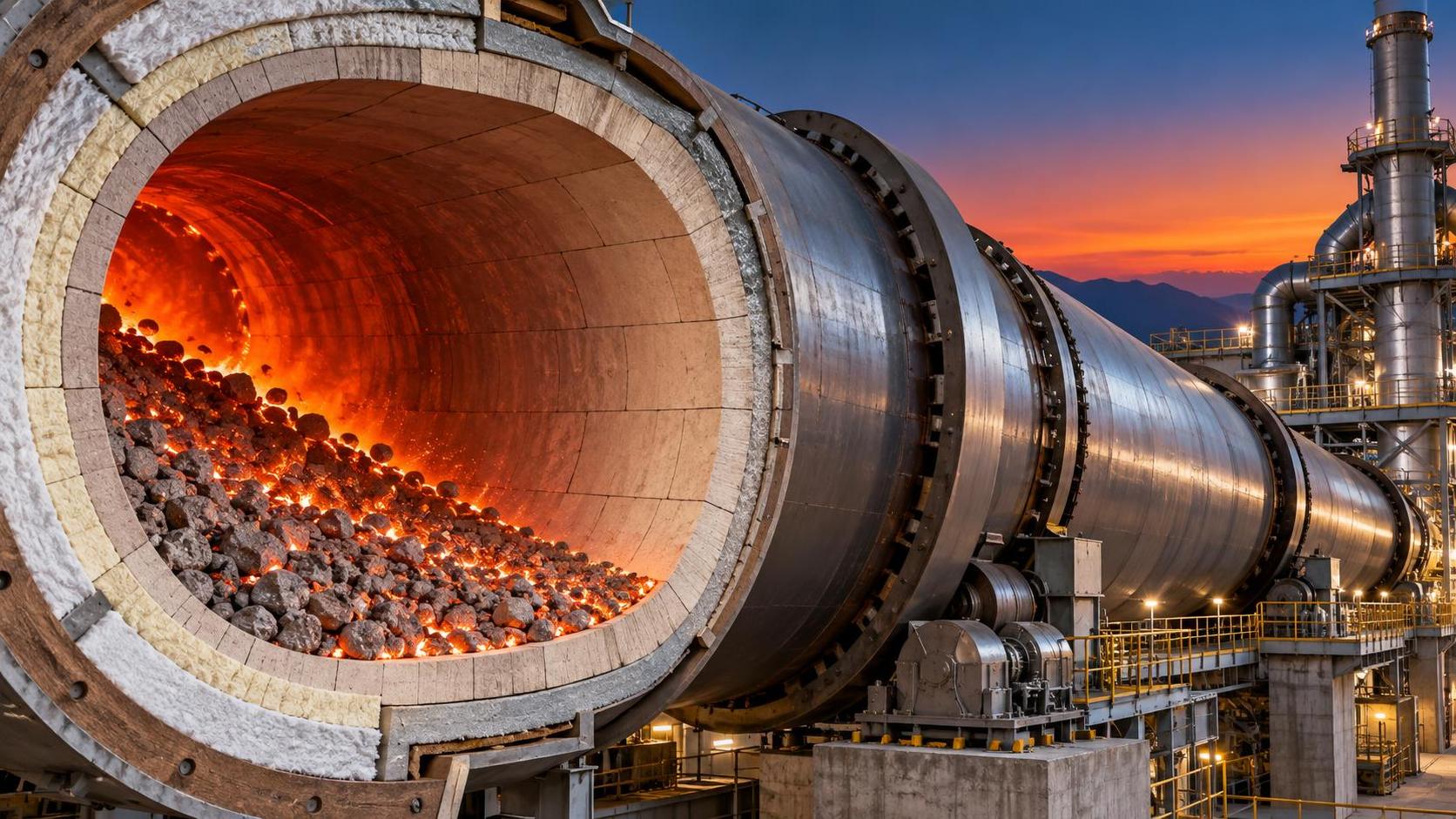
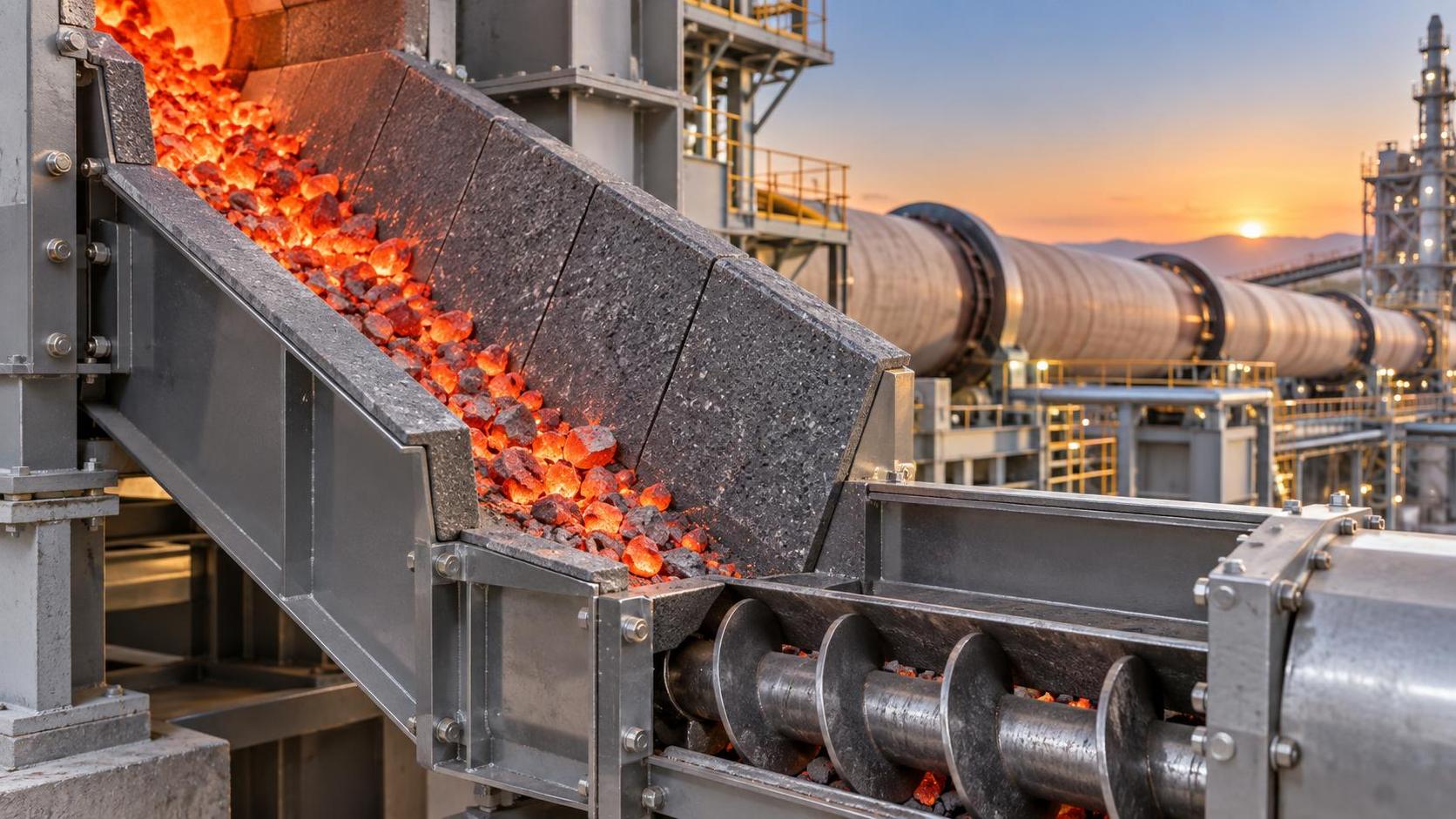
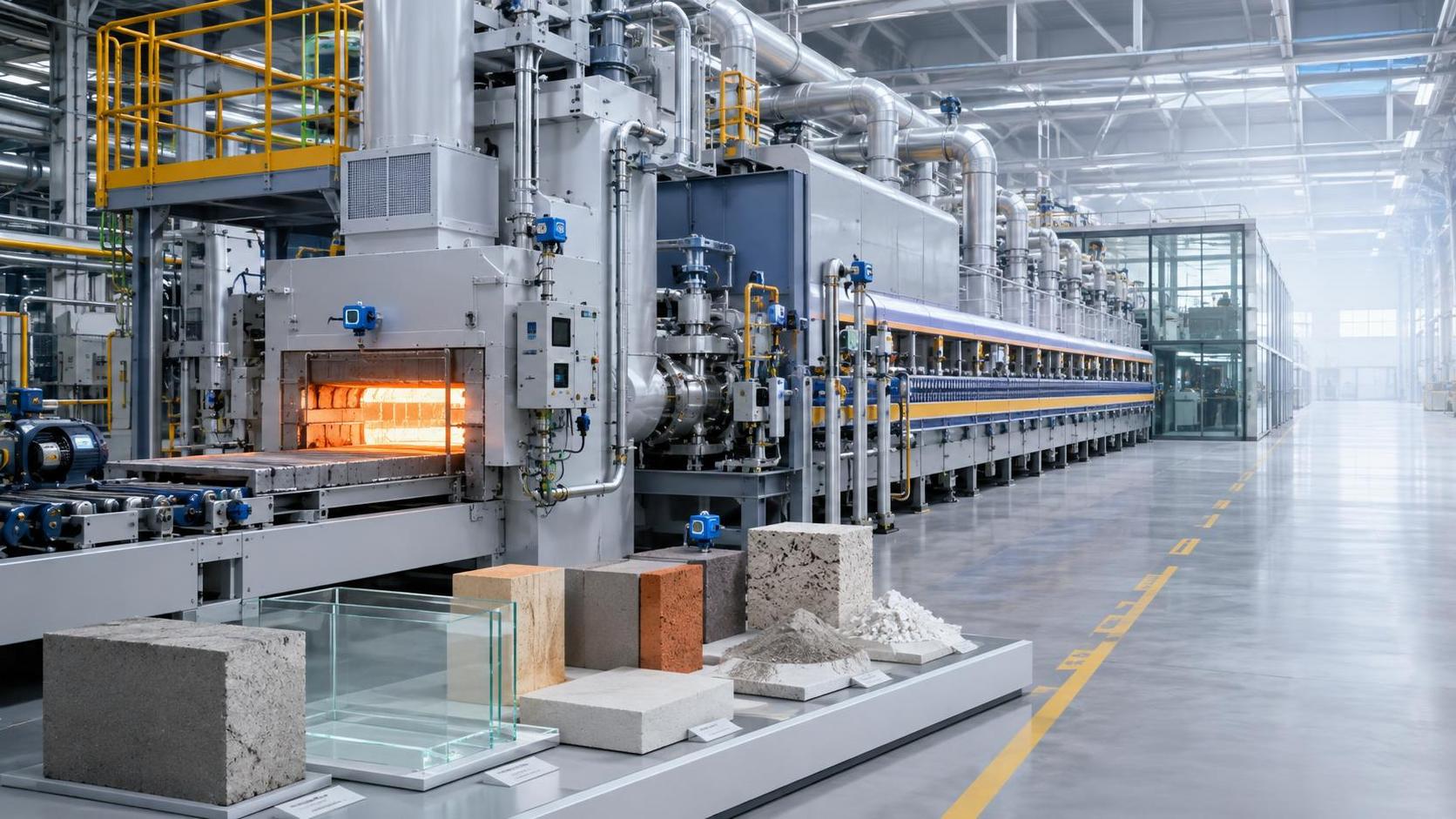
4. Sintering or firing
This step defines densification, grain growth, and final bonding.
Atmosphere, peak temperature, soak time, and cooling profile all matter.
A strong kiln system is not just hot enough.
It must be repeatable across zones and loads.
5. Finishing and inspection
Grinding, lapping, machining, metallization, and coating may follow.
At this stage, advanced ceramics production moves from process control to proof of performance.
Critical Quality Control Points That Really Matter
Quality control in advanced ceramics production should follow the defect path, not only the process chart.
In other words, check where failure starts.
- Raw powder control: purity, particle size distribution, contamination, and moisture.
- Batch consistency: additive dosage, slurry viscosity, granule density, and mixing homogeneity.
- Green body integrity: dimensions, density variation, lamination risk, and surface flaws.
- Debinding profile: weight loss behavior, exhaust control, and crack monitoring.
- Firing stability: temperature uniformity, atmosphere quality, shrinkage rate, and kiln repeatability.
- Final verification: density, porosity, strength, hardness, dielectric values, and microstructure.
For technical review, one useful question is whether data are connected or isolated.
If powder data, furnace records, and inspection results cannot be traced together, root-cause analysis becomes slow and expensive.
That gap is increasingly important as advanced ceramics production moves toward digital monitoring and lower emission targets.
Equipment Assessment for Stable Advanced Ceramics Production
Equipment capability is often the hidden driver behind quality variation.
A line may use the right formula but still underperform because of unstable mechanics or thermal control.
When reviewing advanced ceramics production equipment, focus on these areas.
- Feeding accuracy and contamination control in powder handling systems.
- Mixing efficiency and repeatability in wet or dry preparation stages.
- Forming pressure stability, die wear control, and dimensional repeatability.
- Dryer and debinding furnace airflow uniformity.
- Kiln temperature mapping, atmosphere sealing, refractory life, and heat recovery logic.
- Inline inspection capability, including dimensional, visual, and non-destructive checks.
This broader view aligns with CF-Elite’s long-term coverage of thermal systems and specialized process equipment.
In high-temperature industries, reliable production is rarely created by one machine alone.
It comes from how the whole line behaves under real operating load.
Common Risks in Advanced Ceramics Production and How to Read Them
Several warning signs appear repeatedly in advanced ceramics production reviews.
- High rejection after firing usually points to density variation or poor burnout control.
- Excess machining load often signals inadequate net-shape forming or unstable shrinkage.
- Frequent kiln corrections may indicate weak thermal uniformity or failing refractory zones.
- Property scatter between lots can reflect inconsistent powder condition or weak process discipline.
- Rising energy use per ton may reveal airflow losses, insulation decline, or poor cycle design.
From recent industry shifts, the stronger signal is integration.
Advanced ceramics production is being judged not only by product quality, but by energy intensity, data visibility, and maintenance predictability.
That means process excellence and carbon efficiency are becoming part of the same decision framework.
A Practical Review Framework for Better Decisions
A useful assessment of advanced ceramics production should be structured and evidence-based.
The following checklist keeps evaluation grounded in plant reality.
- Match material system to required properties and shaping route.
- Verify whether powder preparation supports repeatable feed behavior.
- Review debinding and firing windows against defect history.
- Check if kiln data, inspection data, and maintenance records are linked.
- Measure stability through lot variation, not only best-case samples.
- Compare energy use, yield, and refractory life over long campaigns.
In the end, advanced ceramics production is a systems challenge.
The strongest operations control materials, heat, equipment behavior, and inspection data as one connected process.
That is where stable performance, lower risk, and long-term equipment value become visible.
For anyone comparing lines, suppliers, or upgrade paths, that integrated view is the most reliable starting point.
Related News
 Thermal Energy ArchitectWhy Heat-Resistant Materials Lose Abrasion Resistance at High TemperaturesHeat-resistant materials abrasion resistance can decline at high temperatures. Discover the thermal, chemical, and mechanical causes of wear—and how to choose longer-lasting linings.Sep 16, 2026
 Thermal Energy ArchitectHow to Evaluate a Thermal Energy Optimization Company for High-Temperature PlantsChoose a thermal energy optimization company with proven process expertise, measurable savings, and reliable delivery for high-temperature plants. Learn what to assess.Sep 15, 2026
 Thermal Energy ArchitectRotary Kiln Efficiency: How Feed Rate, Fuel Use, and Heat Loss Affect OutputRotary kiln efficiency explained: discover how feed rate, fuel use, heat loss, combustion, and cooling performance shape output, quality, and energy costs.Sep 14, 2026
 Thermal Energy ArchitectHow to Select Heat-Resistant Materials That Maintain Abrasion Resistance in KilnsHeat-resistant materials abrasion resistance: learn how to select kiln linings that withstand heat, wear, thermal cycling, and chemical attack for longer service life.Sep 13, 2026
 Thermal Energy ArchitectHow Rotary Kiln Automation Improves Temperature Control and Fuel EfficiencyRotary kiln technology automation enhances temperature control, stabilizes combustion, and improves fuel efficiency with smarter data, predictive control, and safer operations.Sep 12, 2026
 Silicate Process EngineerCement Plant Emission Control: Selecting Systems for Dust, NOx, and SO2 LimitsCement plant emission control guide: compare dust collectors, NOx reduction, and SO2 systems for reliable compliance across kiln modes, fuel changes, and operating upsets.Sep 11, 2026
 Thermal Energy ArchitectSelecting Abrasion-Resistant High-Temperature Materials for Kiln and Conveyor Wear ZonesHigh-temp material engineering guide to abrasion-resistant kiln and conveyor solutions—match wear, heat, chemistry, and installation design for longer service life.Sep 10, 2026
 Dr. Alistair VaughnIndustrial Process Engineering: How to Map Processes for Safer, More Efficient PlantsIndustrial process engineering reveals bottlenecks, safety risks, and energy losses through practical process mapping for safer, more efficient plants.Sep 09, 2026
 Optical Glass Tech FellowHow to Evaluate a Glass Annealing Equipment Manufacturer for Production StabilityChoose a glass annealing equipment manufacturer with proven thermal uniformity, reliable controls, lifecycle value, and responsive service for stable production.Sep 08, 2026
 Prof. Marcus ChenThermal Energy Architecture in North America: Strategies for Lower Building Energy UseThermal energy architecture North America helps project leaders cut building energy use through stronger envelopes, right-sized HVAC, storage, and smart commissioning.Sep 07, 2026
 Ms. Elena RodriguezHow Should Buyers Evaluate Building Material Industry Intelligence Pricing?Building material industry intelligence pricing: learn how to compare coverage, technical depth, and ROI to choose intelligence that reduces procurement risk.Sep 07, 2026
 Ms. Elena RodriguezHow to Use Building Material Intelligence Data for Market and Investment DecisionsBuilding material industry intelligence data helps leaders evaluate demand, costs, regulation, capacity, and technology to make smarter market and investment decisions.Sep 05, 2026
 Thermal Energy ArchitectHow PLC Control Improves Energy Efficiency and Temperature Stability in KilnsEnergy efficient kilns PLC control improves temperature stability, cuts fuel waste, and optimizes combustion, draft, and material flow. Explore proven strategies for smarter kiln modernization.Sep 04, 2026
 Optical Glass Tech FellowEuropean Glass Melting Processes: Furnace Choices, Energy Use, and Quality ControlGlass melting process Europe: explore furnace choices, energy efficiency, cullet strategy, and quality control to improve output, compliance, and long-term glass performance.Sep 03, 2026
 Thermal Energy ArchitectWhat Determines Refractory Lining Monitoring Price for Industrial Kilns?Refractory lining monitoring price depends on kiln size, sensor technology, installation, software, and support. Compare total lifecycle costs and choose the right solution.Sep 02, 2026
 Silicate Process EngineerCement Production System Costs: A Plant Buyer’s Guide to Budgeting and ROICement production systems cost planning made clear: compare CAPEX, operating costs, compliance, and ROI to build a resilient, profitable cement plant investment.Sep 01, 2026
 Dr. Alistair VaughnWhat Should a Process Technology Database Track for High-Temperature Plants?Process technology database essentials for high-temperature plants: track thermal profiles, feed chemistry, refractory wear, emissions, energy, and maintenance for safer, data-driven decisions.Aug 31, 2026
 Ms. Elena RodriguezHow to Evaluate a Silicate Processing Equipment Manufacturer for Plant ProjectsSilicate processing equipment manufacturer selection: assess process fit, guarantees, energy, compliance, delivery risk, and lifecycle support for dependable plant performance.Aug 30, 2026
 Dr. Alistair VaughnHow to Specify Custom Agricultural Processing Equipment for Throughput and HygieneEquipment customization services for agricultural processing: learn to specify hygienic, high-throughput lines that improve yield, reliability, and long-term efficiency.Aug 29, 2026
 Dr. Alistair VaughnHow to Select Process Plant Equipment for High-Temperature, Abrasive Production LinesProcess plant equipment selection for high-temperature, abrasive lines: reduce downtime, improve durability, and optimize lifecycle performance.Aug 28, 2026


Related News
- 00
0000-00
What Determines Refractory Production Line Price in a Turnkey Plant Project? - 00
0000-00
How to Evaluate a Silicate Production Line for Capacity, Energy Use, and Product Quality - 00
0000-00
Silicate Production Line Process Explained: Key Stages, Equipment, and Quality Control - 00
0000-00
How to Evaluate a Refractory Production Line in Southeast Asia: Capacity, Fuel, and Raw Material Factors - 00
0000-00
How to Evaluate a Silicate Production Lines Supplier for Capacity, Automation, and Raw Material Fit
Weekly Insights
Stay ahead with our curated technology reports delivered every Monday.