
High-Temp Process Engineering Choices That Affect Lining Life




In high-temperature industries, small engineering decisions can determine whether a lining delivers stable service life or fails ahead of schedule. For technical evaluators, understanding how high-temp process engineering influences thermal load, chemical attack, and mechanical stress is essential to reducing downtime and lifecycle cost. This article outlines the key process choices that directly affect lining performance across kilns, incineration systems, and other demanding thermal operations.
Across cement plants, glass furnaces, incineration lines, refractory production systems, and advanced extrusion equipment, lining life is rarely controlled by refractory grade alone. In practice, service duration is shaped by burner setup, temperature uniformity, atmosphere control, raw mix variability, startup and shutdown discipline, shell movement, and inspection frequency. For technical assessment teams, the most useful question is not simply which lining material is stronger, but which process engineering choices reduce the total stress imposed on that lining over 12, 24, or 36 months of operation.
This is where high-temp process engineering becomes a decision framework rather than a design slogan. A kiln operating at 1,250°C to 1,450°C, an incineration chamber cycling between low-load and overload states, or a glass contact zone exposed to vapor-phase attack all create different failure patterns. Spalling, alkali attack, thermal shock cracking, abrasion, and anchor distortion are process-linked events. Evaluators who connect operating conditions to lining wear can make better choices in equipment specification, maintenance planning, fuel strategy, and retrofit timing.
Why Process Engineering Has More Influence Than Material Selection Alone
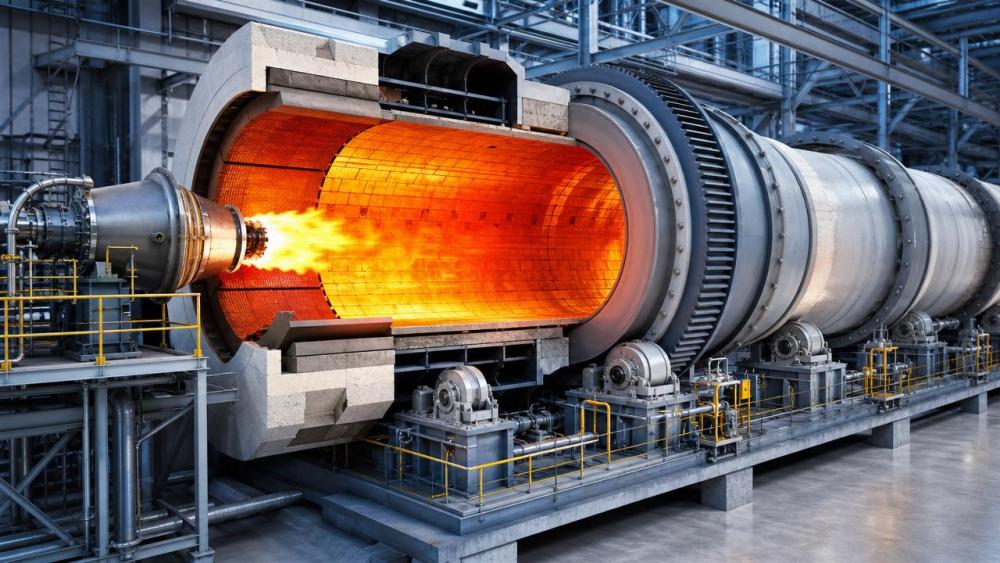
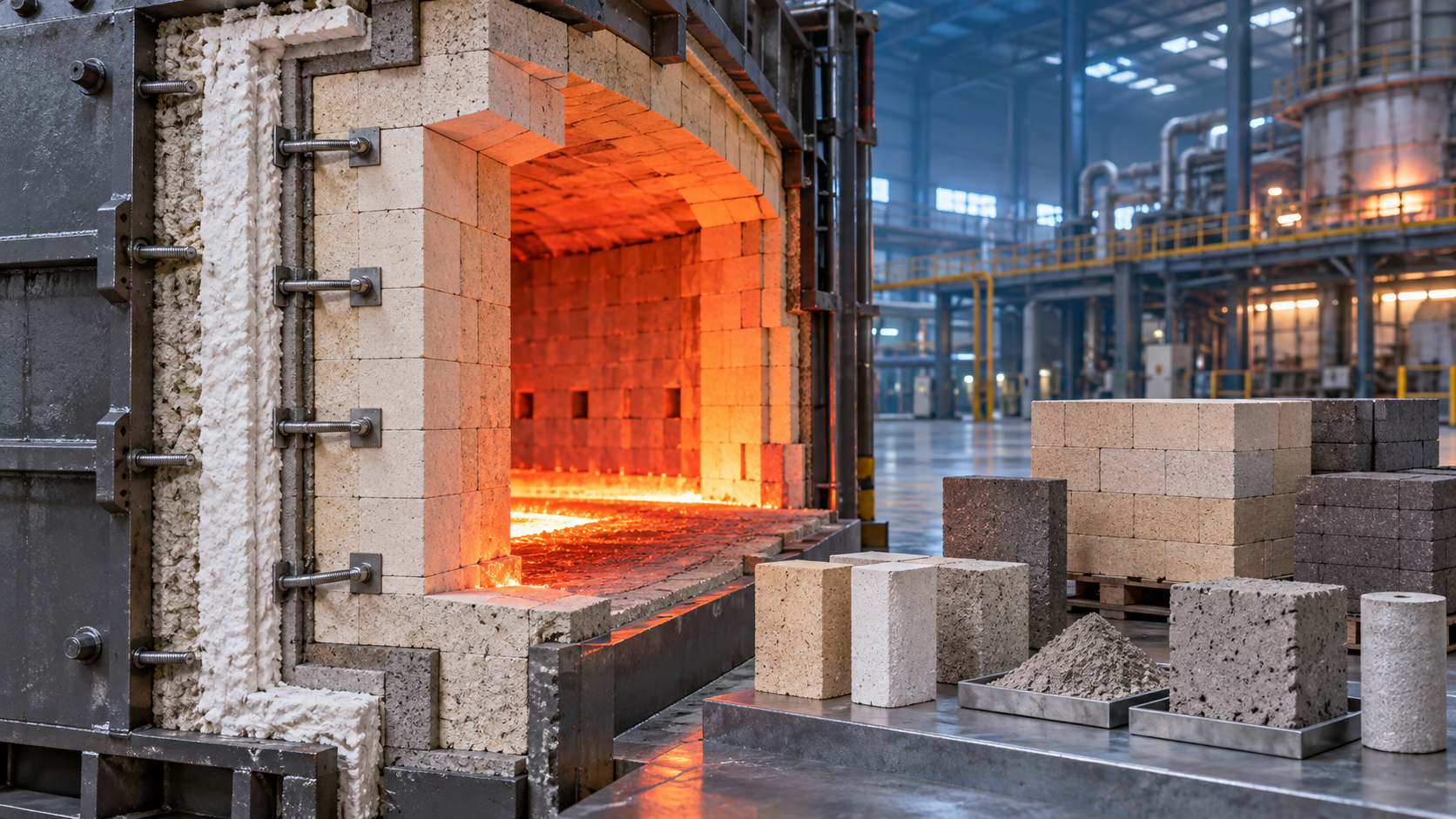
Many asset owners begin lining reviews with brick chemistry, castable density, or insulation thickness. Those parameters matter, but in most high-duty systems they are only one part of the lifecycle equation. A premium lining can still fail early if the process imposes repeated thermal ramps above 80°C per hour, uncontrolled oxygen swings, or dust recirculation that changes local chemistry. High-temp process engineering determines whether the lining sees stable, predictable exposure or constant upset conditions.
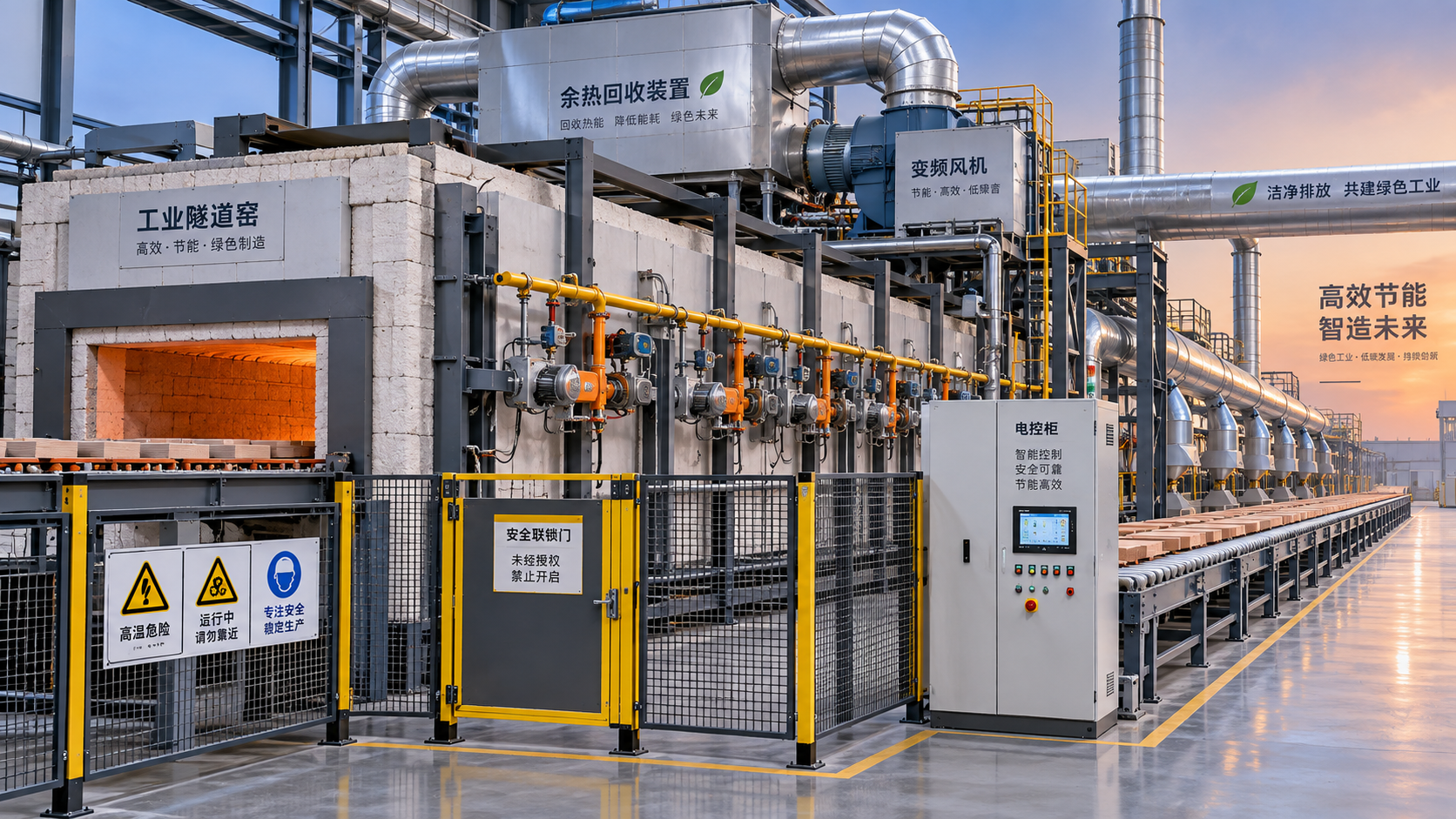
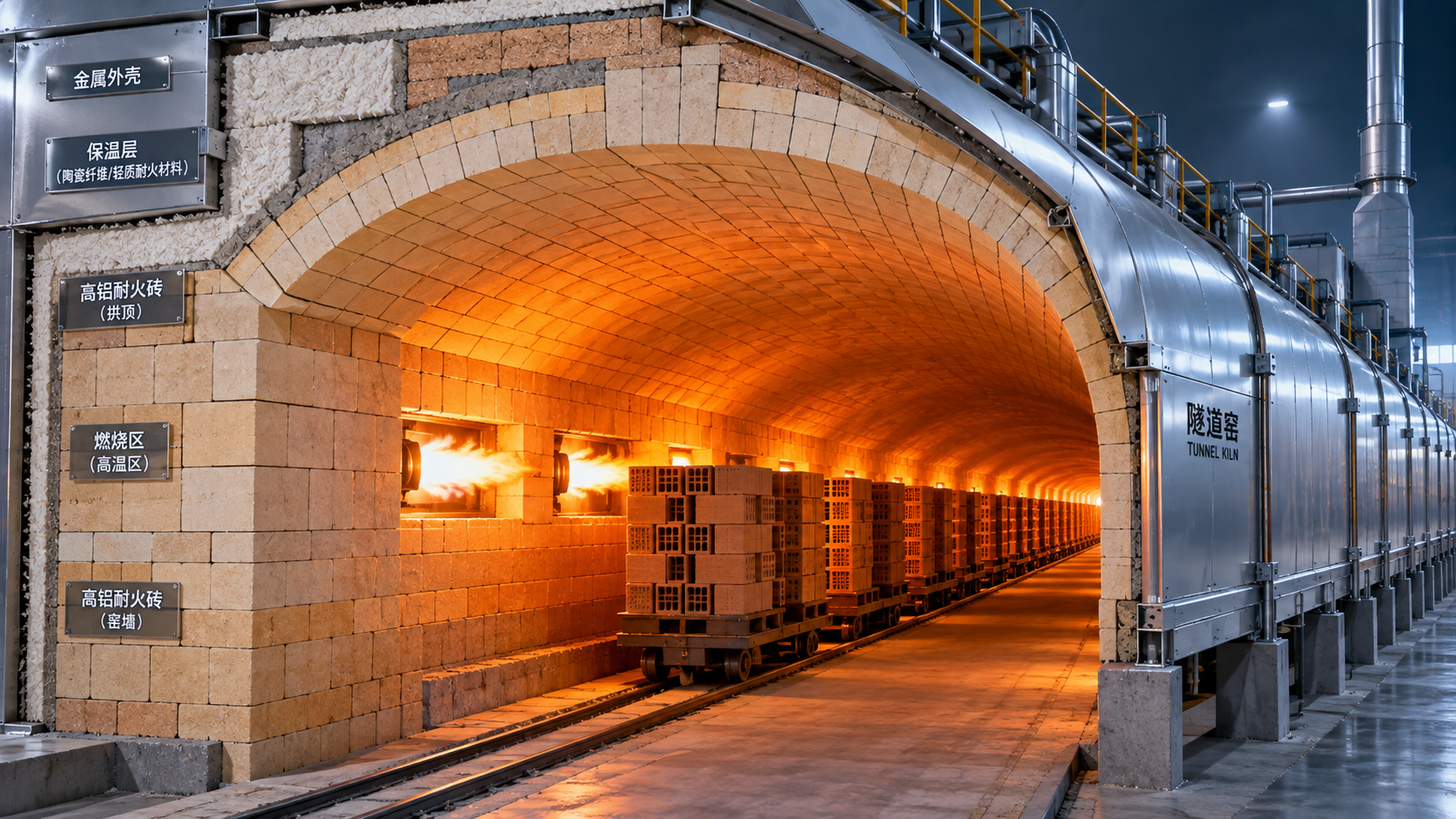
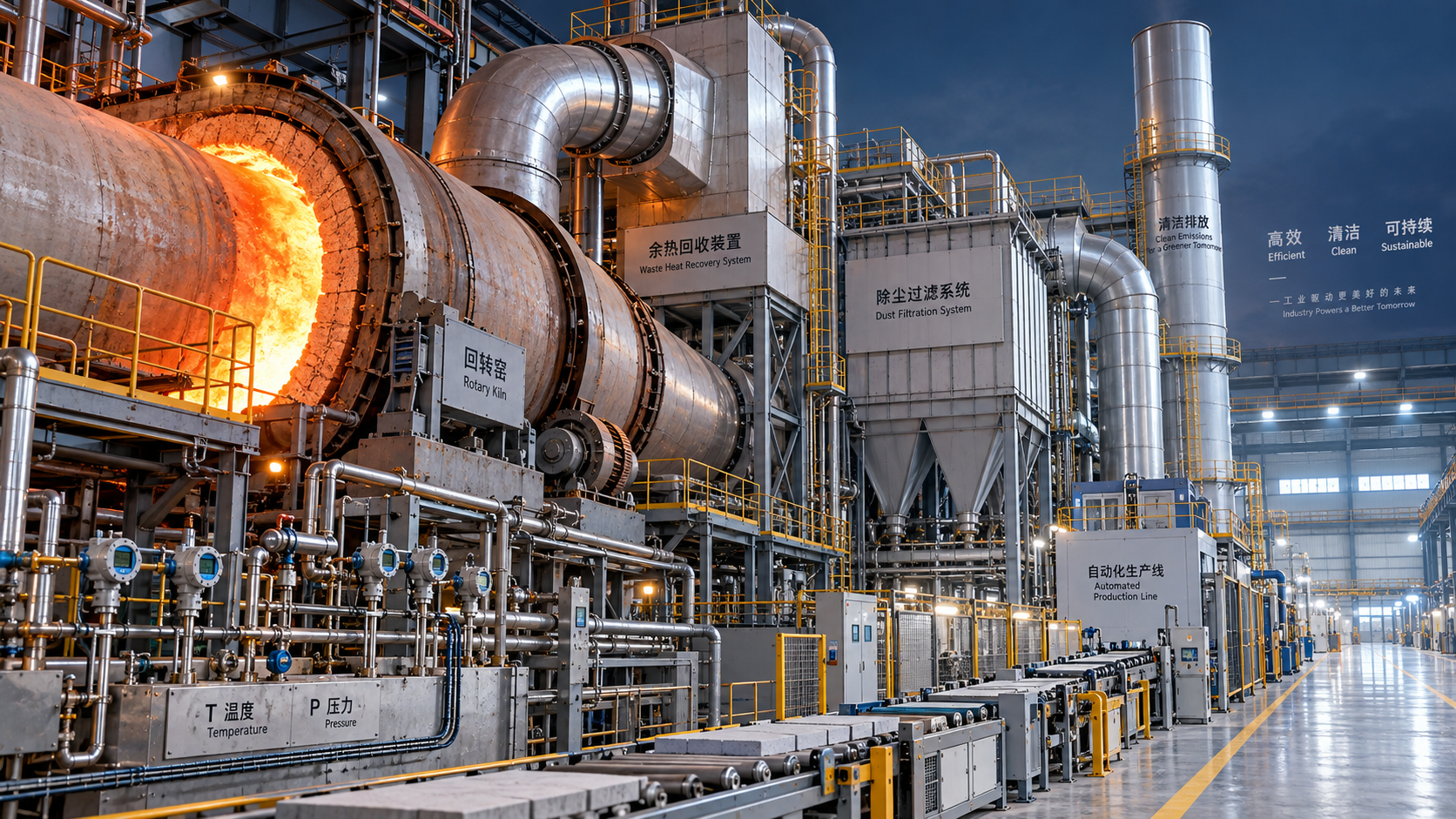
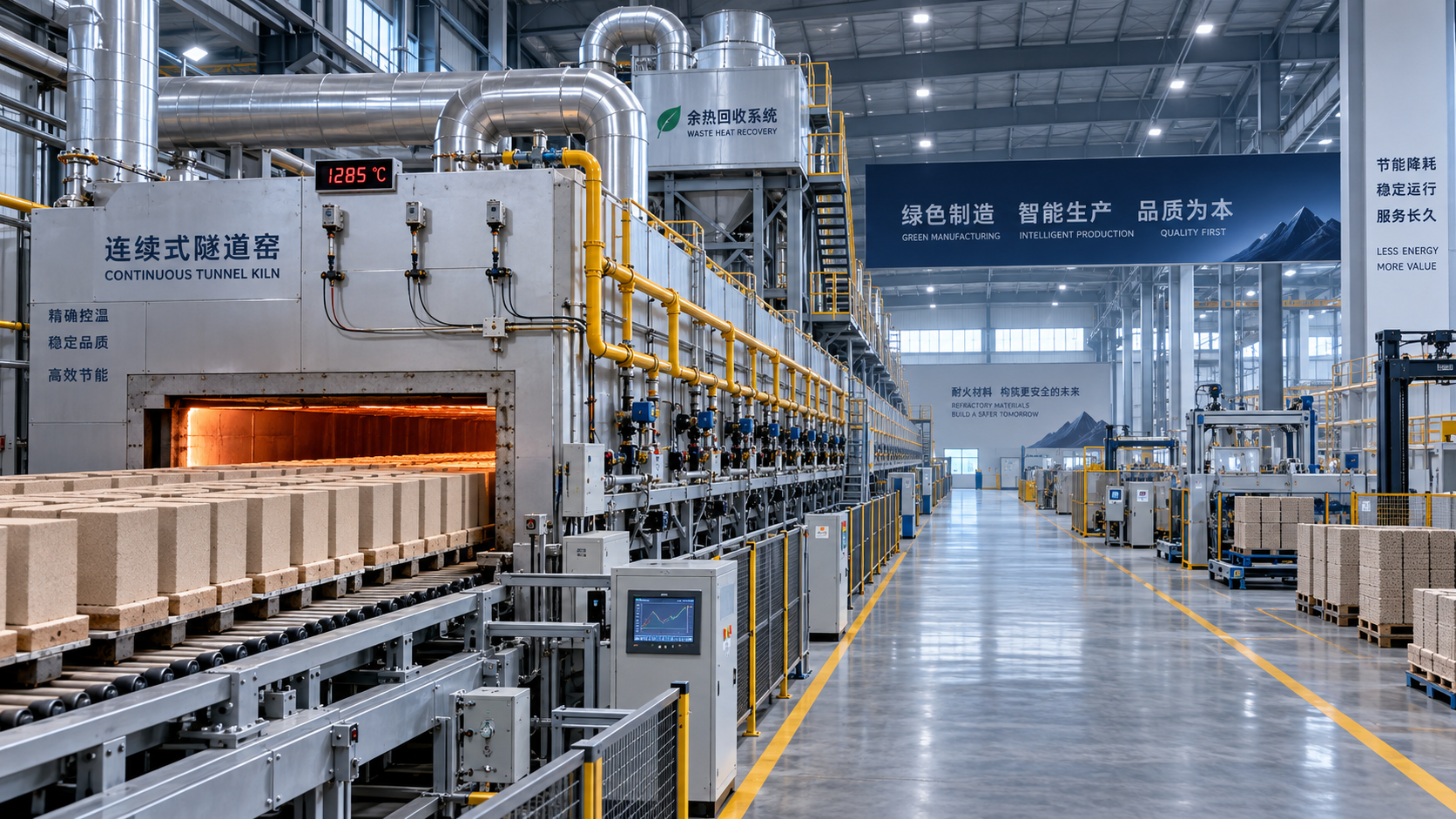
For technical evaluators, this distinction is critical in large-scale silicate and thermal management operations. A cement rotary kiln may see coating instability and alkali circulation. A hazardous waste incinerator may face chlorine-bearing attack and frequent feed composition shifts. A refractory tunnel kiln may appear thermally stable, yet poor airflow balance can create hot-face differentials of 50°C to 120°C across adjacent zones. These are engineering control issues before they become material failure issues.
Three Stress Categories That Shorten Lining Life
Most premature failures can be grouped into three interacting categories:
- Thermal stress: rapid heating, uneven cooling, flame impingement, and cyclic operation
- Chemical stress: alkalis, sulfates, chlorides, reducing atmospheres, and vapor infiltration
- Mechanical stress: shell ovality, material impact, abrasion, buildup collapse, and anchor loading
In real operations, these stresses rarely appear alone. For example, a 2-hour emergency stop followed by an aggressive restart may combine temperature shock, condensate-related chemical attack, and mechanical cracking from differential expansion. This is why high-temp process engineering must be reviewed as a whole-system discipline.
Where Evaluators Commonly Miss the Root Cause
A common error is to classify lining loss only by visible symptom. Hot-face peeling may be labeled as “poor material bonding,” while the real driver is burner alignment causing repeated flame contact in one 30° shell segment. Anchor failure in a castable zone may be blamed on fabrication quality, even though the root issue is excessive casing temperature above the anchor design range. Good evaluation requires cross-checking failure location, thermal map, fuel profile, feed chemistry, and operating log over at least the previous 8 to 12 weeks.
Process Choices That Directly Affect Lining Service Life
The most important process choices are usually made before a shutdown inspection reveals serious wear. For technical evaluators in kiln, furnace, incineration, and extrusion environments, the following decisions have the highest effect on lifecycle cost and relining frequency.
Temperature Profile and Ramp Discipline
Lining systems perform best when temperature change is controlled rather than minimized at all cost. During dry-out, startup, and hot standby, the rate of heating through moisture release and binder transformation zones is especially important. For many castable-backed systems, the risk window is not peak temperature, but the transition between 110°C and 350°C, then again near 573°C where silica phase changes can amplify internal stress. A rushed startup can destroy weeks of careful installation work in less than 6 hours.
In continuous kilns, evaluators should compare actual thermal gradients between adjacent zones, not only average process temperature. A zone-to-zone deviation greater than 40°C to 60°C often indicates combustion imbalance, air leakage, or insulation discontinuity. In batch or semi-batch systems, the number of thermal cycles per week is just as important as peak setpoint. A lining designed for 1 major cycle every 7 days may degrade much faster under 4 to 6 unstable cycles.
Fuel Type, Flame Shape, and Atmosphere Control
Fuel conversion projects frequently change lining conditions more than expected. Switching from natural gas to alternative fuels, RDF-derived feed, petcoke blends, or mixed combustion streams can alter flame emissivity, ash chemistry, sulfur balance, and local reducing conditions. Even when the average thermal input remains stable, the lining may experience different hotspot behavior, deeper chemical penetration, or more severe coating instability.
A long, lazy flame may increase shell-side heat exposure over a wider area. A short, intense flame may create localized overheating. Oxygen control windows also matter. In some systems, operation below target excess oxygen for repeated 20- to 40-minute intervals can encourage reducing conditions that destabilize specific refractory phases. Technical evaluators should verify whether burner tuning, primary-secondary air ratio, and fuel variability have been reviewed after each major feedstock or decarbonization adjustment.
The table below highlights how common process decisions translate into predictable lining risks in high-temp process engineering reviews.
The key takeaway is that lining degradation is often forecastable. When the same process choice repeatedly produces the same thermal or chemical signature, the wear mechanism becomes manageable. This is the practical value of high-temp process engineering: turning failure analysis into pre-failure control.
Feed Chemistry, Raw Mix Stability, and Gas Phase Reactions
In silicate processing and waste-to-energy systems, raw material variation can be more damaging than a 20°C change in setpoint. Alkali, sulfur, chlorine, fluorine, zinc, and fine dust recirculation can all alter hot-face chemistry. In cement and lime applications, buildup behavior may shift within 3 to 5 days after a raw mix or fuel adjustment. In incineration, chloride-rich streams can intensify corrosion or infiltration in upper temperature zones and transition chambers.
Technical evaluators should request trend data for feed variability rather than relying on nominal recipe sheets. A process that runs “within spec” on paper may still experience daily swings large enough to destabilize coating formation or change slag viscosity. When chemistry is variable, the most resilient lining strategy often includes both material adaptation and upstream control such as feed blending, dosing discipline, and gas-path balancing.
Mechanical Movement and Structural Interaction
Lining life is also shaped by mechanical realities that process teams sometimes overlook. Rotary kilns introduce shell ovality, support load variation, and coating drop impacts. Static chambers face casing distortion, door sealing force, expansion joint limitations, and anchor creep. In extrusion-linked thermal equipment, repeated loading and unloading may create edge damage in transfer zones that never see peak temperature but fail from repeated contact and vibration.
A 3 mm to 6 mm increase in shell distortion can materially change brick stress distribution in long rotary systems. Likewise, anchor metallic temperature exceeding its design envelope by even 50°C can shorten service life sharply. High-temp process engineering therefore requires joint review between process, refractory, and mechanical teams rather than isolated discipline-based troubleshooting.
How Technical Evaluators Should Assess Risk Before Relining or Retrofit
A useful lining review should produce more than a shutdown purchase list. It should answer four questions: what stress is acting, where it is concentrated, how often it occurs, and which process change will reduce recurrence. Evaluators can improve decision quality by using a structured review sequence before approving a relining, burner replacement, fuel switch, or capacity increase.
A Five-Step Evaluation Workflow
- Map wear location by zone, clock position, and depth loss over the last 1 to 3 shutdowns.
- Compare operating records for temperature, oxygen, pressure, and throughput during the same period.
- Review feed and fuel changes, including alternative stream ratios and contamination events.
- Check mechanical indicators such as shell temperature pattern, rotation stability, casing distortion, and anchor exposure.
- Rank causes by recurrence probability, then separate immediate repair actions from process correction actions.
This workflow is especially useful in multi-line industrial groups where one unit lasts 18 months and another only 9 months under nominally similar conditions. The variation often comes from operating discipline, not just procurement differences.
Decision Criteria for Comparing Engineering Options
When comparing retrofit paths, evaluators should score options against operational impact, not upfront cost alone. A lower-cost lining paired with stable process control may outperform a higher-cost grade installed into an unstable combustion or feed environment. The following matrix can support practical screening.
The matrix shows why high-temp process engineering reviews should include instrumentation and operational discipline. If monitoring quality is weak, the site may repeatedly relining the symptom while leaving the root load pattern untouched.
Common Misjudgments During Technical Evaluation
Assuming Longer Campaign Life Always Means Higher Grade Refractory
In some lines, improving process consistency by 10% to 15% yields more lifecycle gain than moving one class higher in refractory cost. If oxygen swings, flame instability, and unscheduled cool-down events are unresolved, material upgrades alone may not pay back.
Ignoring Transition Zones
The most vulnerable location is not always the hottest zone. Transition sections, burner entry areas, discharge ends, and door perimeters often fail first because they combine moderate temperature with severe cycling, abrasion, or gas leakage. A line can look thermally acceptable in average data while still suffering localized edge failure.
Treating Decarbonization Changes as Pure Energy Projects
Alternative fuels, higher substitution ratios, electrified heating support, and heat recovery changes all reshape the lining environment. Any low-carbon retrofit should include a refractory and thermal stress review before implementation, especially if the project changes residence time, atmosphere, ash burden, or peak flame geometry.
Practical Recommendations for CF-Elite Readers and Assessment Teams
For organizations managing long-cycle heavy thermal assets, the best results come from combining plant data with cross-disciplinary engineering judgment. CF-Elite’s focus areas—cement production, glass manufacturing gear, industrial kilns and incineration, refractory production lines, and new building material extrusion—share a common truth: lining life improves when process engineering, thermal management, and operating intelligence are connected early rather than after failure.
A practical improvement plan usually starts with 3 priorities: stabilize thermal ramps, quantify chemistry variation, and strengthen online or periodic condition monitoring. From there, evaluators can define whether the next action is a burner adjustment, a feed handling correction, a lining redesign in one zone, or a wider retrofit. In many facilities, a 6- to 12-month reduction in unexpected shutdown risk is achieved not by radical redesign, but by tighter control of a few repeatable process variables.
High-temp process engineering is ultimately about managing the environment around the lining, not only the lining itself. Technical evaluators who read wear patterns through the lens of heat flow, chemistry, and mechanics make stronger decisions on procurement, maintenance timing, and decarbonization upgrades. If your team is reviewing kiln, incineration, glass, refractory, or extrusion systems and needs a clearer basis for lining-life decisions, contact CF-Elite to discuss plant-specific evaluation criteria, request a tailored solution, or learn more about practical intelligence for high-temperature operations.
Related News
 Ms. Elena RodriguezGlass Market Intelligence: How to Assess Demand, Capacity, and Regional Growth RisksGlass market intelligence for evaluating demand, effective capacity, energy exposure, trade dynamics, and regional growth risks before investing in glass manufacturing.Oct 11, 2026
 Optical Glass Tech FellowWhat Should a Glass Furnace Energy Specification Include?What should be included in a glass furnace energy specification? Explore performance, fuel flexibility, heat recovery, emissions, and monitoring essentials.Oct 11, 2026
 Dr. Alistair VaughnHow Process Technology Platforms Improve Control Across Multi-Line ManufacturingDiscover how a process technology platform strengthens cross-line control, connects operational data, and improves energy, quality, and maintenance decisions.Oct 10, 2026
 Optical Glass Tech FellowHow Glass Furnace Emissions Are Measured and Controlled for Regulatory ComplianceGlass furnace emissions: learn how to measure, monitor, and control NOx, SOx, particulate, CO, and CO2 for reliable regulatory compliance.Oct 08, 2026
 Prof. Marcus ChenIndustrial Decarbonization Strategies in Europe: A Roadmap for Energy-Intensive PlantsIndustrial decarbonization strategies Europe: explore practical pathways for energy-intensive plants to cut emissions, improve efficiency, and protect performance.Oct 07, 2026
 Thermal Energy ArchitectEnergy-Efficient Silicate Production Lines: What to Compare Before SelectionSilicate production lines energy efficient selection guide: compare thermal performance, stability, emissions, controls, and lifecycle value before investing.Oct 06, 2026
 Optical Glass Tech FellowHow to Evaluate Automated Float Glass Lines for Capacity, Quality, and Energy UseEvaluate automated float glass lines for net capacity, consistent quality, energy efficiency, automation reliability, and lifecycle value. Explore key criteria for smarter investment decisions.Oct 05, 2026
 Thermal Energy ArchitectWhat Does CE Marking Require for an Energy-Efficient Industrial Kiln?Energy efficient kiln CE requirements explained: assess safety, technical files, energy performance, and EU compliance before purchase or commissioning.Oct 04, 2026
 Thermal Energy ArchitectRefractory Manufacturing Solutions for Brick Plants: How to Extend Kiln LifeRefractory manufacturing solutions for brick plant operations: discover proven strategies to extend kiln life, reduce heat loss, prevent lining failures, and plan cost-effective repairs.Oct 03, 2026
 Thermal Energy ArchitectHow to Specify Heavy Industrial Process Systems for High-Temperature PlantsHeavy industrial processes systems: learn how to specify high-temperature plants for efficiency, emissions control, maintainability, and lifecycle performance.Oct 02, 2026
 Structural Material AnalystHow Sustainable Material Extrusion Can Improve Wall Panel Durability and Design FlexibilityDiscover how sustainable material extrusion for wall panels improves durability, moisture resistance, design flexibility, and installation consistency for high-performing wall systems.Oct 01, 2026
 Thermal Energy ArchitectHow to Evaluate a High-Temperature Materials Manufacturer for Furnace ApplicationsChoose a high-temperature materials manufacturer with confidence: compare thermal performance, chemical resistance, quality controls, installation support, and lifecycle cost.Sep 30, 2026
 Ms. Elena RodriguezHow to Structure Global Specification Data for Faster Industrial Product EvaluationGlobal specification-oriented product information helps industrial teams compare capacity, energy, emissions, automation, and lifecycle data on a like-for-like basis for faster, confident equipment decisions.Sep 29, 2026
 Thermal Energy ArchitectHow to Specify High-Temperature Process Systems for Continuous Thermal OperationsHigh-temperature process engineering systems: learn how to specify resilient continuous thermal operations for efficiency, compliance, reliable uptime, and long-term performance.Sep 28, 2026
 Thermal Energy ArchitectHow to Evaluate a Thermal Engineering Contractor for High-Temperature Plant ProjectsChoose a thermal engineering contractor with proven process expertise, lifecycle value, emissions control, and delivery discipline for reliable high-temperature plant performance.Sep 27, 2026
 Silicate Process EngineerHow Latin American Cement Plants Can Reduce Dust Emissions in Kilns and Transfer PointsCement plant dust control Latin America: reduce kiln and transfer-point emissions with practical airflow, filtration, monitoring, and maintenance strategies.Sep 26, 2026
 Material Heat-Resist ExpertHow to Evaluate Refractory Production Lines for Output, Quality, and Energy UseRefractory production lines: learn how to assess qualified output, consistent quality, and total energy use for smarter, lower-risk investment decisions.Sep 25, 2026
 Dr. Alistair VaughnHow Waste Recycling Technology Improves Material Recovery in Industrial PlantsWaste recycling technology improves material recovery through source segregation, smart separation, thermal treatment, and quality control for industrial plants.Sep 24, 2026
 Optical Glass Tech FellowHow to Specify Glass Annealing Equipment for European Quality and Energy RequirementsGlass annealing equipment Europe: learn how to specify lehrs for consistent glass quality, energy efficiency, compliance, automation, and reliable long-term performance.Sep 23, 2026
 Optical Glass Tech FellowSilicate Process Automation: Improving Batch Consistency and Energy ControlSilicate process automation improves batch consistency, energy control, traceability, and operator confidence across high-temperature manufacturing operations.Sep 22, 2026

Related News
- 00
0000-00
How to Evaluate Refractory Production Lines for Output, Quality, and Energy Use - 00
0000-00
What Determines Refractory Production Line Price in a Turnkey Plant Project? - 00
0000-00
How to Evaluate a Silicate Production Line for Capacity, Energy Use, and Product Quality - 00
0000-00
Silicate Production Line Process Explained: Key Stages, Equipment, and Quality Control - 00
0000-00
How to Evaluate a Refractory Production Line in Southeast Asia: Capacity, Fuel, and Raw Material Factors
Weekly Insights
Stay ahead with our curated technology reports delivered every Monday.