
High-Temp Material Processing: Common Defects, Root Causes, and Fixes




High-Temp Material Processing: Common Defects, Root Causes, and Fixes
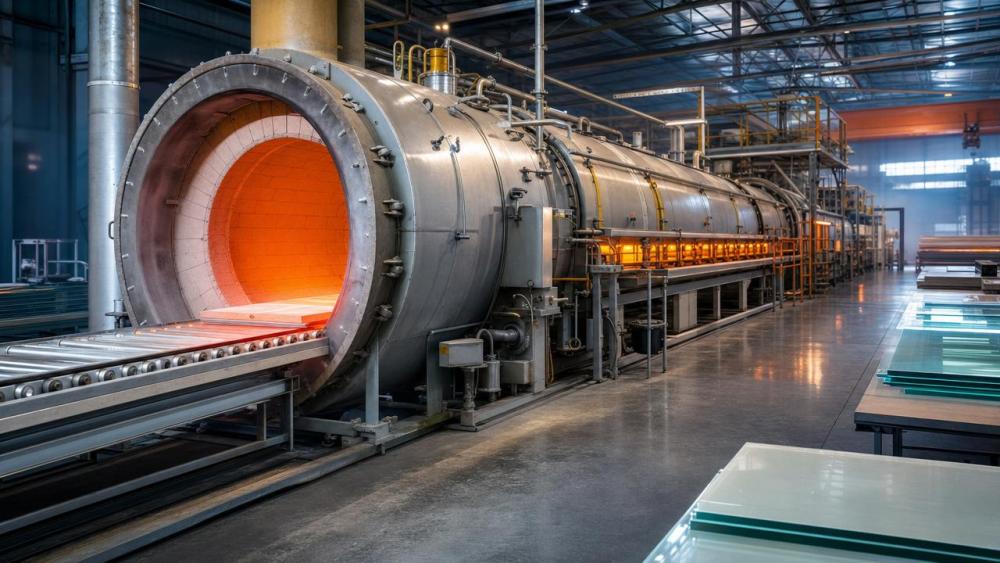
In high-temp material processing, small drift creates big trouble fast.
A few degrees too high, a wetter feed, or a worn lining can change product quality within hours.
That is why defect control matters in cement, glass, refractory, incineration, and extrusion operations.
For plants tracked by CF-Elite, the same pattern appears again and again.
Most failures in high-temp material processing start upstream, then show up downstream as unstable output, energy waste, or safety risk.
The good news is that common defects usually leave clear signals before losses become severe.
This guide explains those signals, the likely root causes, and practical fixes that can be used on the floor.
Why Defects Happen in High-Temp Material Processing
High-temp material processing combines heat transfer, material chemistry, gas flow, residence time, and mechanical stability.
When one variable shifts, the others rarely stay neutral.
A hotter flame can raise throughput, yet it may also increase thermal shock or overburning.
A finer raw mix can improve reaction speed, yet it may worsen dust carryover.
In actual operations, defects usually come from five control gaps:
- Uneven feed rate or particle size
- Temperature deviation across zones
- Excess moisture or poor drying
- Worn refractory or leaking seals
- Weak monitoring and slow corrective action
Once these gaps are visible, defect reduction becomes much easier and far less expensive.
The Most Common Defects and What They Mean
1. Cracking and Thermal Shock Damage
Cracks are among the most visible defects in high-temp material processing.
They appear in fired products, linings, kiln furniture, and shaped extruded materials.
The main root causes are rapid heating, aggressive cooling, temperature gradients, and trapped moisture.
Sometimes composition mismatch also increases expansion stress.
The fix starts with ramp control.
- Slow heating through moisture release zones
- Check cooling air balance and discharge timing
- Verify thermocouple accuracy by zone
- Review material formulation for expansion mismatch
- Inspect for water entry during storage or transfer
2. Warping, Bending, and Shape Loss
Warping often signals uneven heating or weak support during firing.
In extrusion lines, it may start with moisture imbalance or poor die pressure distribution.
In glass and ceramics, excessive softening in one zone causes sagging.
Corrective action should focus on mechanical and thermal symmetry.
- Balance top and bottom temperature profiles
- Stabilize feed moisture before forming
- Check rollers, setters, supports, and alignment
- Reduce overfiring near softening temperature
- Review line speed against product thickness
3. Underfiring and Incomplete Reaction
Underfiring is a hidden cost in high-temp material processing.
Products may look acceptable but fail strength, density, color, or durability checks later.
Typical causes include low peak temperature, short residence time, coarse feed, or poor burner tuning.
Air leakage can also cool critical reaction zones.
The fix is not simply “add more heat.”
It is better to confirm whether time, mixing, and heat penetration are the true limits.
4. Overburning, Melting, or Surface Fusion
Overburning is the other side of the same control problem.
It often appears as dark spots, fused surfaces, sticking, excessive shrinkage, or blocked flow.
Root causes include hot spots, burner imbalance, oxygen variation, and residence time that is too long.
In rotary equipment, ring formation can make local overheating worse.
Fast action matters here.
- Map hot spots with temperature trend data
- Inspect flame shape and burner position
- Confirm residence time against actual throughput
- Check coating build-up and internal circulation
- Review fuel quality and air-fuel ratio stability
5. Blisters, Bubbles, and Porosity Problems
Gas-related defects are common in glass, refractory bodies, and thermally processed composites.
They usually come from trapped volatiles, incomplete burnout, or a melt that cannot release gas evenly.
Raw material contamination can also trigger localized bubbling.
Practical fixes include better pre-drying, controlled burnout, improved fining, and tighter raw mix screening.
A Simple Root Cause Checklist for Daily Use
When defects increase, avoid guessing.
A short troubleshooting routine makes high-temp material processing more stable and easier to manage.
- Check the defect pattern by zone, shift, and product type.
- Compare actual temperature curves with setpoints.
- Review feed moisture, particle size, and flow consistency.
- Inspect burners, seals, fans, and refractory condition.
- Confirm line speed, residence time, and discharge timing.
- Look at fuel changes, ambient changes, and maintenance history.
This sequence helps separate symptom from cause.
It also prevents unnecessary adjustments that create a second problem.
How Better Monitoring Reduces High-Temp Material Processing Defects
From recent industry changes, the clearest signal is digital visibility.
Plants with stable high-temp material processing do not rely on one reading or one operator memory.
They combine trend data, alarm logic, and routine inspection.
This matters even more when fuels, raw materials, and environmental rules keep changing.
Useful monitoring points include:
- Zone temperature deviation, not only average temperature
- Exhaust oxygen and draft stability
- Feed moisture and feed rate variation
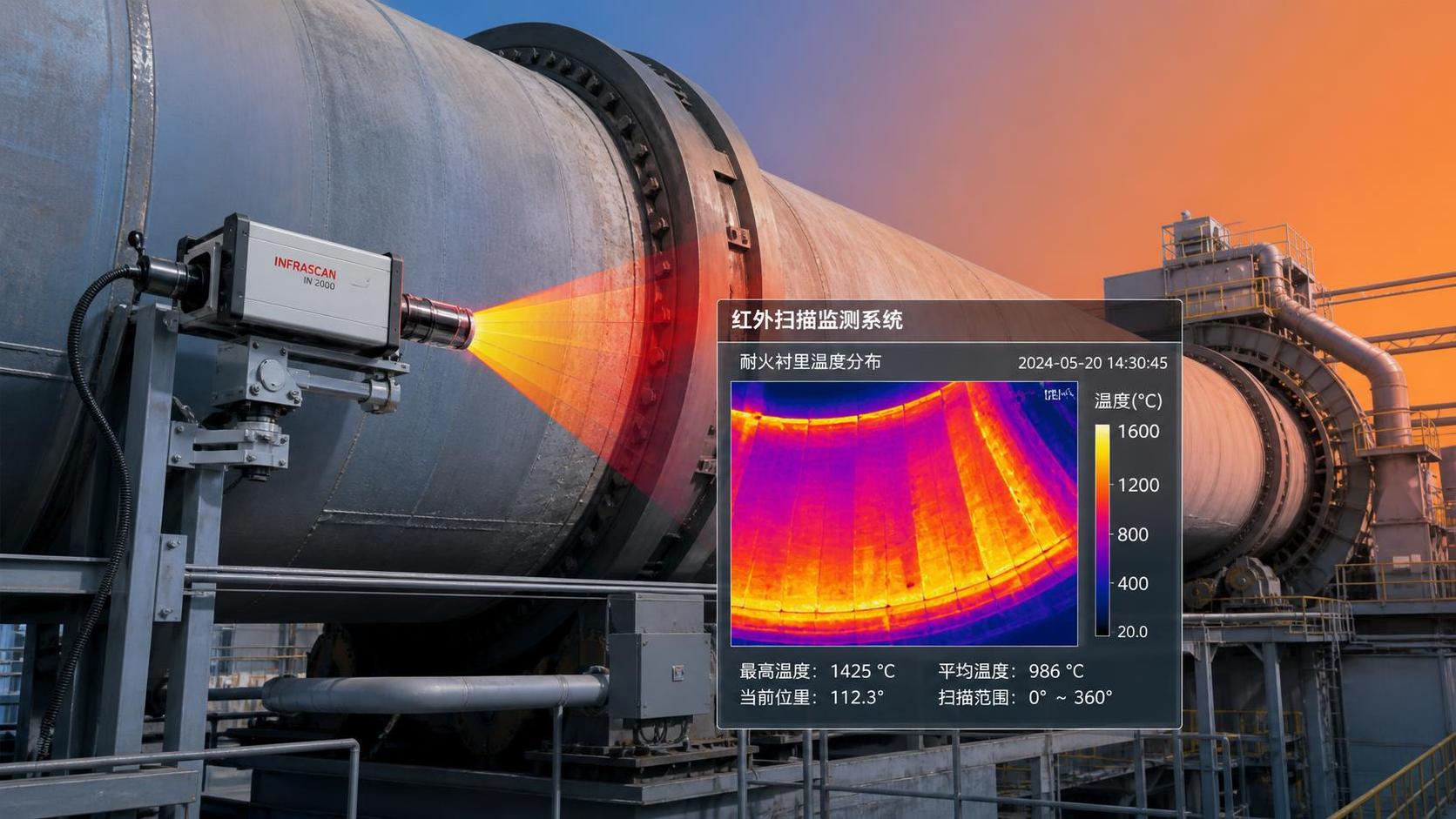
- Shell temperature or outer wall hot spots
- Vibration, seal leakage, and abnormal sound
At CF-Elite, this is where strategic intelligence becomes practical value.
Process data, thermal behavior, and maintenance signals should be read together, not separately.
Quick Reference Table: Defect, Cause, Fix
Preventive Habits That Improve Results Long Term
The best fix in high-temp material processing is often prevention.
Short-term corrections help, but repeat defects usually point to missing discipline in routine control.
- Standardize start-up, shutdown, and upset recovery steps
- Calibrate temperature and flow instruments on schedule
- Track defect trends by batch, shift, and raw source
- Inspect refractory wear before visible failure appears
- Train teams to respond to drift, not just alarms
More importantly, connect production targets with thermal limits.
Pushing output beyond a stable window usually raises scrap, fuel use, and maintenance cost at the same time.
Final Takeaway
High-temp material processing becomes more reliable when defects are treated as process signals, not isolated accidents.
Cracking, warping, underfiring, overburning, and gas defects usually have traceable causes.
The fastest gains come from tighter feed control, cleaner thermal profiles, stronger inspection, and quicker root cause checks.
For any plant handling high-temp material processing, steady quality is rarely about one dramatic change.
It comes from many small corrections made early, consistently, and with good data.
Start with the defect pattern, verify the root cause, fix the control gap, and lock the lesson into daily practice.
Related News
 Thermal Energy ArchitectHow to Select Heat-Resistant Materials That Maintain Abrasion Resistance in KilnsHeat-resistant materials abrasion resistance: learn how to select kiln linings that withstand heat, wear, thermal cycling, and chemical attack for longer service life.Sep 13, 2026
 Thermal Energy ArchitectHow Rotary Kiln Automation Improves Temperature Control and Fuel EfficiencyRotary kiln technology automation enhances temperature control, stabilizes combustion, and improves fuel efficiency with smarter data, predictive control, and safer operations.Sep 12, 2026
 Silicate Process EngineerCement Plant Emission Control: Selecting Systems for Dust, NOx, and SO2 LimitsCement plant emission control guide: compare dust collectors, NOx reduction, and SO2 systems for reliable compliance across kiln modes, fuel changes, and operating upsets.Sep 11, 2026
 Thermal Energy ArchitectSelecting Abrasion-Resistant High-Temperature Materials for Kiln and Conveyor Wear ZonesHigh-temp material engineering guide to abrasion-resistant kiln and conveyor solutions—match wear, heat, chemistry, and installation design for longer service life.Sep 10, 2026
 Dr. Alistair VaughnIndustrial Process Engineering: How to Map Processes for Safer, More Efficient PlantsIndustrial process engineering reveals bottlenecks, safety risks, and energy losses through practical process mapping for safer, more efficient plants.Sep 09, 2026
 Optical Glass Tech FellowHow to Evaluate a Glass Annealing Equipment Manufacturer for Production StabilityChoose a glass annealing equipment manufacturer with proven thermal uniformity, reliable controls, lifecycle value, and responsive service for stable production.Sep 08, 2026
 Prof. Marcus ChenThermal Energy Architecture in North America: Strategies for Lower Building Energy UseThermal energy architecture North America helps project leaders cut building energy use through stronger envelopes, right-sized HVAC, storage, and smart commissioning.Sep 07, 2026
 Ms. Elena RodriguezHow Should Buyers Evaluate Building Material Industry Intelligence Pricing?Building material industry intelligence pricing: learn how to compare coverage, technical depth, and ROI to choose intelligence that reduces procurement risk.Sep 07, 2026
 Ms. Elena RodriguezHow to Use Building Material Intelligence Data for Market and Investment DecisionsBuilding material industry intelligence data helps leaders evaluate demand, costs, regulation, capacity, and technology to make smarter market and investment decisions.Sep 05, 2026
 Thermal Energy ArchitectHow PLC Control Improves Energy Efficiency and Temperature Stability in KilnsEnergy efficient kilns PLC control improves temperature stability, cuts fuel waste, and optimizes combustion, draft, and material flow. Explore proven strategies for smarter kiln modernization.Sep 04, 2026
 Optical Glass Tech FellowEuropean Glass Melting Processes: Furnace Choices, Energy Use, and Quality ControlGlass melting process Europe: explore furnace choices, energy efficiency, cullet strategy, and quality control to improve output, compliance, and long-term glass performance.Sep 03, 2026
 Thermal Energy ArchitectWhat Determines Refractory Lining Monitoring Price for Industrial Kilns?Refractory lining monitoring price depends on kiln size, sensor technology, installation, software, and support. Compare total lifecycle costs and choose the right solution.Sep 02, 2026
 Silicate Process EngineerCement Production System Costs: A Plant Buyer’s Guide to Budgeting and ROICement production systems cost planning made clear: compare CAPEX, operating costs, compliance, and ROI to build a resilient, profitable cement plant investment.Sep 01, 2026
 Dr. Alistair VaughnWhat Should a Process Technology Database Track for High-Temperature Plants?Process technology database essentials for high-temperature plants: track thermal profiles, feed chemistry, refractory wear, emissions, energy, and maintenance for safer, data-driven decisions.Aug 31, 2026
 Ms. Elena RodriguezHow to Evaluate a Silicate Processing Equipment Manufacturer for Plant ProjectsSilicate processing equipment manufacturer selection: assess process fit, guarantees, energy, compliance, delivery risk, and lifecycle support for dependable plant performance.Aug 30, 2026
 Dr. Alistair VaughnHow to Specify Custom Agricultural Processing Equipment for Throughput and HygieneEquipment customization services for agricultural processing: learn to specify hygienic, high-throughput lines that improve yield, reliability, and long-term efficiency.Aug 29, 2026
 Dr. Alistair VaughnHow to Select Process Plant Equipment for High-Temperature, Abrasive Production LinesProcess plant equipment selection for high-temperature, abrasive lines: reduce downtime, improve durability, and optimize lifecycle performance.Aug 28, 2026
 Silicate Process EngineerHow Kiln Heat Recovery Systems Cut Fuel Use in Cement and Lime ProductionKiln heat recovery helps cement and lime plants cut fuel use, improve thermal stability, and build practical, reliable decarbonization strategies.Aug 27, 2026
 Ms. Elena RodriguezProcess Equipment Comparison: Which Metrics Matter Most for Reliable Selection?Process equipment comparison made practical: discover which metrics truly drive reliable selection, from energy efficiency and control stability to wear life, maintainability, and uptime.Aug 26, 2026
 Ms. Elena RodriguezWhat Buyers Should Check Before Sourcing Precision Alloy Bars for Critical PartsPrecision Alloy Bars buyers should verify grade, chemistry, tolerances, surface quality, traceability, and lead time before sourcing for critical parts. Learn what prevents costly machining and reliability risks.Aug 27, 2026



Related News
- 00
0000-00
What Determines Refractory Production Line Price in a Turnkey Plant Project? - 00
0000-00
How to Evaluate a Silicate Production Line for Capacity, Energy Use, and Product Quality - 00
0000-00
Silicate Production Line Process Explained: Key Stages, Equipment, and Quality Control - 00
0000-00
How to Evaluate a Refractory Production Line in Southeast Asia: Capacity, Fuel, and Raw Material Factors - 00
0000-00
How to Evaluate a Silicate Production Lines Supplier for Capacity, Automation, and Raw Material Fit
Weekly Insights
Stay ahead with our curated technology reports delivered every Monday.