
Advanced Refractory Systems Selection Guide for High-Temperature Kiln Reliability




Why Advanced Refractory Systems Matter for Kiln Reliability
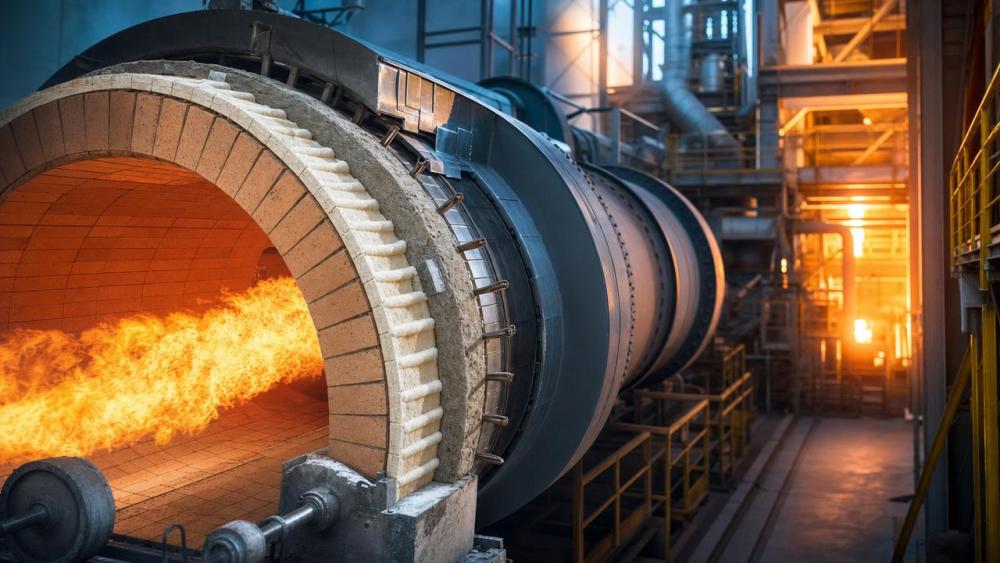
For high-temperature kilns, reliability often begins with the lining. That is why advanced refractory systems have moved from a maintenance topic to a strategic selection decision.
A weak refractory choice does more than shorten campaign life. It can raise shell temperature, distort process control, increase fuel use, and trigger unplanned shutdowns.
In practical terms, advanced refractory systems support thermal stability, chemical resistance, structural strength, and safer operating windows. These factors directly shape kiln uptime.
This is especially relevant in cement, glass, incineration, and specialty materials processing. Each process creates a different mix of temperature load, abrasion, alkali attack, and thermal shock.
As operating targets become tighter, older selection logic is no longer enough. A lining that survives heat may still fail on chemical compatibility or mechanical cycling.
That also means selection should not be reduced to unit price. The better comparison is total lifecycle value under real process conditions.
Start with the Real Service Environment
The first step in selecting advanced refractory systems is to define the service environment with precision. Many failures begin with incomplete operating data.
Nameplate temperature is not enough. Evaluators need peak temperature, average temperature, gradient behavior, and the rate of heating and cooling.
Chemical exposure matters just as much. Alkalis, sulfur, chlorides, slag carryover, ash chemistry, and reducing atmospheres can quickly change lining performance.
Mechanical loads should also be mapped clearly. Rotary kilns face shell movement, coating fluctuation, ring formation risk, and impact from raw material variation.
In recent projects, a more obvious signal is operating instability. Frequent start-stop cycles now place higher value on thermal shock resistance and anchoring integrity.
A useful screening checklist includes the following:
- Maximum and sustained operating temperature by zone
- Chemical attack profile from fuel, feed, ash, or melt
- Abrasion intensity, coating behavior, and gas velocity
- Shutdown frequency, restart profile, and repair access
- Expected campaign life and acceptable risk window
Without this baseline, even premium advanced refractory systems can be misapplied. Good material data only becomes useful when process context is specific.
Compare Materials Beyond Temperature Rating
Temperature rating is often the most visible specification, but it should never be the final decision point. High-temperature kiln reliability depends on combined property balance.
For example, alumina-based, magnesia-based, silicon carbide, spinel, and insulating backup layers each solve different problems. Their value depends on zone function.
Advanced refractory systems usually perform best when hot-face, safety lining, insulation, mortar, and anchoring are evaluated as one integrated package.
Several material properties deserve close attention:
- Refractoriness under load for structural stability
- Thermal conductivity for shell heat control
- Porosity and density for corrosion resistance
- Thermal shock resistance for cycling conditions
- Hot strength and abrasion resistance for dynamic zones
- Resistance to alkali, sulfur, slag, and vapor penetration
This is where advanced refractory systems stand out. They are selected not as isolated bricks or castables, but as engineered responses to a process map.
In business reality, this approach reduces the mismatch between laboratory performance and field life. That gap is often where expensive failures happen.
Design the Lining System, Not Just the Material
Even strong materials can underperform when lining design is weak. Advanced refractory systems should be reviewed at the system level, not only at the product level.
Thickness, expansion allowance, joint design, anchoring pattern, and transition zones all affect stress distribution. Small design errors can accelerate cracking and spalling.
This becomes more important in kilns with mixed fuels or variable feed chemistry. The lining must absorb changing conditions without losing structural continuity.
A practical evaluation should review:
- Zone-by-zone lining architecture
- Hot-face and backup compatibility
- Anchor alloy suitability and placement density
- Expansion joint logic under thermal cycling
- Installation tolerances and dry-out requirements
From a lifecycle perspective, advanced refractory systems should also be easier to inspect and repair. Maintainability is part of reliability, not a separate issue.
That means a lower-cost option can become expensive if repair windows are narrow or installation quality is highly sensitive to site conditions.
Use a Decision Matrix for Fair Comparison
When multiple suppliers offer similar claims, a structured matrix helps keep the decision objective. It also makes internal approval easier.
The best matrix balances technical fit, installation risk, and economic outcome. Advanced refractory systems should be compared on field relevance, not brochure language.
This kind of scoring keeps advanced refractory systems tied to business outcomes. It also reduces the risk of overvaluing initial purchase price.
More importantly, it creates a repeatable method for future kiln upgrades, relines, and supplier reviews across different production assets.
Watch the Failure Signals Before Final Selection
A smart selection process also studies past failures. Historical wear patterns often reveal more than standard datasheets.
If a previous lining failed by alkali infiltration, selecting a higher temperature class alone will not solve the root cause. The chemistry issue remains.
Likewise, shell hotspots may point to insulation loss, joint opening, or installation defects rather than hot-face grade limitations.
Common warning signals include:
- Recurring spalling near transition zones
- Early crack growth after dry-out
- Localized corrosion near burner or inlet areas
- Rapid shell temperature rise during stable production
- Shortened campaign life after fuel or feed changes
In actual operations, these signals should guide the next specification. Advanced refractory systems are most effective when they address failure mode, not only material category.
This also supports carbon and energy goals. A stable lining reduces excess heat loss, emergency maintenance, and inefficient restart cycles.
Supplier Evaluation Should Include Service Intelligence
Choosing advanced refractory systems is partly a materials decision, but it is also a service intelligence decision. Supplier capability affects actual field results.
Strong suppliers usually provide zone recommendations, installation guidance, dry-out schedules, and failure analysis support. Those services reduce startup risk.
It is worth asking for evidence from comparable kiln conditions. Similar process chemistry matters more than broad references from unrelated sectors.
Useful due diligence questions include:
- Can the supplier show results in similar thermal and chemical zones?
- What installation controls are required for performance validation?
- How does the supplier handle root-cause analysis after premature wear?
- Are digital monitoring or inspection recommendations included?
- What lifecycle data supports the proposed advanced refractory systems?
For sectors tracked by CF-Elite, this broader view is becoming standard. Reliable refractory selection now sits closer to operational analytics than basic procurement.
A Practical Selection Path for Better Long-Term Results
A solid decision path usually starts with process mapping, then moves to failure review, material comparison, lining design validation, and supplier capability checks.
That sequence keeps advanced refractory systems aligned with operational risk, not just specification sheets. It also improves confidence in capex and maintenance planning.
If one principle stands out, it is this: reliable kilns need refractory decisions grounded in real service conditions, integrated design, and measurable lifecycle value.
For teams assessing upgrades or relines, advanced refractory systems should be treated as a reliability platform. The right choice protects uptime, fuel efficiency, and production stability together.
The most practical next move is to build a zone-based evaluation sheet using your own kiln data. That turns selection from a product search into a defendable operating decision.
Related News
 Thermal Energy ArchitectHow to Select Heat-Resistant Materials That Maintain Abrasion Resistance in KilnsHeat-resistant materials abrasion resistance: learn how to select kiln linings that withstand heat, wear, thermal cycling, and chemical attack for longer service life.Sep 13, 2026
 Thermal Energy ArchitectHow Rotary Kiln Automation Improves Temperature Control and Fuel EfficiencyRotary kiln technology automation enhances temperature control, stabilizes combustion, and improves fuel efficiency with smarter data, predictive control, and safer operations.Sep 12, 2026
 Silicate Process EngineerCement Plant Emission Control: Selecting Systems for Dust, NOx, and SO2 LimitsCement plant emission control guide: compare dust collectors, NOx reduction, and SO2 systems for reliable compliance across kiln modes, fuel changes, and operating upsets.Sep 11, 2026
 Thermal Energy ArchitectSelecting Abrasion-Resistant High-Temperature Materials for Kiln and Conveyor Wear ZonesHigh-temp material engineering guide to abrasion-resistant kiln and conveyor solutions—match wear, heat, chemistry, and installation design for longer service life.Sep 10, 2026
 Dr. Alistair VaughnIndustrial Process Engineering: How to Map Processes for Safer, More Efficient PlantsIndustrial process engineering reveals bottlenecks, safety risks, and energy losses through practical process mapping for safer, more efficient plants.Sep 09, 2026
 Optical Glass Tech FellowHow to Evaluate a Glass Annealing Equipment Manufacturer for Production StabilityChoose a glass annealing equipment manufacturer with proven thermal uniformity, reliable controls, lifecycle value, and responsive service for stable production.Sep 08, 2026
 Prof. Marcus ChenThermal Energy Architecture in North America: Strategies for Lower Building Energy UseThermal energy architecture North America helps project leaders cut building energy use through stronger envelopes, right-sized HVAC, storage, and smart commissioning.Sep 07, 2026
 Ms. Elena RodriguezHow Should Buyers Evaluate Building Material Industry Intelligence Pricing?Building material industry intelligence pricing: learn how to compare coverage, technical depth, and ROI to choose intelligence that reduces procurement risk.Sep 07, 2026
 Ms. Elena RodriguezHow to Use Building Material Intelligence Data for Market and Investment DecisionsBuilding material industry intelligence data helps leaders evaluate demand, costs, regulation, capacity, and technology to make smarter market and investment decisions.Sep 05, 2026
 Thermal Energy ArchitectHow PLC Control Improves Energy Efficiency and Temperature Stability in KilnsEnergy efficient kilns PLC control improves temperature stability, cuts fuel waste, and optimizes combustion, draft, and material flow. Explore proven strategies for smarter kiln modernization.Sep 04, 2026
 Optical Glass Tech FellowEuropean Glass Melting Processes: Furnace Choices, Energy Use, and Quality ControlGlass melting process Europe: explore furnace choices, energy efficiency, cullet strategy, and quality control to improve output, compliance, and long-term glass performance.Sep 03, 2026
 Thermal Energy ArchitectWhat Determines Refractory Lining Monitoring Price for Industrial Kilns?Refractory lining monitoring price depends on kiln size, sensor technology, installation, software, and support. Compare total lifecycle costs and choose the right solution.Sep 02, 2026
 Silicate Process EngineerCement Production System Costs: A Plant Buyer’s Guide to Budgeting and ROICement production systems cost planning made clear: compare CAPEX, operating costs, compliance, and ROI to build a resilient, profitable cement plant investment.Sep 01, 2026
 Dr. Alistair VaughnWhat Should a Process Technology Database Track for High-Temperature Plants?Process technology database essentials for high-temperature plants: track thermal profiles, feed chemistry, refractory wear, emissions, energy, and maintenance for safer, data-driven decisions.Aug 31, 2026
 Ms. Elena RodriguezHow to Evaluate a Silicate Processing Equipment Manufacturer for Plant ProjectsSilicate processing equipment manufacturer selection: assess process fit, guarantees, energy, compliance, delivery risk, and lifecycle support for dependable plant performance.Aug 30, 2026
 Dr. Alistair VaughnHow to Specify Custom Agricultural Processing Equipment for Throughput and HygieneEquipment customization services for agricultural processing: learn to specify hygienic, high-throughput lines that improve yield, reliability, and long-term efficiency.Aug 29, 2026
 Dr. Alistair VaughnHow to Select Process Plant Equipment for High-Temperature, Abrasive Production LinesProcess plant equipment selection for high-temperature, abrasive lines: reduce downtime, improve durability, and optimize lifecycle performance.Aug 28, 2026
 Silicate Process EngineerHow Kiln Heat Recovery Systems Cut Fuel Use in Cement and Lime ProductionKiln heat recovery helps cement and lime plants cut fuel use, improve thermal stability, and build practical, reliable decarbonization strategies.Aug 27, 2026
 Ms. Elena RodriguezProcess Equipment Comparison: Which Metrics Matter Most for Reliable Selection?Process equipment comparison made practical: discover which metrics truly drive reliable selection, from energy efficiency and control stability to wear life, maintainability, and uptime.Aug 26, 2026
 Ms. Elena RodriguezWhat Buyers Should Check Before Sourcing Precision Alloy Bars for Critical PartsPrecision Alloy Bars buyers should verify grade, chemistry, tolerances, surface quality, traceability, and lead time before sourcing for critical parts. Learn what prevents costly machining and reliability risks.Aug 27, 2026



Related News
- 00
0000-00
What Determines Refractory Production Line Price in a Turnkey Plant Project? - 00
0000-00
How to Evaluate a Silicate Production Line for Capacity, Energy Use, and Product Quality - 00
0000-00
Silicate Production Line Process Explained: Key Stages, Equipment, and Quality Control - 00
0000-00
How to Evaluate a Refractory Production Line in Southeast Asia: Capacity, Fuel, and Raw Material Factors - 00
0000-00
How to Evaluate a Silicate Production Lines Supplier for Capacity, Automation, and Raw Material Fit
Weekly Insights
Stay ahead with our curated technology reports delivered every Monday.