
Material Science Innovations in Refractories: What Improves Thermal Shock Resistance?




Thermal shock is still one of the fastest ways to shorten refractory life. In high-temperature systems, sudden heating, cooling, flame instability, shutdown cycles, and process swings create stress that can exceed the lining’s tolerance within minutes.
That is why material science innovations have moved to the center of refractory evaluation. The question is no longer whether a material survives peak temperature, but whether it can absorb repeated temperature gradients without cracking, spalling, or losing structural integrity.
Across cement plants, glass furnaces, incineration units, steel vessels, and extrusion-linked thermal equipment, thermal shock resistance now affects uptime, energy balance, maintenance frequency, and carbon performance at the same time.
Seen through the CF-Elite lens, refractory performance is not an isolated materials issue. It connects process chemistry, thermal management, operating rhythm, and the wider push toward decarbonization and longer campaign life.
Why thermal shock resistance matters more now
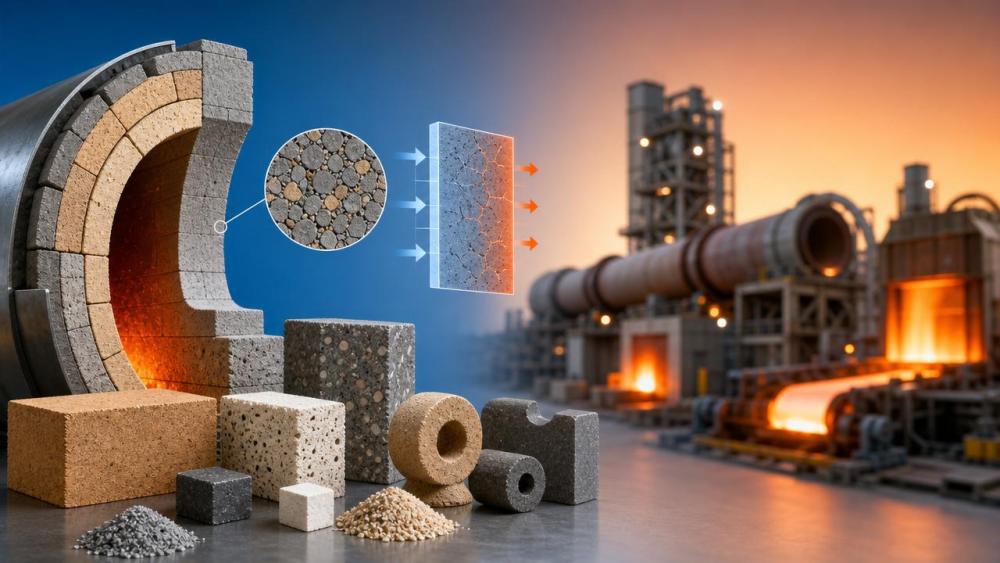
Recent operating conditions have become less forgiving. Fuel switching, alternative raw materials, intermittent production, and tighter efficiency targets all increase thermal cycling inside industrial hot zones.
A refractory can show excellent refractoriness and still fail early if its internal stress response is poor. That distinction explains why material science innovations are receiving so much attention in specification reviews.
In rotary kilns, temperature fluctuations near the burning zone can trigger spalling. In glass and incineration systems, local gradients around ports, crowns, or corners create repeated strain accumulation.
What makes this important commercially is simple. Better thermal shock resistance supports fewer unplanned stops, lower brick loss, more stable heat transfer, and more predictable maintenance windows.
What actually improves thermal shock resistance
At a basic level, thermal shock resistance depends on how a material handles stress generated by uneven expansion. Stronger is not always safer. A very rigid body can crack sooner than a tougher, more forgiving one.
The most effective material science innovations usually improve one or more of four properties: thermal expansion behavior, elastic response, fracture toughness, and damage tolerance at the microstructural level.
Low-expansion phases and phase balance
One major route is the use of low thermal expansion constituents. Materials such as mullite, cordierite, fused silica, silicon carbide combinations, and selected spinel systems can reduce mismatch strain during temperature swings.
The key is not only adding a low-expansion phase. The real gain comes from balancing phase distribution so local expansion differences do not create new stress concentrations inside the matrix.
Engineered grain structure
Grain size distribution has become a serious design variable. Coarse grains can interrupt crack travel, while optimized fines improve packing and bonding. Poor grading, however, can trap stress and increase brittleness.
Current material science innovations often focus on multimodal particle packing. This helps create controlled porosity, stronger interfaces, and a more stable thermal stress path through the refractory body.
Microcrack engineering
This sounds counterintuitive, but controlled microcracking can improve service life. Fine, well-distributed microcracks act as stress relievers and reduce the likelihood of one large, destructive crack.
The concept is useful in systems exposed to repeated thermal cycling. Instead of chasing maximum density alone, some advanced refractories are designed to dissipate thermal strain more gracefully.
Advanced bonding systems
Bond chemistry matters as much as aggregate choice. Ceramic bonds, chemical bonds, carbon-containing bonds, and nano-modified binders all influence crack initiation temperature and hot strength retention.
In castables, ultra-low cement and no-cement systems are notable material science innovations. They reduce unwanted phases, improve matrix uniformity, and often deliver better thermal shock behavior after proper dryout.
The innovations drawing the most industry attention
Not every new formulation delivers practical value. The most relevant material science innovations are those that improve refractory reliability without creating unmanageable installation, dryout, or cost risks.
Another strong trend is digital correlation between material design and service data. CF-Elite’s focus on online refractory monitoring and thermal management reflects a broader shift: performance is now judged by operating evidence, not brochure claims.
How this plays out across high-temperature sectors
Thermal shock resistance is not a single requirement across all sectors. The same material science innovations can create different value depending on the equipment, atmosphere, cycle frequency, and chemical load.
Cement and lime lines
Rotary kilns face coating changes, alternative fuels, and transient flame conditions. Here, resistance to spalling must be balanced with abrasion, alkali attack, and shell heat control.
Glass production equipment
Temperature precision matters more, and local thermal gradients can be severe. Low-expansion systems and stable bond networks are especially useful around crowns, forehearths, and burner-exposed areas.
Industrial kilns and incineration
Frequent feed variation and shutdown cycles drive repeated stress. Thermal shock cannot be separated from chemical attack, especially where ash chemistry and volatile components change during operation.
Refractory production and thermal processing assets
Material science innovations also affect the production side. Better raw material consistency, forming control, and firing schedules help preserve the intended microstructure that thermal shock performance depends on.
What to evaluate beyond the datasheet
Thermal shock resistance is often reduced to a single laboratory number. That is rarely enough for real decisions. Test methods differ, damage mechanisms vary, and service conditions are usually more complex than the test setup.
A better approach is to compare material science innovations against the actual thermal profile and failure history of the unit under review.
- Check whether failure is driven by quenching, cycling frequency, local overheating, or startup stress.
- Review thermal expansion data together with modulus, toughness, and residual strength.
- Ask how bond phases evolve after installation, dryout, and the first campaign weeks.
- Compare field repair behavior, not only initial laboratory performance.
- Look for compatibility with monitoring systems, digital twins, and heat-flow analysis.
This broader view fits the CF-Elite approach well. High-temperature assets perform best when materials data, process conditions, and operational intelligence are read together rather than in isolation.
Where the next gains are likely to come from
Future gains will probably come from hybrid design rather than one breakthrough ingredient. The strongest material science innovations are increasingly combinations of controlled microstructure, predictive modeling, and service-linked feedback loops.
That means refractory selection is becoming more evidence-based. Instead of choosing by category alone, decision quality improves when thermal shock behavior is matched to actual process volatility, emissions goals, and maintenance strategy.
For any review of refractory upgrades, the useful next step is to map thermal cycling severity, dominant failure modes, and energy loss points first. From there, material science innovations can be screened against the operating reality they must survive.
That method usually leads to better specifications, better campaign predictability, and fewer surprises once the lining enters service.
Related News
![]() Ms. Elena RodriguezTechnical Comparison of Material Processing Methods: Key Factors for Process SelectionTechnical comparison for material processing made practical: learn how to evaluate energy, quality, maintenance, emissions, and feed variability to choose the right process with confidence.Jul 29, 2026
Ms. Elena RodriguezTechnical Comparison of Material Processing Methods: Key Factors for Process SelectionTechnical comparison for material processing made practical: learn how to evaluate energy, quality, maintenance, emissions, and feed variability to choose the right process with confidence.Jul 29, 2026![]() Silicate Process EngineerHow Cement Grinding Technology Affects Energy Use, Fineness, and Plant OutputCement grinding technology shapes energy use, fineness, and plant output. Learn how to compare mills, separators, drying, and control systems for smarter upgrades.Jul 28, 2026
Silicate Process EngineerHow Cement Grinding Technology Affects Energy Use, Fineness, and Plant OutputCement grinding technology shapes energy use, fineness, and plant output. Learn how to compare mills, separators, drying, and control systems for smarter upgrades.Jul 28, 2026![]() Ms. Elena RodriguezHeavy Equipment Trade Cost Trends: What Buyers Should Track in 2025Heavy equipment trade cost trends in 2025 reveal how freight, energy, lead times, and compliance reshape total equipment costs. Learn what buyers must track to reduce risk and protect budgets.Jul 27, 2026
Ms. Elena RodriguezHeavy Equipment Trade Cost Trends: What Buyers Should Track in 2025Heavy equipment trade cost trends in 2025 reveal how freight, energy, lead times, and compliance reshape total equipment costs. Learn what buyers must track to reduce risk and protect budgets.Jul 27, 2026![]() Material Heat-Resist ExpertSilicate Production Line Process Explained: Key Stages, Equipment, and Quality ControlSilicate production line process explained with key stages, core equipment, quality control, and energy checks—helping buyers and engineers assess stability, efficiency, and supplier capability.Jul 26, 2026
Material Heat-Resist ExpertSilicate Production Line Process Explained: Key Stages, Equipment, and Quality ControlSilicate production line process explained with key stages, core equipment, quality control, and energy checks—helping buyers and engineers assess stability, efficiency, and supplier capability.Jul 26, 2026 Optical Glass Tech FellowRefractory Material Science for Glass Furnaces: Key Properties That Drive Furnace LifeRefractory material science for glass furnaces explains how corrosion resistance, thermal shock, creep, and microstructure shape furnace life, glass quality, and campaign reliability.Jul 25, 2026
![]() Silicate Process EngineerCement Plant Equipment Price Guide: What Drives Cost and How to Budget WiselyCement plant equipment price explained: discover what drives costs, compare quotes wisely, spot hidden expenses, and build a smarter budget for long-term plant value.Jul 24, 2026
Silicate Process EngineerCement Plant Equipment Price Guide: What Drives Cost and How to Budget WiselyCement plant equipment price explained: discover what drives costs, compare quotes wisely, spot hidden expenses, and build a smarter budget for long-term plant value.Jul 24, 2026![]() Dr. Alistair VaughnHow Digital Twin Simulations Improve Process Plant Design, Safety, and UptimeDigital twin simulations for process plants help teams improve plant design, reduce safety risks, and protect uptime by validating thermal, control, and retrofit decisions before costly failures occur.Jul 23, 2026
Dr. Alistair VaughnHow Digital Twin Simulations Improve Process Plant Design, Safety, and UptimeDigital twin simulations for process plants help teams improve plant design, reduce safety risks, and protect uptime by validating thermal, control, and retrofit decisions before costly failures occur.Jul 23, 2026![]() Thermal Energy ArchitectRotary Kilns Price Guide: What Determines Cost and How to Compare Quotes?Rotary kilns price varies by capacity, fuel, refractory, automation, and emissions scope. Learn what drives cost, what cheap quotes may miss, and how to compare suppliers wisely.Jul 22, 2026
Thermal Energy ArchitectRotary Kilns Price Guide: What Determines Cost and How to Compare Quotes?Rotary kilns price varies by capacity, fuel, refractory, automation, and emissions scope. Learn what drives cost, what cheap quotes may miss, and how to compare suppliers wisely.Jul 22, 2026 Ms. Elena RodriguezHow to Evaluate Green Building Material Equipment Suppliers in Europe?Green building material equipment Europe buyers: learn how to evaluate suppliers by technical fit, compliance, lifecycle cost, and after-sales support for smarter sourcing decisions.Jul 21, 2026
![]() Thermal Energy ArchitectHow to Evaluate an Energy Efficient Tunnel Kiln for Lower Fuel Costs and Stable OutputEnergy efficient tunnel kiln evaluation starts with fuel cost, but real value comes from thermal stability, heat recovery, and consistent output. Learn what truly lowers cost per qualified ton.Jul 20, 2026
Thermal Energy ArchitectHow to Evaluate an Energy Efficient Tunnel Kiln for Lower Fuel Costs and Stable OutputEnergy efficient tunnel kiln evaluation starts with fuel cost, but real value comes from thermal stability, heat recovery, and consistent output. Learn what truly lowers cost per qualified ton.Jul 20, 2026![]() Ms. Elena RodriguezSustainable Material Production Compliance: Key Standards, Risks, and Audit ChecksSustainable material production compliance explained: key standards, audit checks, and hidden plant risks across cement, glass, and thermal lines—learn how to spot gaps before audits fail.Jul 19, 2026
Ms. Elena RodriguezSustainable Material Production Compliance: Key Standards, Risks, and Audit ChecksSustainable material production compliance explained: key standards, audit checks, and hidden plant risks across cement, glass, and thermal lines—learn how to spot gaps before audits fail.Jul 19, 2026![]() Thermal Energy ArchitectProcess Monitoring for Incinerators: Key Parameters, Sensors, and Compliance ChecksProcess monitoring for incinerators covers key parameters, sensor selection, and compliance checks to improve combustion stability, emissions control, and plant performance.Jul 18, 2026
Thermal Energy ArchitectProcess Monitoring for Incinerators: Key Parameters, Sensors, and Compliance ChecksProcess monitoring for incinerators covers key parameters, sensor selection, and compliance checks to improve combustion stability, emissions control, and plant performance.Jul 18, 2026![]() Thermal Energy ArchitectWhat Is Industrial Co-Processing? Process, Acceptable Waste Types, and Kiln Use CasesIndustrial co-processing explained: learn the process, acceptable waste types, and kiln use cases in cement and thermal industries to improve efficiency, compliance, and resource recovery.Jul 17, 2026
Thermal Energy ArchitectWhat Is Industrial Co-Processing? Process, Acceptable Waste Types, and Kiln Use CasesIndustrial co-processing explained: learn the process, acceptable waste types, and kiln use cases in cement and thermal industries to improve efficiency, compliance, and resource recovery.Jul 17, 2026![]() Ms. Elena RodriguezGlass Industry Intelligence in Europe: Key Market Signals Buyers Should TrackGlass industry intelligence Europe reveals the key market signals buyers should track, from energy and carbon exposure to furnace upgrades and usable capacity for smarter sourcing decisions.Jul 16, 2026
Ms. Elena RodriguezGlass Industry Intelligence in Europe: Key Market Signals Buyers Should TrackGlass industry intelligence Europe reveals the key market signals buyers should track, from energy and carbon exposure to furnace upgrades and usable capacity for smarter sourcing decisions.Jul 16, 2026![]() Ms. Elena RodriguezIndustrial Market Intelligence in North America: What Buyers Should Track in Supply, Pricing, and DemandIndustrial market intelligence North America reveals what buyers must track in supply, pricing, demand, and compliance to reduce risk and time smarter industrial investments.Jul 15, 2026
Ms. Elena RodriguezIndustrial Market Intelligence in North America: What Buyers Should Track in Supply, Pricing, and DemandIndustrial market intelligence North America reveals what buyers must track in supply, pricing, demand, and compliance to reduce risk and time smarter industrial investments.Jul 15, 2026![]() Optical Glass Tech FellowCommon Problems in Glass Annealing Lehr Systems and How to Improve Temperature UniformityGlass annealing lehr systems often suffer from uneven cooling, stress, and defects. Learn common causes and practical fixes to improve temperature uniformity, quality, and line stability.Jul 15, 2026
Optical Glass Tech FellowCommon Problems in Glass Annealing Lehr Systems and How to Improve Temperature UniformityGlass annealing lehr systems often suffer from uneven cooling, stress, and defects. Learn common causes and practical fixes to improve temperature uniformity, quality, and line stability.Jul 15, 2026![]() Optical Glass Tech FellowOxy Fuel Glass Melting Furnace vs Air-Fuel Systems: Which Fits Your Glass Plant Better?Oxy fuel glass melting furnace or air-fuel system? Compare energy use, NOx, melt quality, oxygen cost, and ROI to choose the best-fit furnace for your glass plant.Jul 15, 2026
Optical Glass Tech FellowOxy Fuel Glass Melting Furnace vs Air-Fuel Systems: Which Fits Your Glass Plant Better?Oxy fuel glass melting furnace or air-fuel system? Compare energy use, NOx, melt quality, oxygen cost, and ROI to choose the best-fit furnace for your glass plant.Jul 15, 2026![]() Dr. Alistair VaughnSilicate Processing Equipment Production Line: Key Machines, Layout Options, and Output PlanningSilicate processing equipment production line guide covering key machines, layout models, output planning, and control strategies to help improve efficiency, stability, and project ROI.Jul 15, 2026
Dr. Alistair VaughnSilicate Processing Equipment Production Line: Key Machines, Layout Options, and Output PlanningSilicate processing equipment production line guide covering key machines, layout models, output planning, and control strategies to help improve efficiency, stability, and project ROI.Jul 15, 2026![]() Material Heat-Resist ExpertHow to Evaluate a Refractory Production Line in Southeast Asia: Capacity, Fuel, and Raw Material FactorsRefractory production Southeast Asia: learn how to assess capacity, fuel strategy, and raw material stability to reduce risk, improve efficiency, and build a scalable, compliant plant.Jul 15, 2026
Material Heat-Resist ExpertHow to Evaluate a Refractory Production Line in Southeast Asia: Capacity, Fuel, and Raw Material FactorsRefractory production Southeast Asia: learn how to assess capacity, fuel strategy, and raw material stability to reduce risk, improve efficiency, and build a scalable, compliant plant.Jul 15, 2026![]() Ms. Elena RodriguezIndustrial Solution Comparison for Procurement: How to Compare CAPEX, OPEX, and Delivery RiskIndustrial solution comparison procurement made practical: compare CAPEX, OPEX, and delivery risk with a lifecycle approach to reduce downtime, control cost, and choose suppliers with confidence.Jul 14, 2026
Ms. Elena RodriguezIndustrial Solution Comparison for Procurement: How to Compare CAPEX, OPEX, and Delivery RiskIndustrial solution comparison procurement made practical: compare CAPEX, OPEX, and delivery risk with a lifecycle approach to reduce downtime, control cost, and choose suppliers with confidence.Jul 14, 2026

Related News
- 00
0000-00
Silicate Production Line Process Explained: Key Stages, Equipment, and Quality Control - 00
0000-00
How to Evaluate a Refractory Production Line in Southeast Asia: Capacity, Fuel, and Raw Material Factors - 00
0000-00
How to Evaluate a Silicate Production Lines Supplier for Capacity, Automation, and Raw Material Fit - 00
0000-00
Heavy Industrial Processes for Refractories: Key Stages, Heat Loads, and Process Limits - 00
0000-00
What ISO Certification Means for Refractory Processing Equipment Quality and Plant Compliance
Weekly Insights
Stay ahead with our curated technology reports delivered every Monday.