
Cement Plant Optimization: Which KPIs Matter Most for Energy Use and Output?




Cement Plant Optimization: Which KPIs Matter Most for Energy Use and Output?
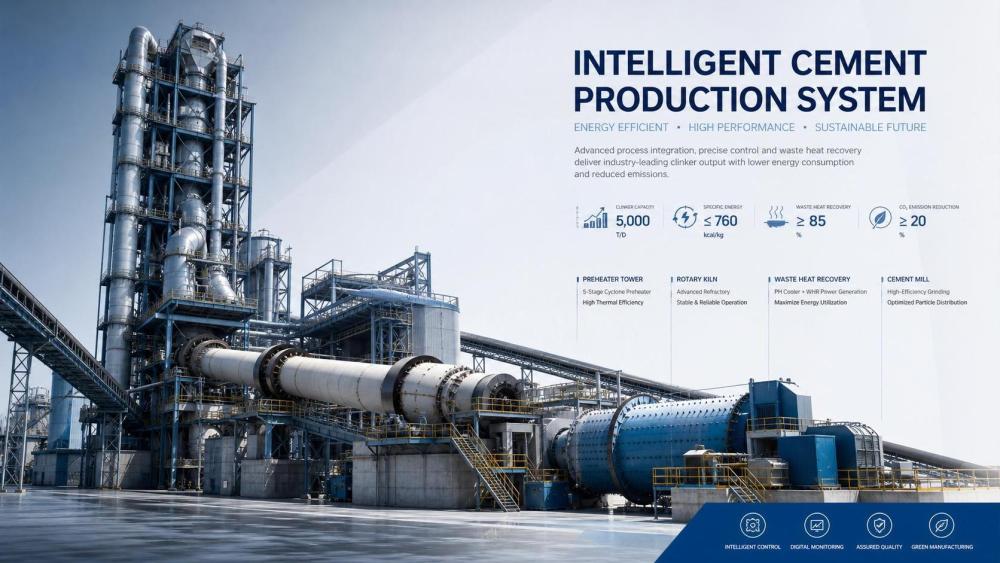
In cement plant optimization, KPI selection shapes both cost control and production resilience.
Rising fuel prices, tighter emissions rules, and unstable raw materials raise the stakes.
That is why the best plants no longer track isolated numbers.
They build a practical KPI system linking energy use, output, quality, and operational stability.
For leadership teams, the key question is simple.
Which indicators truly drive cement plant optimization, and which ones only describe symptoms?
The answer starts with understanding the full production chain.
A plant may hit target tonnage while still losing margin through heat loss, unstable grinding, or avoidable downtime.
So, effective cement plant optimization depends on KPIs that reveal cause and effect.
When these metrics are reviewed together, plants can improve output without simply burning more energy.
Why KPI Selection Matters in Cement Plant Optimization
Many plants monitor dozens of numbers, yet still struggle with decision quality.
The issue is not a lack of data.
More often, it is weak alignment between plant goals and measured indicators.
A useful cement plant optimization framework should answer four business questions.
- How much energy is used per ton of product?
- How stable is output across shifts and feed conditions?
- Where do process losses reduce throughput or raise cost?
- Which deviations create risk for emissions, quality, or maintenance?
This approach turns KPIs into management tools, not just reporting lines.
It also supports better benchmarking across kilns, mills, and plant sites.
From a technical standards perspective, consistency matters as much as absolute performance.
A slightly lower output with stable thermal conditions may outperform aggressive production with frequent upsets.
The Core Energy KPIs That Deserve Daily Attention
Energy is still the fastest route to measurable savings in cement plant optimization.
However, energy performance should be tracked in a layered way.
Three indicators usually matter most.
1. Specific Thermal Energy Consumption
This KPI measures heat use per ton of clinker.
It is one of the clearest indicators in cement plant optimization.
If this number rises, the cause may include poor combustion, excess moisture, unstable feed chemistry, or false air.
Tracking it by shift and by fuel mix gives more insight than monthly averages.
2. Specific Electrical Energy Consumption
Power use per ton is especially important in grinding and material handling.
In many plants, mills define the largest electrical burden.
Cement plant optimization improves when electrical KPIs are split by raw grinding, clinker grinding, fans, and conveyors.
That level of detail helps expose hidden inefficiencies in separators, liners, or motor loading.
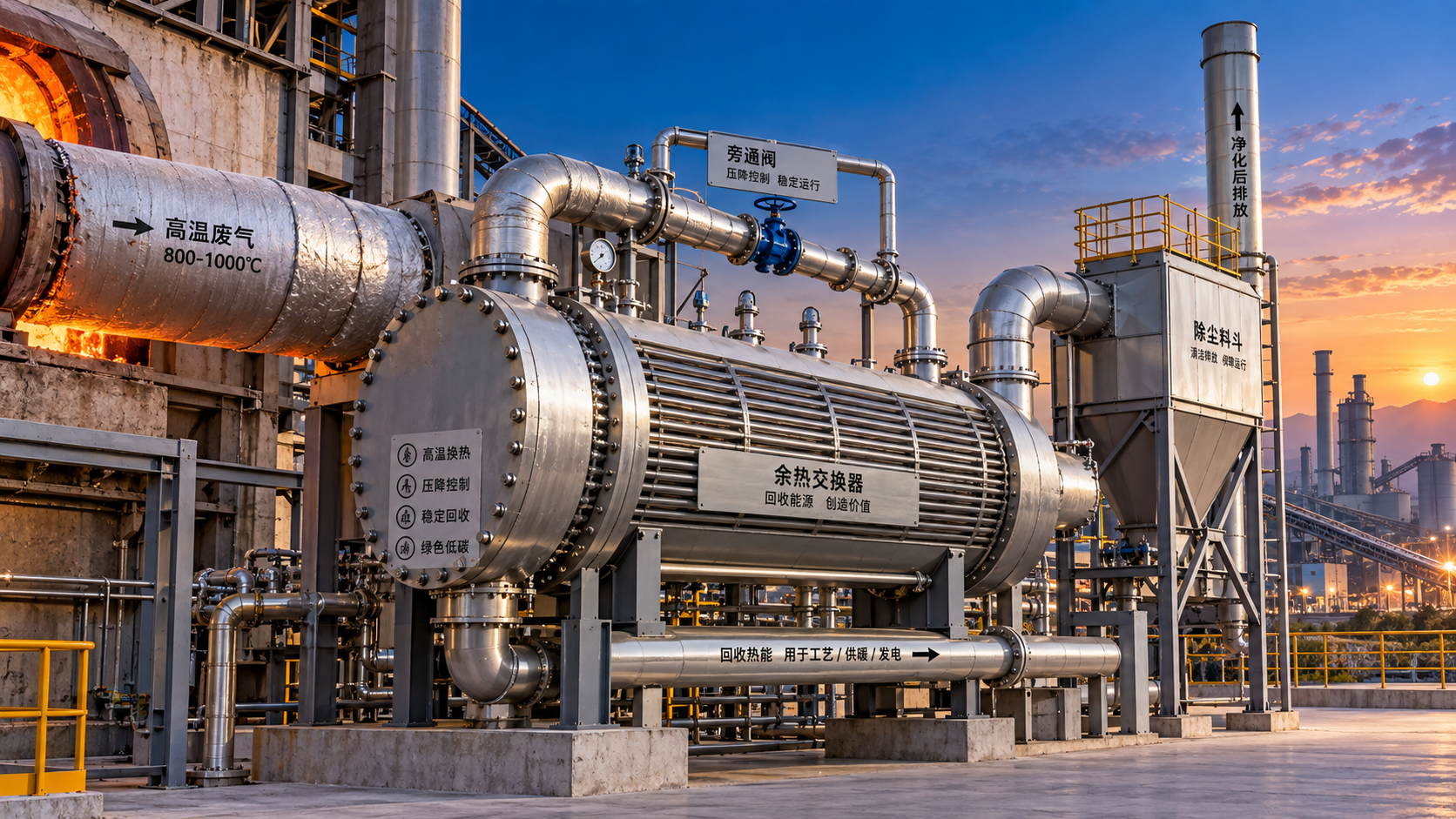
3. Waste Heat Recovery Utilization
Where waste heat systems exist, utilization rate is a strategic KPI.
It shows whether thermal losses are being converted into useful power.
In practical terms, this affects both energy cost and carbon intensity.
Plants seeking stronger cement plant optimization should tie this metric to kiln stability and gas temperature trends.
Output KPIs That Show Real Production Performance
Higher output is valuable only when it is stable, saleable, and efficient.
That is why production KPIs should move beyond daily tonnage alone.
Clinker Production Rate
This remains a core metric for cement plant optimization.
Still, the real value comes from comparing actual rate against design and stable operating range.
A line running near design capacity with frequent temperature swings is not truly optimized.
Overall Equipment Effectiveness
OEE combines availability, performance, and quality into one decision-friendly view.
For cement plant optimization, it works well at kiln, mill, or packing line level.
It also helps explain why output targets are missed even when installed capacity seems sufficient.
Unplanned Downtime Hours
Downtime is often where output and energy losses meet.
Each restart increases thermal stress, fuel use, and maintenance exposure.
Reducing unplanned stoppages is one of the most practical levers in cement plant optimization.
Kiln and Grinding KPIs That Reveal Root Causes
Recent operating trends show a clear pattern.
The best cement plant optimization results usually come from process-specific indicators.
These are the numbers that help teams act before losses become visible in output reports.
Important Kiln KPIs
- Kiln feed rate stability
- Preheater exit gas temperature
- Free lime consistency
- Secondary air temperature
- Alternative fuel substitution rate
Together, these show combustion quality, heat transfer efficiency, and clinker burnability.
They also support stronger control over fuel cost and emissions risk.
Important Grinding KPIs
- Mill throughput
- Blaine fineness or particle distribution
- Separator efficiency
- Circulating load
- kWh per ton of cement
Grinding performance has a direct effect on power cost and final product consistency.
In many operations, poor separator control quietly weakens cement plant optimization for months.
A Simple KPI Table for Faster Management Review
This kind of review table keeps cement plant optimization discussions focused and actionable.
How to Turn KPI Tracking Into Operational Gains
The more useful signal is not a single KPI spike.
It is the pattern across energy, throughput, quality, and downtime.
In real operations, cement plant optimization improves faster when teams follow a short routine.
- Set clear KPI ownership by process area.
- Use daily dashboards for operators and weekly reviews for management.
- Link every KPI deviation to a probable root cause list.
- Compare current values with design, history, and peer benchmarks.
- Prioritize actions with the biggest impact per ton.
This also means digitalization should serve decisions, not just visualization.
Online monitoring, digital twins, and predictive analytics are useful when they improve response time.
That is where sector intelligence platforms such as CF-Elite add value.
By connecting process data, equipment trends, and decarbonization signals, they support smarter cement plant optimization choices.
What the Best KPI Strategy Looks Like
The strongest cement plant optimization strategy does not chase every metric.
It focuses on the few KPIs that explain energy efficiency, output reliability, and process health.
For most plants, that means watching specific thermal energy, specific electrical energy, clinker rate, downtime, and key kiln and grinding stability metrics.
When these indicators are reviewed in context, better decisions come faster.
Margins improve, carbon pressure becomes easier to manage, and expansion planning gets more realistic.
If the goal is durable cement plant optimization, start by reducing KPI noise.
Then build a disciplined measurement system around the metrics that truly move energy use and output.
Related News
 Optical Glass Tech FellowHow Silicate Industrial Processes Control Viscosity, Energy Use, and Product QualitySilicate industrial processes: learn how viscosity, chemistry, heat transfer, and atmosphere control reduce energy use, improve stability, and protect product quality.Sep 21, 2026
 Thermal Energy ArchitectHow European Plants Can Evaluate Energy Recovery Equipment for High-Temperature ProcessesIndustrial energy recovery equipment Europe: learn how high-temperature plants can assess waste-heat sources, integration risks, lifecycle value, and reliable recovery routes.Sep 20, 2026
 Thermal Energy ArchitectIndustrial Furnace Process Optimization: Reducing Fuel Use Without Sacrificing ThroughputIndustrial process optimization furnace strategies that cut fuel use while protecting throughput. Explore combustion control, heat recovery, refractory performance, and data-driven efficiency gains.Sep 19, 2026
 Ms. Elena RodriguezWhat Drives High-Pressure Extrusion Equipment Cost in Industrial Projects?High pressure extrusion equipment cost explained: compare pressure, die design, automation, wear, energy, and installation factors for smarter industrial investments.Sep 18, 2026
 Thermal Energy ArchitectHow to Size a Waste Heat Recovery Exchanger for High-Temperature Kiln Exhaust?Waste heat recovery exchanger sizing for high-temperature kiln exhaust: balance recoverable duty, fouling, corrosion limits, pressure drop, and reliable heat use.Sep 17, 2026
 Thermal Energy ArchitectWhy Heat-Resistant Materials Lose Abrasion Resistance at High TemperaturesHeat-resistant materials abrasion resistance can decline at high temperatures. Discover the thermal, chemical, and mechanical causes of wear—and how to choose longer-lasting linings.Sep 16, 2026
 Thermal Energy ArchitectHow to Evaluate a Thermal Energy Optimization Company for High-Temperature PlantsChoose a thermal energy optimization company with proven process expertise, measurable savings, and reliable delivery for high-temperature plants. Learn what to assess.Sep 15, 2026
 Thermal Energy ArchitectRotary Kiln Efficiency: How Feed Rate, Fuel Use, and Heat Loss Affect OutputRotary kiln efficiency explained: discover how feed rate, fuel use, heat loss, combustion, and cooling performance shape output, quality, and energy costs.Sep 14, 2026
 Thermal Energy ArchitectHow to Select Heat-Resistant Materials That Maintain Abrasion Resistance in KilnsHeat-resistant materials abrasion resistance: learn how to select kiln linings that withstand heat, wear, thermal cycling, and chemical attack for longer service life.Sep 13, 2026
 Thermal Energy ArchitectHow Rotary Kiln Automation Improves Temperature Control and Fuel EfficiencyRotary kiln technology automation enhances temperature control, stabilizes combustion, and improves fuel efficiency with smarter data, predictive control, and safer operations.Sep 12, 2026
 Silicate Process EngineerCement Plant Emission Control: Selecting Systems for Dust, NOx, and SO2 LimitsCement plant emission control guide: compare dust collectors, NOx reduction, and SO2 systems for reliable compliance across kiln modes, fuel changes, and operating upsets.Sep 11, 2026
 Thermal Energy ArchitectSelecting Abrasion-Resistant High-Temperature Materials for Kiln and Conveyor Wear ZonesHigh-temp material engineering guide to abrasion-resistant kiln and conveyor solutions—match wear, heat, chemistry, and installation design for longer service life.Sep 10, 2026
 Dr. Alistair VaughnIndustrial Process Engineering: How to Map Processes for Safer, More Efficient PlantsIndustrial process engineering reveals bottlenecks, safety risks, and energy losses through practical process mapping for safer, more efficient plants.Sep 09, 2026
 Optical Glass Tech FellowHow to Evaluate a Glass Annealing Equipment Manufacturer for Production StabilityChoose a glass annealing equipment manufacturer with proven thermal uniformity, reliable controls, lifecycle value, and responsive service for stable production.Sep 08, 2026
 Prof. Marcus ChenThermal Energy Architecture in North America: Strategies for Lower Building Energy UseThermal energy architecture North America helps project leaders cut building energy use through stronger envelopes, right-sized HVAC, storage, and smart commissioning.Sep 07, 2026
 Ms. Elena RodriguezHow Should Buyers Evaluate Building Material Industry Intelligence Pricing?Building material industry intelligence pricing: learn how to compare coverage, technical depth, and ROI to choose intelligence that reduces procurement risk.Sep 07, 2026
 Ms. Elena RodriguezHow to Use Building Material Intelligence Data for Market and Investment DecisionsBuilding material industry intelligence data helps leaders evaluate demand, costs, regulation, capacity, and technology to make smarter market and investment decisions.Sep 05, 2026
 Thermal Energy ArchitectHow PLC Control Improves Energy Efficiency and Temperature Stability in KilnsEnergy efficient kilns PLC control improves temperature stability, cuts fuel waste, and optimizes combustion, draft, and material flow. Explore proven strategies for smarter kiln modernization.Sep 04, 2026
 Optical Glass Tech FellowEuropean Glass Melting Processes: Furnace Choices, Energy Use, and Quality ControlGlass melting process Europe: explore furnace choices, energy efficiency, cullet strategy, and quality control to improve output, compliance, and long-term glass performance.Sep 03, 2026
 Thermal Energy ArchitectWhat Determines Refractory Lining Monitoring Price for Industrial Kilns?Refractory lining monitoring price depends on kiln size, sensor technology, installation, software, and support. Compare total lifecycle costs and choose the right solution.Sep 02, 2026



Related News
- 00
0000-00
Cement Plant Emission Control: Selecting Systems for Dust, NOx, and SO2 Limits - 00
0000-00
Cement Production System Costs: A Plant Buyer’s Guide to Budgeting and ROI - 00
0000-00
How Kiln Heat Recovery Systems Cut Fuel Use in Cement and Lime Production - 00
0000-00
How to Evaluate Cement Production Plants in the Middle East for Capacity, Fuel Flexibility, and ROI - 00
0000-00
What Drives Cement Plant Upgrade Cost and How to Estimate ROI Before Investing
Weekly Insights
Stay ahead with our curated technology reports delivered every Monday.