
What glass melting innovations improve furnace efficiency?




For technical evaluation in modern glass production, furnace efficiency is no longer judged by fuel rate alone.
The most valuable glass melting innovations improve thermal transfer, stabilize melt quality, extend campaign life, and reduce emissions at the same time.
That matters across float glass, container glass, solar glass, and specialty glass, where process conditions and investment priorities differ sharply.
For a knowledge platform such as CF-Elite, the practical question is clear: which glass melting innovations deliver measurable furnace gains in specific operating scenarios?
The answer depends on furnace size, cullet ratio, fuel strategy, product quality targets, maintenance windows, and carbon constraints.
This article maps those variables into decision-ready application scenarios, highlighting where each upgrade creates the strongest efficiency return.
When high-throughput glass lines need immediate thermal gains
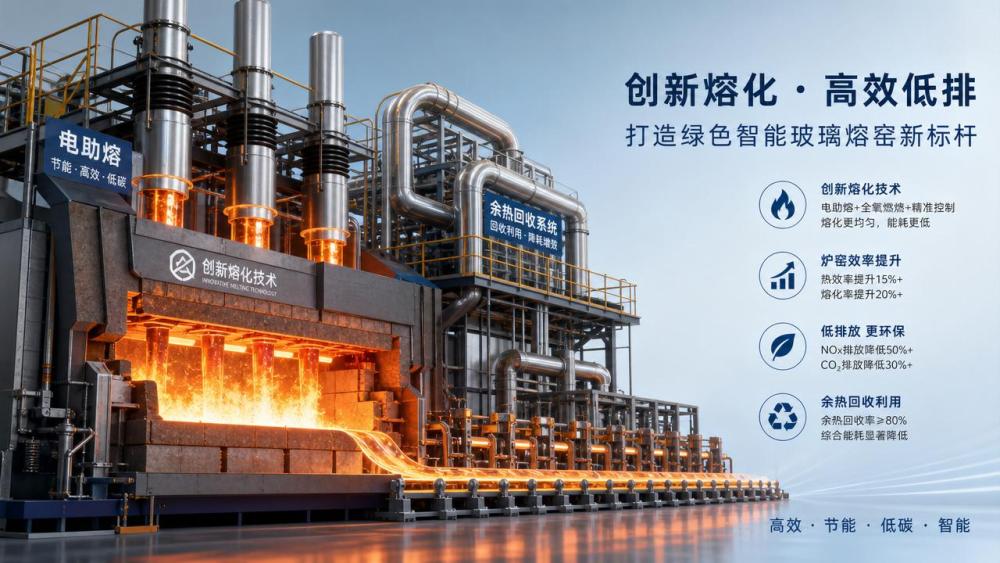
Large furnaces running near design capacity often suffer from uneven heat distribution, local hot spots, and rising specific energy consumption.
In this scenario, the best glass melting innovations are those that increase controllable heat input without destabilizing the melt surface.
Electric boosting for flexible heat placement
Electric boosting is one of the most proven glass melting innovations for improving furnace efficiency in high-throughput production.
It inserts electrical energy directly into the melt, reducing dependence on flame-only heat transfer.
This improves pull stability, accelerates melting, and helps correct thermal imbalances in critical zones.
It is especially useful when product mix changes require quick thermal adjustments without major burner redesign.
Oxy-fuel combustion for stronger heat transfer
Oxy-fuel systems remove most nitrogen ballast from combustion, creating hotter, more efficient flames.
Among current glass melting innovations, this option often reduces flue gas volume and raises available heat transfer efficiency.
The core judgment point is whether the line can manage oxygen cost, refractory loading, and vapor chemistry.
When energy prices and carbon targets drive upgrade decisions
In regions with volatile gas prices or strict emissions rules, furnace efficiency is tied directly to long-term competitiveness.
Here, glass melting innovations should be evaluated by total energy intensity, CO2 reduction, NOx control, and utility resilience.
Hybrid combustion and electrification pathways
Hybrid furnaces combine conventional combustion with electric boosting or partial electric melting zones.
These glass melting innovations support progressive decarbonization without forcing a full greenfield replacement.
They also help balance energy sourcing risks when grid power becomes cleaner or cheaper than fossil fuel input.
Waste heat recovery and batch preheating
Not all glass melting innovations occur inside the furnace chamber.
Batch and cullet preheating use recovered thermal energy to reduce the sensible heat needed during melting.
This lowers fuel demand, improves melt responsiveness, and can reduce thermal shock inside the tank.
The strongest fit appears where cullet ratios are high and exhaust conditions are stable enough for heat recovery integration.
When product quality is sensitive to thermal instability
Ultra-clear glass, display glass, PV glass, and thin technical glass place tighter limits on bubbles, cords, and temperature swings.
In these cases, the most valuable glass melting innovations are those that support uniform residence time and repeatable heat profiles.
Digital twin control and advanced sensors
Digital twin platforms connect thermal models with live operating data from burners, electrodes, crown temperatures, and flue conditions.
These glass melting innovations turn the furnace into a continuously interpreted system rather than a manually corrected asset.
Benefits include tighter control of energy distribution, faster response to drift, and better forecasting of instability before defects rise.
Improved bubbling and melt homogenization
Bottom bubbling can improve convection patterns, accelerate fining, and reduce stagnant zones.
Used correctly, these glass melting innovations support lower peak firing requirements while preserving quality.
The key is tuning gas flow, bubble placement, and interaction with pull rate and glass chemistry.
When furnace life and maintenance risk limit efficiency gains
Some lines lose efficiency not because of poor burner design, but because aging refractory systems distort heat balance over time.
In this scenario, glass melting innovations should be assessed through campaign extension, corrosion resistance, and insulation performance.
Advanced refractory architecture
Modern crown, breast wall, and superstructure materials reduce heat loss and resist aggressive vapor attack.
As glass melting innovations, these upgrades often generate indirect efficiency gains through better thermal retention and fewer unplanned corrections.
Selection should reflect glass composition, alkali loading, and expected operating temperature gradients.
Online lining monitoring
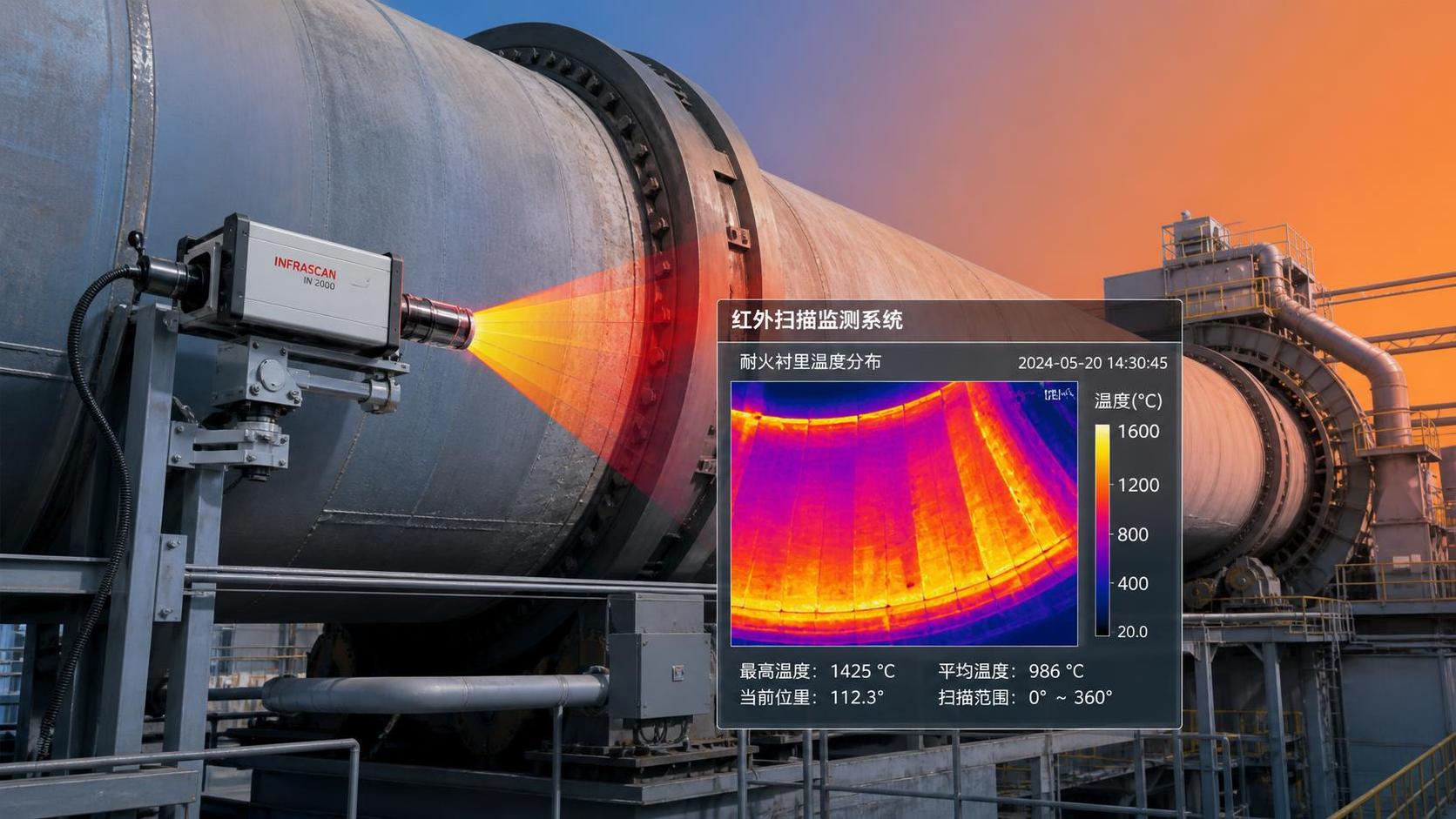
Thermal imaging, shell scanning, and predictive wear analytics help identify energy leakage and structural risk early.
These glass melting innovations are valuable where campaign length must be maximized without sacrificing safety or fuel discipline.
How scenario requirements differ across common glass melting applications
Different production contexts require different combinations of glass melting innovations.
The table below summarizes the main judgment points.
Which glass melting innovations should be prioritized first
A strong upgrade sequence prevents overspending on technologies that solve the wrong bottleneck.
The following priorities work well in many integrated assessments.
- Start with thermal mapping to identify whether losses come from combustion, melt circulation, or refractory leakage.
- Use electric boosting where localized heat deficits limit pull or quality.
- Choose oxy-fuel or hybrid systems when emissions and exhaust volume are strategic constraints.
- Add digital monitoring when process drift causes hidden efficiency loss.
- Upgrade refractory systems when campaign age undermines any combustion improvement.
Common misjudgments that weaken furnace efficiency projects
Several mistakes appear repeatedly when evaluating glass melting innovations.
- Treating energy reduction as separate from quality stability.
- Ignoring refractory condition while upgrading burners or electrodes.
- Assuming one innovation fits float, container, and specialty lines equally well.
- Evaluating capital cost without including campaign life and downtime impact.
- Underestimating how cullet rate and batch chemistry affect technology results.
The most successful programs connect heat transfer, materials behavior, controls, and emissions into one furnace logic.
That integrated view aligns closely with CF-Elite’s focus on foundation materials and thermal management intelligence.
A practical next step for evaluating furnace upgrade potential
To determine which glass melting innovations will improve furnace efficiency most effectively, begin with a scenario-based audit.
Review fuel mix, pull rate, cullet share, defect pattern, lining age, flue conditions, and carbon obligations together.
Then compare upgrade pathways using measured thermal bottlenecks rather than generic technology rankings.
In practice, the highest-value glass melting innovations are those matched precisely to process reality, not market popularity.
With structured intelligence, glass lines can move toward lower energy consumption, more stable output, and stronger long-cycle investment returns.
Related News
 Optical Glass Tech FellowHow to Evaluate a Glass Annealing Equipment Manufacturer for Production StabilityChoose a glass annealing equipment manufacturer with proven thermal uniformity, reliable controls, lifecycle value, and responsive service for stable production.Sep 08, 2026
 Prof. Marcus ChenThermal Energy Architecture in North America: Strategies for Lower Building Energy UseThermal energy architecture North America helps project leaders cut building energy use through stronger envelopes, right-sized HVAC, storage, and smart commissioning.Sep 07, 2026
 Ms. Elena RodriguezHow Should Buyers Evaluate Building Material Industry Intelligence Pricing?Building material industry intelligence pricing: learn how to compare coverage, technical depth, and ROI to choose intelligence that reduces procurement risk.Sep 07, 2026
 Ms. Elena RodriguezHow to Use Building Material Intelligence Data for Market and Investment DecisionsBuilding material industry intelligence data helps leaders evaluate demand, costs, regulation, capacity, and technology to make smarter market and investment decisions.Sep 05, 2026
 Thermal Energy ArchitectHow PLC Control Improves Energy Efficiency and Temperature Stability in KilnsEnergy efficient kilns PLC control improves temperature stability, cuts fuel waste, and optimizes combustion, draft, and material flow. Explore proven strategies for smarter kiln modernization.Sep 04, 2026
 Optical Glass Tech FellowEuropean Glass Melting Processes: Furnace Choices, Energy Use, and Quality ControlGlass melting process Europe: explore furnace choices, energy efficiency, cullet strategy, and quality control to improve output, compliance, and long-term glass performance.Sep 03, 2026
 Thermal Energy ArchitectWhat Determines Refractory Lining Monitoring Price for Industrial Kilns?Refractory lining monitoring price depends on kiln size, sensor technology, installation, software, and support. Compare total lifecycle costs and choose the right solution.Sep 02, 2026
 Silicate Process EngineerCement Production System Costs: A Plant Buyer’s Guide to Budgeting and ROICement production systems cost planning made clear: compare CAPEX, operating costs, compliance, and ROI to build a resilient, profitable cement plant investment.Sep 01, 2026
 Dr. Alistair VaughnWhat Should a Process Technology Database Track for High-Temperature Plants?Process technology database essentials for high-temperature plants: track thermal profiles, feed chemistry, refractory wear, emissions, energy, and maintenance for safer, data-driven decisions.Aug 31, 2026
 Ms. Elena RodriguezHow to Evaluate a Silicate Processing Equipment Manufacturer for Plant ProjectsSilicate processing equipment manufacturer selection: assess process fit, guarantees, energy, compliance, delivery risk, and lifecycle support for dependable plant performance.Aug 30, 2026
 Dr. Alistair VaughnHow to Specify Custom Agricultural Processing Equipment for Throughput and HygieneEquipment customization services for agricultural processing: learn to specify hygienic, high-throughput lines that improve yield, reliability, and long-term efficiency.Aug 29, 2026
 Dr. Alistair VaughnHow to Select Process Plant Equipment for High-Temperature, Abrasive Production LinesProcess plant equipment selection for high-temperature, abrasive lines: reduce downtime, improve durability, and optimize lifecycle performance.Aug 28, 2026
 Silicate Process EngineerHow Kiln Heat Recovery Systems Cut Fuel Use in Cement and Lime ProductionKiln heat recovery helps cement and lime plants cut fuel use, improve thermal stability, and build practical, reliable decarbonization strategies.Aug 27, 2026
 Ms. Elena RodriguezProcess Equipment Comparison: Which Metrics Matter Most for Reliable Selection?Process equipment comparison made practical: discover which metrics truly drive reliable selection, from energy efficiency and control stability to wear life, maintainability, and uptime.Aug 26, 2026
 Ms. Elena RodriguezWhat Buyers Should Check Before Sourcing Precision Alloy Bars for Critical PartsPrecision Alloy Bars buyers should verify grade, chemistry, tolerances, surface quality, traceability, and lead time before sourcing for critical parts. Learn what prevents costly machining and reliability risks.Aug 27, 2026
 Ms. Elena RodriguezHow to Evaluate Thermal Management Solutions Insulation for High-Heat Industrial SystemsThermal management solutions insulation: learn how to assess high-heat industrial systems by thermal performance, durability, lifecycle cost, and supplier data for smarter decisions.Aug 25, 2026
 Ms. Elena RodriguezWhat Drives Waste Recycling Cost in Industrial Projects and How to Estimate It?Waste recycling cost in industrial projects depends on composition, moisture, transport, pre-treatment, and compliance. Learn how to estimate it accurately and compare suppliers with confidence.Aug 24, 2026
 Silicate Process EngineerHow to Evaluate Cement Production Plants in the Middle East for Capacity, Fuel Flexibility, and ROIcement production plants Middle East: Learn how to assess true capacity, fuel flexibility, and ROI risks to identify resilient assets and smarter investment opportunities.Aug 23, 2026
 Structural Material AnalystHow to Evaluate Lightweight Material Machinery for Output, Energy Use, and Product QualityLightweight material machinery evaluation guide: compare stable output, energy use, and product quality to choose equipment that cuts waste, lowers costs, and improves production confidence.Aug 22, 2026
 Material Heat-Resist ExpertWhat Determines Refractory Production Line Price in a Turnkey Plant Project?Refractory production line price depends on raw materials, forming method, kiln and drying design, automation, utilities, and scope. Learn what really drives turnkey plant cost before you invest.Aug 21, 2026

Related News
- 00
0000-00
How to Evaluate a Glass Annealing Equipment Manufacturer for Production Stability - 00
0000-00
European Glass Melting Processes: Furnace Choices, Energy Use, and Quality Control - 00
0000-00
How Glass Melting Furnace Design Impacts Energy Use and Glass Quality - 00
0000-00
How Can Glass Manufacturing Technology Improve Furnace Efficiency and Cut Energy Costs? - 00
0000-00
How to Evaluate Continuous Glass Annealing Equipment for Stable Throughput?
Weekly Insights
Stay ahead with our curated technology reports delivered every Monday.