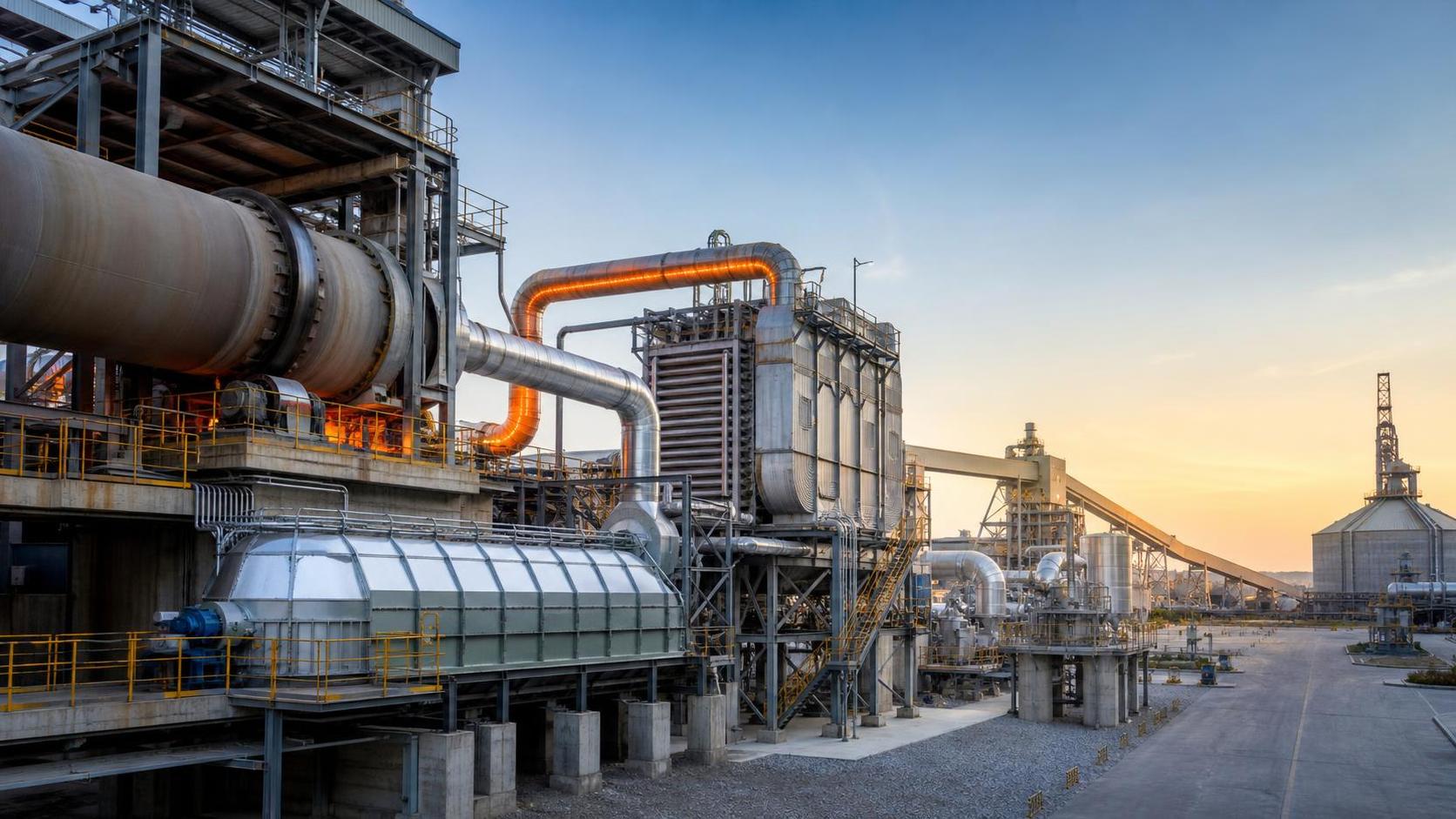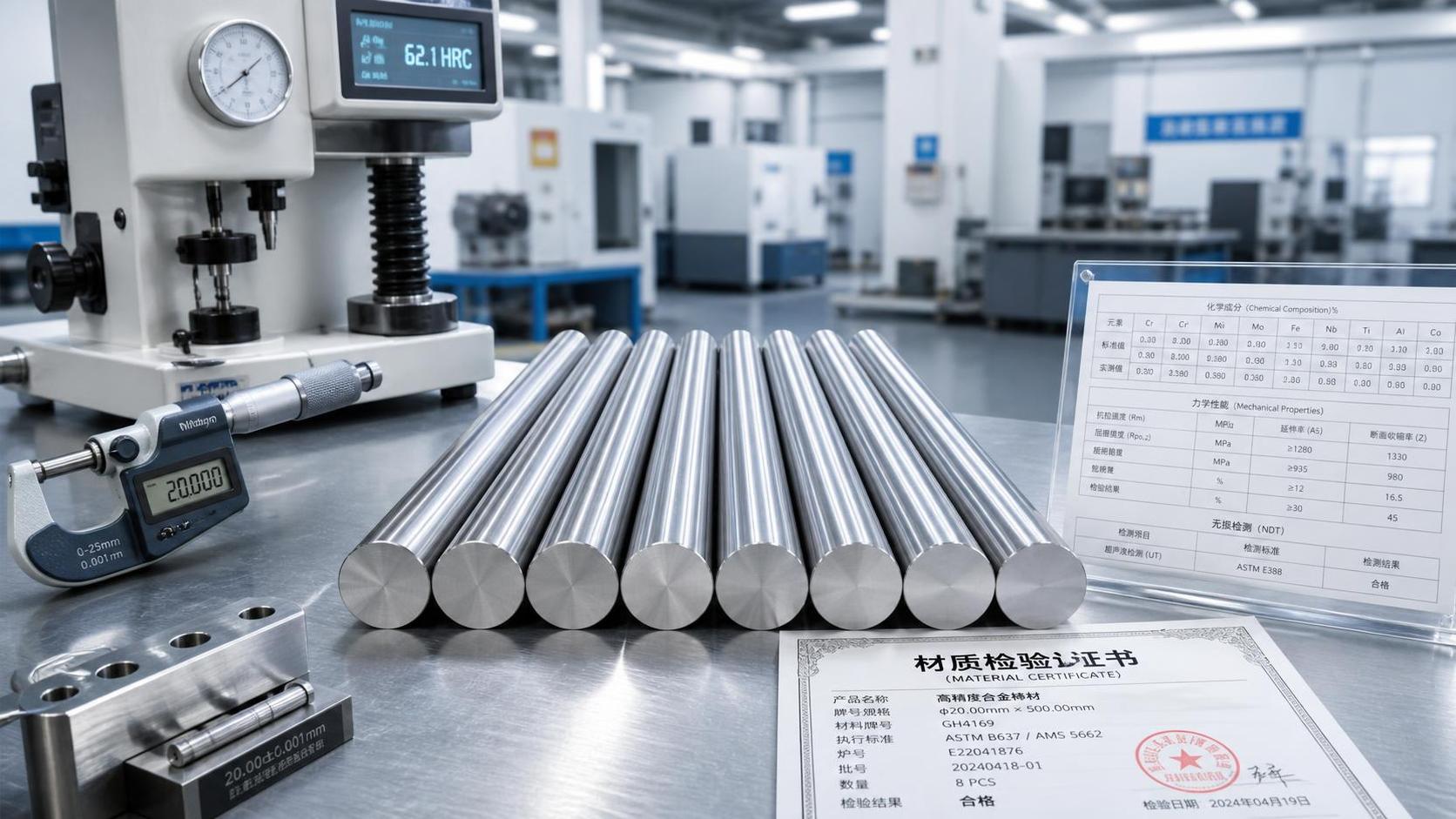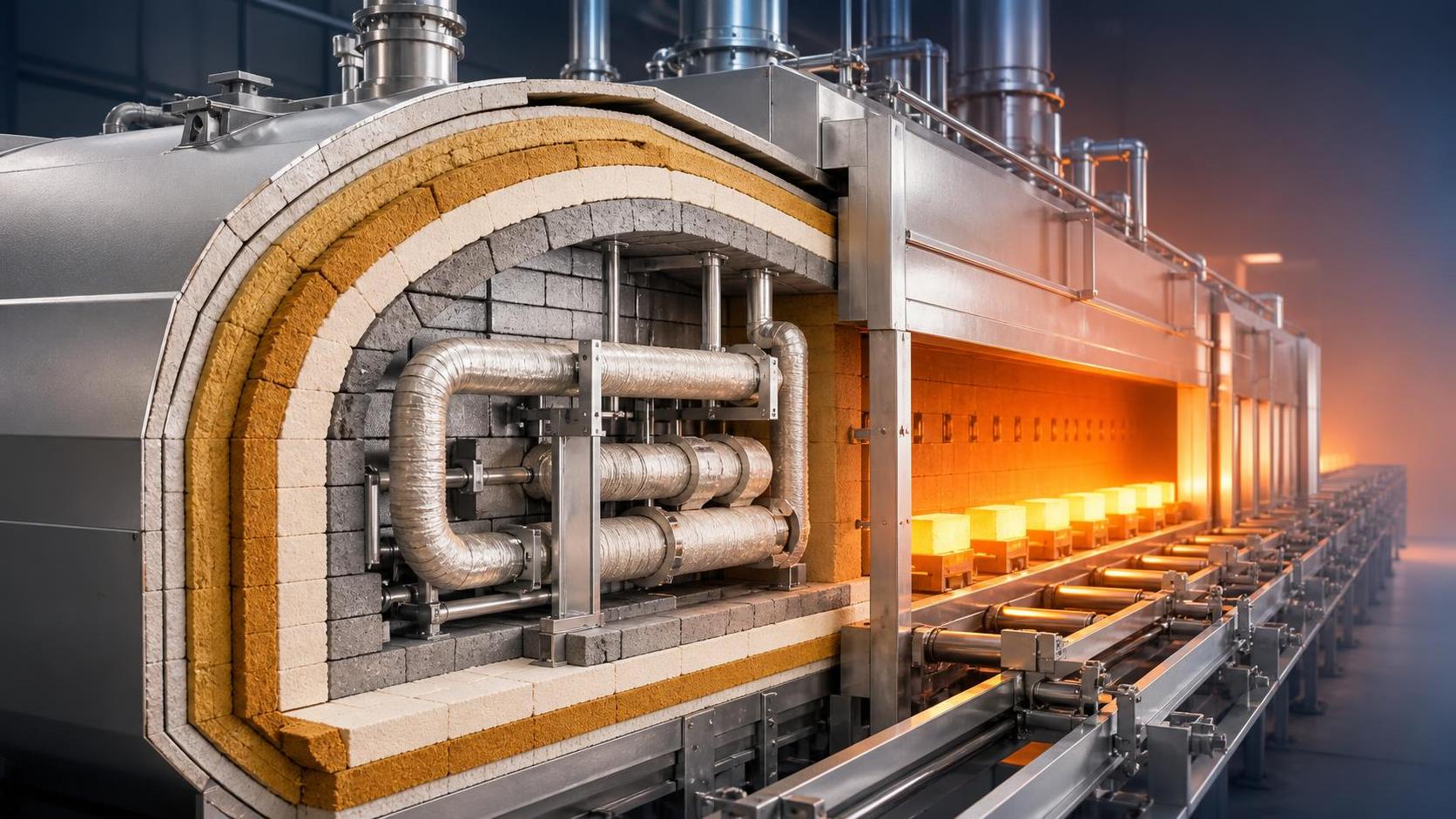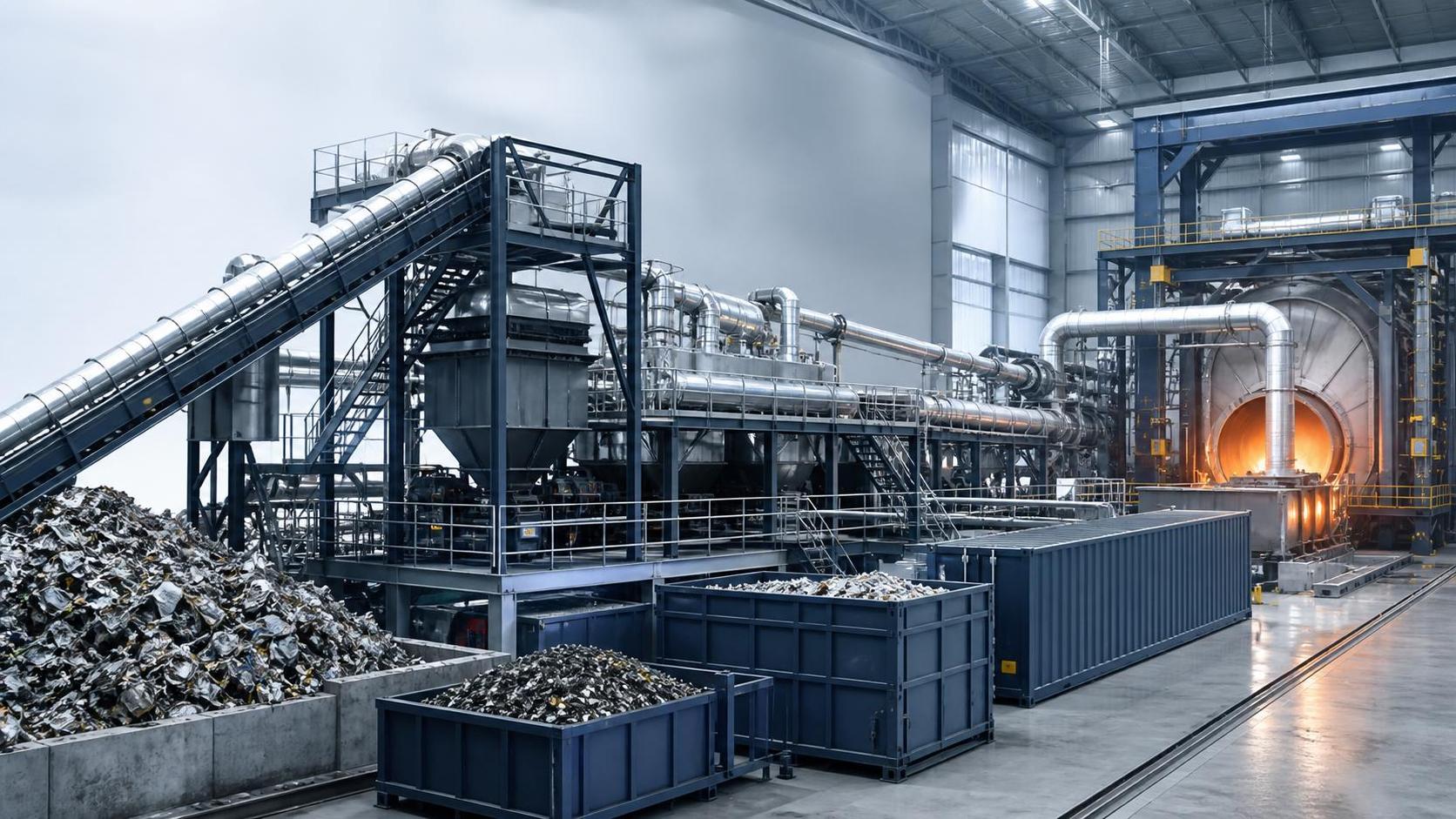




For technical evaluators, glass yield is no longer judged only by furnace capacity, but by how precisely heat transfer, melt chemistry, defect control, and energy consumption are engineered as one system.
Silicate process engineering provides the analytical framework to connect batch formulation, melting dynamics, refining efficiency, and annealing stability with measurable production outcomes.
In modern float, container, and specialty glass lines, this discipline helps identify hidden losses, reduce rejects, and support lower-carbon operation without compromising product quality.
What Evaluators Really Need To Know Before Judging Yield

The core search intent behind this topic is practical: can silicate process engineering produce higher saleable glass, not merely better theoretical furnace performance?
For technical evaluators, the answer depends on whether process variables are measured, linked, and controlled across the full melting-to-forming sequence.
The most important question is not whether a line reaches nominal tonnage, but how much output survives as qualified product.
Yield losses often hide in seeds, stones, cords, devitrification, thickness variation, surface defects, and thermal stress after annealing.
A credible evaluation should therefore connect defect rates, pull stability, energy intensity, cullet use, residence time, and refractory interaction.
General claims about “optimized melting” are weak unless supported by data from batch house, furnace, forehearth, forming, and inspection systems.
Why Glass Yield Is A System Outcome, Not A Furnace Number
Many production reviews still begin with furnace capacity, fuel consumption, and pull rate, because these metrics are easy to compare.
However, glass yield is shaped by multiple linked zones, and a gain in one zone can create losses elsewhere.
Higher pull may reduce residence time, increase unmelted inclusions, or overload refining, especially when batch quality varies significantly.
Lower temperature operation may reduce energy cost but increase viscosity, foam persistence, and defect sensitivity in downstream forming.
Silicate process engineering treats these trade-offs quantitatively, using chemistry, thermodynamics, fluid flow, and heat transfer as connected decision tools.
For evaluators, this means assessing whether the supplier or plant team can explain cause-and-effect across the complete process chain.
Where Hidden Yield Losses Usually Originate
Yield loss often begins before the batch enters the furnace, especially when raw material particle size, moisture, or segregation are poorly controlled.
Inconsistent carbonate decomposition, sulfate behavior, and redox balance can create gas release patterns that refining systems cannot fully correct.
During melting, local cold spots, short-circuit flow, or poor batch blanket behavior may leave silica-rich particles or compositional streaks.
These defects may appear downstream as cords, stones, optical distortion, or strength failures, even if furnace averages look acceptable.
Refractory corrosion is another hidden source of yield loss, because zirconia, alumina, or chromia contamination can enter the melt.
Technical evaluators should ask how the process design monitors these risks, not only how it responds after defects are detected.
Batch Formulation: The First Lever For Higher Saleable Output
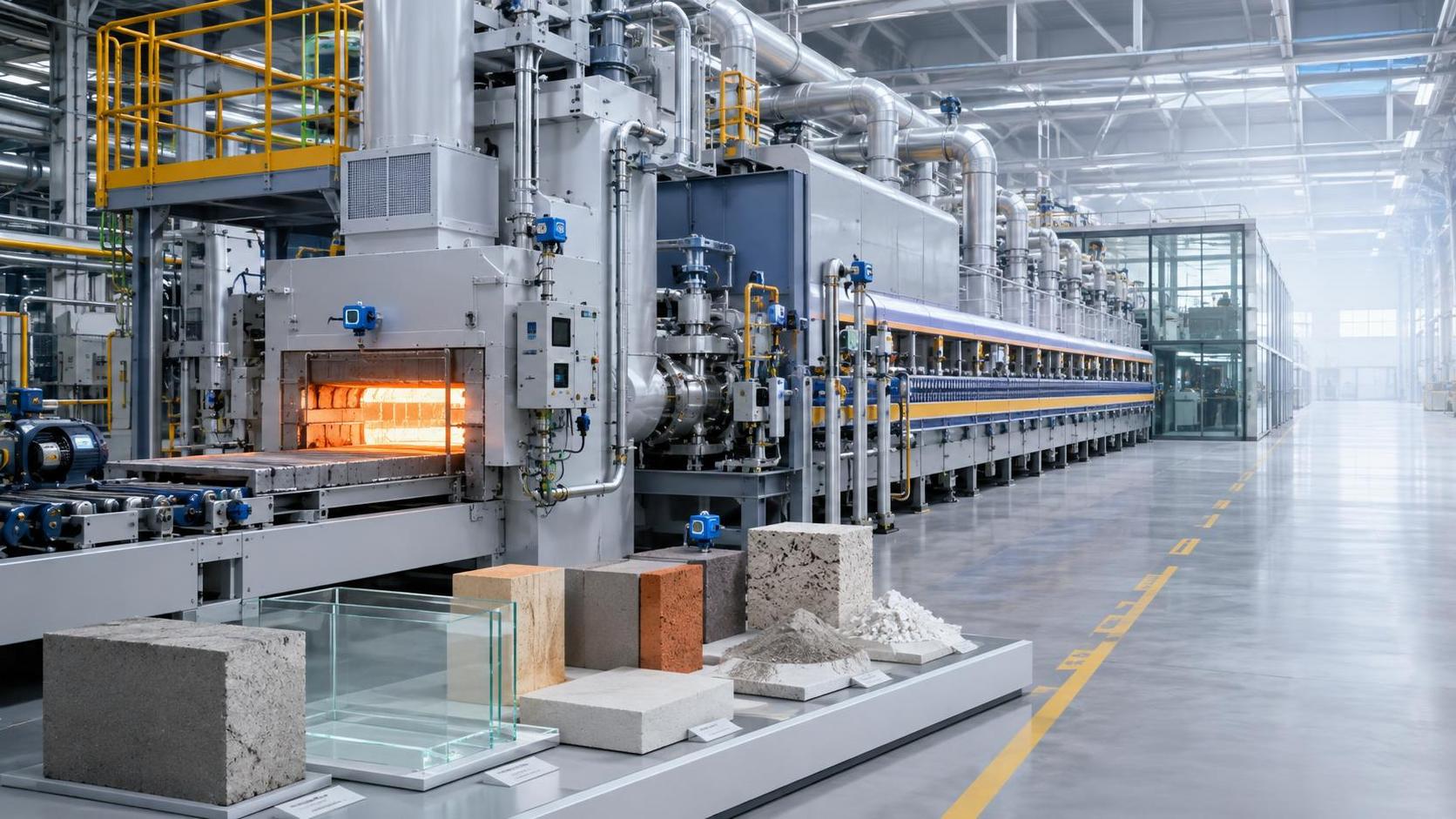
Batch formulation determines melting speed, gas evolution, color stability, viscosity, and the chemical compatibility of the glass with refractories.
A well-designed formulation balances raw material cost with predictable melting behavior, rather than choosing the cheapest input mix.
For soda-lime glass, the ratios of silica, soda ash, limestone, dolomite, feldspar, and cullet strongly influence thermal demand.
For borosilicate, aluminosilicate, or specialty glass, minor components can affect phase separation, crystallization tendency, and forming temperature windows.
Silicate process engineering evaluates these variables through melt property modeling, laboratory fusion tests, and production data correlation.
The practical yield benefit is fewer composition-driven defects, more stable forming, and less need for conservative operating margins.
Cullet Strategy Must Be Evaluated Beyond Energy Savings
Cullet is valuable because it reduces melting energy and carbon dioxide emissions, but it also changes batch behavior and impurity risk.
High cullet ratios can improve furnace efficiency, yet poorly sorted cullet may introduce ceramics, metals, organics, or incompatible glass types.
These contaminants may create stones, bubbles, color shifts, or inclusions that directly reduce saleable yield.
A strong silicate process engineering program defines acceptable cullet chemistry, particle size distribution, contamination thresholds, and inspection methods.
Evaluators should check whether cullet benefits are calculated after defect losses, not only through energy reduction assumptions.
The best strategy uses cullet as a controlled raw material, not as a convenient waste stream added to the furnace.
Melting And Refining: The Critical Zone For Defect Prevention
The melting zone must supply enough heat to complete reactions, dissolve silica, and homogenize the melt without excessive refractory attack.
The refining zone must allow gas bubbles to grow, rise, and disappear before the glass reaches conditioning and forming.
Temperature profile, residence time distribution, redox state, fining agents, and convection patterns all influence refining efficiency.
Silicate process engineering improves yield by matching furnace geometry, burner strategy, electric boosting, and batch chemistry to actual glass behavior.
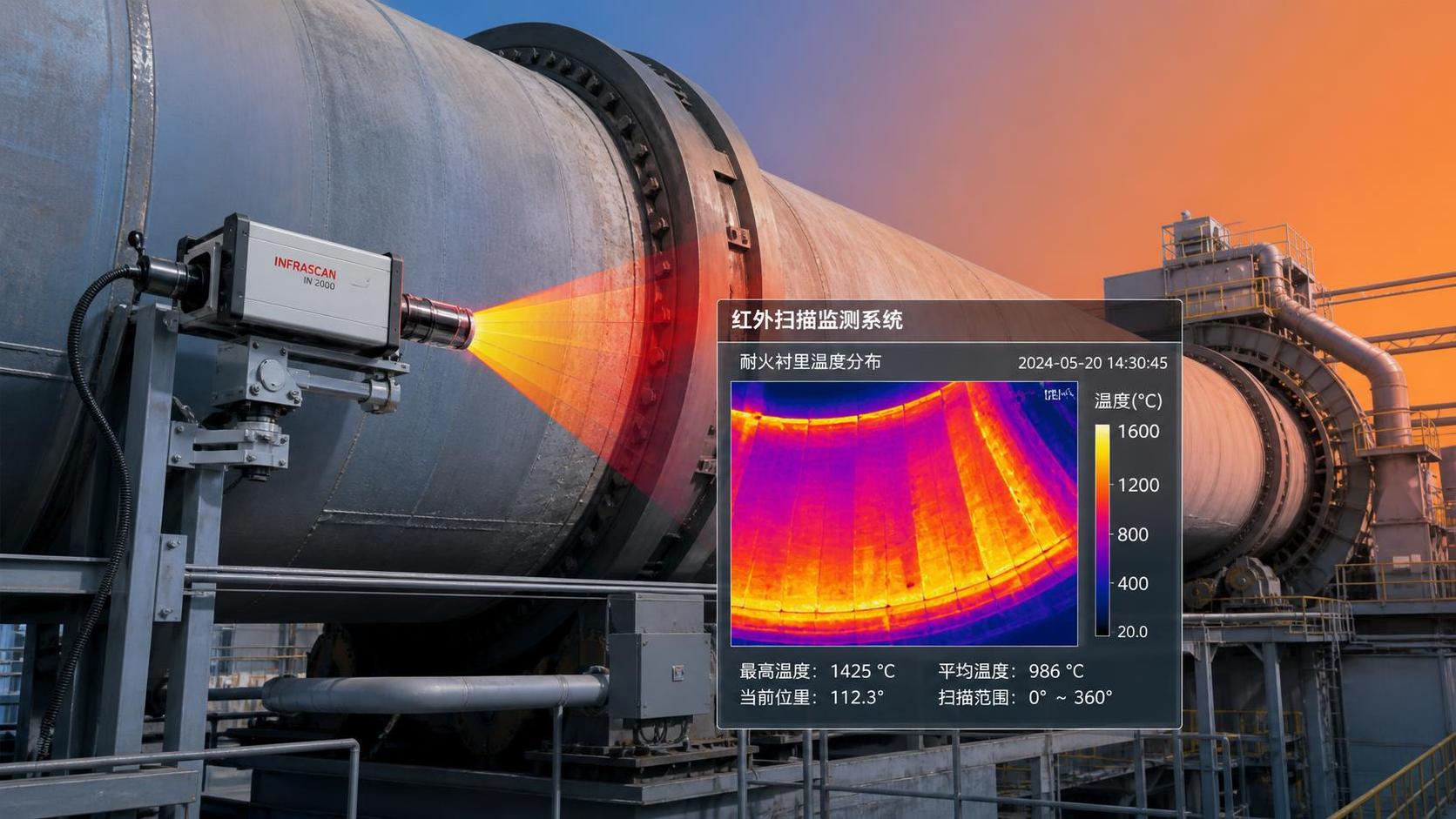
Computational fluid dynamics and digital twin models can identify dead zones, short paths, and overheating areas before they become chronic losses.
For evaluators, the key is whether simulation results are validated with inspection data, thermal mapping, and defect classification.
Heat Transfer Control Directly Affects Product Consistency
Glass production depends on controlled heat transfer, because viscosity changes rapidly with temperature and determines flow, forming, and surface quality.
Uneven temperature distribution can cause thickness variation, optical distortion, stress concentration, or forming instability in downstream equipment.
In float lines, thermal control affects ribbon stability, tin bath behavior, edge quality, and annealing performance.
In container glass, it affects gob temperature, mold loading, wall thickness, and rejection rates after inspection.
In specialty glass, small thermal deviations may create unacceptable birefringence, flatness variation, or mechanical reliability problems.
Technical evaluation should therefore include temperature measurement density, sensor reliability, control logic, and operator response procedures.
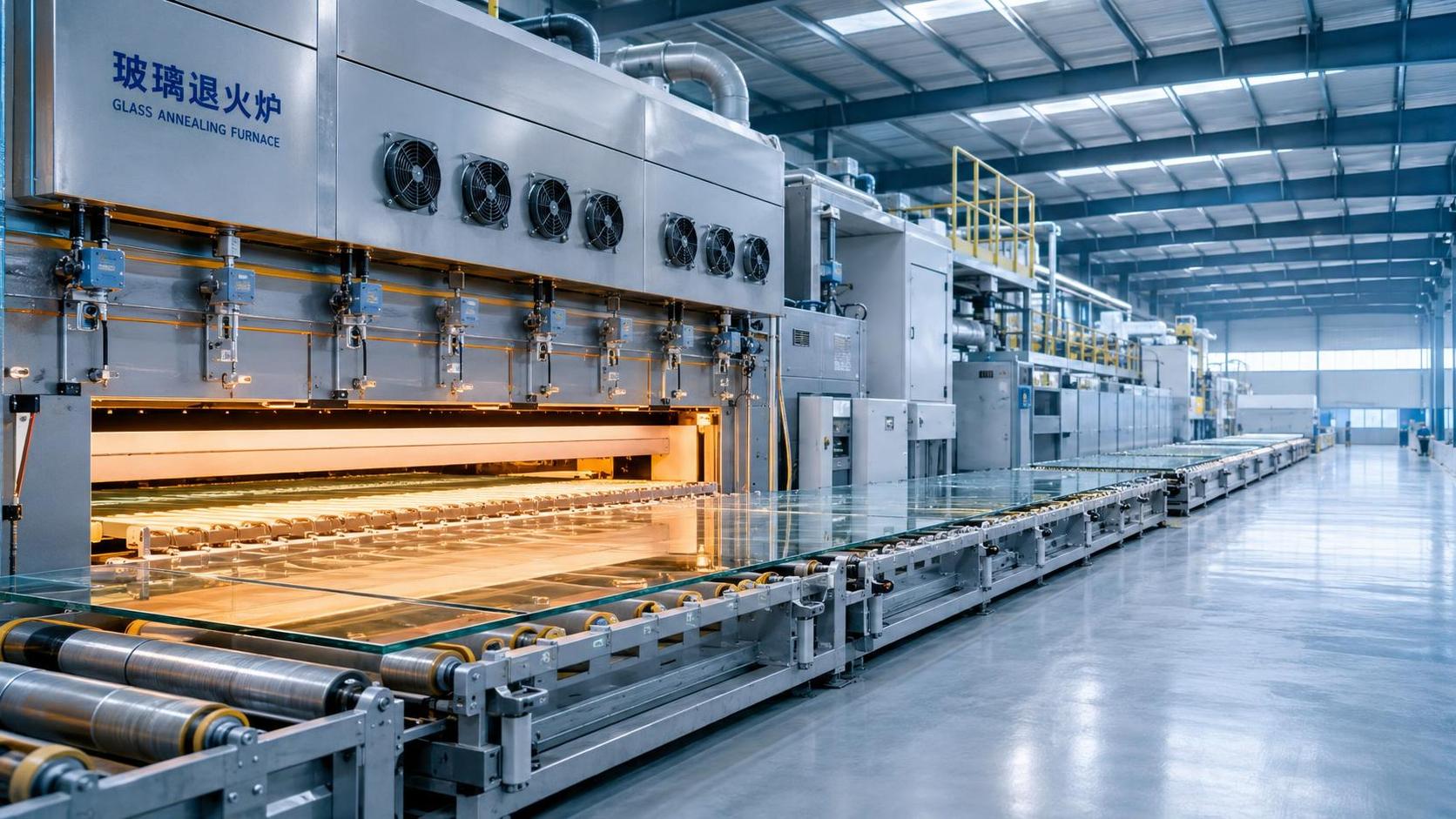
Annealing Is Often Underestimated In Yield Improvement
Many defects are created upstream, but final reject rates can rise sharply if annealing does not release internal stress properly.
Annealing design must match glass composition, thickness, forming history, cooling rate, and required mechanical or optical performance.
Too rapid cooling may increase breakage, delayed failure, or cutting problems, especially in flat and technical glass products.
Overly conservative annealing may protect quality but reduce line speed, increase energy use, and limit effective production capacity.
Silicate process engineering helps define the practical cooling curve that maximizes saleable output rather than simply minimizing thermal risk.
Evaluators should request stress measurement methods, rejection patterns, lehr balance data, and evidence of stable temperature uniformity.
What Metrics Should Be Used To Prove Yield Improvement?
A serious yield assessment must separate gross output, packed output, first-pass yield, and customer-accepted output.
Without this separation, a line may appear productive while hidden rework, trimming, inspection rejection, or customer complaints remain high.
Useful metrics include defect density, bubble count, stone frequency, optical distortion, breakage rate, thickness variation, and energy per accepted ton.
For container lines, evaluators should also review dimensional rejection, pressure failure, visual inspection rejects, and mold-related loss patterns.
For specialty glass, statistical process capability, surface quality maps, and post-processing survival rates may be more meaningful.
The best evidence combines production history, laboratory analysis, inspection images, maintenance records, and process trend data.
How Digital Monitoring Strengthens Silicate Process Engineering
Modern glass lines generate large volumes of data, but yield only improves when data is interpreted through process knowledge.
Temperature sensors, batch weighing systems, furnace cameras, gas analyzers, power meters, and optical inspection equipment each reveal partial truth.
Silicate process engineering connects these signals to explain why defects occur, when they begin, and how quickly operators should intervene.
Digital twins can test operating changes before implementation, reducing the risk of disrupting a stable production campaign.
Predictive maintenance models can also reduce unplanned defects caused by burner imbalance, electrode degradation, refractory wear, or lehr instability.
Evaluators should favor systems that support root-cause analysis, not dashboards that only display impressive but disconnected indicators.
Energy And Carbon Benefits Must Be Balanced With Quality Risk
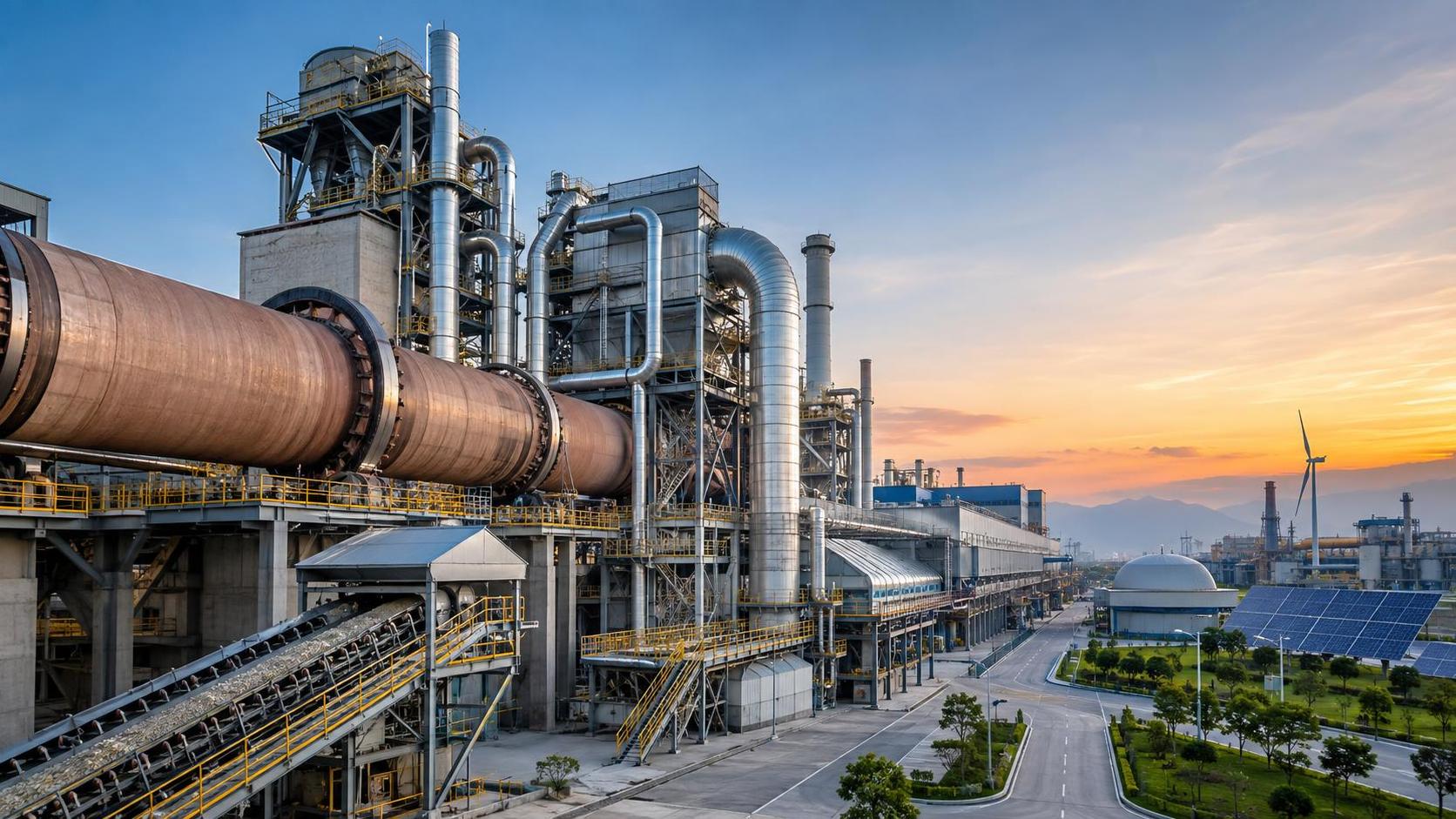
Lower-carbon glass production is now a strategic requirement, but decarbonization measures can change melting behavior and yield risk.
Oxygen enrichment, electric boosting, alternative fuels, batch preheating, and higher cullet ratios each affect thermal distribution and chemistry.
These technologies can reduce emissions, but they must be integrated with refining, refractory life, and forming stability.
Silicate process engineering provides the framework for evaluating carbon reduction without accepting higher defect rates as unavoidable.
For investment decisions, evaluators should compare carbon intensity per accepted ton, not only per melted ton.
This distinction prevents projects from appearing greener while increasing rejects, remelting demand, or customer-side quality failures.
Questions Technical Evaluators Should Ask Suppliers Or Plant Teams
Evaluators should begin by asking how the proposed process change affects first-pass yield and accepted output under realistic production conditions.
They should ask which defects are targeted, how those defects are measured, and what historical baseline will prove improvement.
Another important question is whether batch chemistry, furnace operation, forming parameters, and annealing curves are evaluated together.
Suppliers should explain expected trade-offs, including refractory wear, energy intensity, maintenance needs, campaign life, and operational complexity.
Strong answers usually include data models, pilot results, production references, inspection methods, and a plan for operator adoption.
Weak answers rely on generic efficiency claims, isolated equipment specifications, or promised improvements without measurable acceptance criteria.
When Silicate Process Engineering Creates The Highest Value
The value is highest when a plant faces chronic defects, unstable pull, rising energy cost, or stricter customer specifications.
It is also valuable during furnace rebuilds, product mix changes, cullet ratio increases, or decarbonization technology adoption.
For new lines, early engineering decisions can prevent long-term yield limitations that are expensive to correct after commissioning.
For mature lines, process engineering can uncover small losses across multiple stages that collectively represent major commercial impact.
The discipline is especially important in high-value glass, where minor defect reductions can justify significant analytical and control investment.
In commodity glass, the benefit often comes from energy savings, lower rejects, longer campaign life, and more predictable delivery.
Conclusion: Better Yield Comes From Connected Control
Silicate process engineering improves glass yield by turning separate production variables into one controlled, measurable, and economically relevant system.
For technical evaluators, the decisive issue is whether claimed improvements can be traced from chemistry and heat transfer to accepted product.
The strongest projects define baseline losses, identify root causes, validate corrective actions, and measure results in saleable output.
When applied rigorously, this approach supports higher yield, lower energy intensity, better quality stability, and more credible carbon reduction.
CF-Elite views silicate process engineering as a decision discipline, not a slogan, for glass manufacturers pursuing durable operational advantage.