
Glass Production Automation: Key Equipment, Control Points, and ROI Factors




For business evaluators, glass production automation is no longer only about faster output. It now shapes energy intensity, quality consistency, labor structure, maintenance planning, and carbon performance across integrated industrial systems.
In heavy process industries, automated glass lines are increasingly judged by total operational value. The strongest cases combine furnace stability, process visibility, defect reduction, and data-driven control rather than isolated machine upgrades.
This matters across the broader foundation materials landscape observed by CF-Elite. Glass production automation increasingly connects thermal management, reaction control, digital intelligence, and long-cycle capital efficiency in one investment framework.
Why glass production automation is moving from optional upgrade to strategic baseline
The market signal is clear. Glass plants face tighter energy targets, stricter quality expectations, volatile labor availability, and stronger demand for traceable production data.
At the same time, product portfolios are becoming more demanding. Float glass, architectural glass, container glass, PV glass, and specialty thin glass all require tighter process windows.
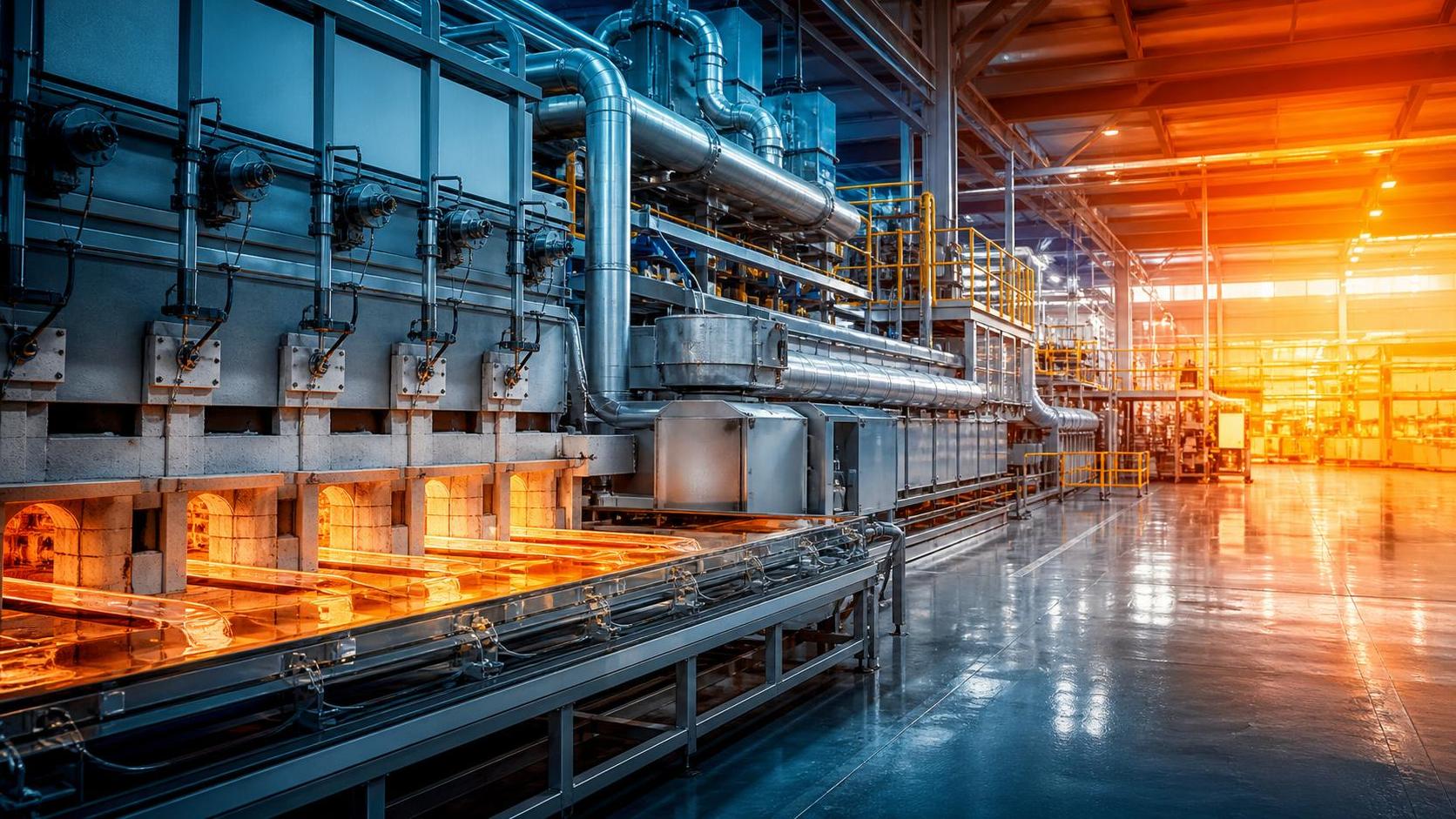
Under these conditions, glass production automation becomes a system decision. It links batch charging, melting, forming, annealing, inspection, handling, and plant-level analytics.
The result is not simply speed. The result is better control over thermal losses, cullet ratios, defect formation, downtime risk, and output predictability.
The strongest trend signals are coming from energy, quality, and data integration
Recent investment patterns show that automation priorities are changing. Plants are no longer asking only which machine should be automated first.
They are asking which control layer delivers the best performance across fuel use, product stability, maintenance efficiency, and compliance reporting.
- Furnace optimization is gaining priority because melting remains the largest energy center.
- Machine vision is expanding because downstream sorting costs rise sharply when defects escape early control.
- MES and SCADA integration is accelerating because disconnected data limits ROI visibility.
- Predictive maintenance is becoming practical due to sensor cost declines and analytics maturity.
- Carbon reporting is influencing automation design because energy data must be auditable and continuous.
These trends make glass production automation a cross-functional capability. It sits between equipment engineering, industrial software, and sustainability strategy.
Key equipment in glass production automation and why each one changes performance
The automation stack in glass production depends on product type, furnace design, and throughput. Still, several equipment groups repeatedly define control quality and investment value.
1. Batch charging and raw material handling systems
Automated weighing, dosing, mixing, and charging reduce recipe variation. Stable raw material feed supports melting uniformity and lowers the chance of bubble, stone, and composition defects.
2. Furnace combustion and temperature control systems
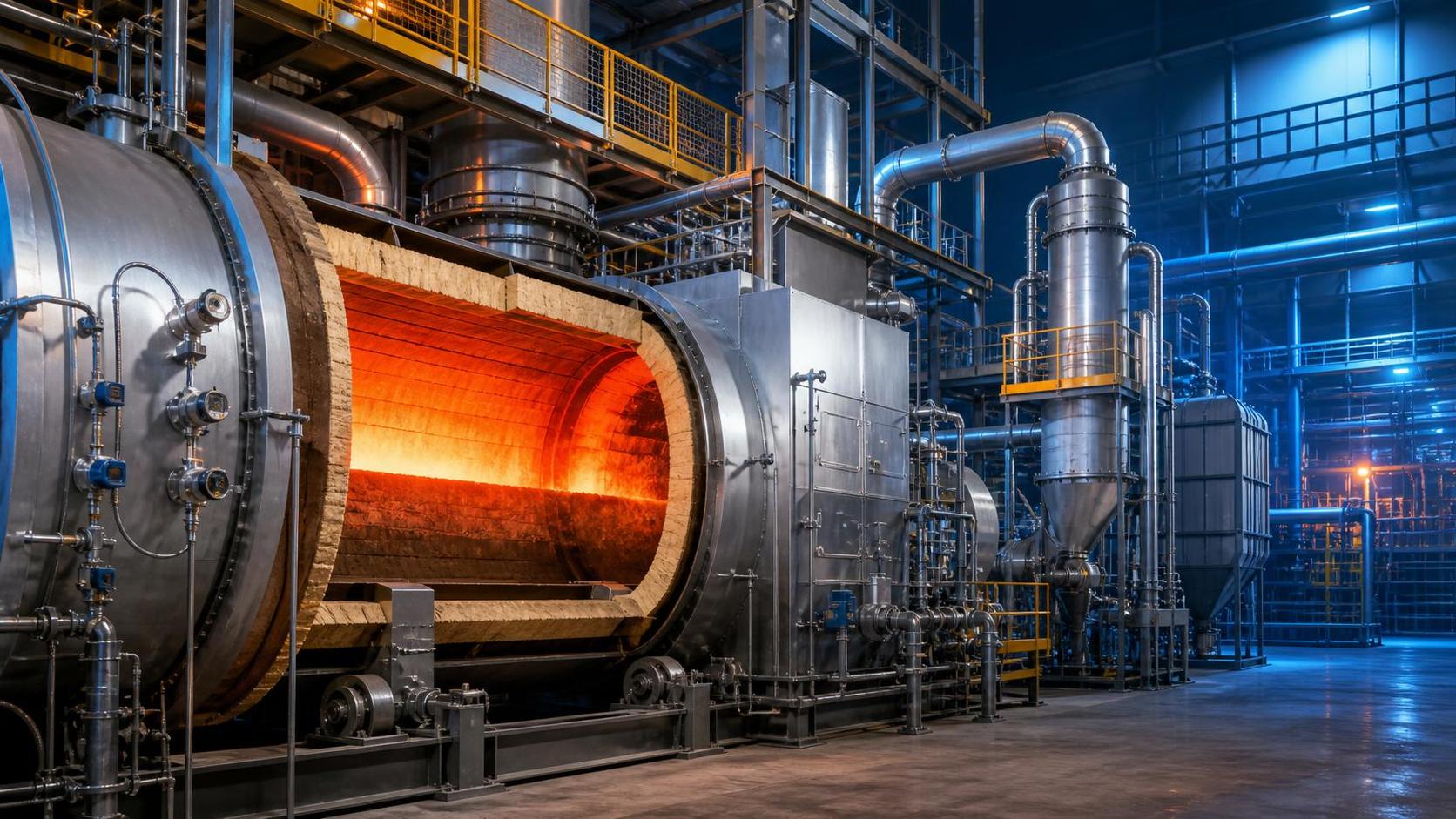
This is the core of glass production automation. Sensors, burners, actuators, and control software manage flame pattern, excess oxygen, pressure balance, and thermal homogeneity.
3. Forming line automation
For float, container, or specialty glass, forming automation stabilizes ribbon thickness, gob delivery, press timing, or draw conditions. Better forming control directly improves yield and dimensional consistency.
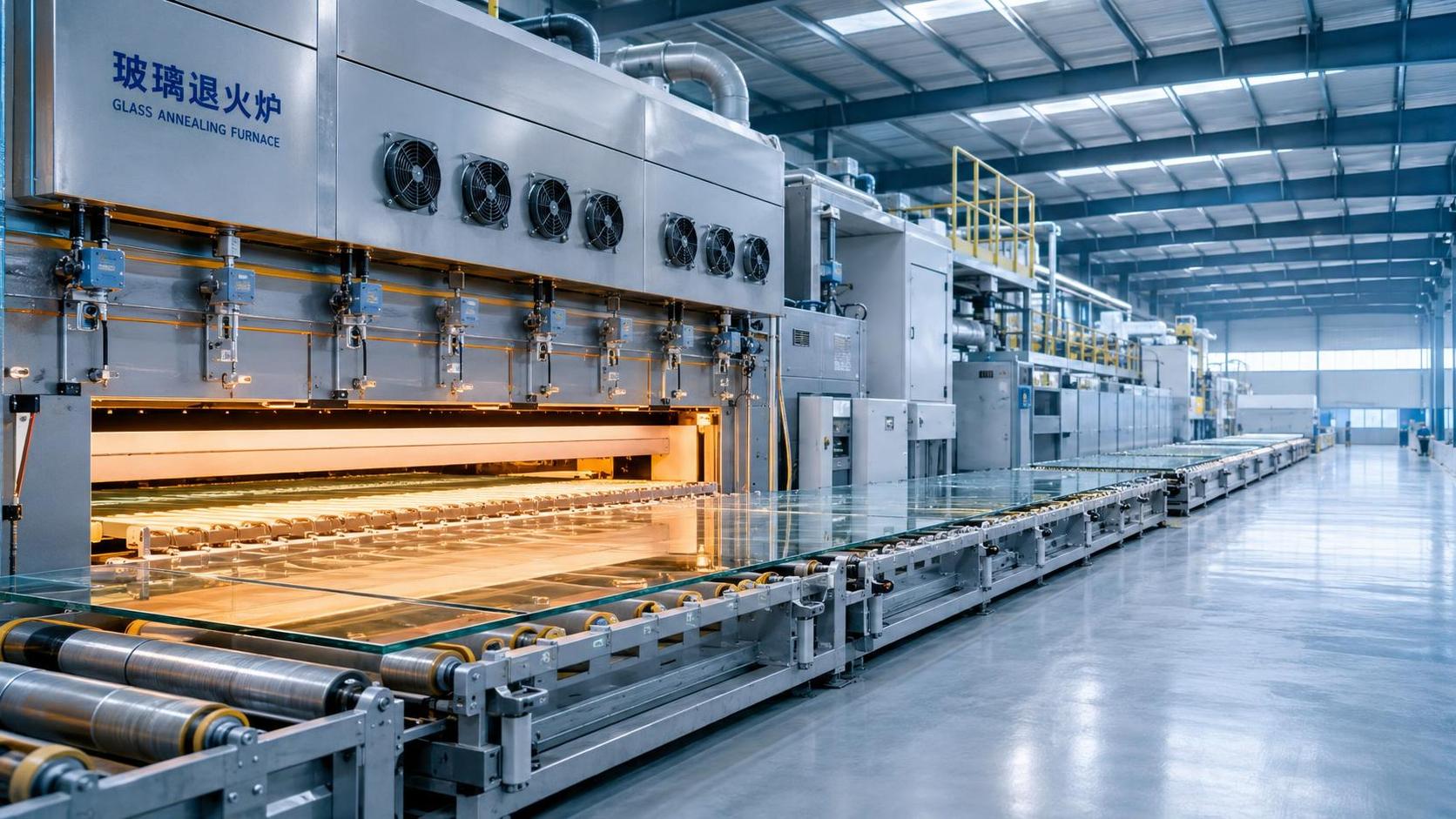
4. Annealing lehr control
Annealing automation controls cooling profiles and conveyor conditions. It prevents residual stress, reduces breakage risk, and supports consistent downstream cutting, coating, laminating, or packaging.
5. Machine vision and online inspection
Automated inspection detects surface defects, inclusions, dimensional deviation, edge issues, and optical distortion. Early detection reduces rework loops and protects shipment quality.
6. Robotic handling and packaging
Robots improve repeatability in hot-end and cold-end handling. They lower breakage, reduce manual safety exposure, and support stable cycle times during peak production.
7. Plant-wide control platforms
PLC, DCS, SCADA, MES, historian, and digital twin tools turn isolated equipment into a coordinated system. This layer is essential for scaling glass production automation beyond local improvements.
Critical control points determine whether automation creates value or hidden instability
Not every automated line performs well. Value depends on controlling the process points where thermal, mechanical, and chemical variation interact most strongly.
Glass production automation works best when these control points are linked. A defect alarm without furnace context, for example, gives limited decision value.
What is driving adoption now across the wider industrial ecosystem
The push toward glass production automation comes from several reinforcing drivers. They are technical, economic, and regulatory at the same time.
- Fuel and electricity costs increase the value of precise thermal control.
- Higher quality requirements reduce tolerance for manual adjustment.
- Safety expectations favor remote monitoring and robotic handling.
- Aging assets need digital retrofits to extend operating life.
- Decarbonization targets require better measurement of furnace and line performance.
- Multi-site benchmarking demands comparable production data structures.
In sectors tracked by CF-Elite, this pattern mirrors larger shifts across kilns, refractory production, and advanced thermal systems. Intelligence now flows through controls as much as through hardware.
How glass production automation changes different business links
Its effects spread beyond the line itself. Better automation changes planning, maintenance, energy accounting, product release, and capital allocation decisions.
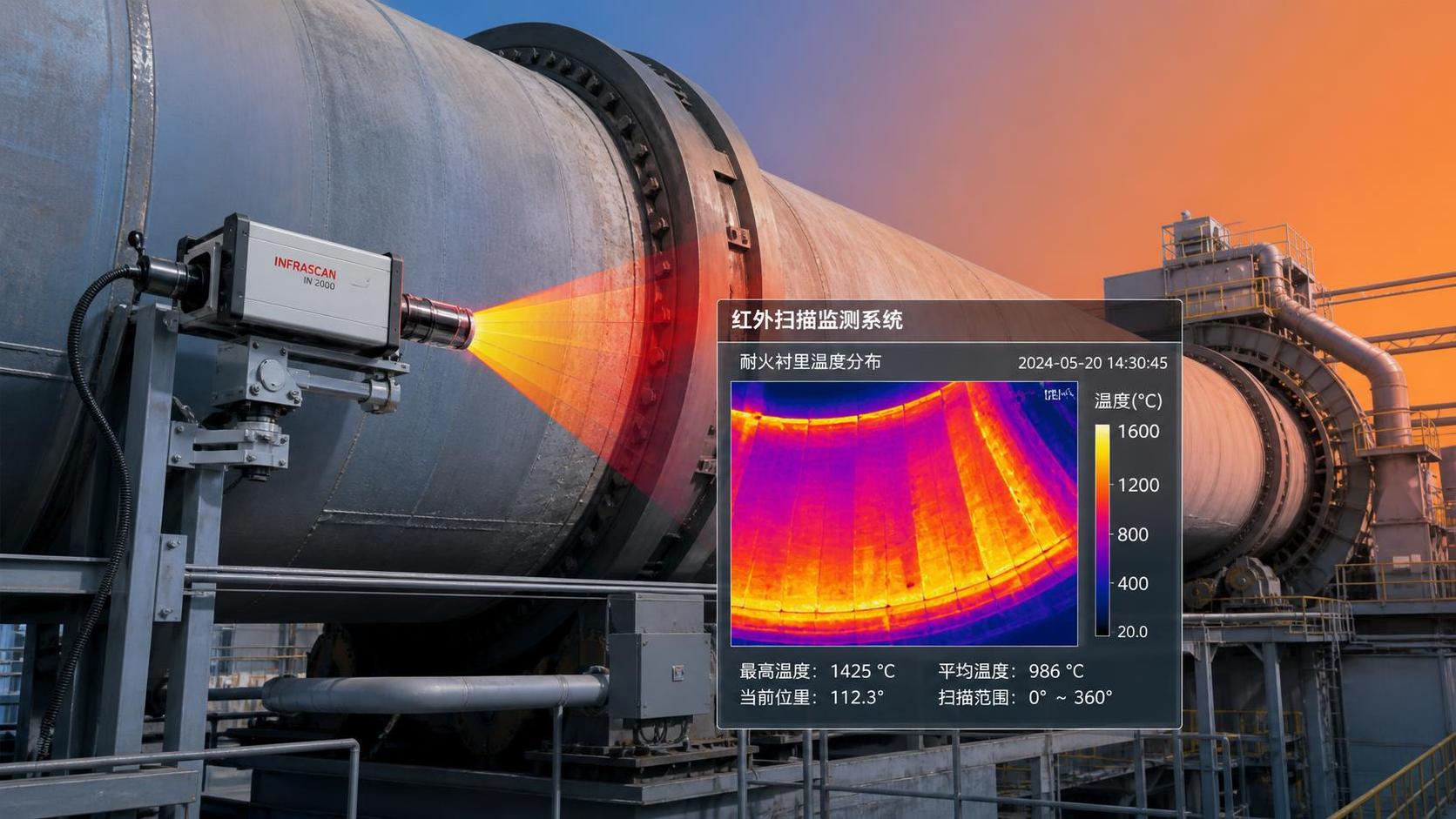
Operations benefit from fewer unstable transitions. Maintenance gains earlier warning from motors, burners, bearings, and refractory-related thermal anomalies.
Quality systems gain more reliable root-cause tracing. Commercial planning benefits from higher confidence in throughput, scrap ratios, and product mix capability.
At enterprise level, glass production automation also supports carbon narratives. Verified efficiency improvements are easier to document when energy and process data are continuously recorded.
ROI factors should be measured beyond labor savings alone
A weak business case looks only at headcount reduction. A stronger one captures the full operational economics of glass production automation.
The most reliable ROI models separate quick wins from long-horizon benefits. Inspection automation may pay back quickly, while plant-wide integration often compounds value over time.
What deserves close attention before choosing an automation pathway
- Map current losses by energy, scrap, downtime, and quality escape points.
- Check whether legacy equipment can support sensor retrofits and data connectivity.
- Prioritize bottlenecks where thermal instability causes repeated downstream costs.
- Define KPI baselines before implementation to avoid ambiguous ROI claims.
- Review cybersecurity and system redundancy for continuous furnace operations.
- Plan workforce adaptation around control interpretation, not only machine operation.
These checks help prevent a common failure: buying advanced glass production automation without the data discipline needed to sustain performance gains.
A practical way to judge next steps in glass production automation
Start with a phased decision model. First identify the highest-value control gap. Then test integration complexity, expected savings, and operational readiness.
- Audit current process variability across melting, forming, and annealing.
- Quantify losses tied to each control point.
- Rank automation projects by payback speed and strategic importance.
- Pilot data integration before full-scale platform expansion.
- Track post-installation KPIs for at least one full production cycle.
Glass production automation creates the most value when it is treated as a coordinated thermal and digital upgrade. The goal is stable, measurable, lower-carbon production with clearer economic returns.
For deeper evaluation, compare equipment layers, control points, and ROI assumptions within one line model. That approach leads to stronger investment timing and better long-term industrial resilience.
Related News
 Optical Glass Tech FellowHow to Evaluate a Glass Annealing Equipment Manufacturer for Production StabilityChoose a glass annealing equipment manufacturer with proven thermal uniformity, reliable controls, lifecycle value, and responsive service for stable production.Sep 08, 2026
 Prof. Marcus ChenThermal Energy Architecture in North America: Strategies for Lower Building Energy UseThermal energy architecture North America helps project leaders cut building energy use through stronger envelopes, right-sized HVAC, storage, and smart commissioning.Sep 07, 2026
 Ms. Elena RodriguezHow Should Buyers Evaluate Building Material Industry Intelligence Pricing?Building material industry intelligence pricing: learn how to compare coverage, technical depth, and ROI to choose intelligence that reduces procurement risk.Sep 07, 2026
 Ms. Elena RodriguezHow to Use Building Material Intelligence Data for Market and Investment DecisionsBuilding material industry intelligence data helps leaders evaluate demand, costs, regulation, capacity, and technology to make smarter market and investment decisions.Sep 05, 2026
 Thermal Energy ArchitectHow PLC Control Improves Energy Efficiency and Temperature Stability in KilnsEnergy efficient kilns PLC control improves temperature stability, cuts fuel waste, and optimizes combustion, draft, and material flow. Explore proven strategies for smarter kiln modernization.Sep 04, 2026
 Optical Glass Tech FellowEuropean Glass Melting Processes: Furnace Choices, Energy Use, and Quality ControlGlass melting process Europe: explore furnace choices, energy efficiency, cullet strategy, and quality control to improve output, compliance, and long-term glass performance.Sep 03, 2026
 Thermal Energy ArchitectWhat Determines Refractory Lining Monitoring Price for Industrial Kilns?Refractory lining monitoring price depends on kiln size, sensor technology, installation, software, and support. Compare total lifecycle costs and choose the right solution.Sep 02, 2026
 Silicate Process EngineerCement Production System Costs: A Plant Buyer’s Guide to Budgeting and ROICement production systems cost planning made clear: compare CAPEX, operating costs, compliance, and ROI to build a resilient, profitable cement plant investment.Sep 01, 2026
 Dr. Alistair VaughnWhat Should a Process Technology Database Track for High-Temperature Plants?Process technology database essentials for high-temperature plants: track thermal profiles, feed chemistry, refractory wear, emissions, energy, and maintenance for safer, data-driven decisions.Aug 31, 2026
 Ms. Elena RodriguezHow to Evaluate a Silicate Processing Equipment Manufacturer for Plant ProjectsSilicate processing equipment manufacturer selection: assess process fit, guarantees, energy, compliance, delivery risk, and lifecycle support for dependable plant performance.Aug 30, 2026
 Dr. Alistair VaughnHow to Specify Custom Agricultural Processing Equipment for Throughput and HygieneEquipment customization services for agricultural processing: learn to specify hygienic, high-throughput lines that improve yield, reliability, and long-term efficiency.Aug 29, 2026
 Dr. Alistair VaughnHow to Select Process Plant Equipment for High-Temperature, Abrasive Production LinesProcess plant equipment selection for high-temperature, abrasive lines: reduce downtime, improve durability, and optimize lifecycle performance.Aug 28, 2026
 Silicate Process EngineerHow Kiln Heat Recovery Systems Cut Fuel Use in Cement and Lime ProductionKiln heat recovery helps cement and lime plants cut fuel use, improve thermal stability, and build practical, reliable decarbonization strategies.Aug 27, 2026
 Ms. Elena RodriguezProcess Equipment Comparison: Which Metrics Matter Most for Reliable Selection?Process equipment comparison made practical: discover which metrics truly drive reliable selection, from energy efficiency and control stability to wear life, maintainability, and uptime.Aug 26, 2026
 Ms. Elena RodriguezWhat Buyers Should Check Before Sourcing Precision Alloy Bars for Critical PartsPrecision Alloy Bars buyers should verify grade, chemistry, tolerances, surface quality, traceability, and lead time before sourcing for critical parts. Learn what prevents costly machining and reliability risks.Aug 27, 2026
 Ms. Elena RodriguezHow to Evaluate Thermal Management Solutions Insulation for High-Heat Industrial SystemsThermal management solutions insulation: learn how to assess high-heat industrial systems by thermal performance, durability, lifecycle cost, and supplier data for smarter decisions.Aug 25, 2026
 Ms. Elena RodriguezWhat Drives Waste Recycling Cost in Industrial Projects and How to Estimate It?Waste recycling cost in industrial projects depends on composition, moisture, transport, pre-treatment, and compliance. Learn how to estimate it accurately and compare suppliers with confidence.Aug 24, 2026
 Silicate Process EngineerHow to Evaluate Cement Production Plants in the Middle East for Capacity, Fuel Flexibility, and ROIcement production plants Middle East: Learn how to assess true capacity, fuel flexibility, and ROI risks to identify resilient assets and smarter investment opportunities.Aug 23, 2026
 Structural Material AnalystHow to Evaluate Lightweight Material Machinery for Output, Energy Use, and Product QualityLightweight material machinery evaluation guide: compare stable output, energy use, and product quality to choose equipment that cuts waste, lowers costs, and improves production confidence.Aug 22, 2026
 Material Heat-Resist ExpertWhat Determines Refractory Production Line Price in a Turnkey Plant Project?Refractory production line price depends on raw materials, forming method, kiln and drying design, automation, utilities, and scope. Learn what really drives turnkey plant cost before you invest.Aug 21, 2026

Related News
- 00
0000-00
How to Evaluate a Glass Annealing Equipment Manufacturer for Production Stability - 00
0000-00
European Glass Melting Processes: Furnace Choices, Energy Use, and Quality Control - 00
0000-00
How Glass Melting Furnace Design Impacts Energy Use and Glass Quality - 00
0000-00
How Can Glass Manufacturing Technology Improve Furnace Efficiency and Cut Energy Costs? - 00
0000-00
How to Evaluate Continuous Glass Annealing Equipment for Stable Throughput?
Weekly Insights
Stay ahead with our curated technology reports delivered every Monday.