
Can glass melting innovations lower energy use without risk?




Can glass melting innovations truly cut energy use without introducing operational or quality risks? For decision-makers in high-temperature industries, this question sits at the center of cost control, carbon targets, and production stability. This article examines how glass melting innovations are reshaping furnace efficiency, process intelligence, and thermal management, while highlighting the technical safeguards needed to balance lower energy consumption with reliable, large-scale manufacturing performance.
For operators of float lines, container glass plants, PV glass facilities, and specialty silicate production systems, melting remains the single most energy-intensive stage. In many plants, the furnace accounts for 60% to 80% of total thermal energy demand, making even a 3% to 8% efficiency gain commercially meaningful.
Yet experienced buyers know the trade-off is never simple. Lower fuel use can be undermined by unstable pull rates, refractory wear, seed and blister defects, or tighter maintenance windows. That is why glass melting innovations must be evaluated not only by fuel savings, but also by process resilience, product consistency, and lifecycle risk.
Why glass melting innovations matter more than ever
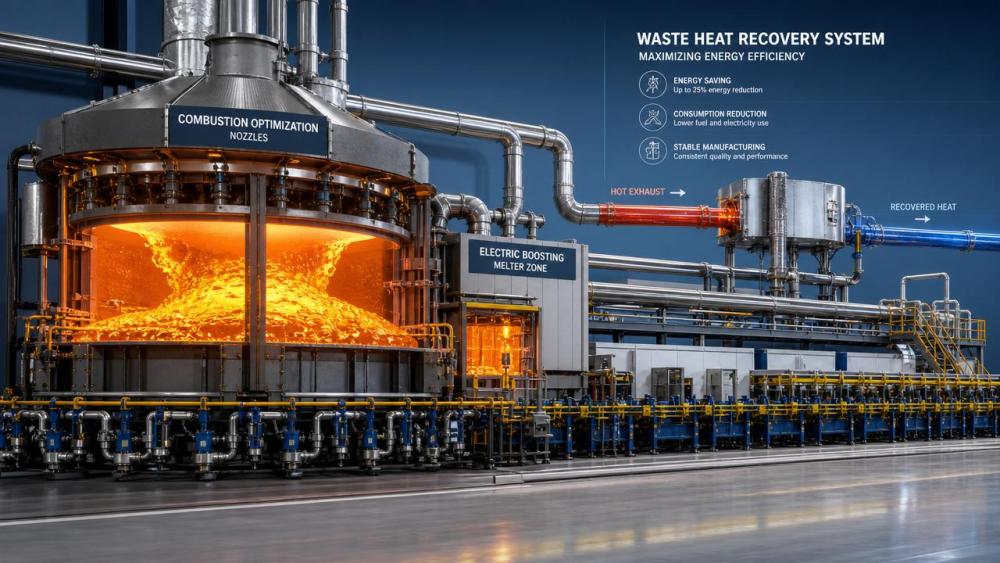
The pressure on glass producers has intensified across 4 fronts: fuel cost volatility, emissions reduction targets, quality demands for thinner and cleaner glass, and the rising complexity of furnace campaigns that often extend 8 to 15 years. A small thermal inefficiency repeated over that period becomes a major financial burden.
Within the broader high-temperature economy observed by CF-Elite, glass manufacturing stands out because melting efficiency is directly linked to combustion design, batch chemistry, furnace geometry, refractory performance, and downstream annealing balance. This makes the topic strategically relevant not just for plant engineers, but for board-level capital planners.
What counts as a true innovation in glass melting
Not every equipment upgrade qualifies as a meaningful innovation. In practice, glass melting innovations usually fall into 5 categories: combustion optimization, electric boosting, waste heat recovery, digital process control, and advanced refractory or furnace insulation redesign. The strongest projects combine at least 2 or 3 of these rather than relying on one isolated change.
- High-efficiency burners with improved flame shaping and lower excess air
- Electric boosting zones for targeted heat input and better thermal uniformity
- Batch and cullet preheating systems using recovered exhaust heat
- Digital twin models and online temperature monitoring for control stability
- Refractory upgrades that reduce heat loss while preserving campaign life
The energy-saving potential and the hidden risks
Typical energy reduction ranges vary by baseline condition. A well-tuned combustion retrofit may deliver 3% to 6% savings. Electric boosting combined with better control logic may improve melting efficiency by another 2% to 5%. Cullet ratio increases can reduce specific energy demand further, but only when contamination control and chemistry stability are tightly managed.
However, the hidden risks are equally real. Aggressive temperature reduction can harm fining. Uneven boosting can accelerate localized refractory corrosion. Over-optimized oxygen and air ratios may reduce fuel use while creating hotter spots that disturb crown stability. For executives, this means an innovation that looks attractive on a spreadsheet can still damage output economics if technical safeguards are weak.
Key decision question
The right question is not whether an innovation lowers energy use in theory. The right question is whether it lowers energy per ton while protecting 4 critical outcomes: melt quality, furnace life, throughput stability, and maintenance predictability.
Which technologies reduce energy use with the lowest operational risk
Decision-makers often compare multiple retrofit paths at once. The table below summarizes common glass melting innovations by energy impact, implementation complexity, and major risk focus. The ranges are typical industry planning values rather than fixed guarantees, and they should be validated against the furnace type, pull rate, glass composition, and campaign stage.
The lowest-risk path is often phased rather than radical. Plants frequently begin with combustion diagnostics and control upgrades, then add boosting or preheating after 6 to 12 months of verified thermal data. This sequencing reduces the chance of multiple variables shifting at the same time.
Combustion redesign and heat transfer improvement
In many legacy furnaces, excess air, uneven port balance, and aging regenerator performance create avoidable losses. Upgrading burner geometry, tightening oxygen-fuel ratios, and improving checker chamber performance can reduce waste heat without changing the entire line architecture. For plants seeking payback in 12 to 36 months, this is often the first shortlist item.
Electric boosting as a precision tool, not a blanket solution
Electric boosting works best when used selectively. It can smooth thermal gradients, support pull rate stability, and reduce dependence on fossil fuel peaks. But it is not automatically low risk. Power price volatility, electrode maintenance cycles, and glass chemistry interactions all matter. A plant with unstable grid supply may face a different risk profile than a site with firm low-carbon electricity contracts.
Where boosting adds value
- High-quality flat glass lines requiring tight optical consistency
- Specialty glass production with narrow viscosity windows
- Plants balancing lower fossil input against decarbonization targets
How to lower risk while implementing glass melting innovations
The strongest projects are built around operational discipline. In practice, most failures come not from the innovation itself, but from weak baseline measurement, incomplete furnace mapping, or over-optimistic commissioning schedules. A structured risk-control plan should cover at least 4 layers: thermal data, refractory condition, batch behavior, and operator response.
A practical evaluation framework for enterprise buyers
Before approving capital expenditure, procurement and operations teams should align on a common review structure. The table below can be used as a screening matrix during feasibility studies, vendor discussions, or internal investment committee reviews.
This framework shows why energy efficiency should never be reviewed in isolation. A furnace may achieve lower fuel use in week 1, yet suffer quality instability by week 8 if the control loop, batch feed behavior, or refractory state was underestimated during planning.
Four implementation steps that reduce failure probability
- Measure the current state with thermal, electrical, and quality data over a defined operating window.
- Model the proposed change using furnace maps, glass chemistry constraints, and maintenance history.
- Commission in stages, usually over 2 to 4 phases, instead of changing all setpoints at once.
- Track 30-day, 90-day, and 180-day performance against energy, defect rate, and uptime targets.
This staged approach is especially useful in large-scale silicate plants where unplanned downtime has high financial consequences. It also aligns with the intelligence-led approach used across CF-Elite’s thermal management focus areas, where process changes are judged by system behavior, not isolated equipment claims.
Common mistakes to avoid
- Assuming a successful retrofit in one glass composition will transfer directly to another
- Using average furnace temperature as the only decision metric
- Ignoring regenerator condition during combustion optimization
- Underestimating operator training needs in digitally controlled melting systems
What decision-makers should ask before approving investment
For capital-intensive plants, the commercial question is not just energy saved per ton. It is the total value of lower energy, lower emissions, better thermal control, and protected output. A project with a 4% energy gain but strong quality stability may outperform a nominal 8% energy project that raises scrap, maintenance, or process volatility.
Five board-level questions
- What is the expected savings range under actual plant conditions, not ideal design conditions?
- How will the retrofit affect furnace campaign life over the next 3 to 5 years?
- What additional instrumentation, software, or operator capability is required?
- Can the solution maintain product quality at target pull rate during seasonal or fuel variability?
- What is the fallback plan if the projected performance is not achieved within 90 days?
The strategic role of intelligence in investment timing
Timing matters. Plants nearing hot repair windows may prioritize lower-disruption upgrades, while greenfield or major rebuild projects can justify broader redesign. This is where market and technical intelligence intersect. Energy prices, grid conditions, emissions policy, cullet availability, and refractory supply cycles all influence whether a project should move now, in 6 months, or during the next campaign milestone.
For enterprise leaders following global trends in foundation materials and thermal management, glass melting innovations should be treated as part of a wider decarbonization and resilience strategy. The same discipline applied to kilns, incineration systems, and refractory lines also applies here: optimize heat, protect assets, and validate every efficiency claim against operational reality.
Glass melting innovations can lower energy use without unacceptable risk, but only when the project combines sound furnace engineering, disciplined commissioning, and measurable safeguards for quality and uptime. The most successful investments are phased, data-led, and matched to the real condition of the furnace rather than driven by generic promises.
If your team is evaluating furnace upgrades, boosting strategies, digital controls, or broader thermal efficiency planning, CF-Elite can help you frame the technical and commercial questions that matter most. Contact us to discuss your production scenario, request a tailored assessment, or explore more solutions for high-temperature manufacturing performance.
Related News
 Optical Glass Tech FellowHow to Evaluate a Glass Annealing Equipment Manufacturer for Production StabilityChoose a glass annealing equipment manufacturer with proven thermal uniformity, reliable controls, lifecycle value, and responsive service for stable production.Sep 08, 2026
 Prof. Marcus ChenThermal Energy Architecture in North America: Strategies for Lower Building Energy UseThermal energy architecture North America helps project leaders cut building energy use through stronger envelopes, right-sized HVAC, storage, and smart commissioning.Sep 07, 2026
 Ms. Elena RodriguezHow Should Buyers Evaluate Building Material Industry Intelligence Pricing?Building material industry intelligence pricing: learn how to compare coverage, technical depth, and ROI to choose intelligence that reduces procurement risk.Sep 07, 2026
 Ms. Elena RodriguezHow to Use Building Material Intelligence Data for Market and Investment DecisionsBuilding material industry intelligence data helps leaders evaluate demand, costs, regulation, capacity, and technology to make smarter market and investment decisions.Sep 05, 2026
 Thermal Energy ArchitectHow PLC Control Improves Energy Efficiency and Temperature Stability in KilnsEnergy efficient kilns PLC control improves temperature stability, cuts fuel waste, and optimizes combustion, draft, and material flow. Explore proven strategies for smarter kiln modernization.Sep 04, 2026
 Optical Glass Tech FellowEuropean Glass Melting Processes: Furnace Choices, Energy Use, and Quality ControlGlass melting process Europe: explore furnace choices, energy efficiency, cullet strategy, and quality control to improve output, compliance, and long-term glass performance.Sep 03, 2026
 Thermal Energy ArchitectWhat Determines Refractory Lining Monitoring Price for Industrial Kilns?Refractory lining monitoring price depends on kiln size, sensor technology, installation, software, and support. Compare total lifecycle costs and choose the right solution.Sep 02, 2026
 Silicate Process EngineerCement Production System Costs: A Plant Buyer’s Guide to Budgeting and ROICement production systems cost planning made clear: compare CAPEX, operating costs, compliance, and ROI to build a resilient, profitable cement plant investment.Sep 01, 2026
 Dr. Alistair VaughnWhat Should a Process Technology Database Track for High-Temperature Plants?Process technology database essentials for high-temperature plants: track thermal profiles, feed chemistry, refractory wear, emissions, energy, and maintenance for safer, data-driven decisions.Aug 31, 2026
 Ms. Elena RodriguezHow to Evaluate a Silicate Processing Equipment Manufacturer for Plant ProjectsSilicate processing equipment manufacturer selection: assess process fit, guarantees, energy, compliance, delivery risk, and lifecycle support for dependable plant performance.Aug 30, 2026
 Dr. Alistair VaughnHow to Specify Custom Agricultural Processing Equipment for Throughput and HygieneEquipment customization services for agricultural processing: learn to specify hygienic, high-throughput lines that improve yield, reliability, and long-term efficiency.Aug 29, 2026
 Dr. Alistair VaughnHow to Select Process Plant Equipment for High-Temperature, Abrasive Production LinesProcess plant equipment selection for high-temperature, abrasive lines: reduce downtime, improve durability, and optimize lifecycle performance.Aug 28, 2026
 Silicate Process EngineerHow Kiln Heat Recovery Systems Cut Fuel Use in Cement and Lime ProductionKiln heat recovery helps cement and lime plants cut fuel use, improve thermal stability, and build practical, reliable decarbonization strategies.Aug 27, 2026
 Ms. Elena RodriguezProcess Equipment Comparison: Which Metrics Matter Most for Reliable Selection?Process equipment comparison made practical: discover which metrics truly drive reliable selection, from energy efficiency and control stability to wear life, maintainability, and uptime.Aug 26, 2026
 Ms. Elena RodriguezWhat Buyers Should Check Before Sourcing Precision Alloy Bars for Critical PartsPrecision Alloy Bars buyers should verify grade, chemistry, tolerances, surface quality, traceability, and lead time before sourcing for critical parts. Learn what prevents costly machining and reliability risks.Aug 27, 2026
 Ms. Elena RodriguezHow to Evaluate Thermal Management Solutions Insulation for High-Heat Industrial SystemsThermal management solutions insulation: learn how to assess high-heat industrial systems by thermal performance, durability, lifecycle cost, and supplier data for smarter decisions.Aug 25, 2026
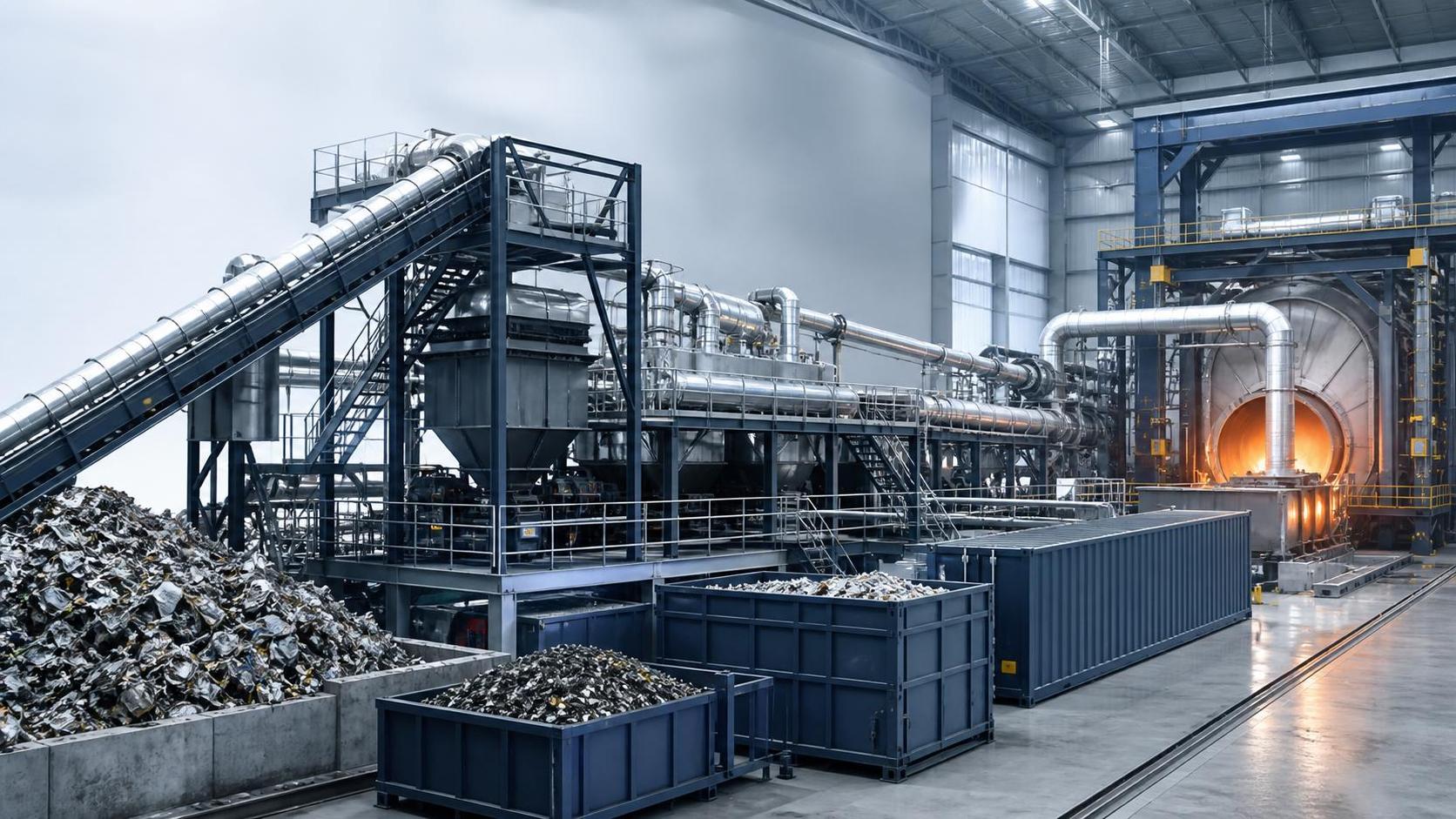
 Ms. Elena RodriguezWhat Drives Waste Recycling Cost in Industrial Projects and How to Estimate It?Waste recycling cost in industrial projects depends on composition, moisture, transport, pre-treatment, and compliance. Learn how to estimate it accurately and compare suppliers with confidence.Aug 24, 2026
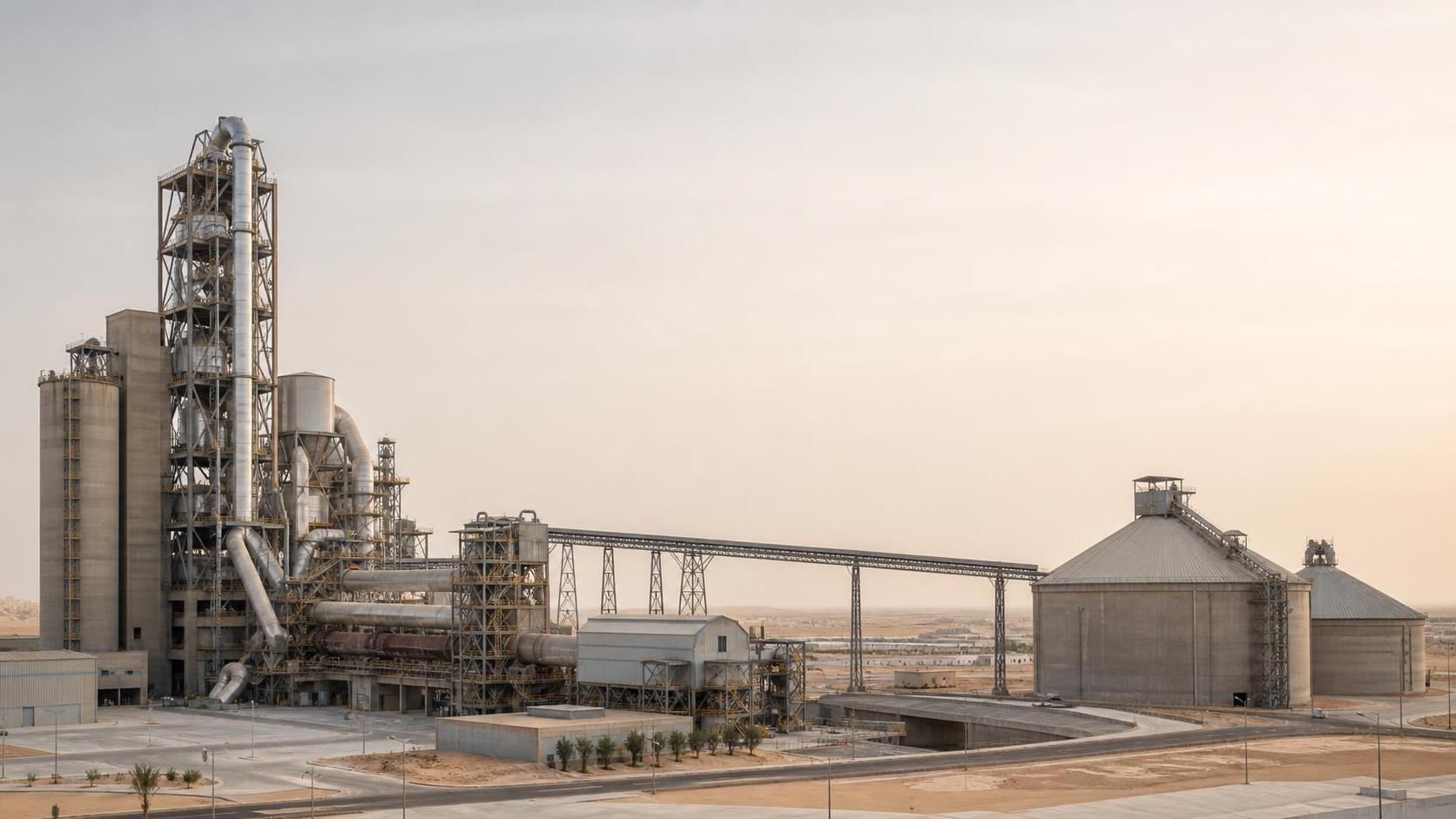
 Silicate Process EngineerHow to Evaluate Cement Production Plants in the Middle East for Capacity, Fuel Flexibility, and ROIcement production plants Middle East: Learn how to assess true capacity, fuel flexibility, and ROI risks to identify resilient assets and smarter investment opportunities.Aug 23, 2026
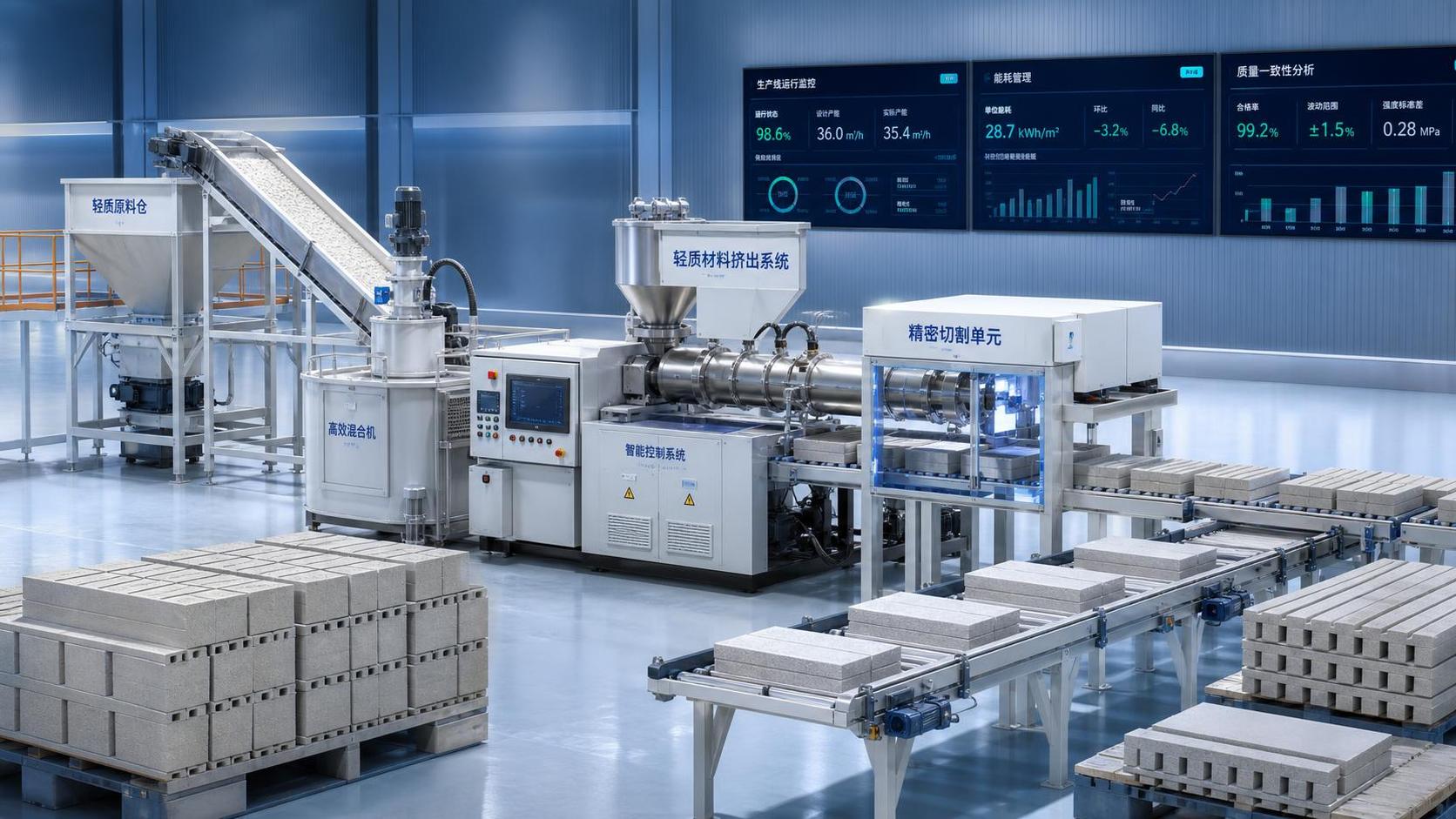
 Structural Material AnalystHow to Evaluate Lightweight Material Machinery for Output, Energy Use, and Product QualityLightweight material machinery evaluation guide: compare stable output, energy use, and product quality to choose equipment that cuts waste, lowers costs, and improves production confidence.Aug 22, 2026
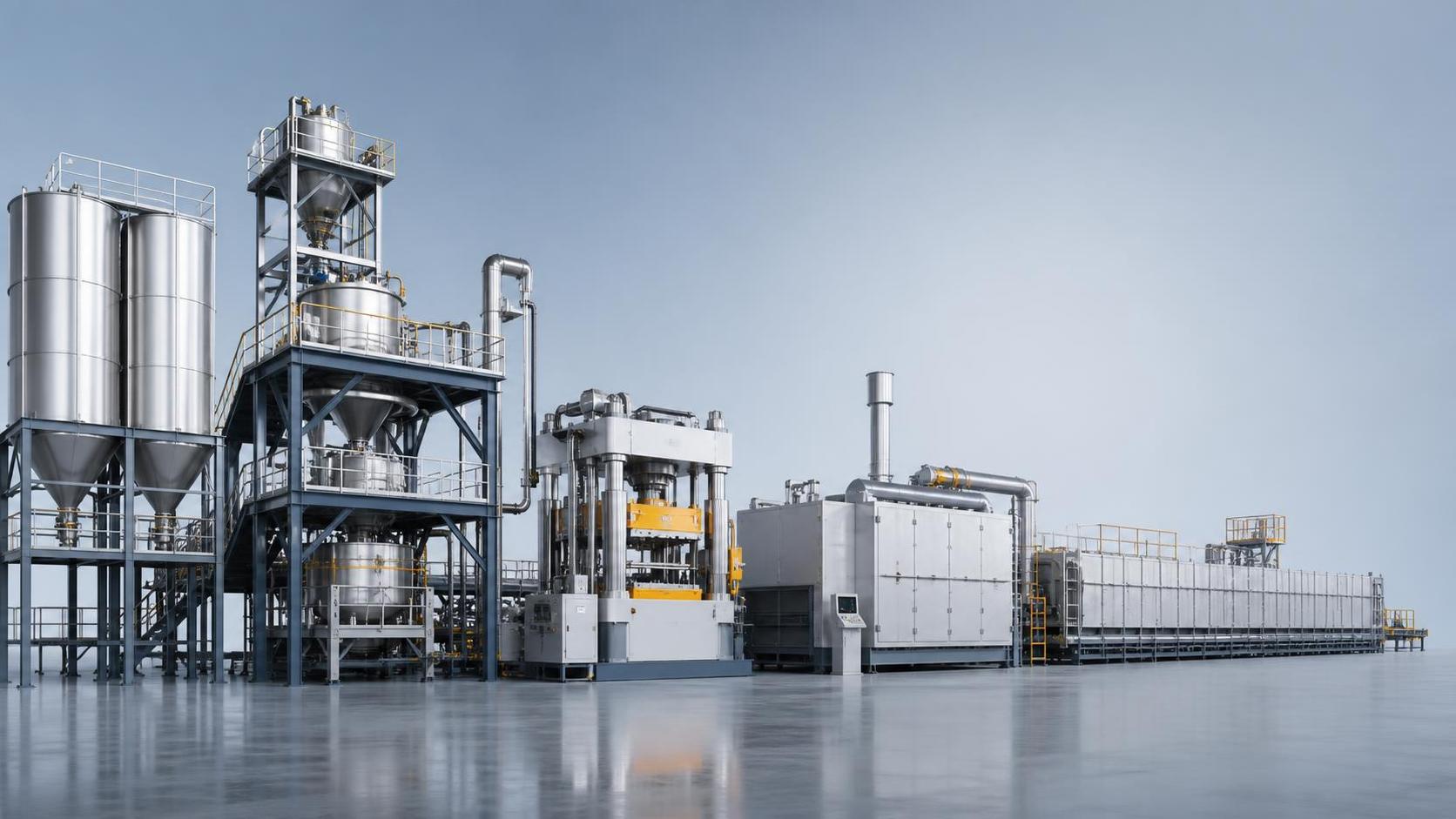
 Material Heat-Resist ExpertWhat Determines Refractory Production Line Price in a Turnkey Plant Project?Refractory production line price depends on raw materials, forming method, kiln and drying design, automation, utilities, and scope. Learn what really drives turnkey plant cost before you invest.Aug 21, 2026

Related News
- 00
0000-00
How to Evaluate a Glass Annealing Equipment Manufacturer for Production Stability - 00
0000-00
European Glass Melting Processes: Furnace Choices, Energy Use, and Quality Control - 00
0000-00
How Glass Melting Furnace Design Impacts Energy Use and Glass Quality - 00
0000-00
How Can Glass Manufacturing Technology Improve Furnace Efficiency and Cut Energy Costs? - 00
0000-00
How to Evaluate Continuous Glass Annealing Equipment for Stable Throughput?
Weekly Insights
Stay ahead with our curated technology reports delivered every Monday.