
How glass industry advancements are changing line efficiency




For technical evaluators, glass industry advancements are no longer isolated equipment upgrades—they are reshaping entire production lines through smarter thermal control, tighter process integration, and data-driven monitoring. From melting stability to annealing precision, these innovations directly influence throughput, energy use, product consistency, and long-term operating risk, making line efficiency a critical benchmark for strategic assessment.
In practical terms, line efficiency in modern glass production is no longer judged only by tons per day. It is now assessed through a wider matrix that includes thermal stability, cullet utilization, defect reduction, campaign life, emissions intensity, maintenance intervals, and digital traceability. For organizations evaluating new lines, retrofits, or equipment partners, understanding how glass industry advancements affect these metrics is essential.
For intelligence-driven platforms such as CF-Elite, the shift is especially significant because float lines, furnace systems, annealing sections, refractory performance, and online monitoring are increasingly interconnected. A gain of 3%–8% in thermal efficiency or a 15% reduction in unplanned stops can materially change plant economics over a 10–15 year asset life. That is why technical evaluation must move from isolated machine review toward whole-line performance analysis.
Why glass industry advancements now define line efficiency
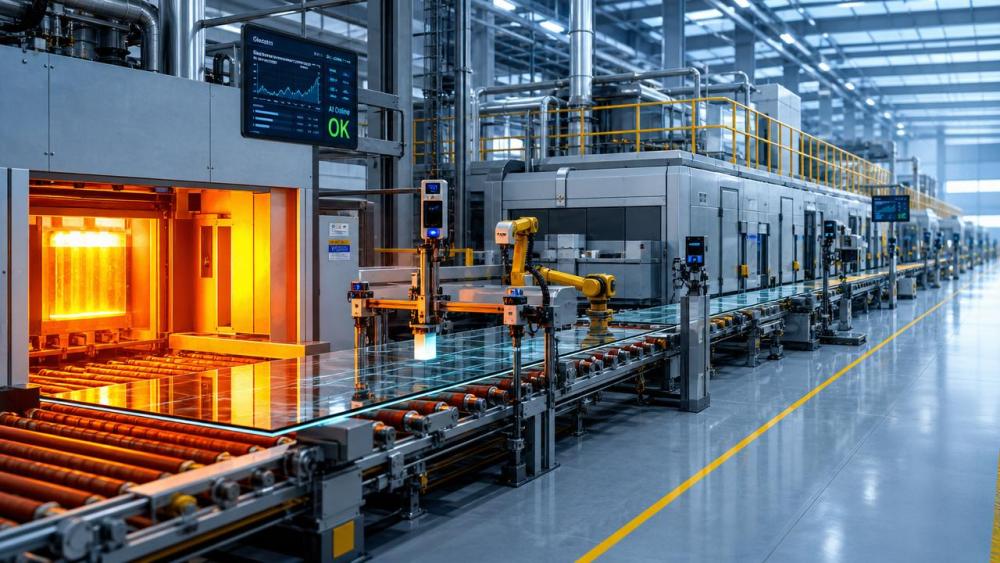
The first major change is that modern glass manufacturing equipment is being designed as a process system rather than a chain of independent units. Furnace combustion, batch charging, forming, annealing, inspection, and cullet return now exchange data in near real time. When one section drifts by only 2%–4%, the effect often propagates across the line, reducing yield or increasing energy intensity.
This is particularly relevant in flat glass, PV glass, container glass, and specialty glass production, where the acceptable process window is becoming narrower. A temperature deviation of 5°C–10°C in a critical zone can influence viscosity, ribbon stability, optical quality, or residual stress. As a result, glass industry advancements are changing not just equipment capability, but the tolerance logic of the entire plant.
From capacity focus to stability focus
Historically, technical buyers often prioritized nameplate output such as 500 TPD, 700 TPD, or 1,000 TPD. Today, evaluators increasingly look at stable output across 24-hour cycles, weekly thermal fluctuation, defect rates per batch, and furnace campaign consistency over 6–12 months. A line that runs at 92% of nominal capacity with low defect variation may outperform one that reaches 100% capacity only under unstable conditions.
This shift has direct implications for procurement. Advanced burners, improved forehearth controls, higher-accuracy sensing, and smarter annealing algorithms should be assessed not only by specification sheets, but by their effect on line continuity, maintenance rhythm, and recovery time after disturbances.
The key efficiency levers evaluators should examine
To make evaluations more consistent, technical teams should connect equipment innovation to specific line-level outcomes. The table below summarizes how common glass industry advancements map to operational efficiency indicators.
The main conclusion is that glass industry advancements should be evaluated through cause-and-effect relationships. The most valuable upgrades are those that improve more than one metric at once, such as energy intensity and defect reduction, or maintenance visibility and campaign stability.
Why this matters for heavy industrial decision-making
In high-temperature industries, a technical issue rarely stays local. A furnace imbalance can shorten refractory life, increase fuel consumption by 2%–6%, and create downstream quality losses before operators fully identify the cause. For this reason, technical evaluators need a systems view that links thermal behavior, material flow, process controls, and environmental performance.
This systems thinking aligns with the way CF-Elite observes foundation materials and thermal management. In the glass segment, the most strategic improvements often come from integrating intelligence across melting, annealing, emissions control, and refractory condition monitoring rather than purchasing one “best” machine in isolation.
The technologies changing production line performance
Not every innovation delivers the same return, and not every line requires a complete rebuild. In many projects, efficiency gains come from 4 core areas: furnace heat management, automation architecture, inline quality control, and material-loop optimization. The strongest technical evaluations compare these areas against product type, furnace age, available utilities, and output targets.
Smarter thermal control in melting and conditioning
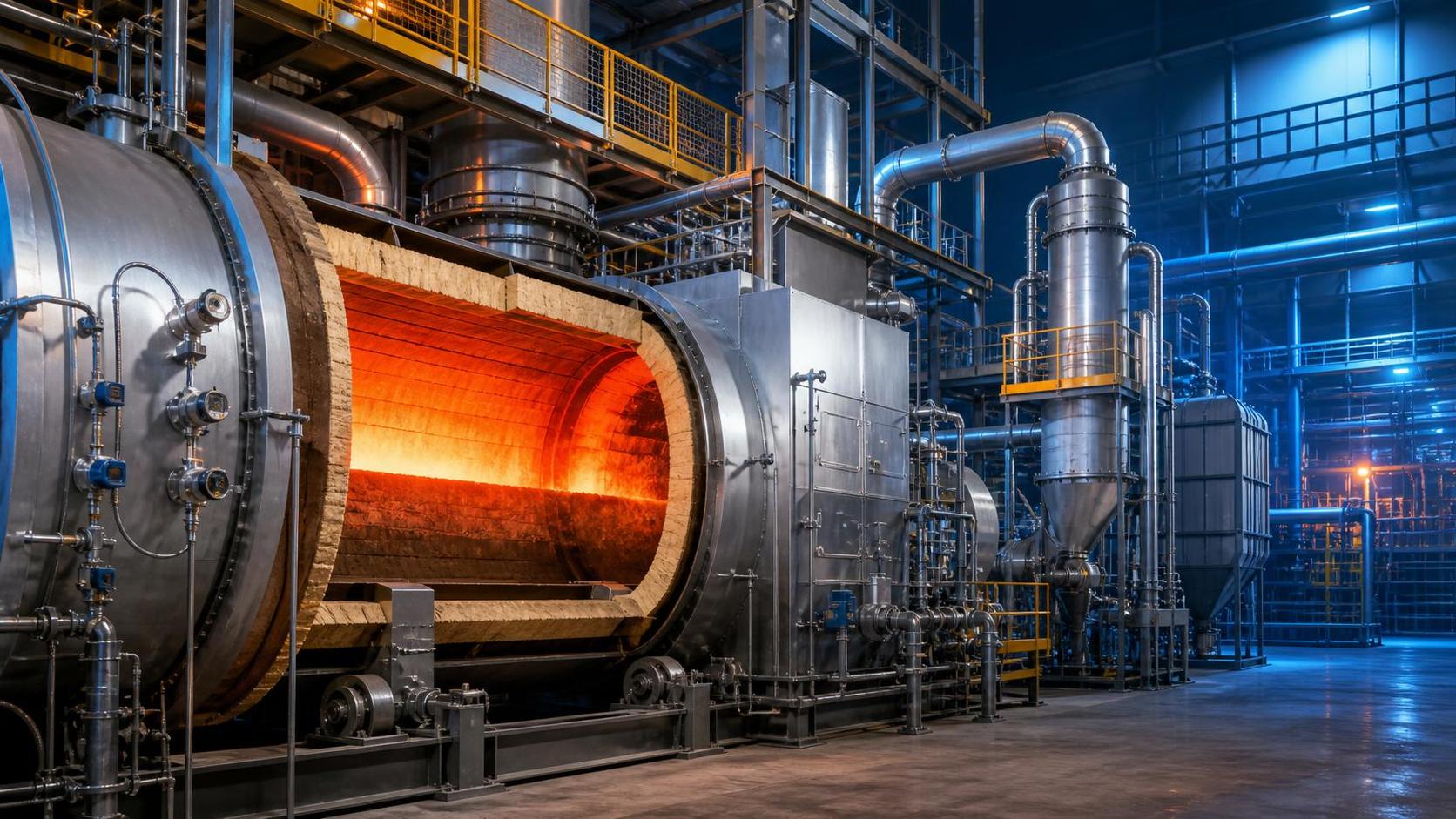
Thermal control remains the center of glass line economics because melting typically accounts for the largest share of energy demand. Better sensor placement, advanced burner logic, and more accurate temperature zoning can reduce thermal oscillation and improve glass homogeneity. In many plants, keeping critical zones within a tighter band of ±3°C to ±5°C supports better forming consistency than broader legacy control ranges.
For evaluators, the key question is not simply whether a supplier offers automation, but how the control system responds to batch variation, cullet ratio changes, fuel quality shifts, or pull-rate adjustments. Recovery time after a process disturbance is a useful indicator. A system that re-stabilizes in 15–30 minutes may provide clear value over one that needs 60 minutes or more.
Digital twins, online monitoring, and predictive maintenance
One of the most important glass industry advancements is the move from reactive supervision to predictive control. Digital twin models and online monitoring platforms help engineers compare expected behavior with live conditions. In practice, that means identifying a drift in forehearth temperature, furnace pressure, or annealing curve before the deviation becomes visible in product quality.
For large production lines, predictive maintenance can shorten diagnosis cycles by 10%–20% and improve maintenance scheduling over 4–8 week windows. This does not eliminate shutdowns, but it makes them more planned and less disruptive. In high-value applications such as solar glass or thin specialty glass, that predictability often matters as much as absolute speed.
Inline inspection and process feedback loops
Inline vision systems, stress detection, thickness measurement, and defect classification are changing the role of quality control. Instead of detecting problems after a large quantity of output has already been produced, plants can now correct process variables in shorter intervals. A feedback loop under 5 minutes is structurally different from one based on hourly manual checks.
Technical evaluators should examine three points: measurement accuracy, feedback speed, and integration with line controls. A precise sensor that is not linked to process action delivers limited value. By contrast, a fully integrated system can reduce scrap accumulation, support traceability, and improve first-pass yield in a measurable way.
Material efficiency, cullet strategy, and emissions pressure
Another driver behind glass industry advancements is the pressure to reduce both energy use and carbon intensity. Increased cullet utilization, when matched with stable chemistry and feeding control, can reduce melting load and lower fuel demand. However, high cullet ratios are not automatically beneficial. Contamination risk, particle size variability, and compositional inconsistency can undermine furnace stability if handling systems are weak.
For this reason, evaluators should treat material-loop upgrades as part of line efficiency, not merely sustainability reporting. In many cases, the relevant technical issue is whether the plant can maintain a target cullet ratio range—such as 20%–40% or higher—without increasing defects, foaming, or refractory stress.
How technical evaluators should assess line upgrade value
A recurring mistake in capital review is comparing technologies only by purchase price or isolated performance claims. Because glass lines operate as long-cycle assets, technical evaluators need a structured framework that balances 5 dimensions: process fit, thermal impact, maintainability, digital transparency, and lifecycle risk.
The table below provides a practical scoring logic for evaluating line efficiency upgrades in glass manufacturing projects.
The strongest upgrade candidates are not always the most complex. In many cases, a moderate retrofit with clear control logic and maintainable hardware outperforms an advanced system that the site cannot operate consistently. Evaluation should therefore include training load, software usability, and spare-part localization, not just technical novelty.
A 4-step review process for line efficiency projects
- Define the line bottleneck: melting, forming, annealing, inspection, or maintenance response.
- Quantify the baseline using 30–90 days of operating data, including downtime, defect ratio, and energy per ton.
- Test supplier proposals against process compatibility, utility needs, refractory implications, and expected stabilization time.
- Set acceptance metrics before purchase, such as recovery time, temperature stability band, or inspection false-alarm rate.
This 4-step method helps prevent a common procurement error: buying a technology because it is widely discussed rather than because it solves the site’s actual efficiency constraint. In heavy industrial glass operations, fit often matters more than feature count.
Common evaluation mistakes
- Using output capacity as the main benchmark while ignoring defect cost and energy intensity.
- Separating refractory assessment from process control review.
- Underestimating integration time, which can range from 2–6 weeks for targeted retrofits and longer for control architecture changes.
- Evaluating digital systems without confirming data quality, alarm logic, or operator adoption.
Implementation risks, service considerations, and long-term strategy
Even the right technology can fail to improve line efficiency if implementation is poorly managed. In glass manufacturing, transition risk is shaped by shutdown timing, refractory condition, control compatibility, and operator readiness. Technical evaluators should therefore review the delivery model with the same rigor they apply to hardware specifications.
What to verify before approving a retrofit or new line package
At minimum, the project team should confirm 6 items: scope boundaries, data interfaces, commissioning sequence, spare-part list, hot-run support, and post-start optimization period. In many projects, the first 7–21 days after commissioning determine whether expected gains become stable operating practice or remain short-term improvements.
Service capability also matters. A supplier may provide strong equipment but weak thermal troubleshooting support. For assets operating continuously at high temperature, delayed diagnosis can turn a minor deviation into a major loss event. This is especially true when furnace wear, crown hot spots, or annealing imbalance develops gradually instead of through a sudden breakdown.
Why strategic intelligence matters in high-temperature industries
The broader value of glass industry advancements becomes clearer when they are viewed through industrial intelligence, not only machinery procurement. Environmental regulation, fuel switching pressure, urban renewal demand, and green building transitions are all reshaping what an “efficient” line means. A technically efficient line in 2020 may require different emissions, monitoring, or energy assumptions by 2025–2030.
That is where a platform such as CF-Elite can support evaluators. By connecting glass manufacturing gear with knowledge from refractory production lines, industrial kiln systems, and thermal management analysis, decision-makers can better judge whether an upgrade supports long campaign life, lower carbon intensity, and sustainable productivity rather than a short-lived performance bump.
FAQ for technical evaluators
Which upgrade usually delivers the fastest efficiency benefit?
In many existing plants, targeted control upgrades, online monitoring, and annealing optimization provide faster returns than full furnace reconstruction. The exact answer depends on whether the site’s main loss comes from energy, breakage, defects, or downtime.
How should efficiency be measured after implementation?
Use a before-and-after review over at least 30 days, and preferably 90 days, tracking energy per ton, stable output rate, defect ratio, downtime hours, and maintenance interventions. Single-day performance is not a reliable decision basis.
Are digital tools enough without thermal hardware improvement?
Usually not. Digital systems improve visibility and response, but they cannot fully compensate for weak burners, poor insulation, degraded refractories, or unstable batch feeding. The best results come from combining data tools with physical process improvements.
Glass industry advancements are changing line efficiency by turning production from a sequence of thermal events into a measurable, adaptive system. For technical evaluators, the most useful perspective is not whether a technology sounds advanced, but whether it improves stability, lowers operating risk, and strengthens lifecycle economics across the full line.
If your team is comparing furnace upgrades, annealing controls, digital monitoring, refractory strategies, or broader glass manufacturing investments, CF-Elite can help frame the decision through process intelligence and high-temperature industry insight. Contact us to discuss your evaluation priorities, request a tailored analysis, or explore more solutions for efficient glass production lines.
Related News
 Optical Glass Tech FellowHow to Evaluate a Glass Annealing Equipment Manufacturer for Production StabilityChoose a glass annealing equipment manufacturer with proven thermal uniformity, reliable controls, lifecycle value, and responsive service for stable production.Sep 08, 2026
 Prof. Marcus ChenThermal Energy Architecture in North America: Strategies for Lower Building Energy UseThermal energy architecture North America helps project leaders cut building energy use through stronger envelopes, right-sized HVAC, storage, and smart commissioning.Sep 07, 2026
 Ms. Elena RodriguezHow Should Buyers Evaluate Building Material Industry Intelligence Pricing?Building material industry intelligence pricing: learn how to compare coverage, technical depth, and ROI to choose intelligence that reduces procurement risk.Sep 07, 2026
 Ms. Elena RodriguezHow to Use Building Material Intelligence Data for Market and Investment DecisionsBuilding material industry intelligence data helps leaders evaluate demand, costs, regulation, capacity, and technology to make smarter market and investment decisions.Sep 05, 2026
 Thermal Energy ArchitectHow PLC Control Improves Energy Efficiency and Temperature Stability in KilnsEnergy efficient kilns PLC control improves temperature stability, cuts fuel waste, and optimizes combustion, draft, and material flow. Explore proven strategies for smarter kiln modernization.Sep 04, 2026
 Optical Glass Tech FellowEuropean Glass Melting Processes: Furnace Choices, Energy Use, and Quality ControlGlass melting process Europe: explore furnace choices, energy efficiency, cullet strategy, and quality control to improve output, compliance, and long-term glass performance.Sep 03, 2026
 Thermal Energy ArchitectWhat Determines Refractory Lining Monitoring Price for Industrial Kilns?Refractory lining monitoring price depends on kiln size, sensor technology, installation, software, and support. Compare total lifecycle costs and choose the right solution.Sep 02, 2026
 Silicate Process EngineerCement Production System Costs: A Plant Buyer’s Guide to Budgeting and ROICement production systems cost planning made clear: compare CAPEX, operating costs, compliance, and ROI to build a resilient, profitable cement plant investment.Sep 01, 2026
 Dr. Alistair VaughnWhat Should a Process Technology Database Track for High-Temperature Plants?Process technology database essentials for high-temperature plants: track thermal profiles, feed chemistry, refractory wear, emissions, energy, and maintenance for safer, data-driven decisions.Aug 31, 2026
 Ms. Elena RodriguezHow to Evaluate a Silicate Processing Equipment Manufacturer for Plant ProjectsSilicate processing equipment manufacturer selection: assess process fit, guarantees, energy, compliance, delivery risk, and lifecycle support for dependable plant performance.Aug 30, 2026
 Dr. Alistair VaughnHow to Specify Custom Agricultural Processing Equipment for Throughput and HygieneEquipment customization services for agricultural processing: learn to specify hygienic, high-throughput lines that improve yield, reliability, and long-term efficiency.Aug 29, 2026
 Dr. Alistair VaughnHow to Select Process Plant Equipment for High-Temperature, Abrasive Production LinesProcess plant equipment selection for high-temperature, abrasive lines: reduce downtime, improve durability, and optimize lifecycle performance.Aug 28, 2026
 Silicate Process EngineerHow Kiln Heat Recovery Systems Cut Fuel Use in Cement and Lime ProductionKiln heat recovery helps cement and lime plants cut fuel use, improve thermal stability, and build practical, reliable decarbonization strategies.Aug 27, 2026
 Ms. Elena RodriguezProcess Equipment Comparison: Which Metrics Matter Most for Reliable Selection?Process equipment comparison made practical: discover which metrics truly drive reliable selection, from energy efficiency and control stability to wear life, maintainability, and uptime.Aug 26, 2026
 Ms. Elena RodriguezWhat Buyers Should Check Before Sourcing Precision Alloy Bars for Critical PartsPrecision Alloy Bars buyers should verify grade, chemistry, tolerances, surface quality, traceability, and lead time before sourcing for critical parts. Learn what prevents costly machining and reliability risks.Aug 27, 2026
 Ms. Elena RodriguezHow to Evaluate Thermal Management Solutions Insulation for High-Heat Industrial SystemsThermal management solutions insulation: learn how to assess high-heat industrial systems by thermal performance, durability, lifecycle cost, and supplier data for smarter decisions.Aug 25, 2026
 Ms. Elena RodriguezWhat Drives Waste Recycling Cost in Industrial Projects and How to Estimate It?Waste recycling cost in industrial projects depends on composition, moisture, transport, pre-treatment, and compliance. Learn how to estimate it accurately and compare suppliers with confidence.Aug 24, 2026
 Silicate Process EngineerHow to Evaluate Cement Production Plants in the Middle East for Capacity, Fuel Flexibility, and ROIcement production plants Middle East: Learn how to assess true capacity, fuel flexibility, and ROI risks to identify resilient assets and smarter investment opportunities.Aug 23, 2026
 Structural Material AnalystHow to Evaluate Lightweight Material Machinery for Output, Energy Use, and Product QualityLightweight material machinery evaluation guide: compare stable output, energy use, and product quality to choose equipment that cuts waste, lowers costs, and improves production confidence.Aug 22, 2026
 Material Heat-Resist ExpertWhat Determines Refractory Production Line Price in a Turnkey Plant Project?Refractory production line price depends on raw materials, forming method, kiln and drying design, automation, utilities, and scope. Learn what really drives turnkey plant cost before you invest.Aug 21, 2026




Related News
- 00
0000-00
How to Evaluate a Glass Annealing Equipment Manufacturer for Production Stability - 00
0000-00
European Glass Melting Processes: Furnace Choices, Energy Use, and Quality Control - 00
0000-00
How Glass Melting Furnace Design Impacts Energy Use and Glass Quality - 00
0000-00
How Can Glass Manufacturing Technology Improve Furnace Efficiency and Cut Energy Costs? - 00
0000-00
How to Evaluate Continuous Glass Annealing Equipment for Stable Throughput?
Weekly Insights
Stay ahead with our curated technology reports delivered every Monday.