
Industrial Waste Recycling Methods: How to Match Processes to Different Waste Streams




Industrial Waste Recycling Methods: How to Match Processes to Different Waste Streams
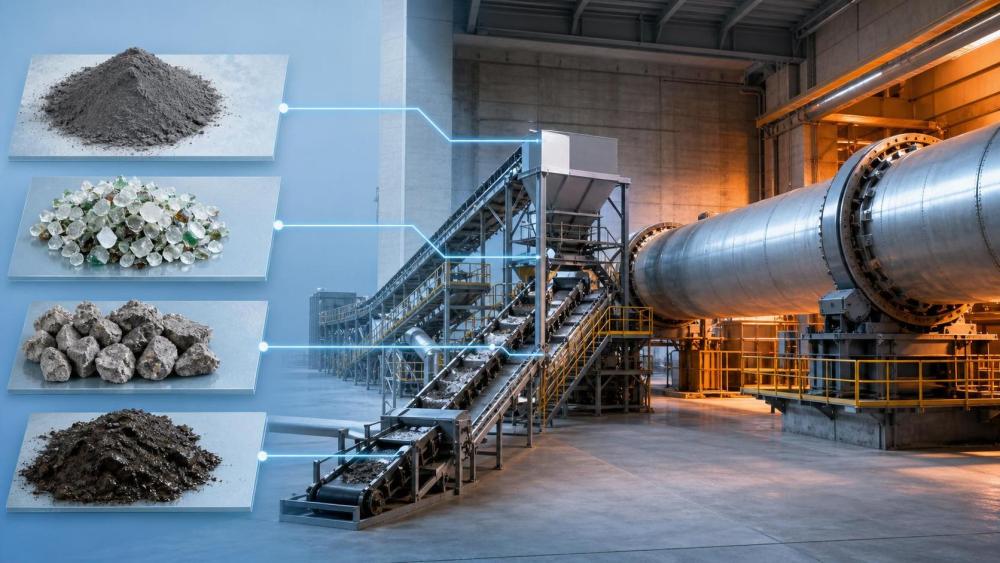
Choosing the right industrial waste recycling route is not only an environmental move.
It shapes energy recovery, permit exposure, operating cost, and delivery risk across the full project lifecycle.
That is why industrial waste recycling needs a process match, not a one-size-fits-all answer.
In practice, waste streams behave very differently under storage, transport, thermal treatment, and material recovery conditions.
A sludge with high moisture needs a different path than spent refractories, fly ash, solvent residue, or off-spec glass cullet.
For heavy industry, the best industrial waste recycling strategy starts with process intelligence.
This is where CF-Elite’s focus becomes relevant.
Its expertise spans silicate production lines, industrial incineration, refractory systems, and material extrusion under high-temperature operating conditions.
That perspective helps connect waste chemistry, thermal behavior, and carbon reduction goals into workable project choices.
Start with Waste Characterization, Not Equipment Preference
A common mistake in industrial waste recycling is choosing equipment before defining the waste stream.
That usually creates rework, poor throughput, and unstable compliance performance.
A stronger route begins with five core questions.
- What is the physical form: solid, slurry, powder, liquid, or mixed?
- What is the calorific value and moisture level?
- Which hazardous components require control or destruction?
- Can mineral, metal, or thermal value be recovered downstream?
- What transport, storage, and feeding constraints will affect operations?
Once these data points are clear, industrial waste recycling becomes a matching exercise between waste behavior and process capability.
This also reduces project uncertainty during design review and supplier selection.
Key Properties That Drive Process Choice
- Particle size affects sorting, feeding, and combustion stability.
- Moisture content changes drying demand and net energy recovery.
- Chlorine, sulfur, and heavy metals shape flue gas treatment needs.
- Silica, alumina, and calcium content influence reuse in cement or ceramics.
- Volatility and reactivity determine safety controls during handling.
Match Industrial Waste Recycling Methods to Typical Waste Streams
Different waste streams call for different industrial waste recycling methods.
The practical goal is to recover value while keeping treatment stable and compliant.
High-Calorific Waste
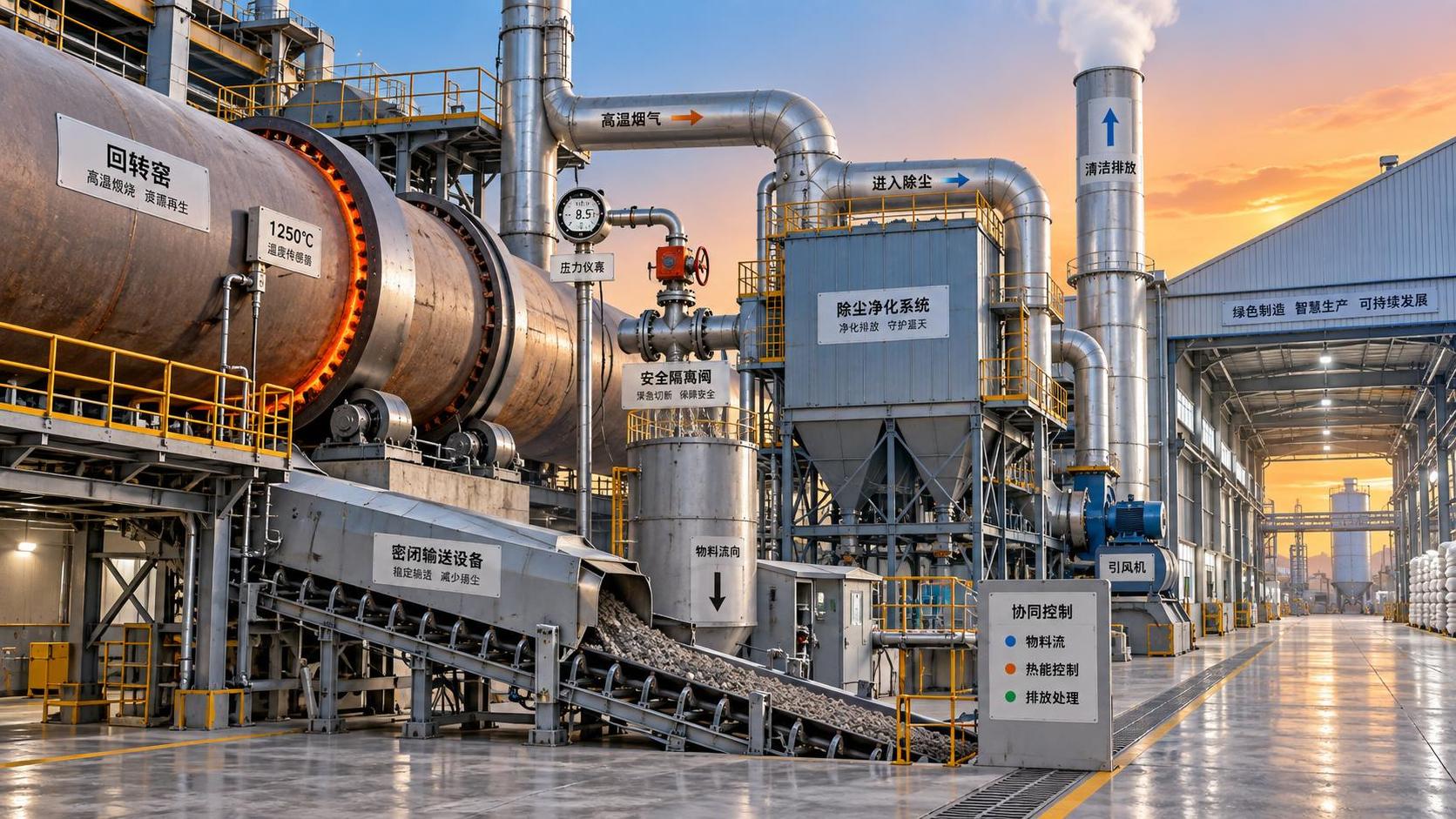
Solvent residues, contaminated packaging, and some process rejects are often better suited to energy recovery.
Industrial waste recycling in this case focuses on replacing fossil fuel demand.
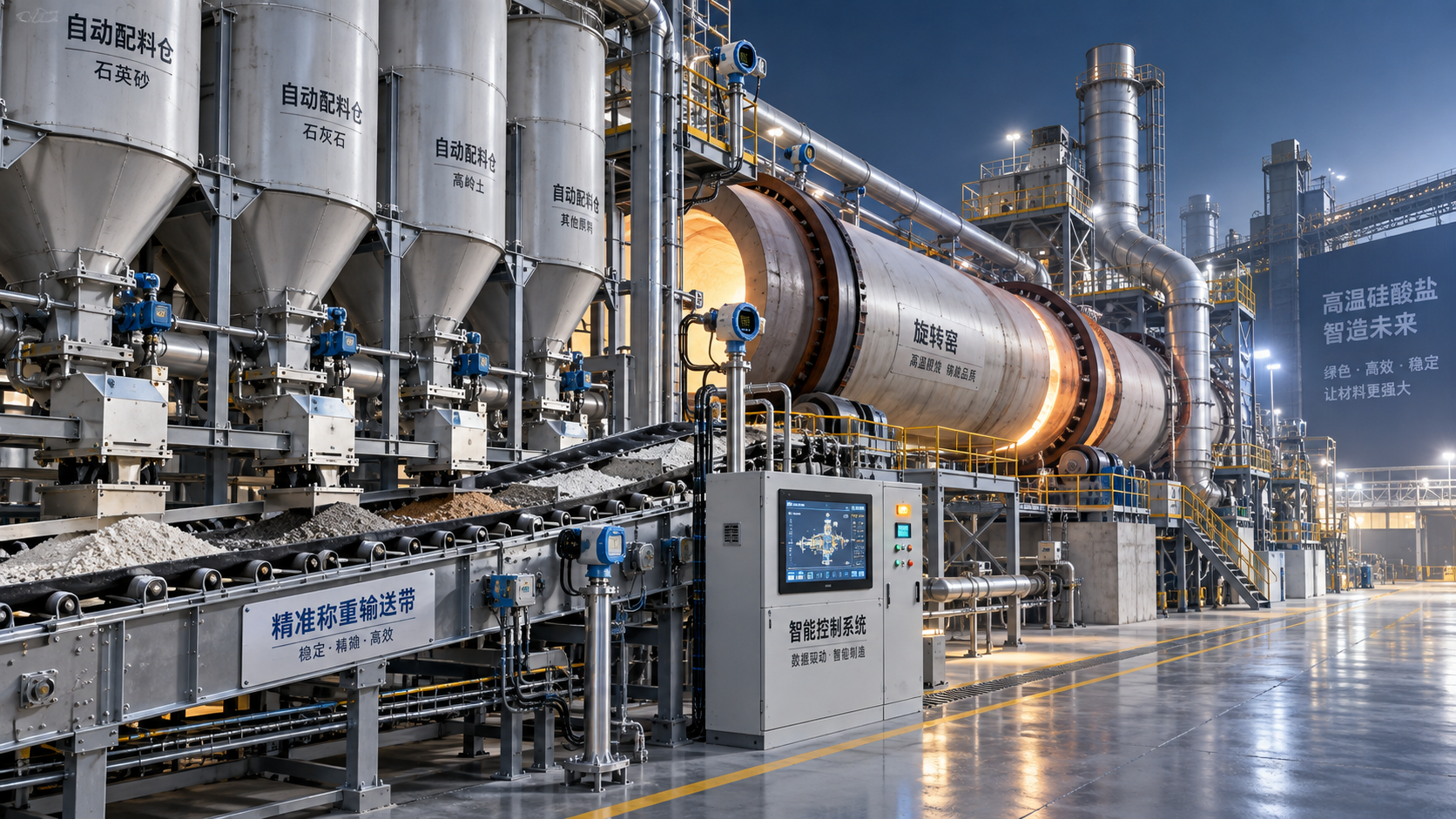
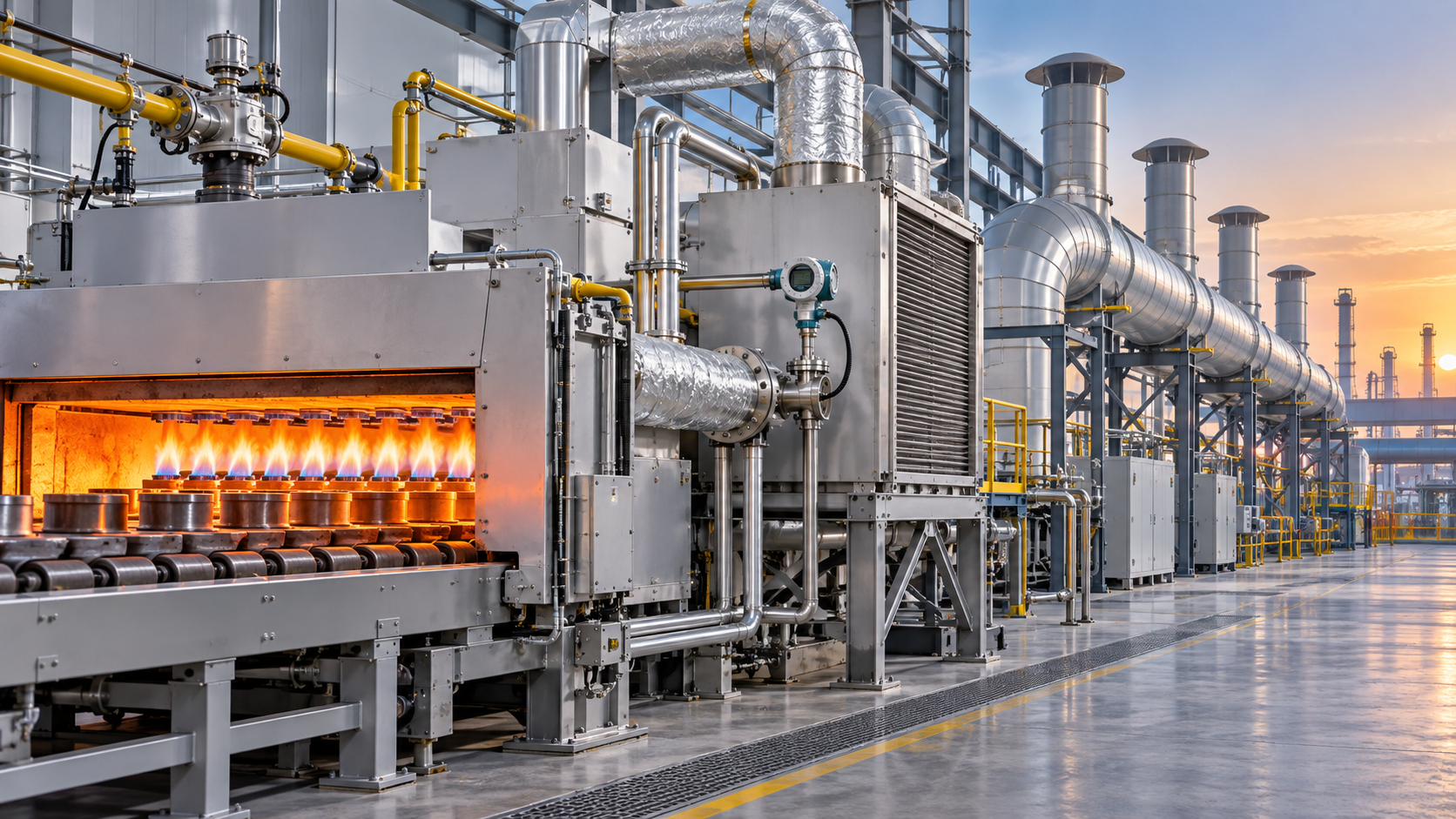
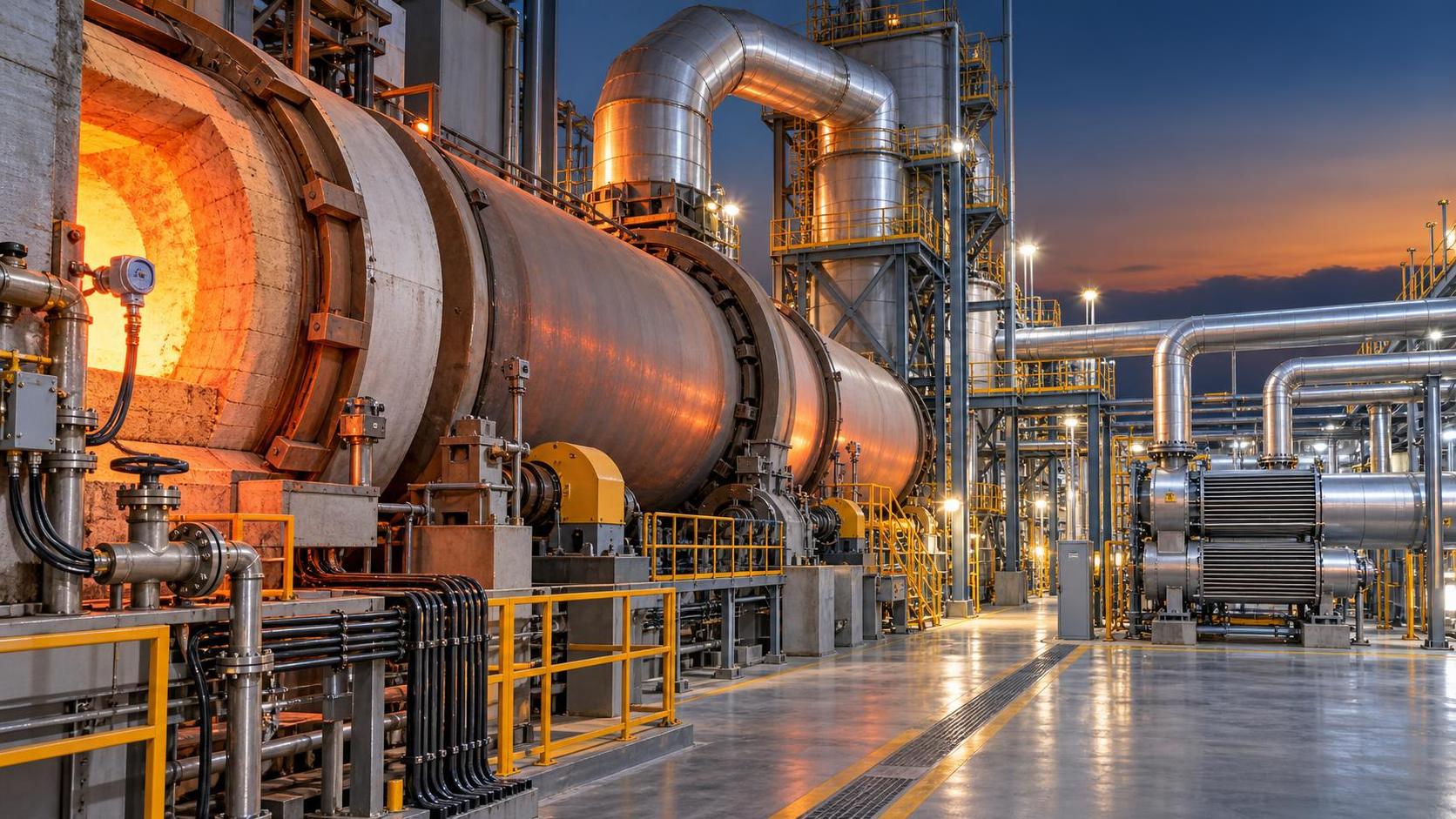
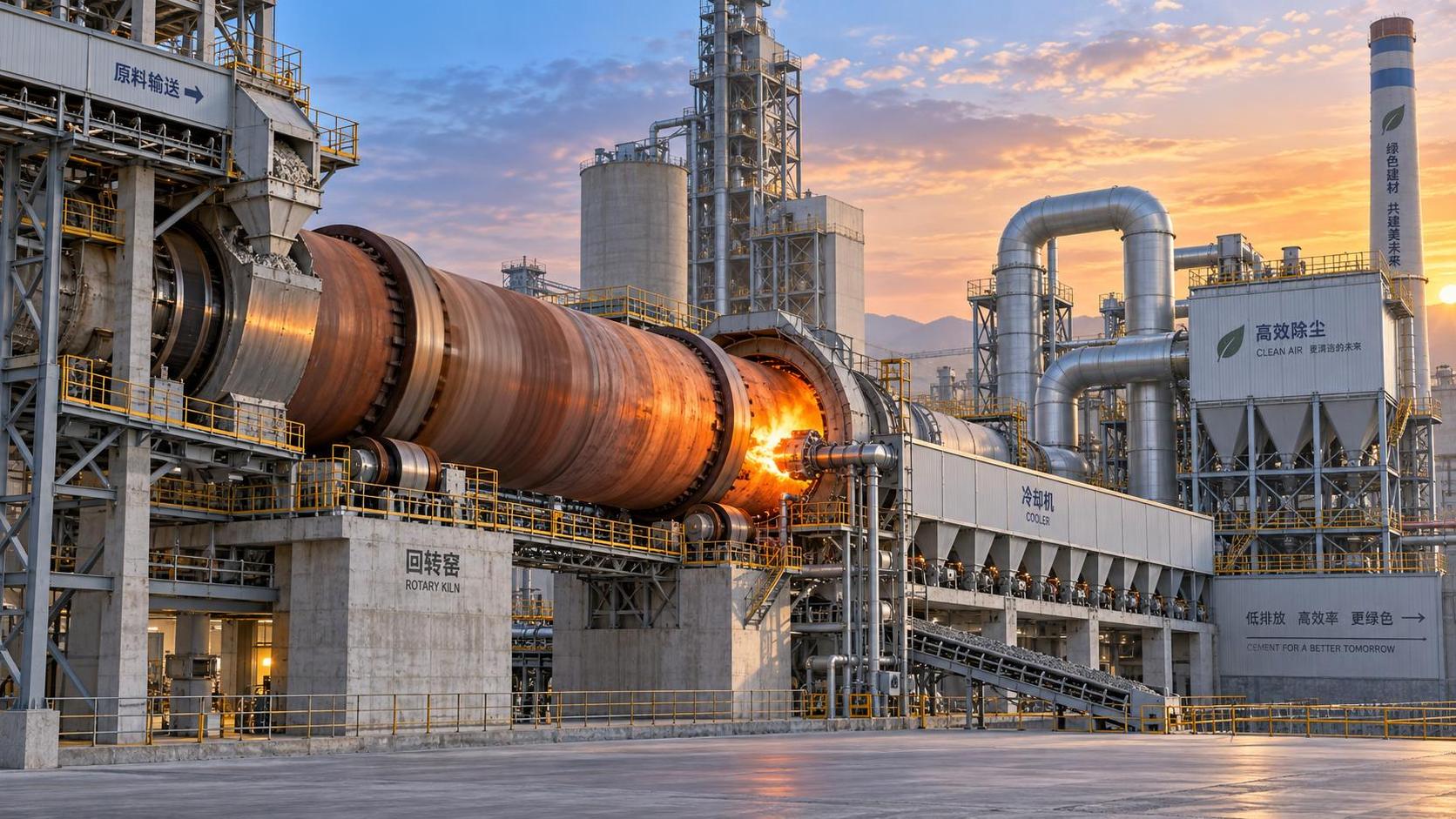
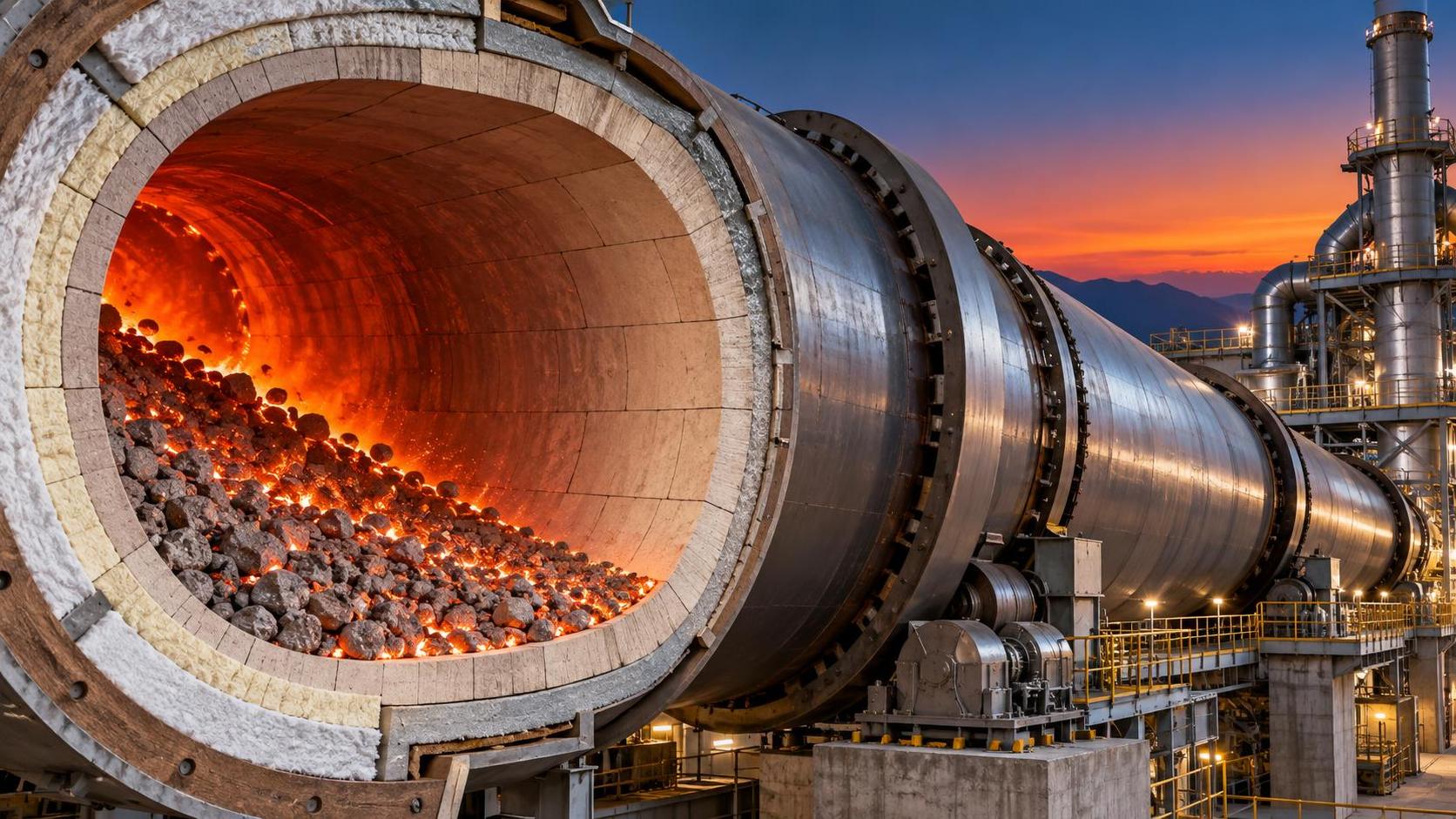
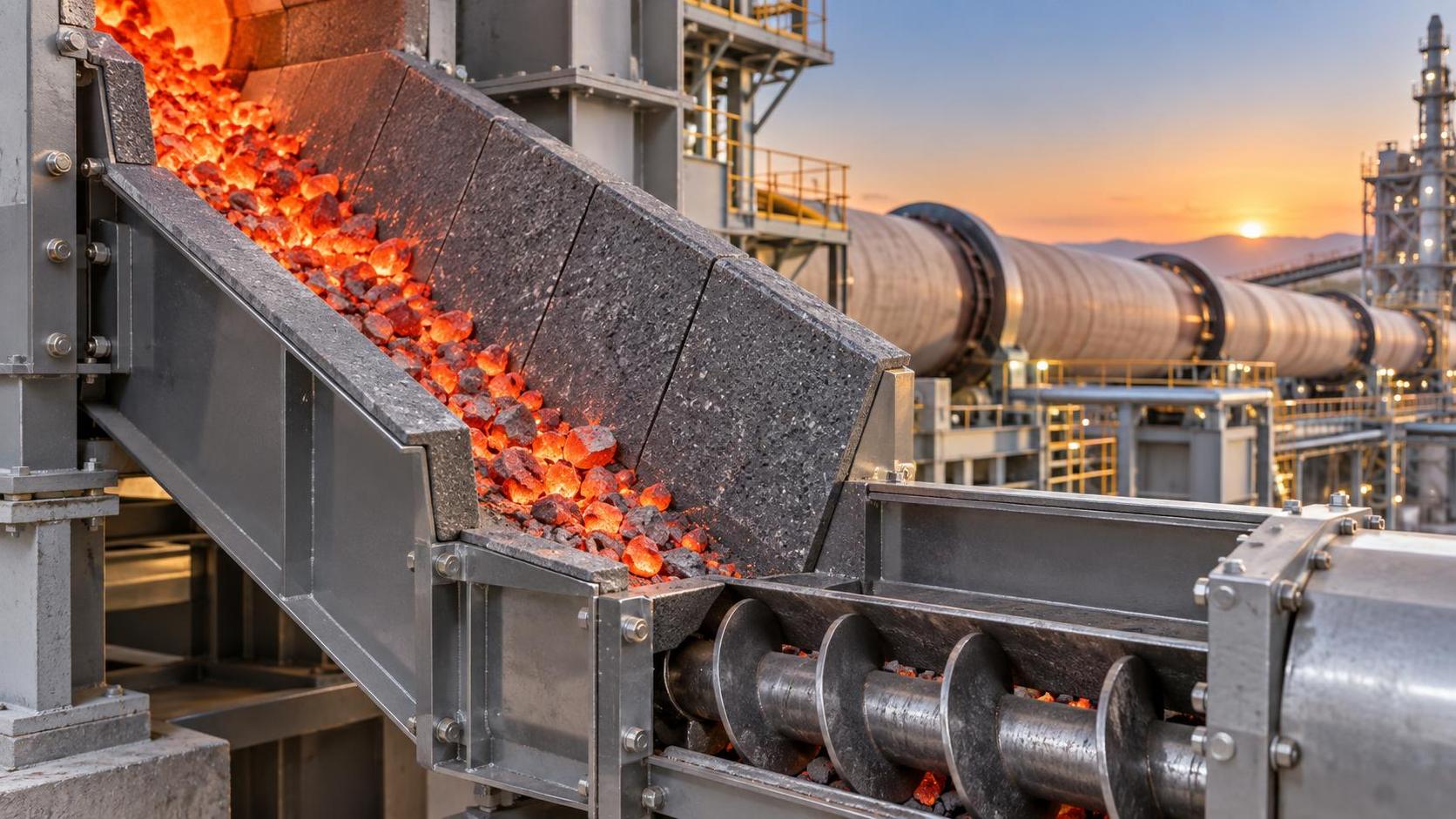
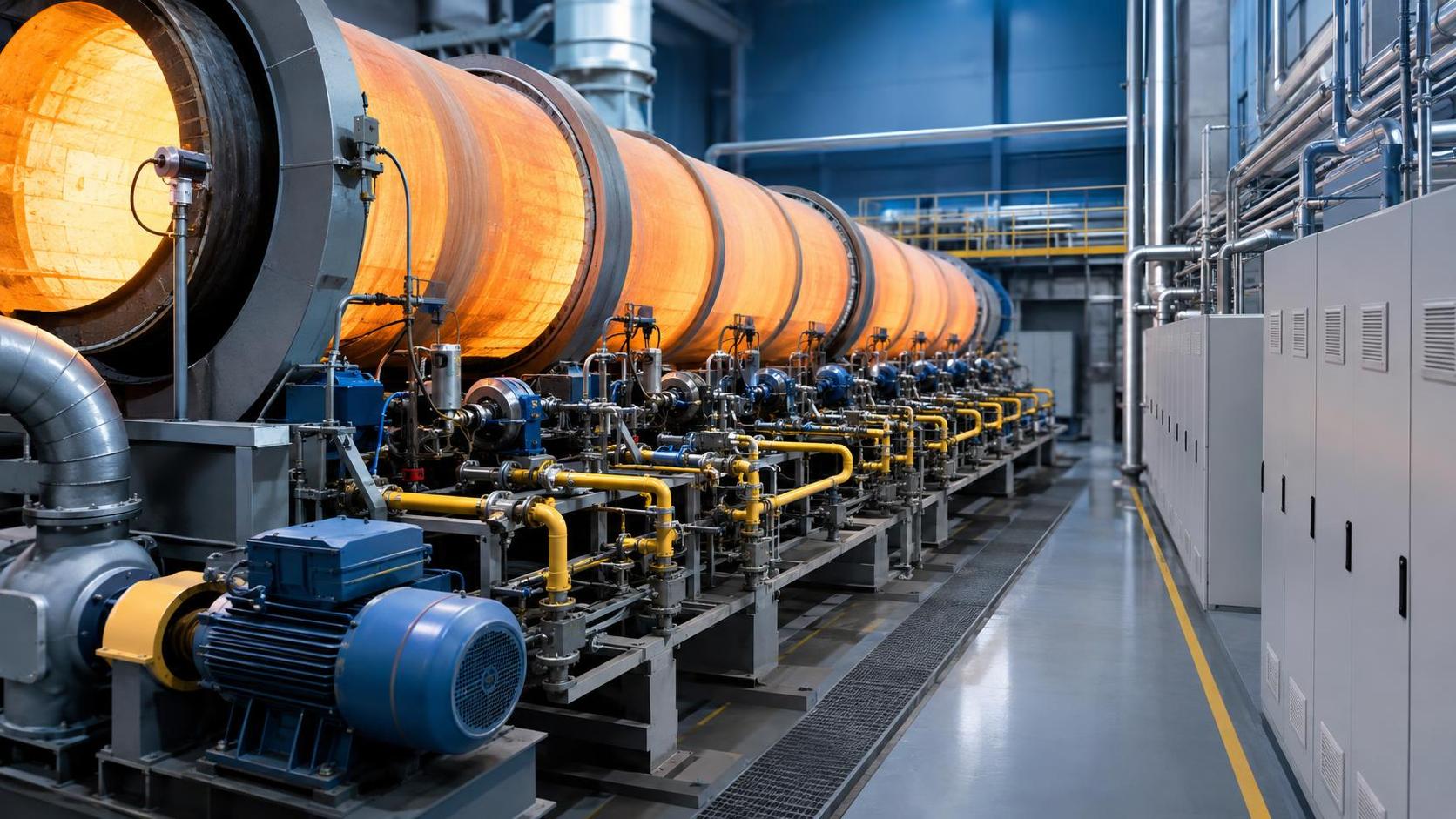
Rotary kilns can be especially effective when ash becomes part of the clinker matrix.
That reduces secondary residue and improves circularity.
Mineral-Rich Waste
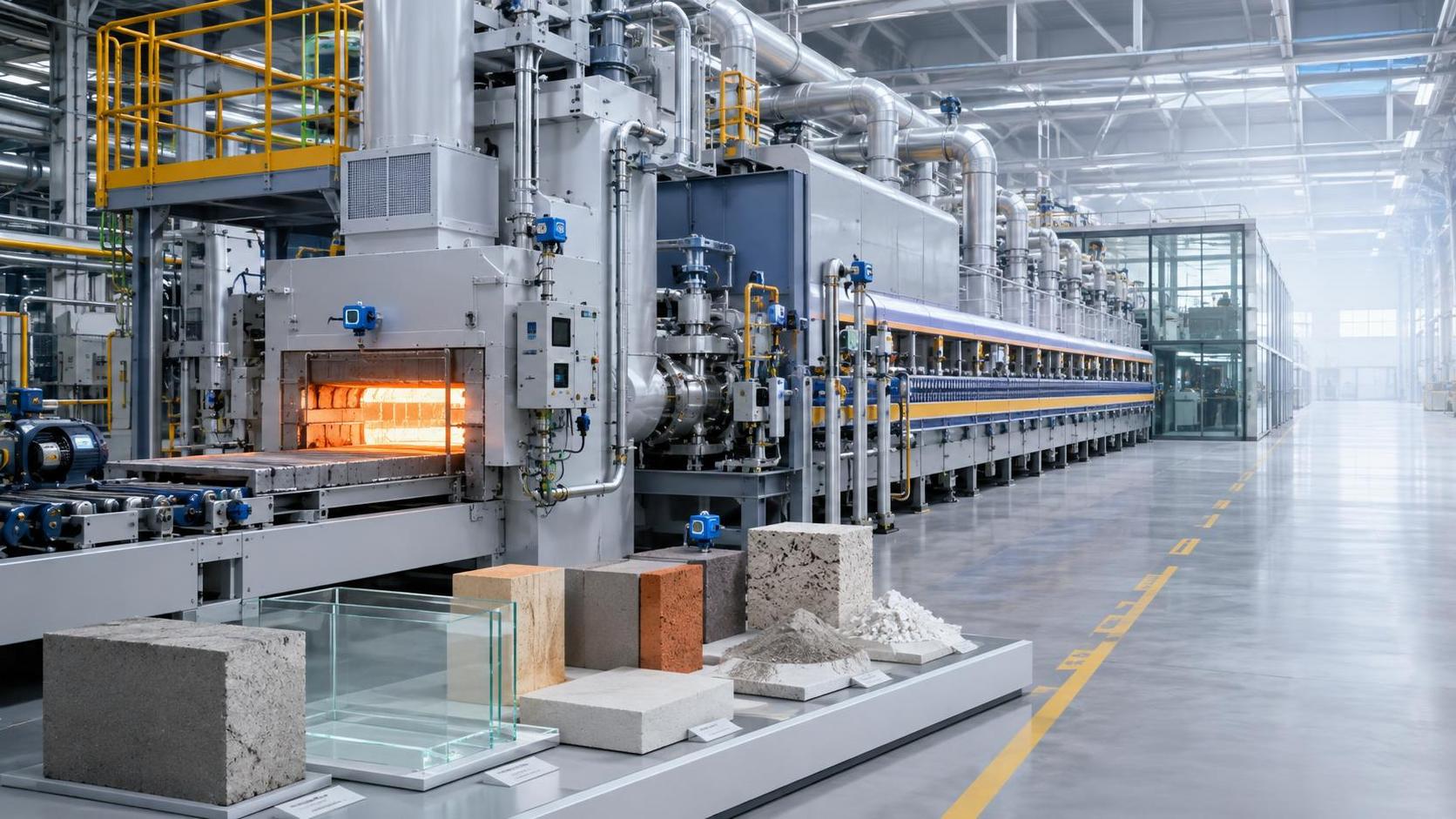
Ashes, dusts, and silicate-rich fines may fit cement, brick, or engineered fill applications.
Here, industrial waste recycling depends on mineral compatibility, stable chemistry, and leaching performance.
The closer the waste is to the host material recipe, the more attractive the route becomes.
Reusable Process Materials
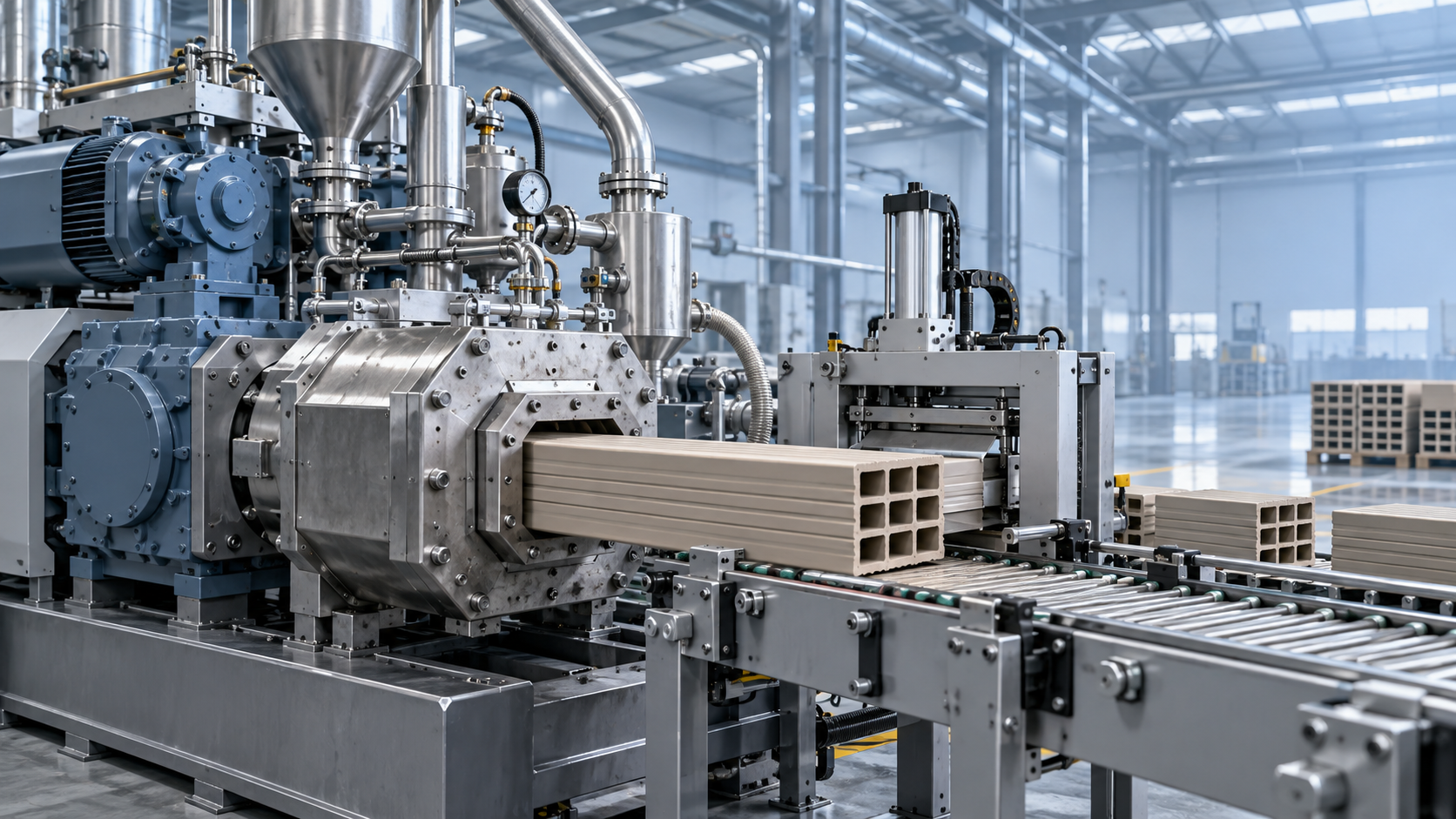
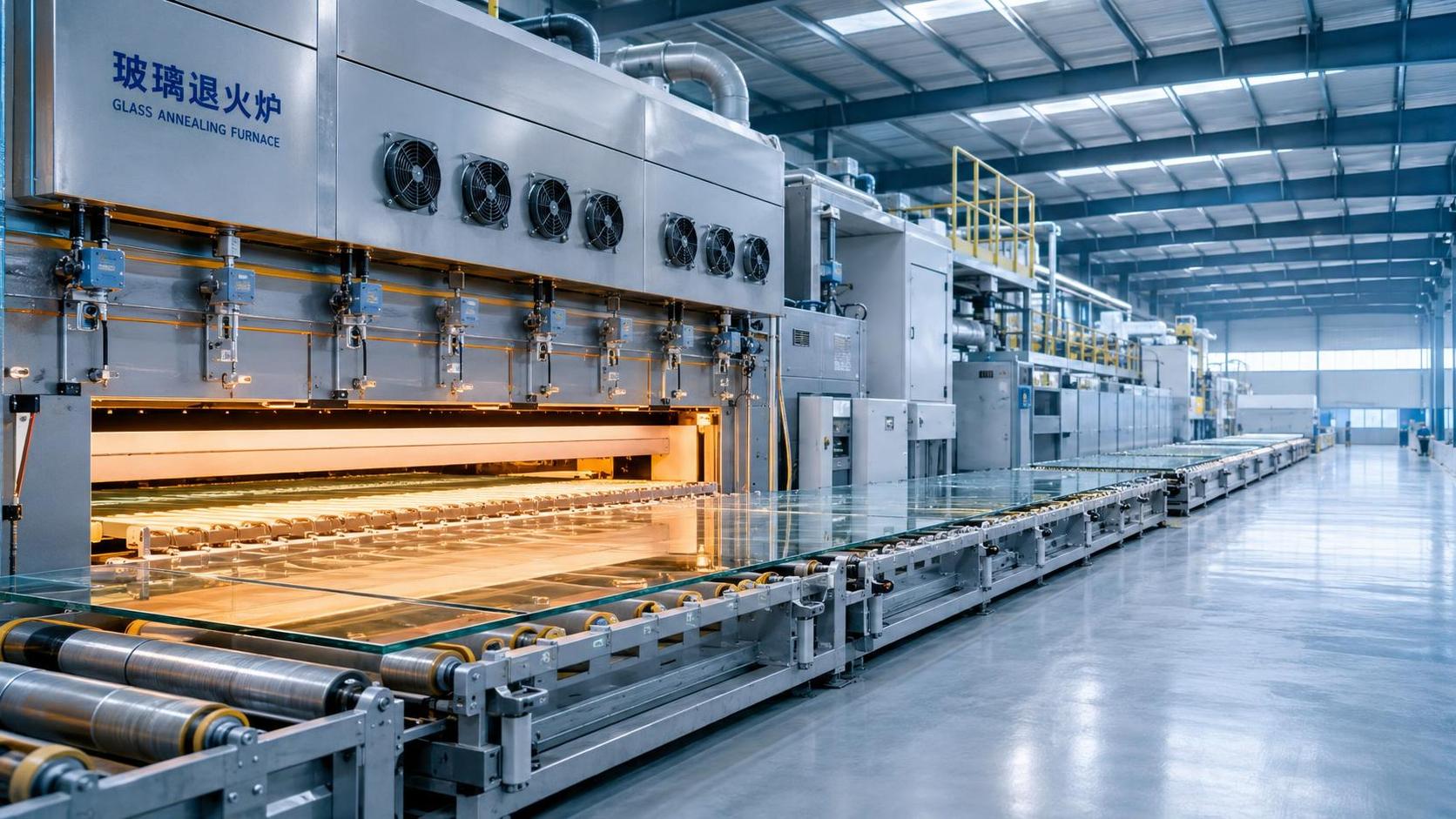
Glass cullet, spent refractories, and off-spec extruded materials can often return to production after sorting and conditioning.
This form of industrial waste recycling usually delivers strong value because it preserves material function.
It also lowers raw material purchases and disposal fees at the same time.
Use a Decision Framework Before Locking the Process Route
From recent market shifts, the clearer signal is this: recycling projects fail more often in integration than in technology selection.
That means industrial waste recycling should be reviewed through an operating framework, not only a vendor brochure.
- Define the target outcome first: disposal reduction, energy substitution, material reuse, or carbon savings.
- Segment waste by behavior, not by department name or contract category.
- Screen technical fit using lab data, pilot runs, and feed variability ranges.
- Check permit limits, flue gas controls, residue handling, and worker safety requirements.
- Model operating cost, downtime risk, and recovery value under realistic load scenarios.
- Confirm offtake or internal reuse demand before full-scale implementation.
This sequence keeps industrial waste recycling tied to business performance, not only environmental targets.
Why Thermal Industries Need a Tighter Match
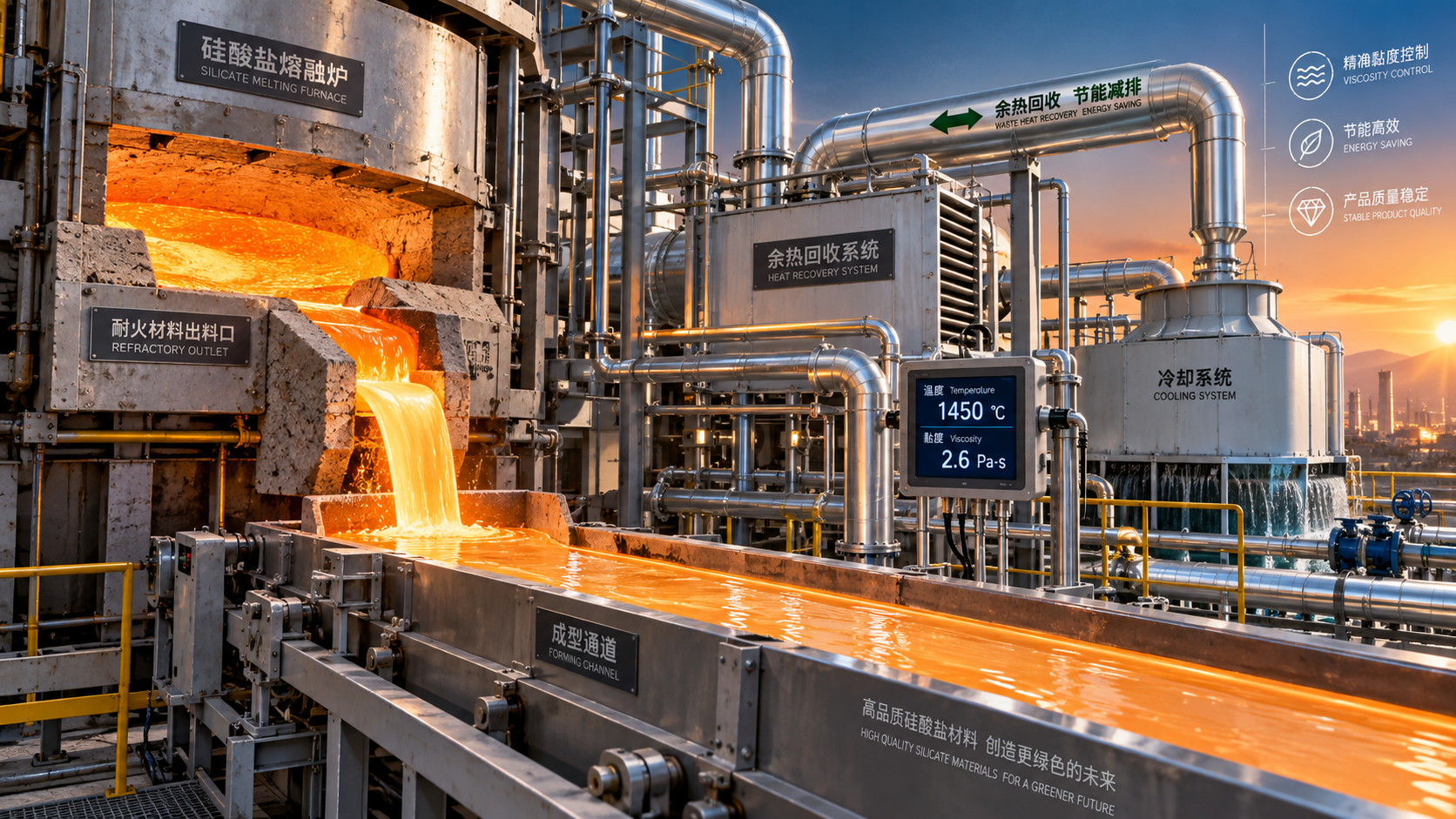
In kilns, furnaces, and incineration systems, a small change in waste composition can trigger a larger process response.
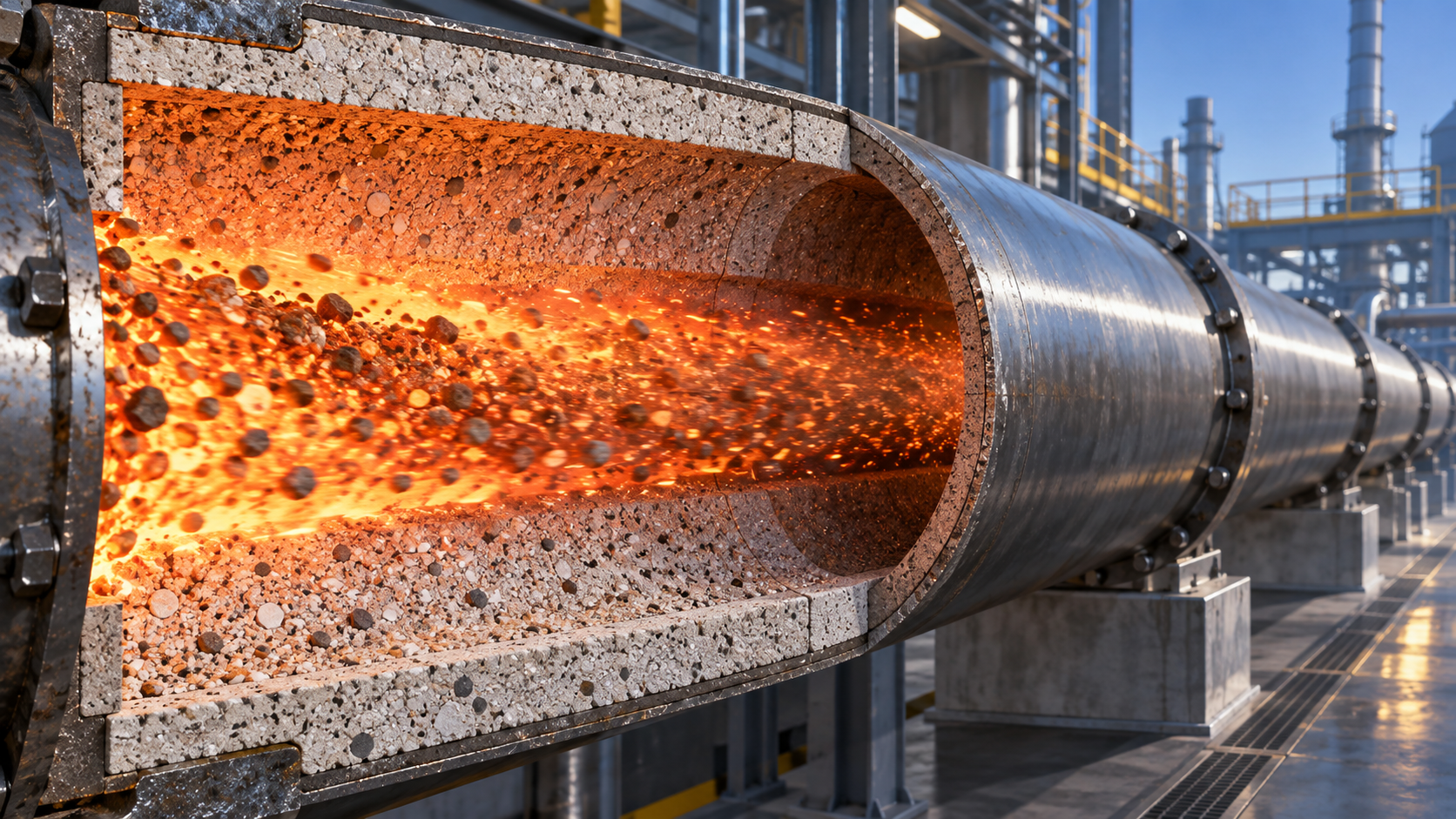
Flame stability, coating formation, refractory wear, and emissions can all shift quickly.
That is why industrial waste recycling in high-temperature plants must link waste selection with thermal balance and lining life.
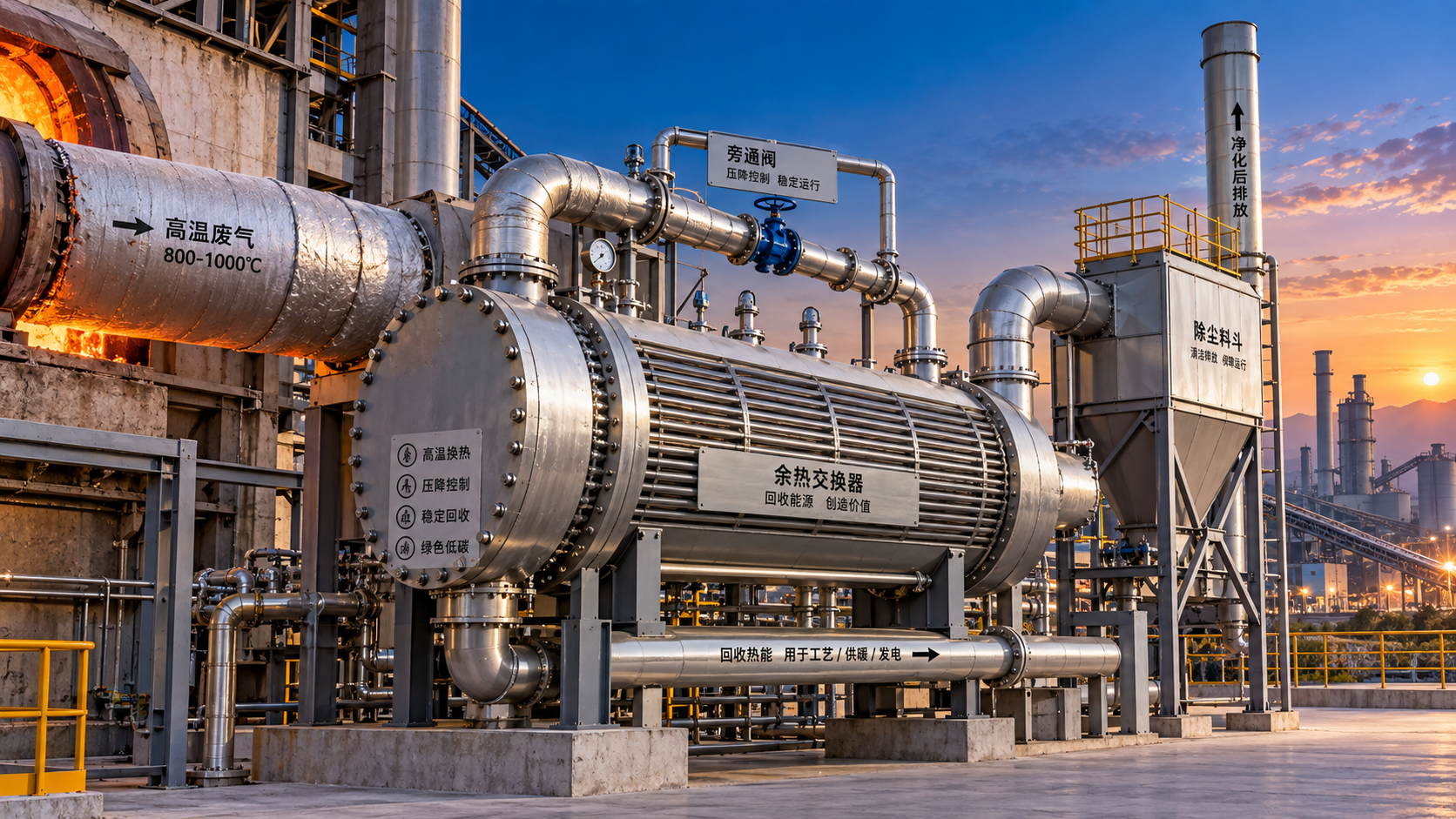
CF-Elite’s intelligence model is useful here because it connects process kinetics with equipment durability and carbon strategy.
Control the Main Risks in Industrial Waste Recycling Projects
Even a technically sound route can underperform if key risks are ignored early.
In actual operations, the following issues show up again and again.
- Variable feedstock causes unstable throughput and inconsistent product quality.
- Hidden contaminants increase corrosion, refractory attack, or emission treatment cost.
- Moisture swings reduce net calorific value and overload dryers or burners.
- Poor storage design creates fire, odor, dust, and runoff problems.
- Weak offtake planning leaves recovered material without a reliable market.
A more resilient industrial waste recycling project uses incoming inspection, blending control, and clear acceptance windows.
Digital monitoring also helps.
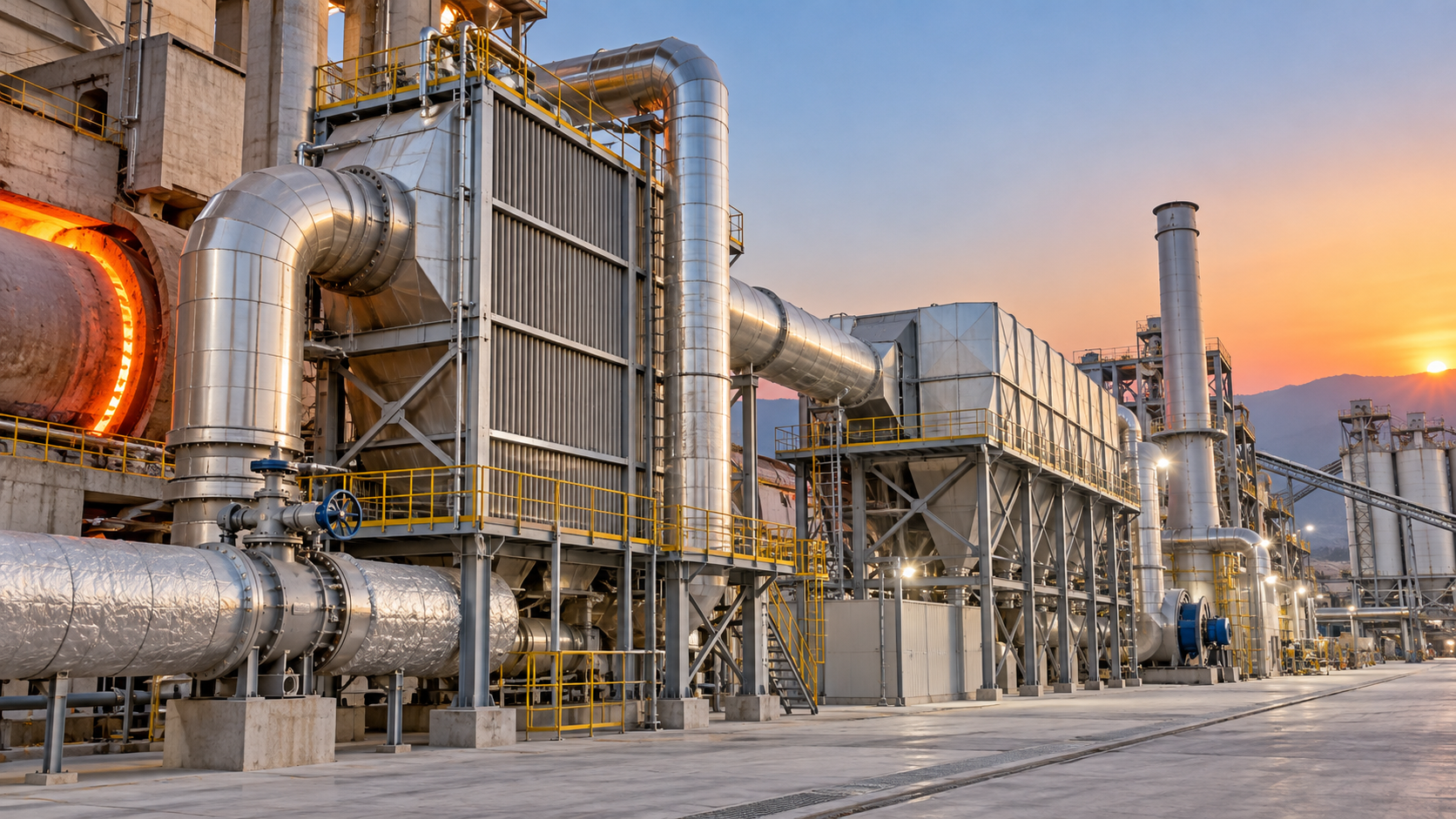
Online temperature, gas composition, and feed-rate tracking make deviations visible before they become losses.
A Practical Screening Checklist
- Collect representative samples across different production periods.
- Test both average values and worst-case contamination levels.
- Review how the waste behaves during storage and pre-treatment.
- Check compatibility with existing burners, feeders, and gas cleaning units.
- Calculate total value, including avoided fuel, avoided landfill, and recovered product revenue.
Build a More Effective Industrial Waste Recycling Roadmap
The strongest industrial waste recycling plans are phased, measurable, and aligned with plant reality.
They do not begin with a broad promise.
They begin with one verified stream, one stable route, and one clear value case.
From there, the model can expand to mixed residues, cross-plant coordination, and higher substitution rates.
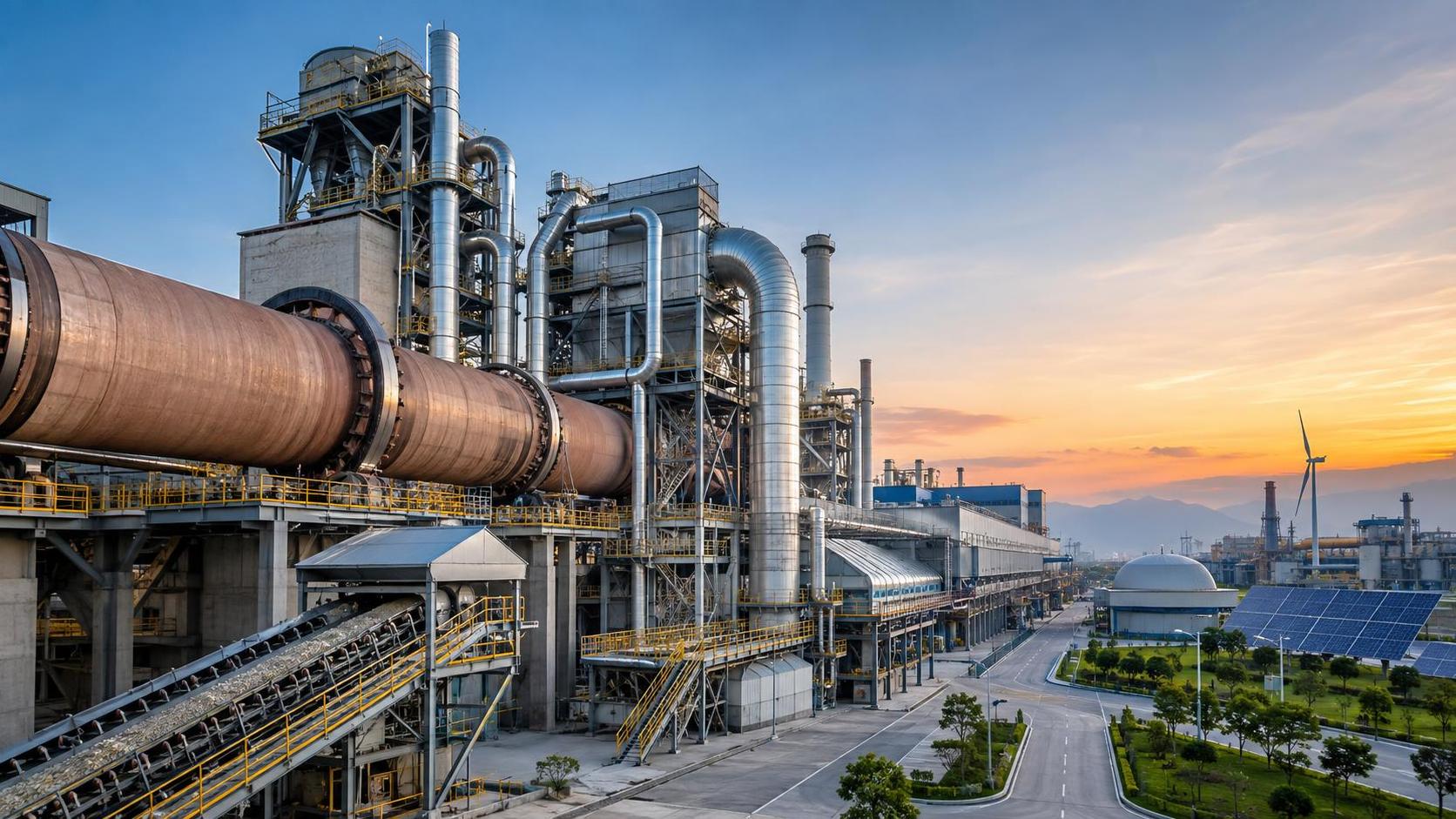
This is especially important in cement, glass, refractory, and thermal treatment systems where process interactions are complex.
Industrial waste recycling works best when material science, thermal engineering, and compliance planning move together.
For organizations navigating high-temperature industries, a disciplined matching approach creates lower risk and faster operational gains.
The next step is simple: map each waste stream by composition, behavior, and recovery value, then match the process route before committing capital.
That is how industrial waste recycling becomes a practical lever for efficiency, compliance, and long-term low-carbon growth.
Related News
 Optical Glass Tech FellowSilicate Process Automation: Improving Batch Consistency and Energy ControlSilicate process automation improves batch consistency, energy control, traceability, and operator confidence across high-temperature manufacturing operations.Sep 22, 2026
 Optical Glass Tech FellowHow Silicate Industrial Processes Control Viscosity, Energy Use, and Product QualitySilicate industrial processes: learn how viscosity, chemistry, heat transfer, and atmosphere control reduce energy use, improve stability, and protect product quality.Sep 21, 2026
 Thermal Energy ArchitectHow European Plants Can Evaluate Energy Recovery Equipment for High-Temperature ProcessesIndustrial energy recovery equipment Europe: learn how high-temperature plants can assess waste-heat sources, integration risks, lifecycle value, and reliable recovery routes.Sep 20, 2026
 Thermal Energy ArchitectIndustrial Furnace Process Optimization: Reducing Fuel Use Without Sacrificing ThroughputIndustrial process optimization furnace strategies that cut fuel use while protecting throughput. Explore combustion control, heat recovery, refractory performance, and data-driven efficiency gains.Sep 19, 2026
 Ms. Elena RodriguezWhat Drives High-Pressure Extrusion Equipment Cost in Industrial Projects?High pressure extrusion equipment cost explained: compare pressure, die design, automation, wear, energy, and installation factors for smarter industrial investments.Sep 18, 2026
 Thermal Energy ArchitectHow to Size a Waste Heat Recovery Exchanger for High-Temperature Kiln Exhaust?Waste heat recovery exchanger sizing for high-temperature kiln exhaust: balance recoverable duty, fouling, corrosion limits, pressure drop, and reliable heat use.Sep 17, 2026
 Thermal Energy ArchitectWhy Heat-Resistant Materials Lose Abrasion Resistance at High TemperaturesHeat-resistant materials abrasion resistance can decline at high temperatures. Discover the thermal, chemical, and mechanical causes of wear—and how to choose longer-lasting linings.Sep 16, 2026
 Thermal Energy ArchitectHow to Evaluate a Thermal Energy Optimization Company for High-Temperature PlantsChoose a thermal energy optimization company with proven process expertise, measurable savings, and reliable delivery for high-temperature plants. Learn what to assess.Sep 15, 2026
 Thermal Energy ArchitectRotary Kiln Efficiency: How Feed Rate, Fuel Use, and Heat Loss Affect OutputRotary kiln efficiency explained: discover how feed rate, fuel use, heat loss, combustion, and cooling performance shape output, quality, and energy costs.Sep 14, 2026
 Thermal Energy ArchitectHow to Select Heat-Resistant Materials That Maintain Abrasion Resistance in KilnsHeat-resistant materials abrasion resistance: learn how to select kiln linings that withstand heat, wear, thermal cycling, and chemical attack for longer service life.Sep 13, 2026
 Thermal Energy ArchitectHow Rotary Kiln Automation Improves Temperature Control and Fuel EfficiencyRotary kiln technology automation enhances temperature control, stabilizes combustion, and improves fuel efficiency with smarter data, predictive control, and safer operations.Sep 12, 2026
 Silicate Process EngineerCement Plant Emission Control: Selecting Systems for Dust, NOx, and SO2 LimitsCement plant emission control guide: compare dust collectors, NOx reduction, and SO2 systems for reliable compliance across kiln modes, fuel changes, and operating upsets.Sep 11, 2026
 Thermal Energy ArchitectSelecting Abrasion-Resistant High-Temperature Materials for Kiln and Conveyor Wear ZonesHigh-temp material engineering guide to abrasion-resistant kiln and conveyor solutions—match wear, heat, chemistry, and installation design for longer service life.Sep 10, 2026
 Dr. Alistair VaughnIndustrial Process Engineering: How to Map Processes for Safer, More Efficient PlantsIndustrial process engineering reveals bottlenecks, safety risks, and energy losses through practical process mapping for safer, more efficient plants.Sep 09, 2026
 Optical Glass Tech FellowHow to Evaluate a Glass Annealing Equipment Manufacturer for Production StabilityChoose a glass annealing equipment manufacturer with proven thermal uniformity, reliable controls, lifecycle value, and responsive service for stable production.Sep 08, 2026
 Prof. Marcus ChenThermal Energy Architecture in North America: Strategies for Lower Building Energy UseThermal energy architecture North America helps project leaders cut building energy use through stronger envelopes, right-sized HVAC, storage, and smart commissioning.Sep 07, 2026
 Ms. Elena RodriguezHow Should Buyers Evaluate Building Material Industry Intelligence Pricing?Building material industry intelligence pricing: learn how to compare coverage, technical depth, and ROI to choose intelligence that reduces procurement risk.Sep 07, 2026
 Ms. Elena RodriguezHow to Use Building Material Intelligence Data for Market and Investment DecisionsBuilding material industry intelligence data helps leaders evaluate demand, costs, regulation, capacity, and technology to make smarter market and investment decisions.Sep 05, 2026
 Thermal Energy ArchitectHow PLC Control Improves Energy Efficiency and Temperature Stability in KilnsEnergy efficient kilns PLC control improves temperature stability, cuts fuel waste, and optimizes combustion, draft, and material flow. Explore proven strategies for smarter kiln modernization.Sep 04, 2026
 Optical Glass Tech FellowEuropean Glass Melting Processes: Furnace Choices, Energy Use, and Quality ControlGlass melting process Europe: explore furnace choices, energy efficiency, cullet strategy, and quality control to improve output, compliance, and long-term glass performance.Sep 03, 2026



Related News
- 00
0000-00
How European Plants Can Evaluate Energy Recovery Equipment for High-Temperature Processes - 00
0000-00
Industrial Furnace Process Optimization: Reducing Fuel Use Without Sacrificing Throughput - 00
0000-00
How to Size a Waste Heat Recovery Exchanger for High-Temperature Kiln Exhaust? - 00
0000-00
Why Heat-Resistant Materials Lose Abrasion Resistance at High Temperatures - 00
0000-00
How to Evaluate a Thermal Energy Optimization Company for High-Temperature Plants
Weekly Insights
Stay ahead with our curated technology reports delivered every Monday.