
Thermal Barrier Coatings vs Refractory Linings: Which Lasts Longer at High Heat?




At sustained high temperature, material failure rarely begins with a dramatic event. It usually starts with heat loss, chemical attack, spalling, or an unnoticed rise in shell temperature.
That is why the choice between thermal barrier coatings and refractory linings matters far beyond insulation. It shapes uptime, shutdown frequency, energy use, and the margin for operational error.
Across cement plants, glass equipment, incineration systems, and extrusion lines, the real question is not which option sounds more advanced. It is which one survives longer under a specific heat load, atmosphere, and duty cycle.
In most cases, refractory linings last longer in direct, continuous, extreme-heat service. Thermal barrier coatings perform best where thinner protection, surface heat control, and weight reduction matter more than bulk containment.
Why this comparison is getting more attention
High-temperature industries are under pressure from two directions at once. Plants must run hotter, cleaner, and longer, while also reducing fuel waste, emissions, and unplanned maintenance.
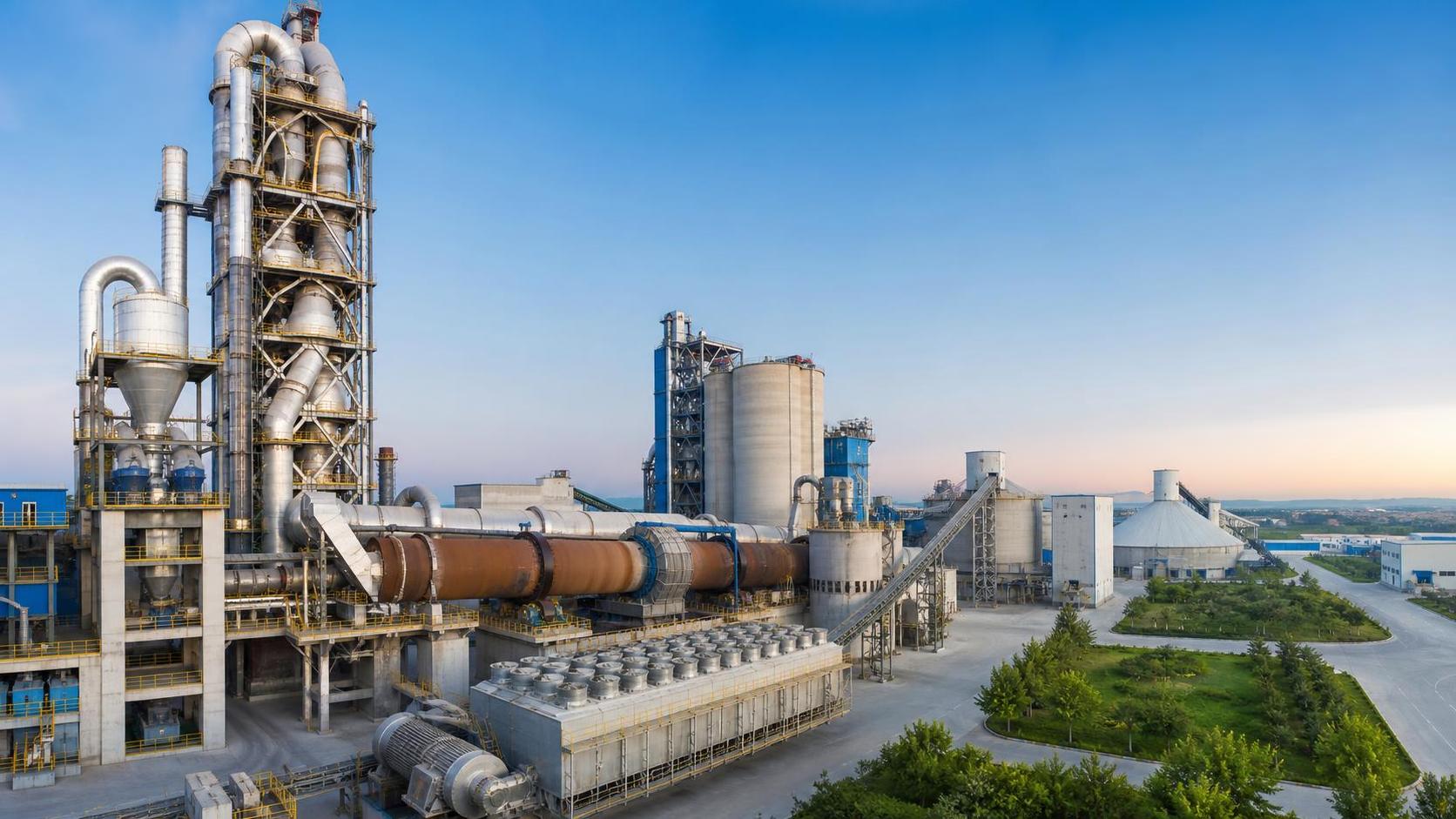
That pressure is especially visible in the sectors tracked by CF-Elite. Rotary kilns, float glass lines, hazardous waste incinerators, and refractory production assets all depend on stable thermal management.
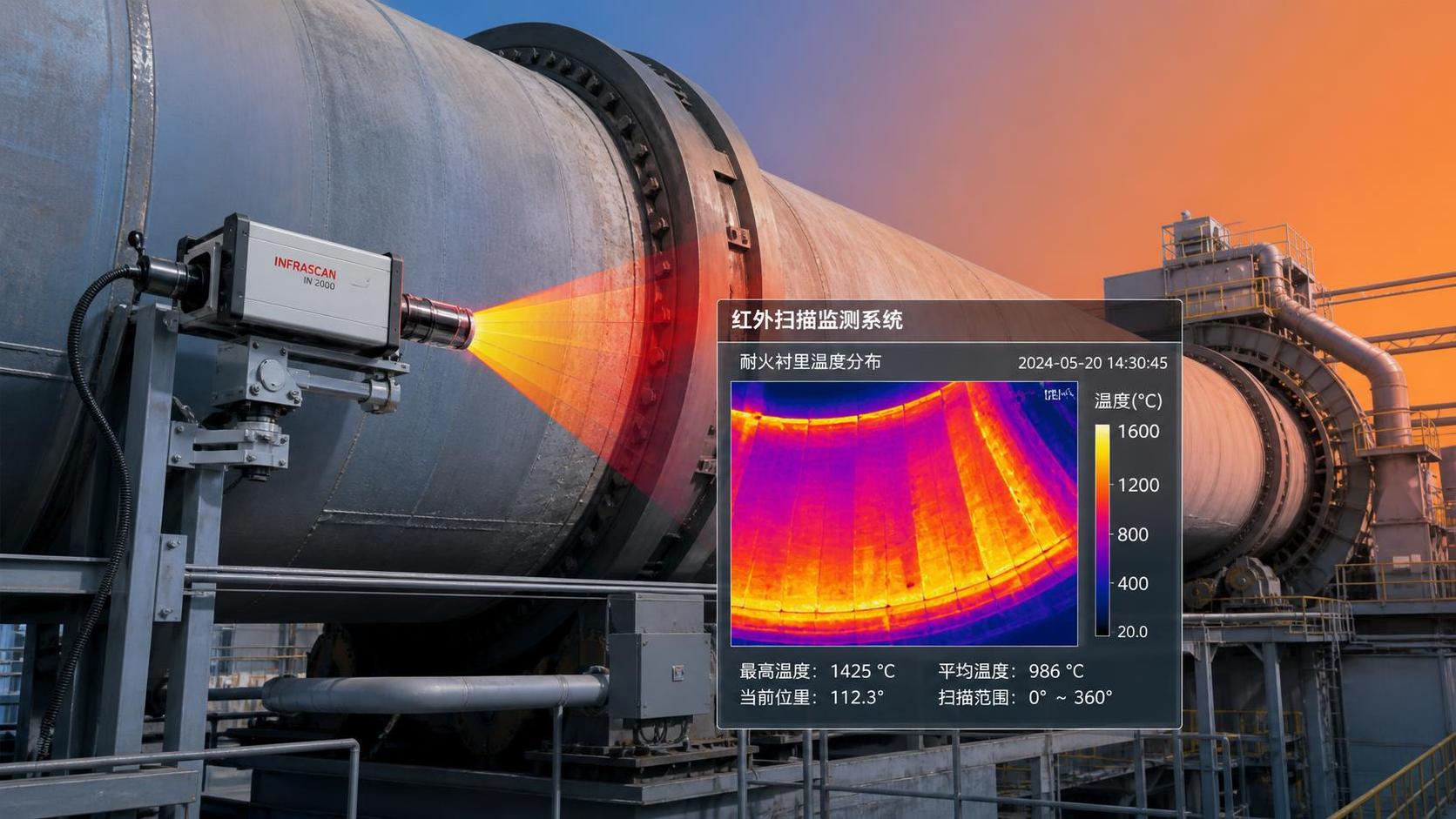
More operators now use online lining monitoring, digital twins, and lifecycle modeling. Those tools reveal a practical truth: service life depends less on a material label and more on the operating context.
So when people compare thermal barrier coatings with refractory linings, they are really comparing different protection philosophies.
Two solutions, two very different roles
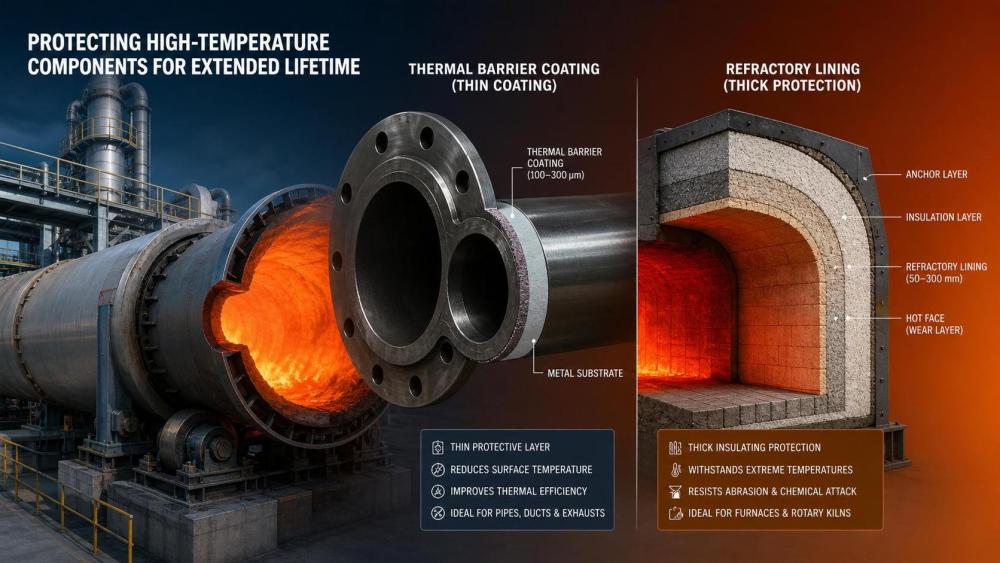
Thermal barrier coatings are thin engineered layers applied to a component surface. Their job is to reduce heat transfer, protect the substrate, and sometimes improve resistance to oxidation or thermal cycling.
They are common on metallic parts exposed to hot gas streams, burners, ducts, turbine-related hardware, and selected process equipment where mass and thickness must stay low.
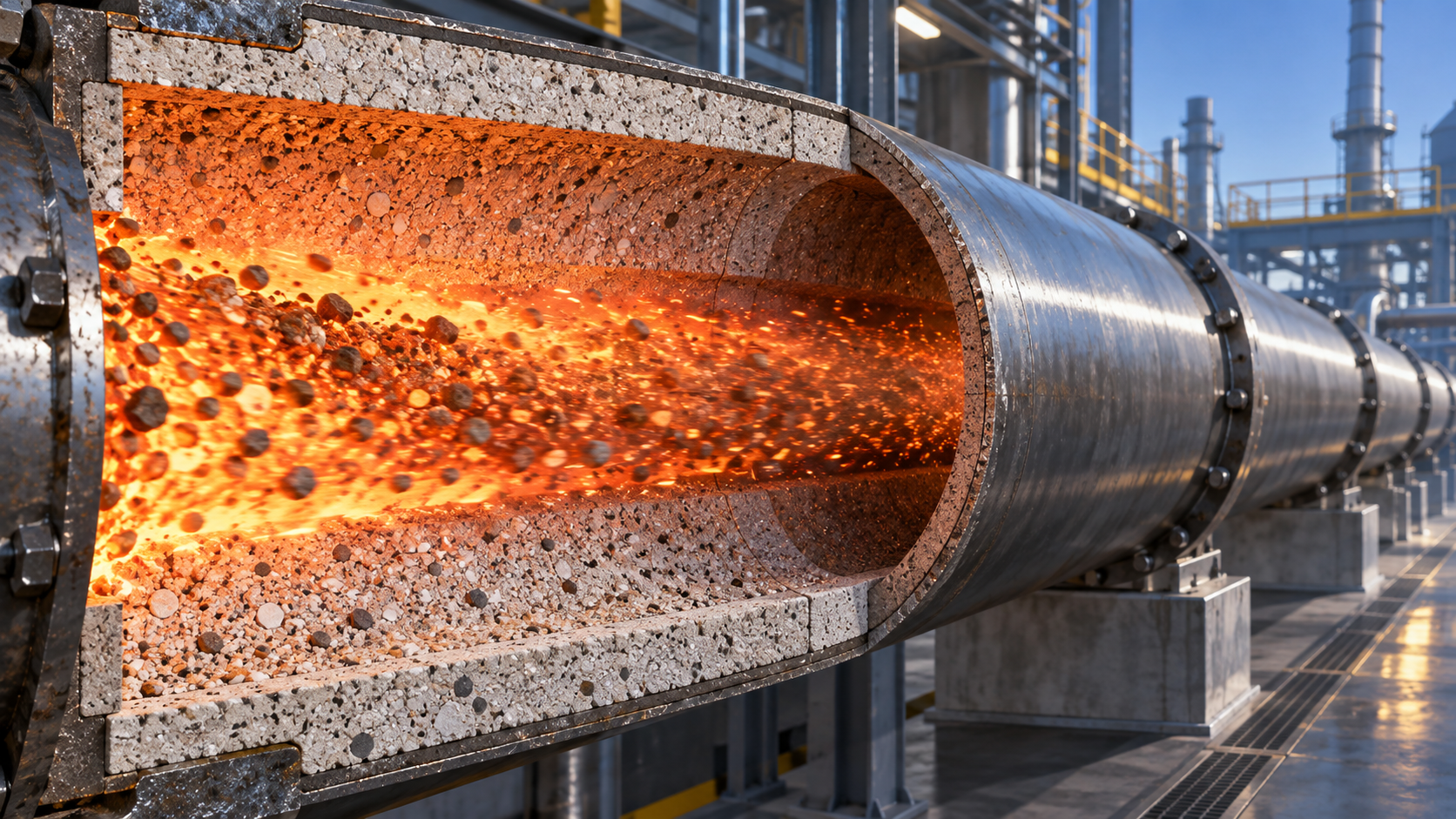
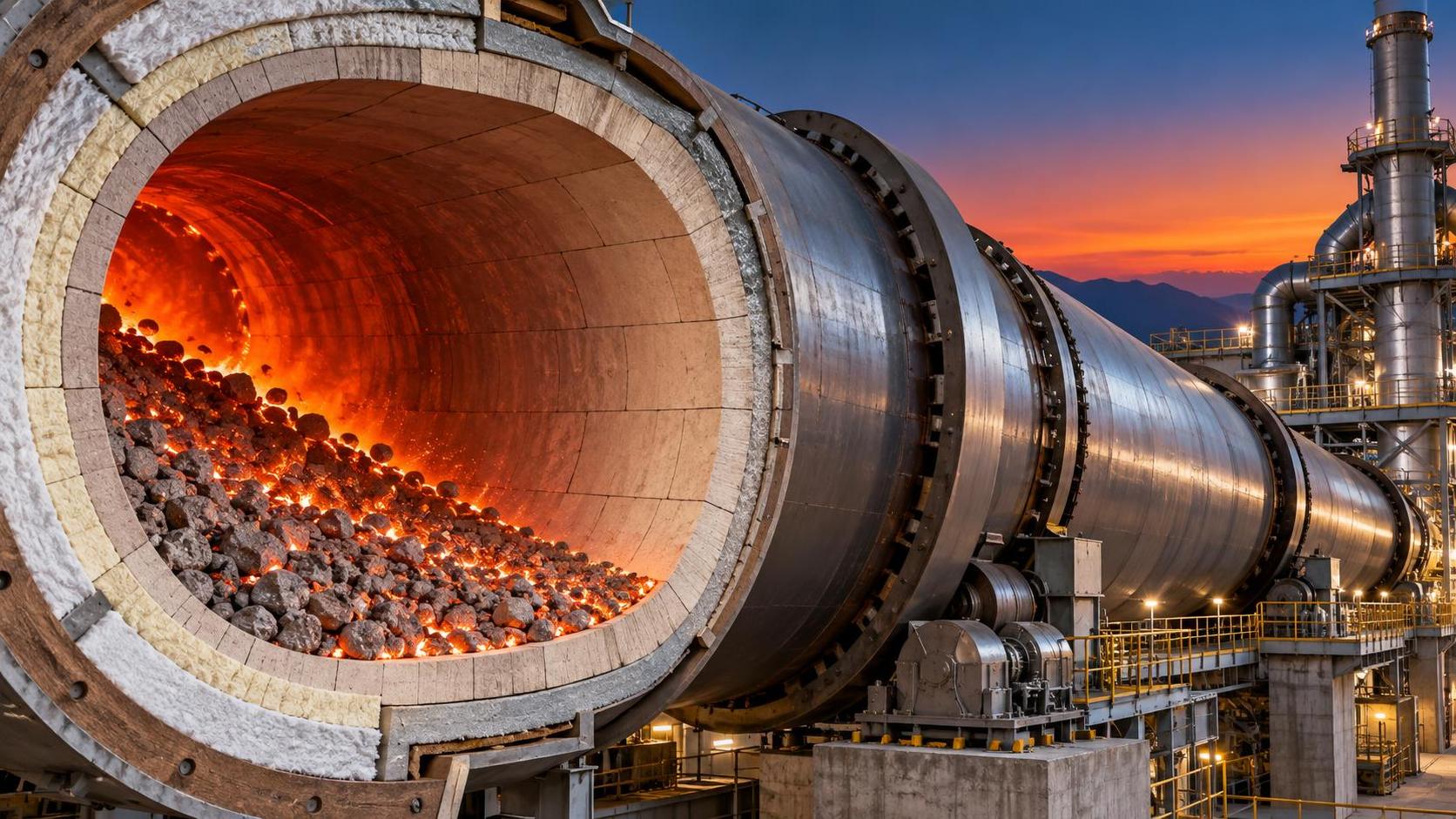
Refractory linings are thicker systems made from bricks, castables, plastics, or insulating modules. They create a structural thermal barrier between the hot process environment and the steel shell.
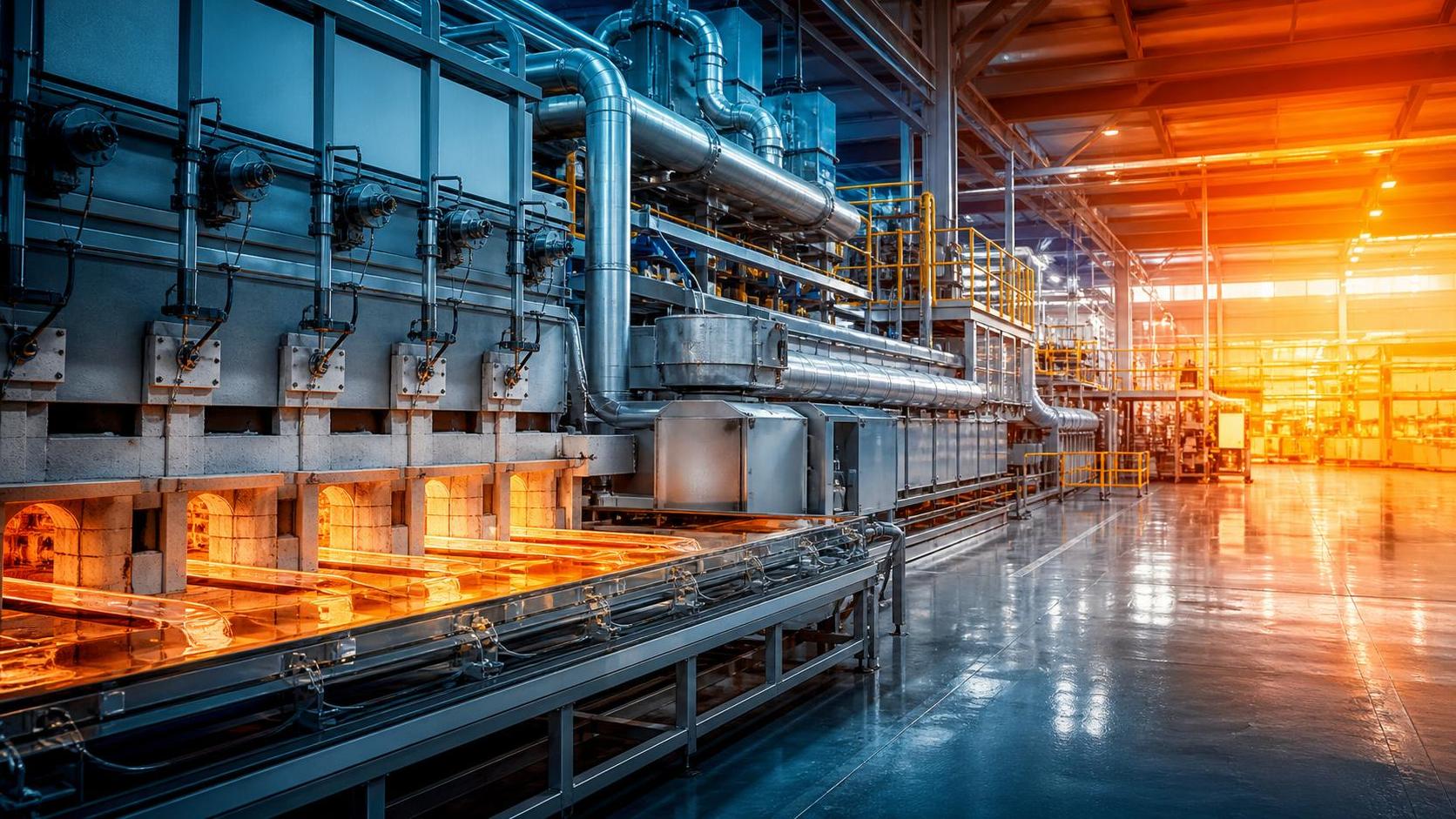
In kilns, calciners, melting furnaces, and incinerators, refractory linings are not just protective finishes. They are part of the thermal architecture of the entire unit.
The simplest way to separate them
- Use thermal barrier coatings when the base structure remains mechanically important and only surface protection is needed.
- Use refractory linings when the hot face needs bulk resistance against flame, abrasion, slag, ash, or corrosive chemistry.
Which one lasts longer at high heat
For direct exposure above roughly 800°C to 1400°C or more, refractory linings usually deliver the longer service life. They are designed to absorb prolonged thermal load and survive harsher process contact.
Thermal barrier coatings can withstand high temperatures, but their durability depends heavily on bond integrity, substrate condition, coating thickness, thermal expansion mismatch, and local erosion.
A coating failure often begins at the interface. A refractory failure often begins at the hot face or through joints, anchors, and mechanical wear.
That distinction matters. In severe furnace duty, coatings may slow damage, but they rarely replace the lifespan contribution of a full refractory system.
What actually determines lifespan
Temperature alone does not decide durability. Two assets running at the same peak heat can age very differently if atmosphere, cycling, feed chemistry, and mechanical stress are different.
Heat profile and cycling
Frequent starts and stops punish both systems. Thermal barrier coatings suffer from expansion mismatch. Refractory linings suffer from spalling, crack growth, and anchor stress.
Chemical environment
Alkalis, chlorides, sulfur, molten glass vapors, and aggressive ash can shorten life quickly. In these settings, material compatibility often matters more than nominal temperature rating.
Mechanical abuse
Particle impact, clinker movement, fuel ash, and cleaning methods can strip thin coatings faster than expected. Refractory linings generally tolerate these loads better, but not indefinitely.
Installation quality
Poor surface preparation can ruin thermal barrier coatings before startup. Poor dry-out, wrong joint design, or anchor errors can shorten refractory linings from the first campaign.
Where each option makes the most sense
The better choice depends on the asset, not the trend. In high-heat industries, long life comes from matching protection depth to process severity.
Typical fit for thermal barrier coatings
- Metal components needing lower surface temperature.
- Burner nozzles, hot gas ducts, and selected transition zones.
- Equipment where added lining thickness is impractical.
- Situations requiring lighter thermal protection and quicker turnaround.
Typical fit for refractory linings
- Rotary kilns, calciners, incinerators, and melting chambers.
- Zones with flame impingement, slag contact, or abrasive solids.
- Assets where shell protection and thermal retention are mission critical.
- Long campaigns where shutdown cost is higher than installation cost.
In some systems, the best answer is not either-or. Thermal barrier coatings may protect metal subcomponents, while refractory linings protect the primary hot face.
How to judge lifecycle value, not just initial performance
Shorter installation time can make thermal barrier coatings attractive. Lower mass may also improve heat-up response. But those benefits matter only if the coating survives the real operating envelope.
Refractory linings often cost more in installation time, dry-out, and shutdown planning. Even so, they may deliver the lower lifecycle cost when campaigns are long and thermal abuse is high.
CF-Elite’s industry focus on thermal monitoring and process intelligence reflects this shift. The useful comparison is not material versus material, but downtime risk versus service duration.
A practical evaluation checklist
- Map actual temperature ranges, not design maximums alone.
- Track chemical exposure by fuel, feed, and emissions control strategy.
- Review cycling frequency and upset conditions.
- Estimate the cost of one unplanned shutdown.
- Compare inspection access and repair complexity.
- Check whether a hybrid protection strategy is technically possible.
The more reliable conclusion for high-heat projects
If the question is purely which lasts longer under direct, severe, continuous high heat, refractory linings are usually the safer answer. They are built for thermal mass, chemical resistance, and structural endurance.
If the question is how to reduce surface temperature on a component without adding major thickness, thermal barrier coatings remain highly valuable. Their advantage is precision, not bulk survival.
The strongest decisions come from lining data, operating records, and failure analysis rather than product labels. For any kiln, incinerator, glass unit, or extrusion-related heat zone, that is the right next step.
A useful starting point is to rank each hot area by temperature, chemistry, abrasion, and shutdown consequence. That framework makes it easier to decide where thermal barrier coatings add value and where refractory linings must carry the load.
Related News
 Thermal Energy ArchitectHow European Plants Can Evaluate Energy Recovery Equipment for High-Temperature ProcessesIndustrial energy recovery equipment Europe: learn how high-temperature plants can assess waste-heat sources, integration risks, lifecycle value, and reliable recovery routes.Sep 20, 2026
 Thermal Energy ArchitectIndustrial Furnace Process Optimization: Reducing Fuel Use Without Sacrificing ThroughputIndustrial process optimization furnace strategies that cut fuel use while protecting throughput. Explore combustion control, heat recovery, refractory performance, and data-driven efficiency gains.Sep 19, 2026
 Ms. Elena RodriguezWhat Drives High-Pressure Extrusion Equipment Cost in Industrial Projects?High pressure extrusion equipment cost explained: compare pressure, die design, automation, wear, energy, and installation factors for smarter industrial investments.Sep 18, 2026
 Thermal Energy ArchitectHow to Size a Waste Heat Recovery Exchanger for High-Temperature Kiln Exhaust?Waste heat recovery exchanger sizing for high-temperature kiln exhaust: balance recoverable duty, fouling, corrosion limits, pressure drop, and reliable heat use.Sep 17, 2026
 Thermal Energy ArchitectWhy Heat-Resistant Materials Lose Abrasion Resistance at High TemperaturesHeat-resistant materials abrasion resistance can decline at high temperatures. Discover the thermal, chemical, and mechanical causes of wear—and how to choose longer-lasting linings.Sep 16, 2026
 Thermal Energy ArchitectHow to Evaluate a Thermal Energy Optimization Company for High-Temperature PlantsChoose a thermal energy optimization company with proven process expertise, measurable savings, and reliable delivery for high-temperature plants. Learn what to assess.Sep 15, 2026
 Thermal Energy ArchitectRotary Kiln Efficiency: How Feed Rate, Fuel Use, and Heat Loss Affect OutputRotary kiln efficiency explained: discover how feed rate, fuel use, heat loss, combustion, and cooling performance shape output, quality, and energy costs.Sep 14, 2026
 Thermal Energy ArchitectHow to Select Heat-Resistant Materials That Maintain Abrasion Resistance in KilnsHeat-resistant materials abrasion resistance: learn how to select kiln linings that withstand heat, wear, thermal cycling, and chemical attack for longer service life.Sep 13, 2026
 Thermal Energy ArchitectHow Rotary Kiln Automation Improves Temperature Control and Fuel EfficiencyRotary kiln technology automation enhances temperature control, stabilizes combustion, and improves fuel efficiency with smarter data, predictive control, and safer operations.Sep 12, 2026
 Silicate Process EngineerCement Plant Emission Control: Selecting Systems for Dust, NOx, and SO2 LimitsCement plant emission control guide: compare dust collectors, NOx reduction, and SO2 systems for reliable compliance across kiln modes, fuel changes, and operating upsets.Sep 11, 2026
 Thermal Energy ArchitectSelecting Abrasion-Resistant High-Temperature Materials for Kiln and Conveyor Wear ZonesHigh-temp material engineering guide to abrasion-resistant kiln and conveyor solutions—match wear, heat, chemistry, and installation design for longer service life.Sep 10, 2026
 Dr. Alistair VaughnIndustrial Process Engineering: How to Map Processes for Safer, More Efficient PlantsIndustrial process engineering reveals bottlenecks, safety risks, and energy losses through practical process mapping for safer, more efficient plants.Sep 09, 2026
 Optical Glass Tech FellowHow to Evaluate a Glass Annealing Equipment Manufacturer for Production StabilityChoose a glass annealing equipment manufacturer with proven thermal uniformity, reliable controls, lifecycle value, and responsive service for stable production.Sep 08, 2026
 Prof. Marcus ChenThermal Energy Architecture in North America: Strategies for Lower Building Energy UseThermal energy architecture North America helps project leaders cut building energy use through stronger envelopes, right-sized HVAC, storage, and smart commissioning.Sep 07, 2026
 Ms. Elena RodriguezHow Should Buyers Evaluate Building Material Industry Intelligence Pricing?Building material industry intelligence pricing: learn how to compare coverage, technical depth, and ROI to choose intelligence that reduces procurement risk.Sep 07, 2026
 Ms. Elena RodriguezHow to Use Building Material Intelligence Data for Market and Investment DecisionsBuilding material industry intelligence data helps leaders evaluate demand, costs, regulation, capacity, and technology to make smarter market and investment decisions.Sep 05, 2026
 Thermal Energy ArchitectHow PLC Control Improves Energy Efficiency and Temperature Stability in KilnsEnergy efficient kilns PLC control improves temperature stability, cuts fuel waste, and optimizes combustion, draft, and material flow. Explore proven strategies for smarter kiln modernization.Sep 04, 2026
 Optical Glass Tech FellowEuropean Glass Melting Processes: Furnace Choices, Energy Use, and Quality ControlGlass melting process Europe: explore furnace choices, energy efficiency, cullet strategy, and quality control to improve output, compliance, and long-term glass performance.Sep 03, 2026
 Thermal Energy ArchitectWhat Determines Refractory Lining Monitoring Price for Industrial Kilns?Refractory lining monitoring price depends on kiln size, sensor technology, installation, software, and support. Compare total lifecycle costs and choose the right solution.Sep 02, 2026
 Silicate Process EngineerCement Production System Costs: A Plant Buyer’s Guide to Budgeting and ROICement production systems cost planning made clear: compare CAPEX, operating costs, compliance, and ROI to build a resilient, profitable cement plant investment.Sep 01, 2026


Related News
- 00
0000-00
How European Plants Can Evaluate Energy Recovery Equipment for High-Temperature Processes - 00
0000-00
Industrial Furnace Process Optimization: Reducing Fuel Use Without Sacrificing Throughput - 00
0000-00
How to Size a Waste Heat Recovery Exchanger for High-Temperature Kiln Exhaust? - 00
0000-00
Why Heat-Resistant Materials Lose Abrasion Resistance at High Temperatures - 00
0000-00
How to Evaluate a Thermal Energy Optimization Company for High-Temperature Plants
Weekly Insights
Stay ahead with our curated technology reports delivered every Monday.