
Industrial Waste Conversion Methods: Which Technologies Fit Heat-Intensive Plants?




For heat-intensive plants, industrial waste conversion has moved far beyond a compliance exercise. It now affects fuel resilience, emissions exposure, thermal efficiency, and capital planning. In sectors such as cement, glass, incineration, refractory production, and advanced building materials, the right pathway depends less on theory and more on how waste behaves under real process temperatures.
That is why the discussion has become more technical. Plants are not simply asking whether waste can be converted. They are asking which conversion method fits flame stability, residence time, ash chemistry, refractory wear, and carbon strategy. In practice, industrial waste conversion succeeds when process conditions, feedstock quality, and plant economics are considered together.
Why technology choice matters in high-temperature operations
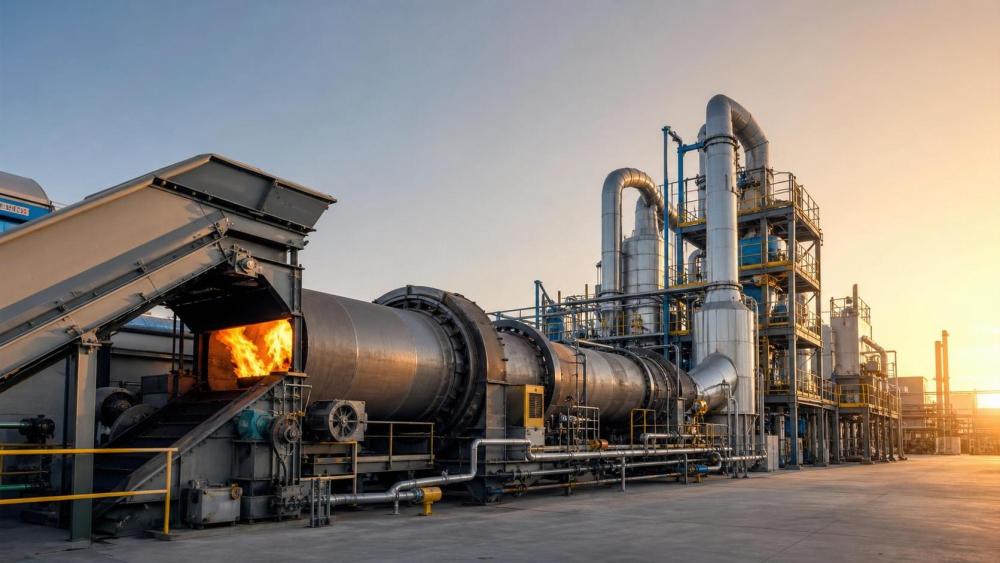
A heat-intensive plant does not consume energy in a generic way. A rotary kiln needs a different thermal profile than a glass furnace or a hazardous waste incinerator. That difference shapes the best industrial waste conversion route.
Some systems can absorb variable feedstocks because they operate with long residence times and robust mineral capture. Others demand narrow fuel specifications to protect product quality, burner control, or melting consistency.
This is especially relevant across the CF-Elite landscape. Cement lines may value ash incorporation and high substitution rates. Glass operations tend to prioritize clean combustion and tight process control. Refractory and extrusion lines often need stable, predictable heat input over headline waste volumes.
What industrial waste conversion really includes
The term covers several technical pathways. Some convert waste directly into heat. Some produce an intermediate fuel. Others recover energy while reducing hazardous load or landfill pressure.
In broad terms, industrial waste conversion for heat-intensive plants usually falls into four groups: direct co-processing, mass-burn incineration with energy recovery, thermochemical conversion, and fuel preparation for alternative combustion.
The important point is that these options are not interchangeable. Their fit depends on moisture, calorific value, chlorine, sulfur, heavy metals, particle size, and the tolerance of the host process.
Core methods at a glance
Where each route tends to work best
Co-processing remains one of the most effective industrial waste conversion methods for rotary kilns. Extremely high temperatures, long retention, and alkaline conditions allow certain wastes to be treated while replacing fossil fuel.
This route is particularly attractive when ash becomes part of the clinker matrix. That reduces secondary residue handling, which can strengthen both economics and permitting logic.
Incineration with energy recovery fits plants or industrial parks managing diverse waste streams. It is often chosen when safe destruction is as important as heat generation. The trade-off is a heavier requirement for flue gas cleaning and residue management.
Pyrolysis and gasification receive strong attention because they promise a cleaner intermediate fuel. Yet their commercial success depends on disciplined feedstock preparation. Wet, mixed, or chlorine-rich waste can quickly erode performance.
RDF and SRF production are often less visible in strategic discussions, but they matter. For many heat-intensive plants, better fuel preparation is the practical bridge between raw waste and reliable combustion.
The operational questions that decide fit
The best industrial waste conversion choice is usually determined by a short list of hard constraints rather than broad sustainability claims.
- Thermal demand profile: steady baseload heat and peak flexibility are not the same challenge.
- Feedstock consistency: variable composition raises combustion instability and emissions risk.
- Ash behavior: mineral content may help one process and damage another.
- Pollutant load: chlorine, sulfur, alkalis, and metals change equipment and permit requirements.
- Integration complexity: storage, dosing, pre-treatment, and monitoring can outweigh fuel savings.
Usually, the technology itself is only part of the investment story. The surrounding system matters just as much. Waste reception, sampling discipline, online analyzers, burner adaptation, and refractory protection often decide whether industrial waste conversion performs well after commissioning.
Why digital visibility is becoming central
More plants now pair conversion assets with digital tools. This reflects a wider CF-Elite theme: thermal processes are increasingly managed through integrated intelligence, not isolated equipment decisions.
Digital twins, feedstock tracking, and online refractory monitoring help plants understand how alternative fuels influence temperature fields, lining wear, and process stability. That makes industrial waste conversion easier to scale without losing operational confidence.
Business value beyond fuel substitution
When evaluated properly, industrial waste conversion is not only about replacing coal or gas. It can improve waste security, reduce disposal liability, and strengthen a plant’s position under tightening carbon and environmental rules.
In cement and incineration, the business case often includes gate fees, avoided landfill costs, and lower fossil exposure. In glass or sensitive thermal processes, the value may come more from selective substitution and energy resilience than from maximum waste throughput.
That distinction matters. A high substitution rate looks impressive on paper, but it is not always the smartest target. A lower rate with stable operation, lower maintenance impact, and predictable emissions can create better long-term returns.
A practical screening framework for new projects
Before selecting a pathway, it helps to compare options through plant-specific questions instead of generic technology rankings.
- Map available waste by volume, seasonality, moisture, contaminants, and contract reliability.
- Match waste characteristics to actual process windows, not nominal design temperatures.
- Model emissions impact under normal operation, upset conditions, and mixed-feed scenarios.
- Check downstream effects on product quality, residue handling, and refractory campaign life.
- Compare full-system costs, including pre-treatment, controls, labor, and maintenance.
This kind of screening is where strategic intelligence becomes useful. Market shifts, regulation, and equipment trends can change the answer quickly. A plant that is well suited to RDF today may justify co-processing upgrades or thermochemical pilots within a few years.
What deserves closer attention next
Industrial waste conversion will keep expanding, but the winning projects are likely to be selective rather than broad. The strongest candidates are operations that understand their thermal process deeply, secure stable feedstock, and treat conversion as part of a wider decarbonization system.
For any plant evaluating options, the next step is not to chase the most fashionable technology. It is to build a clear matrix linking waste quality, heat demand, emissions limits, and integration cost. That creates a more reliable basis for deciding whether co-processing, energy recovery, gasification, or prepared alternative fuel is the better fit.
In heat-intensive industries, good industrial waste conversion decisions come from technical realism. When process data, material behavior, and carbon priorities are assessed together, the path forward becomes much easier to judge.
Related News
![]() Silicate Process EngineerWhat Drives Cement Plant Upgrade Cost and How to Estimate ROI Before InvestingCement plant upgrade cost depends on scope, shutdown risk, compliance, and integration challenges. Learn how to estimate ROI accurately before investing.Aug 06, 2026
Silicate Process EngineerWhat Drives Cement Plant Upgrade Cost and How to Estimate ROI Before InvestingCement plant upgrade cost depends on scope, shutdown risk, compliance, and integration challenges. Learn how to estimate ROI accurately before investing.Aug 06, 2026![]() Optical Glass Tech FellowHow to Evaluate Continuous Glass Annealing Equipment for Stable Throughput?Glass annealing equipment continuous evaluation starts with stable throughput. Learn how to compare thermal control, transport stability, maintenance, and real capacity for better line performance.Aug 05, 2026
Optical Glass Tech FellowHow to Evaluate Continuous Glass Annealing Equipment for Stable Throughput?Glass annealing equipment continuous evaluation starts with stable throughput. Learn how to compare thermal control, transport stability, maintenance, and real capacity for better line performance.Aug 05, 2026 Ms. Elena RodriguezHow to Evaluate Industrial Waste Management Solutions for Multi-Plant OperationsIndustrial waste management solutions for multi-plant operations: learn how to compare cost, compliance, resilience, and recovery value to choose a scalable, lower-risk strategy.Aug 04, 2026
![]() Optical Glass Tech FellowHow to Evaluate a Glass Manufacturing Technology Supplier for Yield, Energy Use, and Line StabilityGlass manufacturing technology supplier evaluation guide: learn how to compare yield, energy use, and line stability, ask smarter technical questions, and choose a supplier built for reliable performance.Aug 03, 2026
Optical Glass Tech FellowHow to Evaluate a Glass Manufacturing Technology Supplier for Yield, Energy Use, and Line StabilityGlass manufacturing technology supplier evaluation guide: learn how to compare yield, energy use, and line stability, ask smarter technical questions, and choose a supplier built for reliable performance.Aug 03, 2026![]() Material Heat-Resist ExpertHow to Evaluate a Silicate Production Line for Capacity, Energy Use, and Product QualitySilicate production line evaluation made practical: learn how to compare true capacity, energy efficiency, and product quality to choose a more stable, cost-effective, high-performing system.Aug 02, 2026
Material Heat-Resist ExpertHow to Evaluate a Silicate Production Line for Capacity, Energy Use, and Product QualitySilicate production line evaluation made practical: learn how to compare true capacity, energy efficiency, and product quality to choose a more stable, cost-effective, high-performing system.Aug 02, 2026![]() Optical Glass Tech FellowHow to Choose a Glass Annealing Equipment Tempering Line for Stable Quality OutputGlass annealing equipment tempering line selection starts with process stability, not speed alone. Learn how to compare heating, quench, automation, and quality control for reliable output.Aug 01, 2026
Optical Glass Tech FellowHow to Choose a Glass Annealing Equipment Tempering Line for Stable Quality OutputGlass annealing equipment tempering line selection starts with process stability, not speed alone. Learn how to compare heating, quench, automation, and quality control for reliable output.Aug 01, 2026 Ms. Elena RodriguezHow to Evaluate an Equipment Customization Services Factory for Industrial ProjectsEquipment customization services factory evaluation starts with process fit, engineering depth, and delivery control. Learn how to choose a reliable partner for industrial projects.Jul 31, 2026
![]() Thermal Energy ArchitectIndustrial Waste Management Compliance: Key Regulations and Risk Checks for PlantsIndustrial waste management compliance starts with accurate classification, storage, and records. Learn key plant risk checks, avoid audit failures, and strengthen legal control.Jul 30, 2026
Thermal Energy ArchitectIndustrial Waste Management Compliance: Key Regulations and Risk Checks for PlantsIndustrial waste management compliance starts with accurate classification, storage, and records. Learn key plant risk checks, avoid audit failures, and strengthen legal control.Jul 30, 2026![]() Ms. Elena RodriguezTechnical Comparison of Material Processing Methods: Key Factors for Process SelectionTechnical comparison for material processing made practical: learn how to evaluate energy, quality, maintenance, emissions, and feed variability to choose the right process with confidence.Jul 29, 2026
Ms. Elena RodriguezTechnical Comparison of Material Processing Methods: Key Factors for Process SelectionTechnical comparison for material processing made practical: learn how to evaluate energy, quality, maintenance, emissions, and feed variability to choose the right process with confidence.Jul 29, 2026![]() Silicate Process EngineerHow Cement Grinding Technology Affects Energy Use, Fineness, and Plant OutputCement grinding technology shapes energy use, fineness, and plant output. Learn how to compare mills, separators, drying, and control systems for smarter upgrades.Jul 28, 2026
Silicate Process EngineerHow Cement Grinding Technology Affects Energy Use, Fineness, and Plant OutputCement grinding technology shapes energy use, fineness, and plant output. Learn how to compare mills, separators, drying, and control systems for smarter upgrades.Jul 28, 2026![]() Ms. Elena RodriguezHeavy Equipment Trade Cost Trends: What Buyers Should Track in 2025Heavy equipment trade cost trends in 2025 reveal how freight, energy, lead times, and compliance reshape total equipment costs. Learn what buyers must track to reduce risk and protect budgets.Jul 27, 2026
Ms. Elena RodriguezHeavy Equipment Trade Cost Trends: What Buyers Should Track in 2025Heavy equipment trade cost trends in 2025 reveal how freight, energy, lead times, and compliance reshape total equipment costs. Learn what buyers must track to reduce risk and protect budgets.Jul 27, 2026![]() Material Heat-Resist ExpertSilicate Production Line Process Explained: Key Stages, Equipment, and Quality ControlSilicate production line process explained with key stages, core equipment, quality control, and energy checks—helping buyers and engineers assess stability, efficiency, and supplier capability.Jul 26, 2026
Material Heat-Resist ExpertSilicate Production Line Process Explained: Key Stages, Equipment, and Quality ControlSilicate production line process explained with key stages, core equipment, quality control, and energy checks—helping buyers and engineers assess stability, efficiency, and supplier capability.Jul 26, 2026 Optical Glass Tech FellowRefractory Material Science for Glass Furnaces: Key Properties That Drive Furnace LifeRefractory material science for glass furnaces explains how corrosion resistance, thermal shock, creep, and microstructure shape furnace life, glass quality, and campaign reliability.Jul 25, 2026
![]() Silicate Process EngineerCement Plant Equipment Price Guide: What Drives Cost and How to Budget WiselyCement plant equipment price explained: discover what drives costs, compare quotes wisely, spot hidden expenses, and build a smarter budget for long-term plant value.Jul 24, 2026
Silicate Process EngineerCement Plant Equipment Price Guide: What Drives Cost and How to Budget WiselyCement plant equipment price explained: discover what drives costs, compare quotes wisely, spot hidden expenses, and build a smarter budget for long-term plant value.Jul 24, 2026![]() Dr. Alistair VaughnHow Digital Twin Simulations Improve Process Plant Design, Safety, and UptimeDigital twin simulations for process plants help teams improve plant design, reduce safety risks, and protect uptime by validating thermal, control, and retrofit decisions before costly failures occur.Jul 23, 2026
Dr. Alistair VaughnHow Digital Twin Simulations Improve Process Plant Design, Safety, and UptimeDigital twin simulations for process plants help teams improve plant design, reduce safety risks, and protect uptime by validating thermal, control, and retrofit decisions before costly failures occur.Jul 23, 2026![]() Thermal Energy ArchitectRotary Kilns Price Guide: What Determines Cost and How to Compare Quotes?Rotary kilns price varies by capacity, fuel, refractory, automation, and emissions scope. Learn what drives cost, what cheap quotes may miss, and how to compare suppliers wisely.Jul 22, 2026
Thermal Energy ArchitectRotary Kilns Price Guide: What Determines Cost and How to Compare Quotes?Rotary kilns price varies by capacity, fuel, refractory, automation, and emissions scope. Learn what drives cost, what cheap quotes may miss, and how to compare suppliers wisely.Jul 22, 2026 Ms. Elena RodriguezHow to Evaluate Green Building Material Equipment Suppliers in Europe?Green building material equipment Europe buyers: learn how to evaluate suppliers by technical fit, compliance, lifecycle cost, and after-sales support for smarter sourcing decisions.Jul 21, 2026
![]() Thermal Energy ArchitectHow to Evaluate an Energy Efficient Tunnel Kiln for Lower Fuel Costs and Stable OutputEnergy efficient tunnel kiln evaluation starts with fuel cost, but real value comes from thermal stability, heat recovery, and consistent output. Learn what truly lowers cost per qualified ton.Jul 20, 2026
Thermal Energy ArchitectHow to Evaluate an Energy Efficient Tunnel Kiln for Lower Fuel Costs and Stable OutputEnergy efficient tunnel kiln evaluation starts with fuel cost, but real value comes from thermal stability, heat recovery, and consistent output. Learn what truly lowers cost per qualified ton.Jul 20, 2026![]() Ms. Elena RodriguezSustainable Material Production Compliance: Key Standards, Risks, and Audit ChecksSustainable material production compliance explained: key standards, audit checks, and hidden plant risks across cement, glass, and thermal lines—learn how to spot gaps before audits fail.Jul 19, 2026
Ms. Elena RodriguezSustainable Material Production Compliance: Key Standards, Risks, and Audit ChecksSustainable material production compliance explained: key standards, audit checks, and hidden plant risks across cement, glass, and thermal lines—learn how to spot gaps before audits fail.Jul 19, 2026![]() Thermal Energy ArchitectProcess Monitoring for Incinerators: Key Parameters, Sensors, and Compliance ChecksProcess monitoring for incinerators covers key parameters, sensor selection, and compliance checks to improve combustion stability, emissions control, and plant performance.Jul 18, 2026
Thermal Energy ArchitectProcess Monitoring for Incinerators: Key Parameters, Sensors, and Compliance ChecksProcess monitoring for incinerators covers key parameters, sensor selection, and compliance checks to improve combustion stability, emissions control, and plant performance.Jul 18, 2026

Related News
- 00
0000-00
Industrial Waste Management Compliance: Key Regulations and Risk Checks for Plants - 00
0000-00
Rotary Kilns Price Guide: What Determines Cost and How to Compare Quotes? - 00
0000-00
How to Evaluate an Energy Efficient Tunnel Kiln for Lower Fuel Costs and Stable Output - 00
0000-00
Process Monitoring for Incinerators: Key Parameters, Sensors, and Compliance Checks - 00
0000-00
What Is Industrial Co-Processing? Process, Acceptable Waste Types, and Kiln Use Cases
Weekly Insights
Stay ahead with our curated technology reports delivered every Monday.