
Thermal Barrier Coatings vs Heat-Resistant Materials: Which Fits High-Heat Equipment?




Thermal Barrier Coatings vs Heat-Resistant Materials: Which Fits High-Heat Equipment?
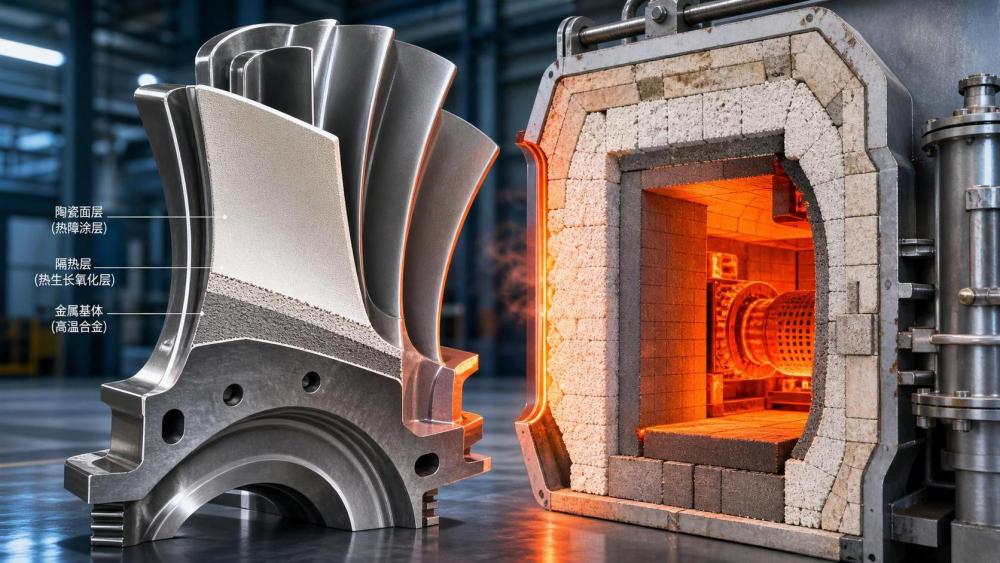
For high-heat equipment, the wrong material choice rarely fails quietly. It usually shows up as unstable temperatures, rising fuel use, shorter maintenance cycles, or sudden production losses.
That is why the debate around thermal barrier coatings and heat-resistant materials matters far beyond engineering theory. It affects plant reliability, emissions, and long-term asset value.
In practical terms, both solutions manage heat, but they do it in very different ways. One acts as a protective surface system. The other forms the structural body itself.
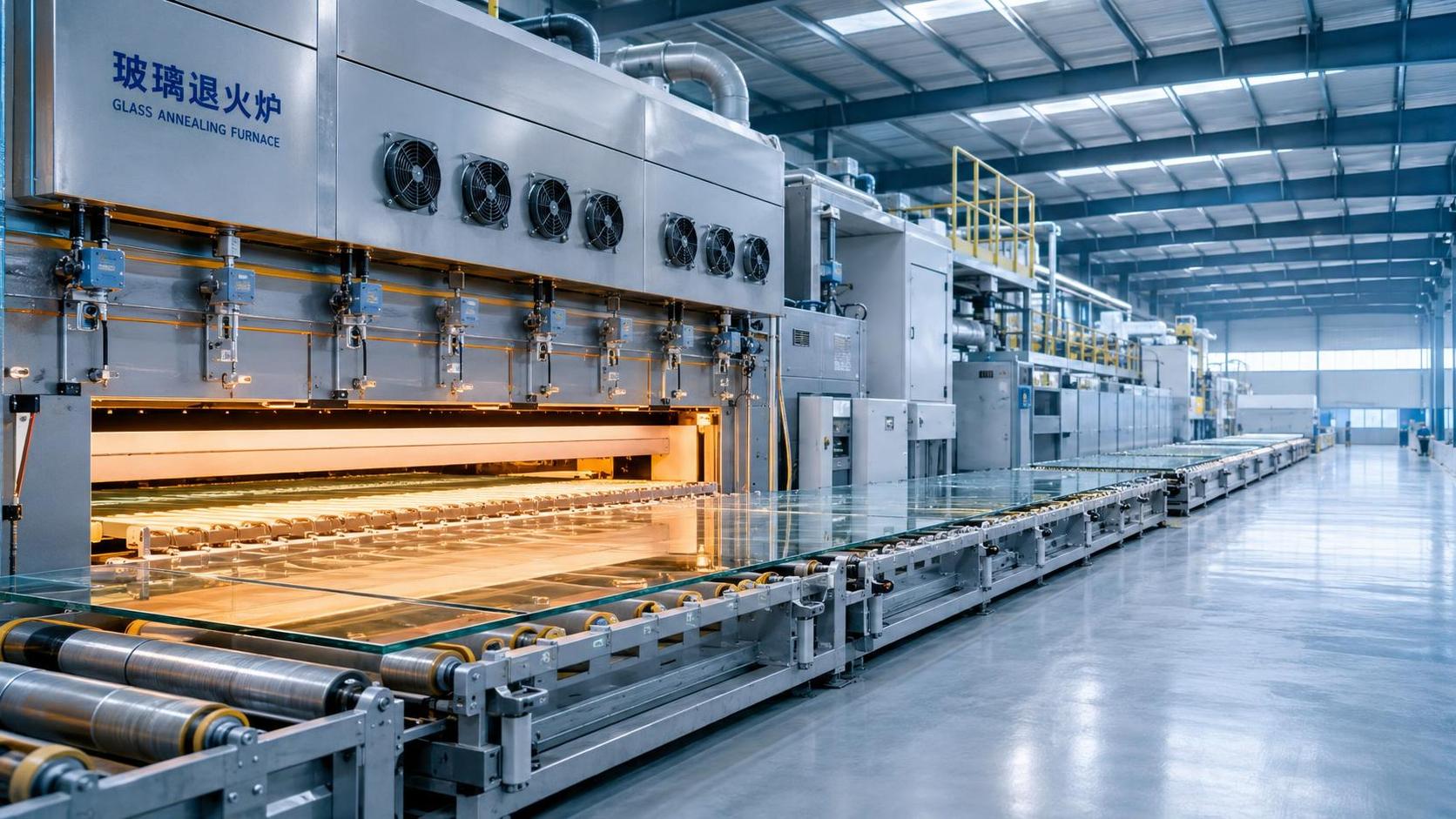
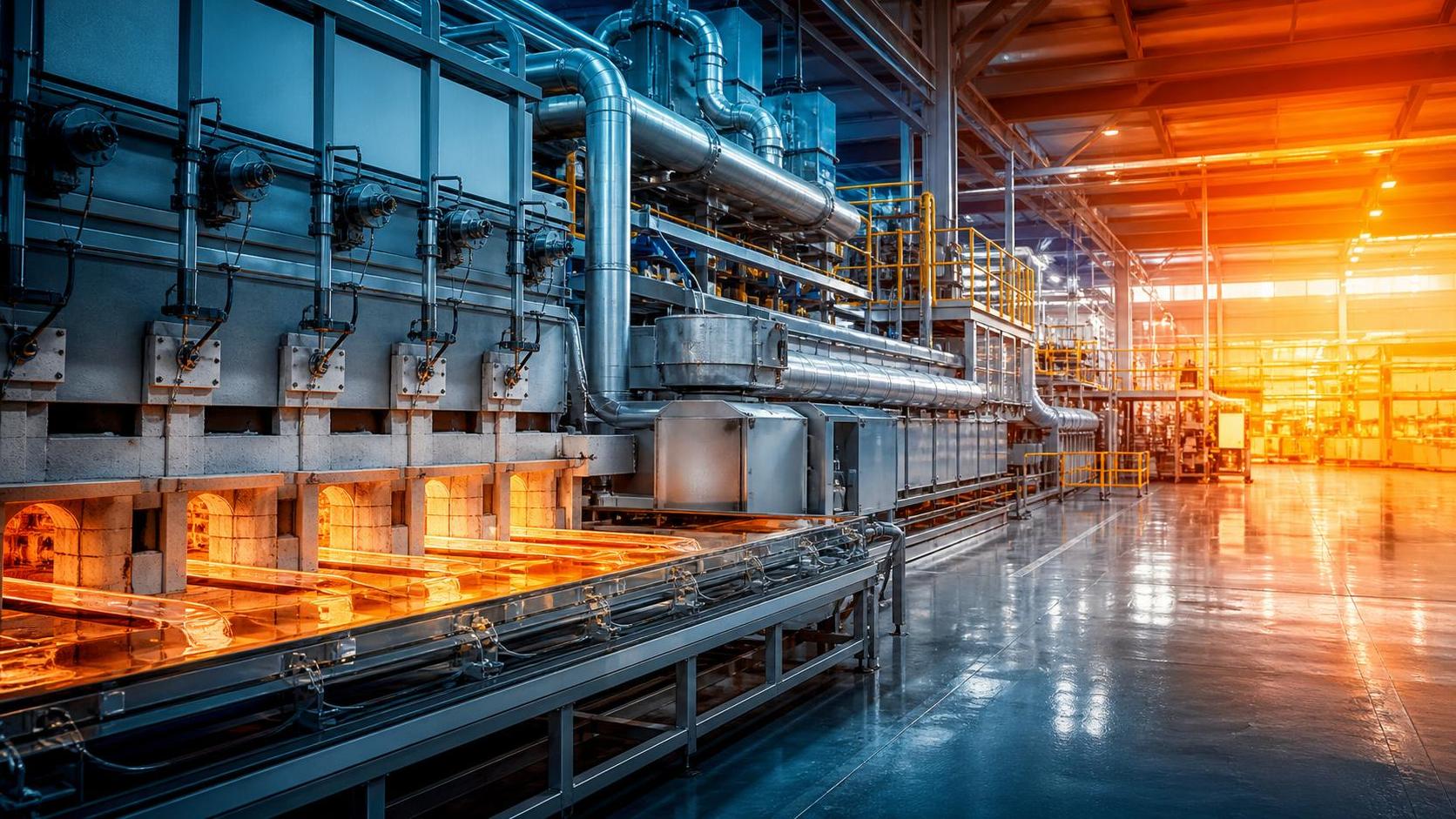
For rotary kilns, incinerators, glass lines, and extrusion systems, the best answer often depends on heat flux, cycling frequency, chemical attack, and shutdown tolerance.
This technical comparison breaks down where thermal barrier coatings outperform, where heat-resistant materials remain essential, and how to select the right fit with less risk.
What Thermal Barrier Coatings Actually Do
Thermal barrier coatings are engineered surface layers designed to reduce heat transfer from hot gas or molten exposure to the underlying substrate.
They are common where a metal shell, burner part, duct, or thermal processing component needs lower surface temperature without complete redesign.
Most thermal barrier coatings use ceramic-based top layers. These often sit above a bond coat that improves adhesion and oxidation resistance.
Their key value is insulation at the interface. They help the base material run cooler, which can slow creep, fatigue, and oxidation.
- Lower substrate temperature during continuous high-load operation
- Reduce thermal shock impact in cyclic heating zones
- Support fuel efficiency by retaining heat in process space
- Extend part life when the substrate remains structurally sound
Still, thermal barrier coatings are not structural replacements. They protect and insulate, but they do not carry the same mechanical role as bulk heat-resistant materials.
What Heat-Resistant Materials Are Built For
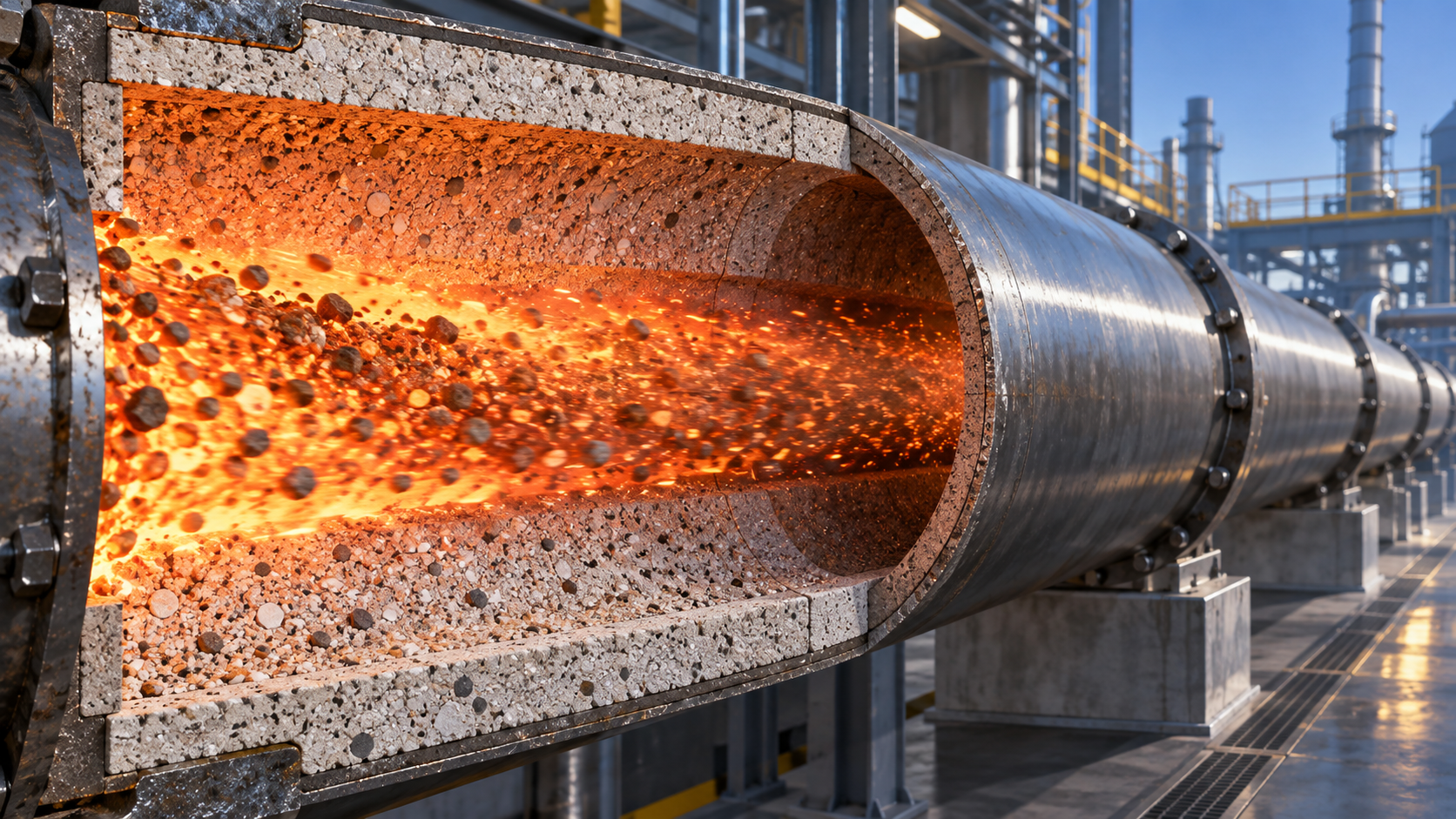
Heat-resistant materials are chosen because the whole component must survive extreme temperature, load, abrasion, and chemical exposure at the same time.
This group includes refractories, high-temperature alloys, castables, ceramic bricks, silicon-based linings, and engineered composites.
Unlike thermal barrier coatings, these materials are usually the main body of the furnace lining, kiln section, incinerator chamber, or forming assembly.
They are selected not only for thermal resistance, but also for compressive strength, corrosion tolerance, dimensional stability, and service life.
In heavy industry, heat-resistant materials remain non-negotiable wherever direct flame, slag, ash, alkali vapor, or molten contact creates severe degradation risk.
The Core Difference: Surface Protection vs Structural Survival
A simple way to frame the decision is this. Thermal barrier coatings manage temperature at the surface. Heat-resistant materials survive as the structure itself.
That difference shapes every downstream decision, from procurement and installation to inspection and replacement planning.
If the base component is strong enough but overheats, thermal barrier coatings may solve the issue. If the entire component faces destruction, bulk material selection comes first.
Where Thermal Barrier Coatings Make More Sense
Thermal barrier coatings are especially useful when operators want better thermal efficiency without replacing major hardware.
This is increasingly relevant in carbon reduction programs, where lower heat loss translates directly into lower fuel demand and more stable process windows.
Typical fit-for-purpose cases include burner tiles, metal transition pieces, exhaust sections, radiant panels, and selected glass or kiln accessories.
- When shell temperature limits part life or worker safety
- When thermal cycling causes substrate fatigue
- When redesign downtime is too costly
- When energy retention has a measurable payback
In short, thermal barrier coatings work best when the challenge is thermal management, not total material survival under aggressive process attack.
Where Heat-Resistant Materials Remain the Better Choice
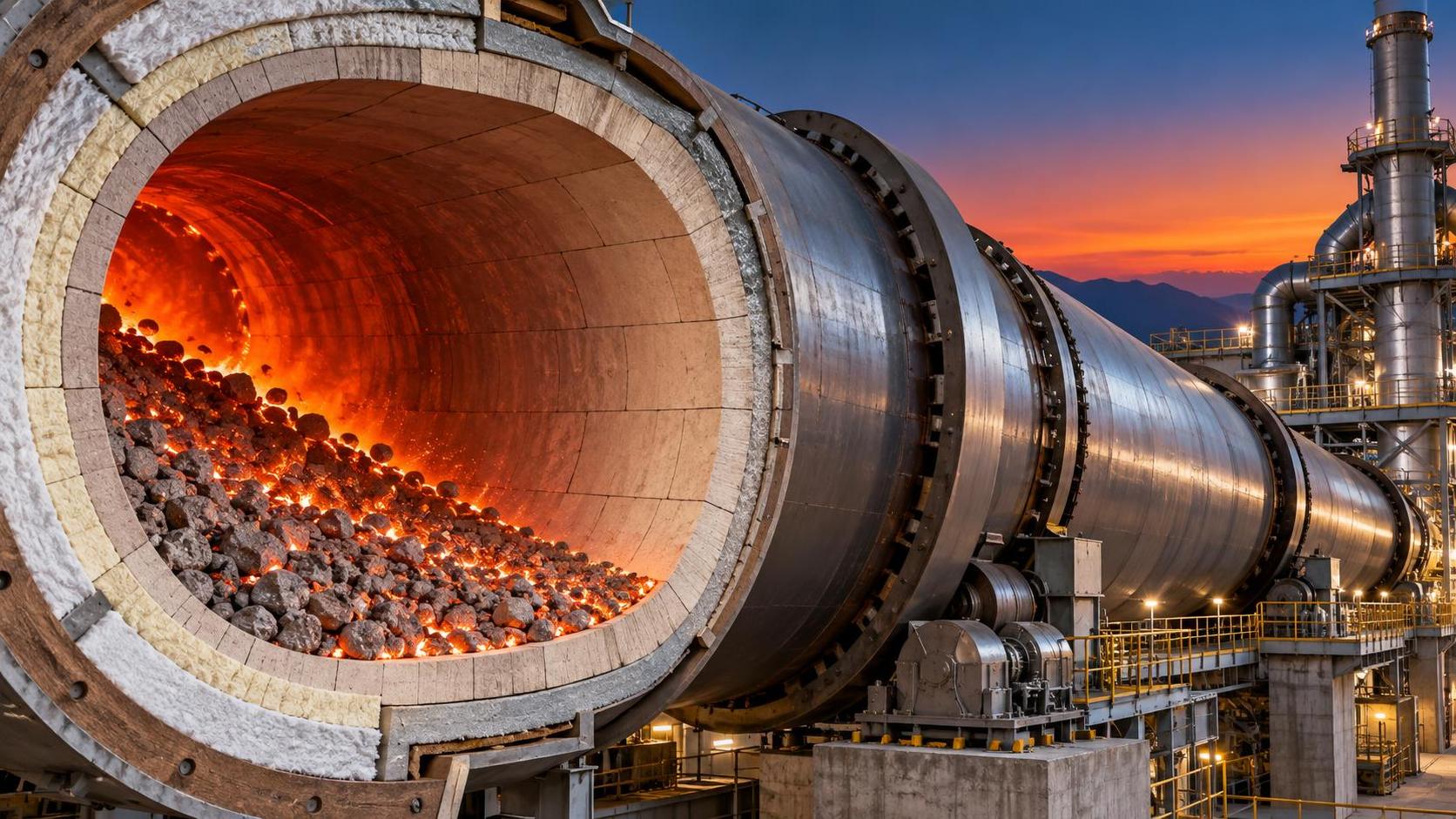
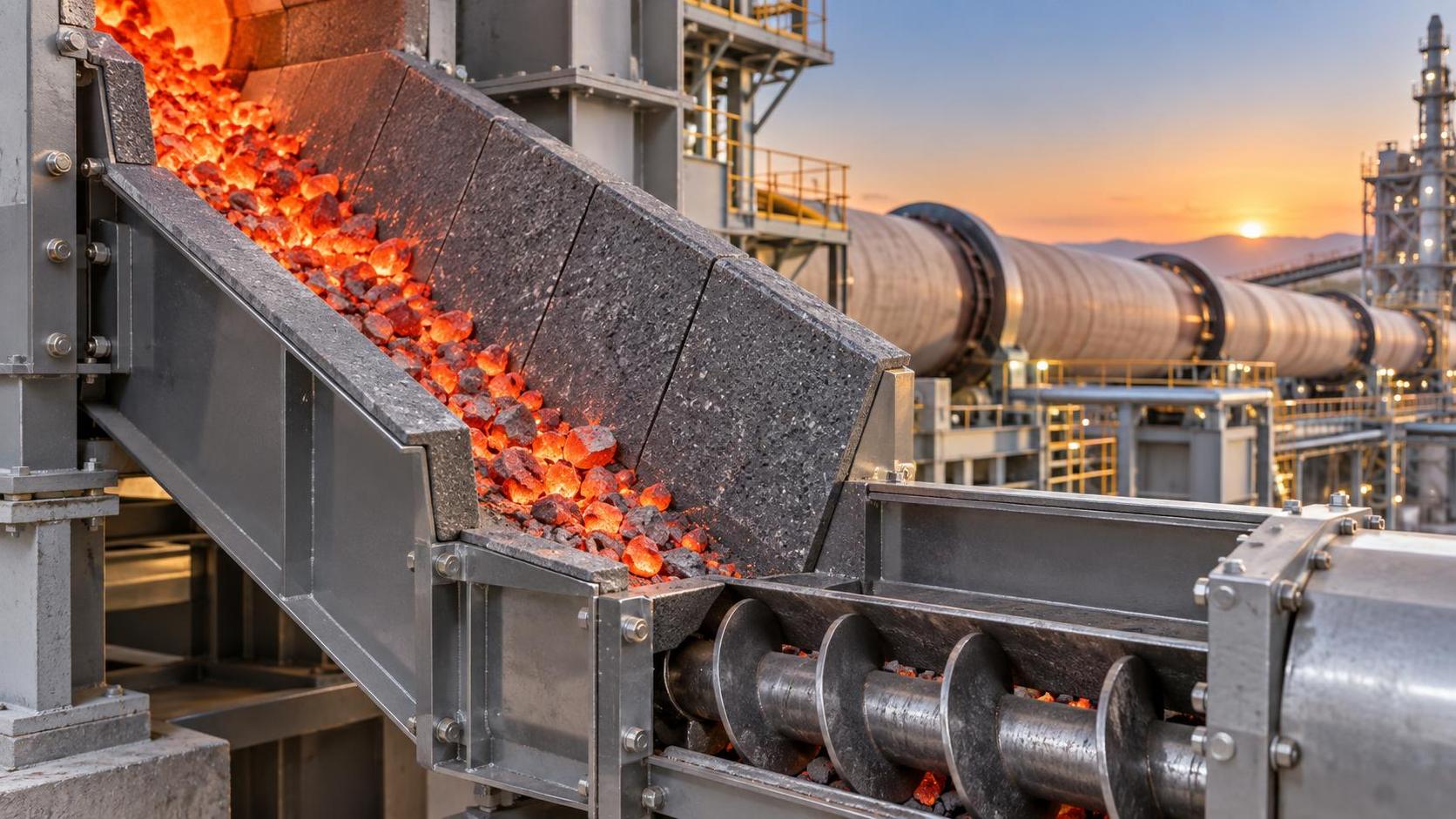
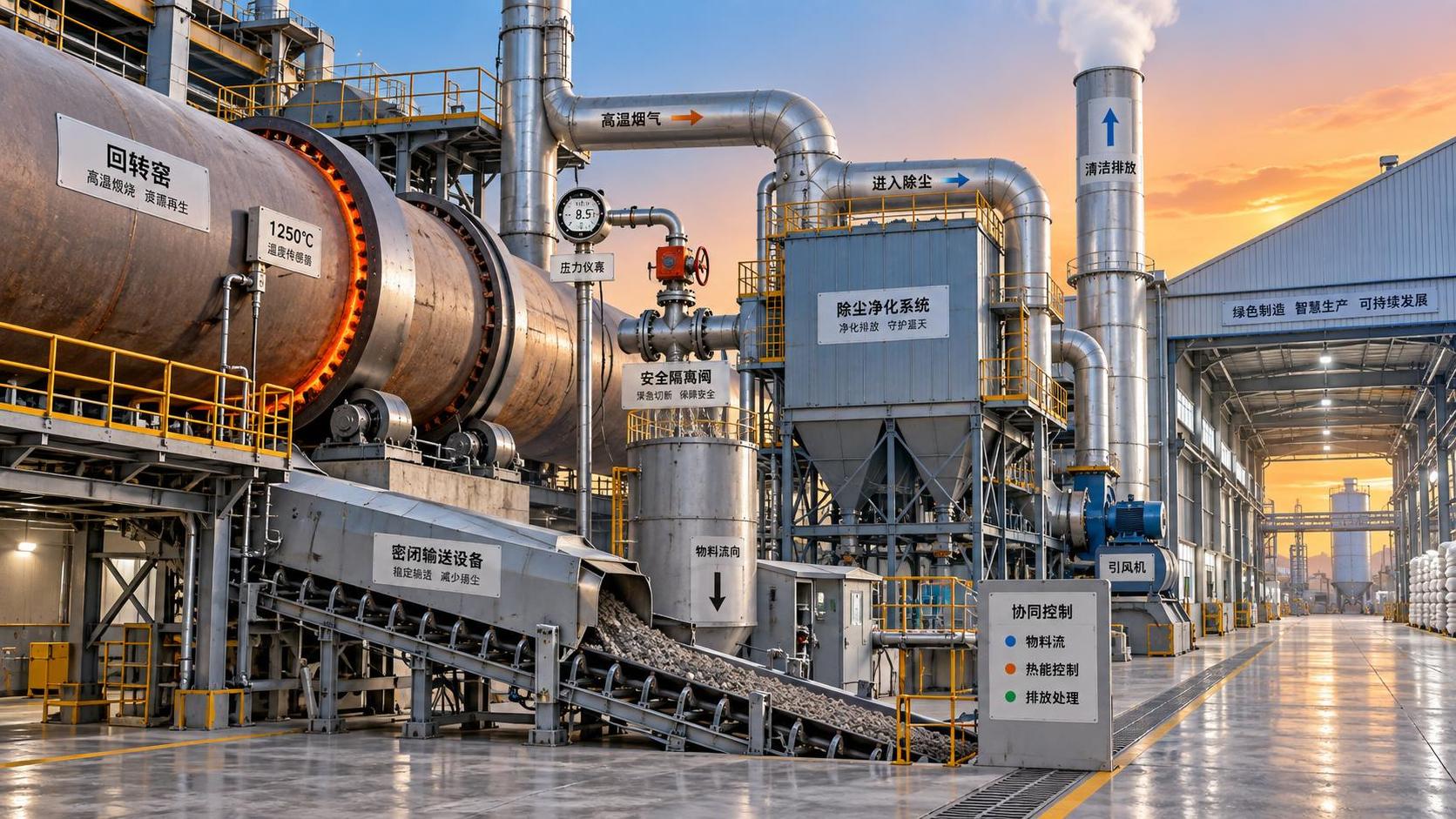
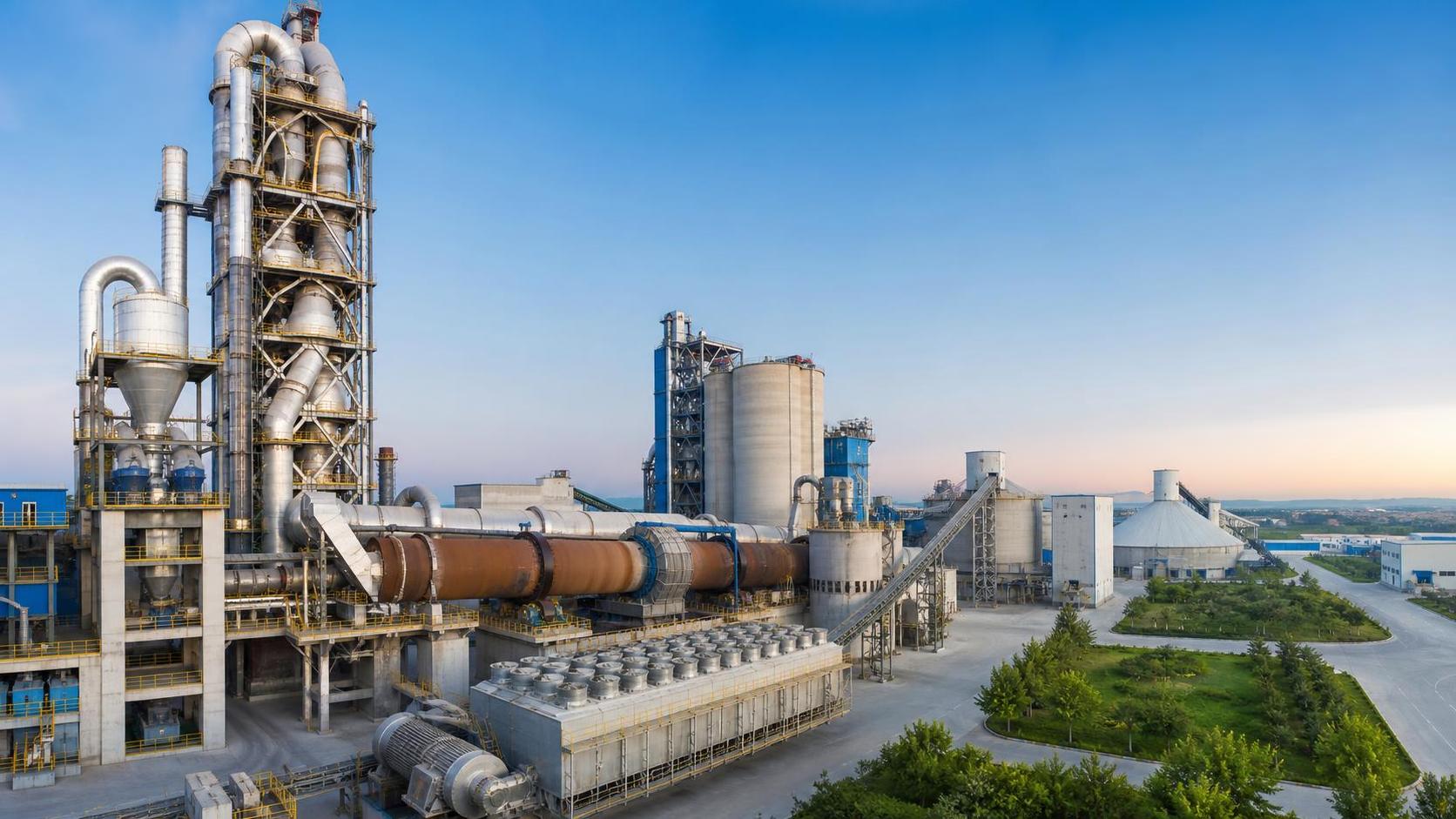
For kilns, clinker coolers, incinerator chambers, glass furnaces, and refractory-heavy zones, heat-resistant materials remain the foundation of safe operation.
This is even more obvious when process gases contain chlorides, sulfates, alkalis, or abrasive particles. A coating alone will not absorb that full burden.
The decision becomes clearer in applications involving long dwell time, direct flame impingement, molten splash, ash fusion, or repeated mechanical abrasion.
- Refractory linings in rotary kilns and calcination systems
- Primary chambers in waste-to-energy units
- Regenerator and crown zones in glass production
- Die-adjacent components under continuous hot pressure
In these environments, material thickness, phase stability, and chemical compatibility usually matter more than a thin insulating layer.
Four Decision Filters That Prevent Expensive Mistakes
From recent project patterns, the biggest mistakes come from evaluating temperature alone. Real service conditions are always more complex.
1. Thermal profile
Check peak temperature, average temperature, gradient, and cycling speed. Thermal barrier coatings respond differently in steady heat than in rapid startup and shutdown conditions.
2. Chemical exposure
Acid gases, alkali vapor, slag chemistry, and ash composition can destroy surface systems quickly. Heat-resistant materials may need tailored chemistry, not just higher temperature ratings.
3. Mechanical stress
Vibration, impact, pressure, and abrasion often decide lifespan faster than temperature. A strong thermal barrier coating still fails if adhesion suffers under mechanical load.
4. Maintenance reality
A technically perfect option may still be wrong if inspection access is poor or shutdown windows are too short. Lifecycle practicality matters as much as lab performance.
Why the Lowest Initial Cost Often Becomes the Highest Total Cost
This is where many procurement decisions go off track. Comparing thermal barrier coatings and heat-resistant materials by purchase price alone hides the real economics.
A cheaper surface solution may look attractive, but repeated failures can erase savings through lost throughput, emergency labor, and unstable fuel consumption.
On the other hand, specifying premium heat-resistant materials everywhere can lead to overengineering, higher weight, slower heat response, and unnecessary capital spend.
The better metric is total operating value. That means combining service life, energy impact, repair interval, downtime exposure, and process consistency.
In many modern plants, the smartest route is not choosing one over the other. It is using thermal barrier coatings and heat-resistant materials in a layered strategy.
A Practical Selection Framework for High-Heat Equipment
If the goal is a defensible specification, start with process data rather than supplier claims. This creates a cleaner path to technical and commercial alignment.
- Map each zone by temperature, residence time, and cycling pattern
- Identify direct contact risks such as slag, vapor, dust, or molten splash
- Separate structural demands from insulation demands
- Estimate failure cost, not only replacement cost
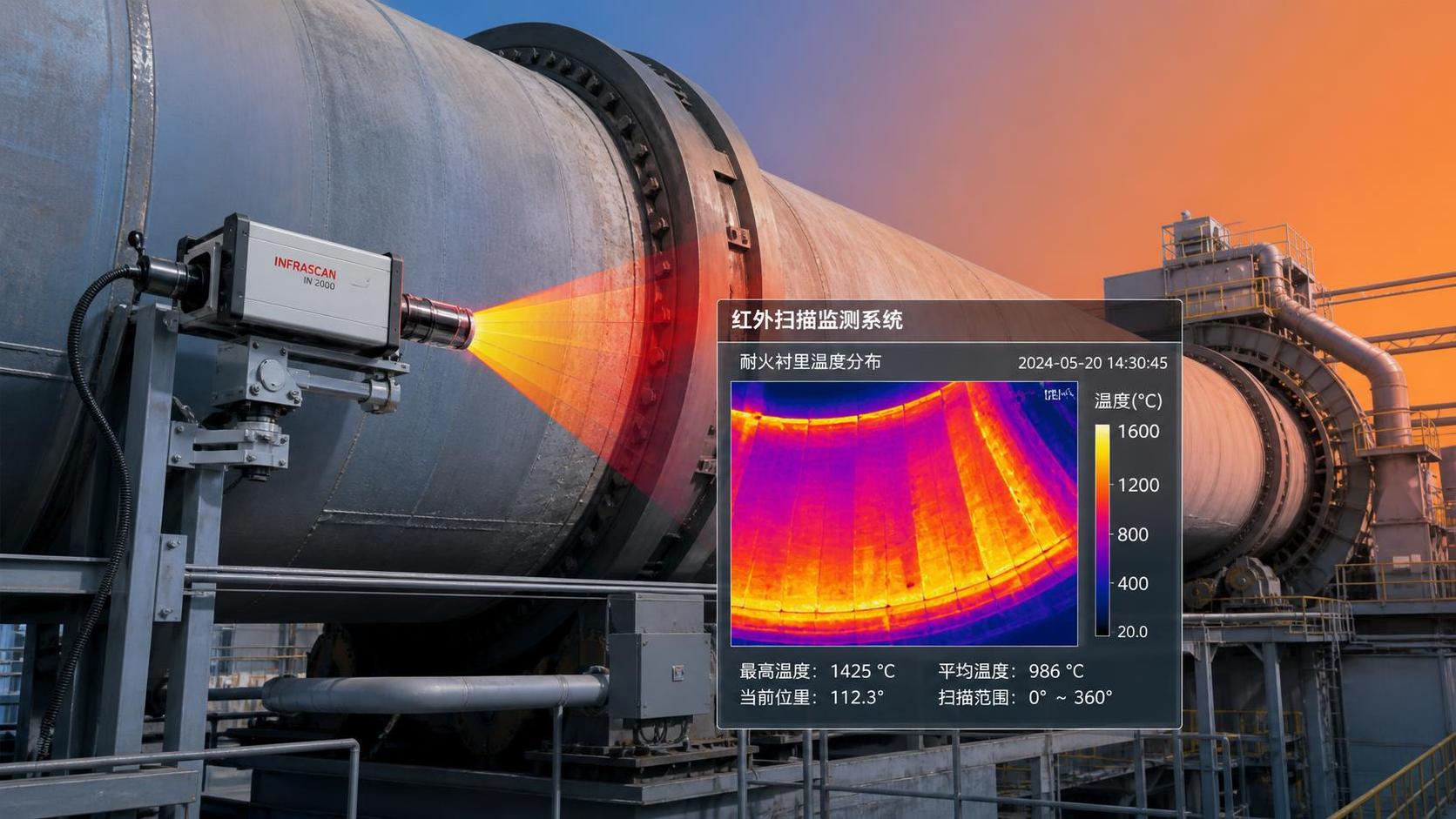
- Validate with monitoring data from shell temperature and wear history
This approach usually shows where thermal barrier coatings can create fast gains and where heat-resistant materials need deeper engineering attention.
For operations pursuing efficiency and decarbonization, that distinction is becoming more valuable, not less.
Final Takeaway
Thermal barrier coatings are strong tools for lowering heat transfer, protecting substrates, and improving energy performance in the right operating window.
Heat-resistant materials remain essential wherever the component must carry load, resist chemical attack, and survive direct high-temperature punishment over time.
The right answer is rarely generic. It depends on process severity, maintenance strategy, and the cost of instability.
A disciplined review of thermal profile, corrosion risk, mechanical stress, and lifecycle economics will reveal whether thermal barrier coatings, heat-resistant materials, or a hybrid system delivers the better fit.
Related News
 Thermal Energy ArchitectHow European Plants Can Evaluate Energy Recovery Equipment for High-Temperature ProcessesIndustrial energy recovery equipment Europe: learn how high-temperature plants can assess waste-heat sources, integration risks, lifecycle value, and reliable recovery routes.Sep 20, 2026
 Thermal Energy ArchitectIndustrial Furnace Process Optimization: Reducing Fuel Use Without Sacrificing ThroughputIndustrial process optimization furnace strategies that cut fuel use while protecting throughput. Explore combustion control, heat recovery, refractory performance, and data-driven efficiency gains.Sep 19, 2026
 Ms. Elena RodriguezWhat Drives High-Pressure Extrusion Equipment Cost in Industrial Projects?High pressure extrusion equipment cost explained: compare pressure, die design, automation, wear, energy, and installation factors for smarter industrial investments.Sep 18, 2026
 Thermal Energy ArchitectHow to Size a Waste Heat Recovery Exchanger for High-Temperature Kiln Exhaust?Waste heat recovery exchanger sizing for high-temperature kiln exhaust: balance recoverable duty, fouling, corrosion limits, pressure drop, and reliable heat use.Sep 17, 2026
 Thermal Energy ArchitectWhy Heat-Resistant Materials Lose Abrasion Resistance at High TemperaturesHeat-resistant materials abrasion resistance can decline at high temperatures. Discover the thermal, chemical, and mechanical causes of wear—and how to choose longer-lasting linings.Sep 16, 2026
 Thermal Energy ArchitectHow to Evaluate a Thermal Energy Optimization Company for High-Temperature PlantsChoose a thermal energy optimization company with proven process expertise, measurable savings, and reliable delivery for high-temperature plants. Learn what to assess.Sep 15, 2026
 Thermal Energy ArchitectRotary Kiln Efficiency: How Feed Rate, Fuel Use, and Heat Loss Affect OutputRotary kiln efficiency explained: discover how feed rate, fuel use, heat loss, combustion, and cooling performance shape output, quality, and energy costs.Sep 14, 2026
 Thermal Energy ArchitectHow to Select Heat-Resistant Materials That Maintain Abrasion Resistance in KilnsHeat-resistant materials abrasion resistance: learn how to select kiln linings that withstand heat, wear, thermal cycling, and chemical attack for longer service life.Sep 13, 2026
 Thermal Energy ArchitectHow Rotary Kiln Automation Improves Temperature Control and Fuel EfficiencyRotary kiln technology automation enhances temperature control, stabilizes combustion, and improves fuel efficiency with smarter data, predictive control, and safer operations.Sep 12, 2026
 Silicate Process EngineerCement Plant Emission Control: Selecting Systems for Dust, NOx, and SO2 LimitsCement plant emission control guide: compare dust collectors, NOx reduction, and SO2 systems for reliable compliance across kiln modes, fuel changes, and operating upsets.Sep 11, 2026
 Thermal Energy ArchitectSelecting Abrasion-Resistant High-Temperature Materials for Kiln and Conveyor Wear ZonesHigh-temp material engineering guide to abrasion-resistant kiln and conveyor solutions—match wear, heat, chemistry, and installation design for longer service life.Sep 10, 2026
 Dr. Alistair VaughnIndustrial Process Engineering: How to Map Processes for Safer, More Efficient PlantsIndustrial process engineering reveals bottlenecks, safety risks, and energy losses through practical process mapping for safer, more efficient plants.Sep 09, 2026
 Optical Glass Tech FellowHow to Evaluate a Glass Annealing Equipment Manufacturer for Production StabilityChoose a glass annealing equipment manufacturer with proven thermal uniformity, reliable controls, lifecycle value, and responsive service for stable production.Sep 08, 2026
 Prof. Marcus ChenThermal Energy Architecture in North America: Strategies for Lower Building Energy UseThermal energy architecture North America helps project leaders cut building energy use through stronger envelopes, right-sized HVAC, storage, and smart commissioning.Sep 07, 2026
 Ms. Elena RodriguezHow Should Buyers Evaluate Building Material Industry Intelligence Pricing?Building material industry intelligence pricing: learn how to compare coverage, technical depth, and ROI to choose intelligence that reduces procurement risk.Sep 07, 2026
 Ms. Elena RodriguezHow to Use Building Material Intelligence Data for Market and Investment DecisionsBuilding material industry intelligence data helps leaders evaluate demand, costs, regulation, capacity, and technology to make smarter market and investment decisions.Sep 05, 2026
 Thermal Energy ArchitectHow PLC Control Improves Energy Efficiency and Temperature Stability in KilnsEnergy efficient kilns PLC control improves temperature stability, cuts fuel waste, and optimizes combustion, draft, and material flow. Explore proven strategies for smarter kiln modernization.Sep 04, 2026
 Optical Glass Tech FellowEuropean Glass Melting Processes: Furnace Choices, Energy Use, and Quality ControlGlass melting process Europe: explore furnace choices, energy efficiency, cullet strategy, and quality control to improve output, compliance, and long-term glass performance.Sep 03, 2026
 Thermal Energy ArchitectWhat Determines Refractory Lining Monitoring Price for Industrial Kilns?Refractory lining monitoring price depends on kiln size, sensor technology, installation, software, and support. Compare total lifecycle costs and choose the right solution.Sep 02, 2026
 Silicate Process EngineerCement Production System Costs: A Plant Buyer’s Guide to Budgeting and ROICement production systems cost planning made clear: compare CAPEX, operating costs, compliance, and ROI to build a resilient, profitable cement plant investment.Sep 01, 2026


Related News
- 00
0000-00
How European Plants Can Evaluate Energy Recovery Equipment for High-Temperature Processes - 00
0000-00
Industrial Furnace Process Optimization: Reducing Fuel Use Without Sacrificing Throughput - 00
0000-00
How to Size a Waste Heat Recovery Exchanger for High-Temperature Kiln Exhaust? - 00
0000-00
Why Heat-Resistant Materials Lose Abrasion Resistance at High Temperatures - 00
0000-00
How to Evaluate a Thermal Energy Optimization Company for High-Temperature Plants
Weekly Insights
Stay ahead with our curated technology reports delivered every Monday.