
Industrial Kiln Design Parameters Explained: Capacity, Fuel Choice, Heat Recovery, and Layout




Industrial Kiln Design Parameters Explained: Capacity, Fuel Choice, Heat Recovery, and Layout
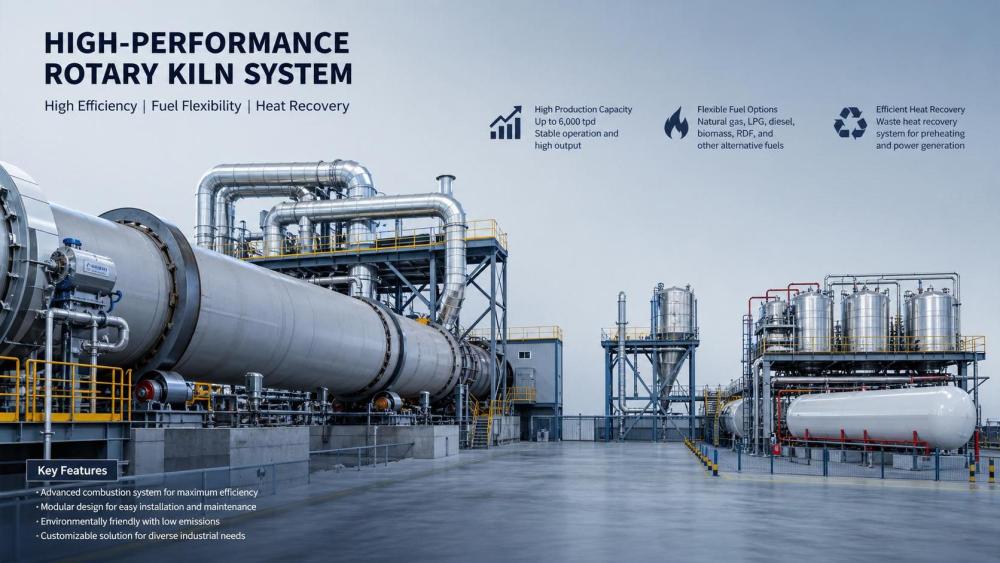
Industrial kiln design shapes much more than temperature delivery. It directly affects capital cost, operating stability, emissions performance, maintenance frequency, and expansion potential.
That is why early parameter decisions matter. A kiln sized only for today’s throughput can become tomorrow’s bottleneck, especially when product mix and fuel conditions change.
In practical terms, strong industrial kiln design connects process demand, thermal balance, refractory life, and plant layout into one decision framework.
For high-temperature sectors, this approach is now essential. Energy volatility, tighter carbon rules, and stricter uptime expectations leave little room for weak design assumptions.
CF-Elite tracks these shifts across cement, glass, refractory, incineration, and advanced building materials. One trend is especially clear: kilns are being judged as integrated assets, not isolated burners.
This guide breaks down the core industrial kiln design parameters that usually drive project outcomes: capacity, fuel choice, heat recovery, and layout logic.
Why Capacity Is the First Design Decision
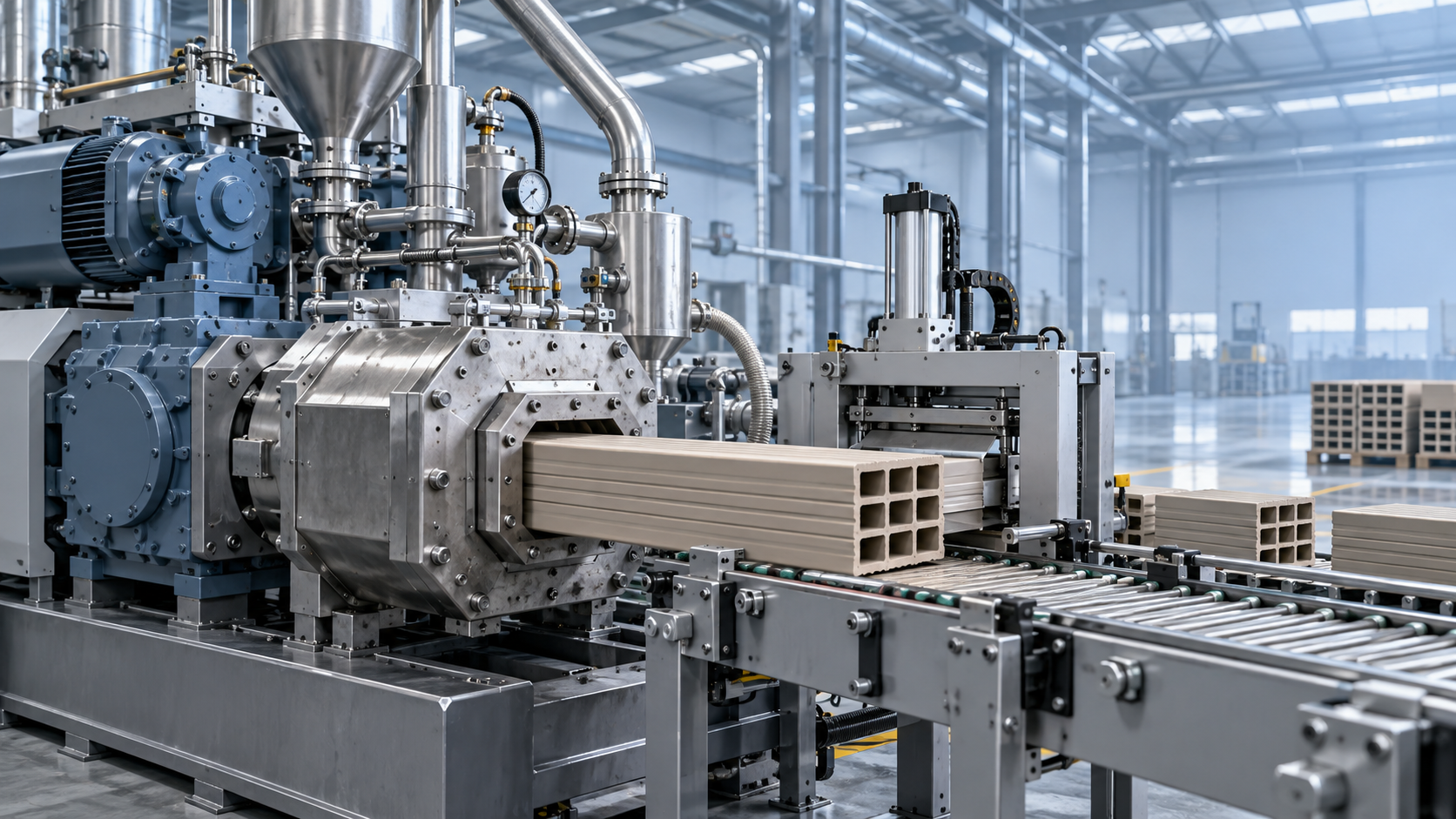
Capacity defines the rest of the system. Once target throughput is fixed, burner size, chamber geometry, residence time, draft control, and downstream handling all follow.
But nameplate output alone is not enough. Good industrial kiln design looks at effective capacity under real material variability, maintenance cycles, and fuel quality swings.
A common mistake is selecting maximum theoretical output as the design baseline. That can push heat flux too high and shorten refractory service life.
A better method is to define several capacity points:
- Minimum stable production rate
- Normal continuous operating rate
- Short-term peak design rate
- Future expansion target
This helps teams avoid overdesign and underdesign at the same time. It also improves procurement clarity when comparing kiln suppliers.
In rotary applications, capacity often depends on slope, speed, fill degree, and solids retention. In tunnel or shuttle kilns, loading density and cycle timing may matter more.
That means industrial kiln design should always tie capacity to product behavior, not just vessel dimensions.
Questions That Clarify Capacity Early
- What is the real annual utilization target?
- How variable are moisture, particle size, and chemistry?
- Will the plant run one product or multiple grades?
- How many shutdown days are already planned?
- Is debottlenecking expected within three to five years?
These questions sound basic, yet they often reveal whether the original industrial kiln design basis is realistic or too optimistic.
Fuel Choice Changes the Entire Kiln Strategy
Fuel selection is not only a utility choice. It changes combustion control, burner architecture, flue gas composition, safety systems, emissions handling, and operating cost exposure.
Natural gas offers clean combustion and precise control. Coal or petcoke may reduce fuel cost, but ash behavior and handling complexity increase.
Alternative fuels can support decarbonization goals. However, they demand stronger industrial kiln design around feed consistency, flame stability, and corrosion risk.
From a project perspective, the right question is not, “Which fuel is cheapest today?” The better question is, “Which fuel strategy stays viable across market and regulatory changes?”
Main Fuel Evaluation Factors
- Heating value and expected fluctuation
- Moisture, ash, sulfur, chlorine, and alkali content
- Local supply security and logistics distance
- Burner turndown ratio and ignition reliability
- Impact on NOx, SOx, dust, and CO control
- Compatibility with future co-processing plans
This is where industrial kiln design becomes a risk-management exercise. A fuel-flexible kiln usually costs more upfront, but it can protect margins over a long asset life.
Recent project trends show more owners asking for dual-fuel or multi-fuel readiness. That signal is stronger in regions facing carbon pricing or unstable imported fuel supply.
Simple Fuel Comparison Table
Heat Recovery Is Where Efficiency Becomes Bankable
Many kiln projects focus heavily on firing temperature. Yet the larger financial win often comes from what happens after the heat leaves the process zone.
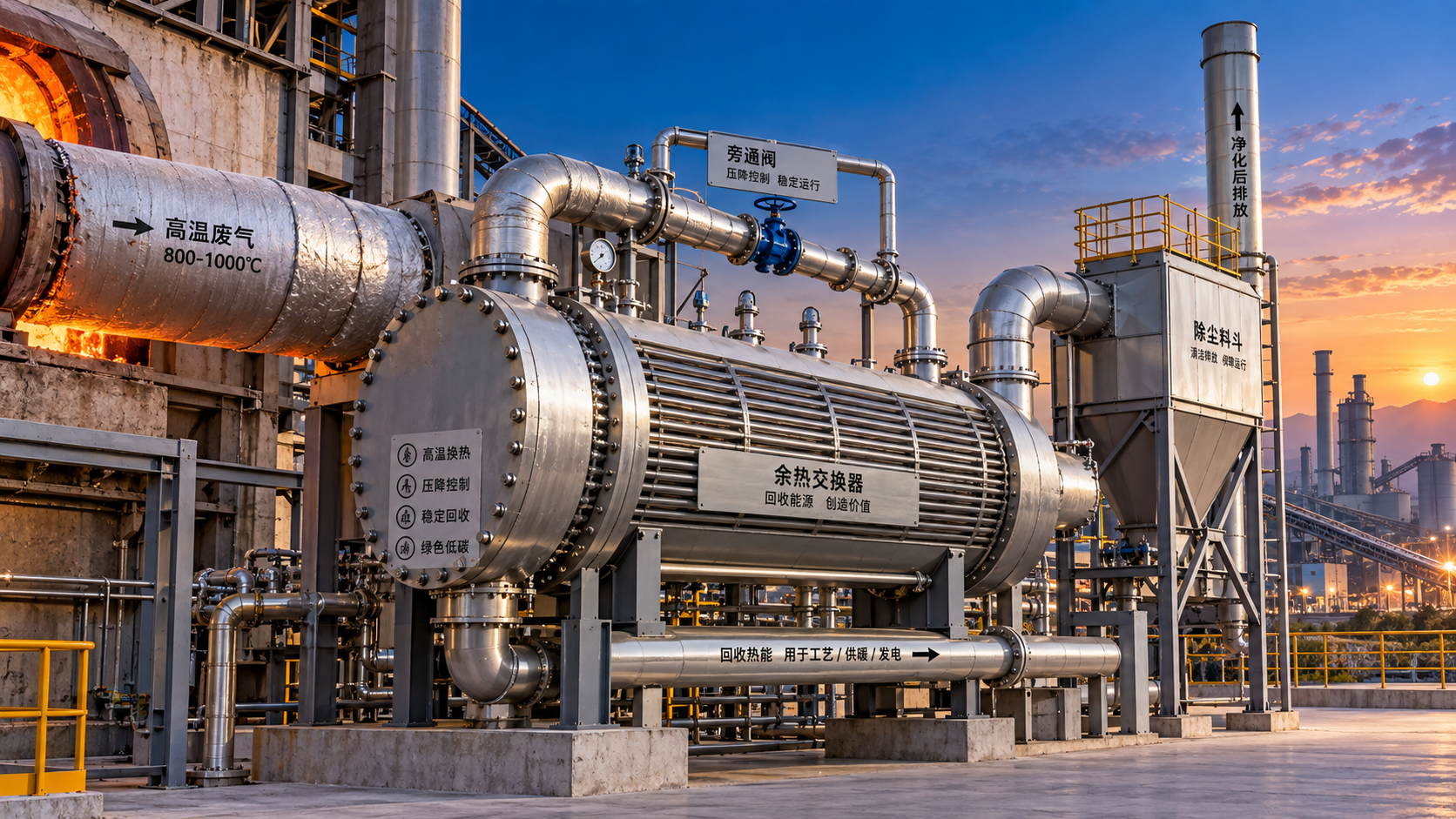
Heat recovery turns waste energy into measurable value. It can reduce fuel demand, preheat combustion air, dry feedstock, generate steam, or support nearby process units.
This is a critical part of modern industrial kiln design, especially where fuel costs are high or decarbonization targets are linked to investment approval.
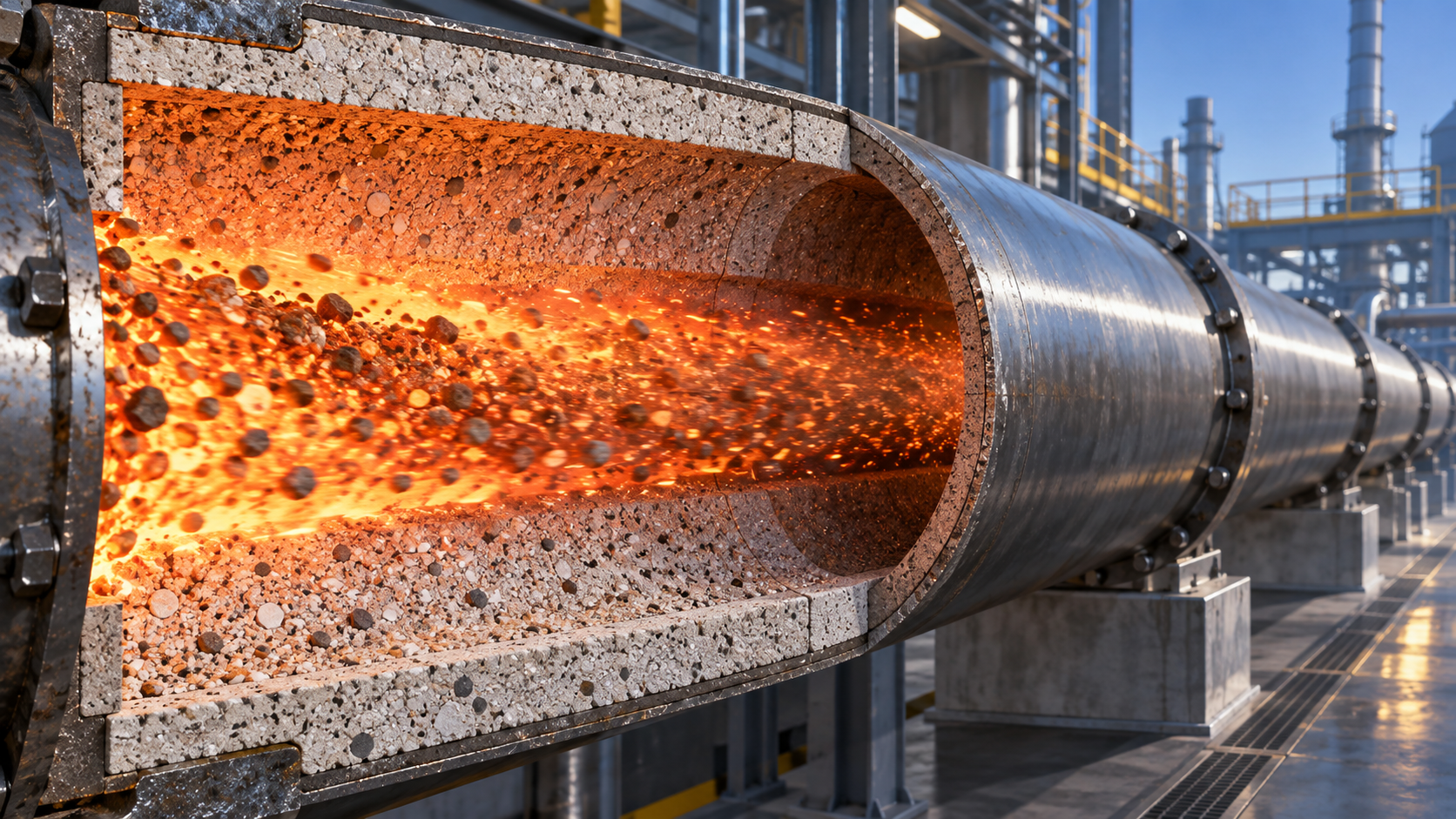
Still, not every heat recovery concept works in practice. Dust loading, corrosion, gas temperature profile, and seasonal operating patterns can reduce the real benefit.
Typical Heat Recovery Options
- Combustion air preheaters
- Raw material or sludge drying systems
- Waste heat boilers for steam generation
- Hot gas transfer to adjacent process lines
- Organic Rankine Cycle systems in suitable cases
The best industrial kiln design evaluates heat quantity and heat quality. Low-grade heat is still useful, but only when the receiving process matches its temperature level.
A common planning issue is overestimating recoverable heat by using peak conditions instead of average annual operation. That can distort the payback model.
A stronger approach is to model recovery under startup, normal load, partial load, and maintenance bypass conditions. That gives a more bankable result.
What to Check Before Approving Recovery Equipment
- Fouling tendency in the gas stream
- Fan power increase after added pressure drop
- Condensation and acid dew point risk
- Bypass needs during unstable operation
- Maintenance access around exchangers and ducts
When these details are ignored, heat recovery can become a maintenance burden rather than an efficiency gain. That is why industrial kiln design must treat recovery as part of operations, not only engineering.
Layout Determines Reliability, Safety, and Future Flexibility
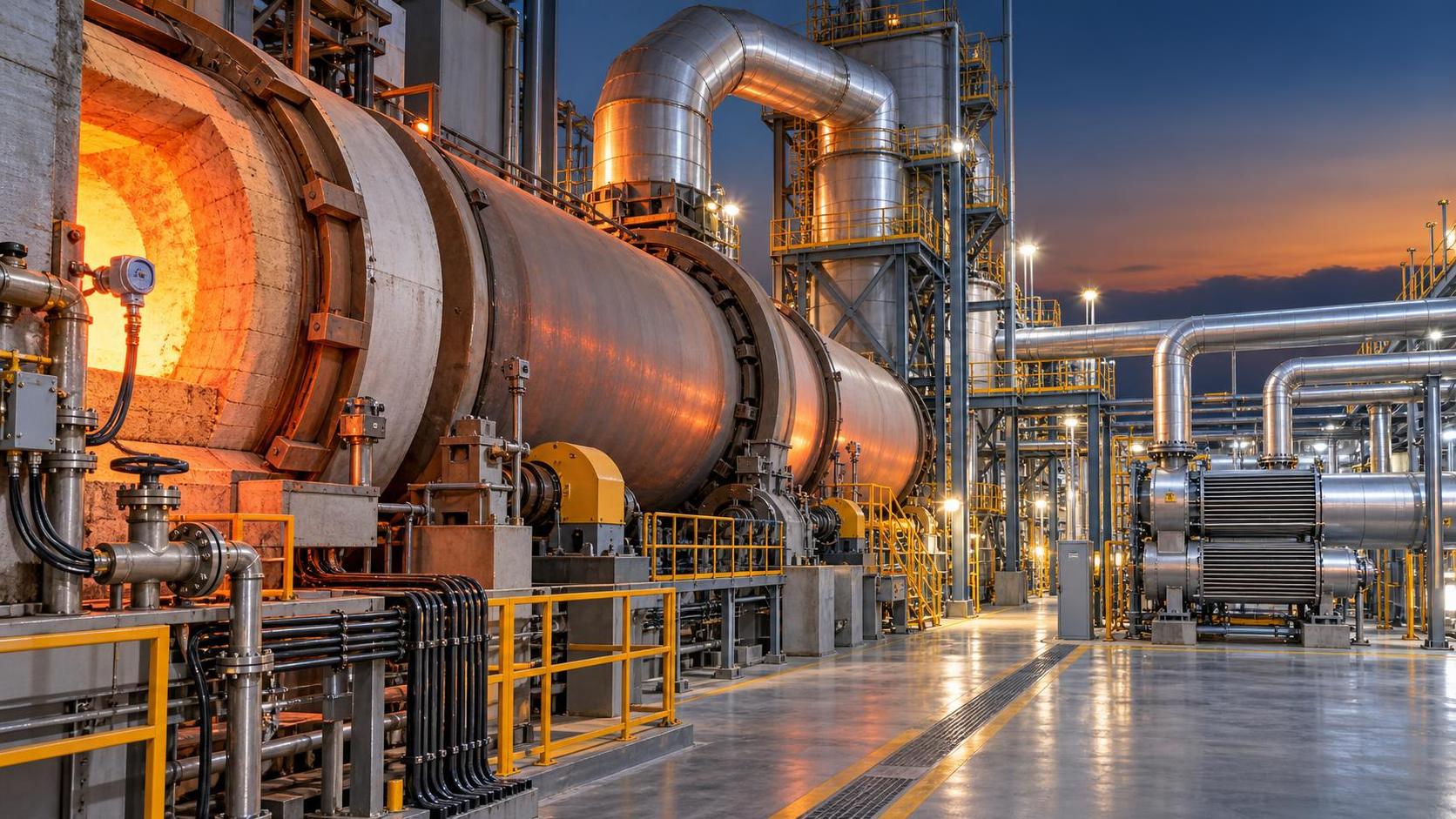
Plant layout may look like a civil or mechanical detail. In reality, it strongly influences equipment uptime, traffic flow, energy loss, and maintenance safety.
In industrial kiln design, a compact arrangement is not always the best arrangement. Shorter ducting may save heat, but cramped maintenance zones can increase shutdown duration.
Layout should support the full process path: raw material receipt, pre-processing, kiln feed, combustion support, exhaust handling, product discharge, and service access.
The more obvious signal in recent projects is the need for flexibility. Plants increasingly want space for future burners, analytics skids, emissions upgrades, or extra recovery modules.
Layout Priorities That Often Save Money Later
- Clear crane and refractory replacement access
- Safe separation between fuel handling and hot zones
- Straightforward routing for ducts, fans, and stacks
- Drainage and dust collection around transfer points
- Instrument access for calibration and inspection
- Reserved tie-in space for future capacity growth
This also affects commissioning. A layout that simplifies observation ports, sampling points, and test access can shorten the stabilization period after startup.
For that reason, experienced teams review industrial kiln design layouts with operations and maintenance staff before freezing the general arrangement.
How to Evaluate Industrial Kiln Design as a Project Package
The four parameters above should not be judged separately. Capacity, fuel, heat recovery, and layout constantly interact, and a change in one area can reshape the business case.
For example, a higher-capacity kiln may justify better waste heat utilization. A fuel shift may require extra residence time or a different exhaust treatment design.
That is why a good industrial kiln design review usually combines thermal calculations, process simulation, emissions scenarios, and lifecycle cost analysis.
A Practical Review Checklist
- Confirm realistic throughput under variable feed conditions.
- Stress-test fuel scenarios for cost, supply, and emissions.
- Quantify recoverable heat using annual operating profiles.
- Review layout for maintenance, safety, and expansion space.
- Compare total lifecycle value, not only EPC price.
In real projects, this checklist can prevent expensive late-stage redesign. It also helps procurement teams compare proposals on technical substance, not presentation style.
At the strategic level, better industrial kiln design supports the wider shift toward lower emissions, smarter thermal management, and stronger asset resilience.
The most reliable path is to define the kiln as part of a system. When capacity, fuel choice, heat recovery, and layout are aligned early, performance becomes more predictable.
That is the point where industrial kiln design stops being a specification exercise and becomes a long-term competitive advantage.
Related News
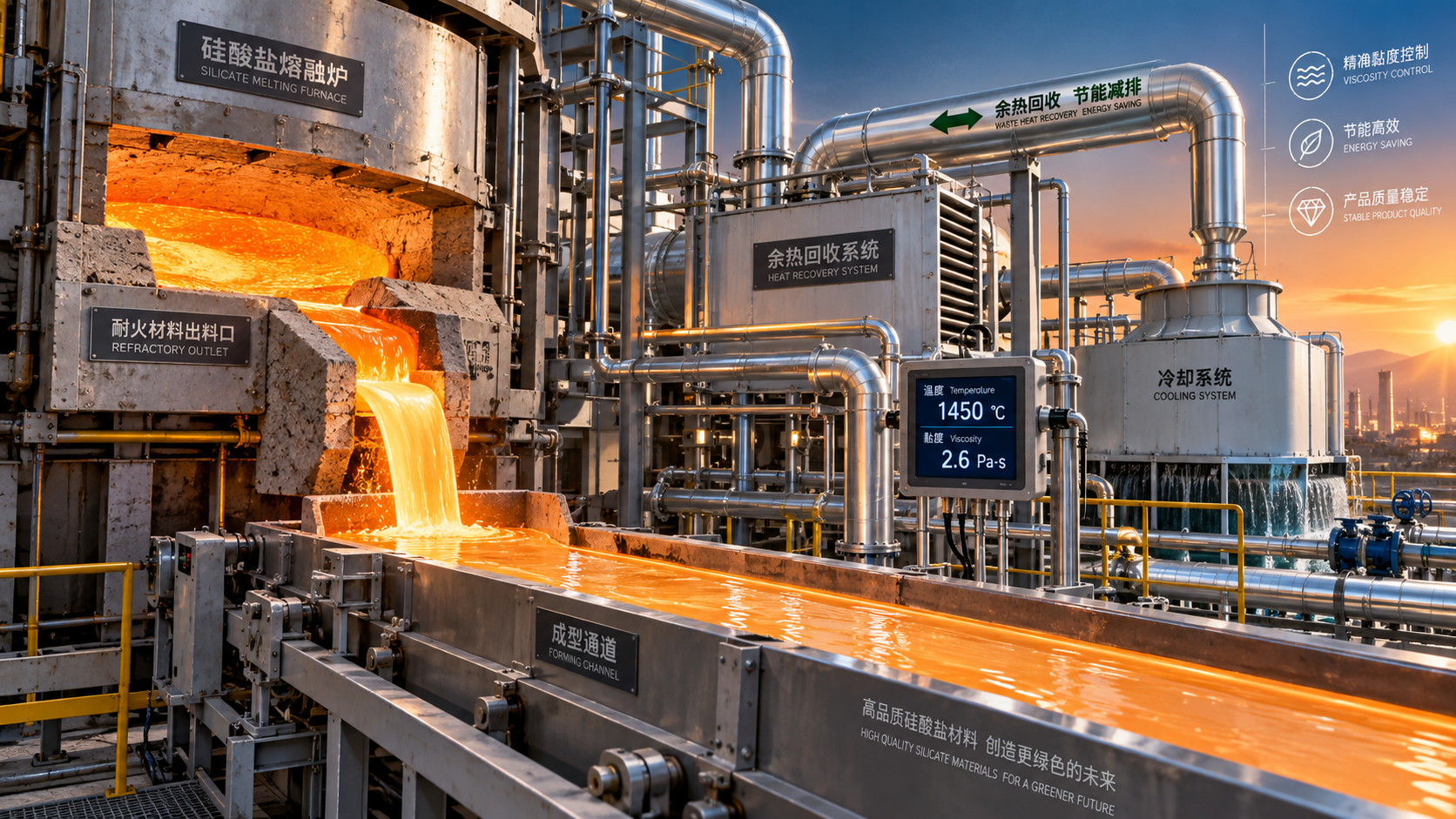
 Optical Glass Tech FellowHow Silicate Industrial Processes Control Viscosity, Energy Use, and Product QualitySilicate industrial processes: learn how viscosity, chemistry, heat transfer, and atmosphere control reduce energy use, improve stability, and protect product quality.Sep 21, 2026
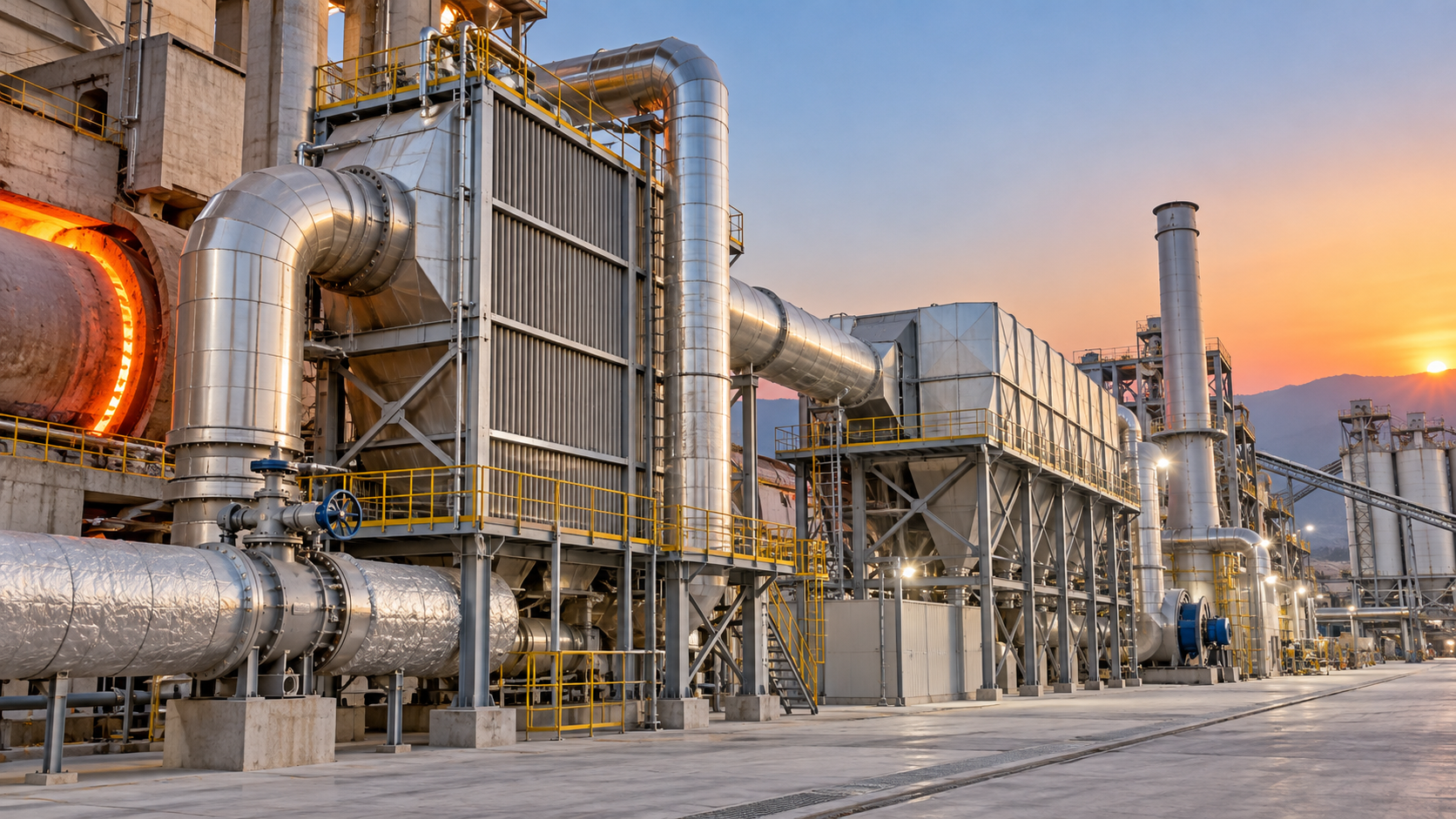
 Thermal Energy ArchitectHow European Plants Can Evaluate Energy Recovery Equipment for High-Temperature ProcessesIndustrial energy recovery equipment Europe: learn how high-temperature plants can assess waste-heat sources, integration risks, lifecycle value, and reliable recovery routes.Sep 20, 2026
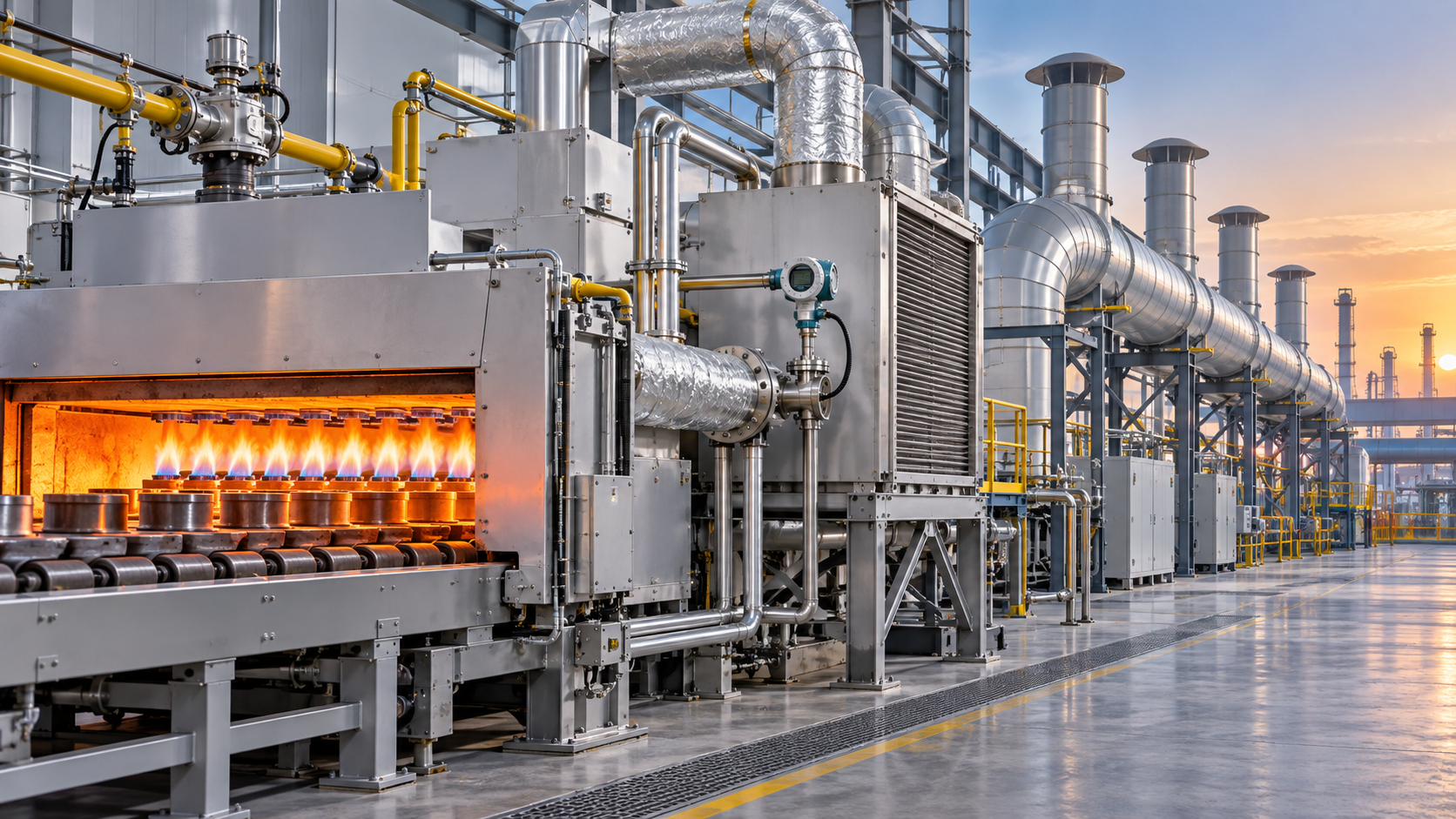
 Thermal Energy ArchitectIndustrial Furnace Process Optimization: Reducing Fuel Use Without Sacrificing ThroughputIndustrial process optimization furnace strategies that cut fuel use while protecting throughput. Explore combustion control, heat recovery, refractory performance, and data-driven efficiency gains.Sep 19, 2026
 Ms. Elena RodriguezWhat Drives High-Pressure Extrusion Equipment Cost in Industrial Projects?High pressure extrusion equipment cost explained: compare pressure, die design, automation, wear, energy, and installation factors for smarter industrial investments.Sep 18, 2026
 Thermal Energy ArchitectHow to Size a Waste Heat Recovery Exchanger for High-Temperature Kiln Exhaust?Waste heat recovery exchanger sizing for high-temperature kiln exhaust: balance recoverable duty, fouling, corrosion limits, pressure drop, and reliable heat use.Sep 17, 2026
 Thermal Energy ArchitectWhy Heat-Resistant Materials Lose Abrasion Resistance at High TemperaturesHeat-resistant materials abrasion resistance can decline at high temperatures. Discover the thermal, chemical, and mechanical causes of wear—and how to choose longer-lasting linings.Sep 16, 2026
 Thermal Energy ArchitectHow to Evaluate a Thermal Energy Optimization Company for High-Temperature PlantsChoose a thermal energy optimization company with proven process expertise, measurable savings, and reliable delivery for high-temperature plants. Learn what to assess.Sep 15, 2026
 Thermal Energy ArchitectRotary Kiln Efficiency: How Feed Rate, Fuel Use, and Heat Loss Affect OutputRotary kiln efficiency explained: discover how feed rate, fuel use, heat loss, combustion, and cooling performance shape output, quality, and energy costs.Sep 14, 2026
 Thermal Energy ArchitectHow to Select Heat-Resistant Materials That Maintain Abrasion Resistance in KilnsHeat-resistant materials abrasion resistance: learn how to select kiln linings that withstand heat, wear, thermal cycling, and chemical attack for longer service life.Sep 13, 2026
 Thermal Energy ArchitectHow Rotary Kiln Automation Improves Temperature Control and Fuel EfficiencyRotary kiln technology automation enhances temperature control, stabilizes combustion, and improves fuel efficiency with smarter data, predictive control, and safer operations.Sep 12, 2026
 Silicate Process EngineerCement Plant Emission Control: Selecting Systems for Dust, NOx, and SO2 LimitsCement plant emission control guide: compare dust collectors, NOx reduction, and SO2 systems for reliable compliance across kiln modes, fuel changes, and operating upsets.Sep 11, 2026
 Thermal Energy ArchitectSelecting Abrasion-Resistant High-Temperature Materials for Kiln and Conveyor Wear ZonesHigh-temp material engineering guide to abrasion-resistant kiln and conveyor solutions—match wear, heat, chemistry, and installation design for longer service life.Sep 10, 2026
 Dr. Alistair VaughnIndustrial Process Engineering: How to Map Processes for Safer, More Efficient PlantsIndustrial process engineering reveals bottlenecks, safety risks, and energy losses through practical process mapping for safer, more efficient plants.Sep 09, 2026
 Optical Glass Tech FellowHow to Evaluate a Glass Annealing Equipment Manufacturer for Production StabilityChoose a glass annealing equipment manufacturer with proven thermal uniformity, reliable controls, lifecycle value, and responsive service for stable production.Sep 08, 2026
 Prof. Marcus ChenThermal Energy Architecture in North America: Strategies for Lower Building Energy UseThermal energy architecture North America helps project leaders cut building energy use through stronger envelopes, right-sized HVAC, storage, and smart commissioning.Sep 07, 2026
 Ms. Elena RodriguezHow Should Buyers Evaluate Building Material Industry Intelligence Pricing?Building material industry intelligence pricing: learn how to compare coverage, technical depth, and ROI to choose intelligence that reduces procurement risk.Sep 07, 2026
 Ms. Elena RodriguezHow to Use Building Material Intelligence Data for Market and Investment DecisionsBuilding material industry intelligence data helps leaders evaluate demand, costs, regulation, capacity, and technology to make smarter market and investment decisions.Sep 05, 2026
 Thermal Energy ArchitectHow PLC Control Improves Energy Efficiency and Temperature Stability in KilnsEnergy efficient kilns PLC control improves temperature stability, cuts fuel waste, and optimizes combustion, draft, and material flow. Explore proven strategies for smarter kiln modernization.Sep 04, 2026
 Optical Glass Tech FellowEuropean Glass Melting Processes: Furnace Choices, Energy Use, and Quality ControlGlass melting process Europe: explore furnace choices, energy efficiency, cullet strategy, and quality control to improve output, compliance, and long-term glass performance.Sep 03, 2026
 Thermal Energy ArchitectWhat Determines Refractory Lining Monitoring Price for Industrial Kilns?Refractory lining monitoring price depends on kiln size, sensor technology, installation, software, and support. Compare total lifecycle costs and choose the right solution.Sep 02, 2026



Related News
- 00
0000-00
How European Plants Can Evaluate Energy Recovery Equipment for High-Temperature Processes - 00
0000-00
Industrial Furnace Process Optimization: Reducing Fuel Use Without Sacrificing Throughput - 00
0000-00
How to Size a Waste Heat Recovery Exchanger for High-Temperature Kiln Exhaust? - 00
0000-00
Why Heat-Resistant Materials Lose Abrasion Resistance at High Temperatures - 00
0000-00
How to Evaluate a Thermal Energy Optimization Company for High-Temperature Plants
Weekly Insights
Stay ahead with our curated technology reports delivered every Monday.