
How to Improve Thermal Energy Optimization in High-Temperature Production Lines




Why Thermal Energy Optimization Has Become a Core Production Strategy
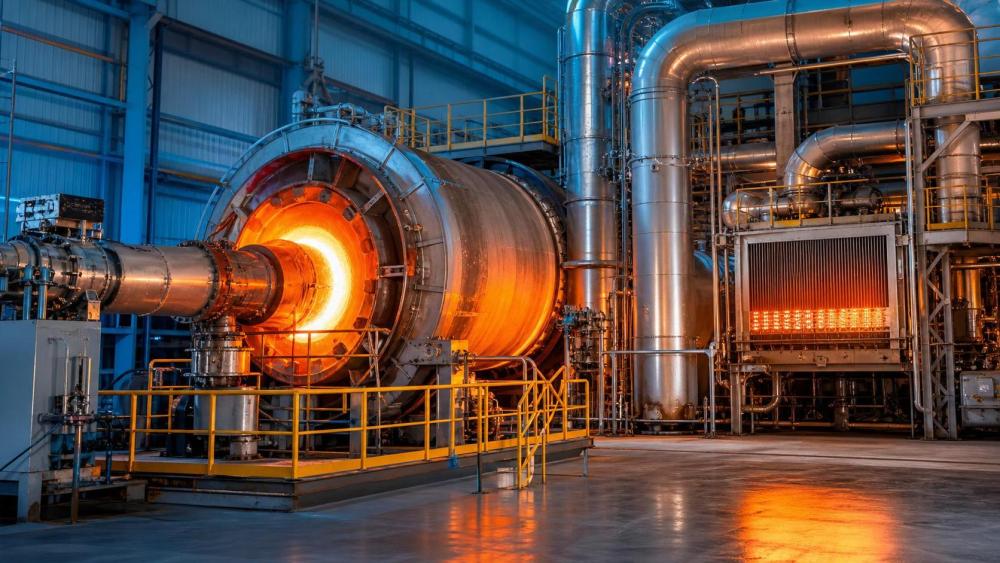
In high-temperature manufacturing, energy loss rarely comes from one dramatic failure.
It usually leaks through dozens of small inefficiencies across kilns, furnaces, ducts, burners, and control routines.
That is why thermal energy optimization now sits at the center of performance planning.
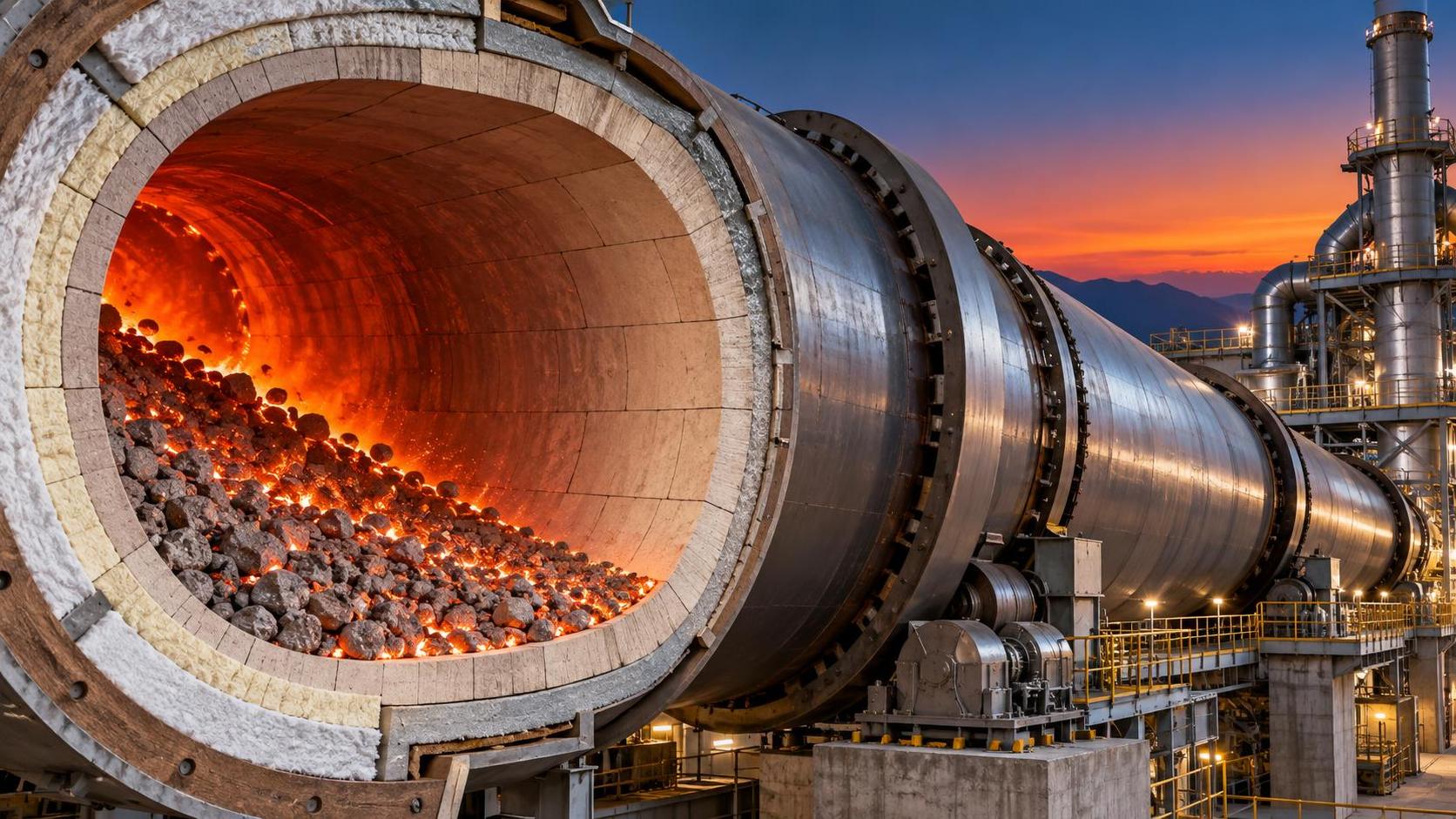
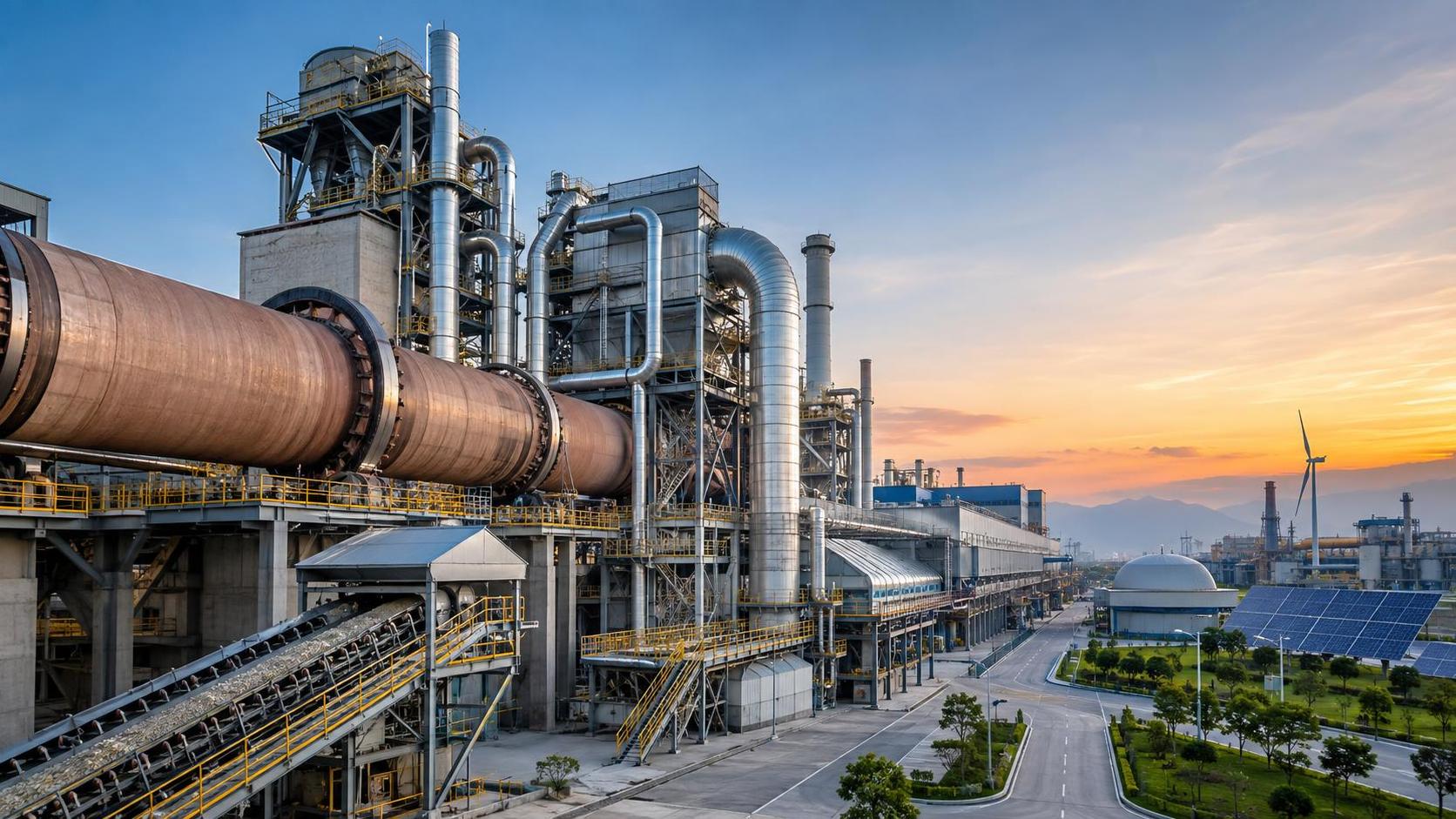
For production lines handling cement, glass, refractory materials, incineration, or extrusion, heat defines both output and stability.
When heat flow is uneven, quality drift appears fast.
Fuel use rises, refractory wear accelerates, and unplanned downtime becomes harder to avoid.
From a project perspective, thermal energy optimization is not only about lowering the utility bill.
It supports emissions targets, capacity expansion, maintenance planning, and process reliability at the same time.
This is especially true in global operations facing tighter carbon rules and higher fuel price volatility.
More operators are now treating heat as a managed asset, not a fixed operating condition.
That shift creates room for smarter investment and more measurable returns.
Start with a Full Thermal Loss Map
The first step in thermal energy optimization is visibility.
Without a line-wide thermal loss map, upgrades often target the wrong bottleneck.
A useful assessment should cover heat input, heat transfer, heat recovery, and heat escape.
It should also compare design values with actual operating conditions.
In many plants, those two numbers are far apart.
Focus the review on the highest-temperature zones first.
- Combustion efficiency at burners and air-fuel mixing points
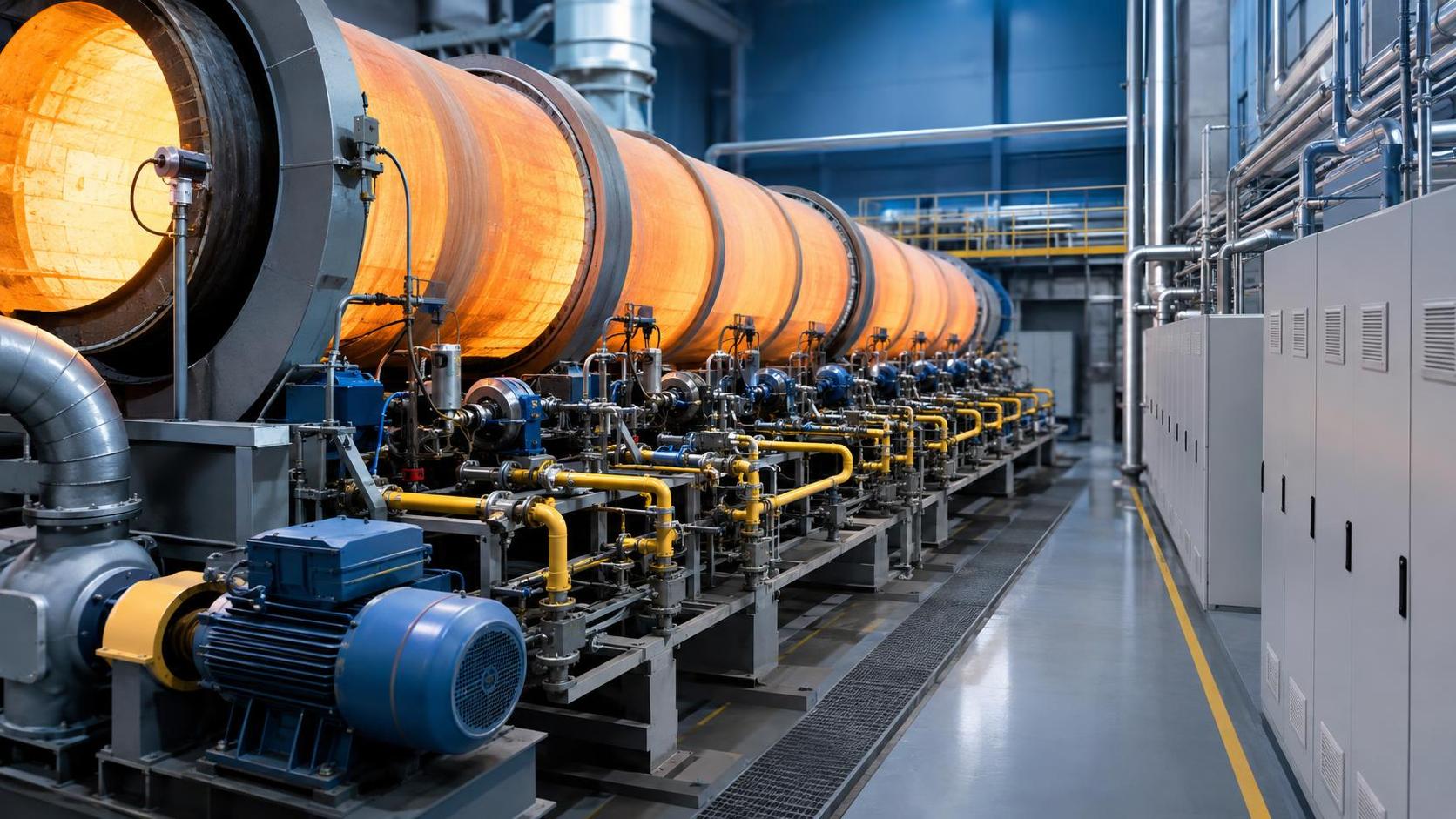
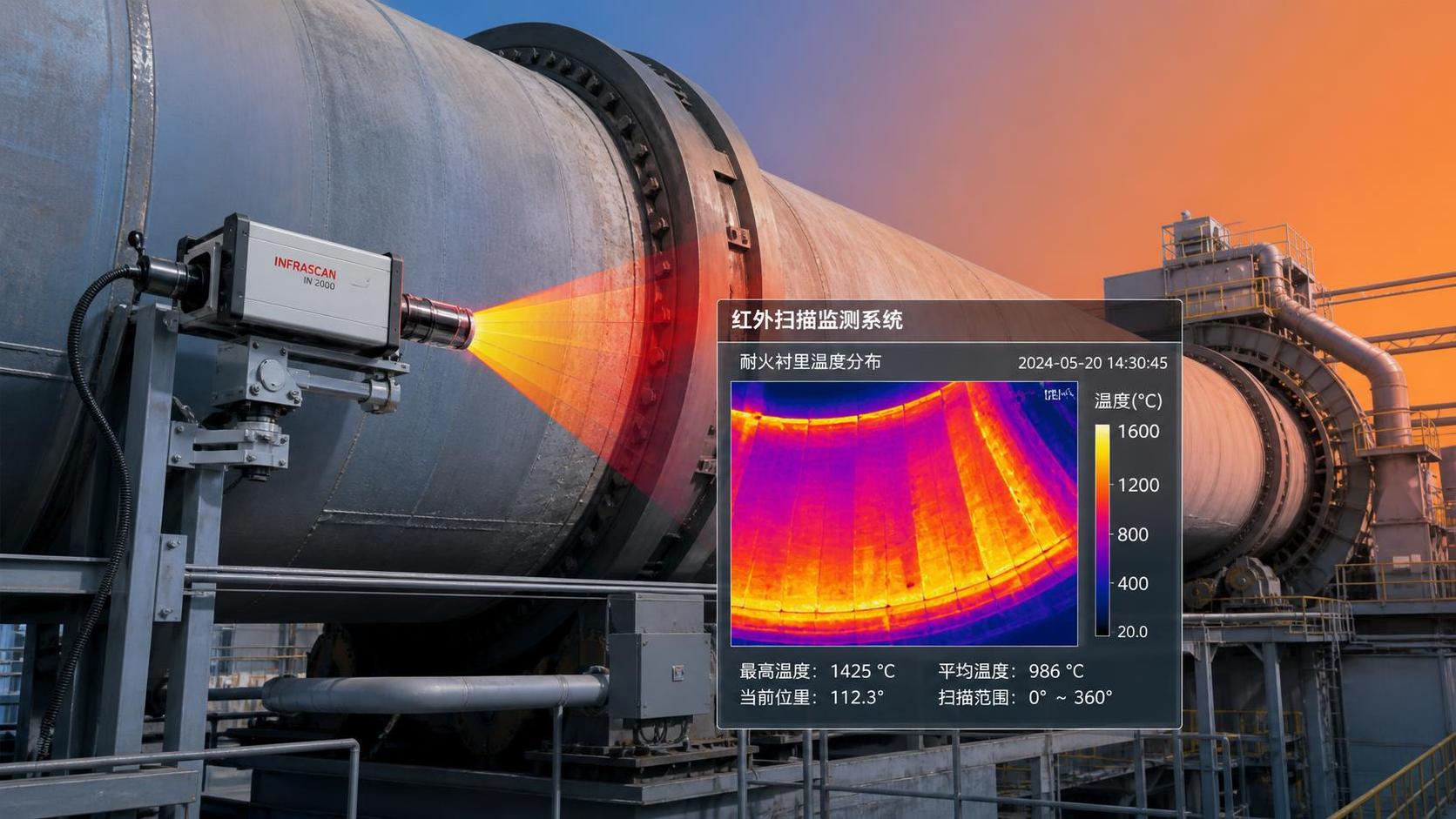
- Shell temperature variation across kilns, furnaces, and incinerators
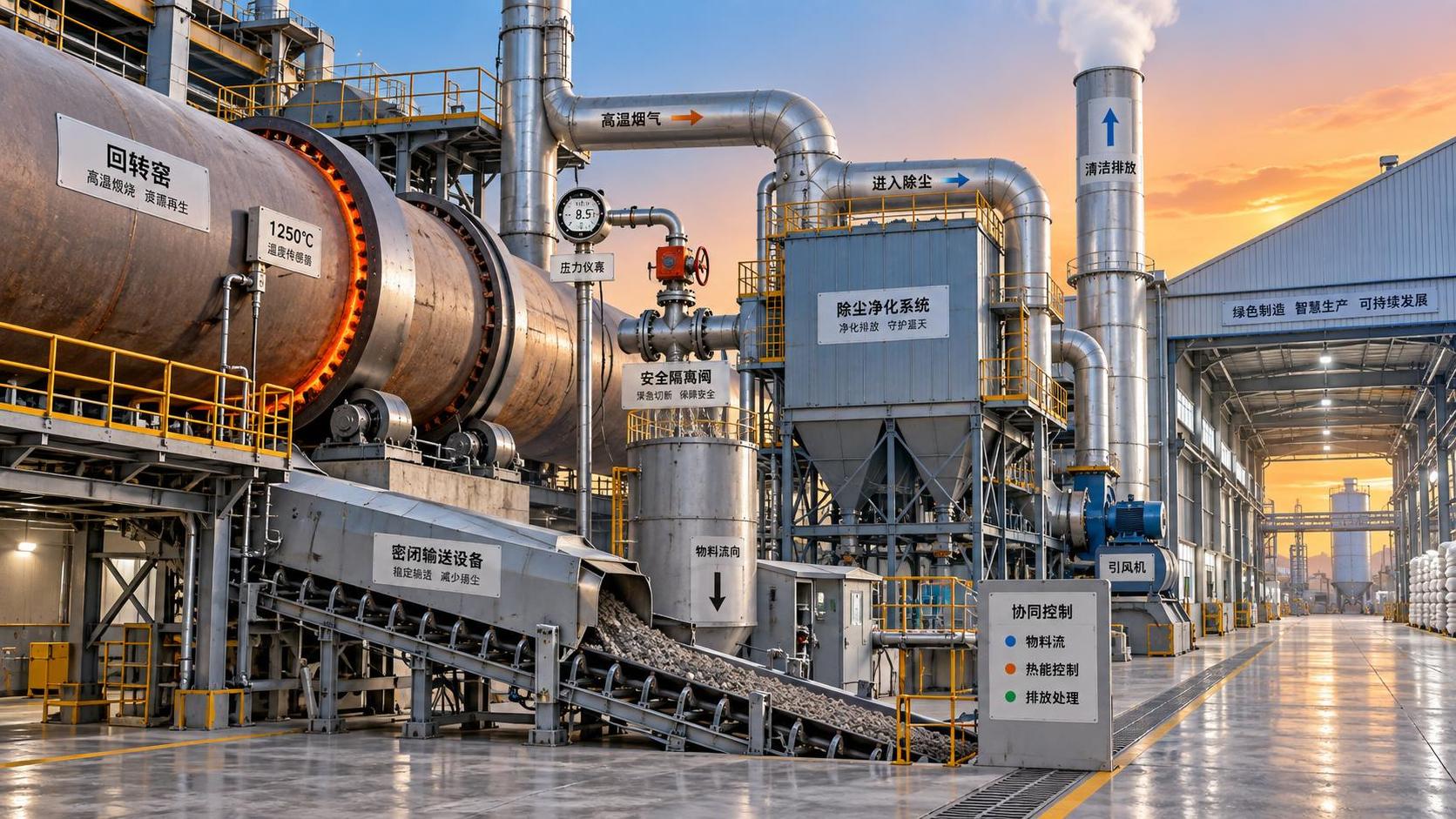
- Exhaust gas temperature and unused waste heat potential
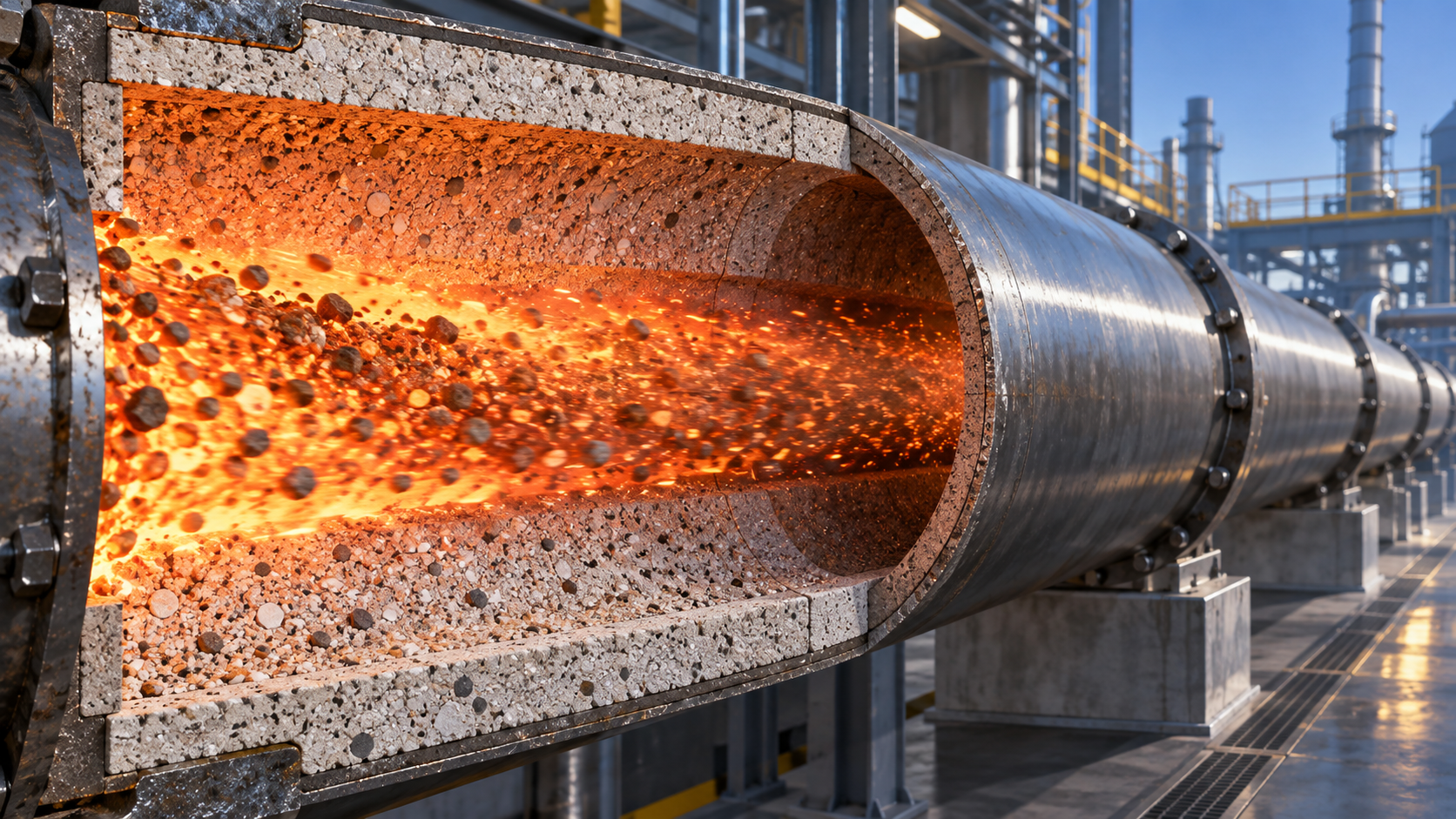
- Refractory condition, hot spots, and insulation failure patterns
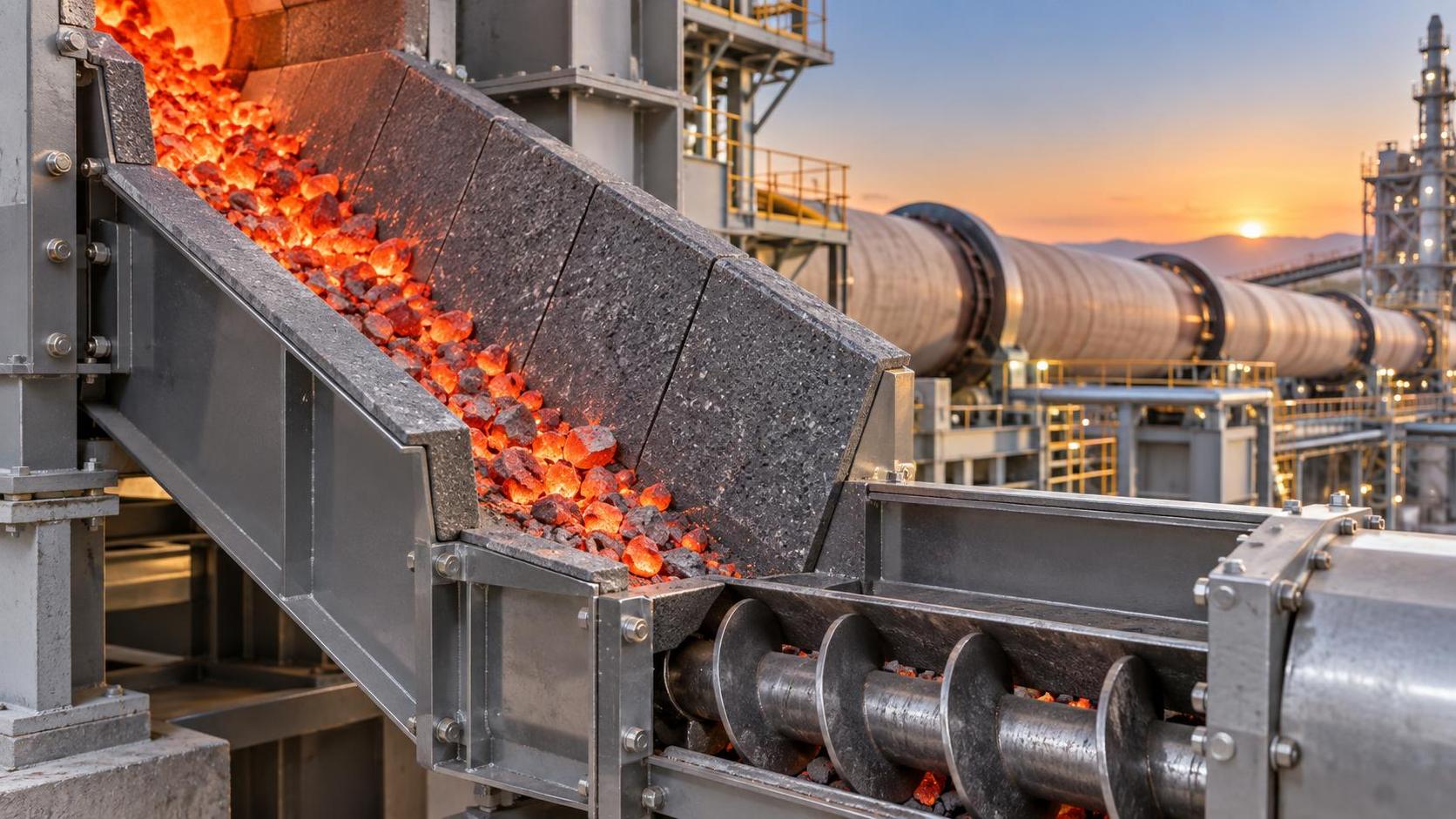
- Heat losses during material transfer, holding, and cooling stages
This kind of thermal energy optimization review should combine field measurements with production records.
Infrared scanning, flue gas analysis, and trend data from PLC or DCS systems are a practical baseline.
In more advanced projects, digital twin models add better prediction.
They help estimate the impact of insulation upgrades, burner changes, or control logic adjustments before shutdown begins.
Upgrade Combustion and Heat Recovery Together
One common mistake is improving combustion without redesigning heat recovery.
That approach captures only part of the value.
Strong thermal energy optimization links both sides of the heat balance.
On the combustion side, stable flame shape and accurate oxygen control matter more than headline burner capacity.
Even minor excess air can quietly increase fuel demand.
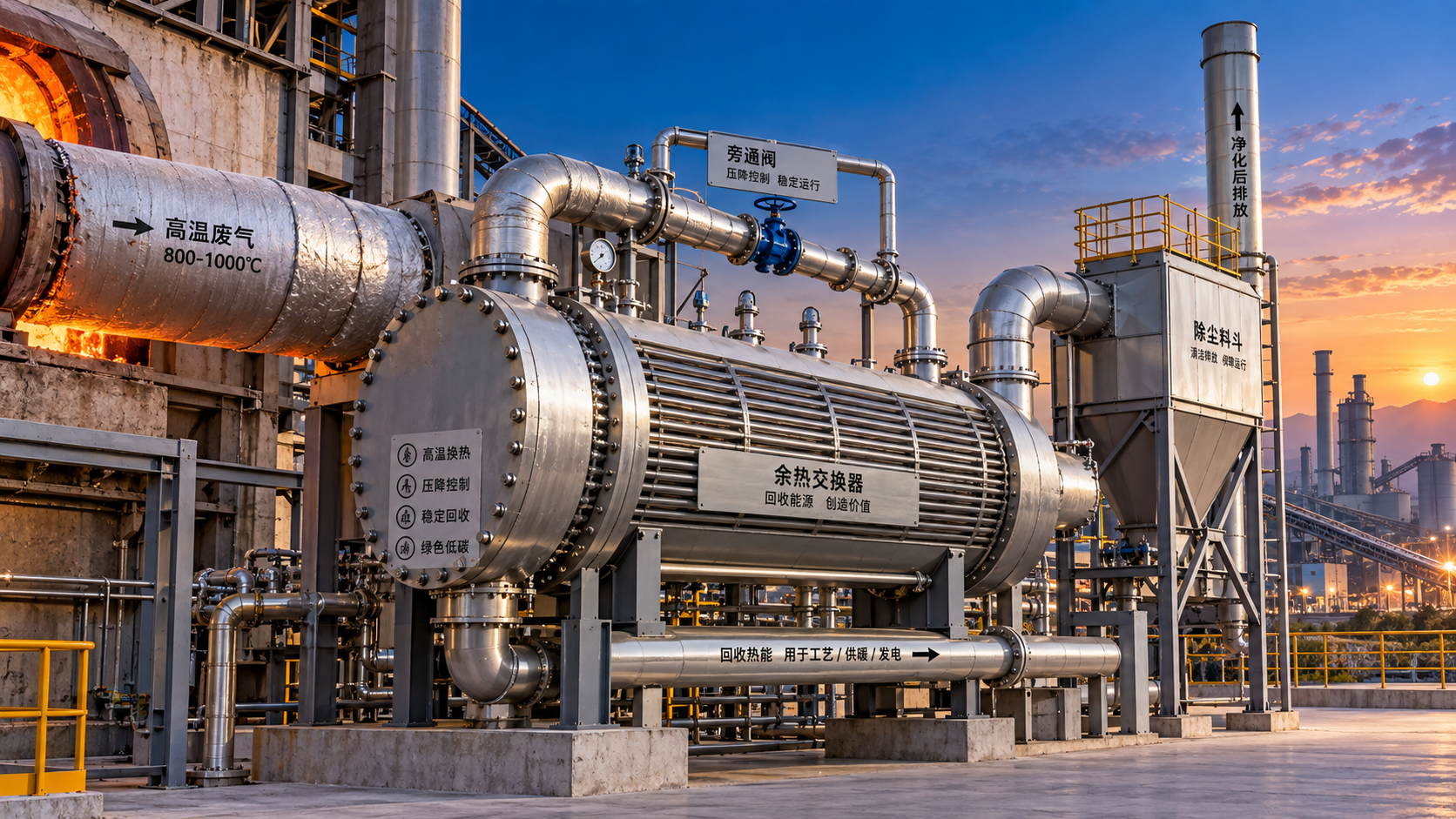
On the recovery side, exhaust streams often carry usable energy that never returns to the process.
That is where project teams usually find the fastest payback.
- Install or tune regenerative and recuperative burner systems where process temperature allows.
- Reuse flue gas heat for combustion air preheating, raw material drying, or feedwater support.
- Balance draft systems to avoid pulling excess hot air out of the thermal zone.
- Check duct leakage, bypass losses, and fouling inside heat exchangers.
- Review whether waste heat can support upstream or downstream operations.
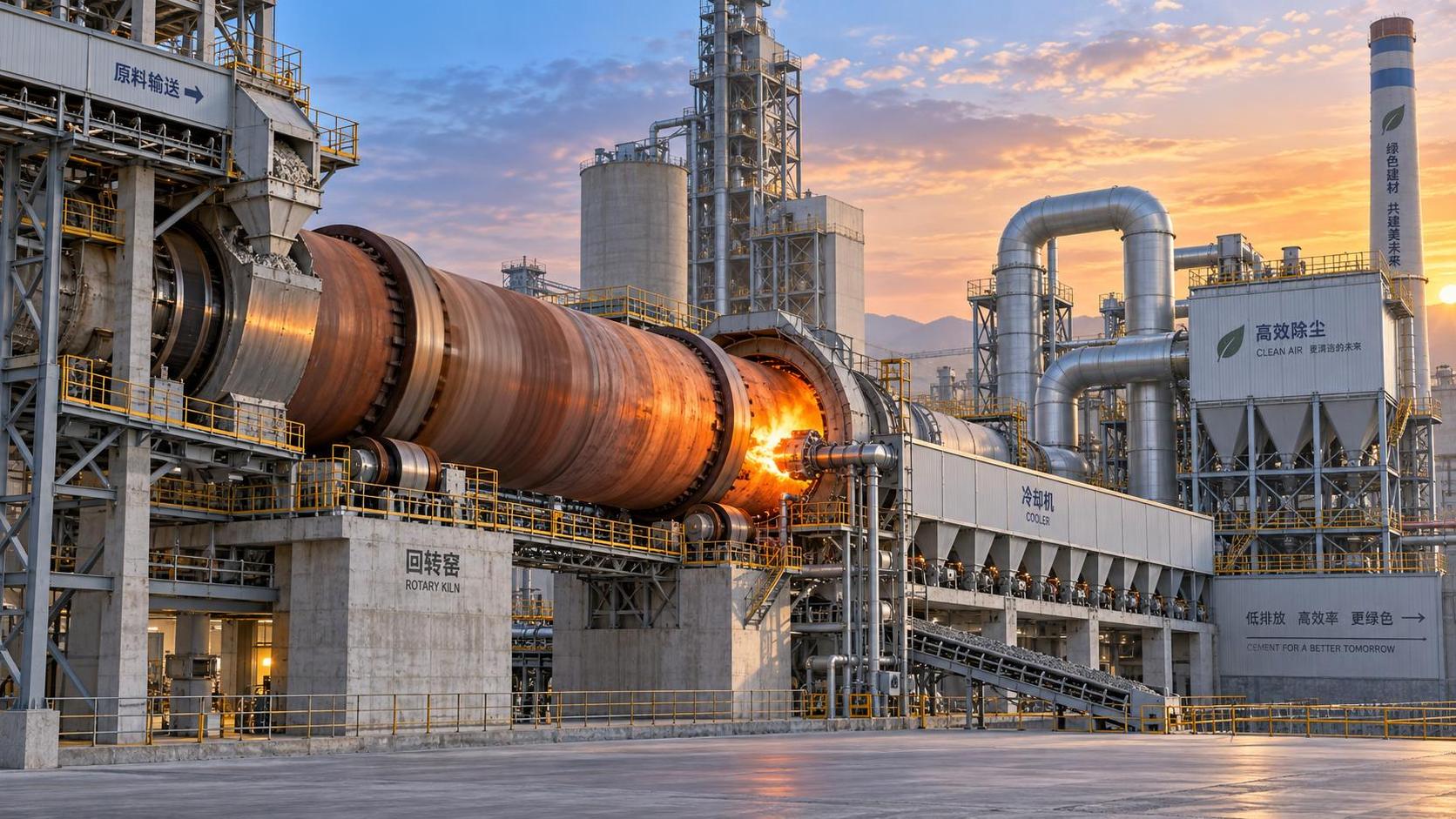
In cement and incineration lines, this often means better use of secondary air and exhaust heat.
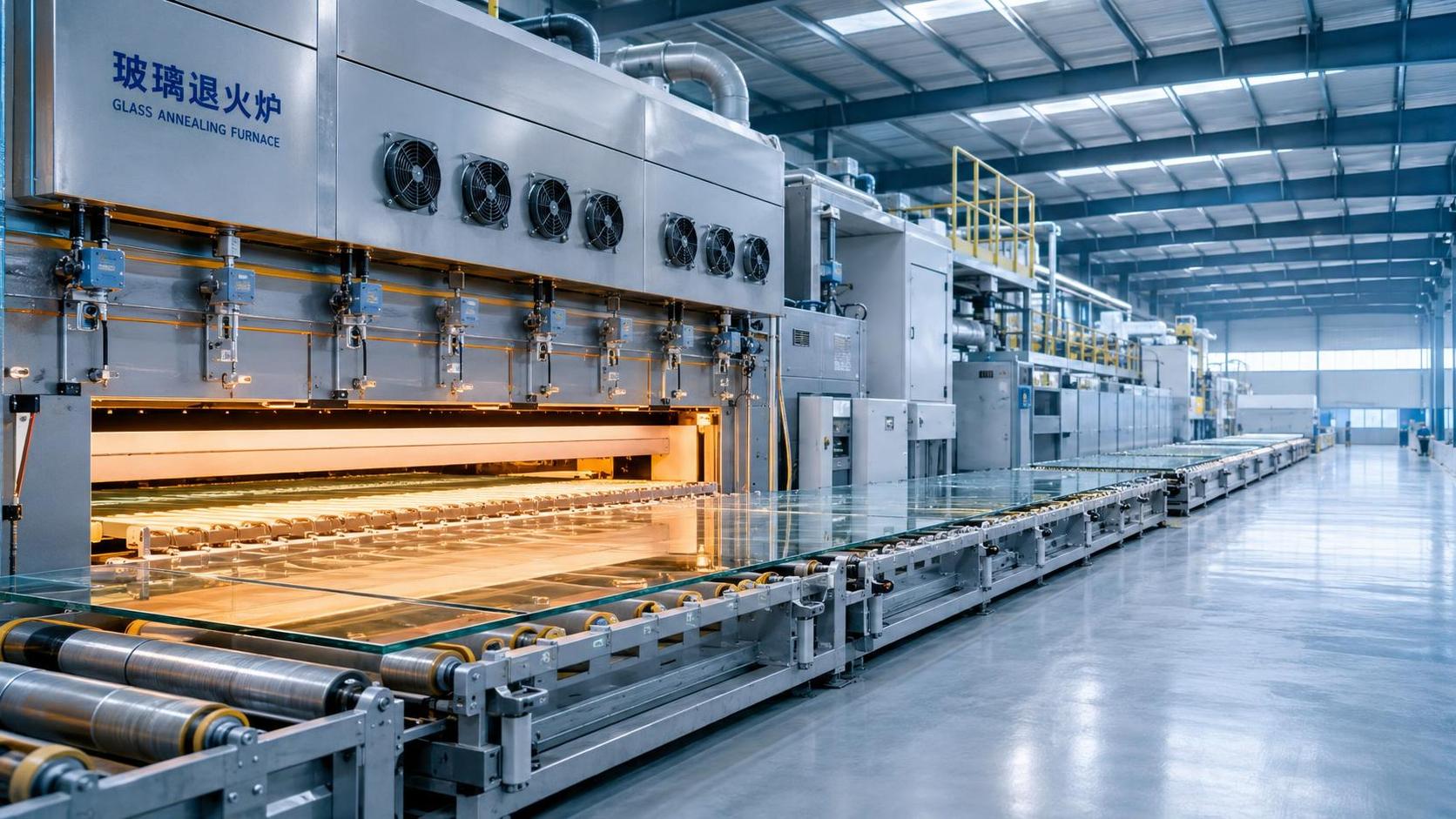
In glass lines, it may involve tighter regenerator management and more consistent checker performance.
In extrusion or lightweight material systems, it can mean stabilizing preheating before material enters the forming zone.
Use Process Control to Keep Gains from Slipping Away
Hardware upgrades alone do not guarantee lasting thermal energy optimization.
If control logic remains slow or fragmented, heat performance will drift back over time.
The better path is to pair equipment changes with smarter monitoring and response rules.
This is where recent changes are especially visible.
Plants are moving from periodic heat checks to continuous thermal management.
A good control strategy should track temperature uniformity, fuel ratio, pressure stability, and residence time together.
When those variables are isolated, operators react late.
When they are linked, thermal energy optimization becomes much more reliable.
- Add real-time alarms for abnormal shell temperatures and heat imbalance
- Use model-based control for fluctuating feed quality or moisture
- Connect combustion data with maintenance dashboards
- Track specific energy consumption by product batch or operating mode
- Review control setpoints after every major equipment intervention
This also reduces another hidden risk.
Many lines lose energy efficiency not during full production, but during startup, changeover, and partial load conditions.
Those transitional phases deserve their own thermal energy optimization logic.
Protect Refractory Performance and Mechanical Integrity
Thermal energy optimization is not only a combustion topic.
It depends heavily on the condition of the thermal barrier itself.
Worn refractory, misaligned seals, and damaged insulation can erase the benefit of expensive process upgrades.
In actual operations, these issues often develop gradually.
Because the change is slow, teams sometimes normalize poor performance.
That is exactly where disciplined inspection creates value.
Look beyond visible damage.
Check whether current lining design still matches fuel mix, throughput, and temperature cycling frequency.
A line that now handles alternative fuels or variable feed may need a different refractory strategy.
This is also where cross-functional coordination matters.
Thermal engineers, maintenance teams, and production planners need one shared priority list.
Build a Practical Roadmap with Clear Payback Logic
The most effective thermal energy optimization programs do not start with the most expensive technology.
They start with a ranked roadmap.
That roadmap should separate quick wins, medium-cycle upgrades, and strategic transformation projects.
Quick wins may include burner tuning, leak sealing, setpoint correction, and heat exchanger cleaning.
Medium-cycle actions often cover insulation renewal, better sensors, and partial waste heat recovery.
Longer-term steps may involve digital twin deployment, major kiln redesign, or fuel-switch preparation.
To keep thermal energy optimization credible, each project should be measured against five filters.
- Expected energy savings per operating hour
- Impact on throughput and product consistency
- Shutdown time and installation complexity
- Effect on emissions and compliance exposure
- Maintenance burden over the equipment life cycle
That framework helps decision-makers avoid attractive but low-impact investments.
It also turns thermal energy optimization into a business case that finance, operations, and engineering can support together.
The strongest signal in today’s market is clear.
Plants that manage heat with data, discipline, and phased upgrades are better positioned for cost pressure and carbon pressure alike.
A practical next move is simple.
Audit the top three heat-loss zones, rank actions by payback, and lock the findings into the next shutdown plan.
That is how thermal energy optimization becomes a repeatable advantage, not a one-time campaign.
Related News
 Thermal Energy ArchitectHow European Plants Can Evaluate Energy Recovery Equipment for High-Temperature ProcessesIndustrial energy recovery equipment Europe: learn how high-temperature plants can assess waste-heat sources, integration risks, lifecycle value, and reliable recovery routes.Sep 20, 2026
 Thermal Energy ArchitectIndustrial Furnace Process Optimization: Reducing Fuel Use Without Sacrificing ThroughputIndustrial process optimization furnace strategies that cut fuel use while protecting throughput. Explore combustion control, heat recovery, refractory performance, and data-driven efficiency gains.Sep 19, 2026
 Ms. Elena RodriguezWhat Drives High-Pressure Extrusion Equipment Cost in Industrial Projects?High pressure extrusion equipment cost explained: compare pressure, die design, automation, wear, energy, and installation factors for smarter industrial investments.Sep 18, 2026
 Thermal Energy ArchitectHow to Size a Waste Heat Recovery Exchanger for High-Temperature Kiln Exhaust?Waste heat recovery exchanger sizing for high-temperature kiln exhaust: balance recoverable duty, fouling, corrosion limits, pressure drop, and reliable heat use.Sep 17, 2026
 Thermal Energy ArchitectWhy Heat-Resistant Materials Lose Abrasion Resistance at High TemperaturesHeat-resistant materials abrasion resistance can decline at high temperatures. Discover the thermal, chemical, and mechanical causes of wear—and how to choose longer-lasting linings.Sep 16, 2026
 Thermal Energy ArchitectHow to Evaluate a Thermal Energy Optimization Company for High-Temperature PlantsChoose a thermal energy optimization company with proven process expertise, measurable savings, and reliable delivery for high-temperature plants. Learn what to assess.Sep 15, 2026
 Thermal Energy ArchitectRotary Kiln Efficiency: How Feed Rate, Fuel Use, and Heat Loss Affect OutputRotary kiln efficiency explained: discover how feed rate, fuel use, heat loss, combustion, and cooling performance shape output, quality, and energy costs.Sep 14, 2026
 Thermal Energy ArchitectHow to Select Heat-Resistant Materials That Maintain Abrasion Resistance in KilnsHeat-resistant materials abrasion resistance: learn how to select kiln linings that withstand heat, wear, thermal cycling, and chemical attack for longer service life.Sep 13, 2026
 Thermal Energy ArchitectHow Rotary Kiln Automation Improves Temperature Control and Fuel EfficiencyRotary kiln technology automation enhances temperature control, stabilizes combustion, and improves fuel efficiency with smarter data, predictive control, and safer operations.Sep 12, 2026
 Silicate Process EngineerCement Plant Emission Control: Selecting Systems for Dust, NOx, and SO2 LimitsCement plant emission control guide: compare dust collectors, NOx reduction, and SO2 systems for reliable compliance across kiln modes, fuel changes, and operating upsets.Sep 11, 2026
 Thermal Energy ArchitectSelecting Abrasion-Resistant High-Temperature Materials for Kiln and Conveyor Wear ZonesHigh-temp material engineering guide to abrasion-resistant kiln and conveyor solutions—match wear, heat, chemistry, and installation design for longer service life.Sep 10, 2026
 Dr. Alistair VaughnIndustrial Process Engineering: How to Map Processes for Safer, More Efficient PlantsIndustrial process engineering reveals bottlenecks, safety risks, and energy losses through practical process mapping for safer, more efficient plants.Sep 09, 2026
 Optical Glass Tech FellowHow to Evaluate a Glass Annealing Equipment Manufacturer for Production StabilityChoose a glass annealing equipment manufacturer with proven thermal uniformity, reliable controls, lifecycle value, and responsive service for stable production.Sep 08, 2026
 Prof. Marcus ChenThermal Energy Architecture in North America: Strategies for Lower Building Energy UseThermal energy architecture North America helps project leaders cut building energy use through stronger envelopes, right-sized HVAC, storage, and smart commissioning.Sep 07, 2026
 Ms. Elena RodriguezHow Should Buyers Evaluate Building Material Industry Intelligence Pricing?Building material industry intelligence pricing: learn how to compare coverage, technical depth, and ROI to choose intelligence that reduces procurement risk.Sep 07, 2026
 Ms. Elena RodriguezHow to Use Building Material Intelligence Data for Market and Investment DecisionsBuilding material industry intelligence data helps leaders evaluate demand, costs, regulation, capacity, and technology to make smarter market and investment decisions.Sep 05, 2026
 Thermal Energy ArchitectHow PLC Control Improves Energy Efficiency and Temperature Stability in KilnsEnergy efficient kilns PLC control improves temperature stability, cuts fuel waste, and optimizes combustion, draft, and material flow. Explore proven strategies for smarter kiln modernization.Sep 04, 2026
 Optical Glass Tech FellowEuropean Glass Melting Processes: Furnace Choices, Energy Use, and Quality ControlGlass melting process Europe: explore furnace choices, energy efficiency, cullet strategy, and quality control to improve output, compliance, and long-term glass performance.Sep 03, 2026
 Thermal Energy ArchitectWhat Determines Refractory Lining Monitoring Price for Industrial Kilns?Refractory lining monitoring price depends on kiln size, sensor technology, installation, software, and support. Compare total lifecycle costs and choose the right solution.Sep 02, 2026
 Silicate Process EngineerCement Production System Costs: A Plant Buyer’s Guide to Budgeting and ROICement production systems cost planning made clear: compare CAPEX, operating costs, compliance, and ROI to build a resilient, profitable cement plant investment.Sep 01, 2026



Related News
- 00
0000-00
How European Plants Can Evaluate Energy Recovery Equipment for High-Temperature Processes - 00
0000-00
Industrial Furnace Process Optimization: Reducing Fuel Use Without Sacrificing Throughput - 00
0000-00
How to Size a Waste Heat Recovery Exchanger for High-Temperature Kiln Exhaust? - 00
0000-00
Why Heat-Resistant Materials Lose Abrasion Resistance at High Temperatures - 00
0000-00
How to Evaluate a Thermal Energy Optimization Company for High-Temperature Plants
Weekly Insights
Stay ahead with our curated technology reports delivered every Monday.