
Thermal Energy Management in Industrial Systems: Key Metrics, Controls, and Compliance Points




Thermal Energy Management in Industrial Systems: Key Metrics, Controls, and Compliance Points
Thermal energy management is now a frontline concern for high-temperature industrial systems.
Kilns, incinerators, glass lines, and extrusion units all depend on stable heat behavior.
When thermal conditions drift, product quality, fuel use, emissions, and equipment life all suffer.
That is why thermal energy management is no longer only an engineering topic.
It now sits at the intersection of process control, safety assurance, and regulatory readiness.
From recent industry shifts, a clearer signal is emerging.
Plants are expected to prove heat efficiency with data, not assumptions.
This also means thermal energy management must be measurable, controllable, and auditable.
Why Thermal Energy Management Has Become a Control Priority
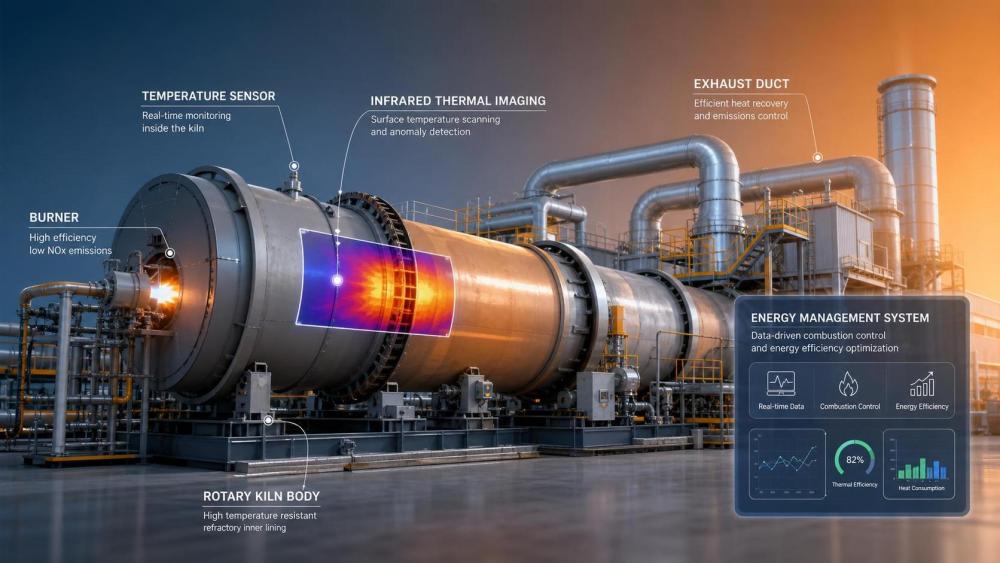
In practical operations, heat is both a production tool and a source of risk.
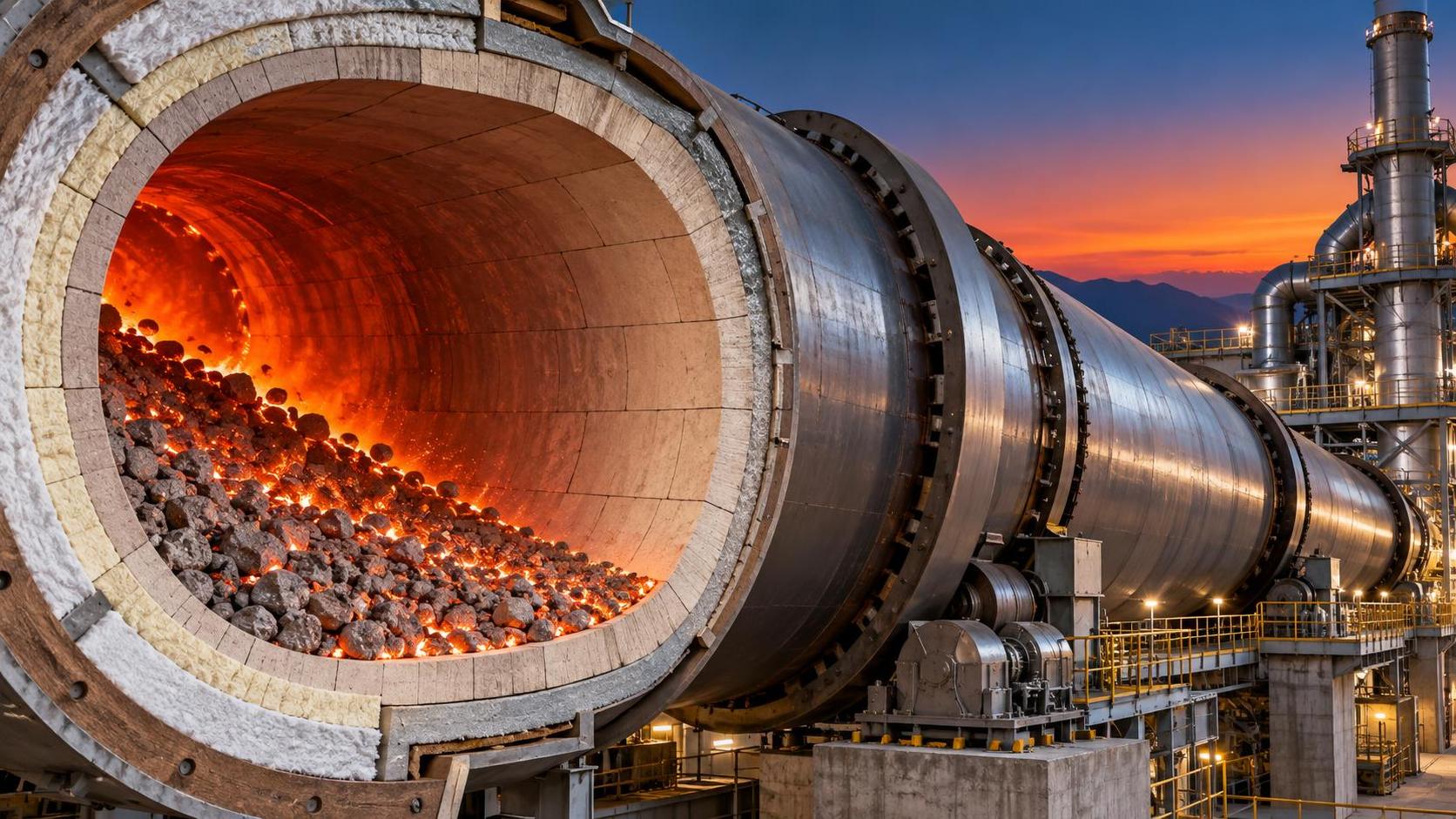
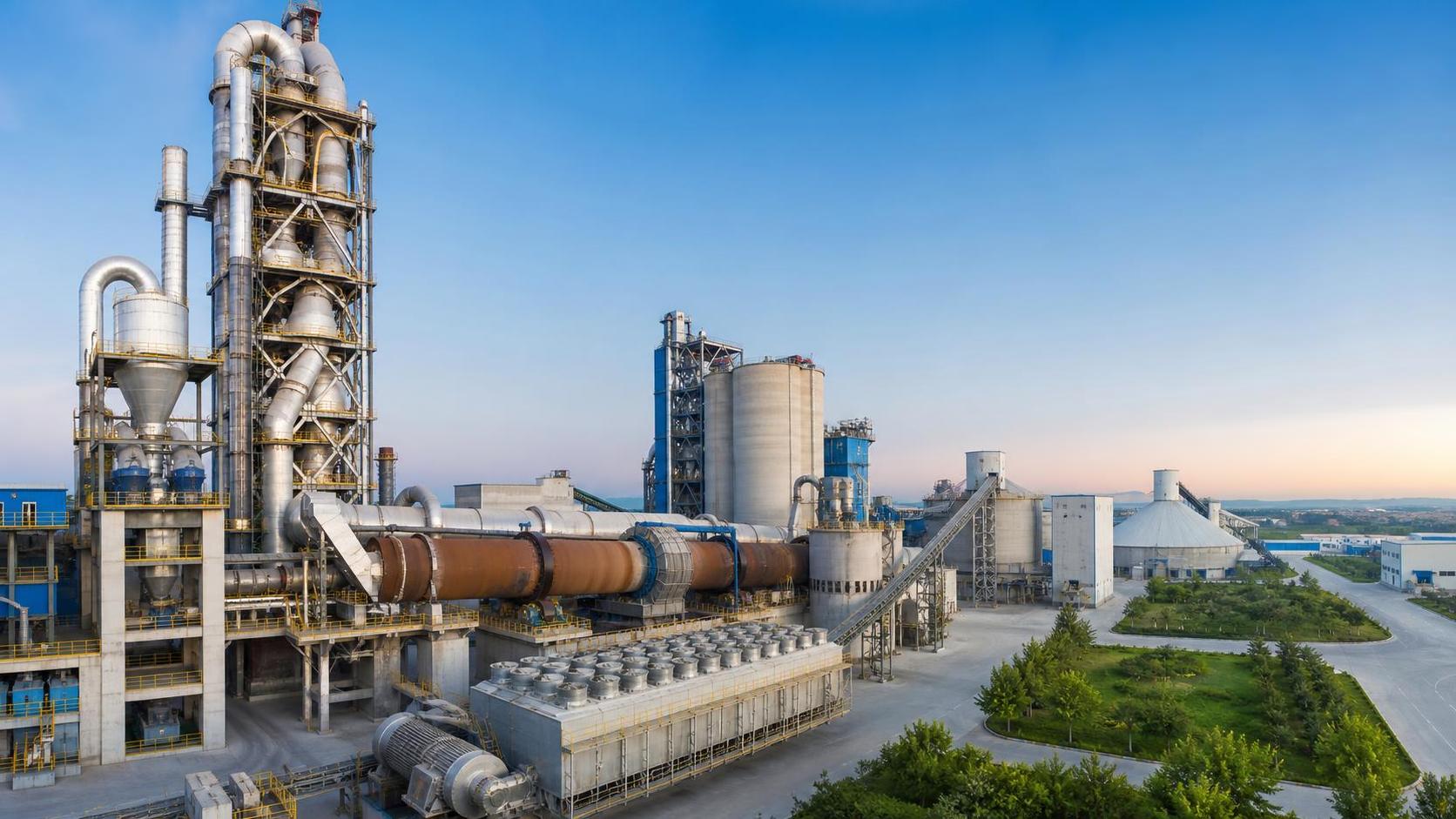
A rotary kiln needs uniform heat release for stable clinker formation.
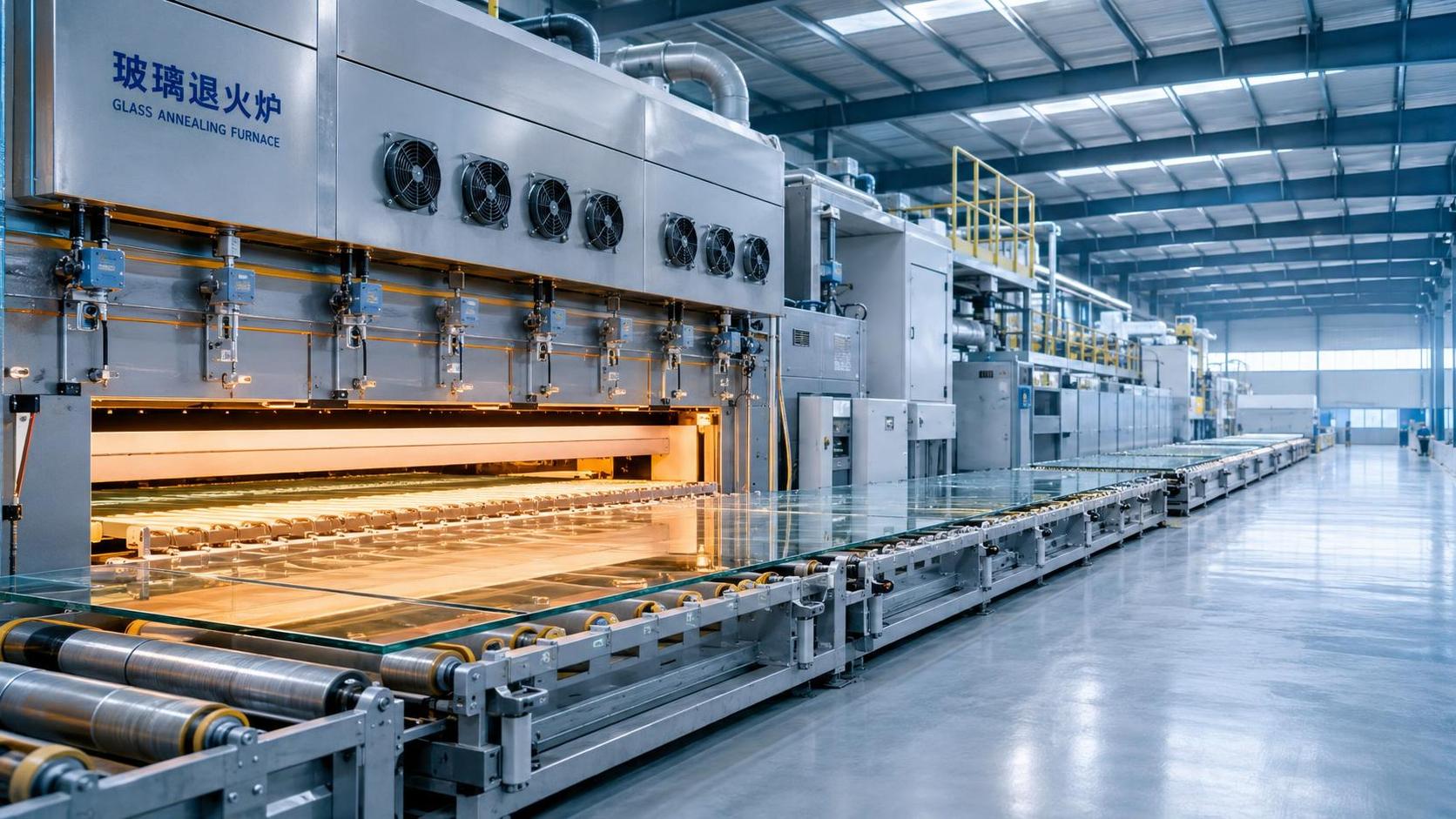
A glass furnace needs tightly managed thermal zones to protect melt quality.
An incineration line must hold destruction temperatures without creating unsafe byproducts.
An extrusion process depends on heat consistency to keep shape, density, and moisture under control.
Across these systems, thermal energy management supports five business outcomes.
- More stable product quality and fewer off-spec batches.
- Lower specific fuel consumption and reduced heat loss.
- Better refractory protection and longer maintenance intervals.
- Safer operation under upset, startup, and shutdown conditions.
- Stronger compliance performance for emissions and energy reporting.
For operations tracked by CF-Elite, these links are especially visible.
Large silicate lines and thermal processing assets live or fail by heat discipline.
So, effective thermal energy management starts with the right metrics.
Key Metrics That Reveal Real Thermal Performance
Many plants collect plenty of temperature data but still miss thermal truth.
The issue is not data volume.
The issue is whether thermal energy management focuses on decision-grade indicators.
1. Temperature Uniformity
Average temperature matters, but temperature spread often matters more.
Wide variation across zones can trigger poor burn, uneven melting, or local overheating.
Track zone deviation, hot spots, and thermal gradients over time.
2. Specific Energy Consumption
This is a core thermal energy management metric.
Measure energy input per ton, per batch, or per qualified output unit.
If product quality drops while energy intensity rises, the process is usually drifting.
3. Heat Loss Indicators
Surface temperature, exhaust temperature, and unplanned air ingress tell an important story.
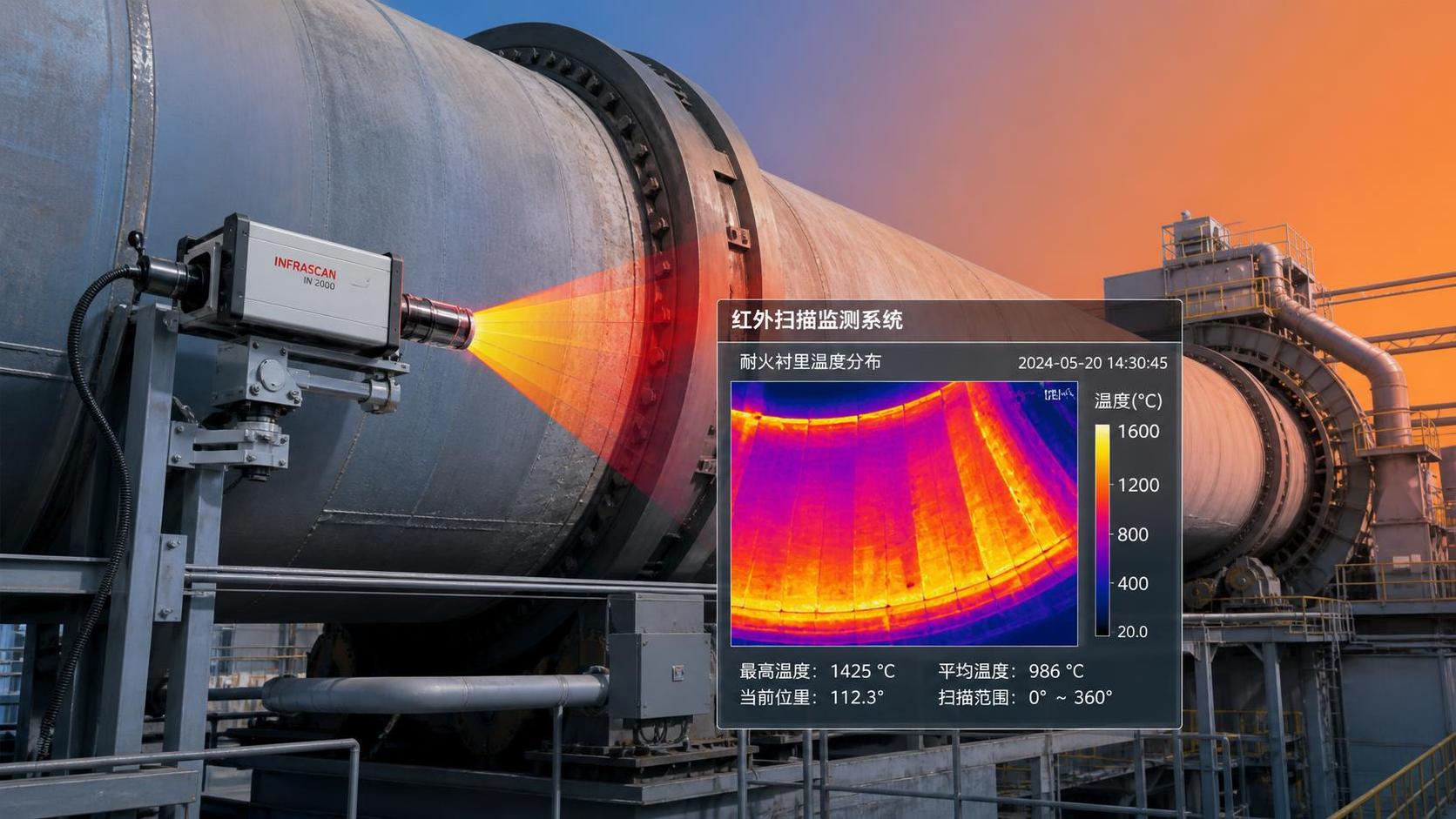
Rising shell temperature may indicate refractory wear or insulation failure.
High stack temperature often points to poor heat recovery or excess firing.
4. Residence Time Under Effective Temperature
Some systems fail not because they are too cold, but because exposure is too short.
This is critical in incineration, calcination, annealing, and curing steps.
Thermal energy management should therefore combine temperature with time.
5. Oxygen and Combustion Stability
Heat quality depends on combustion quality.
Track O2, CO, excess air ratio, and burner balance.
Unstable combustion creates wasted fuel, thermal shocks, and compliance headaches.
6. Thermal Deviation Events
Count how often process temperature leaves the allowed control band.
Frequency, duration, and severity all matter.
This metric connects thermal energy management directly to audit and incident review.
Control Strategies That Keep Heat Stable and Actionable
Once metrics are defined, thermal energy management needs control discipline.
Good plants do not rely on operator instinct alone.
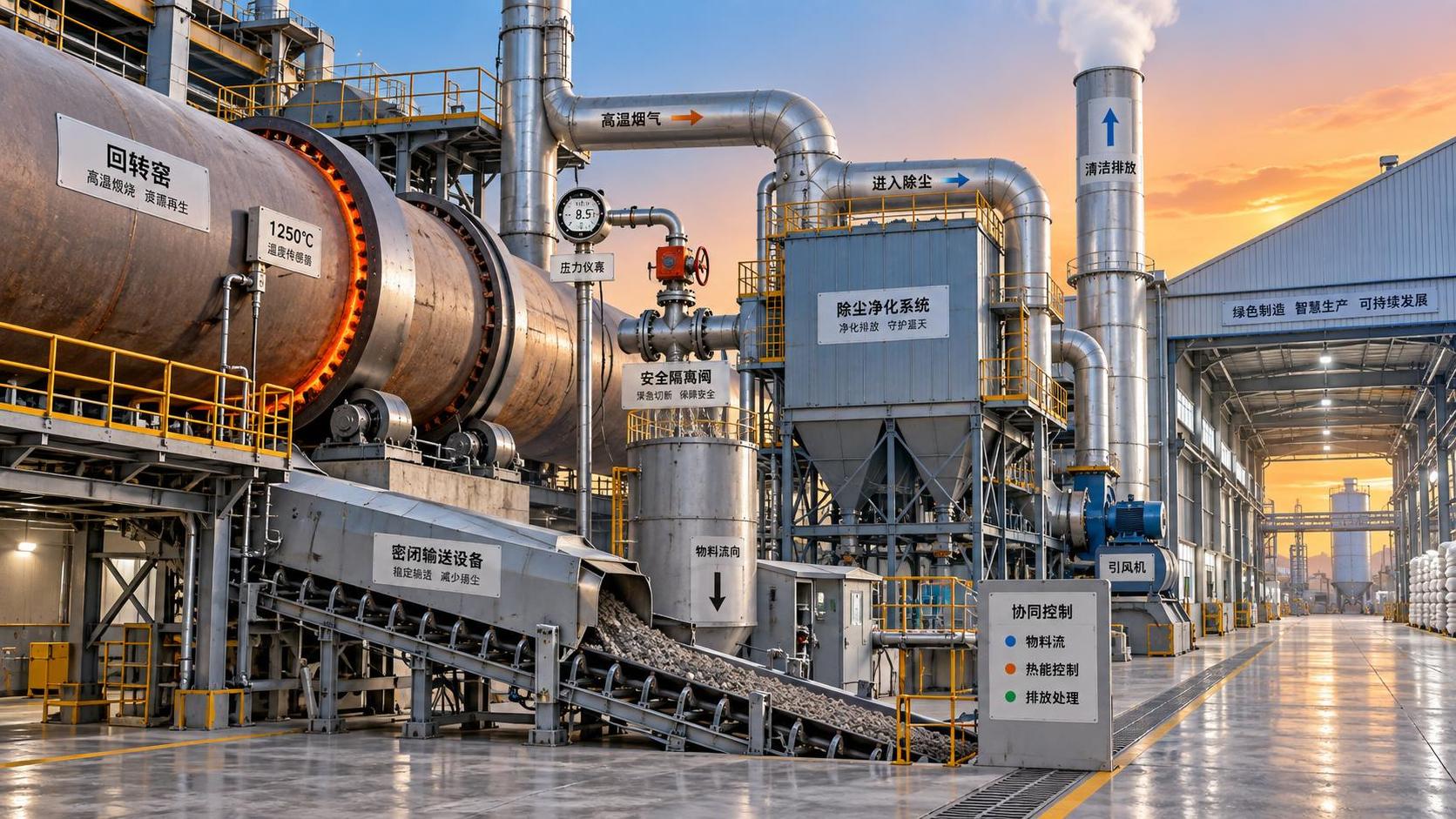
They combine instrumentation, routines, alarms, and response logic.
Use Layered Temperature Sensing
One sensor rarely describes a real thermal field.
Use fixed thermocouples, infrared scanning, and periodic thermal imaging together.
This makes thermal energy management less vulnerable to blind spots.
Tune Control Loops to Process Reality
PID settings that look fine on paper may fail in a dynamic furnace.
Check lag time, burner response, feed variation, and thermal inertia.
Stable thermal energy management depends on tuned loops matched to process load.
Set Alarm Limits That Trigger Action
Alarm fatigue weakens control.
Separate advisory alerts from critical thermal deviations.
Each alarm in thermal energy management should have a named response owner.
Control Air, Fuel, and Draft Together
Many thermal issues begin as a balance problem, not a heat source problem.
Unstable draft changes flame shape, oxygen distribution, and zone temperatures.
Integrated combustion control makes thermal energy management far more predictable.
Build Heat Loss Reviews Into Routine Inspection
Do not wait for shutdowns to evaluate heat escape.
Review seals, insulation, burner condition, and refractory trends during normal operation.
This turns thermal energy management into a living control system.
Compliance Points That Should Never Be Treated as Paperwork
Compliance in thermal systems is often misunderstood.
The real issue is not form completion.
The real issue is whether thermal energy management proves controlled operating conditions.
Different regions apply different rules, yet several checkpoints stay consistent.
- Calibration records for temperature, flow, and emissions instruments.
- Documented operating windows for critical thermal parameters.
- Evidence of response actions after deviations and excursions.
- Combustion efficiency and emissions correlation reviews.
- Maintenance history for burners, seals, refractories, and safety interlocks.
- Startup and shutdown procedures with defined thermal limits.
For incineration and waste-to-energy assets, minimum temperature and retention standards are central.
For glass and silicate production, thermal records often support product traceability and energy reporting.
For refractory and extrusion lines, compliance may connect more strongly to equipment safety and process consistency.
In every case, stronger thermal energy management reduces the gap between operation and audit.
A Practical Review Framework for Daily Oversight
A useful approach is to review thermal energy management in four layers.
- Check whether sensors, analyzers, and control signals are trustworthy.
- Confirm whether actual thermal conditions remain inside defined process windows.
- Verify whether deviations affect quality, safety, emissions, or asset integrity.
- Ensure corrective action is documented, timed, and closed out.
This structure keeps reviews grounded.
It also prevents teams from chasing isolated readings without process context.
More importantly, it helps thermal energy management become preventive rather than reactive.
Closing Perspective
Thermal energy management works best when metrics, controls, and compliance points support each other.
If one part is weak, the whole system becomes harder to trust.
For high-temperature industries tracked by CF-Elite, that trust is a competitive advantage.
It supports better output, safer operations, longer asset life, and smoother audits.
The next practical step is simple.
Review your current thermal energy management dashboard and ask three questions.
Which metrics truly predict risk, which alarms trigger action, and which records prove compliance?
When those answers become clear, thermal energy management starts creating measurable control, not just monitoring.
Related News
 Thermal Energy ArchitectHow European Plants Can Evaluate Energy Recovery Equipment for High-Temperature ProcessesIndustrial energy recovery equipment Europe: learn how high-temperature plants can assess waste-heat sources, integration risks, lifecycle value, and reliable recovery routes.Sep 20, 2026
 Thermal Energy ArchitectIndustrial Furnace Process Optimization: Reducing Fuel Use Without Sacrificing ThroughputIndustrial process optimization furnace strategies that cut fuel use while protecting throughput. Explore combustion control, heat recovery, refractory performance, and data-driven efficiency gains.Sep 19, 2026
 Ms. Elena RodriguezWhat Drives High-Pressure Extrusion Equipment Cost in Industrial Projects?High pressure extrusion equipment cost explained: compare pressure, die design, automation, wear, energy, and installation factors for smarter industrial investments.Sep 18, 2026
 Thermal Energy ArchitectHow to Size a Waste Heat Recovery Exchanger for High-Temperature Kiln Exhaust?Waste heat recovery exchanger sizing for high-temperature kiln exhaust: balance recoverable duty, fouling, corrosion limits, pressure drop, and reliable heat use.Sep 17, 2026
 Thermal Energy ArchitectWhy Heat-Resistant Materials Lose Abrasion Resistance at High TemperaturesHeat-resistant materials abrasion resistance can decline at high temperatures. Discover the thermal, chemical, and mechanical causes of wear—and how to choose longer-lasting linings.Sep 16, 2026
 Thermal Energy ArchitectHow to Evaluate a Thermal Energy Optimization Company for High-Temperature PlantsChoose a thermal energy optimization company with proven process expertise, measurable savings, and reliable delivery for high-temperature plants. Learn what to assess.Sep 15, 2026
 Thermal Energy ArchitectRotary Kiln Efficiency: How Feed Rate, Fuel Use, and Heat Loss Affect OutputRotary kiln efficiency explained: discover how feed rate, fuel use, heat loss, combustion, and cooling performance shape output, quality, and energy costs.Sep 14, 2026
 Thermal Energy ArchitectHow to Select Heat-Resistant Materials That Maintain Abrasion Resistance in KilnsHeat-resistant materials abrasion resistance: learn how to select kiln linings that withstand heat, wear, thermal cycling, and chemical attack for longer service life.Sep 13, 2026
 Thermal Energy ArchitectHow Rotary Kiln Automation Improves Temperature Control and Fuel EfficiencyRotary kiln technology automation enhances temperature control, stabilizes combustion, and improves fuel efficiency with smarter data, predictive control, and safer operations.Sep 12, 2026
 Silicate Process EngineerCement Plant Emission Control: Selecting Systems for Dust, NOx, and SO2 LimitsCement plant emission control guide: compare dust collectors, NOx reduction, and SO2 systems for reliable compliance across kiln modes, fuel changes, and operating upsets.Sep 11, 2026
 Thermal Energy ArchitectSelecting Abrasion-Resistant High-Temperature Materials for Kiln and Conveyor Wear ZonesHigh-temp material engineering guide to abrasion-resistant kiln and conveyor solutions—match wear, heat, chemistry, and installation design for longer service life.Sep 10, 2026
 Dr. Alistair VaughnIndustrial Process Engineering: How to Map Processes for Safer, More Efficient PlantsIndustrial process engineering reveals bottlenecks, safety risks, and energy losses through practical process mapping for safer, more efficient plants.Sep 09, 2026
 Optical Glass Tech FellowHow to Evaluate a Glass Annealing Equipment Manufacturer for Production StabilityChoose a glass annealing equipment manufacturer with proven thermal uniformity, reliable controls, lifecycle value, and responsive service for stable production.Sep 08, 2026
 Prof. Marcus ChenThermal Energy Architecture in North America: Strategies for Lower Building Energy UseThermal energy architecture North America helps project leaders cut building energy use through stronger envelopes, right-sized HVAC, storage, and smart commissioning.Sep 07, 2026
 Ms. Elena RodriguezHow Should Buyers Evaluate Building Material Industry Intelligence Pricing?Building material industry intelligence pricing: learn how to compare coverage, technical depth, and ROI to choose intelligence that reduces procurement risk.Sep 07, 2026
 Ms. Elena RodriguezHow to Use Building Material Intelligence Data for Market and Investment DecisionsBuilding material industry intelligence data helps leaders evaluate demand, costs, regulation, capacity, and technology to make smarter market and investment decisions.Sep 05, 2026
 Thermal Energy ArchitectHow PLC Control Improves Energy Efficiency and Temperature Stability in KilnsEnergy efficient kilns PLC control improves temperature stability, cuts fuel waste, and optimizes combustion, draft, and material flow. Explore proven strategies for smarter kiln modernization.Sep 04, 2026
 Optical Glass Tech FellowEuropean Glass Melting Processes: Furnace Choices, Energy Use, and Quality ControlGlass melting process Europe: explore furnace choices, energy efficiency, cullet strategy, and quality control to improve output, compliance, and long-term glass performance.Sep 03, 2026
 Thermal Energy ArchitectWhat Determines Refractory Lining Monitoring Price for Industrial Kilns?Refractory lining monitoring price depends on kiln size, sensor technology, installation, software, and support. Compare total lifecycle costs and choose the right solution.Sep 02, 2026
 Silicate Process EngineerCement Production System Costs: A Plant Buyer’s Guide to Budgeting and ROICement production systems cost planning made clear: compare CAPEX, operating costs, compliance, and ROI to build a resilient, profitable cement plant investment.Sep 01, 2026



Related News
- 00
0000-00
How European Plants Can Evaluate Energy Recovery Equipment for High-Temperature Processes - 00
0000-00
Industrial Furnace Process Optimization: Reducing Fuel Use Without Sacrificing Throughput - 00
0000-00
How to Size a Waste Heat Recovery Exchanger for High-Temperature Kiln Exhaust? - 00
0000-00
Why Heat-Resistant Materials Lose Abrasion Resistance at High Temperatures - 00
0000-00
How to Evaluate a Thermal Energy Optimization Company for High-Temperature Plants
Weekly Insights
Stay ahead with our curated technology reports delivered every Monday.