
How to Evaluate Industrial Incineration Equipment for Hazardous Waste Applications




Choosing industrial incineration equipment for hazardous waste is rarely a simple price comparison. The decision sits at the intersection of regulatory exposure, destruction performance, energy use, maintenance risk, and long-term operating stability. In sectors tied to thermal processing, where waste streams can be chemically aggressive and highly variable, the wrong system can create years of technical and commercial friction. A more disciplined evaluation helps align compliance, throughput, and lifecycle value before capital is committed.
Why this evaluation matters now
Hazardous waste treatment is under closer scrutiny than in the past. Emission limits are tightening, fuel costs remain volatile, and reporting expectations are becoming more digital and continuous.
At the same time, industrial groups are under pressure to recover energy, reduce landfill dependency, and prove safer handling of complex residues.
That is why industrial incineration equipment is increasingly assessed not only as a disposal asset, but also as a thermal management platform.
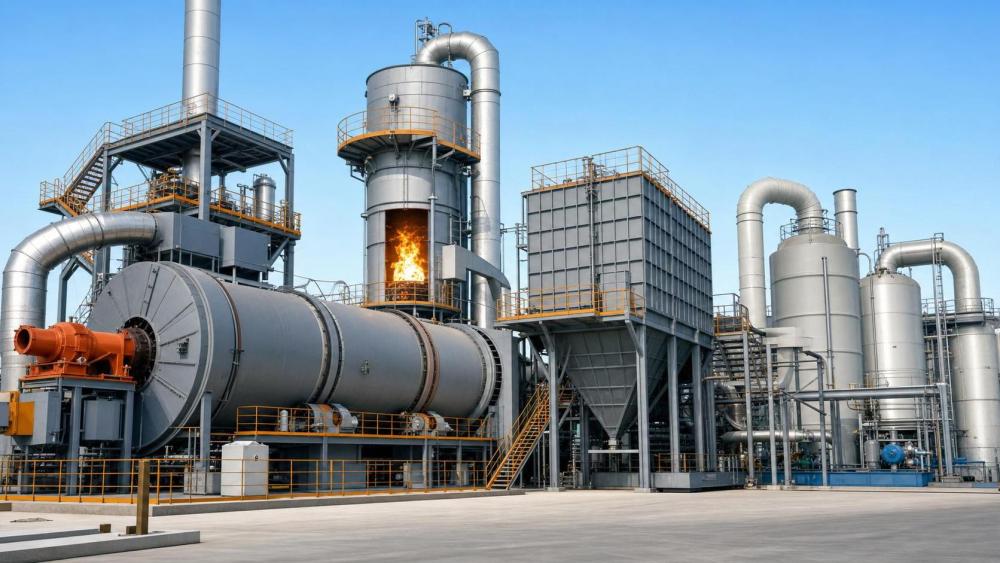
From the perspective of CF-Elite, this shift reflects a wider industrial pattern. Equipment selection now depends on how well ultra-high-temperature behavior, reaction kinetics, lining durability, and carbon strategy fit together in one operating model.
Start with the waste, not the machine
The first useful question is not which supplier looks strongest. It is what the waste actually demands from the combustion system.
Hazardous waste can vary by calorific value, moisture, chlorine content, ash behavior, viscosity, particle size, metal contamination, and feed consistency.
A unit sized for stable liquid waste may struggle with sludge, packaged solids, or mixed industrial residues. Feed volatility often drives performance more than nameplate capacity.
This is where industrial incineration equipment must be matched to the destruction task, not forced into it later through expensive retrofits.
Key waste inputs to define early
- Physical form: liquid, solid, slurry, paste, or mixed packaging
- Heating value range and seasonal fluctuation
- Halogens, sulfur, heavy metals, and acid gas precursors
- Expected ash fusion temperature and slagging tendency
- Required destruction and removal efficiency
Clear waste characterization reduces the risk of oversizing support burners, underestimating corrosion, or installing the wrong flue gas treatment train.
The core technologies buyers usually compare
Not all industrial incineration equipment operates in the same way, even when suppliers claim similar compliance outcomes.
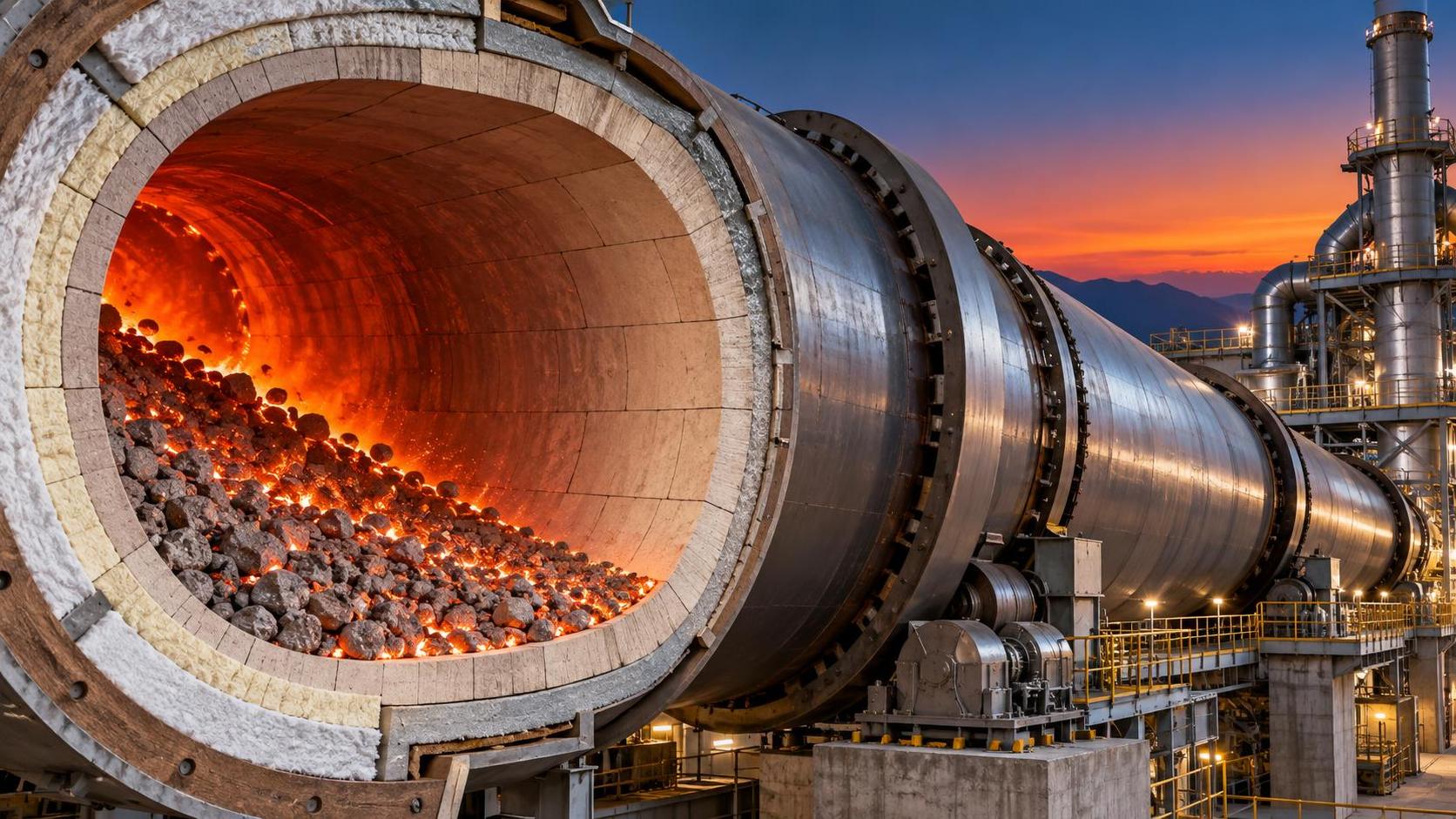
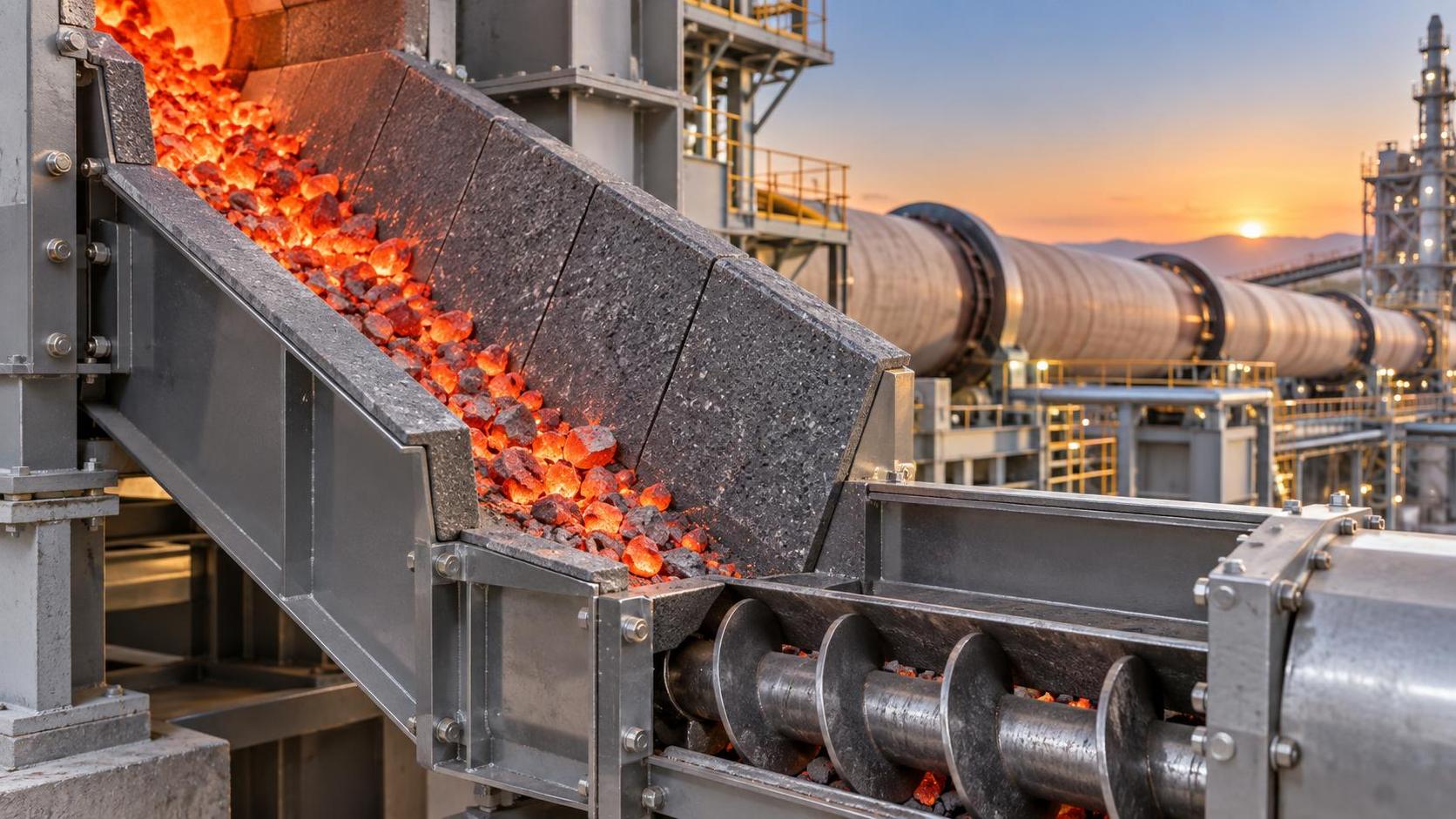
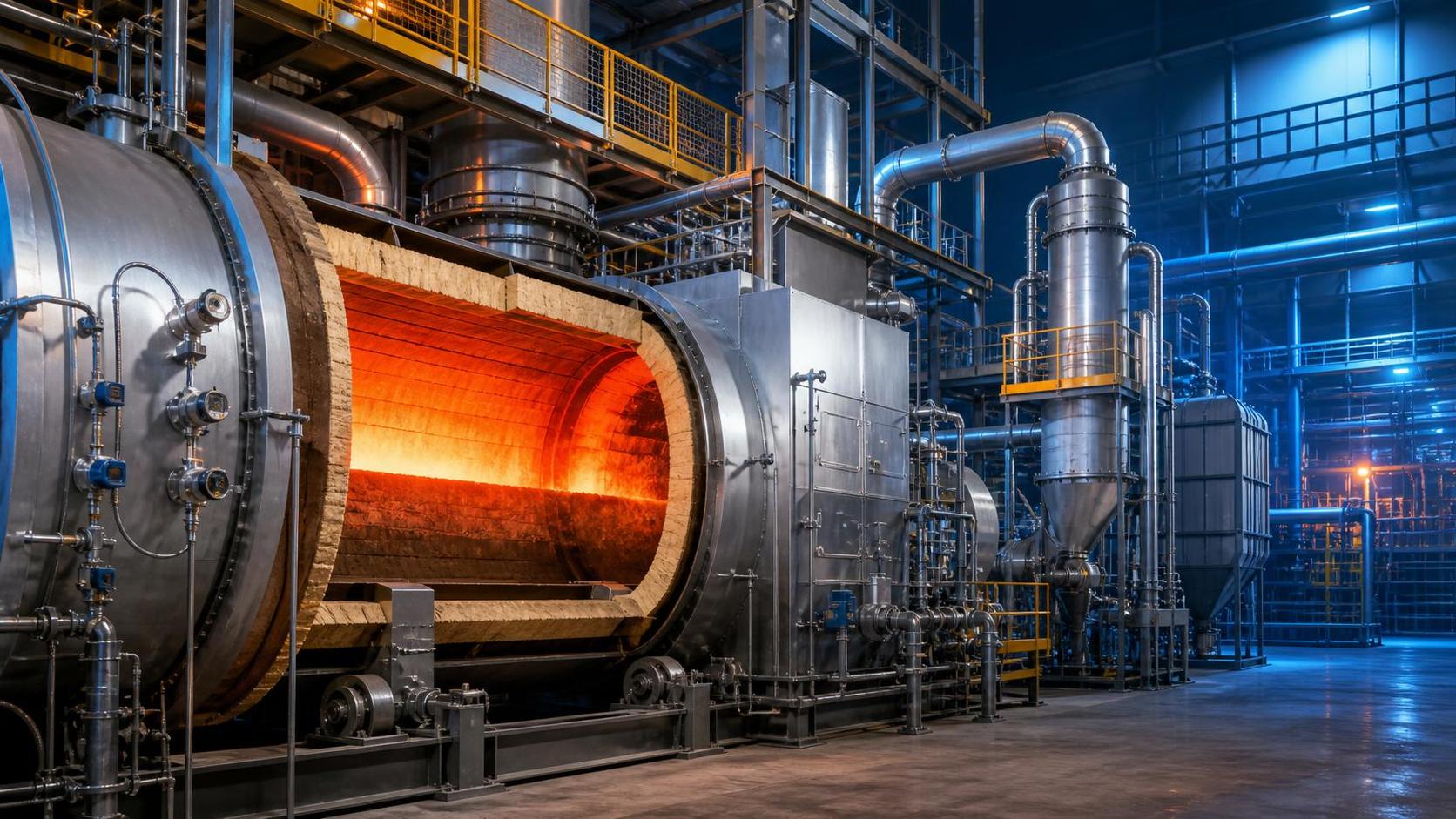
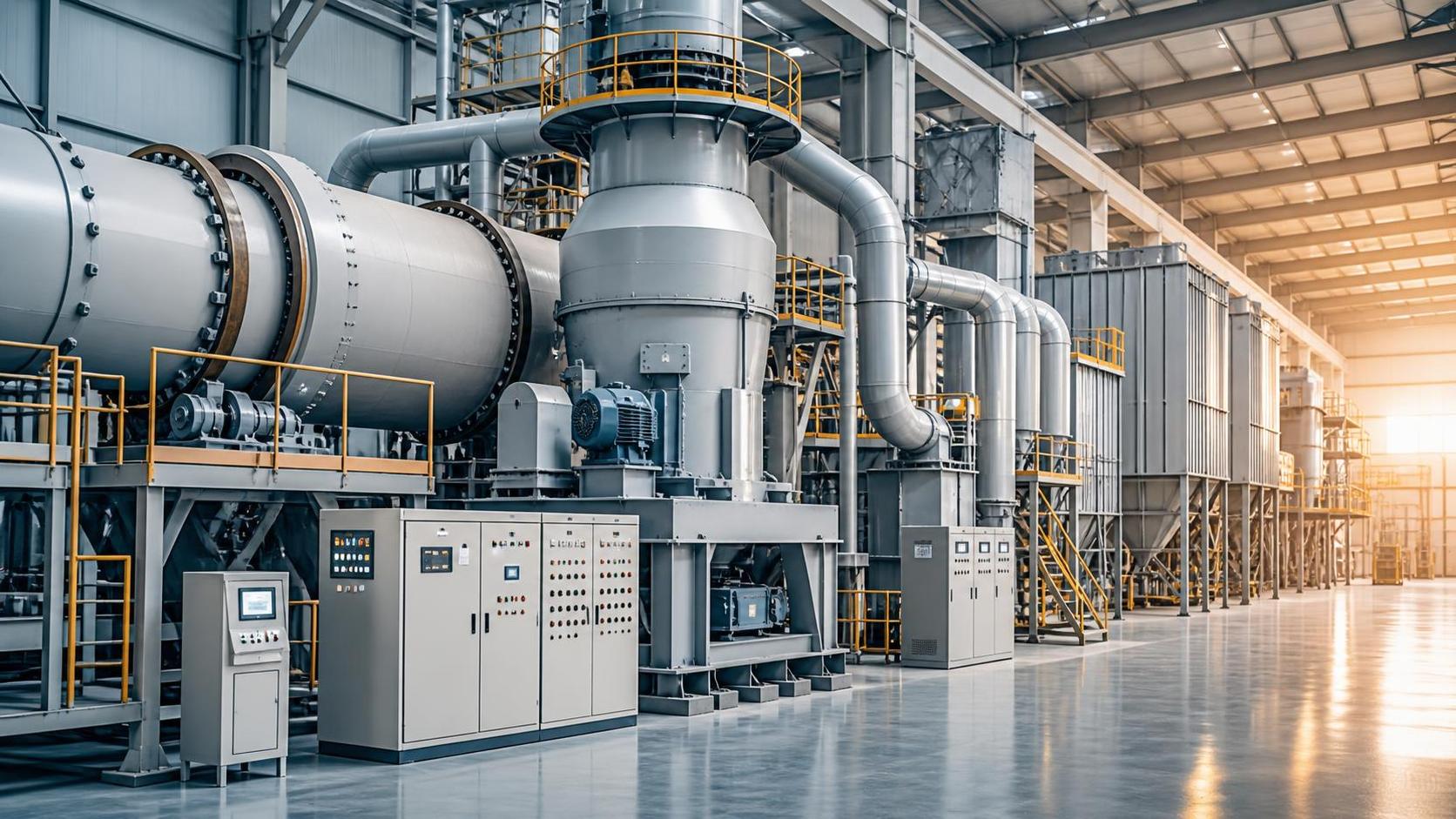
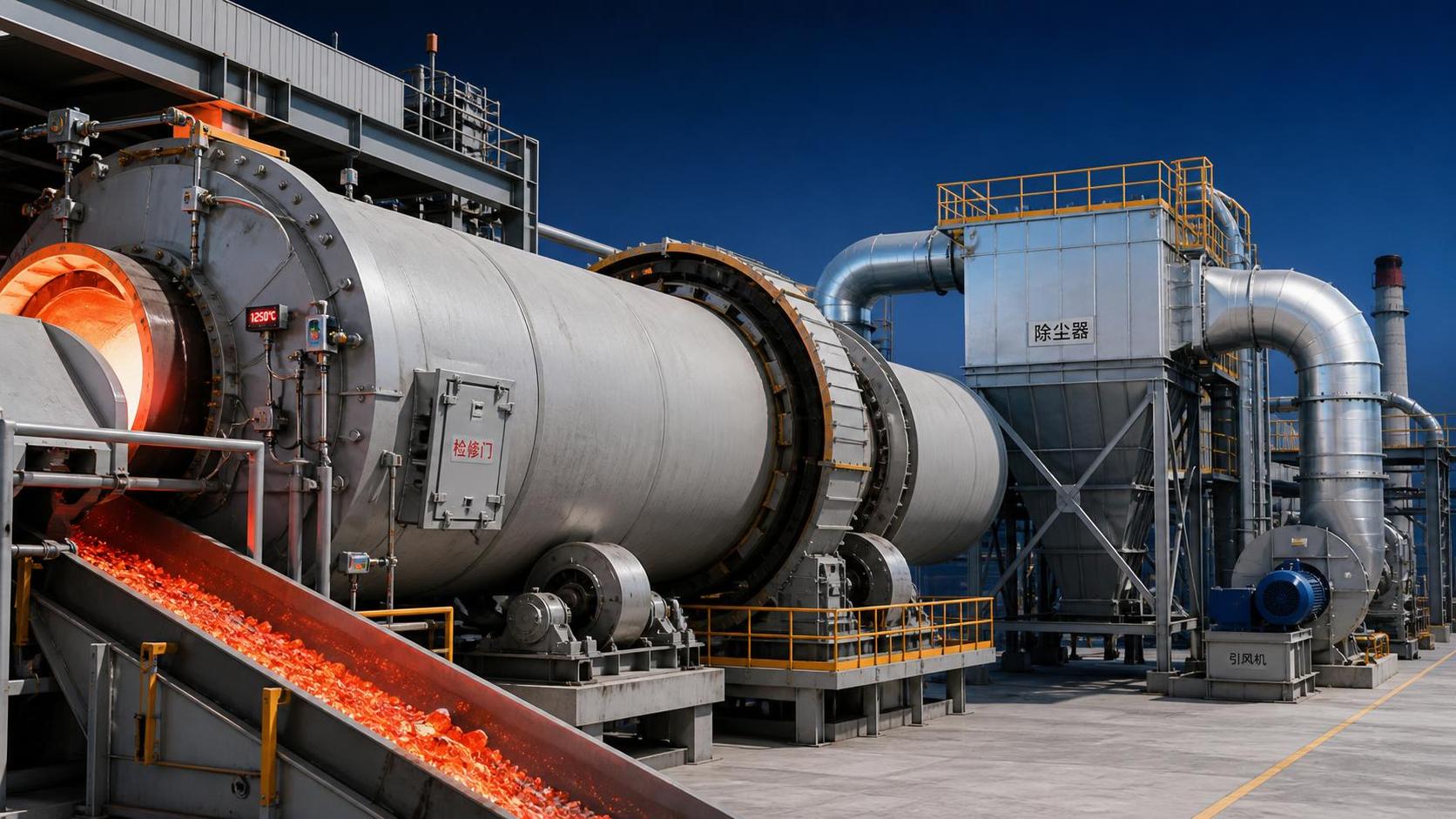
Rotary kiln systems remain a common choice for hazardous waste because they can handle mixed and difficult feeds with strong residence time control.
Static hearth, fluidized bed, and liquid injection designs may perform well in narrower waste windows, especially where feed uniformity is higher.
The best option depends on the chemical envelope of the waste and the operating flexibility required.
In practical terms, flexibility often has a premium cost. Yet for facilities facing changing waste contracts, that premium can protect utilization and compliance later.
Thermal performance is more than combustion temperature
Many evaluations stop at stated operating temperature. That is too narrow for hazardous waste applications.
What matters is the combination of temperature profile, turbulence, residence time, burner configuration, and secondary chamber performance.
Good industrial incineration equipment maintains complete oxidation without excessive auxiliary fuel demand. It also protects against cold spots, unstable draft, and incomplete burnout.
It is also worth checking how the supplier models startup, shutdown, and upset conditions. Those periods often create the highest compliance and refractory stress.
Questions that reveal real thermal quality
- How is minimum residence time demonstrated, not just stated?
- What feed variability can the control system absorb without manual intervention?
- How much support fuel is needed at low calorific conditions?
- What is the expected refractory life under the proposed waste mix?
Emissions control should be designed as a system
For hazardous waste, the incinerator body is only part of the investment story. The gas cleaning line often determines permitting confidence and operating cost.
Acid gases, particulates, dioxins, furans, heavy metals, and NOx require different treatment steps and different operating discipline.
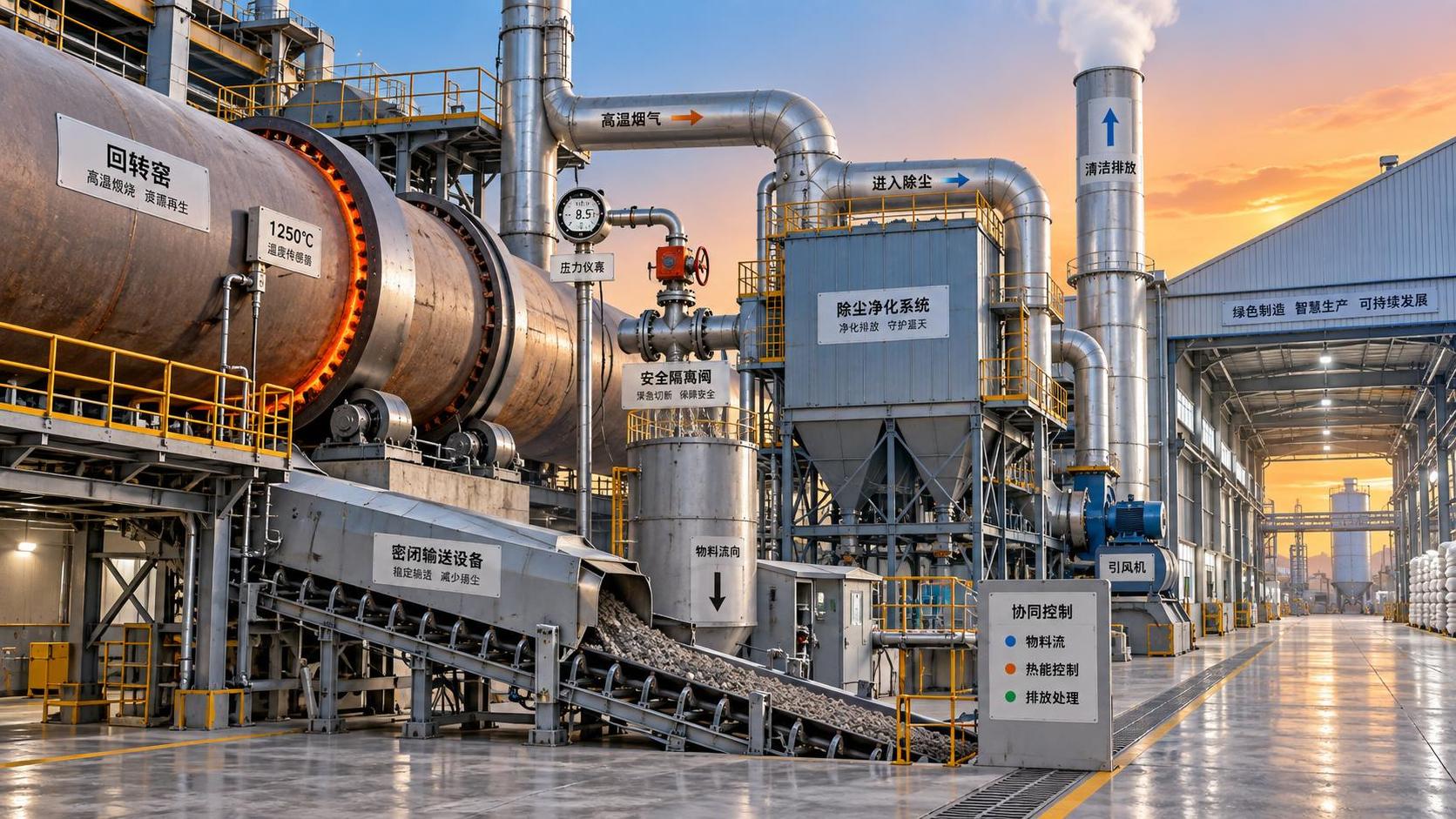
A strong proposal explains how quenching, scrubbing, filtration, reagent dosing, and continuous monitoring work together under realistic waste conditions.
This is especially important when industrial incineration equipment is expected to process chlorinated streams or residues with unstable ash chemistry.
More advanced suppliers also show how emissions architecture supports decarbonization, energy recovery, and digital traceability rather than treating compliance as a bolt-on requirement.
Reliability, materials, and maintenance deserve equal weight
A technically impressive system still fails commercially if shutdowns are frequent or spare parts are difficult to source.
Hazardous waste service is hard on refractories, seals, rollers, burners, fans, and corrosion-prone ducts. Material selection matters more than brochure efficiency figures suggest.
CF-Elite often emphasizes the connection between thermal barriers and process continuity. That principle applies directly here.
When reviewing industrial incineration equipment, ask for expected wear zones, maintenance intervals, critical spare lists, and examples of lining performance in similar chemistry.
A lower purchase price can quickly disappear if refractory campaigns are short or if a single fan failure stops the entire treatment line.
Automation and data quality are now buying criteria
Modern hazardous waste treatment depends on visible process control. Operators need a system that records what happened, why it happened, and how quickly the unit recovered.
That makes automation more than a convenience feature. It is part of risk management.
Useful industrial incineration equipment should offer integrated alarms, trend logging, combustion control, emissions interfaces, and remote diagnostics with clear cybersecurity boundaries.
The strongest suppliers increasingly reference digital twin methods, predictive maintenance logic, and online condition monitoring. These tools are becoming practical rather than experimental.
Commercial evaluation should look beyond capital cost
A serious comparison combines technical fit with total cost of ownership. Capital expenditure is only one layer.
Fuel use, reagent consumption, residue disposal, labor intensity, refractory replacement, downtime exposure, and permit support can alter the true economics.
A simple scoring model can help keep decisions disciplined.
This approach makes industrial incineration equipment easier to compare across competing process designs, not just across price sheets.
What strong supplier proposals usually include
Better proposals tend to be specific. They show assumptions, boundary conditions, and where performance depends on feed quality or utilities.
- Reference plants with similar hazardous waste chemistry
- Mass and energy balance under normal and stressed conditions
- Refractory, alloy, and corrosion design rationale
- Guaranteed emissions and consumption figures
- Commissioning scope, operator training, and after-sales response terms
Weak proposals often hide uncertainty inside broad performance language. In hazardous waste treatment, that vagueness usually becomes the buyer’s problem later.
A practical next step for decision quality
A sound evaluation begins with a structured waste profile, a shortlist of feasible process routes, and a weighted comparison framework that reflects real operating priorities.
It also helps to review supplier claims through a broader thermal-industry lens, especially where refractory life, carbon strategy, and digital monitoring affect long-term value.
For organizations following the industrial intelligence approach championed by CF-Elite, the most reliable decisions are rarely based on one parameter alone. They come from connecting chemistry, heat, compliance, and commercial resilience into one clear judgment standard.
Before moving forward, refine the waste envelope, verify reference cases, and compare industrial incineration equipment on lifecycle fit rather than purchase price alone. That usually leads to a safer and more durable investment path.
Related News
 Thermal Energy ArchitectWhy Heat-Resistant Materials Lose Abrasion Resistance at High TemperaturesHeat-resistant materials abrasion resistance can decline at high temperatures. Discover the thermal, chemical, and mechanical causes of wear—and how to choose longer-lasting linings.Sep 16, 2026
 Thermal Energy ArchitectHow to Evaluate a Thermal Energy Optimization Company for High-Temperature PlantsChoose a thermal energy optimization company with proven process expertise, measurable savings, and reliable delivery for high-temperature plants. Learn what to assess.Sep 15, 2026
 Thermal Energy ArchitectRotary Kiln Efficiency: How Feed Rate, Fuel Use, and Heat Loss Affect OutputRotary kiln efficiency explained: discover how feed rate, fuel use, heat loss, combustion, and cooling performance shape output, quality, and energy costs.Sep 14, 2026
 Thermal Energy ArchitectHow to Select Heat-Resistant Materials That Maintain Abrasion Resistance in KilnsHeat-resistant materials abrasion resistance: learn how to select kiln linings that withstand heat, wear, thermal cycling, and chemical attack for longer service life.Sep 13, 2026
 Thermal Energy ArchitectHow Rotary Kiln Automation Improves Temperature Control and Fuel EfficiencyRotary kiln technology automation enhances temperature control, stabilizes combustion, and improves fuel efficiency with smarter data, predictive control, and safer operations.Sep 12, 2026
 Silicate Process EngineerCement Plant Emission Control: Selecting Systems for Dust, NOx, and SO2 LimitsCement plant emission control guide: compare dust collectors, NOx reduction, and SO2 systems for reliable compliance across kiln modes, fuel changes, and operating upsets.Sep 11, 2026
 Thermal Energy ArchitectSelecting Abrasion-Resistant High-Temperature Materials for Kiln and Conveyor Wear ZonesHigh-temp material engineering guide to abrasion-resistant kiln and conveyor solutions—match wear, heat, chemistry, and installation design for longer service life.Sep 10, 2026
 Dr. Alistair VaughnIndustrial Process Engineering: How to Map Processes for Safer, More Efficient PlantsIndustrial process engineering reveals bottlenecks, safety risks, and energy losses through practical process mapping for safer, more efficient plants.Sep 09, 2026
 Optical Glass Tech FellowHow to Evaluate a Glass Annealing Equipment Manufacturer for Production StabilityChoose a glass annealing equipment manufacturer with proven thermal uniformity, reliable controls, lifecycle value, and responsive service for stable production.Sep 08, 2026
 Prof. Marcus ChenThermal Energy Architecture in North America: Strategies for Lower Building Energy UseThermal energy architecture North America helps project leaders cut building energy use through stronger envelopes, right-sized HVAC, storage, and smart commissioning.Sep 07, 2026
 Ms. Elena RodriguezHow Should Buyers Evaluate Building Material Industry Intelligence Pricing?Building material industry intelligence pricing: learn how to compare coverage, technical depth, and ROI to choose intelligence that reduces procurement risk.Sep 07, 2026
 Ms. Elena RodriguezHow to Use Building Material Intelligence Data for Market and Investment DecisionsBuilding material industry intelligence data helps leaders evaluate demand, costs, regulation, capacity, and technology to make smarter market and investment decisions.Sep 05, 2026
 Thermal Energy ArchitectHow PLC Control Improves Energy Efficiency and Temperature Stability in KilnsEnergy efficient kilns PLC control improves temperature stability, cuts fuel waste, and optimizes combustion, draft, and material flow. Explore proven strategies for smarter kiln modernization.Sep 04, 2026
 Optical Glass Tech FellowEuropean Glass Melting Processes: Furnace Choices, Energy Use, and Quality ControlGlass melting process Europe: explore furnace choices, energy efficiency, cullet strategy, and quality control to improve output, compliance, and long-term glass performance.Sep 03, 2026
 Thermal Energy ArchitectWhat Determines Refractory Lining Monitoring Price for Industrial Kilns?Refractory lining monitoring price depends on kiln size, sensor technology, installation, software, and support. Compare total lifecycle costs and choose the right solution.Sep 02, 2026
 Silicate Process EngineerCement Production System Costs: A Plant Buyer’s Guide to Budgeting and ROICement production systems cost planning made clear: compare CAPEX, operating costs, compliance, and ROI to build a resilient, profitable cement plant investment.Sep 01, 2026
 Dr. Alistair VaughnWhat Should a Process Technology Database Track for High-Temperature Plants?Process technology database essentials for high-temperature plants: track thermal profiles, feed chemistry, refractory wear, emissions, energy, and maintenance for safer, data-driven decisions.Aug 31, 2026
 Ms. Elena RodriguezHow to Evaluate a Silicate Processing Equipment Manufacturer for Plant ProjectsSilicate processing equipment manufacturer selection: assess process fit, guarantees, energy, compliance, delivery risk, and lifecycle support for dependable plant performance.Aug 30, 2026
 Dr. Alistair VaughnHow to Specify Custom Agricultural Processing Equipment for Throughput and HygieneEquipment customization services for agricultural processing: learn to specify hygienic, high-throughput lines that improve yield, reliability, and long-term efficiency.Aug 29, 2026
 Dr. Alistair VaughnHow to Select Process Plant Equipment for High-Temperature, Abrasive Production LinesProcess plant equipment selection for high-temperature, abrasive lines: reduce downtime, improve durability, and optimize lifecycle performance.Aug 28, 2026


Related News
- 00
0000-00
Why Heat-Resistant Materials Lose Abrasion Resistance at High Temperatures - 00
0000-00
How to Evaluate a Thermal Energy Optimization Company for High-Temperature Plants - 00
0000-00
Rotary Kiln Efficiency: How Feed Rate, Fuel Use, and Heat Loss Affect Output - 00
0000-00
How to Select Heat-Resistant Materials That Maintain Abrasion Resistance in Kilns - 00
0000-00
How Rotary Kiln Automation Improves Temperature Control and Fuel Efficiency
Weekly Insights
Stay ahead with our curated technology reports delivered every Monday.