
Industrial Kiln Design Basics: Key Heat Transfer and Fuel Choices Explained




Industrial kiln design sits at the center of thermal performance, product consistency, and energy cost control. In cement, glass, refractory, and waste treatment lines, kiln decisions shape how heat moves, how fuel is consumed, and how emissions are managed over years of operation.
That is why the basics matter. A kiln is not only a hot chamber. It is a controlled system where heat transfer, residence time, airflow, refractory behavior, and fuel chemistry interact under demanding industrial conditions.
For sectors tracked by CF-Elite, this topic has become more strategic. High-temperature industries now balance output goals with carbon pressure, fuel volatility, digital monitoring, and tighter quality expectations across global production networks.
Why kiln design has become a broader industrial question
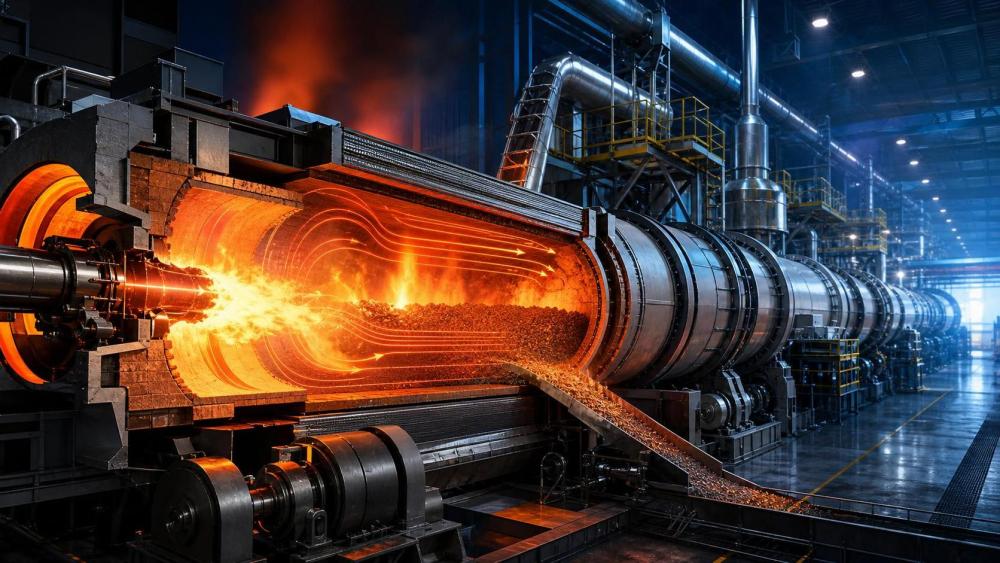
Industrial kiln design used to be discussed mainly through capacity and firing temperature. That view is now too narrow. Modern plants compare kiln concepts through total thermal efficiency, fuel flexibility, lining life, process stability, and compliance risk.
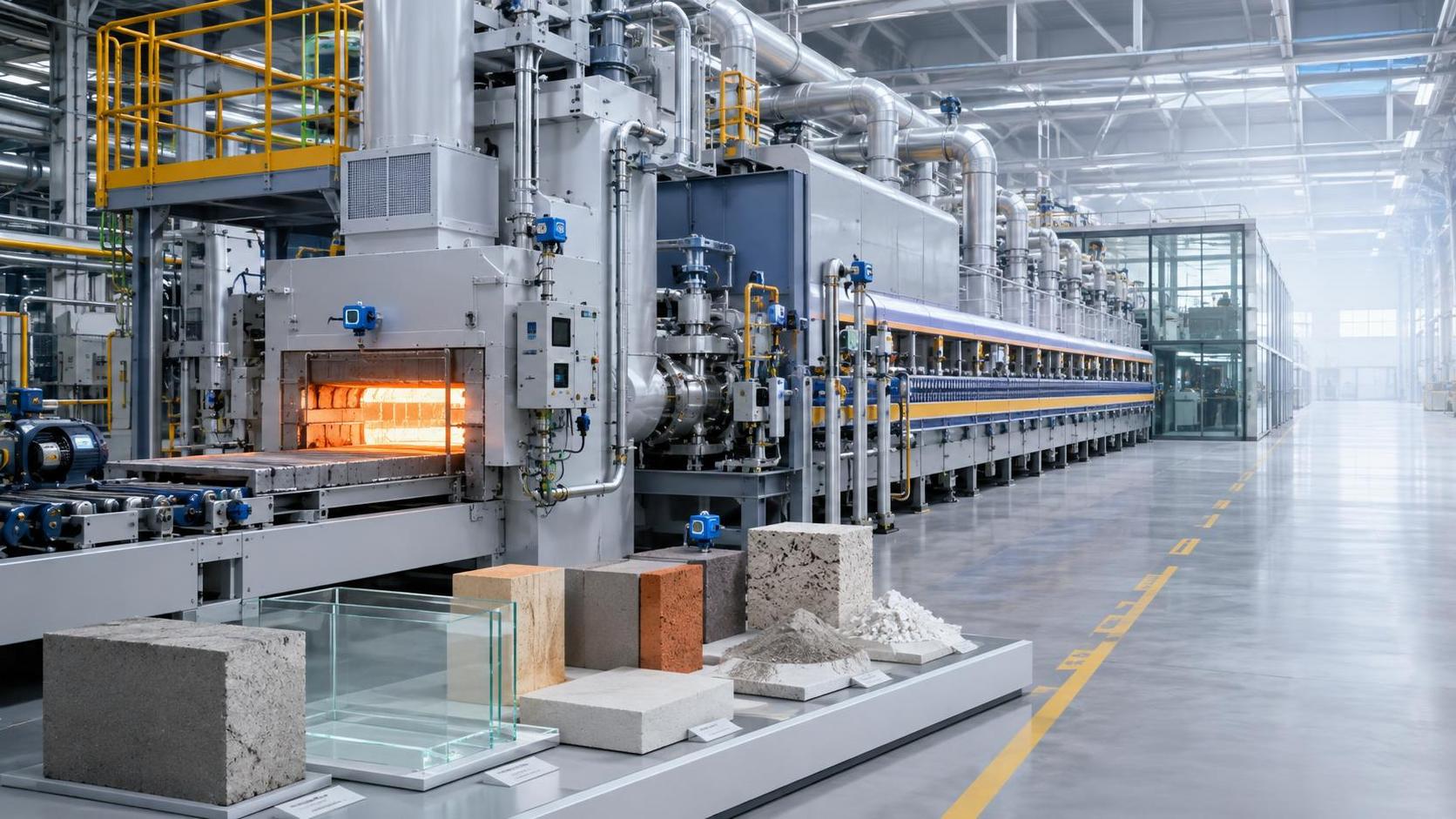
This shift is visible across several adjacent industries. Cement plants study co-processing and dust control. Glass operations focus on stable heat profiles. Refractory lines need repeatable firing curves. Incineration systems depend on controlled burnout and energy recovery.
In practical terms, one design choice often affects several business outcomes at once. A burner change can influence flame shape, wall temperature, fuel use, clinker quality, refractory wear, and stack emissions at the same time.
This is also where CF-Elite’s intelligence perspective becomes useful. When thermal parameters, reaction kinetics, and carbon reduction targets are read together, industrial kiln design becomes easier to compare on a real operating basis rather than by brochure claims.
The basic structure behind industrial kiln design
At its core, industrial kiln design is the arrangement of a heated process space to deliver the right temperature, for the right duration, to the right material state.
That sounds simple, but the design task is layered. The shell, refractory lining, burner system, air supply, draft control, feed movement, discharge behavior, and instrumentation all affect the final thermal result.
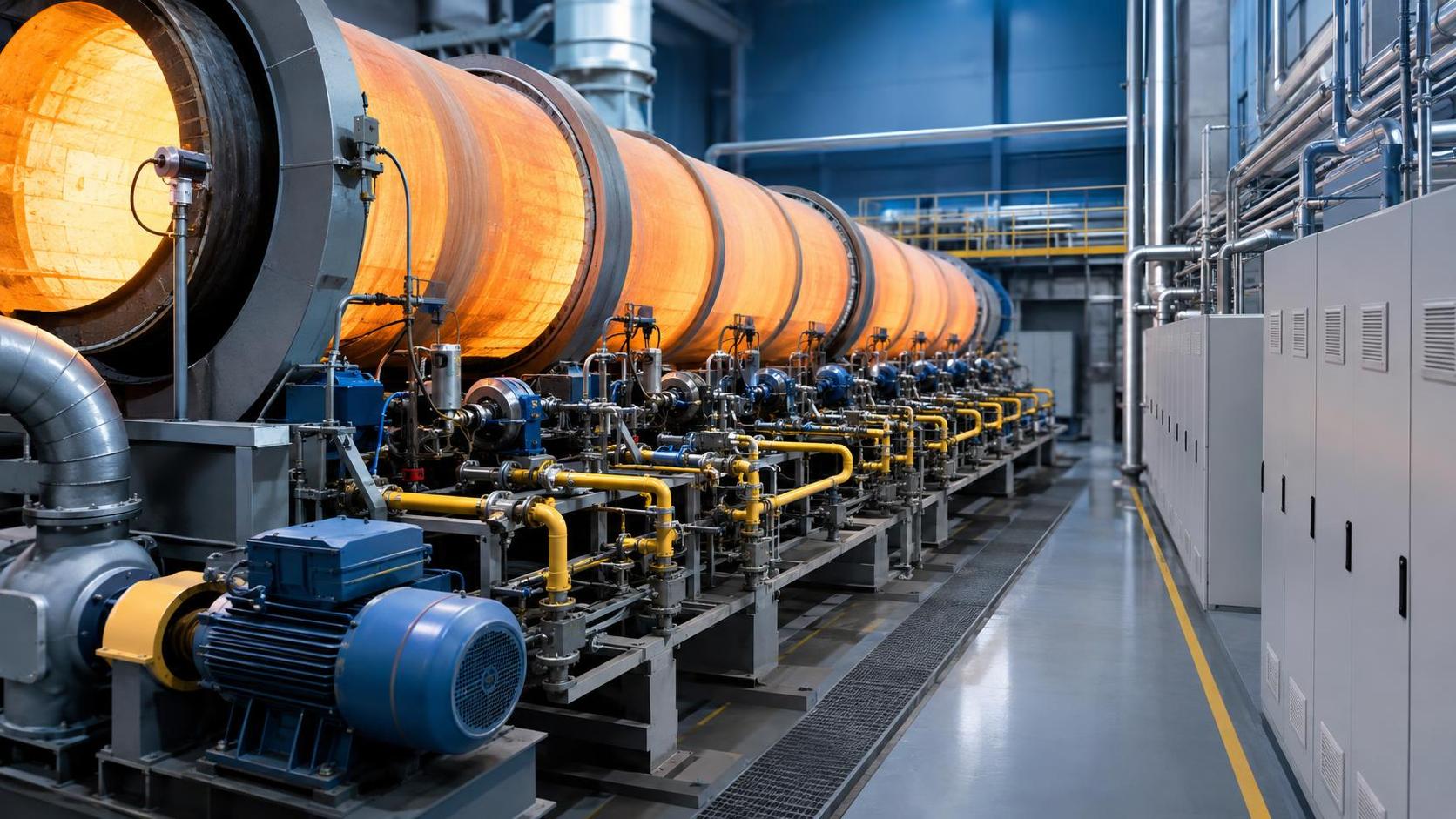
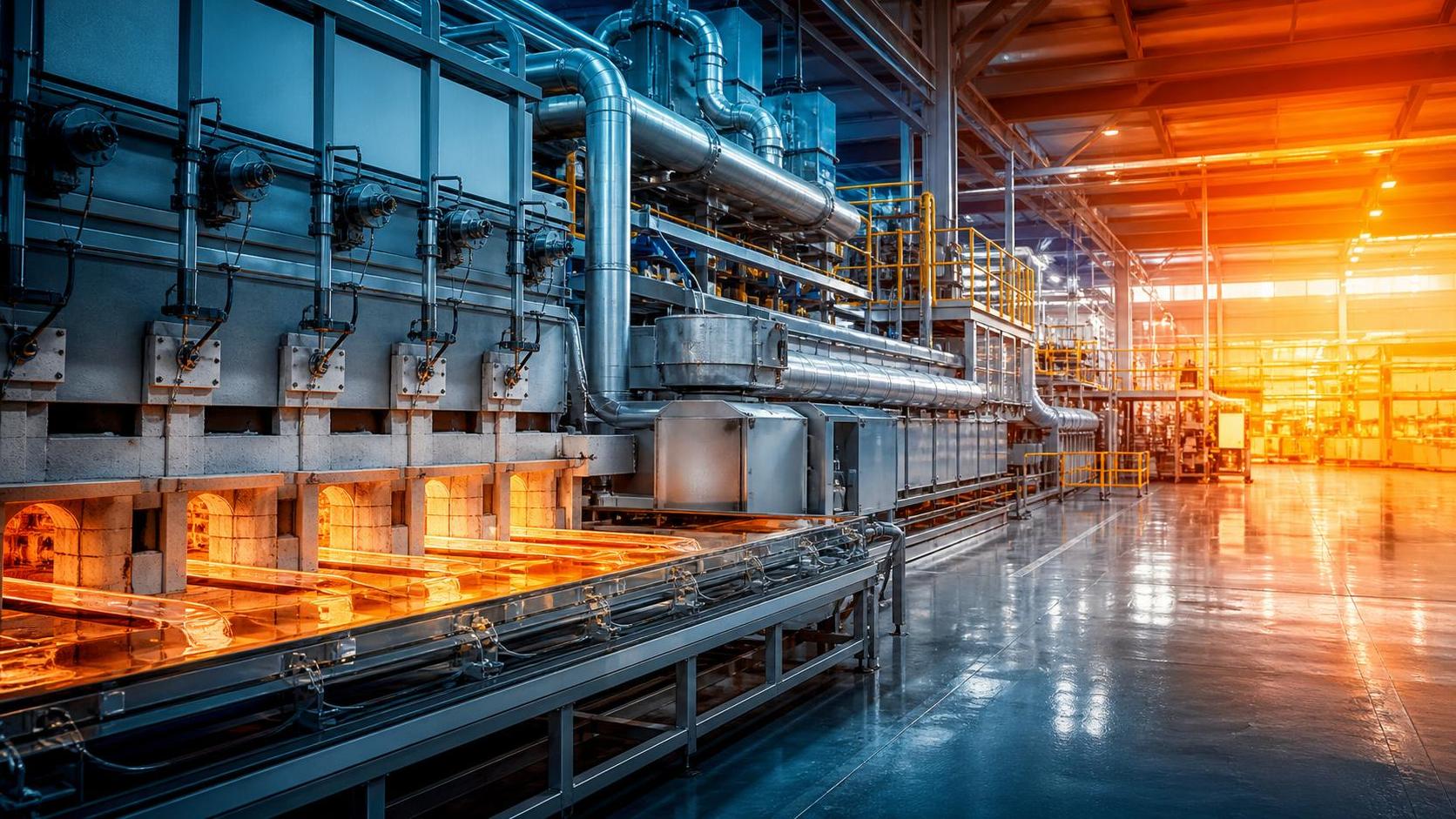
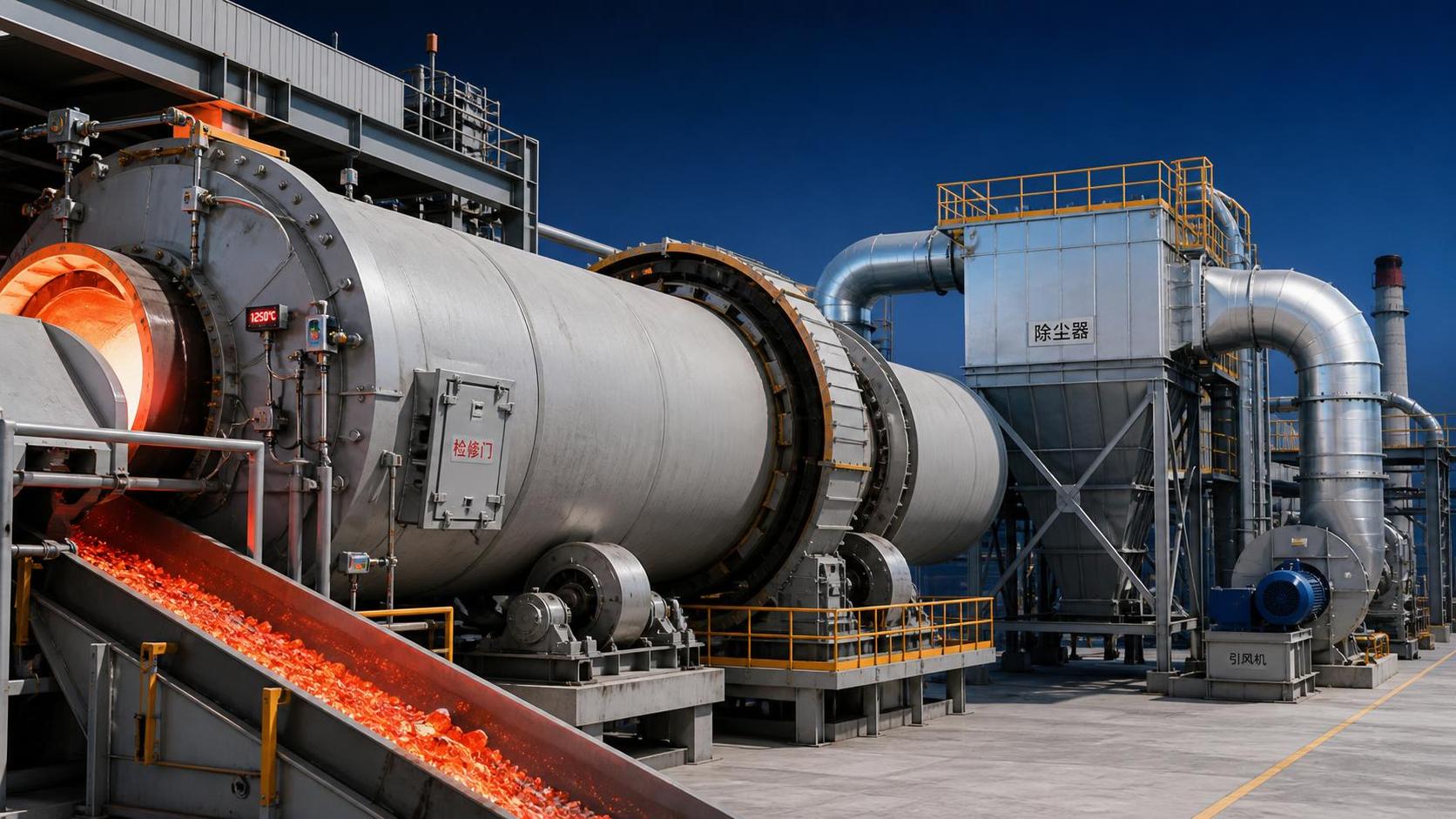
Kilns also vary by process objective. A rotary kiln handles moving solids with continuous throughput. A tunnel kiln supports staged heating and cooling. A shaft kiln emphasizes vertical flow and fuel efficiency. An incineration kiln must manage heterogeneous waste and combustion completeness.
Because of these differences, industrial kiln design is never only about reaching a peak temperature. It is about creating a predictable thermal pathway from feed entry to final discharge.
What designers usually try to balance
- Heat input that matches process demand without excessive losses
- Stable material movement and residence time
- Combustion conditions that support complete and controllable burning
- Refractory protection under thermal and chemical stress
- Emissions performance under local regulatory limits
Heat transfer is the real language of kiln performance
Any useful discussion of industrial kiln design eventually comes back to heat transfer. If heat is not delivered in the right mode and sequence, no fuel strategy can fully compensate.
Three mechanisms dominate most kilns: conduction, convection, and radiation. They are not separate in practice. They overlap continuously inside the process chamber.
Conduction through solids and lining
Conduction moves heat through the refractory, kiln shell, and material bed. It matters when feed particles touch hot surfaces or when lining thickness determines how much heat escapes outward.
Poor conductive balance can create two opposite problems. One is excessive shell loss. The other is insufficient internal heat release where the material actually needs it.
Convection from gases to material
Convection depends on hot gas movement. Gas velocity, turbulence, excess air, and chamber geometry all influence how effectively heat reaches the feed.
In rotary systems, convection often works with material cascading and mixing. In tunnel or shaft arrangements, flow distribution becomes critical because uneven gas paths create hot spots and cold zones.
Radiation at high temperature
Radiation becomes dominant as temperatures rise. Flame temperature, surface emissivity, chamber shape, and view factors influence how radiant heat reaches the product.
This is especially important in cement and refractory firing, where process chemistry depends on sustained high-temperature exposure rather than brief heat contact.
Fuel choice changes more than energy price
Fuel selection is often discussed through cost per unit of heat. In industrial kiln design, that is only the starting point. Different fuels also change flame behavior, control response, emissions profile, storage requirements, and maintenance patterns.
Natural gas offers cleaner combustion and easier control. Coal can remain attractive where supply cost matters, but ash content and burnout behavior complicate operation. Oil provides high energy density, though emissions and price exposure can be limiting.
Alternative fuels add another layer. Refuse-derived fuel, biomass fractions, hazardous waste streams, and process residues can support circularity goals, but they also introduce variability in moisture, calorific value, chlorine, sulfur, and particle size.
That variability matters because a kiln is designed around combustion stability. When fuel quality swings widely, flame consistency and temperature distribution become harder to maintain.
A practical comparison lens
- Calorific value affects burner sizing and firing intensity
- Moisture content reduces net useful heat
- Ash and contaminants influence deposits and refractory stress
- Flame speed changes heat distribution inside the chamber
- Supply stability affects long-term process reliability
Where the design logic changes by application
The same industrial kiln design principles apply across sectors, but priorities shift with process chemistry and product sensitivity.
Cement and lime lines
These systems emphasize continuous throughput, stable calcination, and high thermal efficiency. Fuel flexibility is often valuable, especially where co-processing supports waste recovery and carbon management strategies.
Glass and specialty silicate operations
Here, temperature uniformity is critical. A small disturbance in heat distribution can affect melting behavior, defect formation, and downstream annealing quality.
Refractory production
Refractory kilns need precise firing curves because thermal history directly affects density, phase development, and final durability. Overheating and underfiring can both damage commercial value.
Industrial incineration
Combustion completeness, destruction efficiency, and flue gas treatment become central. In these systems, industrial kiln design must integrate energy recovery with strict environmental control.
What deserves closer attention during evaluation
When comparing kiln concepts, headline temperature and nominal capacity reveal only part of the picture. More useful evaluation starts with thermal behavior over time.
Residence time distribution is one key point. If material passes unevenly, quality can drift even when average temperature looks acceptable. The second point is heat loss, especially through shell radiation and poor insulation condition.
Another issue is burner adaptability. A kiln designed around one clean fuel may struggle when an operation later introduces alternative fuels or mixed combustion strategies.
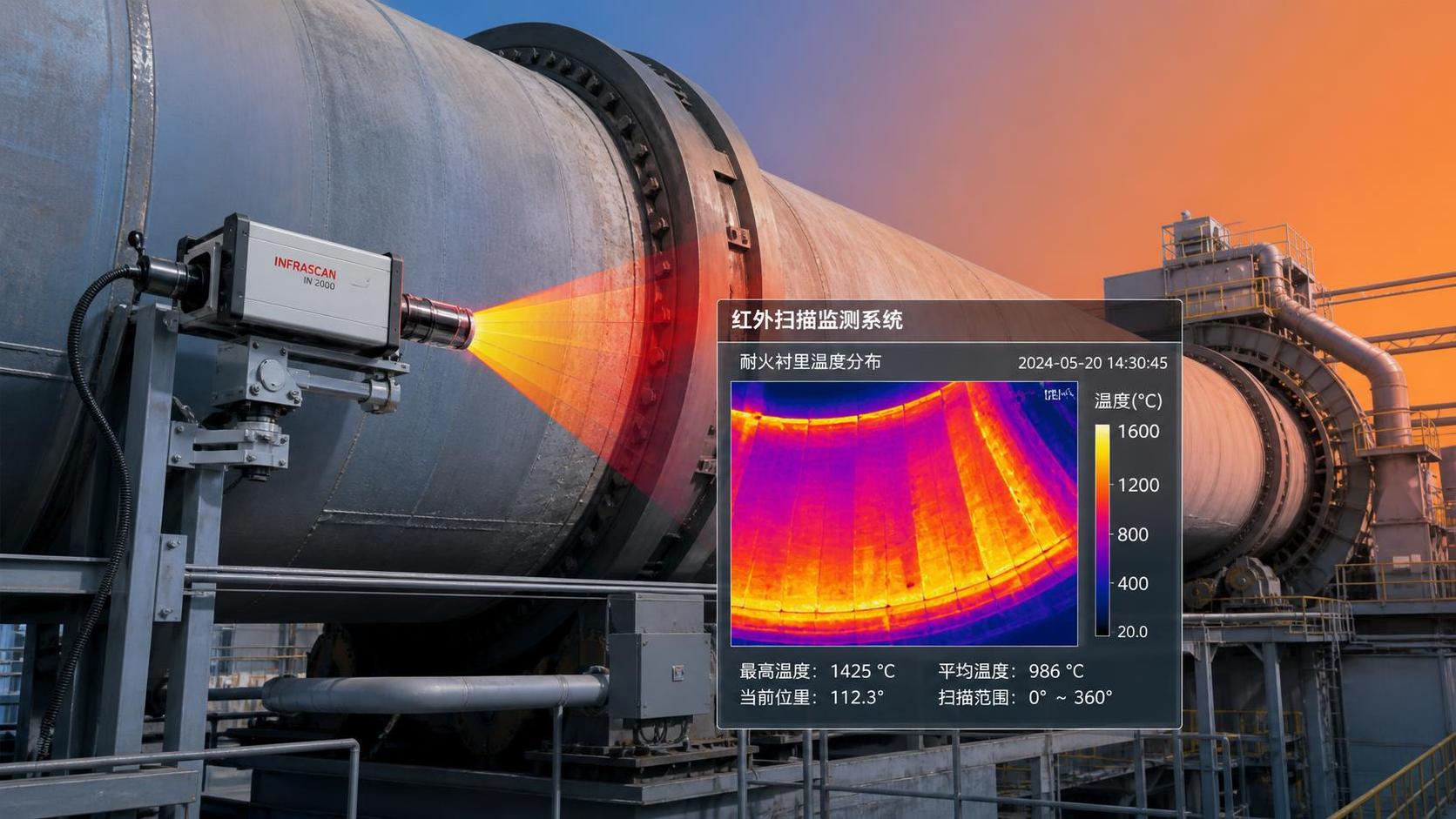
Digital monitoring now helps here. CF-Elite tracks how online shell scanners, flame imaging, oxygen control, and digital twin simulation improve visibility into industrial kiln design performance without waiting for major failures.
Useful checks before drawing conclusions
- Review actual heat balance, not only rated efficiency
- Check refractory life under expected fuel chemistry
- Compare emissions performance at normal and variable loads
- Assess whether control systems support fuel and feed variability
- Look at maintenance access and shutdown implications
A clearer way to move from theory to decision
The most useful approach is to treat industrial kiln design as a linked system rather than a single equipment purchase. Heat transfer, fuel choice, lining selection, emissions control, and automation should be reviewed together.
That creates a stronger basis for comparing options across capital cost, thermal efficiency, fuel resilience, and decarbonization potential. It also helps separate short-term savings from long-term operating penalties.
A practical next step is to map process requirements against four items: target temperature profile, acceptable fuel range, expected material variability, and emissions constraints. From there, industrial kiln design choices become easier to test and prioritize.
For ongoing research, it is worth following developments in co-processing, advanced combustion control, refractory monitoring, and digital thermal modeling. These areas increasingly define which kiln systems stay competitive as energy and carbon pressures continue to rise.
Related News
 Thermal Energy ArchitectHow to Evaluate a Thermal Energy Optimization Company for High-Temperature PlantsChoose a thermal energy optimization company with proven process expertise, measurable savings, and reliable delivery for high-temperature plants. Learn what to assess.Sep 15, 2026
 Thermal Energy ArchitectRotary Kiln Efficiency: How Feed Rate, Fuel Use, and Heat Loss Affect OutputRotary kiln efficiency explained: discover how feed rate, fuel use, heat loss, combustion, and cooling performance shape output, quality, and energy costs.Sep 14, 2026
 Thermal Energy ArchitectHow to Select Heat-Resistant Materials That Maintain Abrasion Resistance in KilnsHeat-resistant materials abrasion resistance: learn how to select kiln linings that withstand heat, wear, thermal cycling, and chemical attack for longer service life.Sep 13, 2026
 Thermal Energy ArchitectHow Rotary Kiln Automation Improves Temperature Control and Fuel EfficiencyRotary kiln technology automation enhances temperature control, stabilizes combustion, and improves fuel efficiency with smarter data, predictive control, and safer operations.Sep 12, 2026
 Silicate Process EngineerCement Plant Emission Control: Selecting Systems for Dust, NOx, and SO2 LimitsCement plant emission control guide: compare dust collectors, NOx reduction, and SO2 systems for reliable compliance across kiln modes, fuel changes, and operating upsets.Sep 11, 2026
 Thermal Energy ArchitectSelecting Abrasion-Resistant High-Temperature Materials for Kiln and Conveyor Wear ZonesHigh-temp material engineering guide to abrasion-resistant kiln and conveyor solutions—match wear, heat, chemistry, and installation design for longer service life.Sep 10, 2026
 Dr. Alistair VaughnIndustrial Process Engineering: How to Map Processes for Safer, More Efficient PlantsIndustrial process engineering reveals bottlenecks, safety risks, and energy losses through practical process mapping for safer, more efficient plants.Sep 09, 2026
 Optical Glass Tech FellowHow to Evaluate a Glass Annealing Equipment Manufacturer for Production StabilityChoose a glass annealing equipment manufacturer with proven thermal uniformity, reliable controls, lifecycle value, and responsive service for stable production.Sep 08, 2026
 Prof. Marcus ChenThermal Energy Architecture in North America: Strategies for Lower Building Energy UseThermal energy architecture North America helps project leaders cut building energy use through stronger envelopes, right-sized HVAC, storage, and smart commissioning.Sep 07, 2026
 Ms. Elena RodriguezHow Should Buyers Evaluate Building Material Industry Intelligence Pricing?Building material industry intelligence pricing: learn how to compare coverage, technical depth, and ROI to choose intelligence that reduces procurement risk.Sep 07, 2026
 Ms. Elena RodriguezHow to Use Building Material Intelligence Data for Market and Investment DecisionsBuilding material industry intelligence data helps leaders evaluate demand, costs, regulation, capacity, and technology to make smarter market and investment decisions.Sep 05, 2026
 Thermal Energy ArchitectHow PLC Control Improves Energy Efficiency and Temperature Stability in KilnsEnergy efficient kilns PLC control improves temperature stability, cuts fuel waste, and optimizes combustion, draft, and material flow. Explore proven strategies for smarter kiln modernization.Sep 04, 2026
 Optical Glass Tech FellowEuropean Glass Melting Processes: Furnace Choices, Energy Use, and Quality ControlGlass melting process Europe: explore furnace choices, energy efficiency, cullet strategy, and quality control to improve output, compliance, and long-term glass performance.Sep 03, 2026
 Thermal Energy ArchitectWhat Determines Refractory Lining Monitoring Price for Industrial Kilns?Refractory lining monitoring price depends on kiln size, sensor technology, installation, software, and support. Compare total lifecycle costs and choose the right solution.Sep 02, 2026
 Silicate Process EngineerCement Production System Costs: A Plant Buyer’s Guide to Budgeting and ROICement production systems cost planning made clear: compare CAPEX, operating costs, compliance, and ROI to build a resilient, profitable cement plant investment.Sep 01, 2026
 Dr. Alistair VaughnWhat Should a Process Technology Database Track for High-Temperature Plants?Process technology database essentials for high-temperature plants: track thermal profiles, feed chemistry, refractory wear, emissions, energy, and maintenance for safer, data-driven decisions.Aug 31, 2026
 Ms. Elena RodriguezHow to Evaluate a Silicate Processing Equipment Manufacturer for Plant ProjectsSilicate processing equipment manufacturer selection: assess process fit, guarantees, energy, compliance, delivery risk, and lifecycle support for dependable plant performance.Aug 30, 2026
 Dr. Alistair VaughnHow to Specify Custom Agricultural Processing Equipment for Throughput and HygieneEquipment customization services for agricultural processing: learn to specify hygienic, high-throughput lines that improve yield, reliability, and long-term efficiency.Aug 29, 2026
 Dr. Alistair VaughnHow to Select Process Plant Equipment for High-Temperature, Abrasive Production LinesProcess plant equipment selection for high-temperature, abrasive lines: reduce downtime, improve durability, and optimize lifecycle performance.Aug 28, 2026
 Silicate Process EngineerHow Kiln Heat Recovery Systems Cut Fuel Use in Cement and Lime ProductionKiln heat recovery helps cement and lime plants cut fuel use, improve thermal stability, and build practical, reliable decarbonization strategies.Aug 27, 2026



Related News
- 00
0000-00
How to Evaluate a Thermal Energy Optimization Company for High-Temperature Plants - 00
0000-00
Rotary Kiln Efficiency: How Feed Rate, Fuel Use, and Heat Loss Affect Output - 00
0000-00
How to Select Heat-Resistant Materials That Maintain Abrasion Resistance in Kilns - 00
0000-00
How Rotary Kiln Automation Improves Temperature Control and Fuel Efficiency - 00
0000-00
Selecting Abrasion-Resistant High-Temperature Materials for Kiln and Conveyor Wear Zones
Weekly Insights
Stay ahead with our curated technology reports delivered every Monday.