
How to Compare High-Temperature Materials for Furnace Linings, Wear Life, and Budget




Choosing furnace lining materials is rarely a simple matter of matching a temperature rating to a datasheet.
The comparison of high-temperature materials shapes wear life, fuel efficiency, shutdown frequency, and the real cost of keeping a thermal process stable.
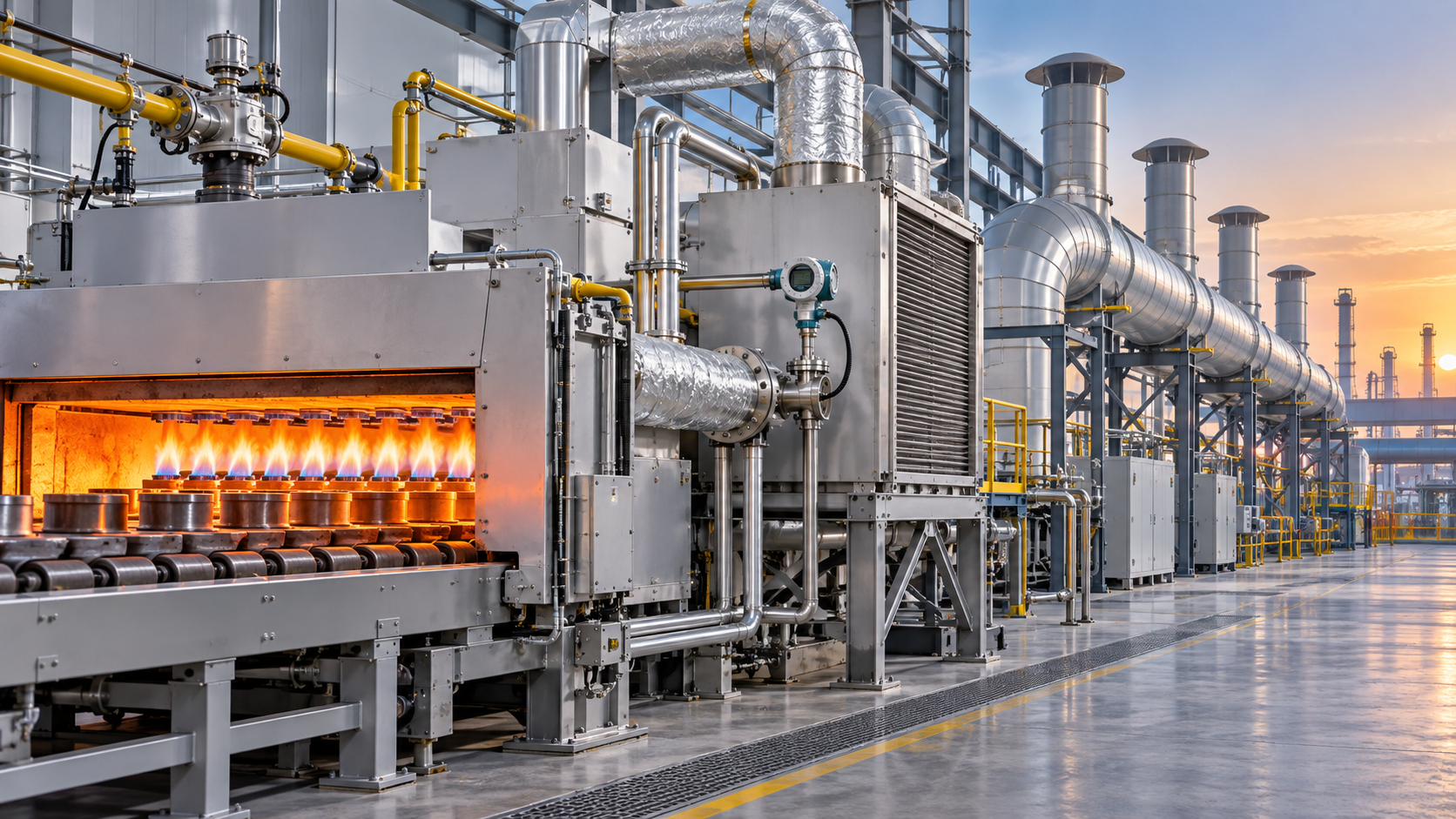
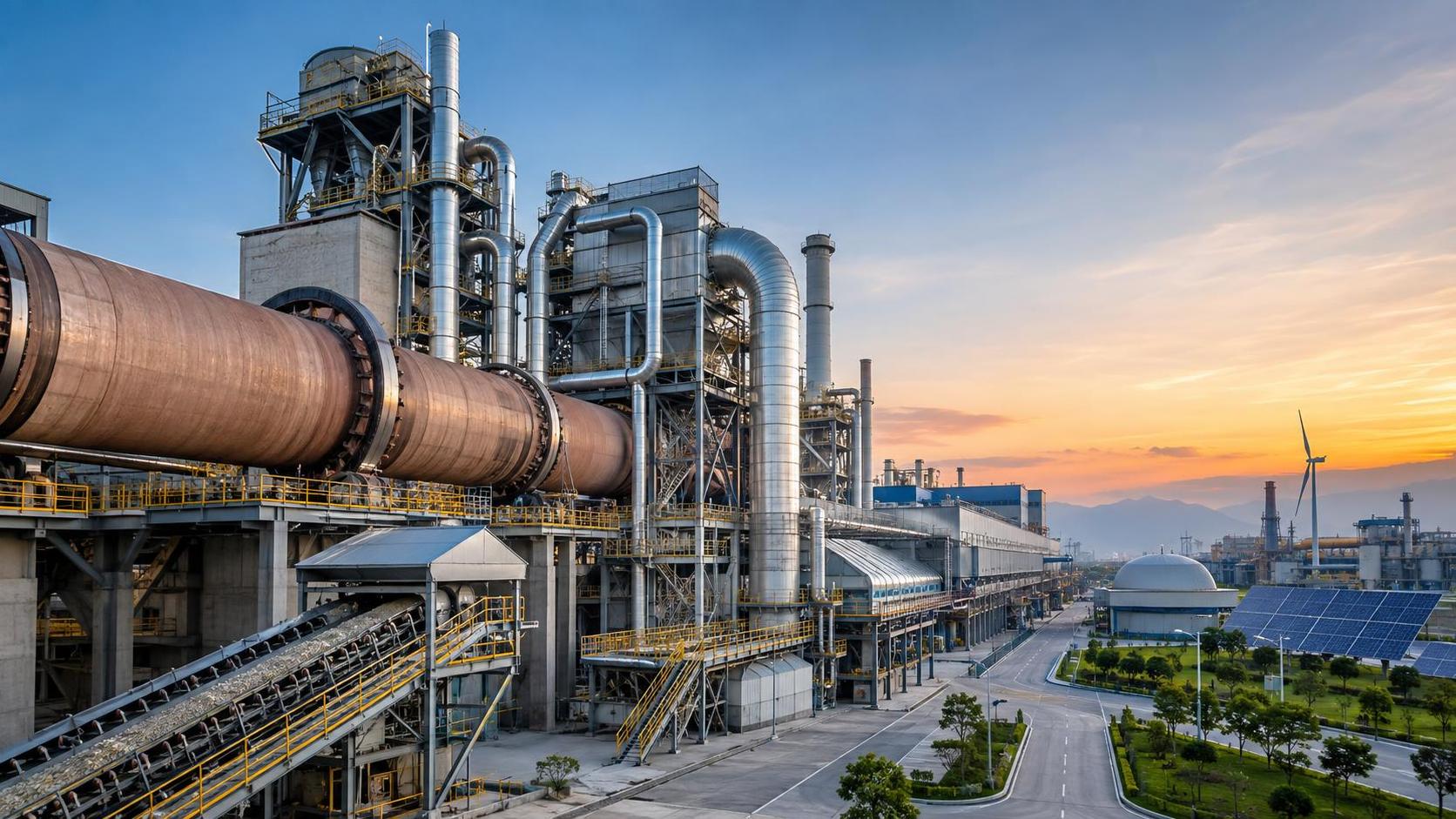
In cement plants, glass furnaces, incineration systems, refractory production lines, and extrusion equipment, the best option depends on heat load, chemistry, mechanical stress, and maintenance strategy working together.
That is why structured evaluation matters. It turns material selection from a price argument into a performance and lifecycle decision.
Why the comparison now deserves closer attention
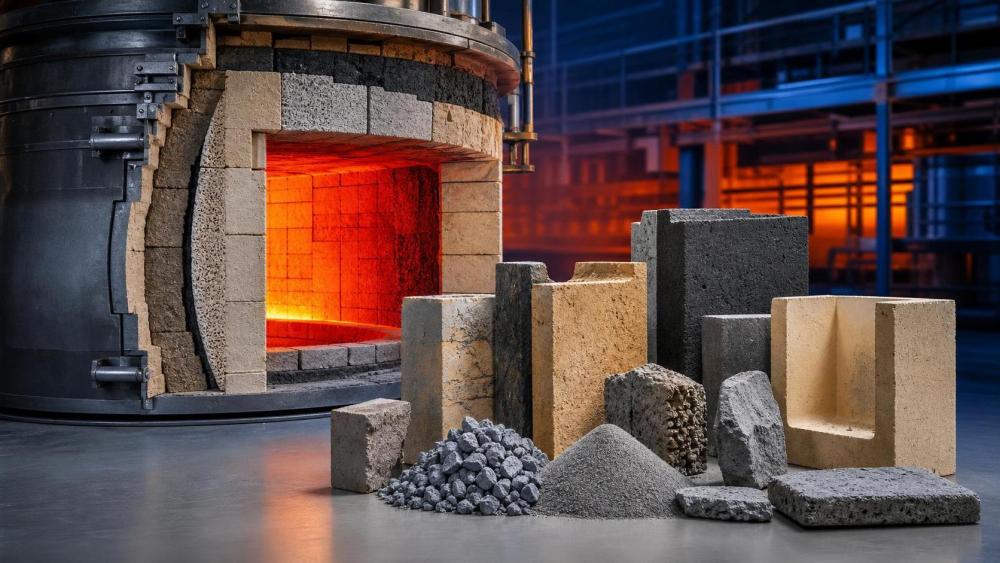
Thermal industries are under pressure from several directions at once.
Operating temperatures remain high, but fuel costs, carbon targets, alternative raw materials, and unplanned stoppage costs are all rising.
A lining that survives peak temperature may still fail early because of alkali attack, abrasion, thermal cycling, or installation defects.
Across the sectors tracked by CF-Elite, this issue is becoming more visible.
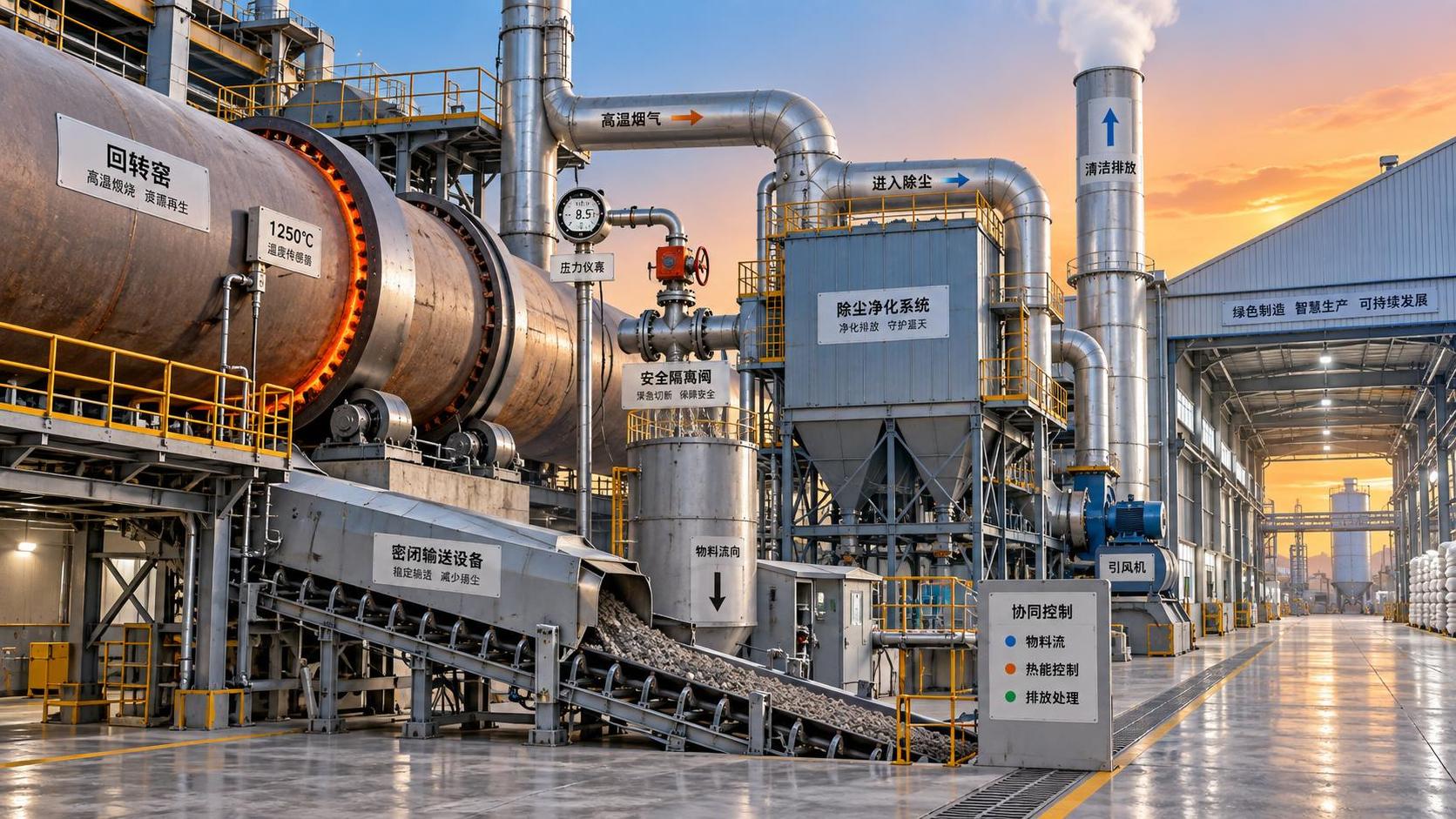
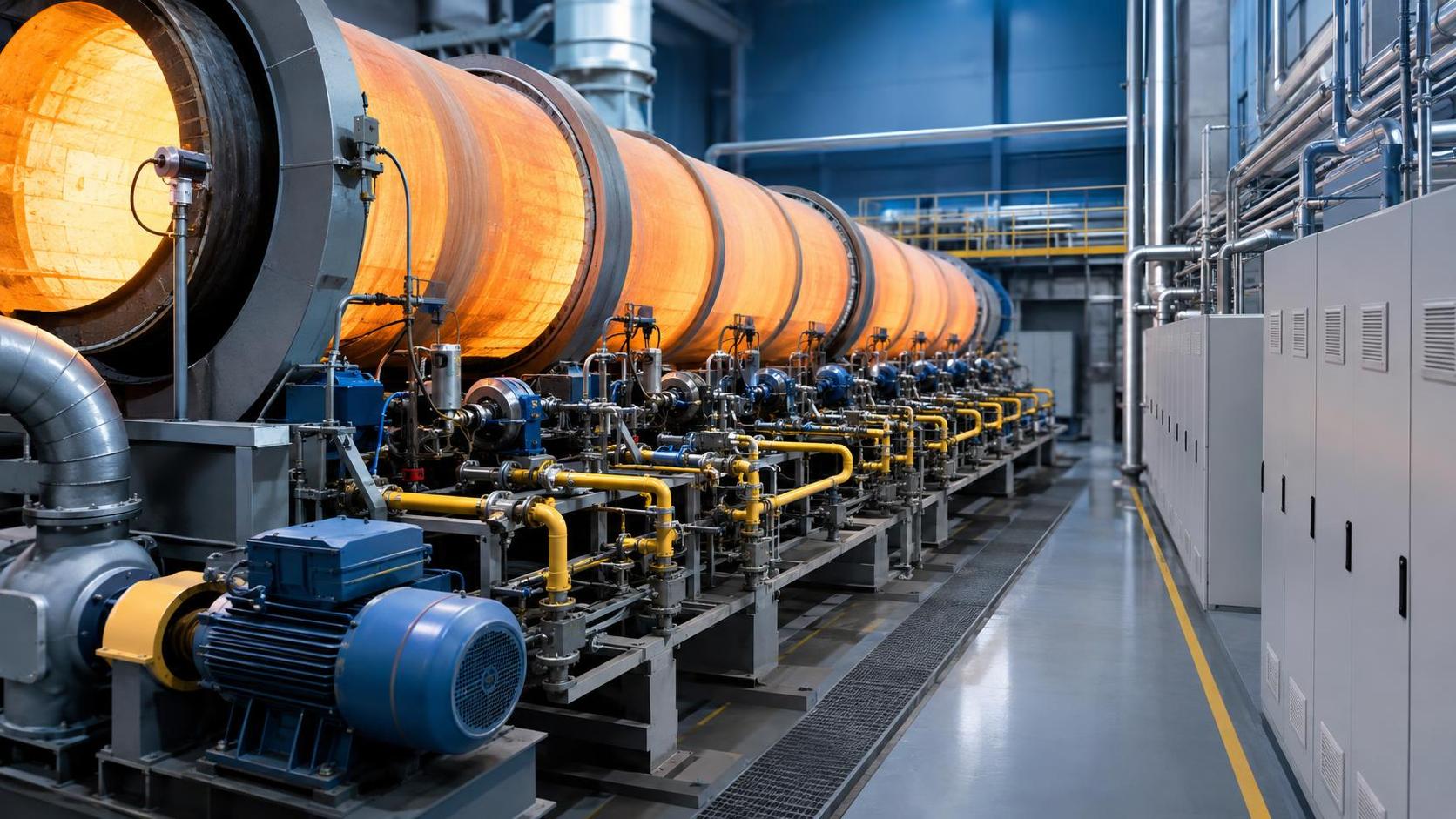
Rotary kilns face co-processing conditions that change flame shape and ash chemistry.
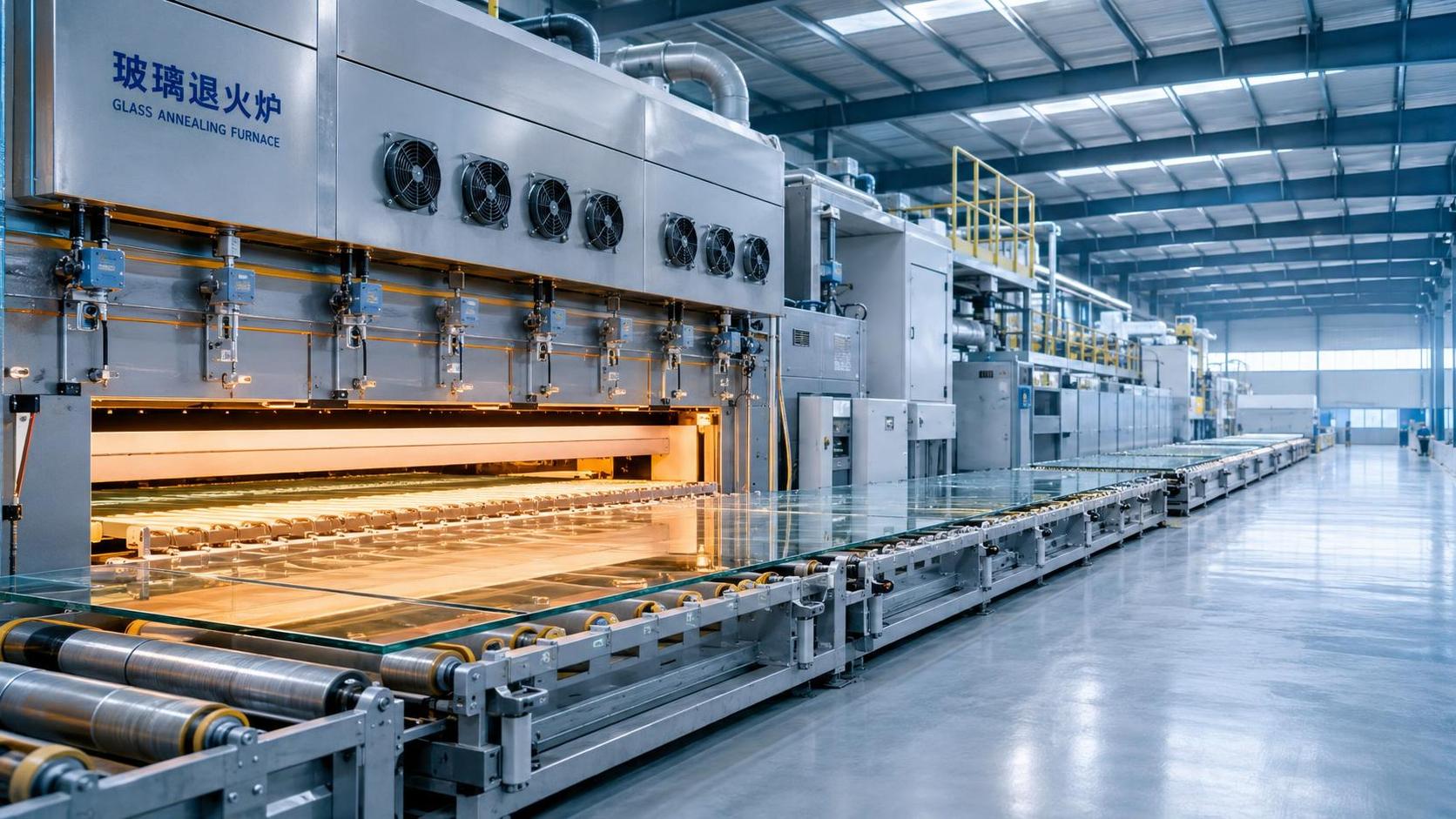
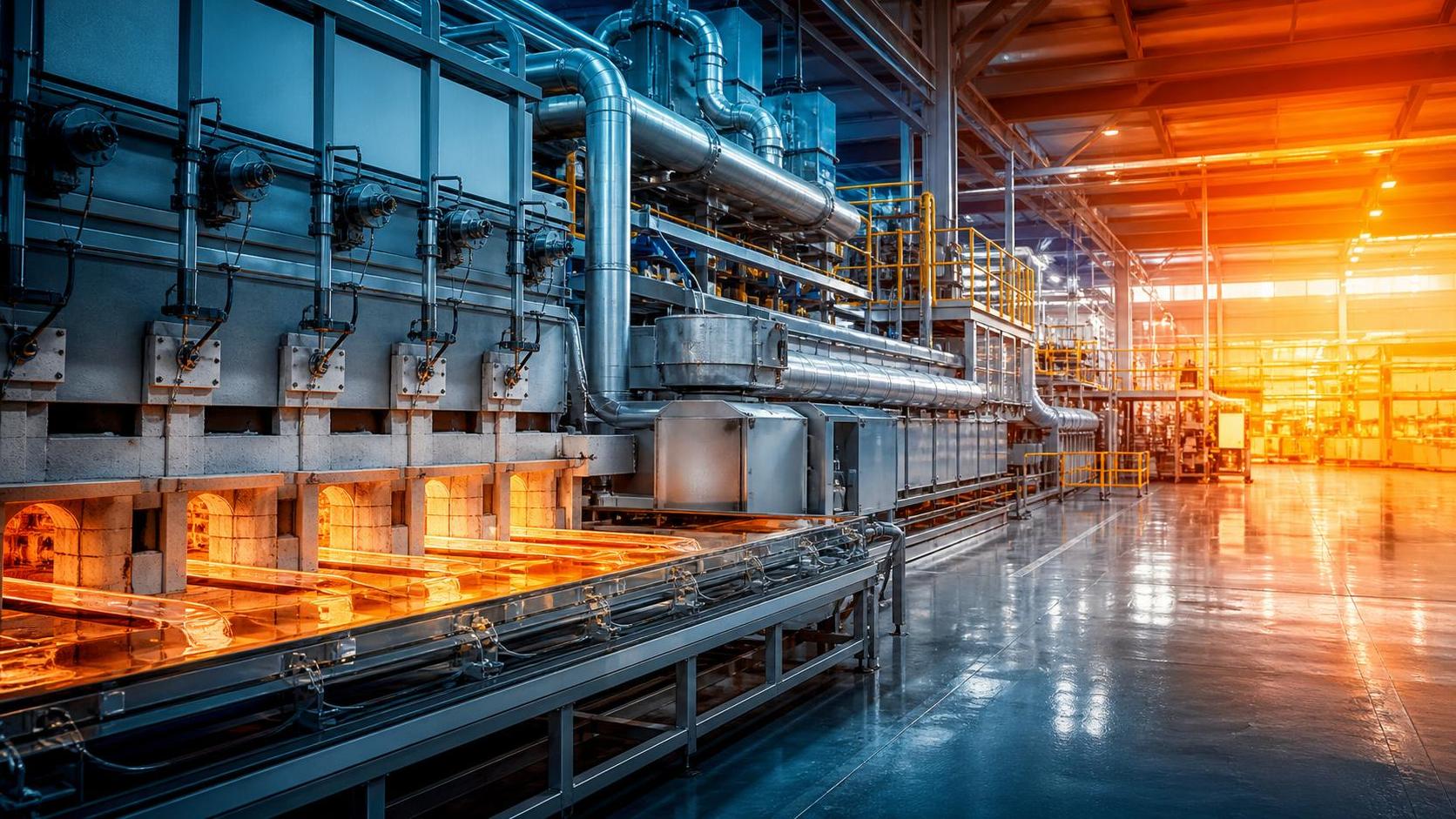
Glass lines need tighter thermal consistency for product quality.
Incineration systems must cope with corrosive gases and variable waste streams.
In each case, high-temperature materials influence both process reliability and decarbonization performance.
What should actually be compared
The most common mistake is to compare only nominal service temperature.
That number matters, but it says little about real wear mechanisms inside a working furnace.
A practical comparison of high-temperature materials usually needs at least four dimensions.
Thermal behavior
Look beyond maximum temperature.
Check thermal shock resistance, thermal conductivity, expansion behavior, and resistance to repeated heating and cooling.
A furnace with frequent startups may punish a material that looks excellent under steady-state conditions.
Chemical compatibility
Lining damage often comes from reaction, not melting.
Acidic slag, basic dust, chlorides, sulfates, alkalis, and reducing atmospheres all change the selection logic.
This is especially important when comparing alumina, silica, magnesia, silicon carbide, and castable systems.
Mechanical and wear performance
Abrasion, impact, burden movement, and gas velocity can be more destructive than heat alone.
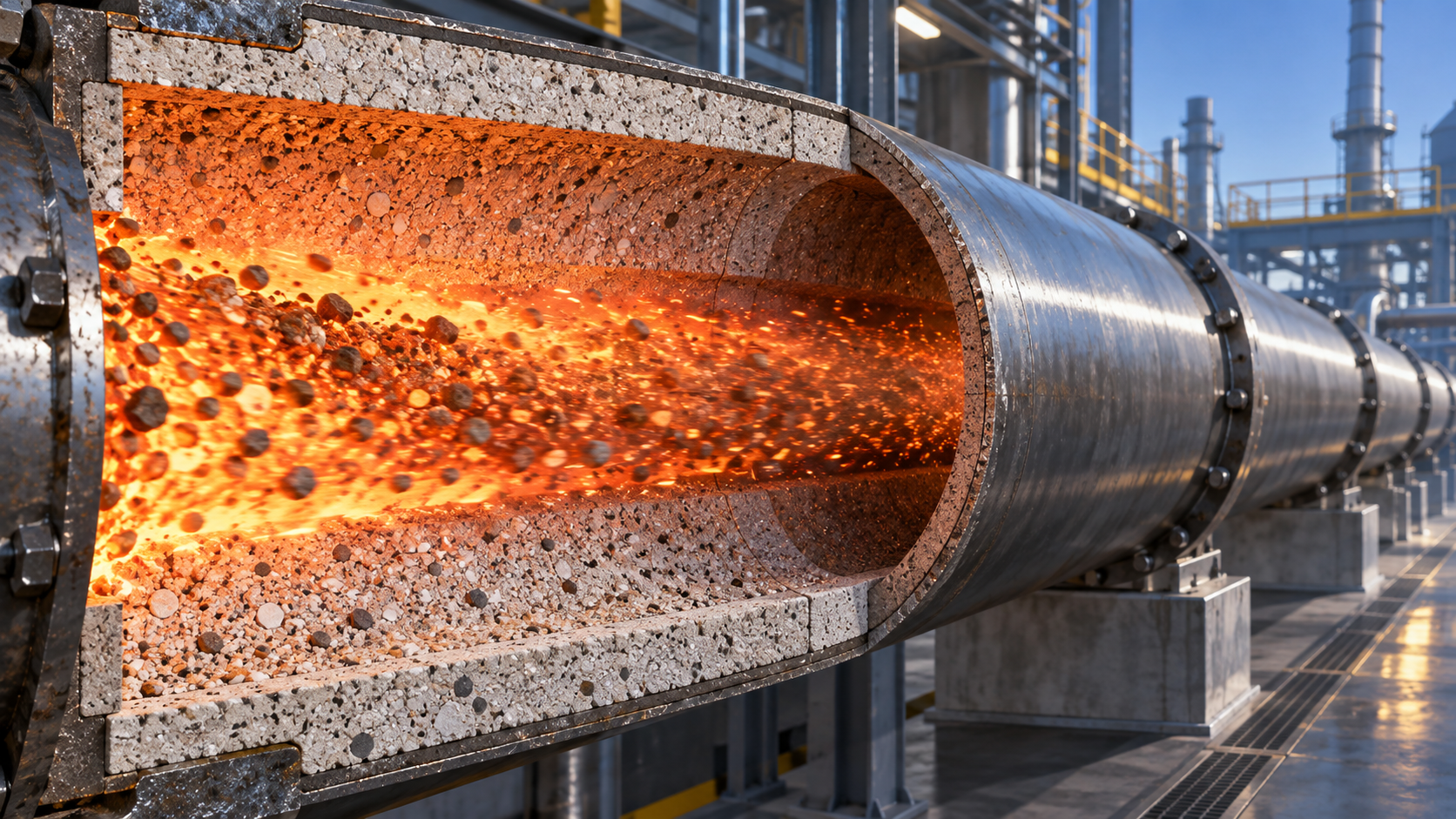
Dense bricks may resist erosion well, while lightweight insulation saves energy but wears faster in exposed zones.
Installation and maintenance reality
Some high-temperature materials perform well only when installation quality is tightly controlled.
Anchoring design, dry-out schedule, joint allowance, and curing conditions can decide whether the expected wear life is achieved.
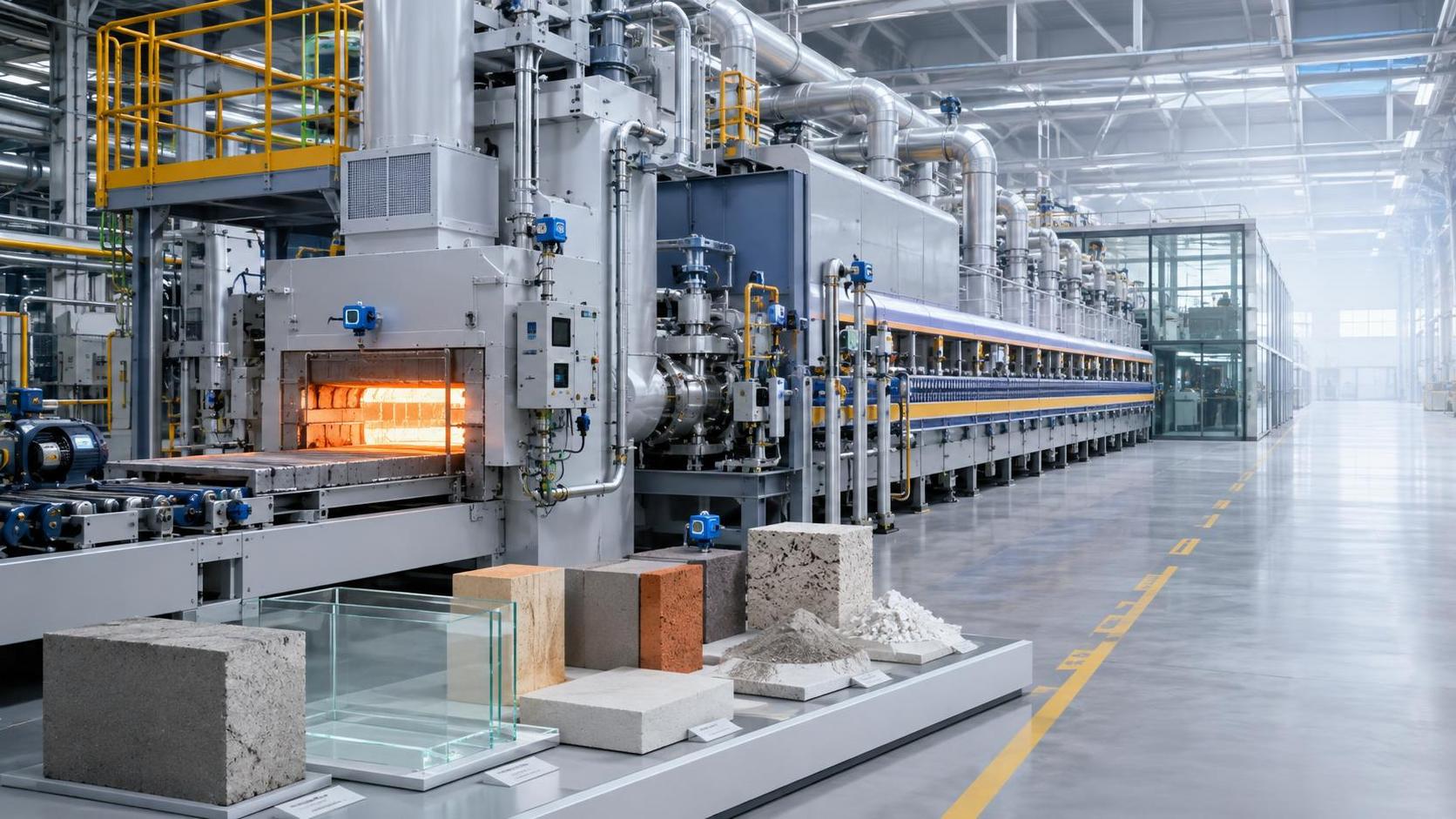
A useful way to compare common furnace lining options
Different materials solve different problems, so comparison should stay tied to operating zones rather than broad labels.
This kind of comparison is more useful than asking which material is simply the best.
The better question is which high-temperature materials fit each zone, each reaction environment, and each maintenance window.
Wear life is a system outcome, not a single material property
Wear life is often treated as a product promise, but it is usually the result of several linked variables.
Process stability matters.
Flame shape matters.
Feed uniformity matters.
So do shell movement, atmosphere shifts, and shutdown discipline.
That is why CF-Elite’s intelligence perspective is useful in this area.
Comparing high-temperature materials in isolation can miss the process-side reasons that consume lining life.
Digital monitoring, thermal mapping, and operating history can reveal whether a material upgrade is necessary or whether the real fix lies in operating discipline.
In practical terms, a modestly priced lining with stable operating conditions may outperform a premium lining exposed to unstable combustion and chemical overload.
How to connect material choice with budget
Budget evaluation should not stop at purchase price per ton or per brick.
The more relevant measure is installed cost over useful life.
That includes logistics, installation time, heat-up procedure, expected maintenance frequency, production loss during repairs, and energy performance.
A lining with higher upfront cost may still be cheaper if it extends campaign length or lowers shell heat loss.
A practical budget checklist
- Separate hot-face materials from backup and insulation layers.
- Estimate wear life by zone, not by full furnace average.
- Count shutdown cost in days, not only material invoices.
- Include installation skill requirements and cure-out risk.
- Measure energy impact where conductivity changes matter.
- Review spare stock strategy for imported or custom shapes.
This framework usually leads to better decisions than choosing the lowest visible price.
Typical scenarios where comparison criteria shift
Not every thermal process punishes high-temperature materials in the same way.
Rotary kilns
Chemical coating behavior and mechanical rotation strongly affect lining selection.
A material that supports stable coating may deliver longer life than one with higher laboratory strength.
Glass furnaces
Purity, corrosion resistance, and thermal consistency become critical.
Small material differences can influence product quality, furnace atmosphere, and campaign length.
Incineration lines
Corrosive gas attack, ash chemistry, and waste variability often dominate the comparison.
High-temperature materials here must resist both heat and aggressive chemistry.
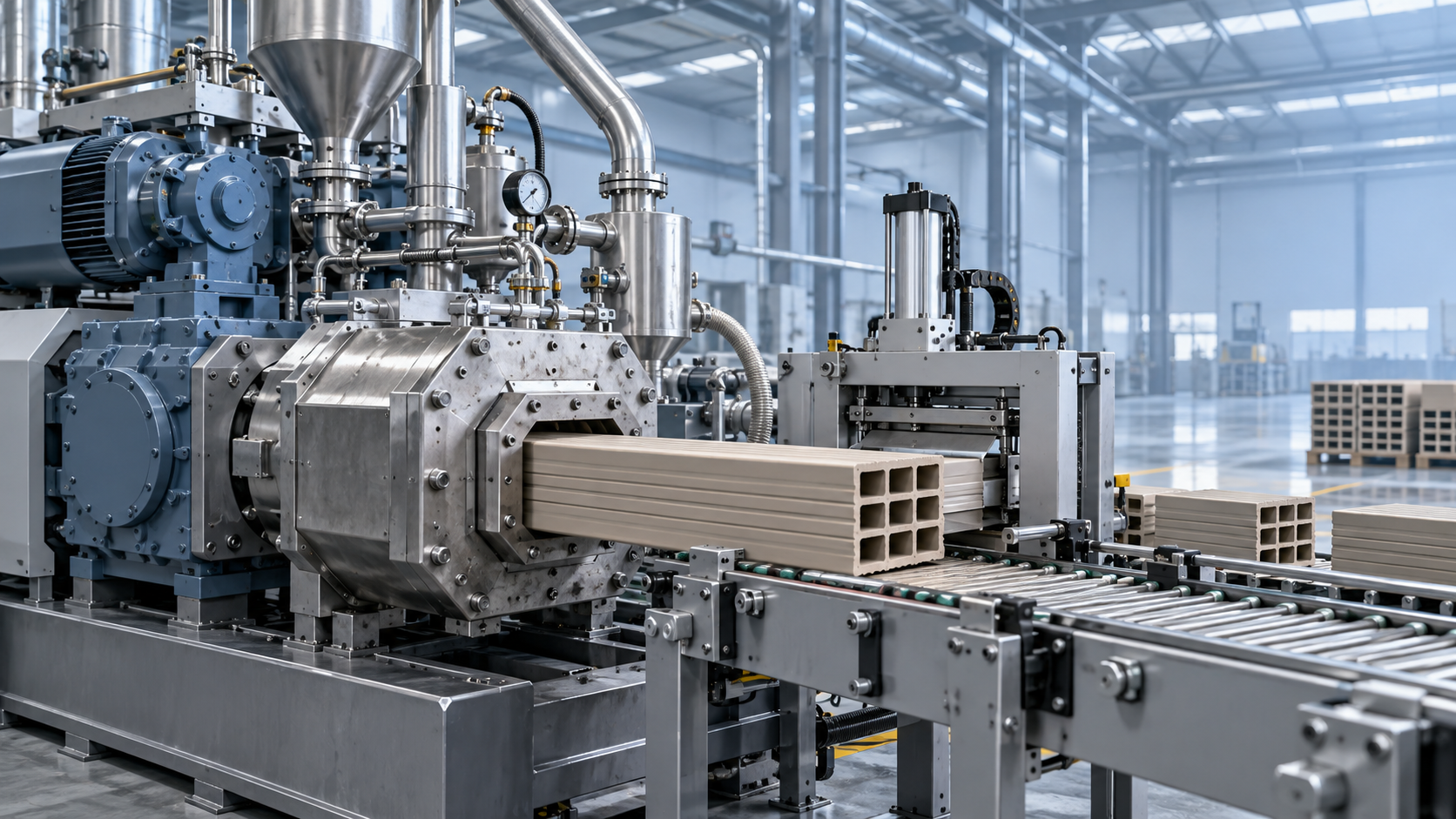
Material extrusion and related thermal equipment
Temperature uniformity, throughput stability, and controlled heat loss can be more valuable than extreme hot-face strength.
This is where layered lining design often brings better value than a single premium material choice.
A grounded method for the next evaluation round
A reliable comparison starts with zone mapping.
Define where the furnace sees peak heat, corrosive exposure, abrasion, thermal cycling, and structural movement.
Then match candidate high-temperature materials to those zones using operating data, not only brochure values.
It also helps to compare actual failure history.
Was the last lining lost by spalling, chemical penetration, anchor failure, or overheating behind the hot face?
The answer changes the short list quickly.
From there, build a matrix covering thermal limit, corrosion resistance, abrasion resistance, insulation value, install complexity, and lifecycle cost.
That process creates a more defensible decision, especially when energy efficiency and carbon performance are part of the business case.
For anyone tracking long-cycle thermal assets, the most useful next step is to align material comparison with process data, maintenance records, and future operating changes.
When high-temperature materials are judged in that broader context, furnace linings become easier to evaluate, wear life becomes more predictable, and budget decisions become far more credible.
Related News
 Optical Glass Tech FellowSilicate Process Automation: Improving Batch Consistency and Energy ControlSilicate process automation improves batch consistency, energy control, traceability, and operator confidence across high-temperature manufacturing operations.Sep 22, 2026
 Optical Glass Tech FellowHow Silicate Industrial Processes Control Viscosity, Energy Use, and Product QualitySilicate industrial processes: learn how viscosity, chemistry, heat transfer, and atmosphere control reduce energy use, improve stability, and protect product quality.Sep 21, 2026
 Thermal Energy ArchitectHow European Plants Can Evaluate Energy Recovery Equipment for High-Temperature ProcessesIndustrial energy recovery equipment Europe: learn how high-temperature plants can assess waste-heat sources, integration risks, lifecycle value, and reliable recovery routes.Sep 20, 2026
 Thermal Energy ArchitectIndustrial Furnace Process Optimization: Reducing Fuel Use Without Sacrificing ThroughputIndustrial process optimization furnace strategies that cut fuel use while protecting throughput. Explore combustion control, heat recovery, refractory performance, and data-driven efficiency gains.Sep 19, 2026
 Ms. Elena RodriguezWhat Drives High-Pressure Extrusion Equipment Cost in Industrial Projects?High pressure extrusion equipment cost explained: compare pressure, die design, automation, wear, energy, and installation factors for smarter industrial investments.Sep 18, 2026
 Thermal Energy ArchitectHow to Size a Waste Heat Recovery Exchanger for High-Temperature Kiln Exhaust?Waste heat recovery exchanger sizing for high-temperature kiln exhaust: balance recoverable duty, fouling, corrosion limits, pressure drop, and reliable heat use.Sep 17, 2026
 Thermal Energy ArchitectWhy Heat-Resistant Materials Lose Abrasion Resistance at High TemperaturesHeat-resistant materials abrasion resistance can decline at high temperatures. Discover the thermal, chemical, and mechanical causes of wear—and how to choose longer-lasting linings.Sep 16, 2026
 Thermal Energy ArchitectHow to Evaluate a Thermal Energy Optimization Company for High-Temperature PlantsChoose a thermal energy optimization company with proven process expertise, measurable savings, and reliable delivery for high-temperature plants. Learn what to assess.Sep 15, 2026
 Thermal Energy ArchitectRotary Kiln Efficiency: How Feed Rate, Fuel Use, and Heat Loss Affect OutputRotary kiln efficiency explained: discover how feed rate, fuel use, heat loss, combustion, and cooling performance shape output, quality, and energy costs.Sep 14, 2026
 Thermal Energy ArchitectHow to Select Heat-Resistant Materials That Maintain Abrasion Resistance in KilnsHeat-resistant materials abrasion resistance: learn how to select kiln linings that withstand heat, wear, thermal cycling, and chemical attack for longer service life.Sep 13, 2026
 Thermal Energy ArchitectHow Rotary Kiln Automation Improves Temperature Control and Fuel EfficiencyRotary kiln technology automation enhances temperature control, stabilizes combustion, and improves fuel efficiency with smarter data, predictive control, and safer operations.Sep 12, 2026
 Silicate Process EngineerCement Plant Emission Control: Selecting Systems for Dust, NOx, and SO2 LimitsCement plant emission control guide: compare dust collectors, NOx reduction, and SO2 systems for reliable compliance across kiln modes, fuel changes, and operating upsets.Sep 11, 2026
 Thermal Energy ArchitectSelecting Abrasion-Resistant High-Temperature Materials for Kiln and Conveyor Wear ZonesHigh-temp material engineering guide to abrasion-resistant kiln and conveyor solutions—match wear, heat, chemistry, and installation design for longer service life.Sep 10, 2026
 Dr. Alistair VaughnIndustrial Process Engineering: How to Map Processes for Safer, More Efficient PlantsIndustrial process engineering reveals bottlenecks, safety risks, and energy losses through practical process mapping for safer, more efficient plants.Sep 09, 2026
 Optical Glass Tech FellowHow to Evaluate a Glass Annealing Equipment Manufacturer for Production StabilityChoose a glass annealing equipment manufacturer with proven thermal uniformity, reliable controls, lifecycle value, and responsive service for stable production.Sep 08, 2026
 Prof. Marcus ChenThermal Energy Architecture in North America: Strategies for Lower Building Energy UseThermal energy architecture North America helps project leaders cut building energy use through stronger envelopes, right-sized HVAC, storage, and smart commissioning.Sep 07, 2026
 Ms. Elena RodriguezHow Should Buyers Evaluate Building Material Industry Intelligence Pricing?Building material industry intelligence pricing: learn how to compare coverage, technical depth, and ROI to choose intelligence that reduces procurement risk.Sep 07, 2026
 Ms. Elena RodriguezHow to Use Building Material Intelligence Data for Market and Investment DecisionsBuilding material industry intelligence data helps leaders evaluate demand, costs, regulation, capacity, and technology to make smarter market and investment decisions.Sep 05, 2026
 Thermal Energy ArchitectHow PLC Control Improves Energy Efficiency and Temperature Stability in KilnsEnergy efficient kilns PLC control improves temperature stability, cuts fuel waste, and optimizes combustion, draft, and material flow. Explore proven strategies for smarter kiln modernization.Sep 04, 2026
 Optical Glass Tech FellowEuropean Glass Melting Processes: Furnace Choices, Energy Use, and Quality ControlGlass melting process Europe: explore furnace choices, energy efficiency, cullet strategy, and quality control to improve output, compliance, and long-term glass performance.Sep 03, 2026



Related News
- 00
0000-00
How European Plants Can Evaluate Energy Recovery Equipment for High-Temperature Processes - 00
0000-00
Industrial Furnace Process Optimization: Reducing Fuel Use Without Sacrificing Throughput - 00
0000-00
How to Size a Waste Heat Recovery Exchanger for High-Temperature Kiln Exhaust? - 00
0000-00
Why Heat-Resistant Materials Lose Abrasion Resistance at High Temperatures - 00
0000-00
How to Evaluate a Thermal Energy Optimization Company for High-Temperature Plants
Weekly Insights
Stay ahead with our curated technology reports delivered every Monday.