
Co-Processing in Rotary Kilns: Which Wastes Fit the Process and What Limits Apply?




Co-processing in rotary kilns sits at the intersection of waste management, thermal engineering, and product integrity. The idea sounds simple: replace part of the conventional fuel or raw feed with waste. In practice, the decision is highly selective. A waste stream that looks acceptable on paper can still destabilize flame shape, raise chlorine circulation, alter clinker chemistry, or increase emissions risk. That is why the real question is not whether co-processing is possible, but which wastes truly fit the process and where operational limits begin.
This matters more now because decarbonization targets, landfill pressure, and stricter environmental scrutiny are moving rotary kilns into a broader circular-economy role. Across cement, incineration, refractory, and other high-temperature sectors tracked by CF-Elite, the same pattern appears: thermal systems are expected to recover value from difficult residues without compromising stability, compliance, or downstream quality.
Why waste fit is never a yes-or-no question
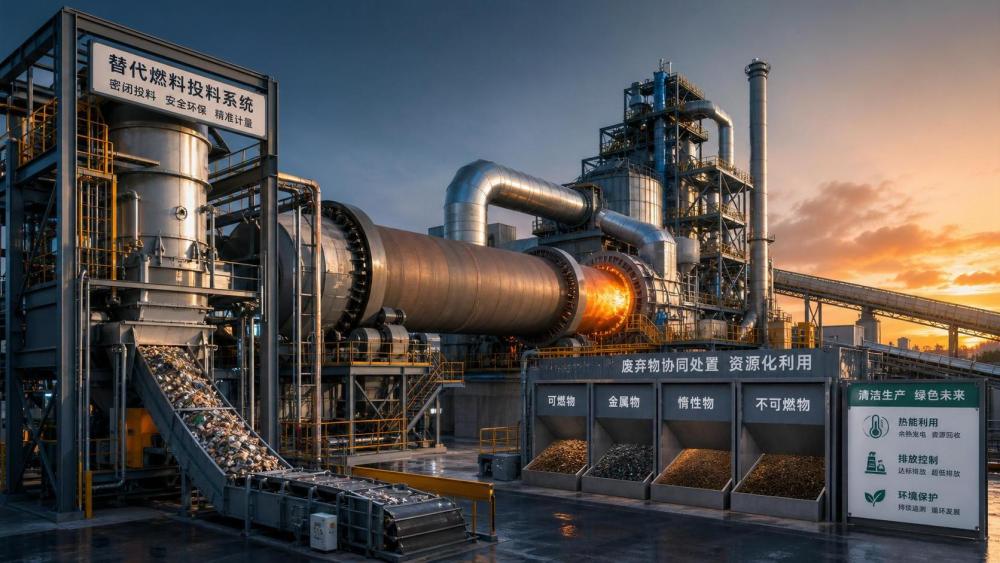
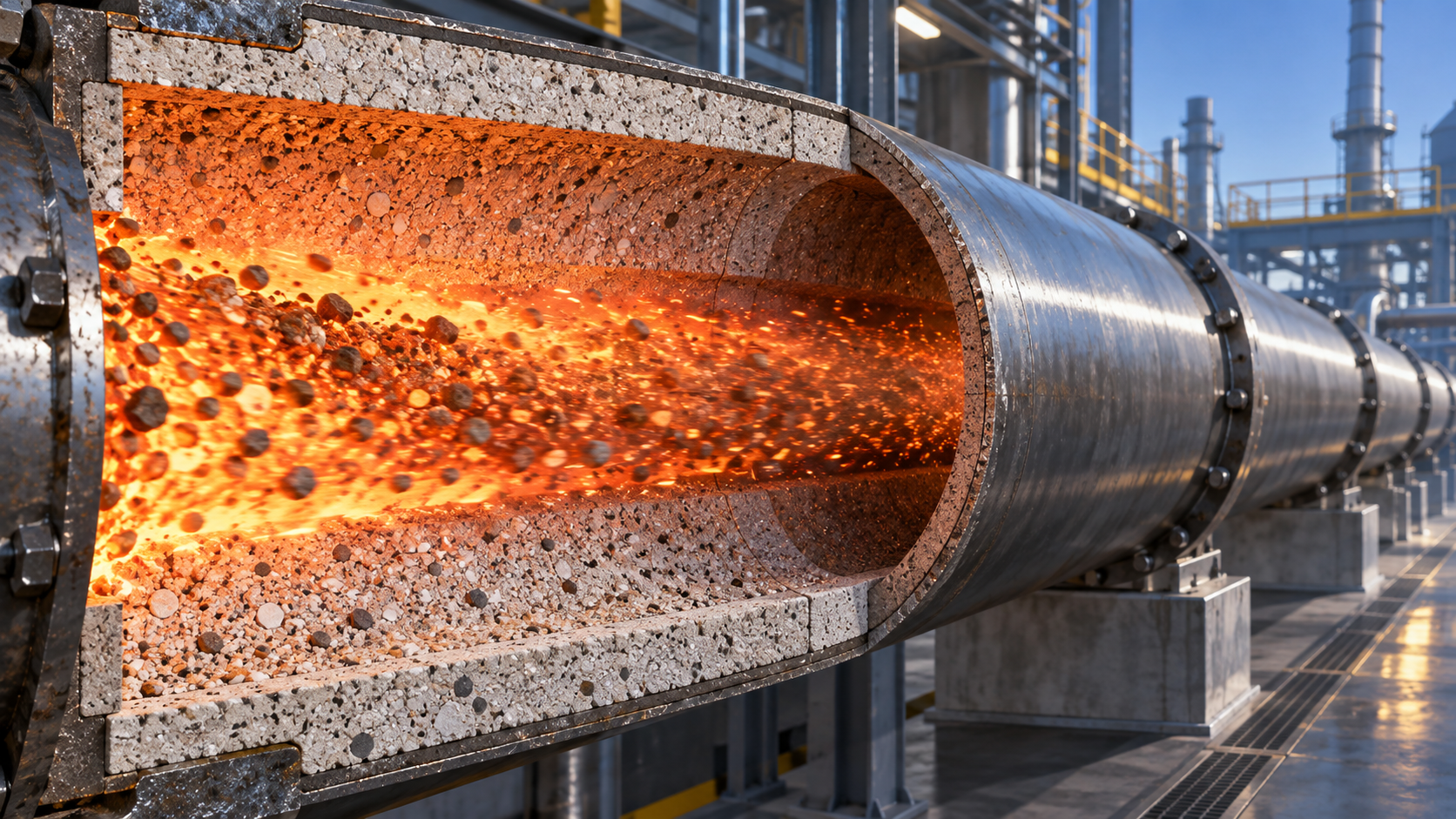
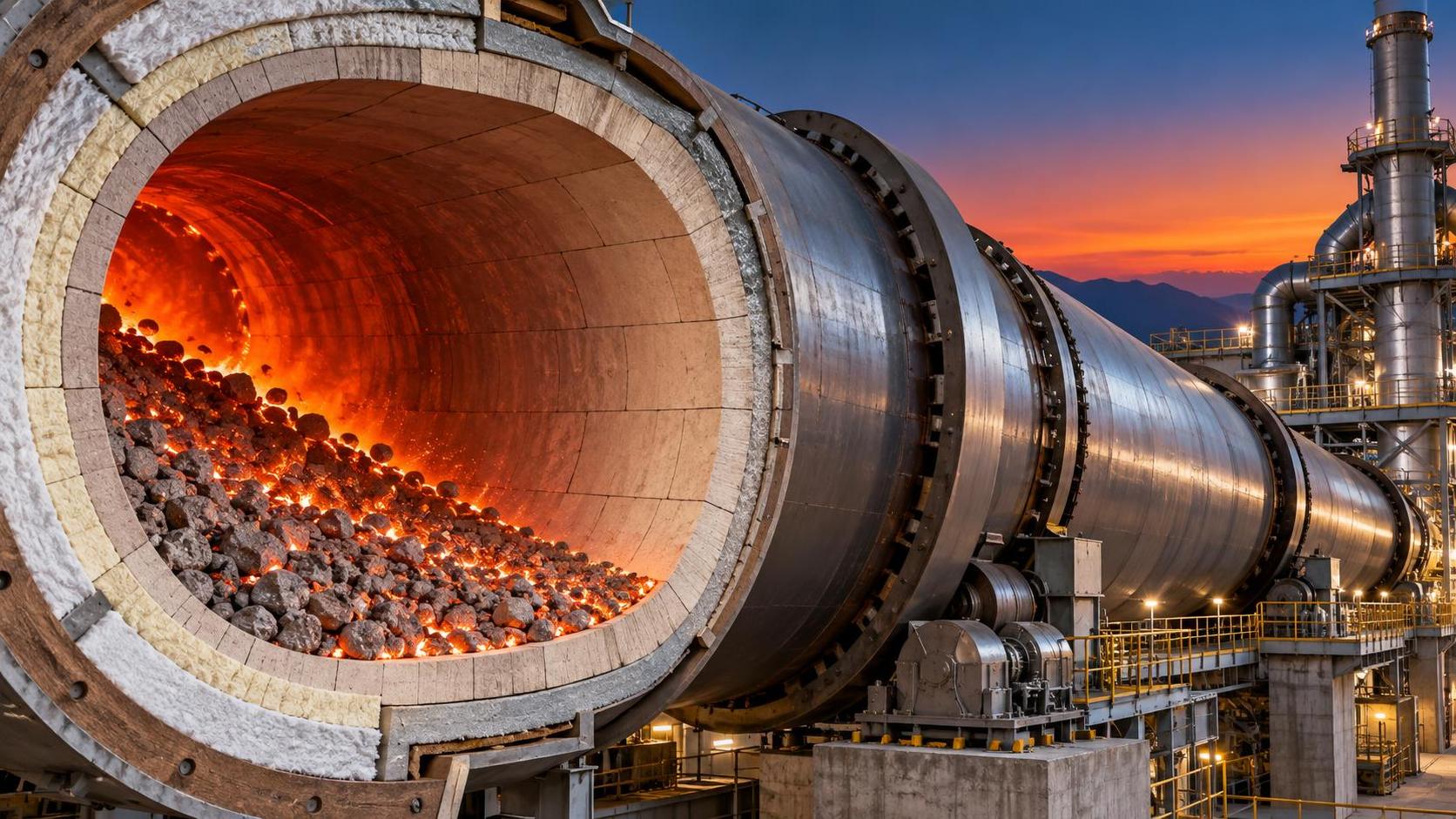
Rotary kilns operate with high temperatures, long residence times, and strong mineral capture potential. These features make co-processing in rotary kilns more robust than many lower-temperature treatment routes. Even so, the kiln is not a universal disposal unit.
A suitable waste must match the thermal profile, feed point, gas flow, and chemistry of the line. It must also remain predictable over time. Variability is often the hidden reason a promising alternative fuel fails operational review.
From a quality and safety perspective, evaluation usually starts with five linked variables: calorific value, moisture, chlorine, heavy metals, and feed stability. If one of them moves outside control limits, the whole co-processing strategy can lose its technical case.
Which wastes usually fit co-processing in rotary kilns
The best candidates are not always the highest-calorific materials. The best candidates are the ones that combine energy value, manageable chemistry, and consistent handling behavior.
Commonly accepted categories
- Processed refuse-derived fuel with controlled particle size and documented composition.
- Used tires or tire chips where feed systems, steel input, and combustion zones are designed for them.
- Solvent residues, waste oils, and paint-related liquids with stable calorific value and low water content.
- Selected biomass residues, including dried sludge blends, agricultural by-products, or wood fractions with low contamination.
- Industrial by-products that contribute mineral value as well as heat, depending on kiln chemistry.
These materials tend to perform better because they can be preprocessed, sampled, and fed at a controlled rate. In co-processing in rotary kilns, controllability is often more important than headline energy content.
Materials that need stricter caution
- High-moisture sludge that consumes heat and suppresses flame temperature.
- Chlorine-rich plastics, mixed halogenated residues, or salt-bearing wastes.
- Wastes with mercury, cadmium, thallium, or volatile heavy metal concerns.
- Unsorted municipal residues with unstable composition and unknown contaminants.
- Fine, dusty materials that create feeding, explosion, or carryover risks.
Such streams are not automatically excluded, but they require tighter acceptance criteria, stronger pretreatment, and more conservative substitution rates.
The practical limits that define success or failure
In daily operation, limits are rarely expressed by a single legal number. They are defined by the combined tolerance of the burner, preheater, kiln coating, bypass system, dust loop, and emission control equipment.
This is where co-processing in rotary kilns becomes a systems decision. A waste may pass laboratory screening yet fail once it interacts with raw meal chemistry or gas recirculation in a specific line.
What quality and safety review should focus on
Approval should not stop at a supplier declaration. The stronger approach is to treat each waste stream as a controlled input, with its own specification, sampling logic, traceability path, and rejection rule.
Key review points before acceptance
- Check whether composition is stable across batches, seasons, and production sites.
- Verify net calorific value under realistic storage and moisture conditions.
- Map chlorine, sulfur, and alkali load against kiln bypass and buildup history.
- Screen for volatile and toxic metals, not only total ash content.
- Confirm compatibility with storage, pumping, shredding, and dosing equipment.
- Review flash point, dust explosivity, odor, and cross-contamination hazards.
The most resilient plants also link acceptance criteria to operating data. If a trial feed changes free lime, NOx, CO peaks, or preheater pressure drop, the limit has already shown itself.
Where operational value is real
When well selected, co-processing in rotary kilns can reduce fossil fuel dependence, divert waste from landfill, and improve resource circularity. In cement lines, some residues also contribute mineral components, lowering the need for virgin inputs.
The value is not only environmental. Plants that build strong waste qualification protocols often gain more stable alternative fuel planning, better audit readiness, and clearer communication with regulators and local stakeholders.
This is one reason intelligence-led operators are investing in deeper monitoring. CF-Elite follows this shift closely, especially where online kiln diagnostics, digital process models, and residue characterization are starting to guide co-processing decisions before problems appear in production.
Typical scenarios where limits appear quickly
Not all constraints announce themselves through immediate shutdowns. Some emerge gradually and are easier to miss.
Frequent warning patterns
- A high-chlorine waste increases coating and blockage frequency several weeks after substitution rises.
- Wet sludge lowers thermal efficiency and forces higher primary fuel use than expected.
- A liquid residue burns well, but inconsistent viscosity causes pump instability and feed interruptions.
- A solid alternative fuel meets average lab values, yet oversized particles create incomplete burnout.
- Trace mercury appears acceptable in isolation, but cumulative load complicates emission performance.
These examples show why co-processing in rotary kilns should be judged over time, not by a single trial day. The operating envelope matters more than the initial pass/fail result.
A workable decision path for future approvals
A practical screening path starts with waste origin and preprocessing quality. It then moves to chemistry, thermal behavior, handling safety, pilot introduction, and trend-based verification during live operation.
For many sites, the most useful next step is to build a waste acceptance matrix. That matrix should connect each waste type to feed point, substitution ceiling, required tests, emission sensitivities, and clear stop criteria.
Co-processing in rotary kilns works best when it is treated as controlled process integration, not waste disposal by another name. A tighter review of calorific value, moisture, chlorine, metals, and feed consistency usually reveals whether a stream is a strategic fit or a recurring source of instability.
For plants refining that judgment, the most valuable move is often to compare internal kiln data with external market and regulatory intelligence. That combination makes it easier to set realistic limits, protect product quality, and expand alternative fuel use without losing operational discipline.
Related News
 Optical Glass Tech FellowHow to Specify Glass Annealing Equipment for European Quality and Energy RequirementsGlass annealing equipment Europe: learn how to specify lehrs for consistent glass quality, energy efficiency, compliance, automation, and reliable long-term performance.Sep 23, 2026
 Optical Glass Tech FellowSilicate Process Automation: Improving Batch Consistency and Energy ControlSilicate process automation improves batch consistency, energy control, traceability, and operator confidence across high-temperature manufacturing operations.Sep 22, 2026
 Optical Glass Tech FellowHow Silicate Industrial Processes Control Viscosity, Energy Use, and Product QualitySilicate industrial processes: learn how viscosity, chemistry, heat transfer, and atmosphere control reduce energy use, improve stability, and protect product quality.Sep 21, 2026
 Thermal Energy ArchitectHow European Plants Can Evaluate Energy Recovery Equipment for High-Temperature ProcessesIndustrial energy recovery equipment Europe: learn how high-temperature plants can assess waste-heat sources, integration risks, lifecycle value, and reliable recovery routes.Sep 20, 2026
 Thermal Energy ArchitectIndustrial Furnace Process Optimization: Reducing Fuel Use Without Sacrificing ThroughputIndustrial process optimization furnace strategies that cut fuel use while protecting throughput. Explore combustion control, heat recovery, refractory performance, and data-driven efficiency gains.Sep 19, 2026
 Ms. Elena RodriguezWhat Drives High-Pressure Extrusion Equipment Cost in Industrial Projects?High pressure extrusion equipment cost explained: compare pressure, die design, automation, wear, energy, and installation factors for smarter industrial investments.Sep 18, 2026
 Thermal Energy ArchitectHow to Size a Waste Heat Recovery Exchanger for High-Temperature Kiln Exhaust?Waste heat recovery exchanger sizing for high-temperature kiln exhaust: balance recoverable duty, fouling, corrosion limits, pressure drop, and reliable heat use.Sep 17, 2026
 Thermal Energy ArchitectWhy Heat-Resistant Materials Lose Abrasion Resistance at High TemperaturesHeat-resistant materials abrasion resistance can decline at high temperatures. Discover the thermal, chemical, and mechanical causes of wear—and how to choose longer-lasting linings.Sep 16, 2026
 Thermal Energy ArchitectHow to Evaluate a Thermal Energy Optimization Company for High-Temperature PlantsChoose a thermal energy optimization company with proven process expertise, measurable savings, and reliable delivery for high-temperature plants. Learn what to assess.Sep 15, 2026
 Thermal Energy ArchitectRotary Kiln Efficiency: How Feed Rate, Fuel Use, and Heat Loss Affect OutputRotary kiln efficiency explained: discover how feed rate, fuel use, heat loss, combustion, and cooling performance shape output, quality, and energy costs.Sep 14, 2026
 Thermal Energy ArchitectHow to Select Heat-Resistant Materials That Maintain Abrasion Resistance in KilnsHeat-resistant materials abrasion resistance: learn how to select kiln linings that withstand heat, wear, thermal cycling, and chemical attack for longer service life.Sep 13, 2026
 Thermal Energy ArchitectHow Rotary Kiln Automation Improves Temperature Control and Fuel EfficiencyRotary kiln technology automation enhances temperature control, stabilizes combustion, and improves fuel efficiency with smarter data, predictive control, and safer operations.Sep 12, 2026
 Silicate Process EngineerCement Plant Emission Control: Selecting Systems for Dust, NOx, and SO2 LimitsCement plant emission control guide: compare dust collectors, NOx reduction, and SO2 systems for reliable compliance across kiln modes, fuel changes, and operating upsets.Sep 11, 2026
 Thermal Energy ArchitectSelecting Abrasion-Resistant High-Temperature Materials for Kiln and Conveyor Wear ZonesHigh-temp material engineering guide to abrasion-resistant kiln and conveyor solutions—match wear, heat, chemistry, and installation design for longer service life.Sep 10, 2026
 Dr. Alistair VaughnIndustrial Process Engineering: How to Map Processes for Safer, More Efficient PlantsIndustrial process engineering reveals bottlenecks, safety risks, and energy losses through practical process mapping for safer, more efficient plants.Sep 09, 2026
 Optical Glass Tech FellowHow to Evaluate a Glass Annealing Equipment Manufacturer for Production StabilityChoose a glass annealing equipment manufacturer with proven thermal uniformity, reliable controls, lifecycle value, and responsive service for stable production.Sep 08, 2026
 Prof. Marcus ChenThermal Energy Architecture in North America: Strategies for Lower Building Energy UseThermal energy architecture North America helps project leaders cut building energy use through stronger envelopes, right-sized HVAC, storage, and smart commissioning.Sep 07, 2026
 Ms. Elena RodriguezHow Should Buyers Evaluate Building Material Industry Intelligence Pricing?Building material industry intelligence pricing: learn how to compare coverage, technical depth, and ROI to choose intelligence that reduces procurement risk.Sep 07, 2026
 Ms. Elena RodriguezHow to Use Building Material Intelligence Data for Market and Investment DecisionsBuilding material industry intelligence data helps leaders evaluate demand, costs, regulation, capacity, and technology to make smarter market and investment decisions.Sep 05, 2026
 Thermal Energy ArchitectHow PLC Control Improves Energy Efficiency and Temperature Stability in KilnsEnergy efficient kilns PLC control improves temperature stability, cuts fuel waste, and optimizes combustion, draft, and material flow. Explore proven strategies for smarter kiln modernization.Sep 04, 2026



Related News
- 00
0000-00
How European Plants Can Evaluate Energy Recovery Equipment for High-Temperature Processes - 00
0000-00
Industrial Furnace Process Optimization: Reducing Fuel Use Without Sacrificing Throughput - 00
0000-00
How to Size a Waste Heat Recovery Exchanger for High-Temperature Kiln Exhaust? - 00
0000-00
Why Heat-Resistant Materials Lose Abrasion Resistance at High Temperatures - 00
0000-00
How to Evaluate a Thermal Energy Optimization Company for High-Temperature Plants
Weekly Insights
Stay ahead with our curated technology reports delivered every Monday.