
How to Choose an Industrial Incineration System for Hazardous, Medical, and Solid Waste




Choosing an industrial incineration system is rarely a simple equipment purchase. It sits at the intersection of waste chemistry, thermal performance, emissions control, operating cost, and long-term plant risk. For hazardous, medical, and solid waste streams, the wrong configuration can create compliance exposure and unstable throughput, while the right system supports safe destruction, energy recovery, and a more resilient waste strategy.
That is why this topic carries weight across heavy industry, public infrastructure, healthcare support chains, and environmental services. In the broader view tracked by CF-Elite, industrial kilns and incineration are no longer treated as isolated assets. They are part of a thermal management ecosystem shaped by carbon reduction targets, digital monitoring, refractory life, and increasingly strict air pollution rules.
What an industrial incineration system must actually do
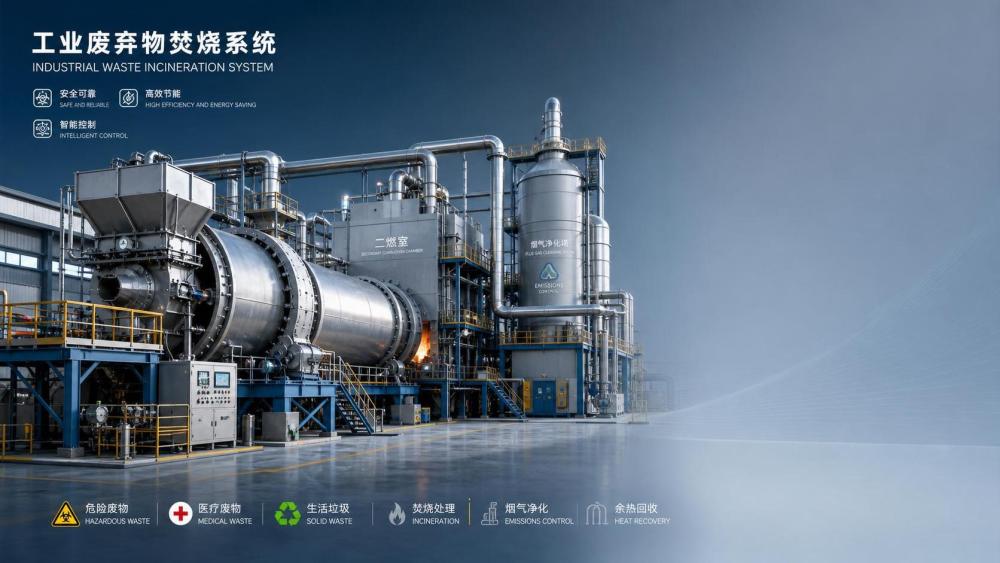
At a basic level, an industrial incineration system destroys waste through controlled high-temperature oxidation. In practice, selection depends on much more than combustion alone.
A workable system must accept the real waste feed, maintain stable residence time, secure complete burnout, control secondary pollutants, and keep uptime at a commercially acceptable level.
This is especially important when waste streams vary in moisture, calorific value, ash content, halogen concentration, packaging form, or infection risk. A system designed for homogeneous industrial residues may struggle with bagged medical waste or mixed municipal solids.
From CF-Elite’s thermal process perspective, the decision should connect furnace design, refractory durability, flue gas treatment, and heat balance. These pieces determine whether the plant performs well on paper or under daily operating pressure.
Why selection has become more demanding
The market no longer rewards simple disposal capacity alone. Buyers now compare destruction efficiency, emissions compliance, data visibility, spare parts access, and lifecycle economics.
Several pressures are driving this shift. Environmental agencies are tightening limits on particulates, NOx, SOx, acid gases, heavy metals, and dioxins. Energy prices make thermal efficiency more visible in the total cost model. At the same time, waste composition is becoming less predictable.
In sectors linked to construction materials, cement, glass, refractories, and other high-temperature operations, there is also a growing interest in resource circularity. Waste is increasingly assessed not only as a liability, but also as a potential energy input or co-processing opportunity.
That wider industrial context matters. A modern industrial incineration system may need to fit future integration with heat recovery units, digital twins, online lining inspection, or centralized emissions reporting.
Start with the waste, not the equipment brochure
Most selection mistakes begin when the equipment is chosen before the waste is properly characterized. The first task is to build a realistic feed profile.
That profile should include physical form, average and peak feed volume, lower heating value, moisture, chlorine and sulfur content, ash behavior, metal traces, and seasonal variability.
Hazardous waste often includes solvents, sludges, contaminated packaging, process residues, and chemical by-products. Medical waste may contain sharps, pathological waste, plastics, textiles, and infectious materials. Solid waste usually brings greater volume swings and more heterogeneous composition.
Without this dataset, the quoted capacity of an industrial incineration system means very little. Nameplate numbers can hide major differences between nominal feed rate and sustainable operating rate.
Key waste questions to settle early
- Is the waste mostly solid, liquid, sludge, or a mixed stream?
- How much variability appears over a week or month?
- Does the feed require shredding, blending, or sealed loading?
- Are there corrosive compounds that affect refractory and ducting life?
- Will future regulations change what can be accepted on site?
Matching system type to application
Different waste profiles call for different furnace concepts. The best industrial incineration system is the one that matches feed behavior and operating goals, not the one with the broadest marketing claims.
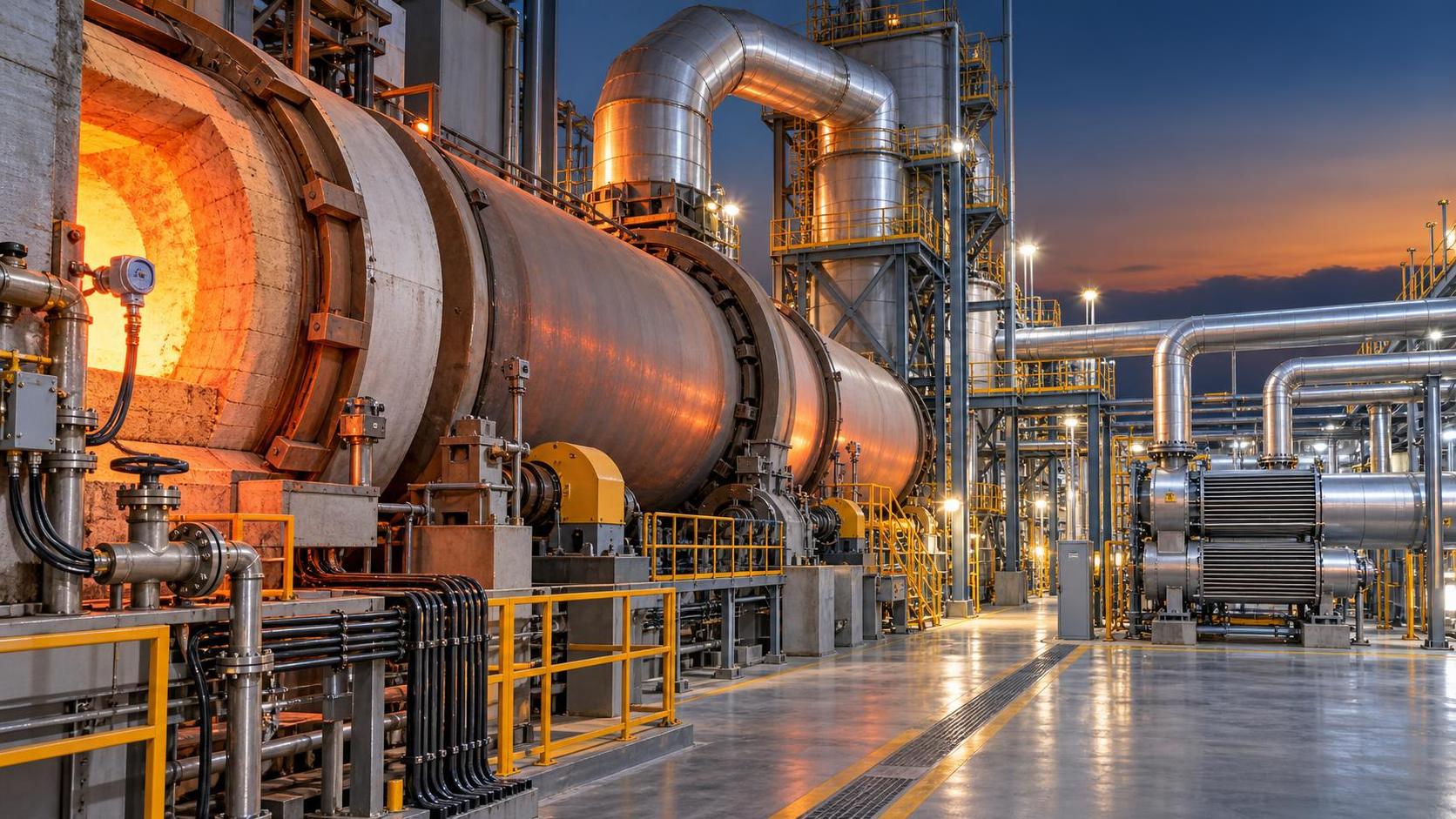
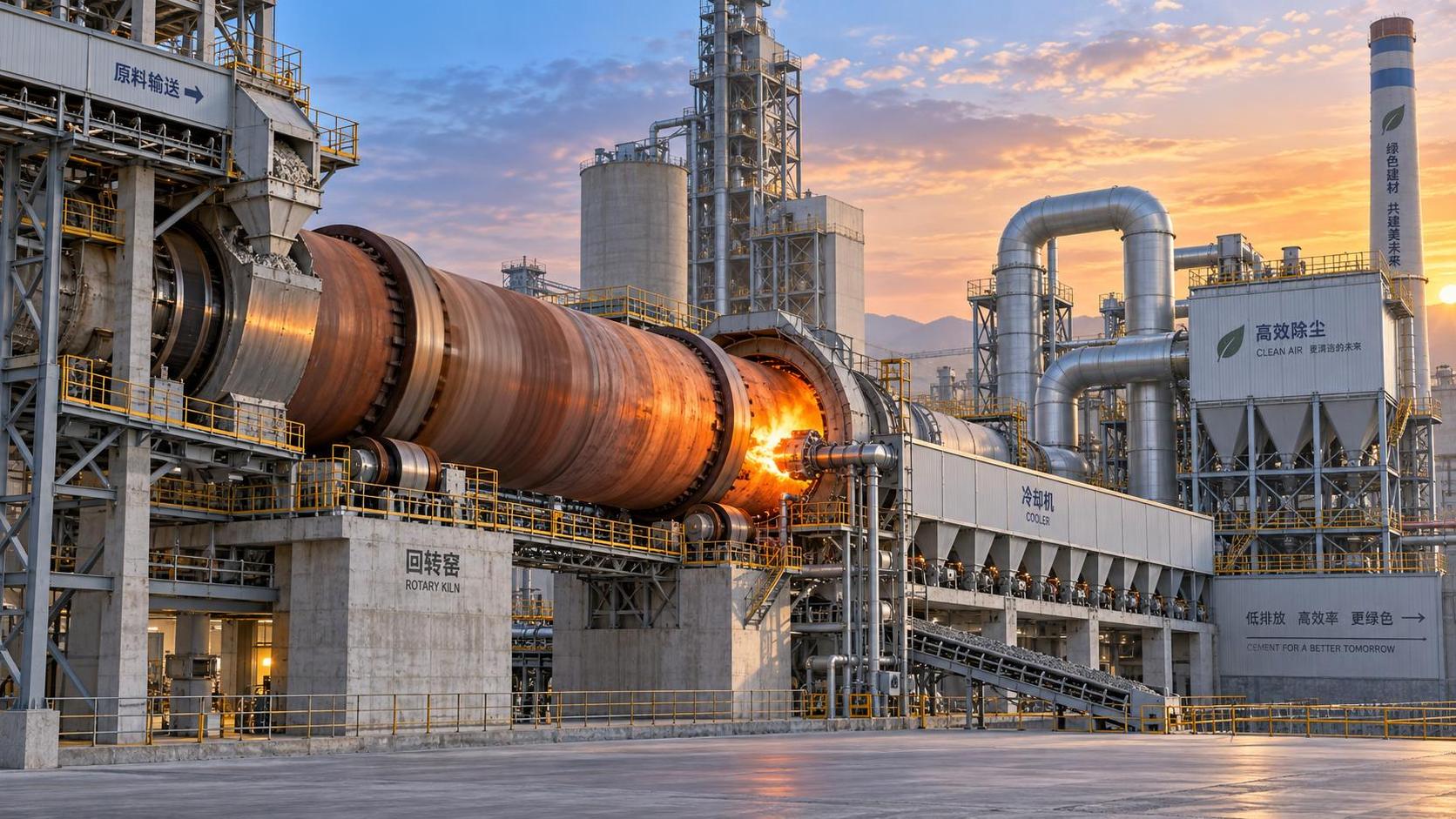
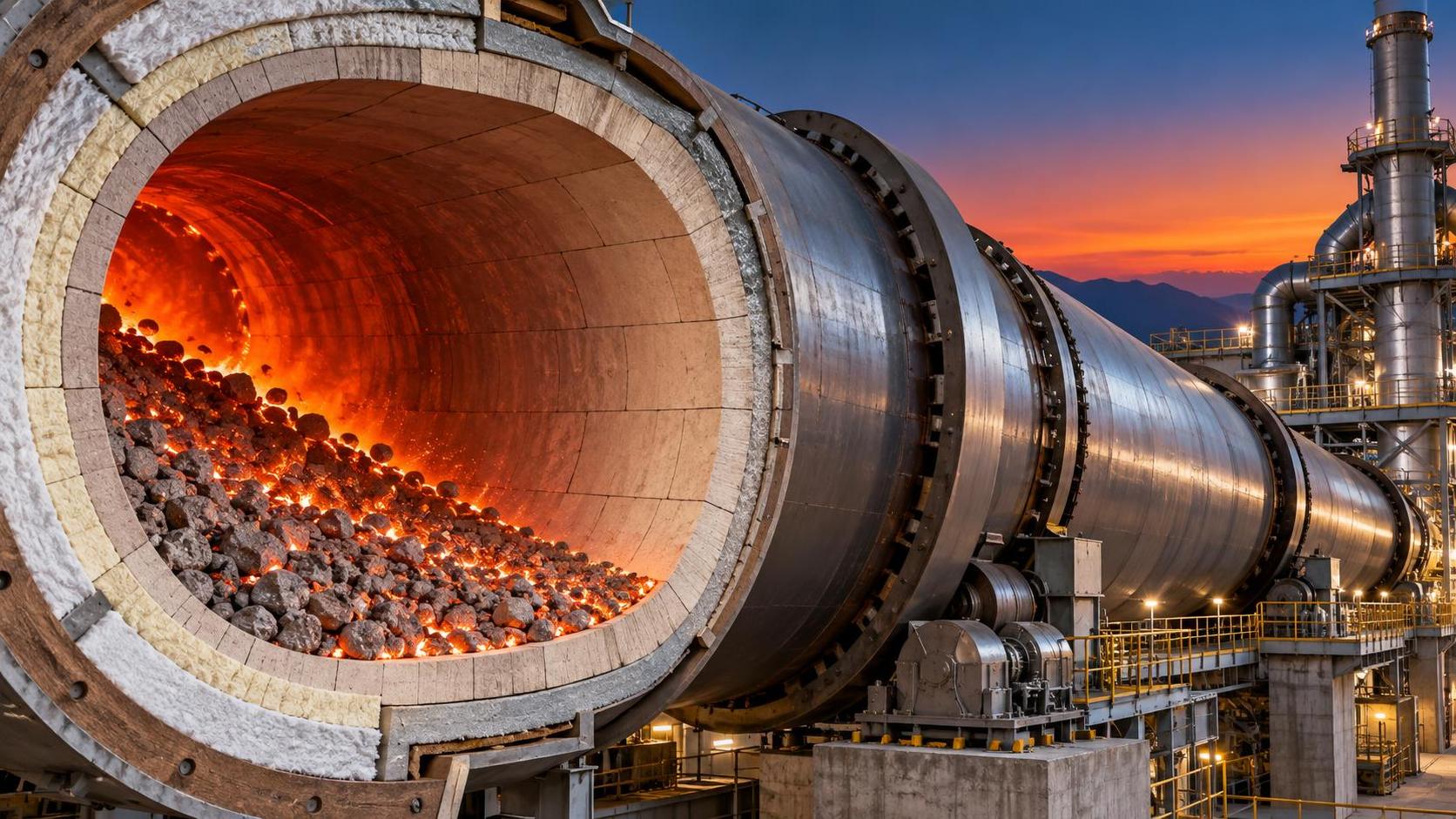
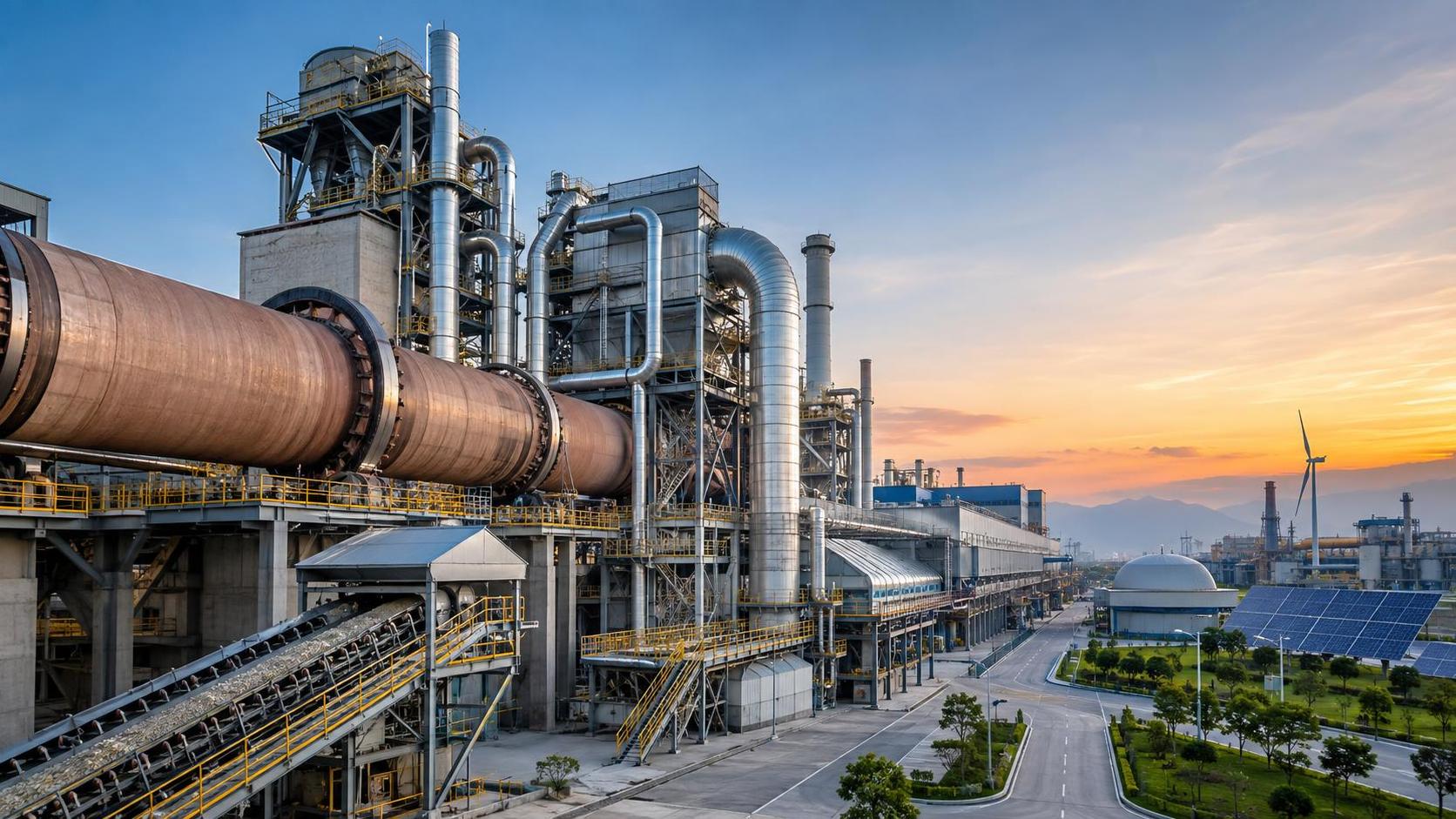
For hazardous waste, rotary kiln solutions often remain the reference point because they tolerate solids, liquids, drums, sludges, and variable calorific values. For medical waste, controlled air designs are often chosen when infection control, sealed charging, and ash reduction matter more than energy recovery scale.
For municipal or commercial solid waste, grate-based designs are common where volume is high and sorting is limited. If the waste can be preprocessed into a more uniform feed, other thermal routes may become competitive.
The technical checkpoints that shape real performance
When suppliers appear similar, a few engineering details usually decide whether one industrial incineration system will outperform another over ten years.
Combustion and residence time
Look beyond burner power. Ask how the design maintains temperature stability, turbulence, and gas residence time under low and high feed conditions.
Refractory and thermal protection
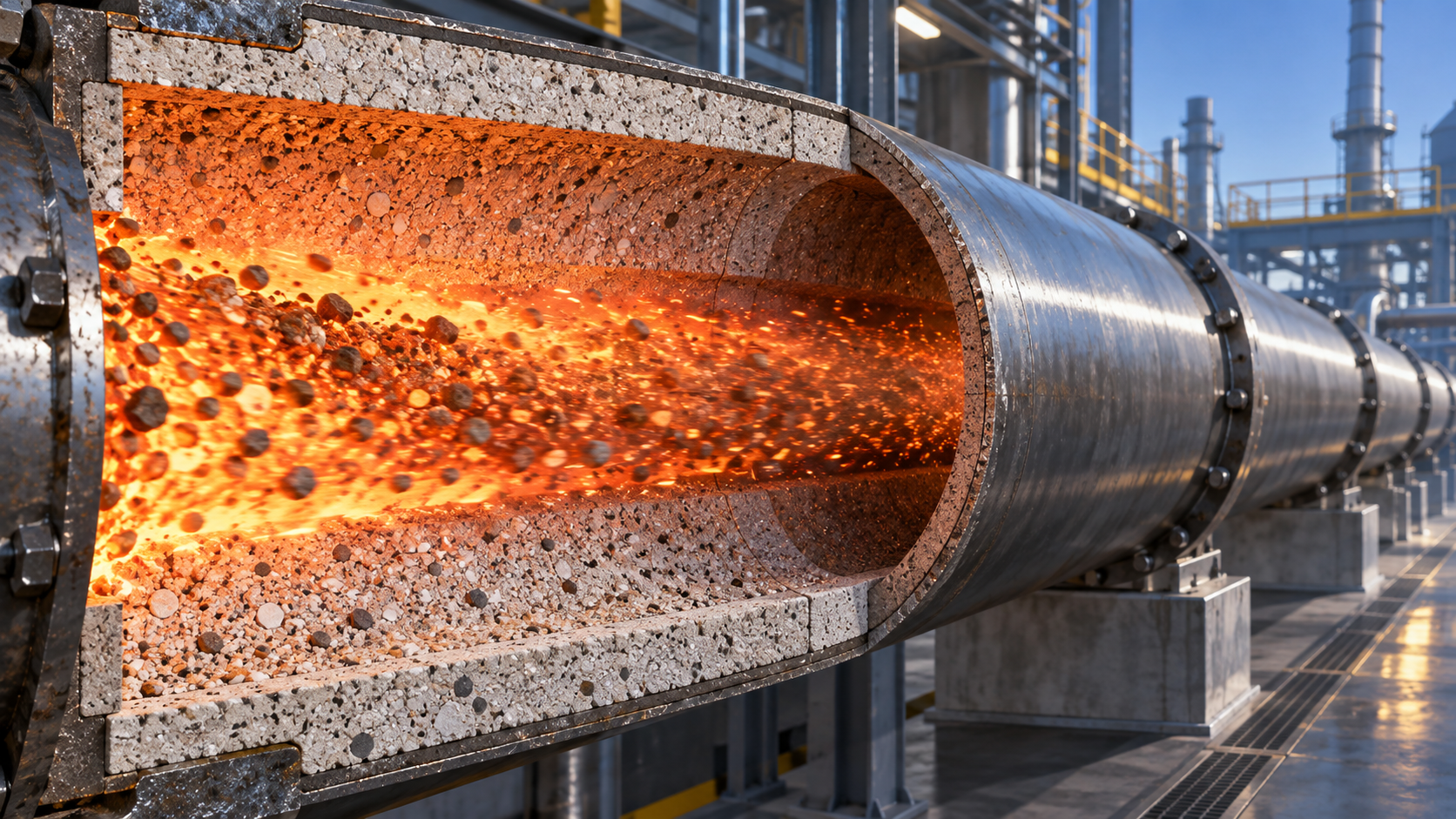
Lining life strongly affects shutdown frequency. Waste containing chlorides, alkalis, or sharp thermal swings can shorten refractory campaigns if the material system is not well matched.
Air pollution control
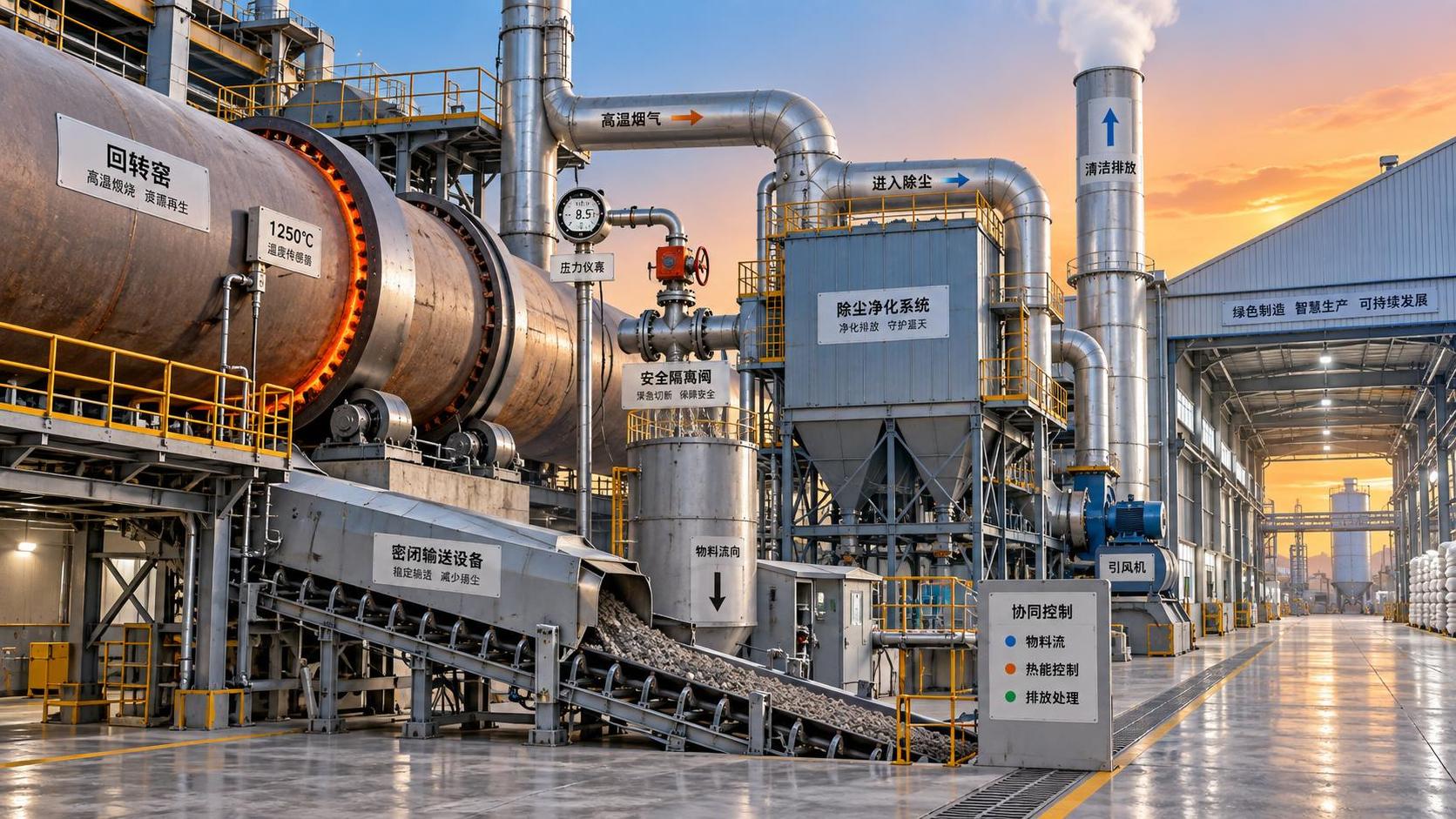
The furnace and the flue gas line must be evaluated together. Quench sections, scrubbers, bag filters, activated carbon, and NOx control strategy should align with local permit limits.
Heat recovery potential
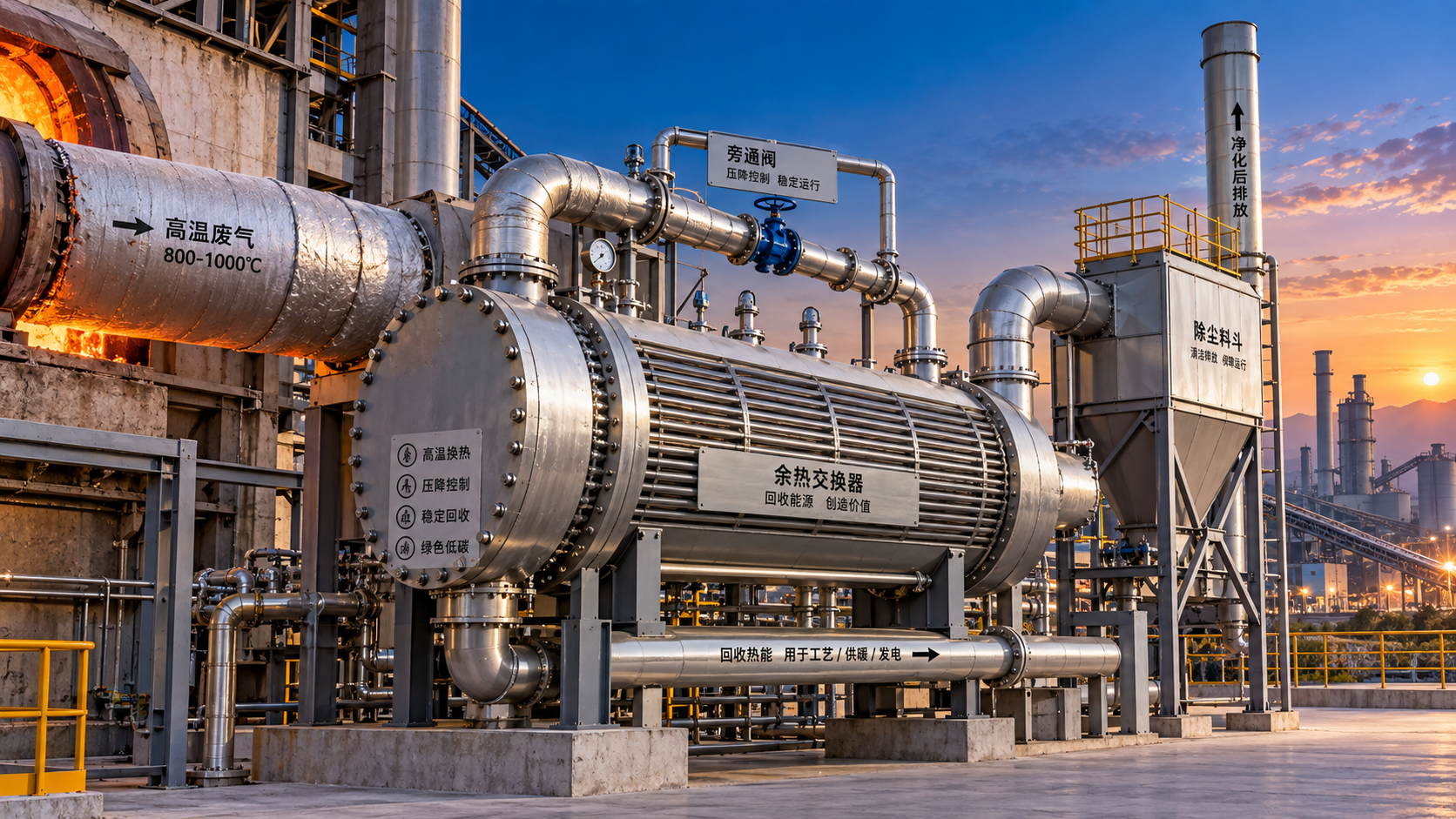
Some projects need simple destruction. Others justify steam, hot water, or power generation. Heat recovery improves economics, but it also adds complexity in corrosion control and maintenance planning.
Automation and monitoring
Advanced control systems can improve combustion stability, alarm response, and reporting quality. In CF-Elite’s view, this is where digital monitoring starts turning operational data into strategic value.
Commercial evaluation goes beyond purchase price
A low initial quote can hide expensive operating consequences. The right industrial incineration system should be compared on total ownership cost, not only on equipment supply value.
- Fuel demand during startup and low-calorific operation
- Refractory replacement intervals and shutdown duration
- Consumables for scrubbers, filters, and emissions treatment
- Availability of local service and critical spares
- Operator training, commissioning depth, and performance guarantees
- Ash handling, residue disposal, and secondary waste management
Delivery schedule also matters. A proven supplier with transparent references, realistic utility requirements, and a credible maintenance model is often a safer choice than an aggressive bid with limited technical disclosure.
Where compliance, decarbonization, and reliability meet
Environmental compliance is not only a permit issue. It shapes design priorities from day one. An industrial incineration system must be selected with current thresholds in mind, but also with some margin for future tightening.
At the same time, carbon pressure is changing how thermal assets are judged. Facilities increasingly ask whether the system minimizes auxiliary fuel use, supports waste-to-energy recovery, and integrates with broader plant efficiency goals.
This is one reason CF-Elite follows incineration alongside cement kilns, glass furnaces, and refractory lines. Across all of them, thermal efficiency, lining durability, reaction control, and emissions intelligence are becoming shared competitive variables.
A practical path to the final decision
A sound decision process usually narrows risk before it compares brands. It starts with feed characterization, then moves through permit requirements, process design review, utility mapping, and commercial validation.
It also helps to request case references that resemble the intended waste mix, operating hours, and emissions standard. Similar names in a supplier list do not guarantee similar process conditions.
Before closing the evaluation, build a short comparison sheet around six points: waste fit, compliance margin, thermal efficiency, refractory strategy, service support, and lifecycle cost.
That approach turns the industrial incineration system decision from a catalog exercise into a disciplined investment review. The next useful step is to organize actual waste data, define non-negotiable emissions targets, and compare suppliers against those operating realities rather than headline capacity alone.
Related News
 Dr. Alistair VaughnHow Waste Recycling Technology Improves Material Recovery in Industrial PlantsWaste recycling technology improves material recovery through source segregation, smart separation, thermal treatment, and quality control for industrial plants.Sep 24, 2026
 Optical Glass Tech FellowHow to Specify Glass Annealing Equipment for European Quality and Energy RequirementsGlass annealing equipment Europe: learn how to specify lehrs for consistent glass quality, energy efficiency, compliance, automation, and reliable long-term performance.Sep 23, 2026
 Optical Glass Tech FellowSilicate Process Automation: Improving Batch Consistency and Energy ControlSilicate process automation improves batch consistency, energy control, traceability, and operator confidence across high-temperature manufacturing operations.Sep 22, 2026
 Optical Glass Tech FellowHow Silicate Industrial Processes Control Viscosity, Energy Use, and Product QualitySilicate industrial processes: learn how viscosity, chemistry, heat transfer, and atmosphere control reduce energy use, improve stability, and protect product quality.Sep 21, 2026
 Thermal Energy ArchitectHow European Plants Can Evaluate Energy Recovery Equipment for High-Temperature ProcessesIndustrial energy recovery equipment Europe: learn how high-temperature plants can assess waste-heat sources, integration risks, lifecycle value, and reliable recovery routes.Sep 20, 2026
 Thermal Energy ArchitectIndustrial Furnace Process Optimization: Reducing Fuel Use Without Sacrificing ThroughputIndustrial process optimization furnace strategies that cut fuel use while protecting throughput. Explore combustion control, heat recovery, refractory performance, and data-driven efficiency gains.Sep 19, 2026
 Ms. Elena RodriguezWhat Drives High-Pressure Extrusion Equipment Cost in Industrial Projects?High pressure extrusion equipment cost explained: compare pressure, die design, automation, wear, energy, and installation factors for smarter industrial investments.Sep 18, 2026
 Thermal Energy ArchitectHow to Size a Waste Heat Recovery Exchanger for High-Temperature Kiln Exhaust?Waste heat recovery exchanger sizing for high-temperature kiln exhaust: balance recoverable duty, fouling, corrosion limits, pressure drop, and reliable heat use.Sep 17, 2026
 Thermal Energy ArchitectWhy Heat-Resistant Materials Lose Abrasion Resistance at High TemperaturesHeat-resistant materials abrasion resistance can decline at high temperatures. Discover the thermal, chemical, and mechanical causes of wear—and how to choose longer-lasting linings.Sep 16, 2026
 Thermal Energy ArchitectHow to Evaluate a Thermal Energy Optimization Company for High-Temperature PlantsChoose a thermal energy optimization company with proven process expertise, measurable savings, and reliable delivery for high-temperature plants. Learn what to assess.Sep 15, 2026
 Thermal Energy ArchitectRotary Kiln Efficiency: How Feed Rate, Fuel Use, and Heat Loss Affect OutputRotary kiln efficiency explained: discover how feed rate, fuel use, heat loss, combustion, and cooling performance shape output, quality, and energy costs.Sep 14, 2026
 Thermal Energy ArchitectHow to Select Heat-Resistant Materials That Maintain Abrasion Resistance in KilnsHeat-resistant materials abrasion resistance: learn how to select kiln linings that withstand heat, wear, thermal cycling, and chemical attack for longer service life.Sep 13, 2026
 Thermal Energy ArchitectHow Rotary Kiln Automation Improves Temperature Control and Fuel EfficiencyRotary kiln technology automation enhances temperature control, stabilizes combustion, and improves fuel efficiency with smarter data, predictive control, and safer operations.Sep 12, 2026
 Silicate Process EngineerCement Plant Emission Control: Selecting Systems for Dust, NOx, and SO2 LimitsCement plant emission control guide: compare dust collectors, NOx reduction, and SO2 systems for reliable compliance across kiln modes, fuel changes, and operating upsets.Sep 11, 2026
 Thermal Energy ArchitectSelecting Abrasion-Resistant High-Temperature Materials for Kiln and Conveyor Wear ZonesHigh-temp material engineering guide to abrasion-resistant kiln and conveyor solutions—match wear, heat, chemistry, and installation design for longer service life.Sep 10, 2026
 Dr. Alistair VaughnIndustrial Process Engineering: How to Map Processes for Safer, More Efficient PlantsIndustrial process engineering reveals bottlenecks, safety risks, and energy losses through practical process mapping for safer, more efficient plants.Sep 09, 2026
 Optical Glass Tech FellowHow to Evaluate a Glass Annealing Equipment Manufacturer for Production StabilityChoose a glass annealing equipment manufacturer with proven thermal uniformity, reliable controls, lifecycle value, and responsive service for stable production.Sep 08, 2026
 Prof. Marcus ChenThermal Energy Architecture in North America: Strategies for Lower Building Energy UseThermal energy architecture North America helps project leaders cut building energy use through stronger envelopes, right-sized HVAC, storage, and smart commissioning.Sep 07, 2026
 Ms. Elena RodriguezHow Should Buyers Evaluate Building Material Industry Intelligence Pricing?Building material industry intelligence pricing: learn how to compare coverage, technical depth, and ROI to choose intelligence that reduces procurement risk.Sep 07, 2026
 Ms. Elena RodriguezHow to Use Building Material Intelligence Data for Market and Investment DecisionsBuilding material industry intelligence data helps leaders evaluate demand, costs, regulation, capacity, and technology to make smarter market and investment decisions.Sep 05, 2026


Related News
- 00
0000-00
How European Plants Can Evaluate Energy Recovery Equipment for High-Temperature Processes - 00
0000-00
Industrial Furnace Process Optimization: Reducing Fuel Use Without Sacrificing Throughput - 00
0000-00
How to Size a Waste Heat Recovery Exchanger for High-Temperature Kiln Exhaust? - 00
0000-00
Why Heat-Resistant Materials Lose Abrasion Resistance at High Temperatures - 00
0000-00
How to Evaluate a Thermal Energy Optimization Company for High-Temperature Plants
Weekly Insights
Stay ahead with our curated technology reports delivered every Monday.