
Industrial Kiln Efficiency: 7 Factors That Affect Fuel Use, Output, and Heat Loss




Industrial kiln efficiency starts with the operating context
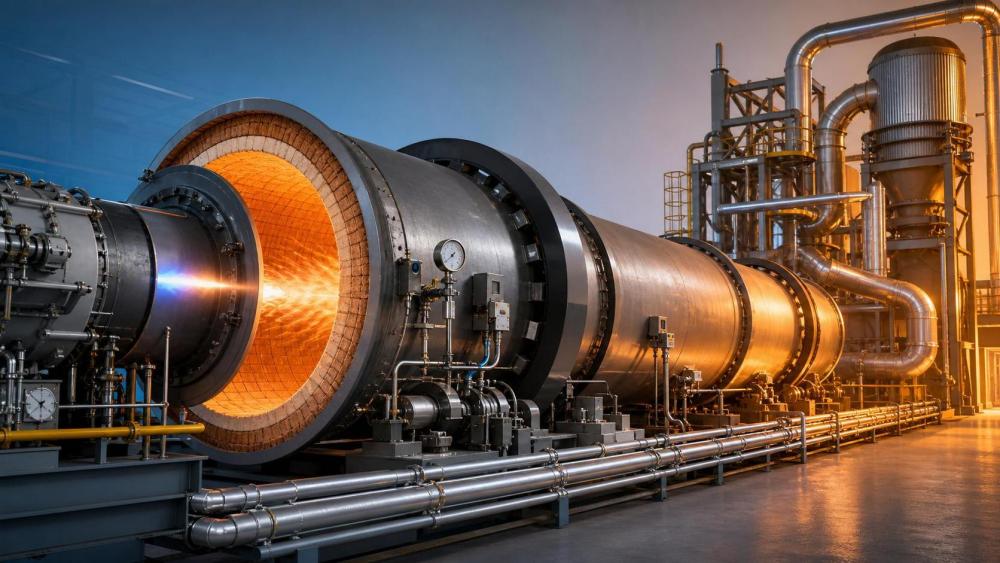
Industrial kiln efficiency rarely improves through burner adjustment alone. In daily production, fuel use, output stability, and shell heat loss move together.
That is why the same kiln design can perform very differently in cement plants, waste co-processing lines, glass-related thermal units, or refractory production systems.
At CF-Elite, thermal analysis is usually framed around real operating conditions. Temperature profiles, chemical kinetics, lining wear, and carbon pressure shape each decision.
A practical review of industrial kiln efficiency begins with seven factors: fuel quality, combustion air control, refractory condition, feed consistency, residence time, heat recovery, and instrumentation discipline.
These factors matter in every sector, but their weight changes by application. A kiln processing mixed alternative fuels faces different risks than one chasing narrow firing curves.
Why similar kilns show different fuel use in real plants
In actual use, the first judgment is not equipment size. It is process sensitivity. Some lines tolerate variation. Others lose efficiency quickly when feed or airflow drifts.
Cement and lime operations often prioritize tonnage and stable clinker or product quality. Refractory and specialty material lines usually care more about temperature uniformity and firing repeatability.
Incineration-linked kilns add another layer. Calorific value changes, moisture swings, and residue chemistry can distort industrial kiln efficiency even when burner capacity appears sufficient.
This is also why heat loss should never be judged by shell temperature alone. The same surface reading can reflect different refractory states, coating behavior, or internal load distribution.
A quick comparison of scenario priorities
Different production settings push attention toward different constraints. The table below helps clarify where industrial kiln efficiency usually gains or slips.
Fuel and airflow matter most when feed quality keeps moving
One of the fastest ways to lose industrial kiln efficiency is to treat variable fuel like constant fuel. Calorific value, ash content, particle size, and moisture all change flame behavior.
In co-processing environments, the more useful question is not whether alternative fuel is available. It is whether the combustion system can absorb variability without damaging throughput.
Air control follows the same logic. Excess air protects combustion, but too much cools the system, raises stack losses, and often masks sealing problems.
A stable oxygen reading is not enough. Better judgment combines oxygen, CO trends, flame shape, kiln draft, and outlet temperature movement over time.
- Use fuel mapping by source, not one average heating value.
- Check primary, secondary, and false air together.
- Link combustion tuning to product quality, not only flame appearance.
Refractory condition changes heat loss more than many expect
When industrial kiln efficiency drops slowly, refractory degradation is often overlooked because the decline does not look dramatic in one shift.
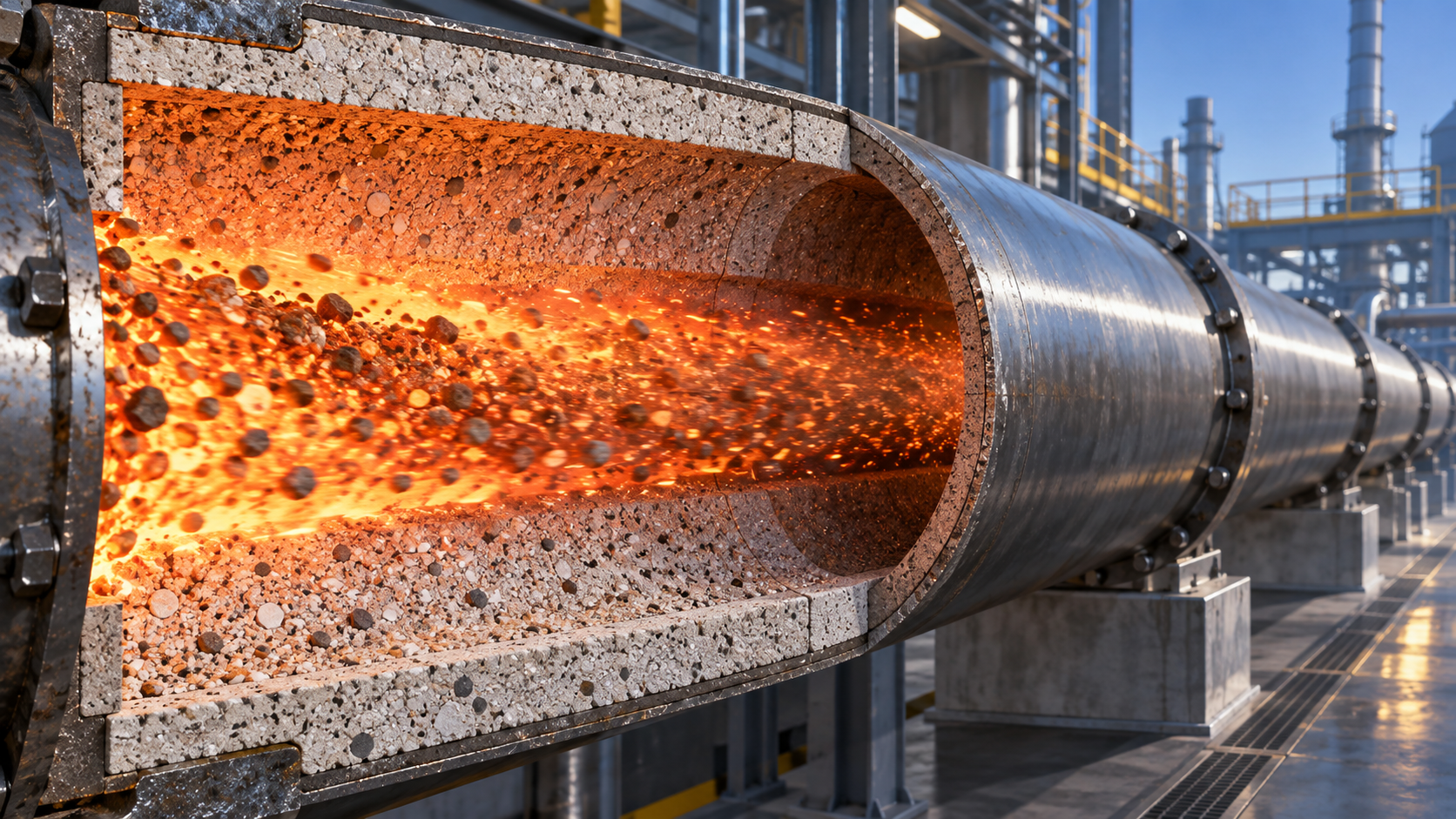
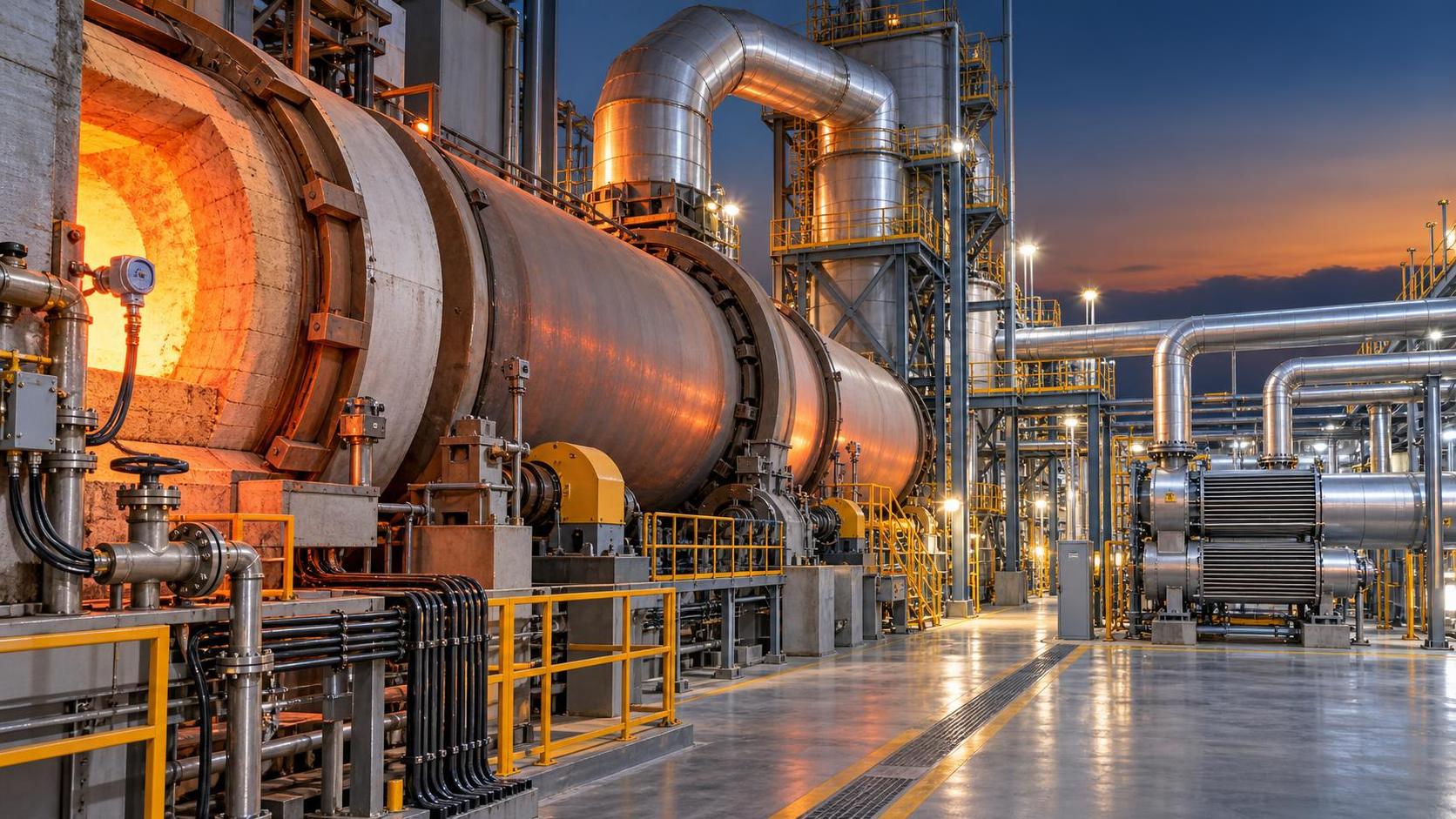
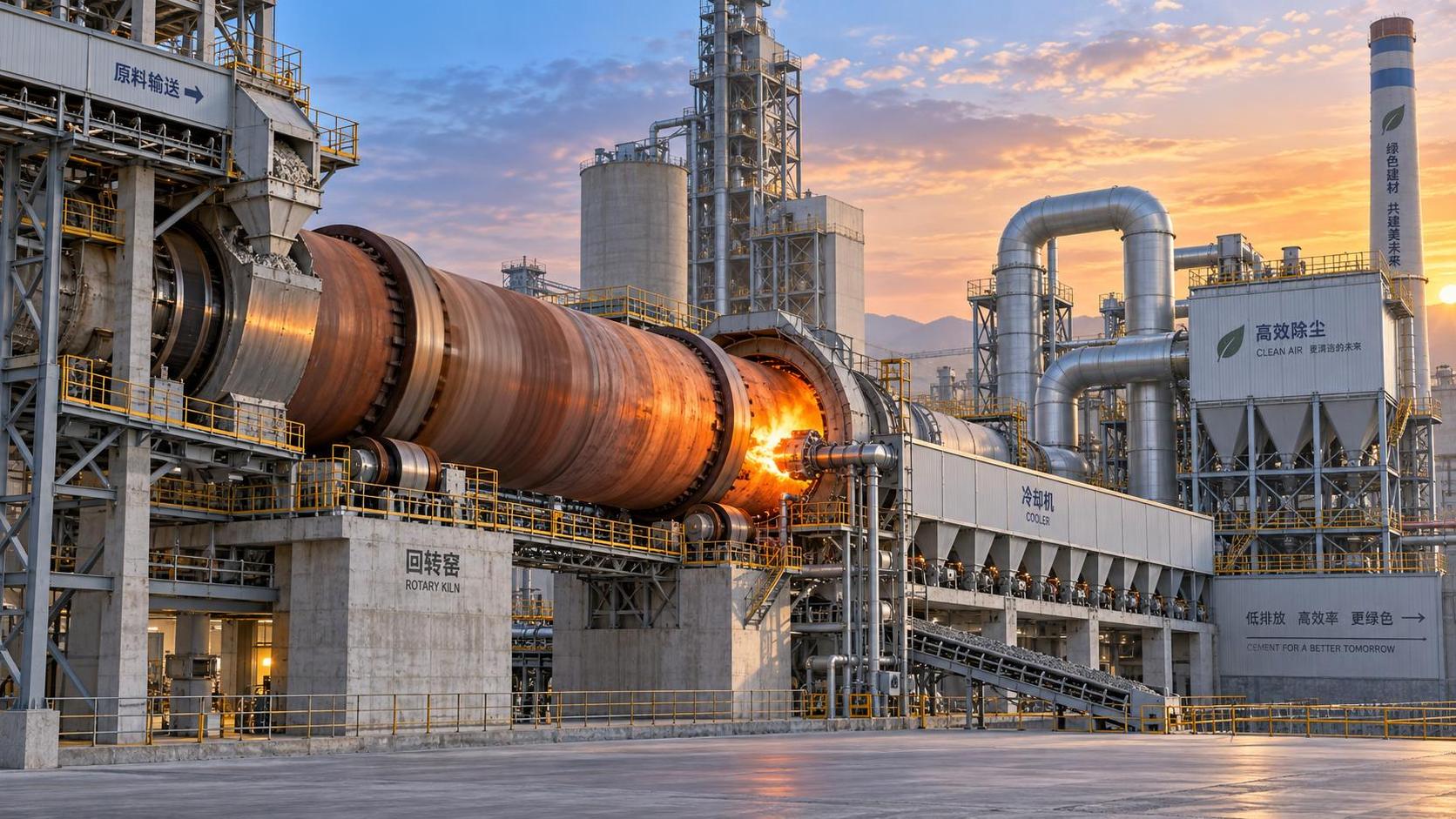
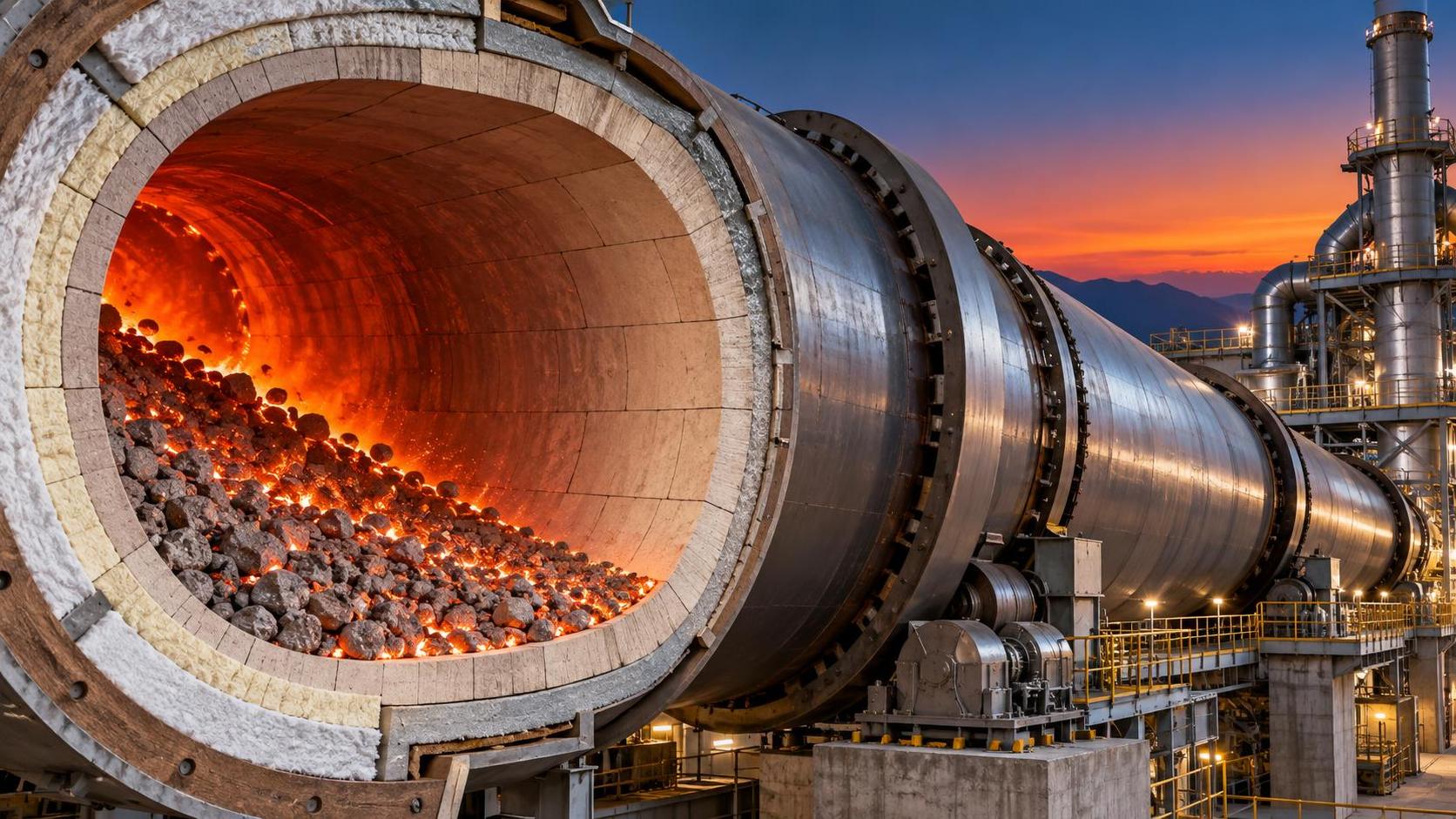
In rotary kilns and high-temperature processing lines, lining thickness, anchor stability, coating behavior, and thermal shock resistance directly influence heat retention.
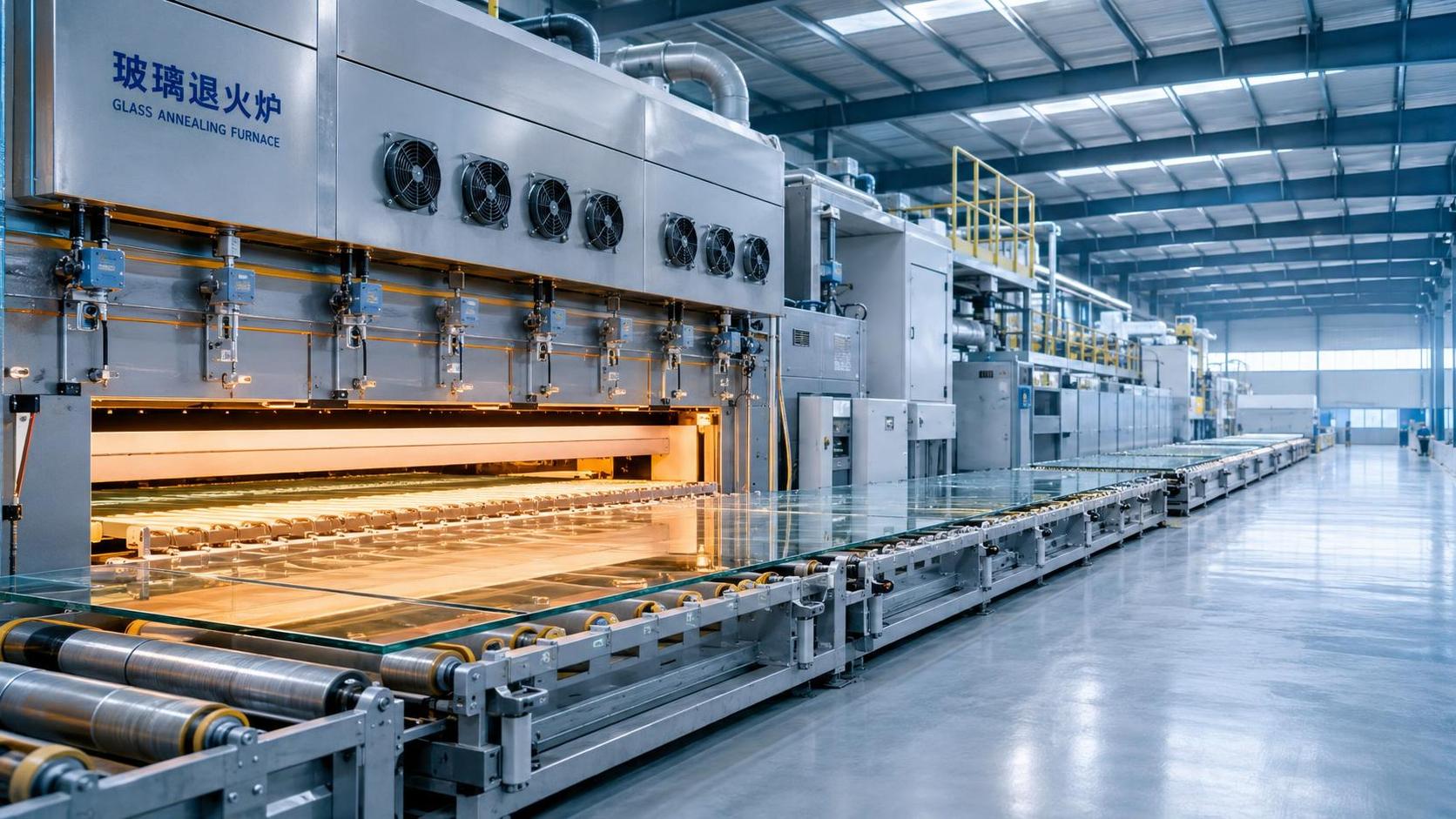
This matters across CF-Elite’s coverage areas. Cement kilns need durable thermal barriers under abrasion. Glass-related units value stable heat transfer. Refractory plants must protect firing consistency.
A common misread is to delay inspection until obvious shell hot spots appear. By then, industrial kiln efficiency has usually been leaking away for weeks.
More reliable practice combines infrared scanning, shell mapping trends, shutdown inspection records, and process alarms tied to known lining weak zones.
Output stability depends on feed consistency and residence time
High output does not always mean high industrial kiln efficiency. If the feed enters with unstable moisture, particle size, or chemistry, the kiln spends extra energy correcting upstream inconsistency.
This pattern is common in lines where raw material sourcing changes seasonally. Throughput targets remain fixed, but thermal demand becomes less predictable.
Residence time also needs application-based judgment. Longer is not automatically better. Some products need deeper soak. Others lose quality, sinter unevenly, or generate avoidable fuel burn.
In practice, the better sequence is to stabilize feed first, then tune rotation, inclination, and burner profile around the material response.
What usually deserves checking first
- Feed moisture spread between batches.
- Fine-to-coarse distribution affecting heat penetration.
- Chemical swings that move the ideal burning temperature.
- Material bed depth relative to required residence time.
Heat recovery works differently in steady lines and flexible lines
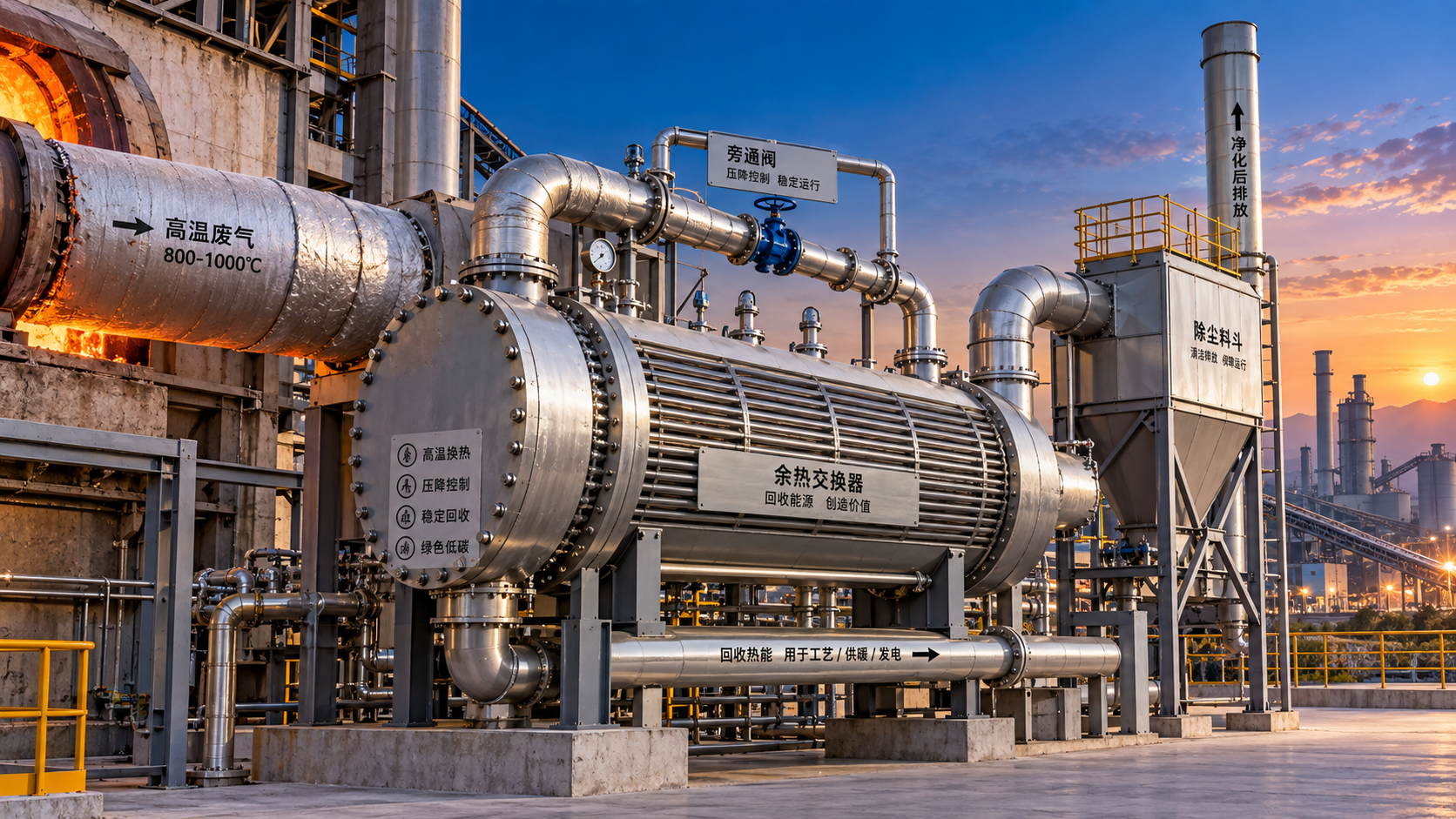
Heat recovery is one of the clearest levers for industrial kiln efficiency, yet its value depends on operating rhythm.
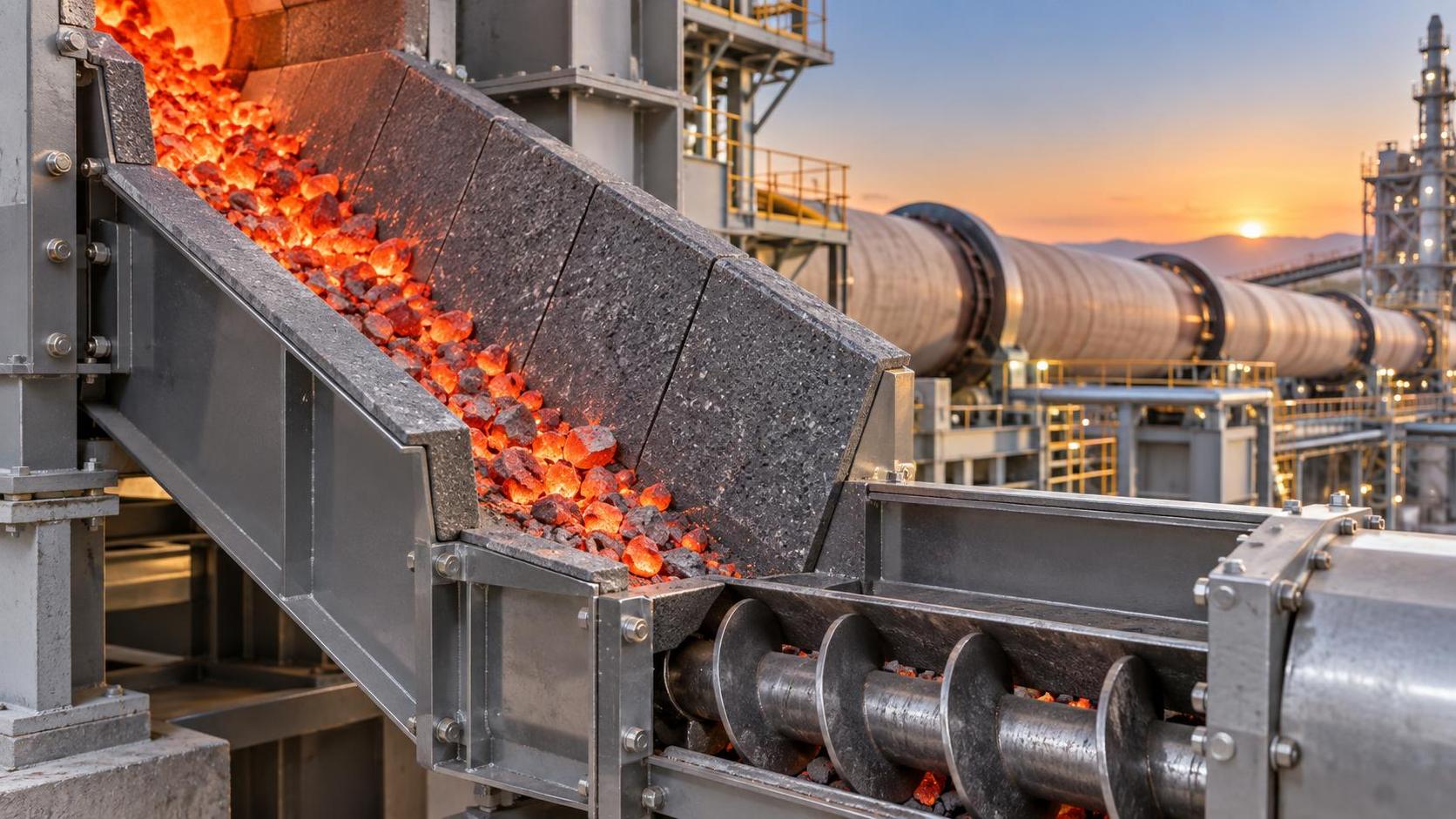
In stable, continuous production, preheating combustion air or raw feed can deliver predictable fuel savings. The thermal profile is repeatable, so recovery systems stay useful most of the time.
In more flexible lines, especially those with changing loads or mixed waste inputs, heat recovery must be judged against fouling risk, control complexity, and downtime exposure.
The mistake is assuming every available exhaust stream should be recovered. Some streams look attractive on paper but create maintenance burden that erodes industrial kiln efficiency over the full campaign.
A stronger approach is to compare recoverable temperature, contamination level, cleaning frequency, and the stability of the downstream heat user before investing.
Measurement discipline often separates efficient kilns from expensive kilns
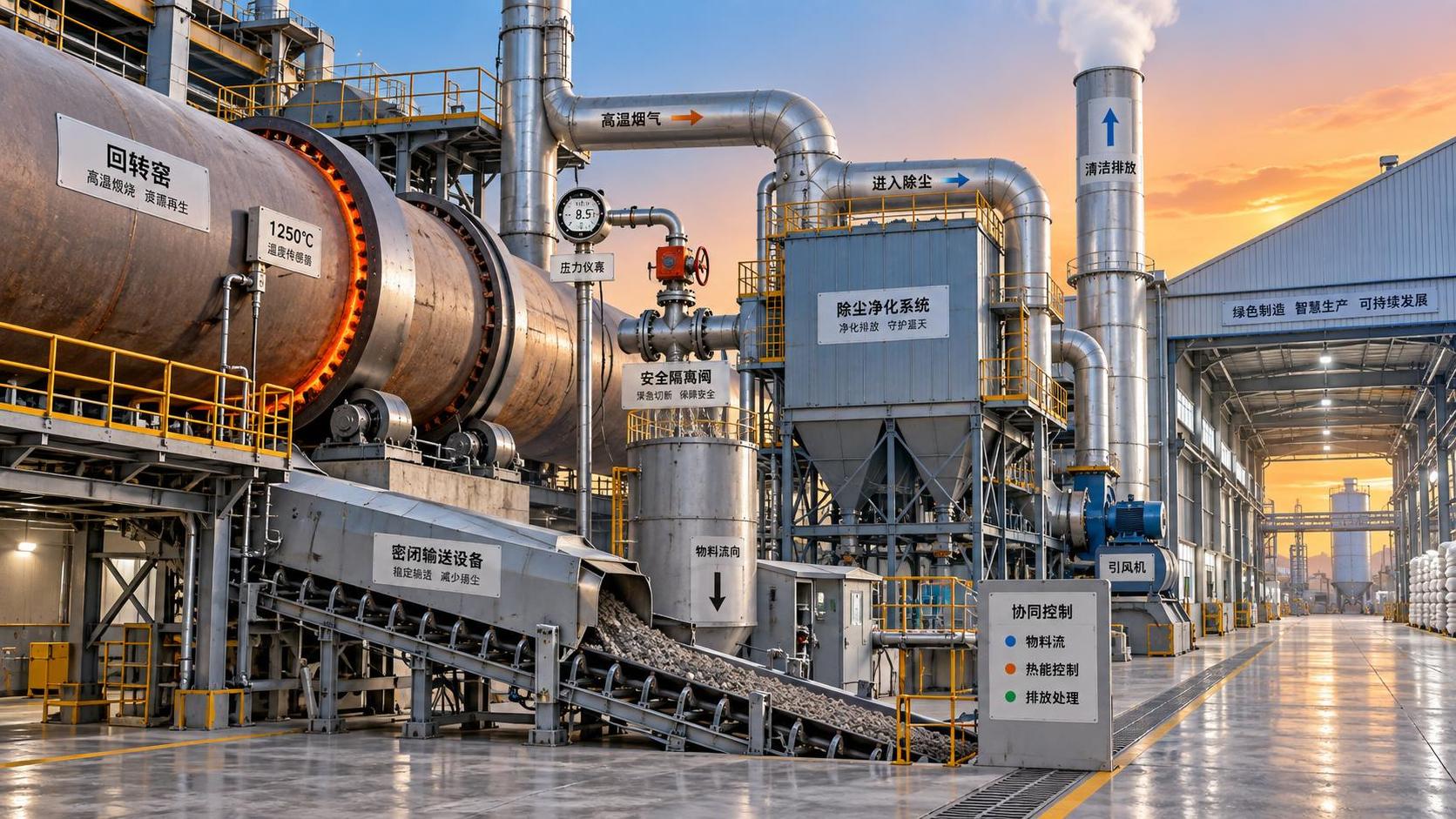
Another real-world divider is instrumentation quality. Industrial kiln efficiency cannot be managed well when thermocouples drift, analyzers foul, or draft readings are accepted without calibration checks.
Digital tools help, but only when the data reflects process reality. CF-Elite’s intelligence focus on online monitoring and digital twins is valuable here because models depend on trustworthy field signals.
In plants with frequent product shifts, historical trend analysis often reveals more than a single test day. Repeating deviations usually point to sealing wear, feed instability, or poor control logic coordination.
Where decarbonization targets are tightening, this discipline matters even more. Small measurement errors can distort fuel benchmarking, emission calculations, and the case for process upgrades.
Common misjudgments that weaken industrial kiln efficiency
- Treating two similar kilns as identical despite different feed chemistry.
- Chasing low fuel use while ignoring unstable product quality.
- Focusing on burner capacity while overlooking false air and seals.
- Judging refractory life only by shutdown damage, not heat loss trend.
- Choosing heat recovery by theoretical savings, not maintenance reality.
A practical way to improve industrial kiln efficiency step by step
In most facilities, the best gains come from sequencing decisions correctly. Start with the operating scenario, then connect thermal behavior to measurable constraints.
A useful first pass is to separate losses into three groups: combustion losses, structural heat losses, and process variability losses. That prevents over-correcting the wrong part of the system.
Then review the seven factors against current production goals. A line pushing volume may need feed discipline before hardware changes. A line with rising shell losses may need refractory action first.
Where operating conditions are changing, build comparison standards around fuel type, load range, moisture level, and target product window. That makes industrial kiln efficiency easier to judge fairly.
The next step is not a generic upgrade list. It is a structured review of airflow balance, lining health, feed stability, recovery potential, and measurement reliability under the specific thermal duty.
That is usually where practical savings emerge: lower fuel use, steadier output, less heat loss, and a clearer path toward cleaner high-temperature production.
Related News
 Dr. Alistair VaughnHow Waste Recycling Technology Improves Material Recovery in Industrial PlantsWaste recycling technology improves material recovery through source segregation, smart separation, thermal treatment, and quality control for industrial plants.Sep 24, 2026
 Optical Glass Tech FellowHow to Specify Glass Annealing Equipment for European Quality and Energy RequirementsGlass annealing equipment Europe: learn how to specify lehrs for consistent glass quality, energy efficiency, compliance, automation, and reliable long-term performance.Sep 23, 2026
 Optical Glass Tech FellowSilicate Process Automation: Improving Batch Consistency and Energy ControlSilicate process automation improves batch consistency, energy control, traceability, and operator confidence across high-temperature manufacturing operations.Sep 22, 2026
 Optical Glass Tech FellowHow Silicate Industrial Processes Control Viscosity, Energy Use, and Product QualitySilicate industrial processes: learn how viscosity, chemistry, heat transfer, and atmosphere control reduce energy use, improve stability, and protect product quality.Sep 21, 2026
 Thermal Energy ArchitectHow European Plants Can Evaluate Energy Recovery Equipment for High-Temperature ProcessesIndustrial energy recovery equipment Europe: learn how high-temperature plants can assess waste-heat sources, integration risks, lifecycle value, and reliable recovery routes.Sep 20, 2026
 Thermal Energy ArchitectIndustrial Furnace Process Optimization: Reducing Fuel Use Without Sacrificing ThroughputIndustrial process optimization furnace strategies that cut fuel use while protecting throughput. Explore combustion control, heat recovery, refractory performance, and data-driven efficiency gains.Sep 19, 2026
 Ms. Elena RodriguezWhat Drives High-Pressure Extrusion Equipment Cost in Industrial Projects?High pressure extrusion equipment cost explained: compare pressure, die design, automation, wear, energy, and installation factors for smarter industrial investments.Sep 18, 2026
 Thermal Energy ArchitectHow to Size a Waste Heat Recovery Exchanger for High-Temperature Kiln Exhaust?Waste heat recovery exchanger sizing for high-temperature kiln exhaust: balance recoverable duty, fouling, corrosion limits, pressure drop, and reliable heat use.Sep 17, 2026
 Thermal Energy ArchitectWhy Heat-Resistant Materials Lose Abrasion Resistance at High TemperaturesHeat-resistant materials abrasion resistance can decline at high temperatures. Discover the thermal, chemical, and mechanical causes of wear—and how to choose longer-lasting linings.Sep 16, 2026
 Thermal Energy ArchitectHow to Evaluate a Thermal Energy Optimization Company for High-Temperature PlantsChoose a thermal energy optimization company with proven process expertise, measurable savings, and reliable delivery for high-temperature plants. Learn what to assess.Sep 15, 2026
 Thermal Energy ArchitectRotary Kiln Efficiency: How Feed Rate, Fuel Use, and Heat Loss Affect OutputRotary kiln efficiency explained: discover how feed rate, fuel use, heat loss, combustion, and cooling performance shape output, quality, and energy costs.Sep 14, 2026
 Thermal Energy ArchitectHow to Select Heat-Resistant Materials That Maintain Abrasion Resistance in KilnsHeat-resistant materials abrasion resistance: learn how to select kiln linings that withstand heat, wear, thermal cycling, and chemical attack for longer service life.Sep 13, 2026
 Thermal Energy ArchitectHow Rotary Kiln Automation Improves Temperature Control and Fuel EfficiencyRotary kiln technology automation enhances temperature control, stabilizes combustion, and improves fuel efficiency with smarter data, predictive control, and safer operations.Sep 12, 2026
 Silicate Process EngineerCement Plant Emission Control: Selecting Systems for Dust, NOx, and SO2 LimitsCement plant emission control guide: compare dust collectors, NOx reduction, and SO2 systems for reliable compliance across kiln modes, fuel changes, and operating upsets.Sep 11, 2026
 Thermal Energy ArchitectSelecting Abrasion-Resistant High-Temperature Materials for Kiln and Conveyor Wear ZonesHigh-temp material engineering guide to abrasion-resistant kiln and conveyor solutions—match wear, heat, chemistry, and installation design for longer service life.Sep 10, 2026
 Dr. Alistair VaughnIndustrial Process Engineering: How to Map Processes for Safer, More Efficient PlantsIndustrial process engineering reveals bottlenecks, safety risks, and energy losses through practical process mapping for safer, more efficient plants.Sep 09, 2026
 Optical Glass Tech FellowHow to Evaluate a Glass Annealing Equipment Manufacturer for Production StabilityChoose a glass annealing equipment manufacturer with proven thermal uniformity, reliable controls, lifecycle value, and responsive service for stable production.Sep 08, 2026
 Prof. Marcus ChenThermal Energy Architecture in North America: Strategies for Lower Building Energy UseThermal energy architecture North America helps project leaders cut building energy use through stronger envelopes, right-sized HVAC, storage, and smart commissioning.Sep 07, 2026
 Ms. Elena RodriguezHow Should Buyers Evaluate Building Material Industry Intelligence Pricing?Building material industry intelligence pricing: learn how to compare coverage, technical depth, and ROI to choose intelligence that reduces procurement risk.Sep 07, 2026
 Ms. Elena RodriguezHow to Use Building Material Intelligence Data for Market and Investment DecisionsBuilding material industry intelligence data helps leaders evaluate demand, costs, regulation, capacity, and technology to make smarter market and investment decisions.Sep 05, 2026



Related News
- 00
0000-00
How European Plants Can Evaluate Energy Recovery Equipment for High-Temperature Processes - 00
0000-00
Industrial Furnace Process Optimization: Reducing Fuel Use Without Sacrificing Throughput - 00
0000-00
How to Size a Waste Heat Recovery Exchanger for High-Temperature Kiln Exhaust? - 00
0000-00
Why Heat-Resistant Materials Lose Abrasion Resistance at High Temperatures - 00
0000-00
How to Evaluate a Thermal Energy Optimization Company for High-Temperature Plants
Weekly Insights
Stay ahead with our curated technology reports delivered every Monday.