
Rotary Kiln Equipment Selection Guide: Capacity, Slope, Drive System, and Lining




Rotary Kiln Equipment Selection Guide: Capacity, Slope, Drive System, and Lining
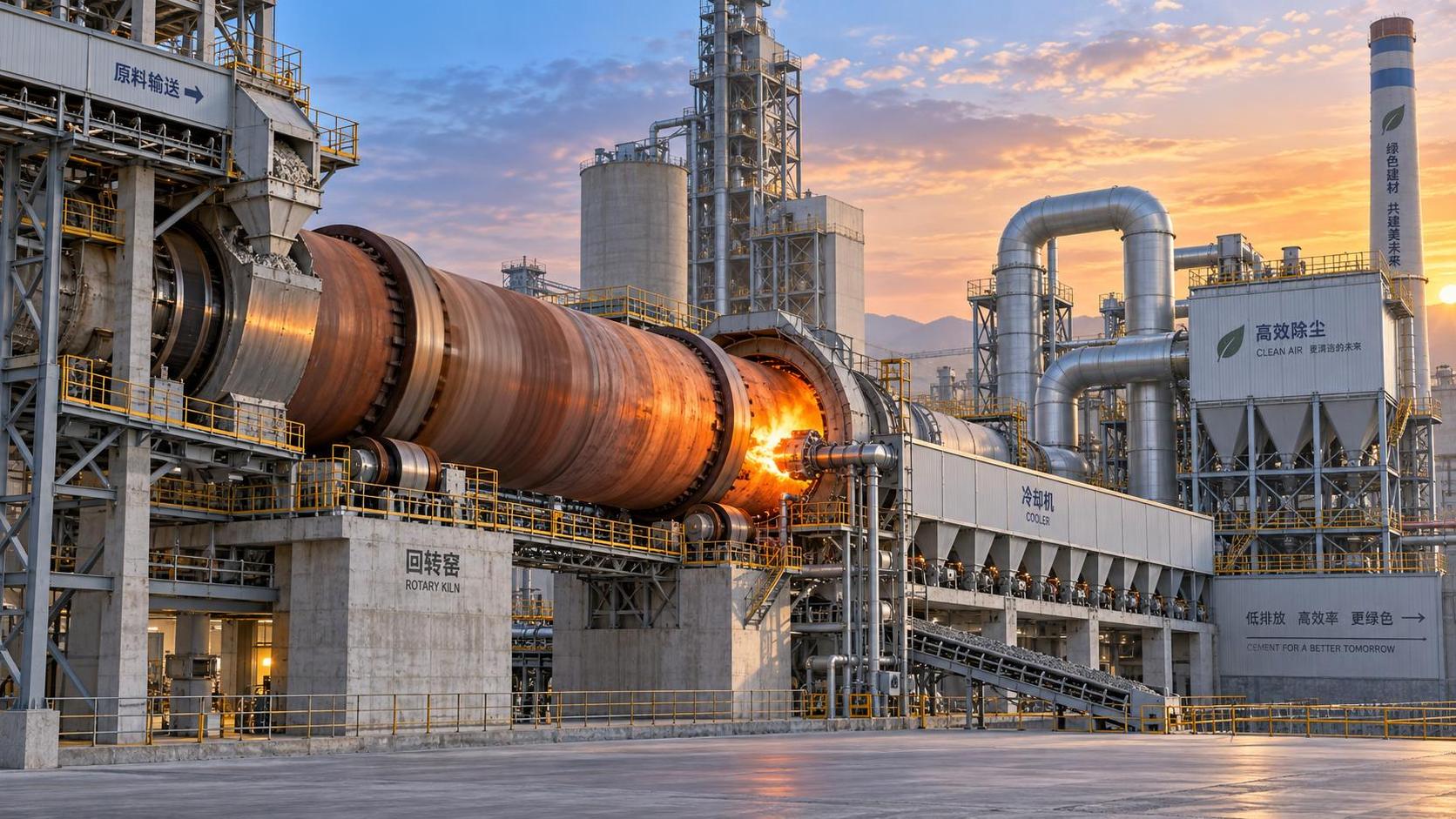
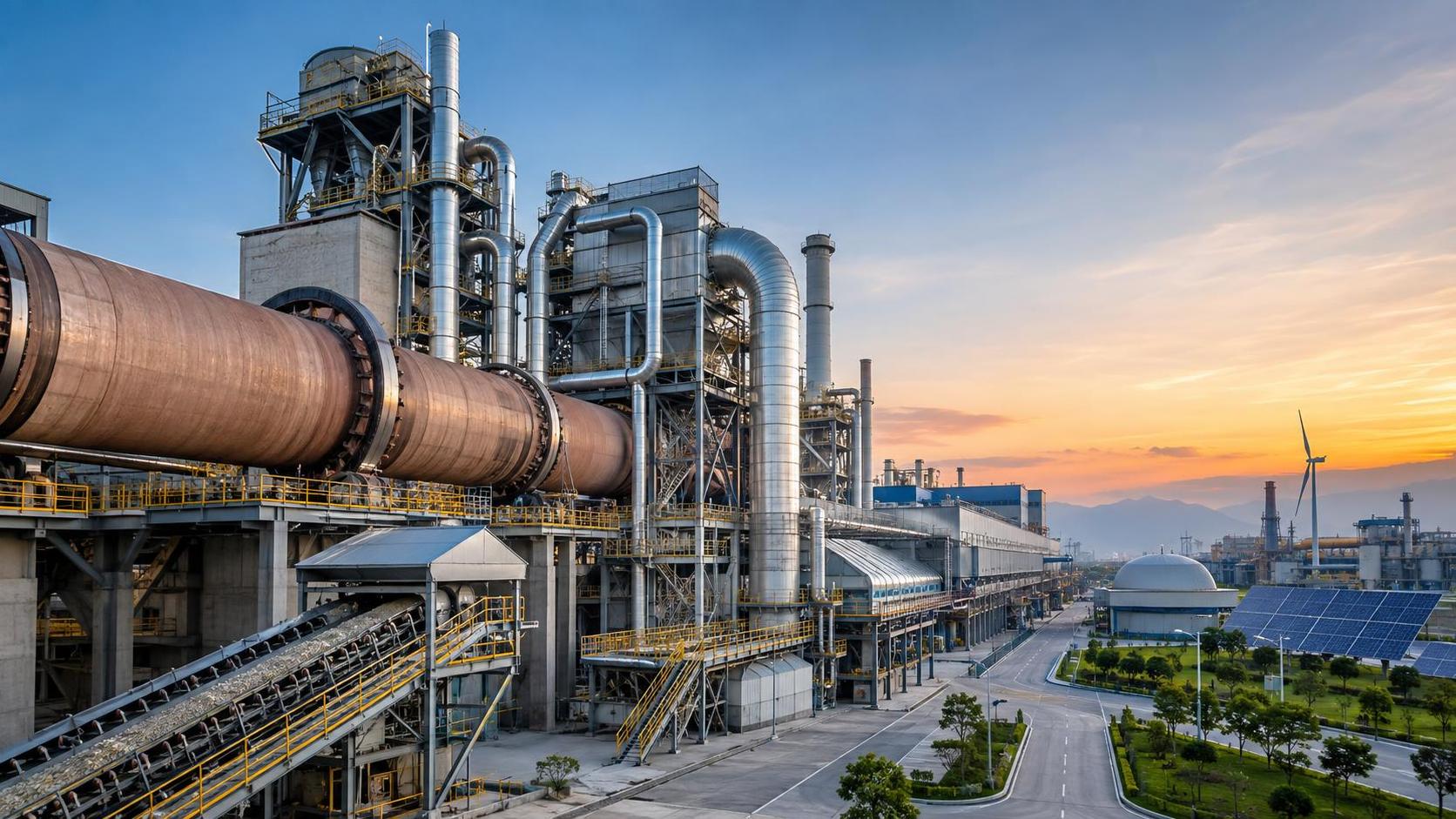
Choosing the right rotary kiln equipment can determine whether a project achieves stable output, lower fuel consumption, and long-term lining life.
Capacity, kiln slope, drive design, and refractory lining work as one system, not as isolated choices.
That is why rotary kiln equipment selection should start from process reality, operating targets, and lifecycle risk.
This guide explains how to compare options with practical decision logic for reliable, efficient, and future-ready kiln operation.
Why Rotary Kiln Equipment Selection Must Be System-Based
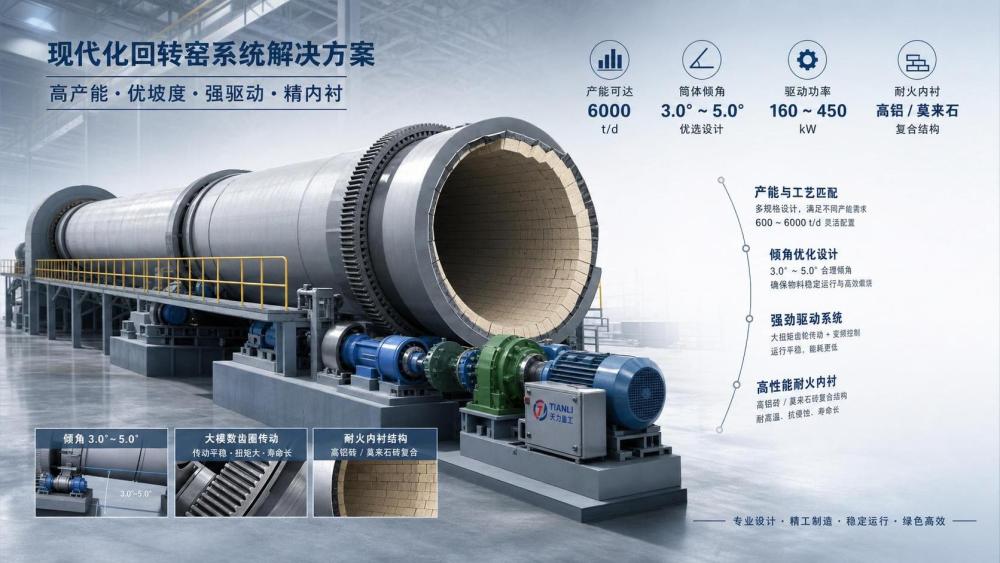
Many projects begin with a simple question: how large should the kiln be?
In practice, rotary kiln equipment selection is broader than matching output to a nameplate figure.
Throughput depends on feed chemistry, moisture, particle size, heat transfer, retention time, and downstream process balance.
A kiln sized only for peak production may struggle with unstable combustion, ring formation, or unnecessary shell stress.
A kiln sized too conservatively may cap expansion and reduce commercial flexibility.
From a project perspective, the better approach is to evaluate rotary kiln equipment around four linked questions.
- What real operating capacity is required across normal, peak, and low-load conditions?
- How should kiln slope and rotation speed support residence time and material movement?
- Which drive system offers the right torque, controllability, and maintenance profile?
- Which refractory lining can survive the chemical and thermal environment without excessive shutdowns?
When these factors are reviewed together, rotary kiln equipment decisions become much more robust.
How to Size Capacity Without Overbuilding
Capacity is usually the first filter in rotary kiln equipment selection, but it should never be reduced to tons per day alone.
Actual kiln capacity reflects the interaction between thermal duty and material behavior.
For example, sticky feed, high volatiles, or wide particle distribution can lower practical capacity even in a large shell.
This also means design output should include operating margin, but not blind oversizing.
Key Capacity Inputs to Review
- Target annual output and expected operating days.
- Feed moisture, density, particle size, and thermal decomposition profile.
- Required calcination, sintering, drying, or incineration performance.
- Fuel type, flame control range, and heat recovery design.
- Future debottlenecking or capacity expansion plans.
A common mistake is selecting rotary kiln equipment for maximum demand, while ignoring partial-load efficiency.
If the line often runs below design rate, fuel use per ton can rise and process stability may worsen.
A more balanced decision compares nameplate capacity, stable operating window, and specific energy consumption.
In real projects, the best rotary kiln equipment is often the one that keeps output predictable across changing feed conditions.
Choosing Kiln Slope for Material Flow and Retention Time
Kiln slope looks simple on paper, yet it strongly affects retention time, bed depth, and material transport.
That makes slope a critical part of rotary kiln equipment optimization.
A steeper slope usually moves material faster, reducing residence time.
A lower slope can improve retention, but may increase buildup risk if the feed becomes sticky.
The right setting depends on process chemistry, internal design, and rotational speed range.
What to Consider When Setting Slope
- Required residence time for drying, reaction, burnout, or clinker formation.
- Material tendency to roll, slide, agglomerate, or form rings.
- Shell length-to-diameter ratio and internal heat exchange behavior.
- Speed control flexibility during startup and feed variation.
- Interaction with burner shape and thermal profile along the kiln.
Recent operating trends show more plants handling alternative fuels and variable raw materials.
That makes fixed assumptions about slope less reliable than before.
During rotary kiln equipment review, ask whether the chosen slope still supports stable flow under off-spec feed.
That question often reveals hidden process risk earlier than mechanical checks do.
Selecting the Right Drive System for Torque, Control, and Reliability
The drive system is the control heart of rotary kiln equipment.
It must handle startup torque, steady rotation, emergency operation, and speed adjustment without overstressing components.
In many cases, problems blamed on process instability actually begin with poor drive matching.
Main Drive Selection Priorities
- Torque reserve for cold starts, coating changes, and upset conditions.
- Variable speed capability for process tuning.
- Mechanical simplicity versus advanced control needs.
- Maintenance access for girth gear, pinion, reducer, and motor components.
- Emergency auxiliary drive for safe shell rotation during power loss.
For decision makers, one useful comparison is not just CAPEX, but total controllability over the kiln lifecycle.
A cheaper drive package may increase downtime if alignment, lubrication, or spare parts become recurring issues.
More advanced rotary kiln equipment often includes better speed regulation and data integration.
That matters when plants want tighter thermal control, digital diagnostics, and lower unplanned maintenance.
In short, the right drive system should protect process stability as much as mechanical motion.
Matching Refractory Lining to Thermal Load and Chemical Attack
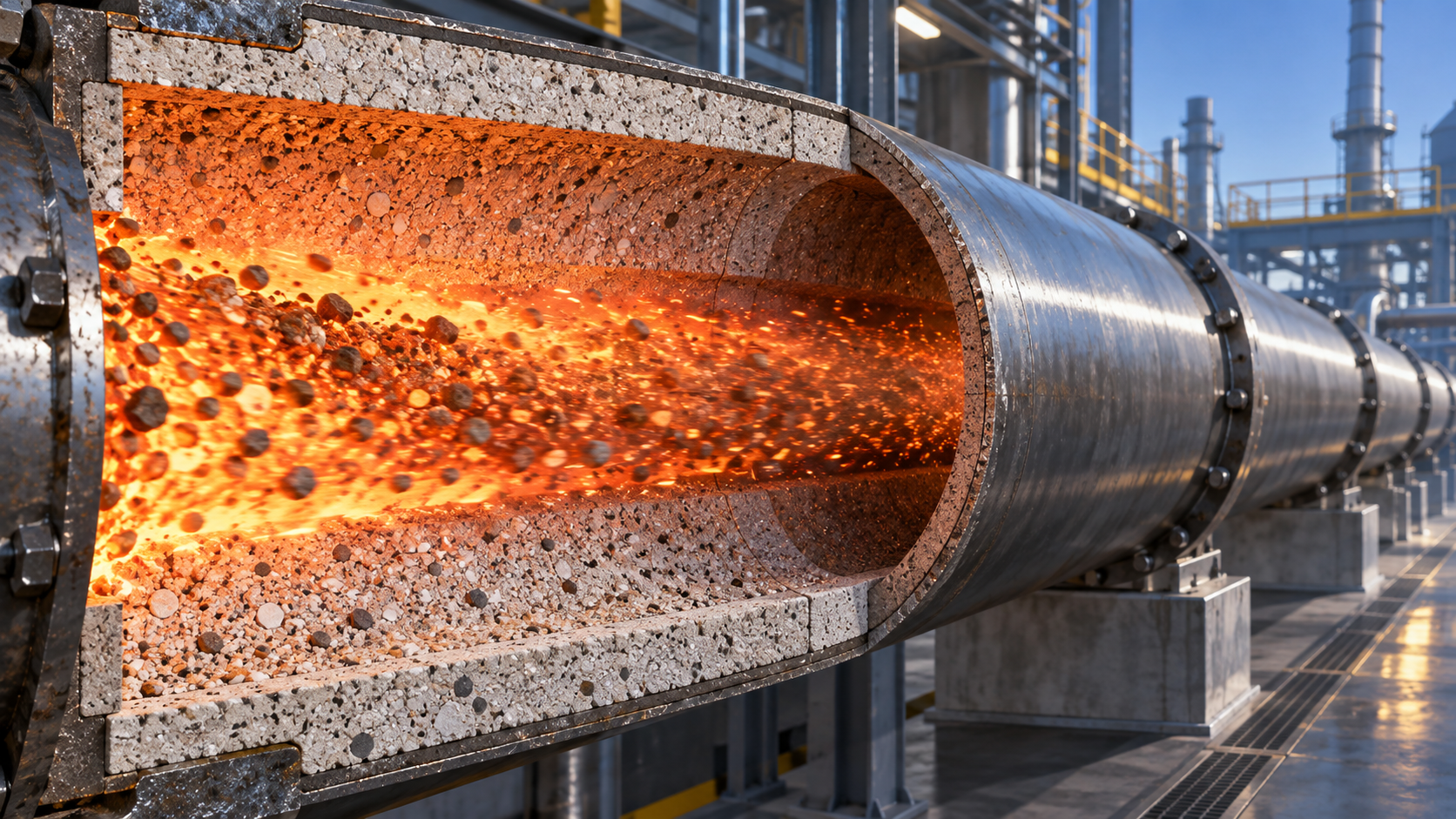
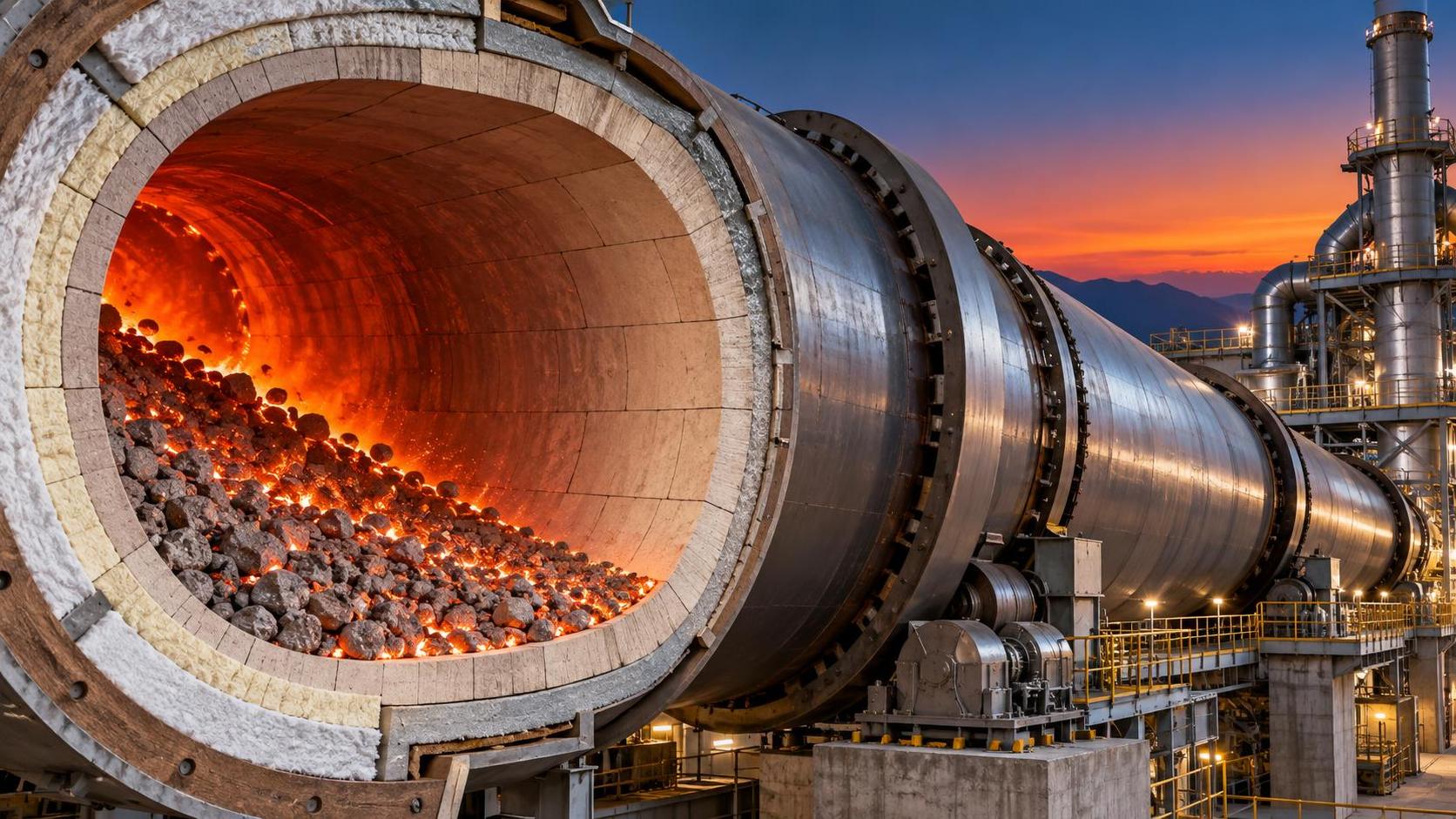
Refractory lining is one of the most underestimated parts of rotary kiln equipment selection.
Yet lining performance directly affects shell temperature, campaign life, maintenance intervals, and fuel efficiency.
No single refractory suits every zone of a kiln.
The inlet, transition, burning, and discharge sections often face different abrasion, alkali load, and thermal shock conditions.
Lining Questions That Should Be Answered Early
- What peak and average temperatures will each zone experience?
- Will the process generate alkali, sulfur, chlorides, or corrosive ash?
- How severe are coating cycles, thermal shock, and mechanical abrasion?
- Is the shell designed for brick, castable, or hybrid lining concepts?
- How quickly can damaged sections be inspected and replaced?
A strong rotary kiln equipment strategy also links lining choice with process monitoring.
Shell scanners, temperature trending, and historical failure mapping help extend campaign life.
More importantly, lining decisions should not be made only by unit price per ton of refractory.
The real cost includes shutdown duration, lost output, repair labor, and shell protection risk.
A Practical Rotary Kiln Equipment Evaluation Checklist
To simplify selection, it helps to convert technical review into a structured decision checklist.
This keeps rotary kiln equipment evaluation focused on measurable plant outcomes.
This kind of framework is especially useful when comparing multiple rotary kiln equipment suppliers.
It shifts discussion from brochure claims to process fit, operational resilience, and lifetime value.
Final Selection Advice for Long-Term Project Value
Good rotary kiln equipment selection is rarely about choosing the biggest unit or the lowest purchase price.
It is about aligning thermal duty, material behavior, control flexibility, and maintenance strategy.
When capacity, slope, drive system, and lining are evaluated together, the project gains a much clearer risk picture.
That usually leads to better commissioning results, steadier operation, and fewer costly surprises.
In practical terms, the smartest next step is to build a selection matrix using real feed data, operating scenarios, and maintenance assumptions.
Then compare each rotary kiln equipment option against total lifecycle performance, not just initial specification sheets.
That approach creates a stronger foundation for efficient output, energy control, and durable kiln service over the long run.
Related News
 Dr. Alistair VaughnHow Waste Recycling Technology Improves Material Recovery in Industrial PlantsWaste recycling technology improves material recovery through source segregation, smart separation, thermal treatment, and quality control for industrial plants.Sep 24, 2026
 Optical Glass Tech FellowHow to Specify Glass Annealing Equipment for European Quality and Energy RequirementsGlass annealing equipment Europe: learn how to specify lehrs for consistent glass quality, energy efficiency, compliance, automation, and reliable long-term performance.Sep 23, 2026
 Optical Glass Tech FellowSilicate Process Automation: Improving Batch Consistency and Energy ControlSilicate process automation improves batch consistency, energy control, traceability, and operator confidence across high-temperature manufacturing operations.Sep 22, 2026
 Optical Glass Tech FellowHow Silicate Industrial Processes Control Viscosity, Energy Use, and Product QualitySilicate industrial processes: learn how viscosity, chemistry, heat transfer, and atmosphere control reduce energy use, improve stability, and protect product quality.Sep 21, 2026
 Thermal Energy ArchitectHow European Plants Can Evaluate Energy Recovery Equipment for High-Temperature ProcessesIndustrial energy recovery equipment Europe: learn how high-temperature plants can assess waste-heat sources, integration risks, lifecycle value, and reliable recovery routes.Sep 20, 2026
 Thermal Energy ArchitectIndustrial Furnace Process Optimization: Reducing Fuel Use Without Sacrificing ThroughputIndustrial process optimization furnace strategies that cut fuel use while protecting throughput. Explore combustion control, heat recovery, refractory performance, and data-driven efficiency gains.Sep 19, 2026
 Ms. Elena RodriguezWhat Drives High-Pressure Extrusion Equipment Cost in Industrial Projects?High pressure extrusion equipment cost explained: compare pressure, die design, automation, wear, energy, and installation factors for smarter industrial investments.Sep 18, 2026
 Thermal Energy ArchitectHow to Size a Waste Heat Recovery Exchanger for High-Temperature Kiln Exhaust?Waste heat recovery exchanger sizing for high-temperature kiln exhaust: balance recoverable duty, fouling, corrosion limits, pressure drop, and reliable heat use.Sep 17, 2026
 Thermal Energy ArchitectWhy Heat-Resistant Materials Lose Abrasion Resistance at High TemperaturesHeat-resistant materials abrasion resistance can decline at high temperatures. Discover the thermal, chemical, and mechanical causes of wear—and how to choose longer-lasting linings.Sep 16, 2026
 Thermal Energy ArchitectHow to Evaluate a Thermal Energy Optimization Company for High-Temperature PlantsChoose a thermal energy optimization company with proven process expertise, measurable savings, and reliable delivery for high-temperature plants. Learn what to assess.Sep 15, 2026
 Thermal Energy ArchitectRotary Kiln Efficiency: How Feed Rate, Fuel Use, and Heat Loss Affect OutputRotary kiln efficiency explained: discover how feed rate, fuel use, heat loss, combustion, and cooling performance shape output, quality, and energy costs.Sep 14, 2026
 Thermal Energy ArchitectHow to Select Heat-Resistant Materials That Maintain Abrasion Resistance in KilnsHeat-resistant materials abrasion resistance: learn how to select kiln linings that withstand heat, wear, thermal cycling, and chemical attack for longer service life.Sep 13, 2026
 Thermal Energy ArchitectHow Rotary Kiln Automation Improves Temperature Control and Fuel EfficiencyRotary kiln technology automation enhances temperature control, stabilizes combustion, and improves fuel efficiency with smarter data, predictive control, and safer operations.Sep 12, 2026
 Silicate Process EngineerCement Plant Emission Control: Selecting Systems for Dust, NOx, and SO2 LimitsCement plant emission control guide: compare dust collectors, NOx reduction, and SO2 systems for reliable compliance across kiln modes, fuel changes, and operating upsets.Sep 11, 2026
 Thermal Energy ArchitectSelecting Abrasion-Resistant High-Temperature Materials for Kiln and Conveyor Wear ZonesHigh-temp material engineering guide to abrasion-resistant kiln and conveyor solutions—match wear, heat, chemistry, and installation design for longer service life.Sep 10, 2026
 Dr. Alistair VaughnIndustrial Process Engineering: How to Map Processes for Safer, More Efficient PlantsIndustrial process engineering reveals bottlenecks, safety risks, and energy losses through practical process mapping for safer, more efficient plants.Sep 09, 2026
 Optical Glass Tech FellowHow to Evaluate a Glass Annealing Equipment Manufacturer for Production StabilityChoose a glass annealing equipment manufacturer with proven thermal uniformity, reliable controls, lifecycle value, and responsive service for stable production.Sep 08, 2026
 Prof. Marcus ChenThermal Energy Architecture in North America: Strategies for Lower Building Energy UseThermal energy architecture North America helps project leaders cut building energy use through stronger envelopes, right-sized HVAC, storage, and smart commissioning.Sep 07, 2026
 Ms. Elena RodriguezHow Should Buyers Evaluate Building Material Industry Intelligence Pricing?Building material industry intelligence pricing: learn how to compare coverage, technical depth, and ROI to choose intelligence that reduces procurement risk.Sep 07, 2026
 Ms. Elena RodriguezHow to Use Building Material Intelligence Data for Market and Investment DecisionsBuilding material industry intelligence data helps leaders evaluate demand, costs, regulation, capacity, and technology to make smarter market and investment decisions.Sep 05, 2026



Related News
- 00
0000-00
How European Plants Can Evaluate Energy Recovery Equipment for High-Temperature Processes - 00
0000-00
Industrial Furnace Process Optimization: Reducing Fuel Use Without Sacrificing Throughput - 00
0000-00
How to Size a Waste Heat Recovery Exchanger for High-Temperature Kiln Exhaust? - 00
0000-00
Why Heat-Resistant Materials Lose Abrasion Resistance at High Temperatures - 00
0000-00
How to Evaluate a Thermal Energy Optimization Company for High-Temperature Plants
Weekly Insights
Stay ahead with our curated technology reports delivered every Monday.