
High Temperature Process Equipment Selection: Key Parameters for Stable Thermal Output




High Temperature Process Equipment Selection: Key Parameters for Stable Thermal Output
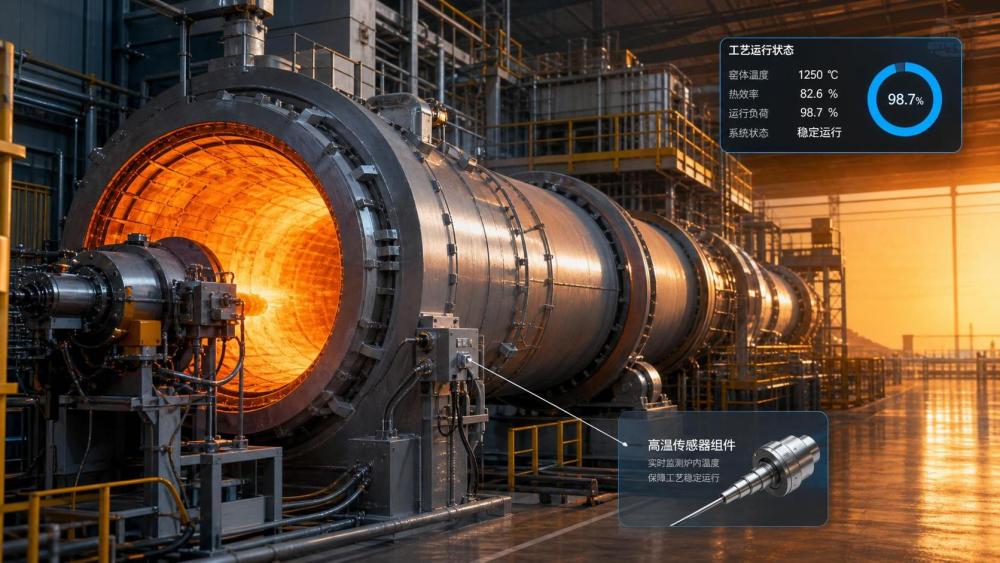
Selecting high temperature process equipment starts with one practical truth. Nameplate temperature alone never guarantees stable thermal output.
In real plants, heat stability comes from how the system behaves under changing loads, fuel shifts, raw material variation, and maintenance pressure.
That is why technical selection should move beyond peak temperature claims. The better question is whether the equipment can hold process consistency over time.
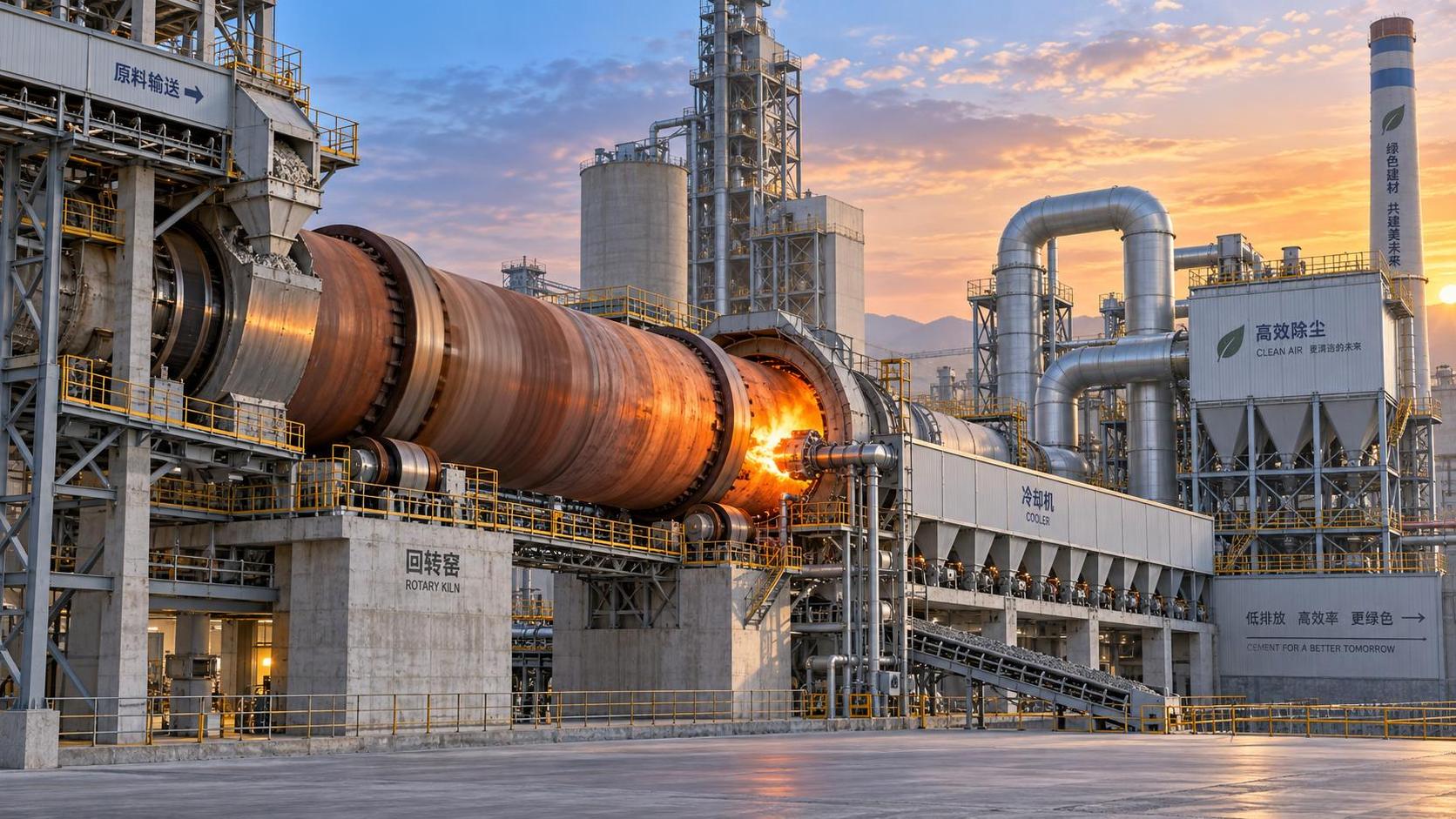
For cement, glass, incineration, refractory, and extrusion lines, this issue is even sharper. Thermal instability quickly becomes a quality, energy, and emissions problem.
A sound high temperature process equipment review should therefore combine thermal design, material durability, control intelligence, and operational flexibility.
Why Stable Thermal Output Matters More Than Rated Heat
Stable thermal output affects throughput, product uniformity, fuel cost, downtime frequency, and environmental compliance. It is a core decision factor, not a secondary metric.
When a kiln, furnace, or incineration unit drifts thermally, operators usually compensate with more fuel, slower speeds, or wider quality tolerances.
That response may protect output for a while. Still, it often raises total operating cost and accelerates wear inside the thermal system.
From a selection perspective, the right high temperature process equipment should keep heat transfer predictable during start-up, steady operation, and transient conditions.
This also means checking the equipment in its intended process window, not only under ideal factory test conditions.
Core Thermal Parameters to Compare First
A disciplined shortlist begins with measurable thermal parameters. These indicators reveal whether high temperature process equipment can deliver stable output under production stress.
1. Operating Temperature Range
Check the continuous operating range, not only the maximum tolerated temperature. A short-term survival limit is not the same as stable production capacity.
Ask for data on temperature uniformity across zones. Large internal gradients often create product inconsistency and refractory stress.
2. Heat Transfer Efficiency
Efficiency depends on burner design, airflow pattern, insulation quality, chamber geometry, and residence time. These factors shape usable heat, not just gross heat input.
For high temperature process equipment, poor heat transfer usually hides behind acceptable outlet temperatures while energy intensity keeps rising.
3. Thermal Response Speed
Some processes need fast correction after feed variation. Others need slow, stable thermal inertia. The right choice depends on product sensitivity and control philosophy.
4. Specific Energy Consumption
Always compare energy use per ton of qualified output. This normalizes different designs and avoids misleading claims based on nominal capacity.
Material and Refractory Factors That Shape Reliability
Thermal output is only as stable as the materials that contain it. This is where many equipment comparisons become too superficial.
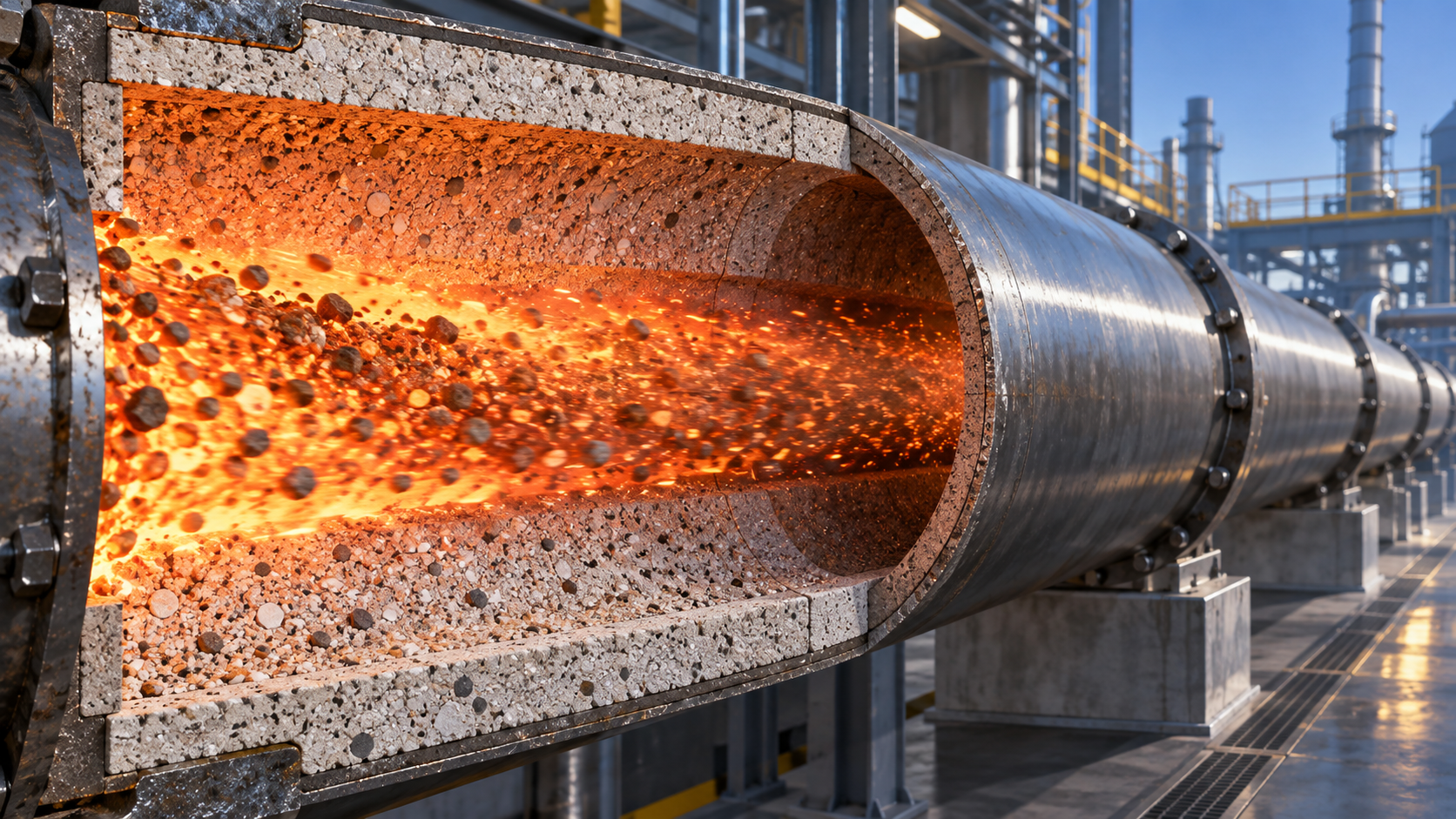
In high temperature process equipment, shell strength, refractory selection, anchoring design, and insulation layers all influence long-term temperature control.
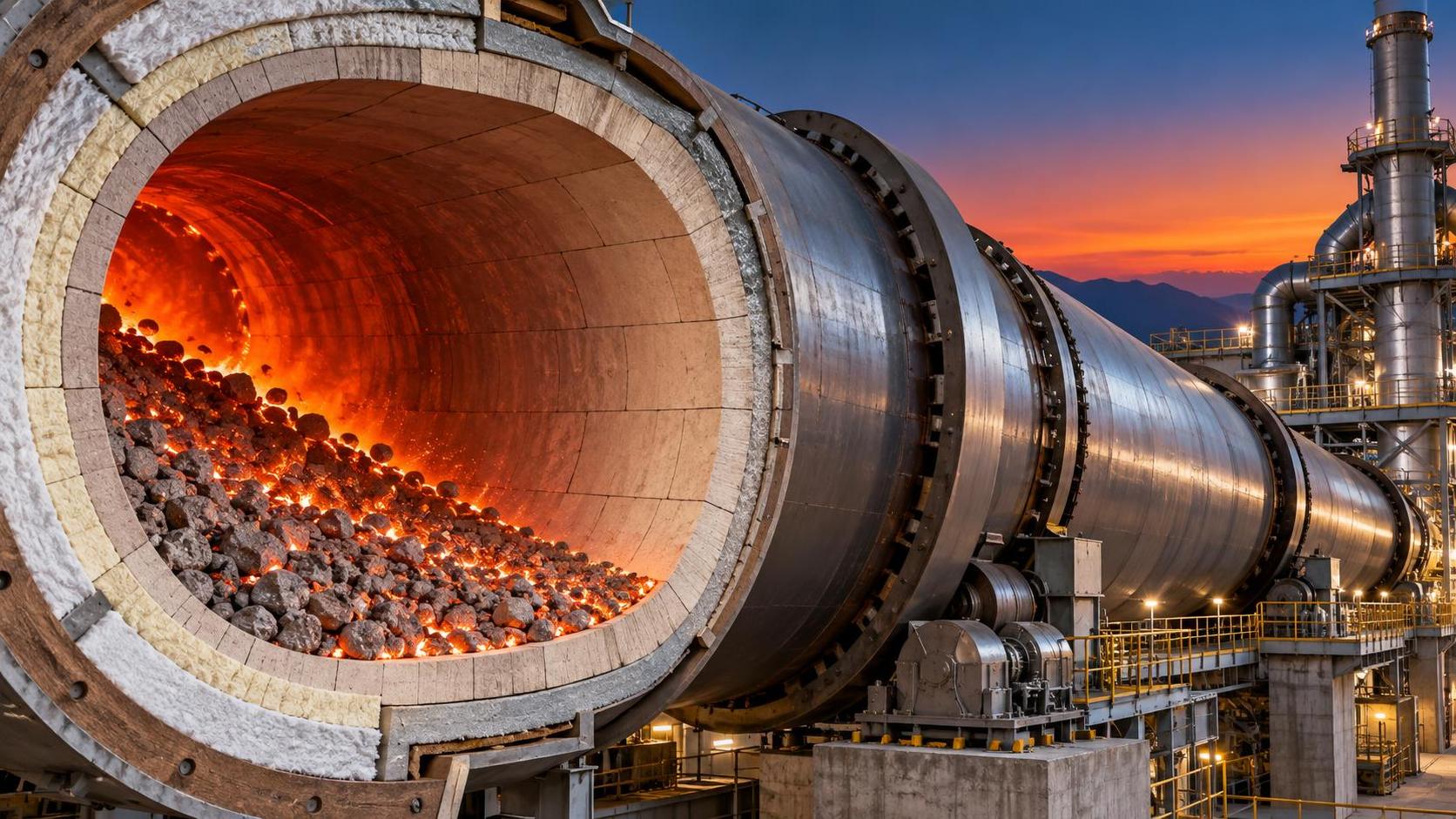
A refractory package should match not only temperature, but also abrasion, alkali attack, thermal shock, oxidation, and cycling frequency.
For incineration and alternative fuel applications, chemical corrosion can become the main failure driver. That changes the material selection logic completely.
It is worth asking suppliers for wear maps, lining life assumptions, and failure case histories from similar duty conditions.
- Confirm refractory thickness and hot-face composition.
- Review expected lining life under target fuels and feedstock.
- Check thermal expansion allowances and anchoring details.
- Ask how hot spots are detected and managed.
Fuel Adaptability and Process Compatibility
From recent market changes, fuel flexibility has moved from a bonus feature to a core selection criterion.
Natural gas, coal, petcoke, biomass, RDF, and mixed industrial waste create very different flame shapes, ash behaviors, and control demands.
High temperature process equipment should therefore be evaluated for burner adaptability, combustion air control, and tolerance to fuel quality fluctuation.
This matters especially in plants facing carbon reduction targets. Lower-carbon fuels often introduce instability before the system is properly tuned.
Compatibility also includes feed material behavior. Moisture, particle size, volatile content, and chemistry can shift the thermal balance quickly.
A practical review asks whether the equipment can keep stable thermal output when both fuel and feed move away from design assumptions.
Automation, Sensing, and Control Precision
Better mechanical design helps, but stable thermal output increasingly depends on control quality. This is now a decisive differentiator in high temperature process equipment.
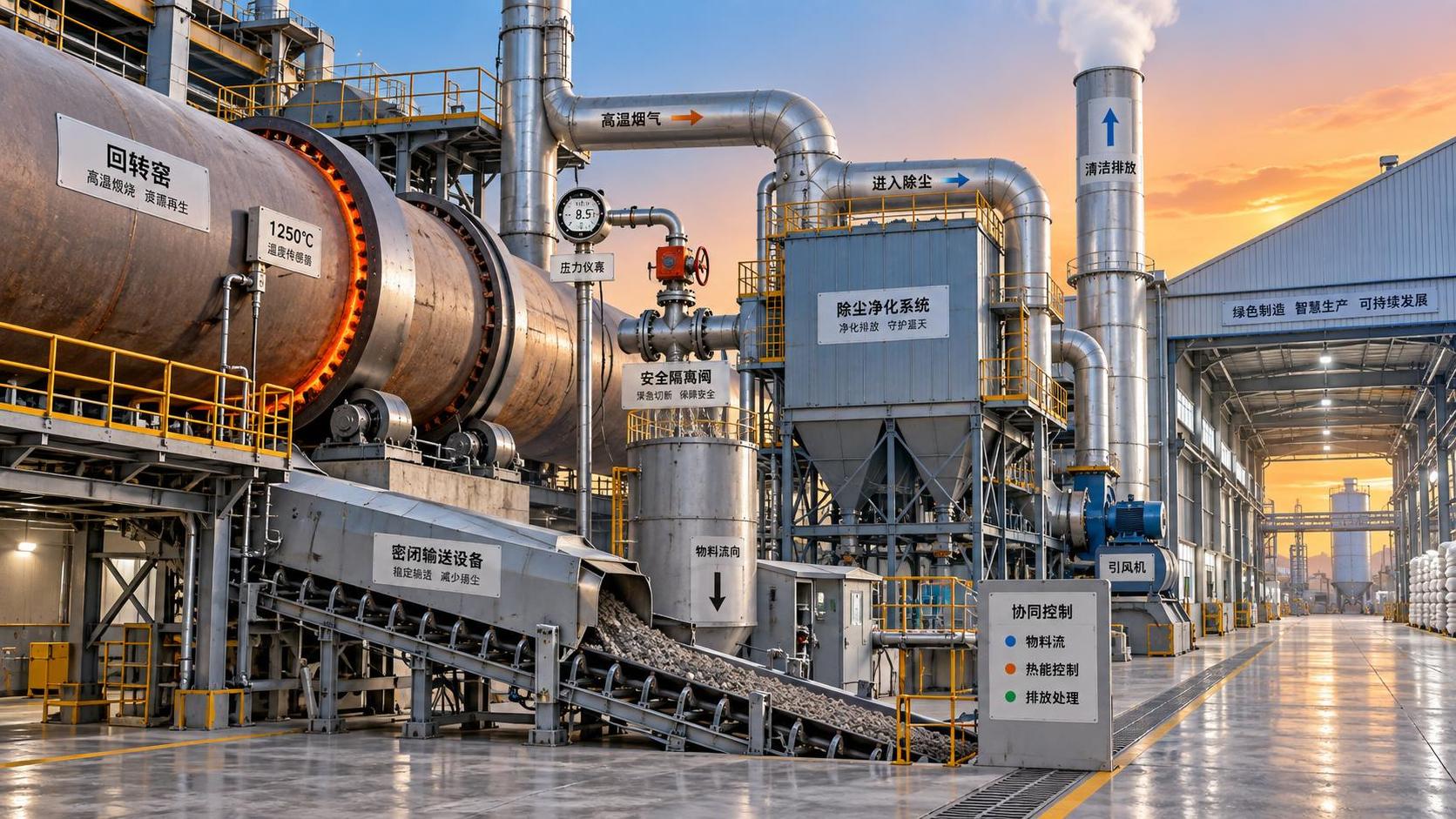
Temperature sensors, flame scanners, oxygen analyzers, pressure transmitters, shell scanners, and visual monitoring systems all affect response accuracy.
The stronger signal is not just having sensors installed. It is whether the control system can turn that data into stable action.
Review alarm logic, control loop tuning, model-based optimization, and historian capability. These determine how quickly operators see, diagnose, and correct thermal drift.
For modern selection projects, digital twin support and predictive maintenance functions are becoming commercially relevant, especially for large continuous lines.
- Map critical temperature points to actual process risks.
- Check sensor redundancy in high-failure locations.
- Validate control performance during upset conditions.
- Review remote diagnostics and trend analysis access.
Emissions, Heat Recovery, and Lifecycle Economics
Selection decisions now sit under tighter environmental and energy scrutiny. That changes how high temperature process equipment should be compared.
Evaluate NOx, SOx, particulate, CO, VOC, and dioxin performance where relevant. Compliance risk can erase any initial equipment price advantage.
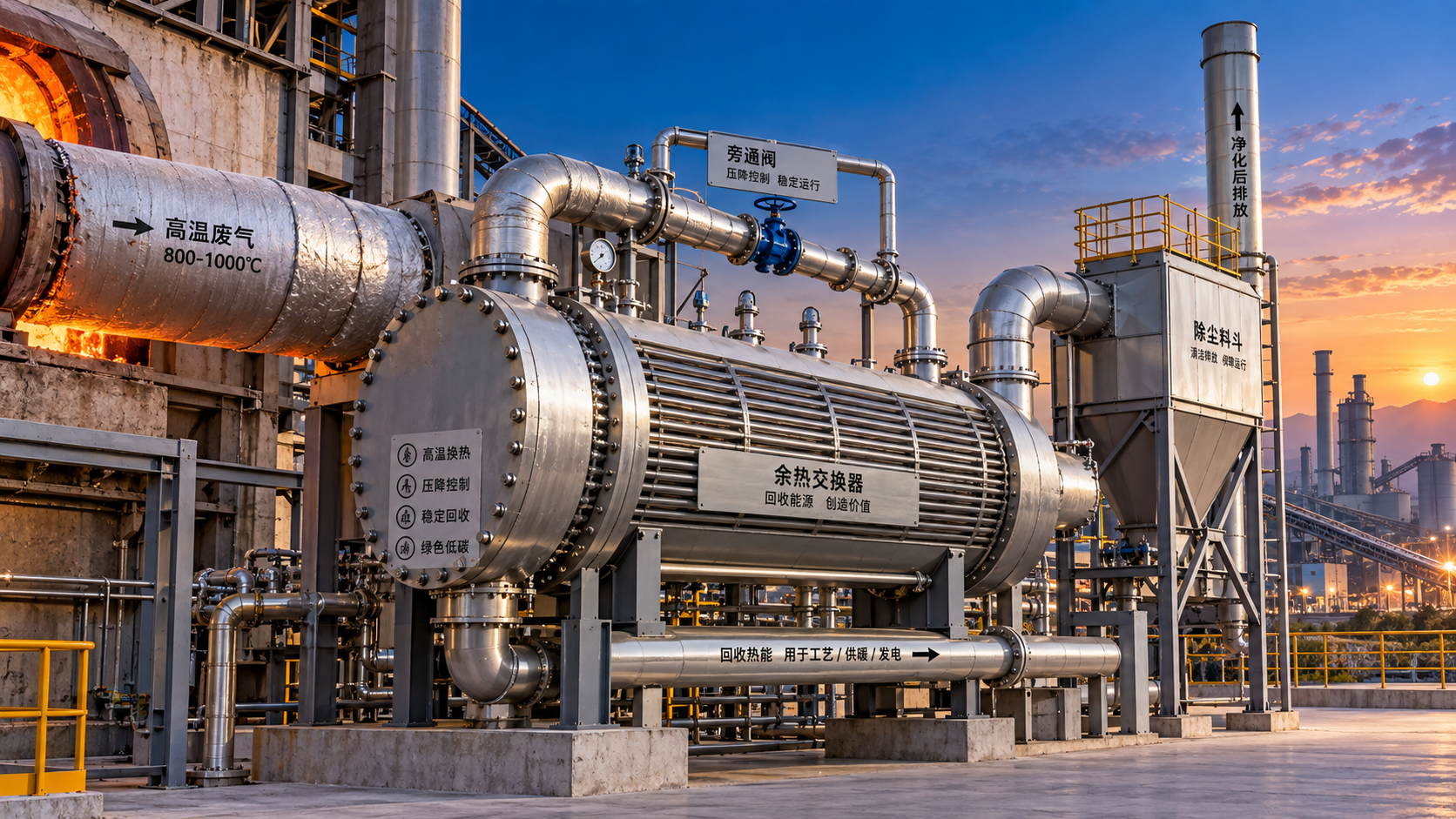
Heat recovery design also matters. Waste heat boilers, preheaters, recuperators, and exhaust optimization can materially improve thermal output stability and plant efficiency.
Lifecycle cost should include refractory replacement, shutdown losses, spare part lead times, maintenance labor, and control system support.
In practice, the cheapest high temperature process equipment often becomes the most expensive once unplanned outages and fuel penalties appear.
A Practical Selection Framework
A useful selection process needs structure. Otherwise, teams compare brochures instead of operating reality.
This framework keeps high temperature process equipment evaluation grounded in performance, risk, and long-term fit.
- Define the real duty profile, including peaks, cycling, fuels, and feed variability.
- Set minimum thermal, material, control, and emissions thresholds.
- Request reference cases with similar process chemistry and operating hours.
- Compare specific energy use per qualified output, not per nominal nameplate.
- Score refractory life assumptions and planned shutdown intervals.
- Review automation depth, spare part strategy, and service response time.
- Model total lifecycle cost under both normal and stressed conditions.
This approach reduces selection bias. It also makes supplier discussions more technical and much less promotional.
Final Decision Signals
The best high temperature process equipment is rarely the unit with the highest claimed temperature or the lowest upfront price.
The stronger choice is the one that keeps thermal output stable when process reality becomes messy, variable, and costly to control.
That means looking closely at heat transfer, refractory behavior, fuel adaptability, sensing quality, emissions performance, and lifecycle economics as one system.
For industrial decision-making, stable thermal output is not a single specification. It is the result of disciplined equipment selection.
Use these parameters as a working checklist during vendor review, technical clarification, and final comparison. The result is a more accurate, lower-risk equipment decision.
Related News
 Material Heat-Resist ExpertHow to Evaluate Refractory Production Lines for Output, Quality, and Energy UseRefractory production lines: learn how to assess qualified output, consistent quality, and total energy use for smarter, lower-risk investment decisions.Sep 25, 2026
 Dr. Alistair VaughnHow Waste Recycling Technology Improves Material Recovery in Industrial PlantsWaste recycling technology improves material recovery through source segregation, smart separation, thermal treatment, and quality control for industrial plants.Sep 24, 2026
 Optical Glass Tech FellowHow to Specify Glass Annealing Equipment for European Quality and Energy RequirementsGlass annealing equipment Europe: learn how to specify lehrs for consistent glass quality, energy efficiency, compliance, automation, and reliable long-term performance.Sep 23, 2026
 Optical Glass Tech FellowSilicate Process Automation: Improving Batch Consistency and Energy ControlSilicate process automation improves batch consistency, energy control, traceability, and operator confidence across high-temperature manufacturing operations.Sep 22, 2026
 Optical Glass Tech FellowHow Silicate Industrial Processes Control Viscosity, Energy Use, and Product QualitySilicate industrial processes: learn how viscosity, chemistry, heat transfer, and atmosphere control reduce energy use, improve stability, and protect product quality.Sep 21, 2026
 Thermal Energy ArchitectHow European Plants Can Evaluate Energy Recovery Equipment for High-Temperature ProcessesIndustrial energy recovery equipment Europe: learn how high-temperature plants can assess waste-heat sources, integration risks, lifecycle value, and reliable recovery routes.Sep 20, 2026
 Thermal Energy ArchitectIndustrial Furnace Process Optimization: Reducing Fuel Use Without Sacrificing ThroughputIndustrial process optimization furnace strategies that cut fuel use while protecting throughput. Explore combustion control, heat recovery, refractory performance, and data-driven efficiency gains.Sep 19, 2026
 Ms. Elena RodriguezWhat Drives High-Pressure Extrusion Equipment Cost in Industrial Projects?High pressure extrusion equipment cost explained: compare pressure, die design, automation, wear, energy, and installation factors for smarter industrial investments.Sep 18, 2026
 Thermal Energy ArchitectHow to Size a Waste Heat Recovery Exchanger for High-Temperature Kiln Exhaust?Waste heat recovery exchanger sizing for high-temperature kiln exhaust: balance recoverable duty, fouling, corrosion limits, pressure drop, and reliable heat use.Sep 17, 2026
 Thermal Energy ArchitectWhy Heat-Resistant Materials Lose Abrasion Resistance at High TemperaturesHeat-resistant materials abrasion resistance can decline at high temperatures. Discover the thermal, chemical, and mechanical causes of wear—and how to choose longer-lasting linings.Sep 16, 2026
 Thermal Energy ArchitectHow to Evaluate a Thermal Energy Optimization Company for High-Temperature PlantsChoose a thermal energy optimization company with proven process expertise, measurable savings, and reliable delivery for high-temperature plants. Learn what to assess.Sep 15, 2026
 Thermal Energy ArchitectRotary Kiln Efficiency: How Feed Rate, Fuel Use, and Heat Loss Affect OutputRotary kiln efficiency explained: discover how feed rate, fuel use, heat loss, combustion, and cooling performance shape output, quality, and energy costs.Sep 14, 2026
 Thermal Energy ArchitectHow to Select Heat-Resistant Materials That Maintain Abrasion Resistance in KilnsHeat-resistant materials abrasion resistance: learn how to select kiln linings that withstand heat, wear, thermal cycling, and chemical attack for longer service life.Sep 13, 2026
 Thermal Energy ArchitectHow Rotary Kiln Automation Improves Temperature Control and Fuel EfficiencyRotary kiln technology automation enhances temperature control, stabilizes combustion, and improves fuel efficiency with smarter data, predictive control, and safer operations.Sep 12, 2026
 Silicate Process EngineerCement Plant Emission Control: Selecting Systems for Dust, NOx, and SO2 LimitsCement plant emission control guide: compare dust collectors, NOx reduction, and SO2 systems for reliable compliance across kiln modes, fuel changes, and operating upsets.Sep 11, 2026
 Thermal Energy ArchitectSelecting Abrasion-Resistant High-Temperature Materials for Kiln and Conveyor Wear ZonesHigh-temp material engineering guide to abrasion-resistant kiln and conveyor solutions—match wear, heat, chemistry, and installation design for longer service life.Sep 10, 2026
 Dr. Alistair VaughnIndustrial Process Engineering: How to Map Processes for Safer, More Efficient PlantsIndustrial process engineering reveals bottlenecks, safety risks, and energy losses through practical process mapping for safer, more efficient plants.Sep 09, 2026
 Optical Glass Tech FellowHow to Evaluate a Glass Annealing Equipment Manufacturer for Production StabilityChoose a glass annealing equipment manufacturer with proven thermal uniformity, reliable controls, lifecycle value, and responsive service for stable production.Sep 08, 2026
 Prof. Marcus ChenThermal Energy Architecture in North America: Strategies for Lower Building Energy UseThermal energy architecture North America helps project leaders cut building energy use through stronger envelopes, right-sized HVAC, storage, and smart commissioning.Sep 07, 2026
 Ms. Elena RodriguezHow Should Buyers Evaluate Building Material Industry Intelligence Pricing?Building material industry intelligence pricing: learn how to compare coverage, technical depth, and ROI to choose intelligence that reduces procurement risk.Sep 07, 2026



Related News
- 00
0000-00
How European Plants Can Evaluate Energy Recovery Equipment for High-Temperature Processes - 00
0000-00
Industrial Furnace Process Optimization: Reducing Fuel Use Without Sacrificing Throughput - 00
0000-00
How to Size a Waste Heat Recovery Exchanger for High-Temperature Kiln Exhaust? - 00
0000-00
Why Heat-Resistant Materials Lose Abrasion Resistance at High Temperatures - 00
0000-00
How to Evaluate a Thermal Energy Optimization Company for High-Temperature Plants
Weekly Insights
Stay ahead with our curated technology reports delivered every Monday.