
Common Failures in High Temperature Process Equipment and How to Prevent Downtime




Common Failures in High Temperature Process Equipment and How to Prevent Downtime
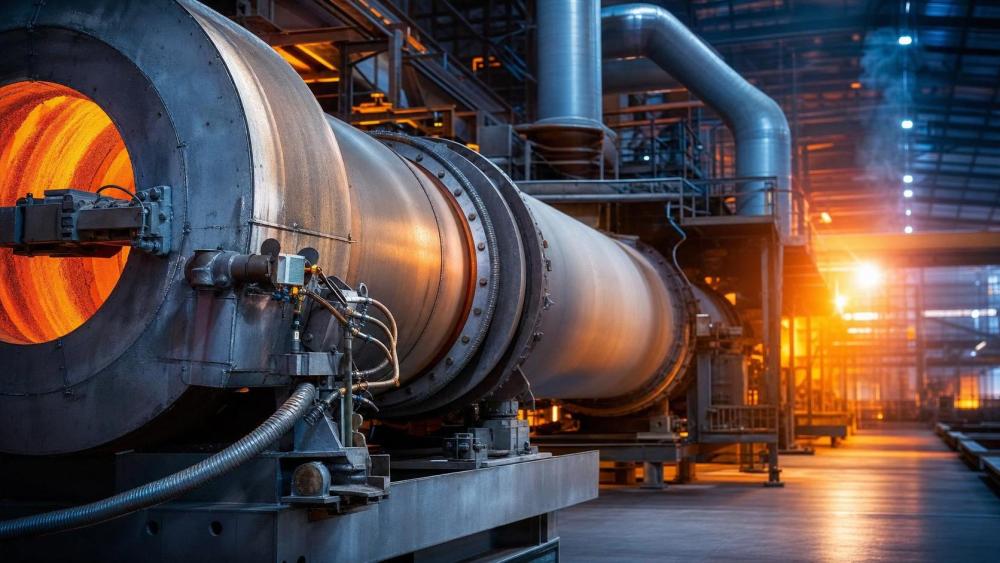
Unexpected failures in high temperature process equipment can stop production faster than most teams expect.
In cement, glass, kiln, incineration, and refractory lines, one weak point often triggers wider thermal imbalance, energy loss, and compliance risk.
That is why failure prevention matters as much as repair speed.
For high temperature process equipment, the real goal is not only fixing damage.
It is keeping thermal stability, process continuity, and predictable maintenance windows.
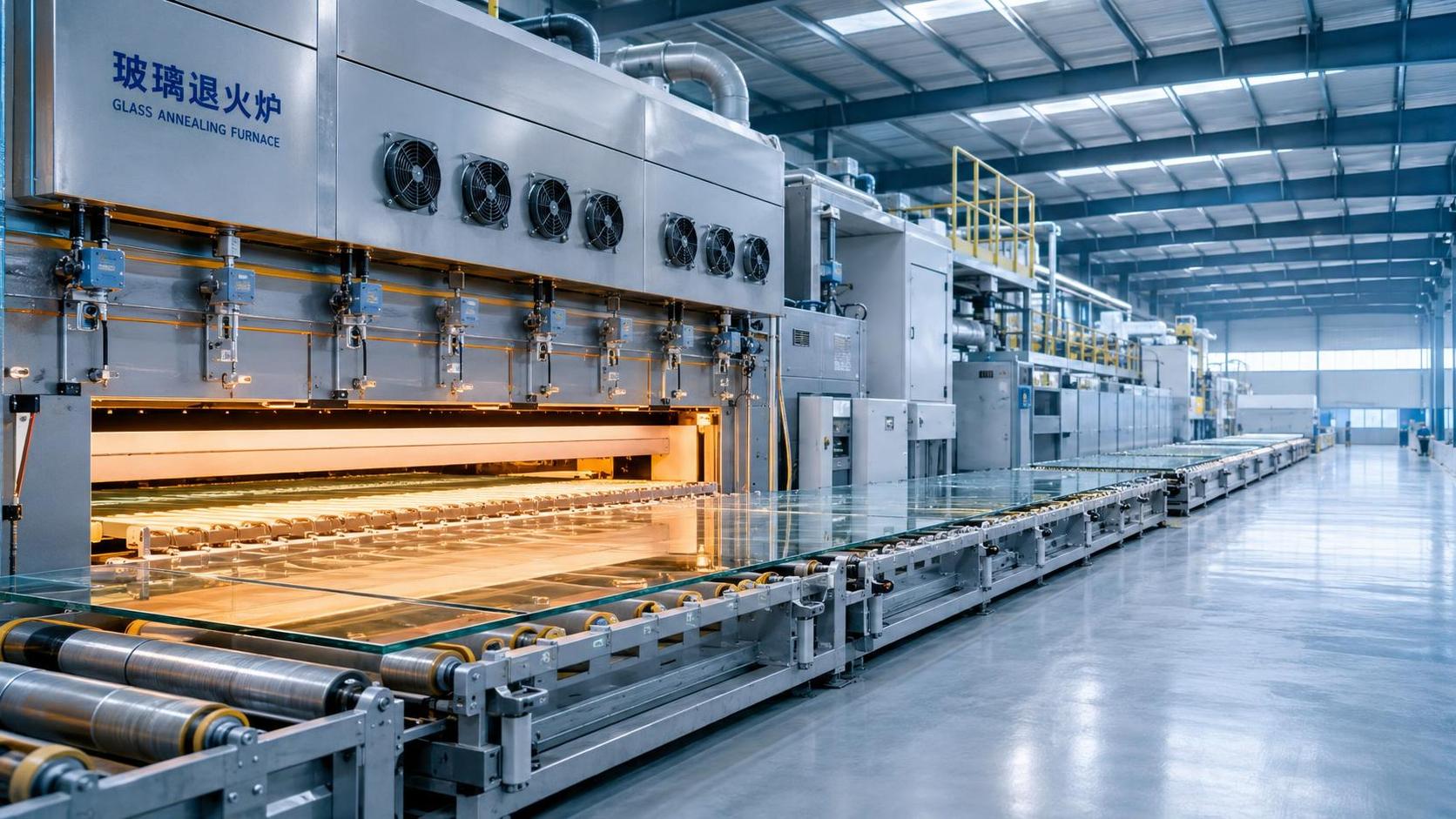
Across global silicate and thermal industries, CF-Elite tracks how equipment failures usually begin long before a shutdown alarm appears.
More often, early signs show up as temperature drift, abnormal vibration, refractory hot spots, air leakage, or unstable product quality.
When these signals are ignored, downtime becomes far more expensive.
Why High Temperature Process Equipment Fails So Often
High temperature process equipment works under extreme mechanical, thermal, and chemical stress every day.
Even well-built systems age quickly when heat cycling, dust, corrosive gas, and load variation happen at the same time.
In actual operations, failures rarely come from one cause alone.
They usually result from overlapping issues that weaken the equipment step by step.
- Poor temperature uniformity inside furnaces, kilns, or heated transfer sections
- Refractory wear caused by chemical attack, abrasion, or thermal shock
- Bearing, seal, and drive damage linked to misalignment or overheating
- Combustion instability from bad fuel-air balance or blocked nozzles
- Sensor drift that hides true conditions in critical high temperature process equipment
From recent operating trends, another clear signal is faster wear under energy-saving retrofits.
Plants often push higher efficiency without fully adjusting maintenance strategy.
This creates new failure patterns that traditional inspection routines may miss.
The Most Common Failure Points
1. Refractory Lining Breakdown
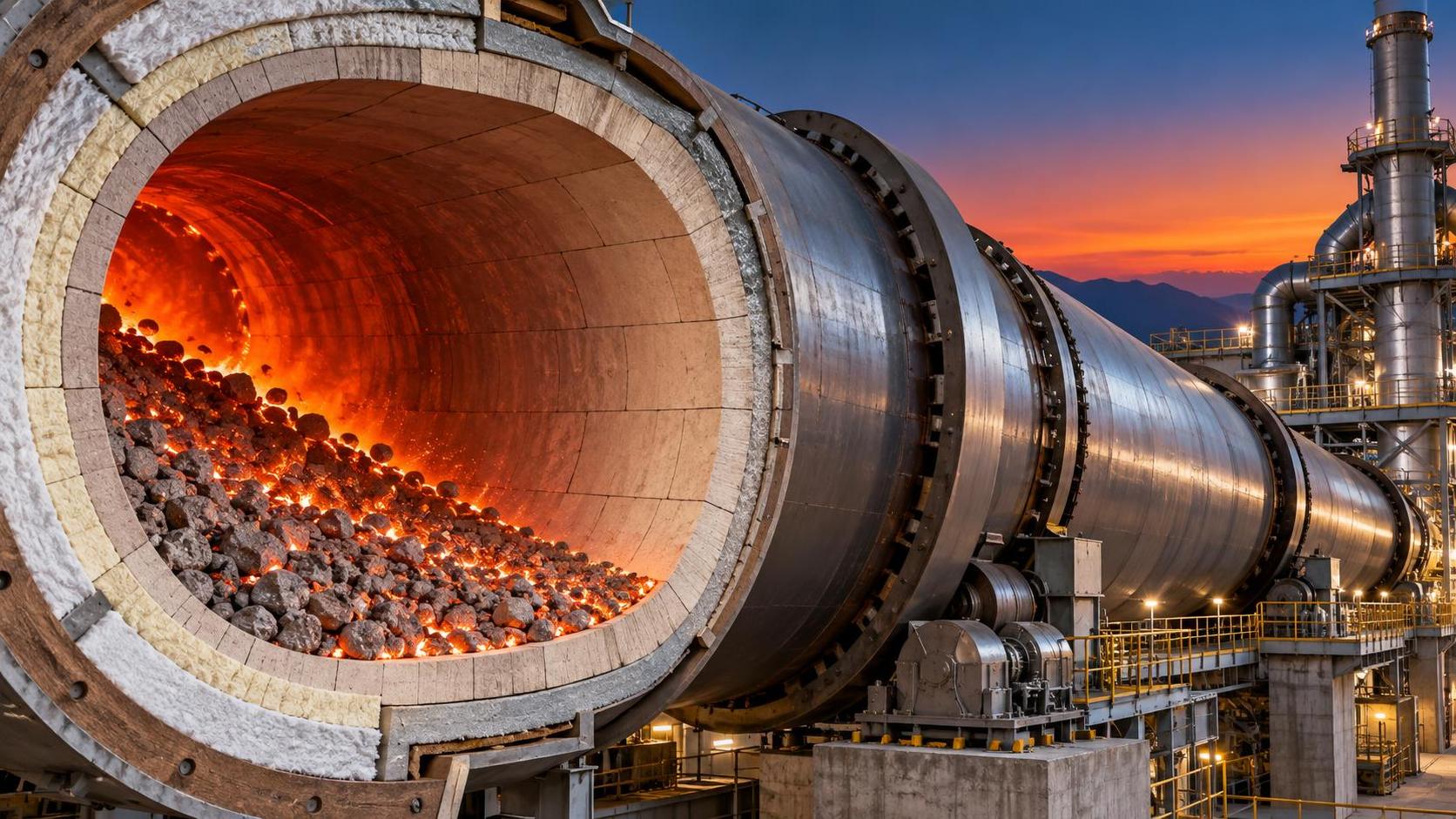
Refractory failure is one of the biggest downtime drivers in high temperature process equipment.
Cracks, spalling, joint opening, and anchor damage can develop slowly, then fail suddenly.
Root causes often include rapid heating, poor dry-out, alkali attack, slag penetration, or uneven flame distribution.
The practical response is regular shell scanning, hot spot mapping, and tighter startup control.
2. Burner and Combustion System Instability
Burner problems often look small at first.
A dirty nozzle, pressure fluctuation, or poor flame shape can upset the whole heat profile.
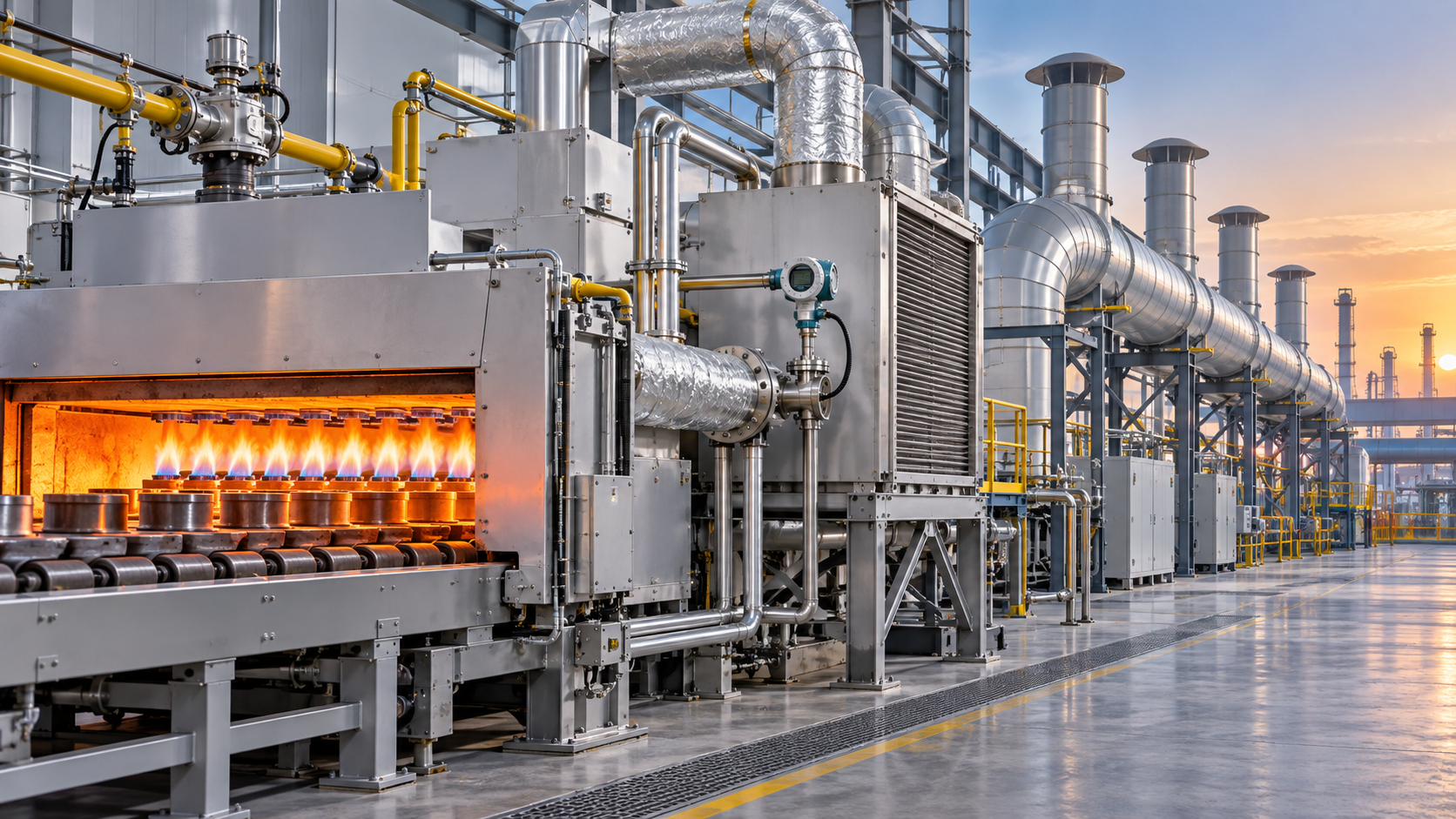
Once combustion becomes unstable, high temperature process equipment may suffer localized overheating, incomplete fuel use, and higher emissions.
Routine nozzle cleaning, combustion tuning, and oxygen trend review reduce this risk sharply.
3. Mechanical Misalignment and Drive Wear
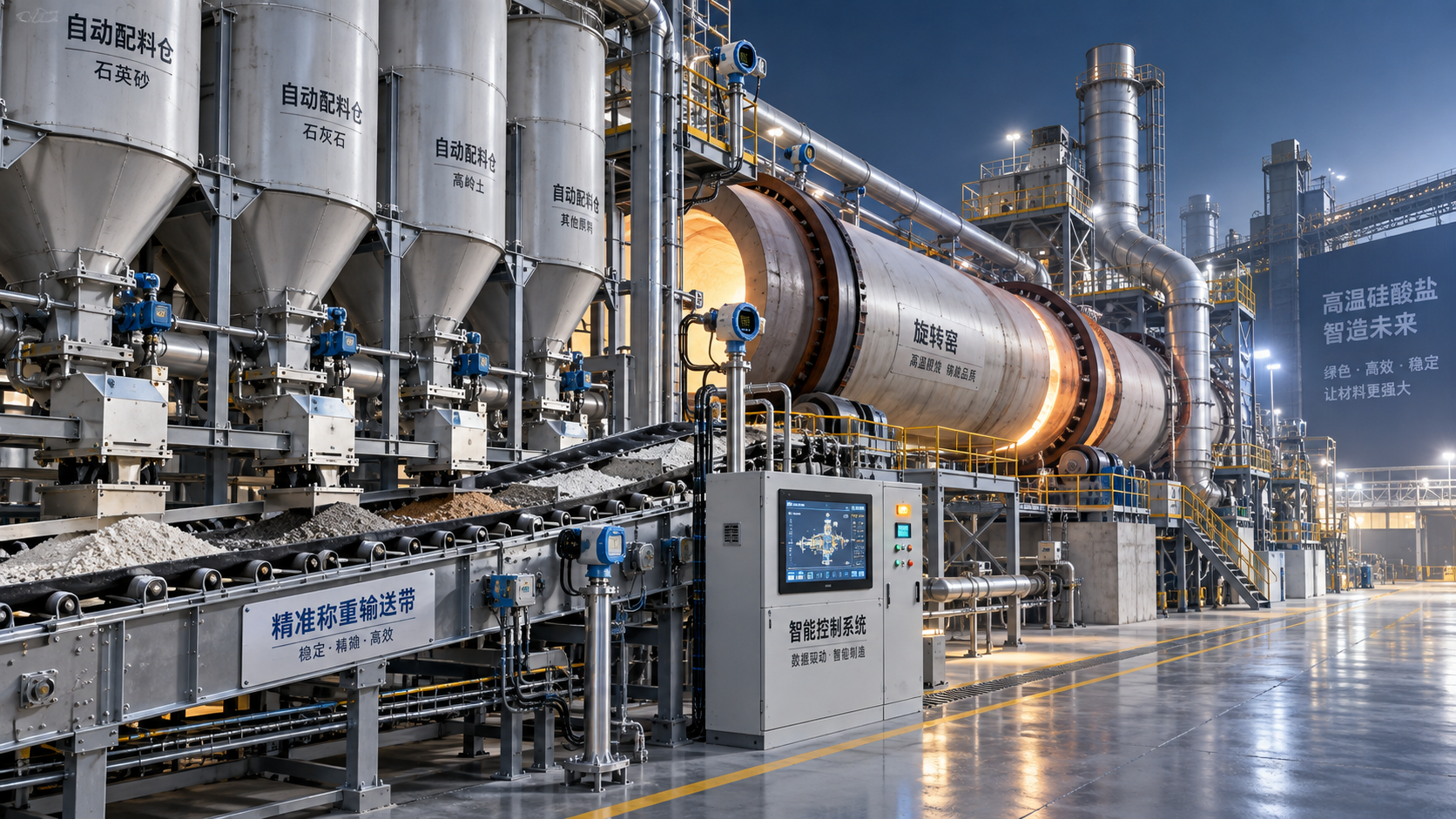
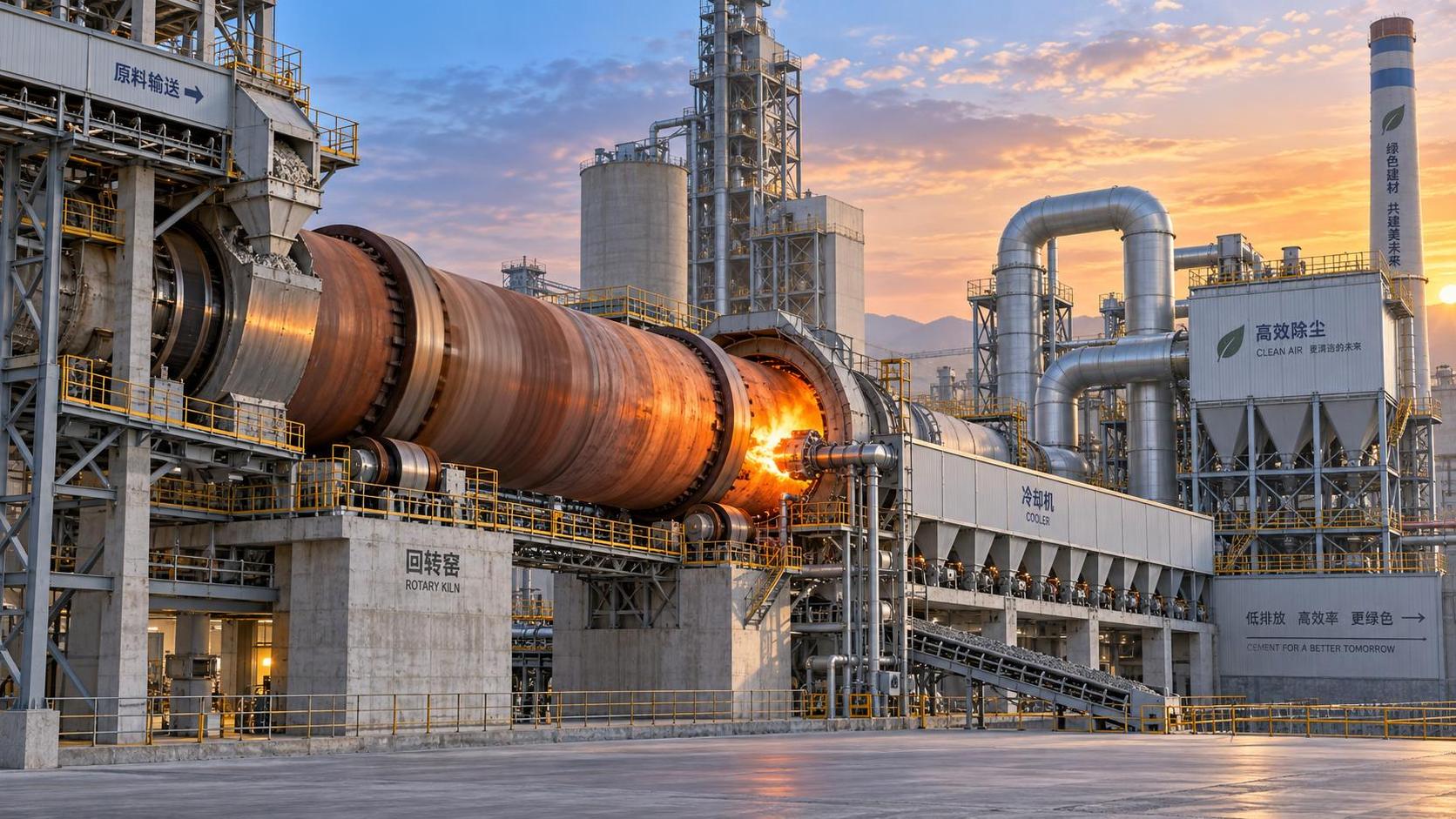
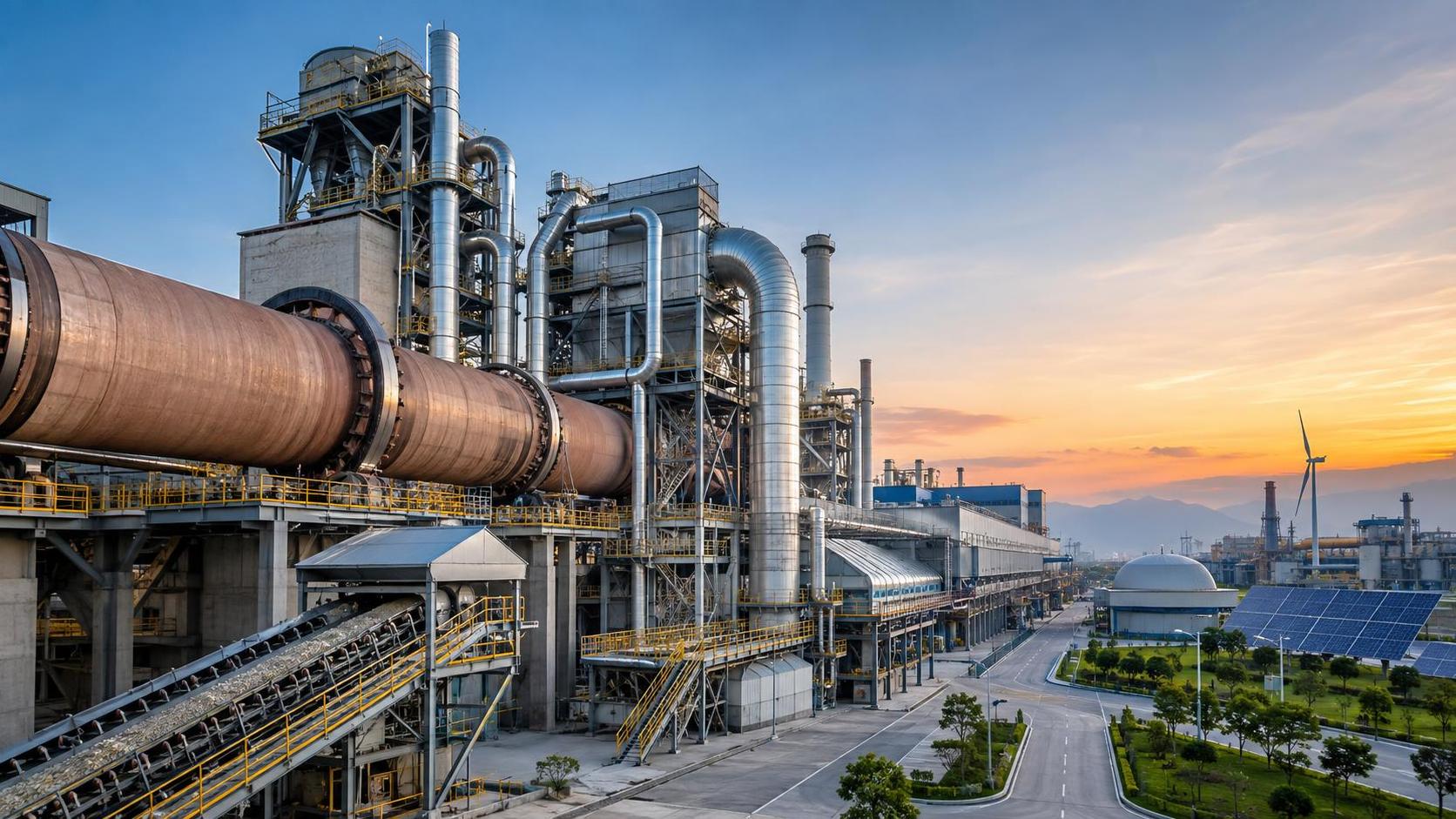
Rotary kilns, rollers, gear sets, and extruder drives fail when heat expansion is not tracked correctly.
Misalignment increases vibration, bearing load, and metal fatigue.
In many cases, lubrication still looks normal while component stress keeps rising.
That is why vibration analysis and hot alignment checks are more useful than visual checks alone.
4. Instrumentation and Sensor Failure
A surprising amount of high temperature process equipment downtime starts with bad data.
Thermocouples drift, pressure transmitters foul, and infrared readings become unreliable when surfaces change.
When measurements are wrong, operators may overcorrect and create a process upset.
Calibration planning should follow operating severity, not just calendar intervals.
5. Air Leakage and Sealing Failure
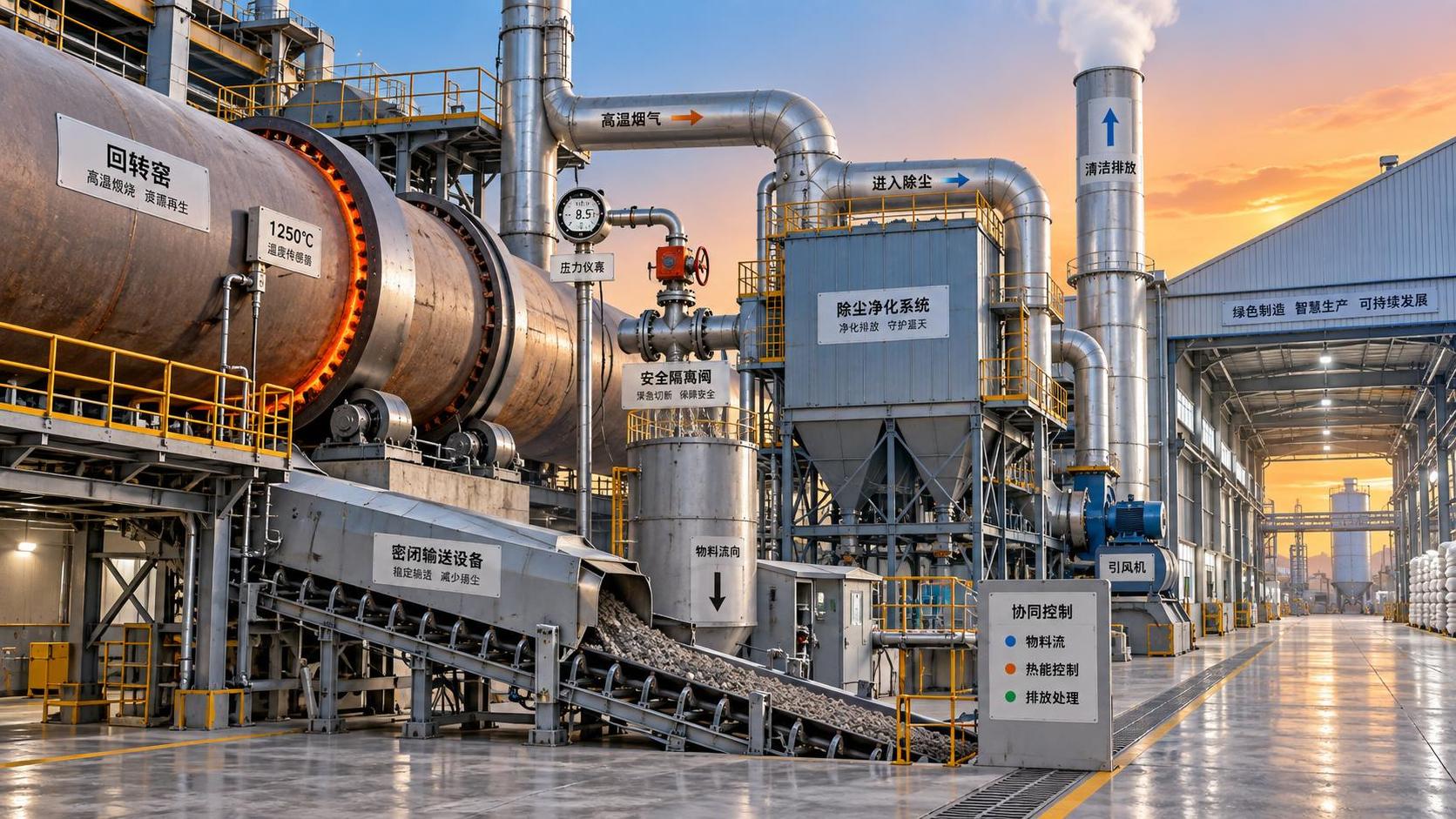
Leaks around kiln seals, access doors, ducts, and expansion joints are easy to underestimate.
But excess false air changes pressure balance, lowers thermal efficiency, and raises fuel consumption.
For high temperature process equipment, leakage also accelerates dust buildup and fan loading.
Simple smoke testing and pressure profiling can reveal losses that routine rounds miss.
How to Prevent Downtime Before It Starts
The best prevention strategy for high temperature process equipment combines condition monitoring with disciplined field routines.
Preventive work is most effective when it targets failure modes, not just component lists.
- Track temperature trends by zone, not only peak temperature values.
- Inspect refractory condition after every upset, fuel switch, or emergency stop.
- Review vibration and motor load together to catch mechanical stress early.
- Verify sensor accuracy after maintenance, cleaning, and process recipe changes.
- Check seal integrity during stable operation and during load transitions.
- Record repeated minor alarms because they often predict larger failures.
In practice, these steps work best when maintenance and process teams share the same failure history.
A repair log without operating context rarely explains why the same damage returns.
A Practical Inspection Framework
To reduce unplanned stops, inspection routines should stay simple enough to repeat and detailed enough to guide action.
This kind of framework makes high temperature process equipment inspections more consistent across shifts and service teams.
Where Better Intelligence Improves Maintenance Results
As equipment becomes more complex, maintenance quality depends more on usable intelligence, not just more data.
That is especially true for high temperature process equipment in long-cycle heavy industry.
CF-Elite follows this area closely across cement production plants, glass manufacturing gear, industrial kilns, incineration systems, refractory lines, and extrusion equipment.
The value is not in generic news alone.
It comes from connecting thermal behavior, material wear, combustion logic, and carbon-reduction pressure into useful operating decisions.
When teams understand those links, they can prioritize the right inspection points and avoid avoidable downtime.
Final Takeaway
Most high temperature process equipment failures do not begin as major breakdowns.
They begin as small thermal, mechanical, sealing, or instrumentation problems that stay unresolved for too long.
The most reliable way to prevent downtime is to catch these early signals, tie them to root causes, and act before process stability drops.
For any operation running high temperature process equipment, better inspection discipline and better intelligence will usually deliver the fastest gains.
Start with the failure points that repeat most often, standardize the response, and turn every shutdown lesson into the next prevention step.
Related News
 Material Heat-Resist ExpertHow to Evaluate Refractory Production Lines for Output, Quality, and Energy UseRefractory production lines: learn how to assess qualified output, consistent quality, and total energy use for smarter, lower-risk investment decisions.Sep 25, 2026
 Dr. Alistair VaughnHow Waste Recycling Technology Improves Material Recovery in Industrial PlantsWaste recycling technology improves material recovery through source segregation, smart separation, thermal treatment, and quality control for industrial plants.Sep 24, 2026
 Optical Glass Tech FellowHow to Specify Glass Annealing Equipment for European Quality and Energy RequirementsGlass annealing equipment Europe: learn how to specify lehrs for consistent glass quality, energy efficiency, compliance, automation, and reliable long-term performance.Sep 23, 2026
 Optical Glass Tech FellowSilicate Process Automation: Improving Batch Consistency and Energy ControlSilicate process automation improves batch consistency, energy control, traceability, and operator confidence across high-temperature manufacturing operations.Sep 22, 2026
 Optical Glass Tech FellowHow Silicate Industrial Processes Control Viscosity, Energy Use, and Product QualitySilicate industrial processes: learn how viscosity, chemistry, heat transfer, and atmosphere control reduce energy use, improve stability, and protect product quality.Sep 21, 2026
 Thermal Energy ArchitectHow European Plants Can Evaluate Energy Recovery Equipment for High-Temperature ProcessesIndustrial energy recovery equipment Europe: learn how high-temperature plants can assess waste-heat sources, integration risks, lifecycle value, and reliable recovery routes.Sep 20, 2026
 Thermal Energy ArchitectIndustrial Furnace Process Optimization: Reducing Fuel Use Without Sacrificing ThroughputIndustrial process optimization furnace strategies that cut fuel use while protecting throughput. Explore combustion control, heat recovery, refractory performance, and data-driven efficiency gains.Sep 19, 2026
 Ms. Elena RodriguezWhat Drives High-Pressure Extrusion Equipment Cost in Industrial Projects?High pressure extrusion equipment cost explained: compare pressure, die design, automation, wear, energy, and installation factors for smarter industrial investments.Sep 18, 2026
 Thermal Energy ArchitectHow to Size a Waste Heat Recovery Exchanger for High-Temperature Kiln Exhaust?Waste heat recovery exchanger sizing for high-temperature kiln exhaust: balance recoverable duty, fouling, corrosion limits, pressure drop, and reliable heat use.Sep 17, 2026
 Thermal Energy ArchitectWhy Heat-Resistant Materials Lose Abrasion Resistance at High TemperaturesHeat-resistant materials abrasion resistance can decline at high temperatures. Discover the thermal, chemical, and mechanical causes of wear—and how to choose longer-lasting linings.Sep 16, 2026
 Thermal Energy ArchitectHow to Evaluate a Thermal Energy Optimization Company for High-Temperature PlantsChoose a thermal energy optimization company with proven process expertise, measurable savings, and reliable delivery for high-temperature plants. Learn what to assess.Sep 15, 2026
 Thermal Energy ArchitectRotary Kiln Efficiency: How Feed Rate, Fuel Use, and Heat Loss Affect OutputRotary kiln efficiency explained: discover how feed rate, fuel use, heat loss, combustion, and cooling performance shape output, quality, and energy costs.Sep 14, 2026
 Thermal Energy ArchitectHow to Select Heat-Resistant Materials That Maintain Abrasion Resistance in KilnsHeat-resistant materials abrasion resistance: learn how to select kiln linings that withstand heat, wear, thermal cycling, and chemical attack for longer service life.Sep 13, 2026
 Thermal Energy ArchitectHow Rotary Kiln Automation Improves Temperature Control and Fuel EfficiencyRotary kiln technology automation enhances temperature control, stabilizes combustion, and improves fuel efficiency with smarter data, predictive control, and safer operations.Sep 12, 2026
 Silicate Process EngineerCement Plant Emission Control: Selecting Systems for Dust, NOx, and SO2 LimitsCement plant emission control guide: compare dust collectors, NOx reduction, and SO2 systems for reliable compliance across kiln modes, fuel changes, and operating upsets.Sep 11, 2026
 Thermal Energy ArchitectSelecting Abrasion-Resistant High-Temperature Materials for Kiln and Conveyor Wear ZonesHigh-temp material engineering guide to abrasion-resistant kiln and conveyor solutions—match wear, heat, chemistry, and installation design for longer service life.Sep 10, 2026
 Dr. Alistair VaughnIndustrial Process Engineering: How to Map Processes for Safer, More Efficient PlantsIndustrial process engineering reveals bottlenecks, safety risks, and energy losses through practical process mapping for safer, more efficient plants.Sep 09, 2026
 Optical Glass Tech FellowHow to Evaluate a Glass Annealing Equipment Manufacturer for Production StabilityChoose a glass annealing equipment manufacturer with proven thermal uniformity, reliable controls, lifecycle value, and responsive service for stable production.Sep 08, 2026
 Prof. Marcus ChenThermal Energy Architecture in North America: Strategies for Lower Building Energy UseThermal energy architecture North America helps project leaders cut building energy use through stronger envelopes, right-sized HVAC, storage, and smart commissioning.Sep 07, 2026
 Ms. Elena RodriguezHow Should Buyers Evaluate Building Material Industry Intelligence Pricing?Building material industry intelligence pricing: learn how to compare coverage, technical depth, and ROI to choose intelligence that reduces procurement risk.Sep 07, 2026


Related News
- 00
0000-00
How European Plants Can Evaluate Energy Recovery Equipment for High-Temperature Processes - 00
0000-00
Industrial Furnace Process Optimization: Reducing Fuel Use Without Sacrificing Throughput - 00
0000-00
How to Size a Waste Heat Recovery Exchanger for High-Temperature Kiln Exhaust? - 00
0000-00
Why Heat-Resistant Materials Lose Abrasion Resistance at High Temperatures - 00
0000-00
How to Evaluate a Thermal Energy Optimization Company for High-Temperature Plants
Weekly Insights
Stay ahead with our curated technology reports delivered every Monday.