
Incineration Equipment for Hazardous Waste: Key System Types and Compliance Factors




Why Hazardous Waste Incineration Demands Closer Attention
Hazardous waste treatment sits at the point where process safety, environmental control, and operating discipline meet.
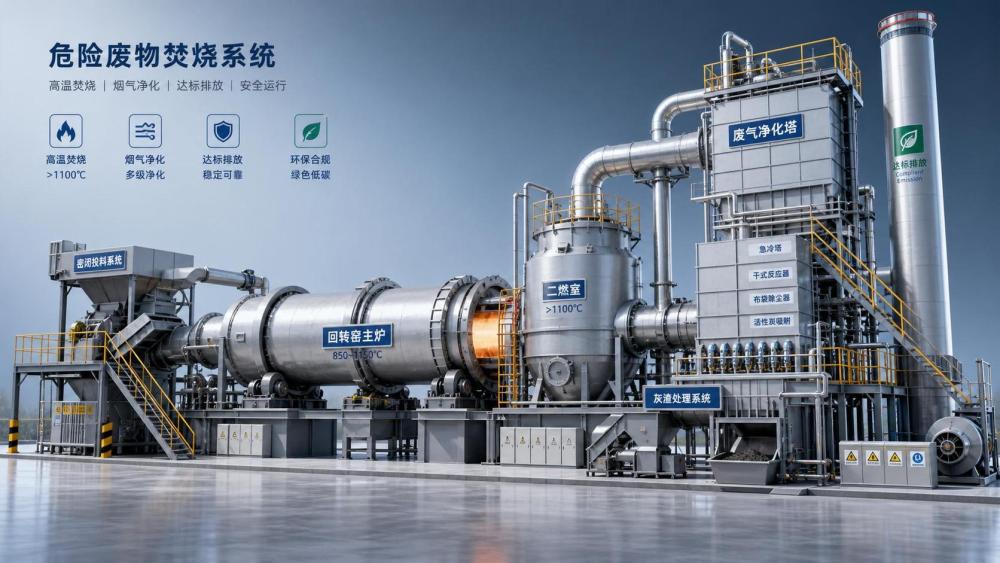
Choosing incineration equipment is therefore not only an engineering decision. It also shapes permitting outcomes, inspection exposure, shutdown risk, and long-term operating credibility.
That pressure is increasing across heavy industry.
Industrial groups now face tighter emission thresholds, stronger traceability expectations, and more scrutiny around ash handling, secondary pollution, and energy use.
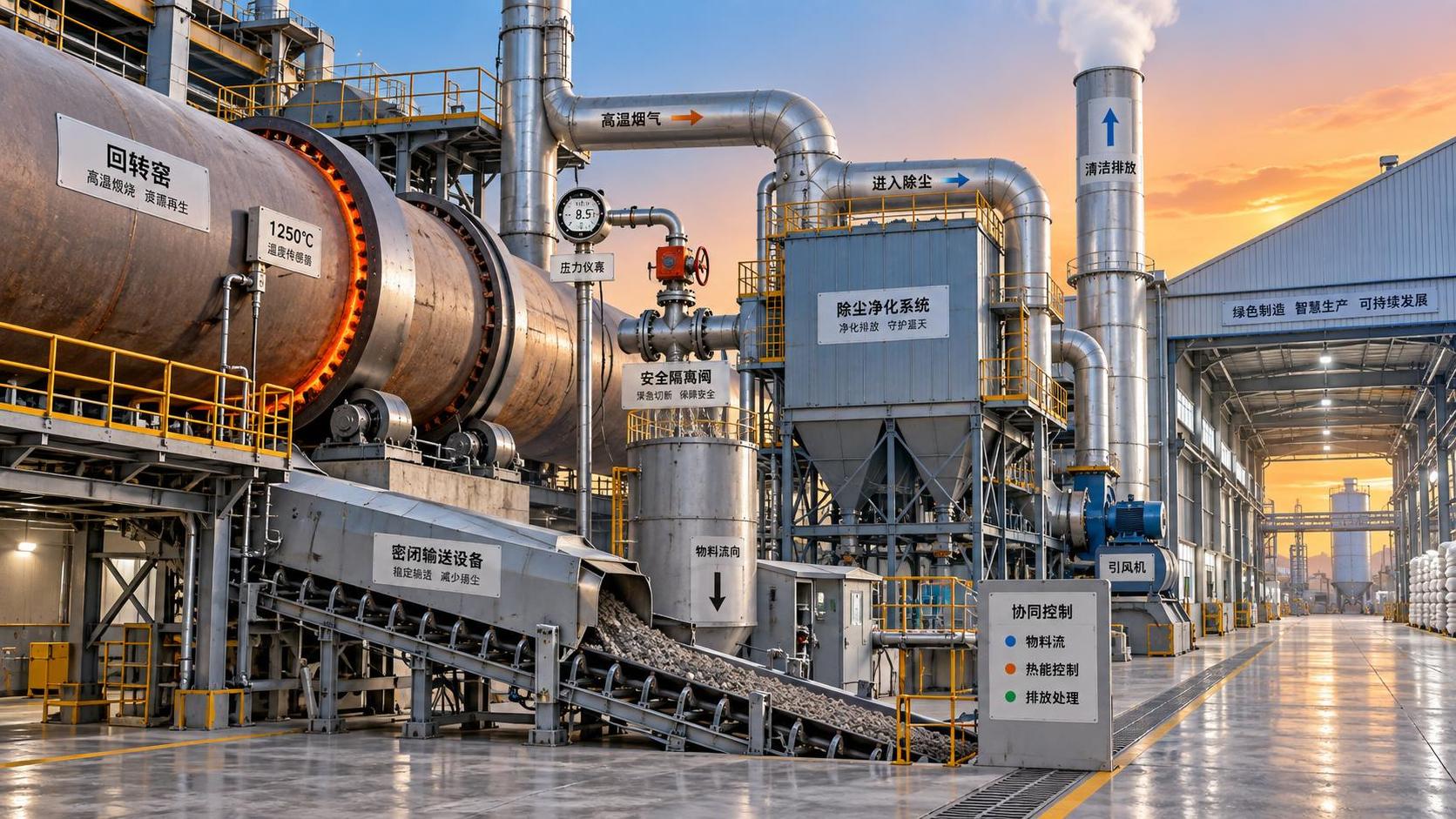
Within this context, incineration equipment for hazardous waste must be read as a complete system, not a stand-alone burner or chamber.
This matters especially in sectors linked to thermal processing, where material chemistry, refractory reliability, and flue gas behavior interact continuously.
That broader systems view is central to CF-Elite’s coverage of industrial kilns, incineration, and high-temperature process intelligence.
From cement lines to refractory production, the same lesson appears repeatedly: stable thermal management supports both compliance and asset life.
What Counts as Incineration Equipment in Practice
In practical terms, incineration equipment includes every subsystem needed to destroy hazardous constituents under controlled conditions.
The core usually starts with waste feeding, primary combustion, secondary combustion, heat recovery where applicable, and flue gas treatment.
Around that core sit the controls that often decide whether a project operates cleanly or struggles with recurring deviations.
- Waste reception and storage systems that prevent mixing errors and uncontrolled reactions.
- Feeding devices matched to solids, sludges, liquids, or containerized waste streams.
- Combustion chambers sized for residence time, turbulence, and destruction efficiency.
- Burners and air supply systems that maintain temperature consistency.
- Air pollution control units for particulates, acid gases, metals, and organics.
- Continuous monitoring and interlock systems for operational assurance.
- Bottom ash, fly ash, and residue handling systems with traceable containment.
A weak point in any of these sections can undermine an otherwise advanced incineration equipment package.
Main System Types and Where They Fit
Not all hazardous waste behaves the same way in thermal treatment.
System selection depends on calorific value, moisture, viscosity, halogen content, metal content, packaging form, and feed variability.
Rotary Kiln Systems
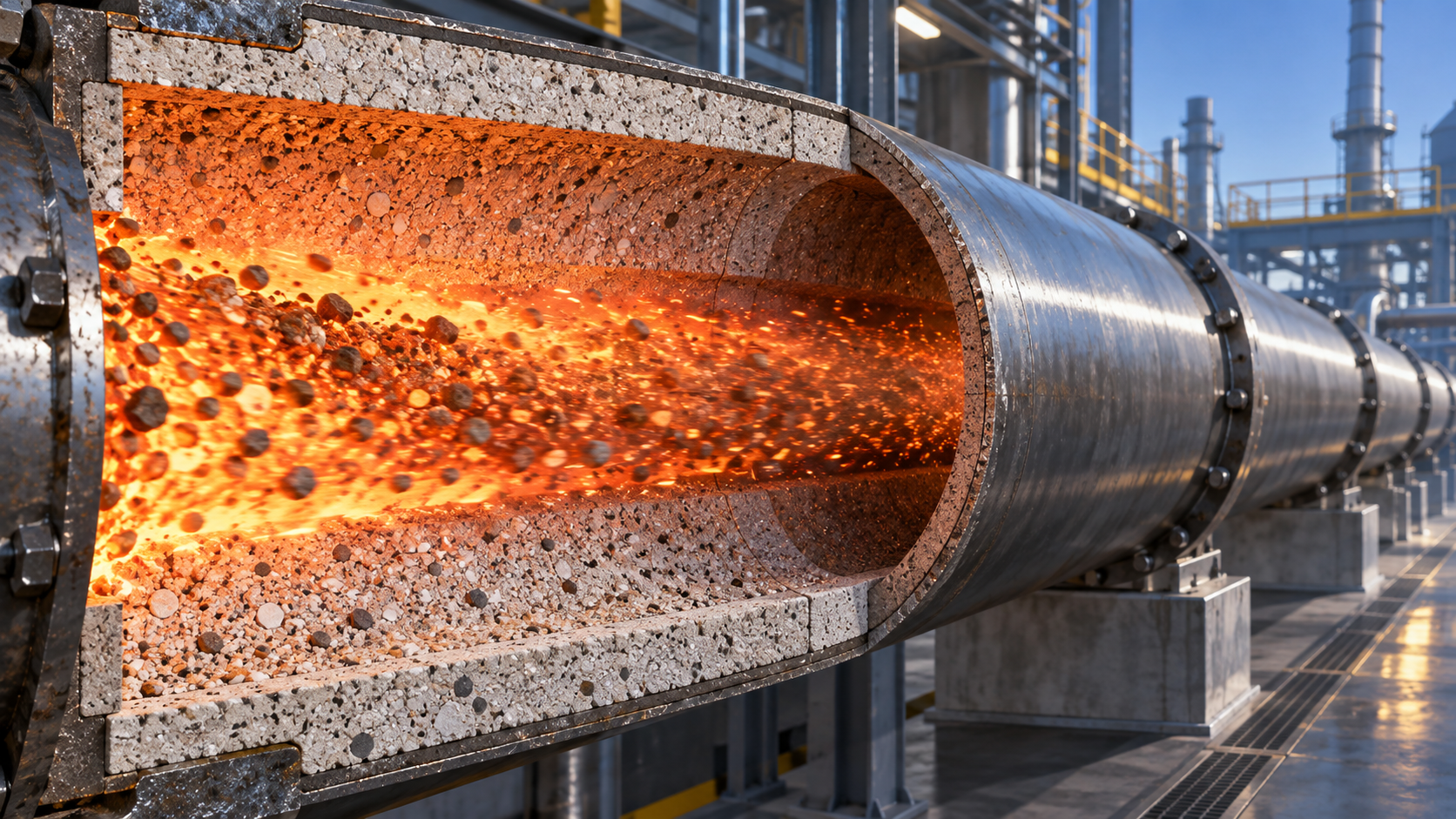
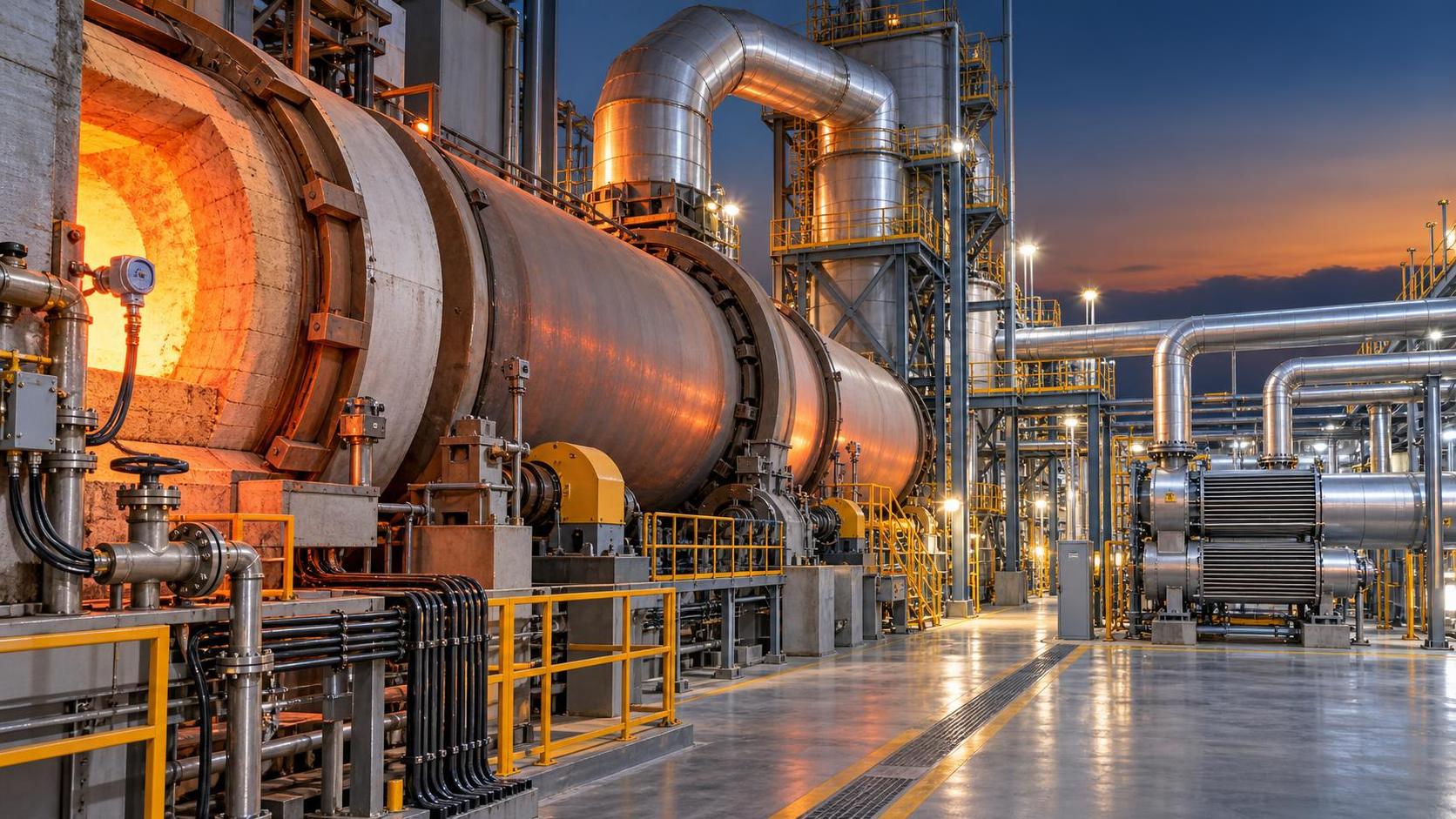
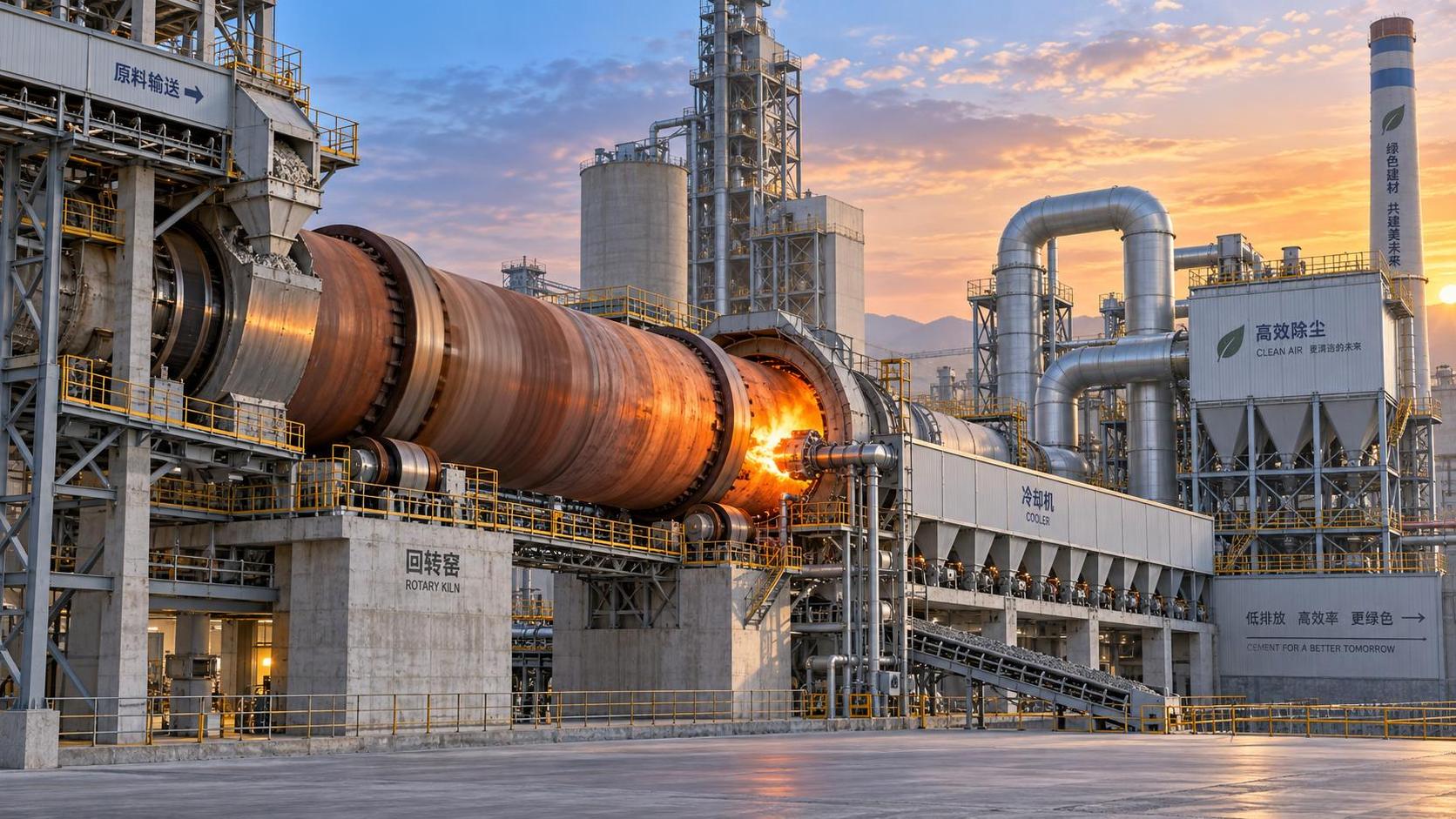
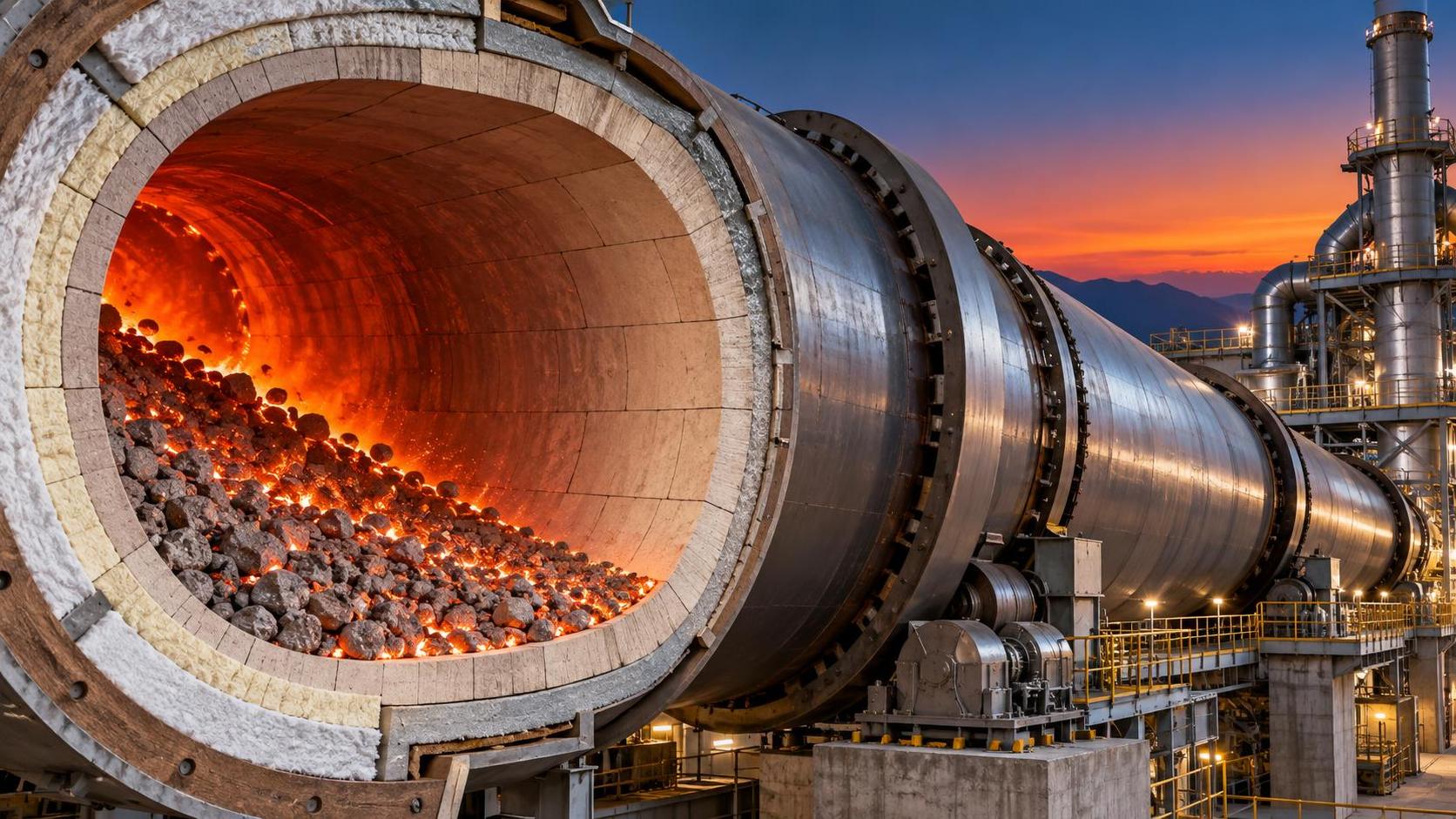
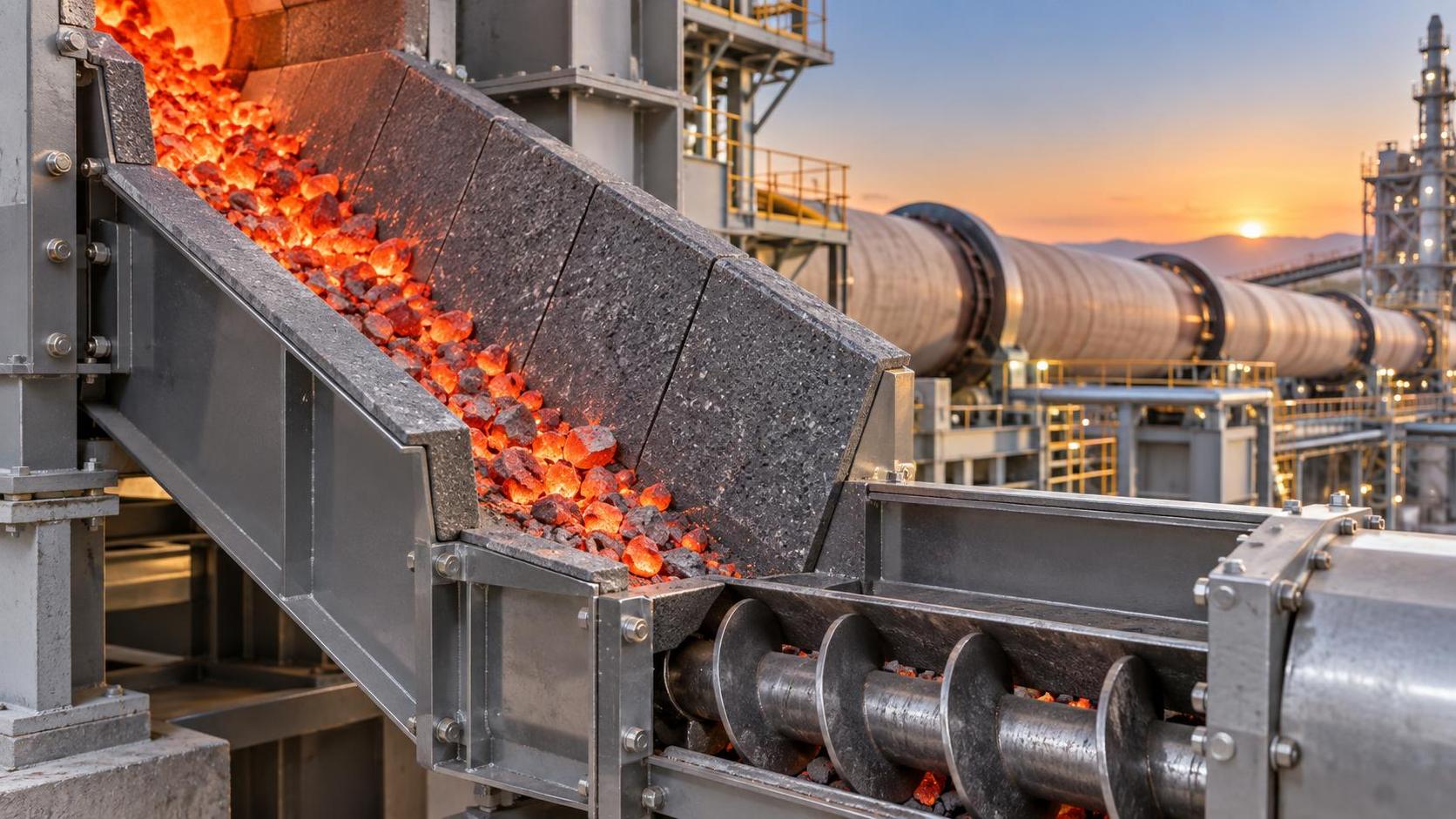
Rotary kiln incineration equipment remains the most widely referenced option for mixed hazardous waste streams.
It handles solids, sludges, pastes, and drums with strong flexibility.
The rotary motion supports mixing and exposure, while a secondary chamber completes oxidation.
Its strength is versatility. Its challenge is higher mechanical complexity and refractory stress.
Liquid Injection Systems
For pumpable liquids and homogeneous solvent waste, liquid injection systems can offer stable combustion and high destruction performance.
They require reliable atomization, consistent viscosity control, and disciplined feed characterization.
These systems are less forgiving when solids or contaminants exceed design assumptions.
Fixed Hearth and Controlled-Air Units
Controlled-air and fixed hearth incineration equipment is often considered for smaller volumes or more defined waste categories.
They can be simpler to run, but feed limitations are more pronounced.
When waste composition shifts frequently, these systems may face temperature swings and incomplete burnout risks.
Fluidized Bed Systems
Fluidized bed units work well when waste is relatively uniform and particle conditions are controlled.
They offer efficient heat transfer and steady temperature profiles.
However, they are usually unsuitable for highly heterogeneous, containerized, or bulky hazardous waste.
Compliance Is Built Into the Process Window
Regulatory performance is rarely secured by the furnace alone.
It is secured by keeping the process within a narrow operating window that supports destruction and emission control together.
Three variables remain fundamental: temperature, residence time, and mixing.
But hazardous waste projects also depend on waste acceptance controls, oxygen management, quench strategy, and gas cleaning compatibility.
Permits and local regulations differ by jurisdiction, yet the practical compliance factors are broadly consistent.
- Verified destruction efficiency for target compounds.
- Controlled emissions for NOx, SOx, HCl, HF, dust, metals, and dioxin-related compounds.
- Continuous emissions monitoring and data retention.
- Interlocks for feed cutoff during temperature or pressure deviation.
- Residue classification and downstream disposal compliance.
- Maintenance records that support audit readiness.
In actual reviews, documentation quality often reveals system maturity as clearly as the hardware itself.
Emission Control Is Part of the Equipment Choice
A hazardous waste line should never be evaluated without its downstream air pollution control train.
That train may include rapid quench, dry or wet scrubbing, bag filters, activated carbon injection, and selective systems for acid gases or nitrogen oxides.
The configuration depends on waste chemistry and local limits.
Chlorinated streams, metal-bearing residues, and unstable organics each push the design in different directions.
This is one reason why incineration equipment benchmarking must include chemical reaction behavior, not only thermal capacity.
CF-Elite’s process perspective is useful here because refractory selection, combustion control, and gas treatment are all linked by temperature management.
Operational Risks That Commonly Get Underestimated
Many project teams focus heavily on nameplate throughput and permit thresholds.
The larger operational risks usually appear elsewhere.
Feed Variability
Unexpected water content, incompatible mixing, or hidden containers can destabilize combustion and overload gas treatment systems.
Refractory Degradation
Thermal shock, slag attack, and corrosive vapors shorten campaign life and create unplanned downtime.
In high-temperature industries, this is rarely a minor maintenance issue.
Instrument Blind Spots
Poor sensor placement or weak calibration routines can mask unstable pressure, oxygen drift, or chamber temperature deviation.
Residue Management
Bottom ash and fly ash can transfer risk downstream if characterization, storage, and disposal routes are not defined early.
How to Assess Incineration Equipment More Rigorously
A better evaluation starts with the waste, not the machine brochure.
Thermal value, viscosity, halogen load, metal content, ash behavior, packaging form, and expected fluctuation should be mapped first.
From there, the equipment review becomes more disciplined.
- Check whether the proposed incineration equipment matches the full waste envelope, not only average conditions.
- Review refractory design, inspection intervals, and replacement strategy.
- Confirm the flue gas system against worst-case chlorine, sulfur, and metal loads.
- Examine startup, upset, and emergency feed cutoff logic.
- Verify data logging, alarm hierarchy, and calibration practice for audit support.
- Assess residue handling with the same seriousness as combustion performance.
Where possible, compare proposals using lifecycle stability rather than only capital cost.
That usually produces a clearer picture of true compliance resilience.
Where the Market Is Moving
The market for incineration equipment is shifting toward tighter integration of controls, monitoring, and energy management.
Digital twins, predictive refractory tracking, and online condition monitoring are becoming more relevant in larger thermal assets.
At the same time, carbon reduction targets are changing how thermal destruction systems are judged.
Projects are now expected to show not only legal compliance, but also stronger heat recovery logic, lower excess air losses, and cleaner integration with plant-wide sustainability goals.
That broader view aligns with CF-Elite’s focus on decarbonization, intelligent operation, and circular resource use across high-temperature industries.
A Practical Next Step
The most useful next move is to build a decision sheet around real waste properties, regulatory thresholds, and operating upset scenarios.
That makes incineration equipment comparisons more objective and exposes weak assumptions early.
For organizations evaluating new capacity or retrofits, the strongest results usually come from linking combustion design, refractory durability, emissions control, and monitoring logic in one review path.
When those factors are assessed together, hazardous waste incineration becomes easier to govern, easier to defend in audits, and far more stable in daily operation.
Related News
 Thermal Energy ArchitectHow to Evaluate a Thermal Engineering Contractor for High-Temperature Plant ProjectsChoose a thermal engineering contractor with proven process expertise, lifecycle value, emissions control, and delivery discipline for reliable high-temperature plant performance.Sep 27, 2026
 Silicate Process EngineerHow Latin American Cement Plants Can Reduce Dust Emissions in Kilns and Transfer PointsCement plant dust control Latin America: reduce kiln and transfer-point emissions with practical airflow, filtration, monitoring, and maintenance strategies.Sep 26, 2026
 Material Heat-Resist ExpertHow to Evaluate Refractory Production Lines for Output, Quality, and Energy UseRefractory production lines: learn how to assess qualified output, consistent quality, and total energy use for smarter, lower-risk investment decisions.Sep 25, 2026
 Dr. Alistair VaughnHow Waste Recycling Technology Improves Material Recovery in Industrial PlantsWaste recycling technology improves material recovery through source segregation, smart separation, thermal treatment, and quality control for industrial plants.Sep 24, 2026
 Optical Glass Tech FellowHow to Specify Glass Annealing Equipment for European Quality and Energy RequirementsGlass annealing equipment Europe: learn how to specify lehrs for consistent glass quality, energy efficiency, compliance, automation, and reliable long-term performance.Sep 23, 2026
 Optical Glass Tech FellowSilicate Process Automation: Improving Batch Consistency and Energy ControlSilicate process automation improves batch consistency, energy control, traceability, and operator confidence across high-temperature manufacturing operations.Sep 22, 2026
 Optical Glass Tech FellowHow Silicate Industrial Processes Control Viscosity, Energy Use, and Product QualitySilicate industrial processes: learn how viscosity, chemistry, heat transfer, and atmosphere control reduce energy use, improve stability, and protect product quality.Sep 21, 2026
 Thermal Energy ArchitectHow European Plants Can Evaluate Energy Recovery Equipment for High-Temperature ProcessesIndustrial energy recovery equipment Europe: learn how high-temperature plants can assess waste-heat sources, integration risks, lifecycle value, and reliable recovery routes.Sep 20, 2026
 Thermal Energy ArchitectIndustrial Furnace Process Optimization: Reducing Fuel Use Without Sacrificing ThroughputIndustrial process optimization furnace strategies that cut fuel use while protecting throughput. Explore combustion control, heat recovery, refractory performance, and data-driven efficiency gains.Sep 19, 2026
 Ms. Elena RodriguezWhat Drives High-Pressure Extrusion Equipment Cost in Industrial Projects?High pressure extrusion equipment cost explained: compare pressure, die design, automation, wear, energy, and installation factors for smarter industrial investments.Sep 18, 2026
 Thermal Energy ArchitectHow to Size a Waste Heat Recovery Exchanger for High-Temperature Kiln Exhaust?Waste heat recovery exchanger sizing for high-temperature kiln exhaust: balance recoverable duty, fouling, corrosion limits, pressure drop, and reliable heat use.Sep 17, 2026
 Thermal Energy ArchitectWhy Heat-Resistant Materials Lose Abrasion Resistance at High TemperaturesHeat-resistant materials abrasion resistance can decline at high temperatures. Discover the thermal, chemical, and mechanical causes of wear—and how to choose longer-lasting linings.Sep 16, 2026
 Thermal Energy ArchitectHow to Evaluate a Thermal Energy Optimization Company for High-Temperature PlantsChoose a thermal energy optimization company with proven process expertise, measurable savings, and reliable delivery for high-temperature plants. Learn what to assess.Sep 15, 2026
 Thermal Energy ArchitectRotary Kiln Efficiency: How Feed Rate, Fuel Use, and Heat Loss Affect OutputRotary kiln efficiency explained: discover how feed rate, fuel use, heat loss, combustion, and cooling performance shape output, quality, and energy costs.Sep 14, 2026
 Thermal Energy ArchitectHow to Select Heat-Resistant Materials That Maintain Abrasion Resistance in KilnsHeat-resistant materials abrasion resistance: learn how to select kiln linings that withstand heat, wear, thermal cycling, and chemical attack for longer service life.Sep 13, 2026
 Thermal Energy ArchitectHow Rotary Kiln Automation Improves Temperature Control and Fuel EfficiencyRotary kiln technology automation enhances temperature control, stabilizes combustion, and improves fuel efficiency with smarter data, predictive control, and safer operations.Sep 12, 2026
 Silicate Process EngineerCement Plant Emission Control: Selecting Systems for Dust, NOx, and SO2 LimitsCement plant emission control guide: compare dust collectors, NOx reduction, and SO2 systems for reliable compliance across kiln modes, fuel changes, and operating upsets.Sep 11, 2026
 Thermal Energy ArchitectSelecting Abrasion-Resistant High-Temperature Materials for Kiln and Conveyor Wear ZonesHigh-temp material engineering guide to abrasion-resistant kiln and conveyor solutions—match wear, heat, chemistry, and installation design for longer service life.Sep 10, 2026
 Dr. Alistair VaughnIndustrial Process Engineering: How to Map Processes for Safer, More Efficient PlantsIndustrial process engineering reveals bottlenecks, safety risks, and energy losses through practical process mapping for safer, more efficient plants.Sep 09, 2026
 Optical Glass Tech FellowHow to Evaluate a Glass Annealing Equipment Manufacturer for Production StabilityChoose a glass annealing equipment manufacturer with proven thermal uniformity, reliable controls, lifecycle value, and responsive service for stable production.Sep 08, 2026


Related News
- 00
0000-00
How to Evaluate a Thermal Engineering Contractor for High-Temperature Plant Projects - 00
0000-00
How European Plants Can Evaluate Energy Recovery Equipment for High-Temperature Processes - 00
0000-00
Industrial Furnace Process Optimization: Reducing Fuel Use Without Sacrificing Throughput - 00
0000-00
How to Size a Waste Heat Recovery Exchanger for High-Temperature Kiln Exhaust? - 00
0000-00
Why Heat-Resistant Materials Lose Abrasion Resistance at High Temperatures
Weekly Insights
Stay ahead with our curated technology reports delivered every Monday.