
Rotary Kiln System Problems: Common Causes of Ring Formation and How to Fix Them




Rotary Kiln System Problems: Common Causes of Ring Formation and How to Fix Them
Ring formation can quietly undermine a rotary kiln system, triggering unstable operation, higher fuel use, and unplanned shutdowns.
Once deposits begin to build, the problem rarely stays local.
Material flow changes, heat transfer shifts, and coating behavior becomes harder to control.
That is why early diagnosis matters in any rotary kiln system.
In practical terms, ring formation is usually a combined process.
Raw mix chemistry, fuel ash, flame shape, draft balance, and mechanical condition all interact.
This article explains the most common causes and the corrective actions that actually help.
Why Ring Formation Starts in a Rotary Kiln System
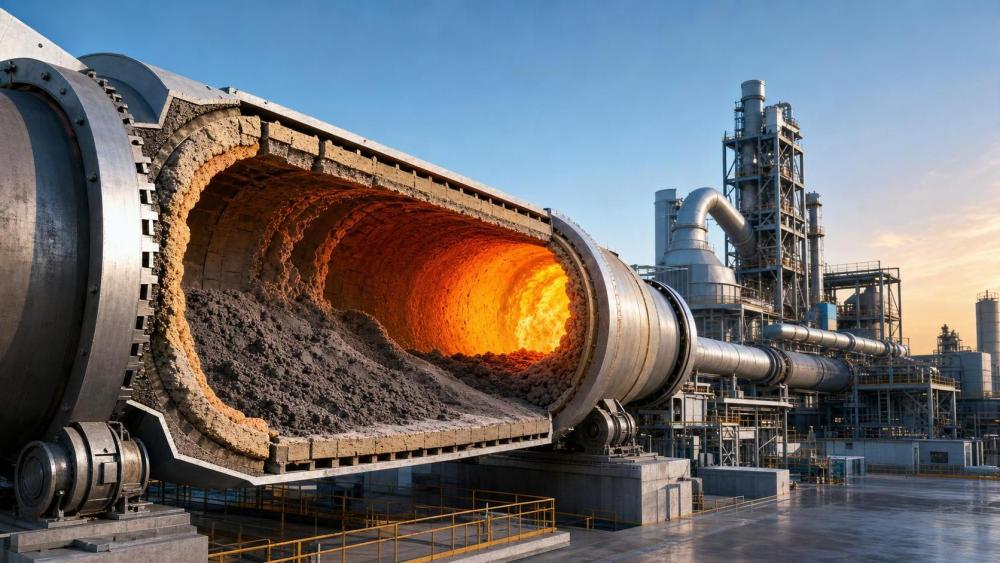
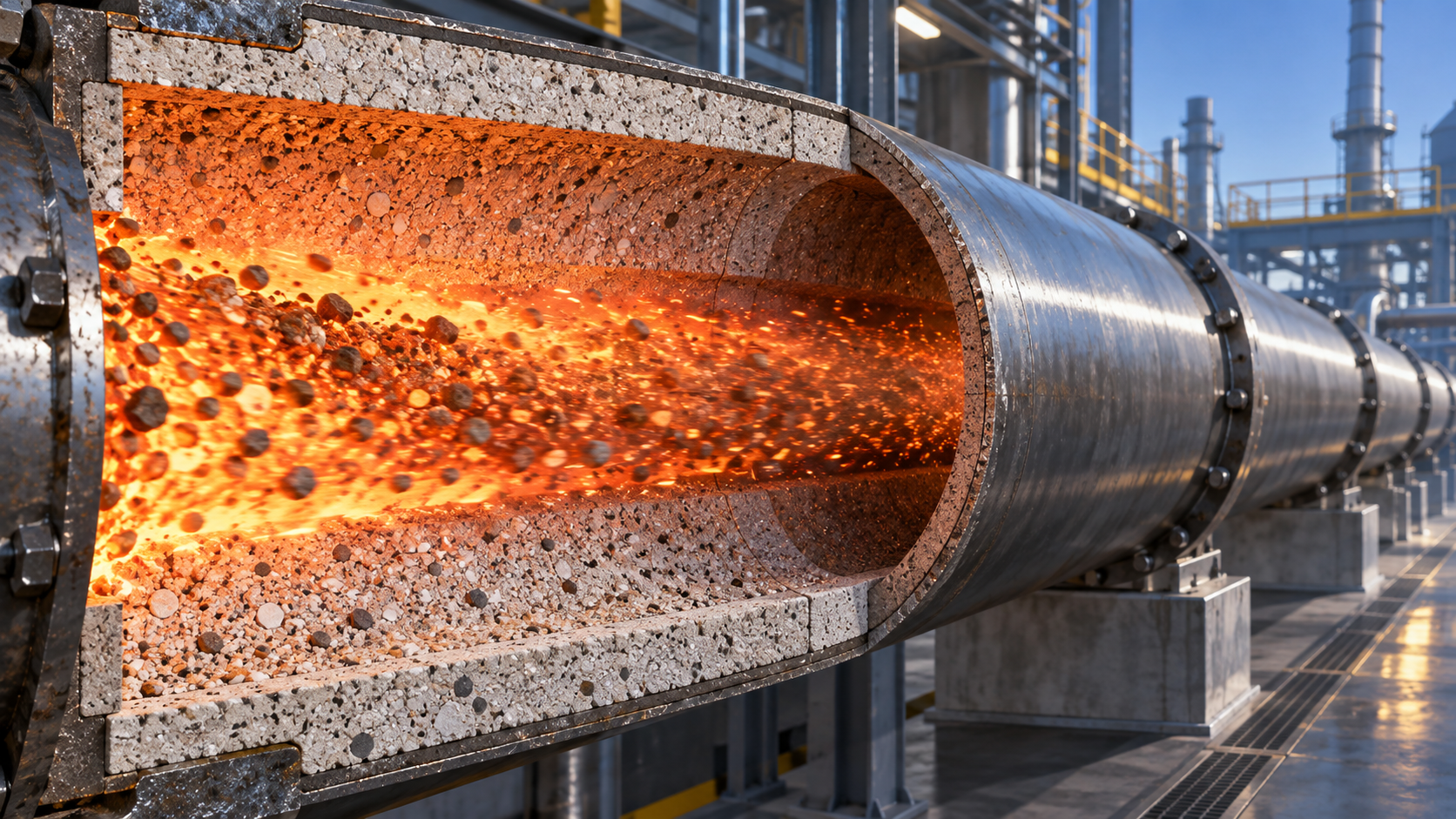
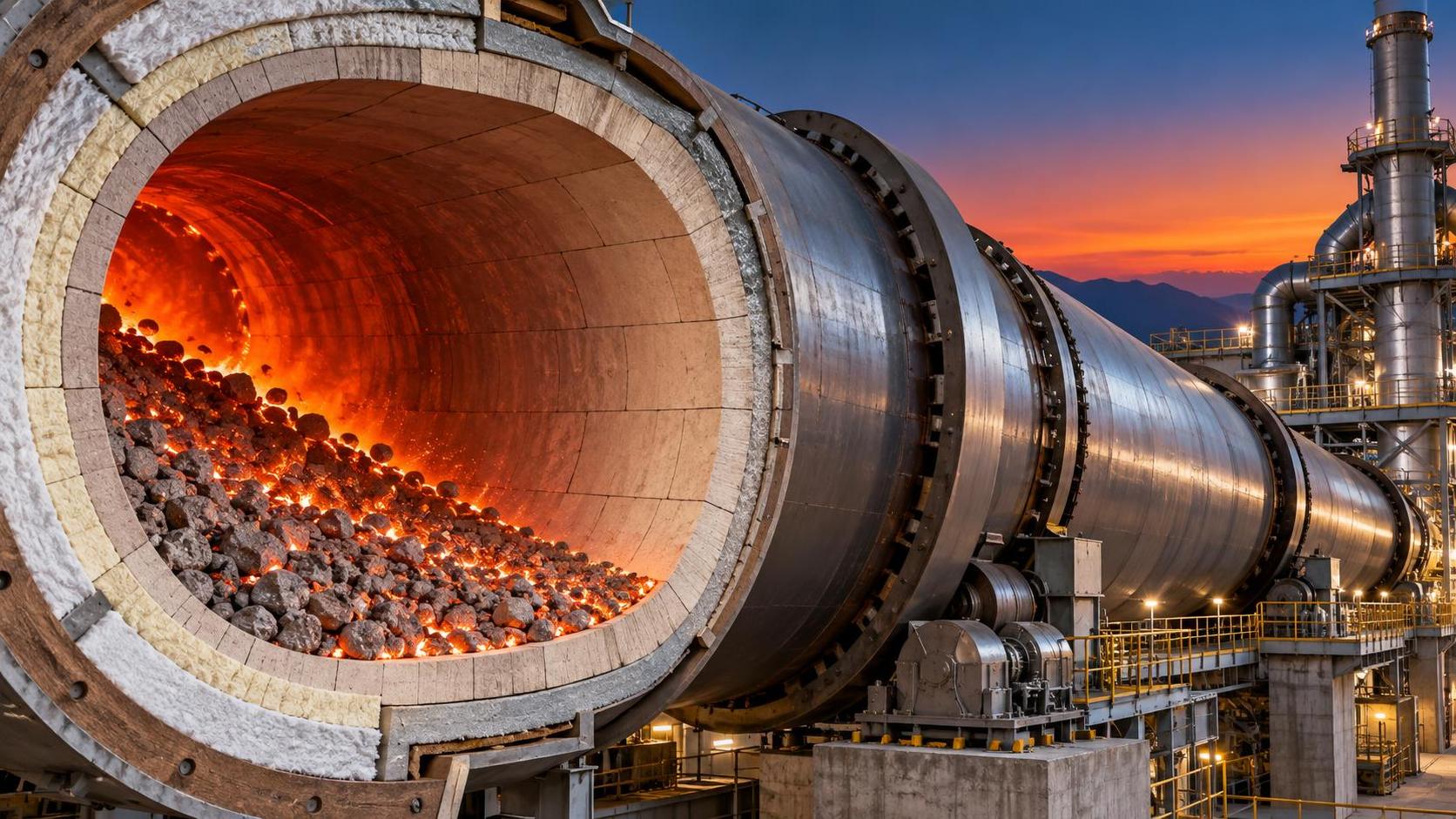
A ring forms when sticky or partially molten material attaches to the kiln wall and keeps growing.
Some buildup is thin and stable.
The real problem begins when deposits become uneven, dense, and hard enough to restrict the cross section.
In a rotary kiln system, this usually happens in transition zones or burning-related sections.
These areas sit between changing temperatures, unstable phases, and shifting gas chemistry.
From recent operating trends, mixed fuels and variable feed quality make this more common.
A modern rotary kiln system runs tighter on energy, but also leaves less room for process drift.
Typical Early Warning Signs
- Rising kiln drive load or unstable current
- Frequent changes in back-end draft
- Drop in production with no obvious feed interruption
- Hot spots shifting position or intensity
- More dust circulation and erratic coating behavior
- Harder burner adjustment to maintain a steady flame
These signals do not prove ring formation alone.
Still, taken together, they often point to developing restrictions inside the rotary kiln system.
Common Causes Behind Ring Formation
The most effective response starts with cause separation.
Not every ring in a rotary kiln system comes from the same source.
1. Raw Material Chemistry Drift
High alkali, sulfur, chloride, or fine silica can increase sticky phases.
If liquid phase develops too early, particles bond before they should.
That creates ideal conditions for buildup in the rotary kiln system.
2. Inconsistent Fuel and Ash Composition
Alternative fuels often improve cost and carbon performance.
But variable ash chemistry can shift melting behavior inside the kiln.
High-alkali ash or incomplete burnout may feed deposit growth.
3. Flame Shape and Heat Profile Problems
A short, harsh flame can overheat one zone and leave another underprocessed.
A lazy flame may reduce proper sintering while encouraging sticky deposits.
Either case destabilizes the rotary kiln system.
4. Poor Draft and Gas Flow Balance
When oxygen distribution and negative pressure are not stable, volatile compounds recirculate more aggressively.
This internal cycle often concentrates alkalis and sulfur in critical zones.
That is a classic trigger for ring formation.
5. Mechanical and Refractory Issues
Kiln ovality, misalignment, refractory wear, or damaged brick profile can change coating adhesion.
Once surface conditions change, buildup can anchor faster.
This is often missed because the first symptoms look purely chemical.
How to Diagnose the Problem Before It Grows
Good troubleshooting in a rotary kiln system depends on combining process data with field observation.
Looking at one reading alone usually leads to the wrong fix.
Check These Data Points Together
- Feed chemistry trends over the last several shifts
- Fuel mix changes, ash content, and moisture
- Burner momentum, flame length, and secondary air condition
- Kiln inlet oxygen, CO spikes, and draft fluctuations
- Shell scanner patterns and coating stability records
- Drive load, vibration, and kiln axial movement
A clear diagnosis often comes from timing.
If ring symptoms appear right after fuel substitution, the fuel is a strong suspect.
If symptoms build gradually across several campaigns, refractory or alignment issues deserve closer attention.
Quick Diagnostic Table
Practical Fixes That Work in Daily Operation
Once ring formation is confirmed, the response should be controlled and staged.
Large swings usually make a rotary kiln system harder to stabilize.
Short-Term Corrective Actions
- Tighten feed consistency and reduce sudden chemistry variation
- Adjust flame shape to avoid local overheating
- Stabilize draft to limit volatile recirculation
- Review alternative fuel ratio during active buildup
- Use controlled operational cleaning only within plant safety practice
The key is to remove the growth conditions, not only attack the deposit itself.
That approach gives the rotary kiln system a better chance to recover without another buildup cycle.
Medium-Term Process Improvements
- Set tighter acceptance limits for raw meal and fuel ash
- Trend alkali, sulfur, and chloride circulation continuously
- Improve burner tuning routines by shift and fuel mode
- Inspect refractory profile before damage becomes structural
- Link shell temperature trends with process alarms
This is where process intelligence becomes valuable.
For plants using a data-driven rotary kiln system strategy, trend correlation often reveals the root cause faster than isolated inspections.
How to Prevent Ring Formation from Returning
Prevention is less about one perfect setting and more about operating discipline.
A stable rotary kiln system depends on repeatable inputs and fast response to deviation.
Build a Practical Prevention Routine
- Review chemistry control limits every week
- Compare fuel batches before ratio changes
- Record ring-related signals in one shared log
- Use shell scan and draft data as leading indicators
- Inspect refractory and alignment during planned stops
- Update operating windows after each major event
More importantly, make sure the lessons stay in the process, not only in individual experience.
That lowers risk when shifts change or raw materials become less predictable.
In the end, ring formation is manageable when a rotary kiln system is watched as one connected process.
Early signals, balanced combustion, controlled chemistry, and timely inspection usually make the difference.
When those basics stay consistent, throughput, thermal efficiency, and lining life are much easier to protect.
Related News
 Silicate Process EngineerHow Latin American Cement Plants Can Reduce Dust Emissions in Kilns and Transfer PointsCement plant dust control Latin America: reduce kiln and transfer-point emissions with practical airflow, filtration, monitoring, and maintenance strategies.Sep 26, 2026
 Material Heat-Resist ExpertHow to Evaluate Refractory Production Lines for Output, Quality, and Energy UseRefractory production lines: learn how to assess qualified output, consistent quality, and total energy use for smarter, lower-risk investment decisions.Sep 25, 2026
 Dr. Alistair VaughnHow Waste Recycling Technology Improves Material Recovery in Industrial PlantsWaste recycling technology improves material recovery through source segregation, smart separation, thermal treatment, and quality control for industrial plants.Sep 24, 2026
 Optical Glass Tech FellowHow to Specify Glass Annealing Equipment for European Quality and Energy RequirementsGlass annealing equipment Europe: learn how to specify lehrs for consistent glass quality, energy efficiency, compliance, automation, and reliable long-term performance.Sep 23, 2026
 Optical Glass Tech FellowSilicate Process Automation: Improving Batch Consistency and Energy ControlSilicate process automation improves batch consistency, energy control, traceability, and operator confidence across high-temperature manufacturing operations.Sep 22, 2026
 Optical Glass Tech FellowHow Silicate Industrial Processes Control Viscosity, Energy Use, and Product QualitySilicate industrial processes: learn how viscosity, chemistry, heat transfer, and atmosphere control reduce energy use, improve stability, and protect product quality.Sep 21, 2026
 Thermal Energy ArchitectHow European Plants Can Evaluate Energy Recovery Equipment for High-Temperature ProcessesIndustrial energy recovery equipment Europe: learn how high-temperature plants can assess waste-heat sources, integration risks, lifecycle value, and reliable recovery routes.Sep 20, 2026
 Thermal Energy ArchitectIndustrial Furnace Process Optimization: Reducing Fuel Use Without Sacrificing ThroughputIndustrial process optimization furnace strategies that cut fuel use while protecting throughput. Explore combustion control, heat recovery, refractory performance, and data-driven efficiency gains.Sep 19, 2026
 Ms. Elena RodriguezWhat Drives High-Pressure Extrusion Equipment Cost in Industrial Projects?High pressure extrusion equipment cost explained: compare pressure, die design, automation, wear, energy, and installation factors for smarter industrial investments.Sep 18, 2026
 Thermal Energy ArchitectHow to Size a Waste Heat Recovery Exchanger for High-Temperature Kiln Exhaust?Waste heat recovery exchanger sizing for high-temperature kiln exhaust: balance recoverable duty, fouling, corrosion limits, pressure drop, and reliable heat use.Sep 17, 2026
 Thermal Energy ArchitectWhy Heat-Resistant Materials Lose Abrasion Resistance at High TemperaturesHeat-resistant materials abrasion resistance can decline at high temperatures. Discover the thermal, chemical, and mechanical causes of wear—and how to choose longer-lasting linings.Sep 16, 2026
 Thermal Energy ArchitectHow to Evaluate a Thermal Energy Optimization Company for High-Temperature PlantsChoose a thermal energy optimization company with proven process expertise, measurable savings, and reliable delivery for high-temperature plants. Learn what to assess.Sep 15, 2026
 Thermal Energy ArchitectRotary Kiln Efficiency: How Feed Rate, Fuel Use, and Heat Loss Affect OutputRotary kiln efficiency explained: discover how feed rate, fuel use, heat loss, combustion, and cooling performance shape output, quality, and energy costs.Sep 14, 2026
 Thermal Energy ArchitectHow to Select Heat-Resistant Materials That Maintain Abrasion Resistance in KilnsHeat-resistant materials abrasion resistance: learn how to select kiln linings that withstand heat, wear, thermal cycling, and chemical attack for longer service life.Sep 13, 2026
 Thermal Energy ArchitectHow Rotary Kiln Automation Improves Temperature Control and Fuel EfficiencyRotary kiln technology automation enhances temperature control, stabilizes combustion, and improves fuel efficiency with smarter data, predictive control, and safer operations.Sep 12, 2026
 Silicate Process EngineerCement Plant Emission Control: Selecting Systems for Dust, NOx, and SO2 LimitsCement plant emission control guide: compare dust collectors, NOx reduction, and SO2 systems for reliable compliance across kiln modes, fuel changes, and operating upsets.Sep 11, 2026
 Thermal Energy ArchitectSelecting Abrasion-Resistant High-Temperature Materials for Kiln and Conveyor Wear ZonesHigh-temp material engineering guide to abrasion-resistant kiln and conveyor solutions—match wear, heat, chemistry, and installation design for longer service life.Sep 10, 2026
 Dr. Alistair VaughnIndustrial Process Engineering: How to Map Processes for Safer, More Efficient PlantsIndustrial process engineering reveals bottlenecks, safety risks, and energy losses through practical process mapping for safer, more efficient plants.Sep 09, 2026
 Optical Glass Tech FellowHow to Evaluate a Glass Annealing Equipment Manufacturer for Production StabilityChoose a glass annealing equipment manufacturer with proven thermal uniformity, reliable controls, lifecycle value, and responsive service for stable production.Sep 08, 2026
 Prof. Marcus ChenThermal Energy Architecture in North America: Strategies for Lower Building Energy UseThermal energy architecture North America helps project leaders cut building energy use through stronger envelopes, right-sized HVAC, storage, and smart commissioning.Sep 07, 2026



Related News
- 00
0000-00
How European Plants Can Evaluate Energy Recovery Equipment for High-Temperature Processes - 00
0000-00
Industrial Furnace Process Optimization: Reducing Fuel Use Without Sacrificing Throughput - 00
0000-00
How to Size a Waste Heat Recovery Exchanger for High-Temperature Kiln Exhaust? - 00
0000-00
Why Heat-Resistant Materials Lose Abrasion Resistance at High Temperatures - 00
0000-00
How to Evaluate a Thermal Energy Optimization Company for High-Temperature Plants
Weekly Insights
Stay ahead with our curated technology reports delivered every Monday.