
Silicate Industrial Solutions for High-Heat Processing: Key Material Options and Selection Factors




High-heat processing rarely fails because of a single dramatic event. More often, losses begin with small material mismatches that slowly reduce insulation value, distort thermal profiles, invite chemical attack, and shorten maintenance cycles. That is why silicate industrial solutions remain central to process design across kilns, incineration systems, glass lines, refractory production, and extrusion equipment. In practical terms, the right selection influences uptime, fuel use, emissions control, lining life, and the stability of downstream quality.
Across these sectors, silicate materials sit at the intersection of heat management and process chemistry. They are not simply passive barriers. They affect how heat moves, how surfaces react, how dust or slag accumulates, and how quickly a system can recover from thermal cycling. For platforms such as CF-Elite, which track ultra-high-temperature operations and carbon reduction pathways, the topic matters because material choices increasingly shape both operational resilience and decarbonization performance.
Why silicate materials matter in modern thermal systems
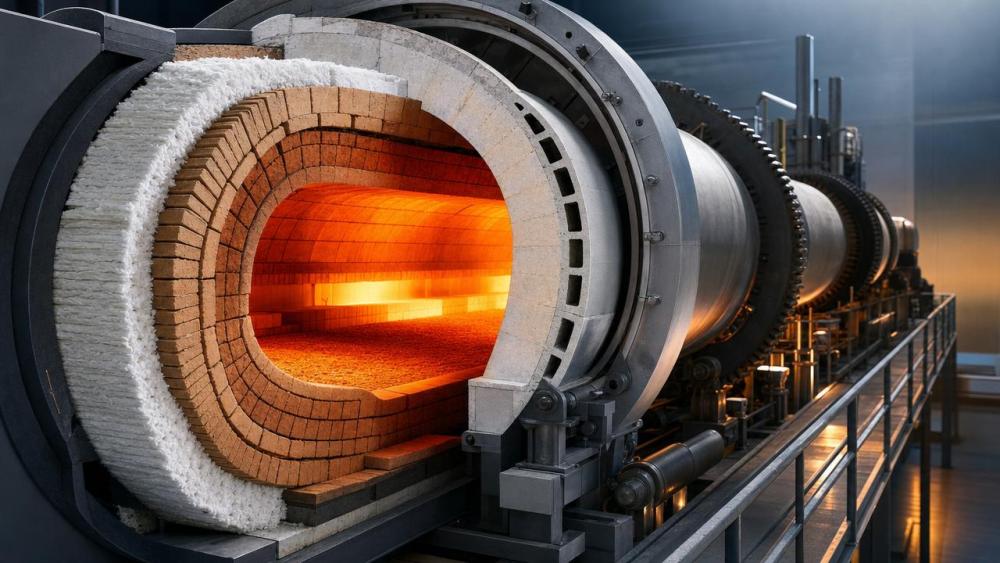
Silicate industrial solutions cover a broad family of materials used to insulate, contain, guide, or protect high-temperature processes. Depending on the duty, this can include refractory bricks, castables, ceramic fiber products, insulating boards, fused cast components, kiln furniture, and process-contact linings.
The shared value lies in controlled thermal behavior. A silicate-based system can resist heat, reduce energy leakage, buffer thermal shock, and maintain dimensional integrity under difficult chemical conditions. That sounds straightforward, yet service results vary sharply when process conditions are only partially understood.
A rotary kiln handling alternative fuels, for example, does not stress materials in the same way as a float glass furnace. An incinerator faces aggressive ash chemistry and fluctuating temperatures. A refractory production line may prioritize firing consistency and contamination control. New building material extrusion adds pressure, abrasion, and moisture-related variables that change the selection logic.
The main material options behind silicate industrial solutions
The market uses many formulations, but most evaluations begin with a few core categories. Each serves a different balance of thermal resistance, mechanical durability, installation speed, and cost over time.
Dense refractories and structural linings
Dense fireclay, aluminosilicate brick, and related castables are commonly chosen where abrasion, load-bearing capacity, and direct flame or slag contact are major concerns. These materials suit transfer zones, burner areas, and wear-intensive sections.
Their advantage is durability under mechanical stress. Their limitation is higher thermal mass, which can slow heat-up and increase energy demand if the lining design is not optimized.
Insulating refractories and lightweight backups
Insulating bricks, microporous boards, and lightweight castables help reduce shell temperature and fuel consumption. They usually sit behind the hot face or in zones where direct attack is limited.
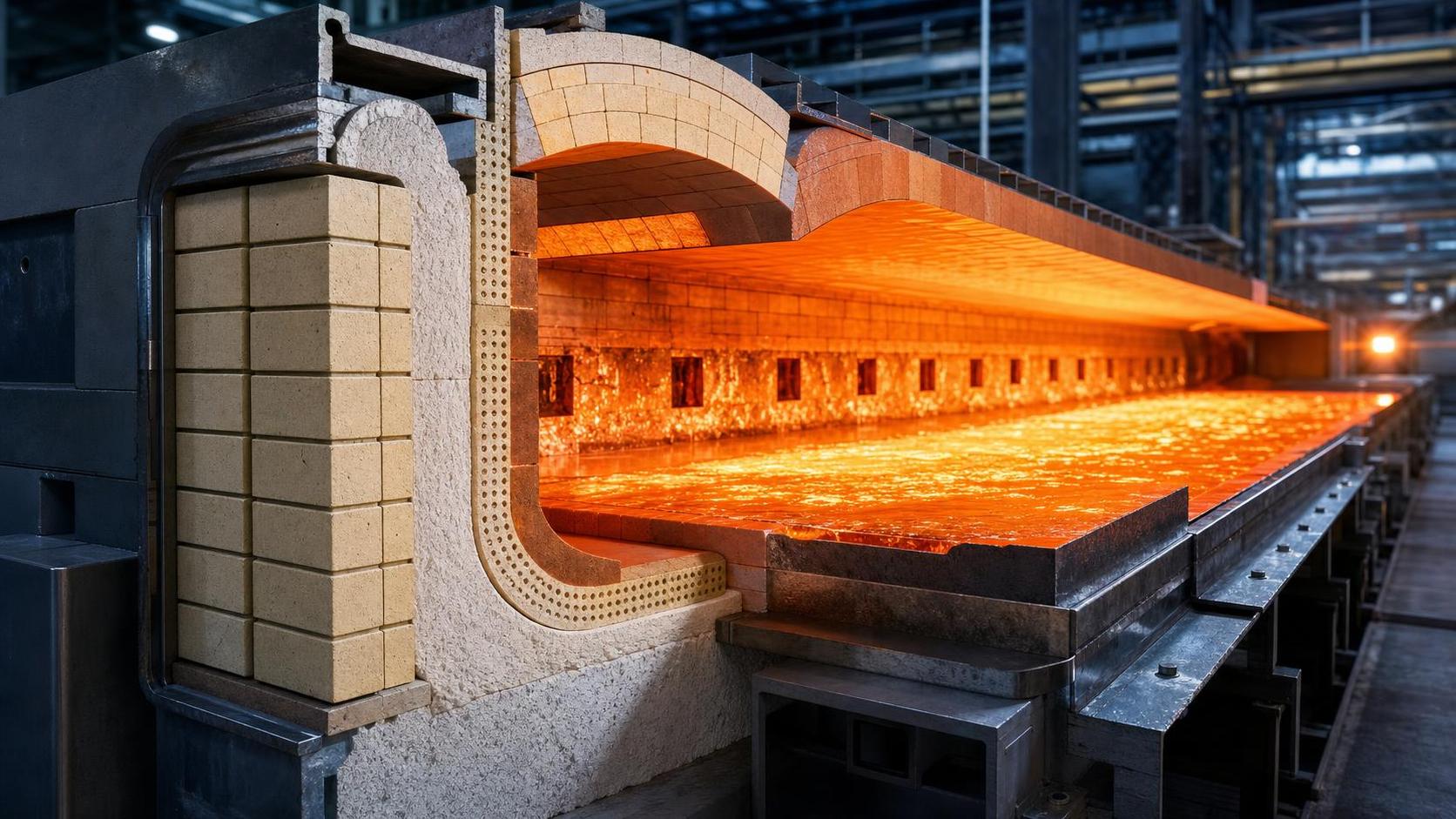
These materials matter more as energy efficiency targets tighten. In many cases, the best-performing silicate industrial solutions are layered systems rather than single materials.
Ceramic fibers and modular insulation
Ceramic fiber blankets, modules, papers, and boards offer low thermal conductivity and fast installation. They support rapid thermal response and are often used in periodic kilns, covers, seals, ducts, and retrofit projects.
However, fiber systems require careful review of velocity, erosion, health compliance, anchoring design, and long-term shrinkage at peak temperature.
Specialized glass-contact and corrosion-resistant materials
Glass tanks, forehearths, and highly corrosive zones often require premium silicate industrial solutions with tightly controlled composition and superior resistance to alkali vapor, glass penetration, or thermal distortion.
Here, the cost of failure is high. Material purity, expansion behavior, and compatibility with adjacent blocks often matter as much as nominal temperature rating.
Selection factors that change the outcome
Temperature is the starting point, but rarely the final answer. Many underperforming linings were technically rated for the heat, yet unsuitable for the real combination of gas flow, chemical attack, cycling, and mechanical stress.
Thermal profile, not only peak heat
A continuous furnace with stable gradients needs a different solution than a unit facing rapid start-stop cycles. Thermal shock resistance, expansion control, and shell-side heat loss should be assessed together.
Chemical exposure and atmosphere
Ash, alkalis, sulfur compounds, chlorides, glass vapors, and reducing atmospheres can all reshape material performance. Silicate industrial solutions must be matched to actual chemistry, not generic sector labels.
Mechanical wear and geometry
Rotating equipment, feed impact, particulate flow, and tight anchor layouts create stress concentrations. A technically superior material can still fail early if joint design or installation geometry is wrong.
Service strategy and downtime economics
The lowest purchase price often hides the highest lifecycle cost. Evaluations should include maintenance intervals, repairability, heat-up schedule, spare availability, and the cost of unscheduled stoppage.
- Map every zone by temperature range, chemistry, abrasion level, and expected cycling frequency.
- Check whether a multilayer design can reduce fuel demand without exposing insulation to direct attack.
- Review installation quality as part of material selection, not as a separate afterthought.
- Compare total campaign life rather than only unit price or quoted maximum temperature.
Where the strongest value appears in practice
In cement and lime systems, silicate industrial solutions help stabilize burning conditions, reduce shell losses, and manage zones exposed to clinker dust, alkalis, and thermal cycling. Performance here is closely tied to fuel flexibility and emissions control.
In glass production, lining consistency influences melt quality, thermal homogeneity, and furnace campaign length. Minor material variation can affect defect risk, energy intensity, and rebuild planning.
In industrial kilns and waste-to-energy units, the challenge is often mixed feedstock. That means fluctuating flame conditions, ash chemistry, and localized corrosion. Selection becomes less about a catalog grade and more about zone-by-zone risk control.
Refractory manufacturing itself also depends on reliable silicate industrial solutions. Firing cars, kiln furniture, insulation packages, and monitoring approaches all influence yield, dimensional stability, and energy consumption.
For extrusion-based building materials, thermal management extends beyond the firing stage. Drying, preheating, and post-forming treatments often determine crack rate, throughput, and final product uniformity.
Why the industry is paying closer attention now
The discussion is no longer limited to heat resistance. Decarbonization targets, alternative fuels, digital monitoring, and stricter environmental rules are changing how silicate industrial solutions are evaluated.
A lining that reduces shell heat loss can directly support lower fuel intensity. A material system that survives wider chemistry swings can enable higher waste co-processing rates. Better online monitoring can move maintenance from reactive shutdowns to data-based planning.
This is where CF-Elite’s perspective becomes useful. Its focus on cement plants, glass manufacturing gear, industrial kilns, incineration, refractory production lines, and advanced extrusion reflects a wider truth: thermal materials can no longer be separated from process intelligence. Physical parameters, reaction kinetics, market shifts, and carbon strategy increasingly belong in the same evaluation framework.
A practical framework for better decisions
A strong review starts with operating evidence rather than vendor claims alone. Historical failure maps, shell temperature scans, atmosphere data, fuel changes, production targets, and maintenance records usually reveal more than a nominal datasheet comparison.
From there, it helps to compare silicate industrial solutions across five linked dimensions:
- Thermal fit: peak temperature, cycling pattern, heat storage, and insulation efficiency.
- Chemical fit: slag, alkali, sulfur, chloride, vapor, and redox behavior.
- Mechanical fit: abrasion, load, impact, movement, and joint stability.
- Execution fit: installation method, curing, dry-out, anchoring, and repair complexity.
- Economic fit: campaign life, downtime exposure, energy savings, and monitoring compatibility.
When those dimensions are reviewed together, the discussion becomes clearer. The goal is not to find a universally superior material. It is to identify the lowest-risk combination for a defined process window and business target.
The next useful step is to build a zone-specific comparison sheet, then test assumptions against actual process data. That approach turns silicate industrial solutions from a procurement line item into a measurable lever for uptime, energy control, and long-term thermal performance.
Related News
![]() Ms. Elena RodriguezTechnical Comparison of Material Processing Methods: Key Factors for Process SelectionTechnical comparison for material processing made practical: learn how to evaluate energy, quality, maintenance, emissions, and feed variability to choose the right process with confidence.Jul 29, 2026
Ms. Elena RodriguezTechnical Comparison of Material Processing Methods: Key Factors for Process SelectionTechnical comparison for material processing made practical: learn how to evaluate energy, quality, maintenance, emissions, and feed variability to choose the right process with confidence.Jul 29, 2026![]() Silicate Process EngineerHow Cement Grinding Technology Affects Energy Use, Fineness, and Plant OutputCement grinding technology shapes energy use, fineness, and plant output. Learn how to compare mills, separators, drying, and control systems for smarter upgrades.Jul 28, 2026
Silicate Process EngineerHow Cement Grinding Technology Affects Energy Use, Fineness, and Plant OutputCement grinding technology shapes energy use, fineness, and plant output. Learn how to compare mills, separators, drying, and control systems for smarter upgrades.Jul 28, 2026![]() Ms. Elena RodriguezHeavy Equipment Trade Cost Trends: What Buyers Should Track in 2025Heavy equipment trade cost trends in 2025 reveal how freight, energy, lead times, and compliance reshape total equipment costs. Learn what buyers must track to reduce risk and protect budgets.Jul 27, 2026
Ms. Elena RodriguezHeavy Equipment Trade Cost Trends: What Buyers Should Track in 2025Heavy equipment trade cost trends in 2025 reveal how freight, energy, lead times, and compliance reshape total equipment costs. Learn what buyers must track to reduce risk and protect budgets.Jul 27, 2026![]() Material Heat-Resist ExpertSilicate Production Line Process Explained: Key Stages, Equipment, and Quality ControlSilicate production line process explained with key stages, core equipment, quality control, and energy checks—helping buyers and engineers assess stability, efficiency, and supplier capability.Jul 26, 2026
Material Heat-Resist ExpertSilicate Production Line Process Explained: Key Stages, Equipment, and Quality ControlSilicate production line process explained with key stages, core equipment, quality control, and energy checks—helping buyers and engineers assess stability, efficiency, and supplier capability.Jul 26, 2026 Optical Glass Tech FellowRefractory Material Science for Glass Furnaces: Key Properties That Drive Furnace LifeRefractory material science for glass furnaces explains how corrosion resistance, thermal shock, creep, and microstructure shape furnace life, glass quality, and campaign reliability.Jul 25, 2026
![]() Silicate Process EngineerCement Plant Equipment Price Guide: What Drives Cost and How to Budget WiselyCement plant equipment price explained: discover what drives costs, compare quotes wisely, spot hidden expenses, and build a smarter budget for long-term plant value.Jul 24, 2026
Silicate Process EngineerCement Plant Equipment Price Guide: What Drives Cost and How to Budget WiselyCement plant equipment price explained: discover what drives costs, compare quotes wisely, spot hidden expenses, and build a smarter budget for long-term plant value.Jul 24, 2026![]() Dr. Alistair VaughnHow Digital Twin Simulations Improve Process Plant Design, Safety, and UptimeDigital twin simulations for process plants help teams improve plant design, reduce safety risks, and protect uptime by validating thermal, control, and retrofit decisions before costly failures occur.Jul 23, 2026
Dr. Alistair VaughnHow Digital Twin Simulations Improve Process Plant Design, Safety, and UptimeDigital twin simulations for process plants help teams improve plant design, reduce safety risks, and protect uptime by validating thermal, control, and retrofit decisions before costly failures occur.Jul 23, 2026![]() Thermal Energy ArchitectRotary Kilns Price Guide: What Determines Cost and How to Compare Quotes?Rotary kilns price varies by capacity, fuel, refractory, automation, and emissions scope. Learn what drives cost, what cheap quotes may miss, and how to compare suppliers wisely.Jul 22, 2026
Thermal Energy ArchitectRotary Kilns Price Guide: What Determines Cost and How to Compare Quotes?Rotary kilns price varies by capacity, fuel, refractory, automation, and emissions scope. Learn what drives cost, what cheap quotes may miss, and how to compare suppliers wisely.Jul 22, 2026 Ms. Elena RodriguezHow to Evaluate Green Building Material Equipment Suppliers in Europe?Green building material equipment Europe buyers: learn how to evaluate suppliers by technical fit, compliance, lifecycle cost, and after-sales support for smarter sourcing decisions.Jul 21, 2026
![]() Thermal Energy ArchitectHow to Evaluate an Energy Efficient Tunnel Kiln for Lower Fuel Costs and Stable OutputEnergy efficient tunnel kiln evaluation starts with fuel cost, but real value comes from thermal stability, heat recovery, and consistent output. Learn what truly lowers cost per qualified ton.Jul 20, 2026
Thermal Energy ArchitectHow to Evaluate an Energy Efficient Tunnel Kiln for Lower Fuel Costs and Stable OutputEnergy efficient tunnel kiln evaluation starts with fuel cost, but real value comes from thermal stability, heat recovery, and consistent output. Learn what truly lowers cost per qualified ton.Jul 20, 2026![]() Ms. Elena RodriguezSustainable Material Production Compliance: Key Standards, Risks, and Audit ChecksSustainable material production compliance explained: key standards, audit checks, and hidden plant risks across cement, glass, and thermal lines—learn how to spot gaps before audits fail.Jul 19, 2026
Ms. Elena RodriguezSustainable Material Production Compliance: Key Standards, Risks, and Audit ChecksSustainable material production compliance explained: key standards, audit checks, and hidden plant risks across cement, glass, and thermal lines—learn how to spot gaps before audits fail.Jul 19, 2026![]() Thermal Energy ArchitectProcess Monitoring for Incinerators: Key Parameters, Sensors, and Compliance ChecksProcess monitoring for incinerators covers key parameters, sensor selection, and compliance checks to improve combustion stability, emissions control, and plant performance.Jul 18, 2026
Thermal Energy ArchitectProcess Monitoring for Incinerators: Key Parameters, Sensors, and Compliance ChecksProcess monitoring for incinerators covers key parameters, sensor selection, and compliance checks to improve combustion stability, emissions control, and plant performance.Jul 18, 2026![]() Thermal Energy ArchitectWhat Is Industrial Co-Processing? Process, Acceptable Waste Types, and Kiln Use CasesIndustrial co-processing explained: learn the process, acceptable waste types, and kiln use cases in cement and thermal industries to improve efficiency, compliance, and resource recovery.Jul 17, 2026
Thermal Energy ArchitectWhat Is Industrial Co-Processing? Process, Acceptable Waste Types, and Kiln Use CasesIndustrial co-processing explained: learn the process, acceptable waste types, and kiln use cases in cement and thermal industries to improve efficiency, compliance, and resource recovery.Jul 17, 2026![]() Ms. Elena RodriguezGlass Industry Intelligence in Europe: Key Market Signals Buyers Should TrackGlass industry intelligence Europe reveals the key market signals buyers should track, from energy and carbon exposure to furnace upgrades and usable capacity for smarter sourcing decisions.Jul 16, 2026
Ms. Elena RodriguezGlass Industry Intelligence in Europe: Key Market Signals Buyers Should TrackGlass industry intelligence Europe reveals the key market signals buyers should track, from energy and carbon exposure to furnace upgrades and usable capacity for smarter sourcing decisions.Jul 16, 2026![]() Ms. Elena RodriguezIndustrial Market Intelligence in North America: What Buyers Should Track in Supply, Pricing, and DemandIndustrial market intelligence North America reveals what buyers must track in supply, pricing, demand, and compliance to reduce risk and time smarter industrial investments.Jul 15, 2026
Ms. Elena RodriguezIndustrial Market Intelligence in North America: What Buyers Should Track in Supply, Pricing, and DemandIndustrial market intelligence North America reveals what buyers must track in supply, pricing, demand, and compliance to reduce risk and time smarter industrial investments.Jul 15, 2026![]() Optical Glass Tech FellowCommon Problems in Glass Annealing Lehr Systems and How to Improve Temperature UniformityGlass annealing lehr systems often suffer from uneven cooling, stress, and defects. Learn common causes and practical fixes to improve temperature uniformity, quality, and line stability.Jul 15, 2026
Optical Glass Tech FellowCommon Problems in Glass Annealing Lehr Systems and How to Improve Temperature UniformityGlass annealing lehr systems often suffer from uneven cooling, stress, and defects. Learn common causes and practical fixes to improve temperature uniformity, quality, and line stability.Jul 15, 2026![]() Optical Glass Tech FellowOxy Fuel Glass Melting Furnace vs Air-Fuel Systems: Which Fits Your Glass Plant Better?Oxy fuel glass melting furnace or air-fuel system? Compare energy use, NOx, melt quality, oxygen cost, and ROI to choose the best-fit furnace for your glass plant.Jul 15, 2026
Optical Glass Tech FellowOxy Fuel Glass Melting Furnace vs Air-Fuel Systems: Which Fits Your Glass Plant Better?Oxy fuel glass melting furnace or air-fuel system? Compare energy use, NOx, melt quality, oxygen cost, and ROI to choose the best-fit furnace for your glass plant.Jul 15, 2026![]() Dr. Alistair VaughnSilicate Processing Equipment Production Line: Key Machines, Layout Options, and Output PlanningSilicate processing equipment production line guide covering key machines, layout models, output planning, and control strategies to help improve efficiency, stability, and project ROI.Jul 15, 2026
Dr. Alistair VaughnSilicate Processing Equipment Production Line: Key Machines, Layout Options, and Output PlanningSilicate processing equipment production line guide covering key machines, layout models, output planning, and control strategies to help improve efficiency, stability, and project ROI.Jul 15, 2026![]() Material Heat-Resist ExpertHow to Evaluate a Refractory Production Line in Southeast Asia: Capacity, Fuel, and Raw Material FactorsRefractory production Southeast Asia: learn how to assess capacity, fuel strategy, and raw material stability to reduce risk, improve efficiency, and build a scalable, compliant plant.Jul 15, 2026
Material Heat-Resist ExpertHow to Evaluate a Refractory Production Line in Southeast Asia: Capacity, Fuel, and Raw Material FactorsRefractory production Southeast Asia: learn how to assess capacity, fuel strategy, and raw material stability to reduce risk, improve efficiency, and build a scalable, compliant plant.Jul 15, 2026![]() Ms. Elena RodriguezIndustrial Solution Comparison for Procurement: How to Compare CAPEX, OPEX, and Delivery RiskIndustrial solution comparison procurement made practical: compare CAPEX, OPEX, and delivery risk with a lifecycle approach to reduce downtime, control cost, and choose suppliers with confidence.Jul 14, 2026
Ms. Elena RodriguezIndustrial Solution Comparison for Procurement: How to Compare CAPEX, OPEX, and Delivery RiskIndustrial solution comparison procurement made practical: compare CAPEX, OPEX, and delivery risk with a lifecycle approach to reduce downtime, control cost, and choose suppliers with confidence.Jul 14, 2026

Related News
- 00
0000-00
Silicate Production Line Process Explained: Key Stages, Equipment, and Quality Control - 00
0000-00
How to Evaluate a Refractory Production Line in Southeast Asia: Capacity, Fuel, and Raw Material Factors - 00
0000-00
How to Evaluate a Silicate Production Lines Supplier for Capacity, Automation, and Raw Material Fit - 00
0000-00
Heavy Industrial Processes for Refractories: Key Stages, Heat Loads, and Process Limits - 00
0000-00
What ISO Certification Means for Refractory Processing Equipment Quality and Plant Compliance
Weekly Insights
Stay ahead with our curated technology reports delivered every Monday.